分类: society

  • Xinjiang’s Changji welcomes visitors with festive Spring Festival flavors

    Xinjiang’s Changji welcomes visitors with festive Spring Festival flavors

    The Changji Hui Autonomous Prefecture in Xinjiang Uygur Autonomous Region has transformed into a vibrant hub of cultural celebration during the Spring Festival period, offering both culinary delights and traditional festivities to visitors nationwide. The region’s night markets and snack streets have become central attractions, where the authentic flavors of local cuisine merge with joyful communal activities.

    At the heart of this festive atmosphere lies Changji’s renowned snack street, where Ma Dianying’s cake shop draws crowds seeking authentic fried cakes—a local specialty that has become a culinary landmark. ‘Many travelers specifically visit our prefecture to experience these traditional flavors,’ Ma explained, emphasizing her commitment to preserving the genuine taste that has characterized the region’s cuisine for generations.

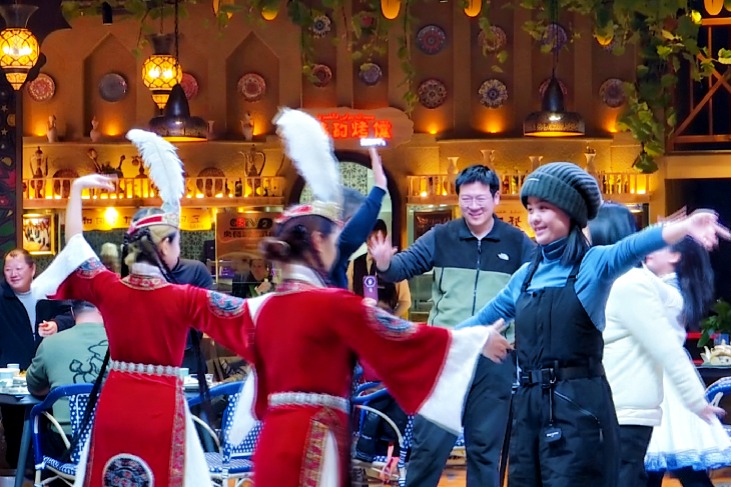
    Evening festivities come alive with cultural performances that invite active participation. Dancers at the night market enthusiastically welcome visitors to join traditional dances, creating spontaneous cross-cultural exchanges between locals and tourists. These interactions showcase Xinjiang’s rich ethnic heritage while fostering communal harmony during the holiday season.

    The Spring Festival celebrations in Changji demonstrate how traditional Chinese holidays serve as bridges between diverse cultures, with food acting as a universal language that transcends regional differences. The prefecture’s successful integration of culinary tourism with cultural preservation offers a model for sustainable cultural promotion that benefits both visitors and local communities.

    This festive environment not only boosts regional tourism but also strengthens local pride in traditional customs and cuisine. The ongoing celebrations highlight how China’s ethnic autonomous regions maintain their unique cultural identities while participating in national traditions, creating a multifaceted tapestry of cultural expression during important holidays.

  • Ajman announces remote work for government employees on Fridays during Ramadan

    Ajman announces remote work for government employees on Fridays during Ramadan

    The Emirate of Ajman has instituted a comprehensive remote work policy for all government employees on Fridays during the upcoming Ramadan period. This strategic decision forms part of a broader initiative to honor the sanctity of the holy month while simultaneously promoting enhanced work-life balance for public sector workers.

    In alignment with the UAE’s designation of 2026 as the ‘Year of the Family,’ the remote work mandate seeks to create flexible working conditions that support employee welfare and maintain productivity standards. The policy specifically addresses the unique spiritual and practical considerations that arise during Ramadan, allowing government staff to observe religious obligations while fulfilling professional responsibilities.

    Complementing this Friday remote work arrangement, the UAE public sector will implement reduced working hours throughout Ramadan. From Monday to Thursday, official working hours will span from 9:00 AM to 2:30 PM, while Fridays will maintain a shortened schedule from 9:00 AM to 12:00 noon for those required to be physically present.

    Federal ministries and government entities across the Emirates retain flexibility in their implementation approaches. They may either adopt the pre-approved flexible work regulations for Ramadan weekdays or extend remote work privileges specifically for Fridays. However, federal guidelines stipulate that remote work participation must not exceed 70% of an entity’s total workforce at any given time, following established regulatory controls previously communicated by the Federal Authority for Government Human Resources.

    This coordinated approach demonstrates the UAE government’s commitment to harmonizing religious observance with modern workplace practices, setting a precedent for culturally responsive employment policies in the region.

  • UAE, Kuwait bust international drug ring, seize 14 million pills hidden in grain sacks

    UAE, Kuwait bust international drug ring, seize 14 million pills hidden in grain sacks

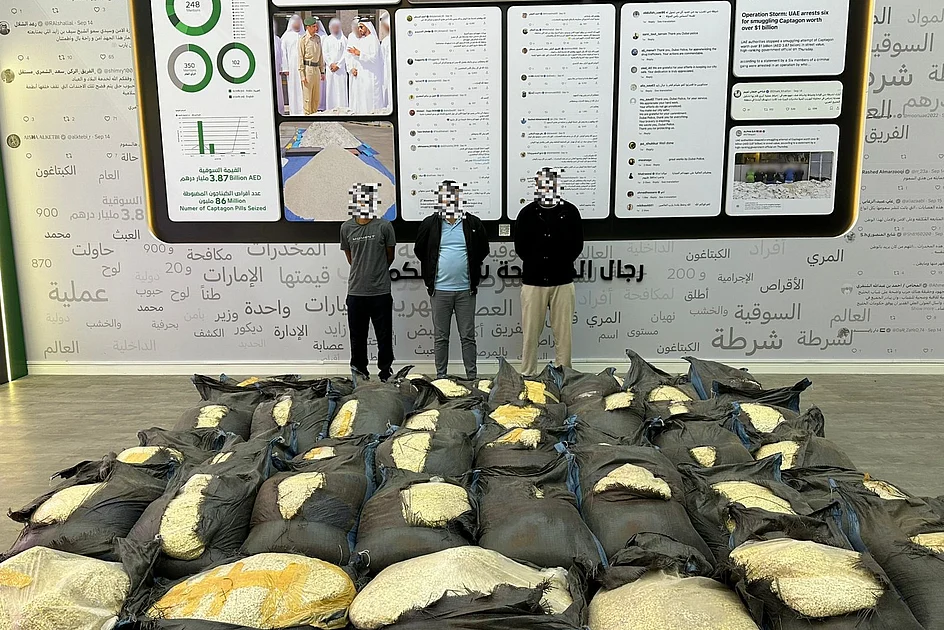
    In a landmark international law enforcement collaboration, Dubai Police and Kuwaiti anti-narcotics authorities have successfully dismantled a sophisticated drug trafficking network, intercepting one of the largest Captagon seizures in regional history. The coordinated operation resulted in the confiscation of 14,062,500 pills with an estimated weight of 2.25 tonnes.

    The criminal organization employed elaborate concealment methods, hiding the massive narcotics shipment within sacks of corn grains distributed across five shipping containers. This technique was specifically designed to bypass standard inspection protocols and avoid detection at port facilities.

    Through advanced intelligence sharing and continuous monitoring between Emirati and Kuwaiti agencies, authorities identified and tracked the movements of suspects connected to the shipment. Specialized teams conducted precise tactical operations, apprehending three Arab nationals during the unloading process at a storage facility.

    Sheikh Zayed bin Hamad Al Nahyan, Chairman of the National Anti-Narcotics Bureau, commended the exceptional professionalism and dedication demonstrated by the anti-narcotics officers from both nations. Their coordinated efforts effectively disrupted the network’s operations and prevented the substantial drug consignment from reaching its intended markets.

    Captagon, known chemically as fenethylline, represents a potent psychostimulant compound that combines amphetamine and theophylline. The substance remains prohibited in most countries worldwide due to its significant abuse potential and harmful effects.

    This operation marks the latest in a series of successful anti-narcotics interventions by Gulf Cooperation Council states, highlighting their strengthened collaborative approach against international drug trafficking organizations attempting to utilize regional trade routes for illicit activities.

  • Angry Greek farmers converge on parliament with tractors in overnight protest rally

    Angry Greek farmers converge on parliament with tractors in overnight protest rally

    ATHENS, Greece — In a dramatic display of discontent, thousands of Greek farmers descended upon central Athens with their tractors on Friday, creating a cacophony of blaring horns outside the parliament building. The overnight demonstration at Syntagma Square—Athens’ traditional protest epicenter—marked the culmination of months of agricultural unrest across the nation.

    Police established extensive security cordons while escorting the slow-moving tractor procession through the capital’s thoroughfares. The protest organizers vowed to maintain their vigil through the night, maintaining pressure on Prime Minister Kyriakos Mitsotakis’ administration.

    The agricultural sector’s grievances stem from triple pressures: skyrocketing production expenses, depressed commodity prices, and critical delays in European Union subsidy disbursements. These payment suspensions followed government investigations into widespread fraudulent claims within the EU farm aid system, though legitimate farmers argue they’re being collectively punished for systemic abuses.

    Livestock producers have augmented the movement since November, having suffered devastating losses from mandatory culls during recent sheep and goat pox outbreaks. Their participation underscores the multifaceted crisis facing Greece’s agricultural industry.

    Despite February concessions from the government—including fuel tax rebates and reduced electricity rates—farmers insist core issues remain unaddressed. Rizos Maroudas, a agricultural union leader from Larissa, stated to national broadcaster ERT that while roadblocks were temporarily lifted, ‘our struggle continues because our basic demands weren’t satisfied.’ He specifically cited cheap imported goods undermining domestic produce as an unresolved critical issue.

    The protest movement previously escalated with 48-hour highway blockades targeting toll stations and border crossings, creating nationwide transportation disruptions. Farmers simultaneously expressed opposition to the EU-Mercosur trade agreement, which would gradually eliminate tariffs on South American agricultural imports, further threatening Greek producers’ competitiveness.

  • Two Britons among three dead in French Alps avalanche

    Two Britons among three dead in French Alps avalanche

    A devastating avalanche in the French Alps resort of Val d’Isère resulted in three fatalities on Friday, casting a shadow over the popular skiing destination. The victims included two British nationals and one French skier, according to official statements from local authorities.

    The tragic incident occurred during an off-piste excursion where the British victims were part of a five-person group under the supervision of a professional instructor. Resort representatives confirmed to BBC that the guided tour was exploring ungroomed terrain when the avalanche struck without warning. Meanwhile, the French victim was skiing solo in the same general area, separate from the British group, as detailed in the prosecutor’s official report.

    Emergency response teams mobilized immediately following the avalanche alert, conducting extensive search and rescue operations in challenging mountain conditions. One additional British skier sustained minor injuries in the incident and received prompt medical attention at the scene. The injured party is reported to be in stable condition.

    Val d’Isère, situated in the Savoie region of southeastern France, represents one of Europe’s most prestigious high-altitude ski destinations. While the resort maintains rigorous safety protocols for marked trails, this tragedy highlights the inherent risks associated with off-piste skiing in alpine environments. Local authorities have launched a comprehensive investigation to determine the exact circumstances that led to the avalanche formation and whether any advisory warnings were in effect at the time.

    The alpine community has expressed profound condolences to the families of the victims, with resort management emphasizing their commitment to mountain safety and ongoing cooperation with investigation authorities. This incident marks one of the most significant avalanche-related tragedies in the region during the current winter season.

  • China: Huge pit visible in Shanghai after viral sinkhole video

    China: Huge pit visible in Shanghai after viral sinkhole video

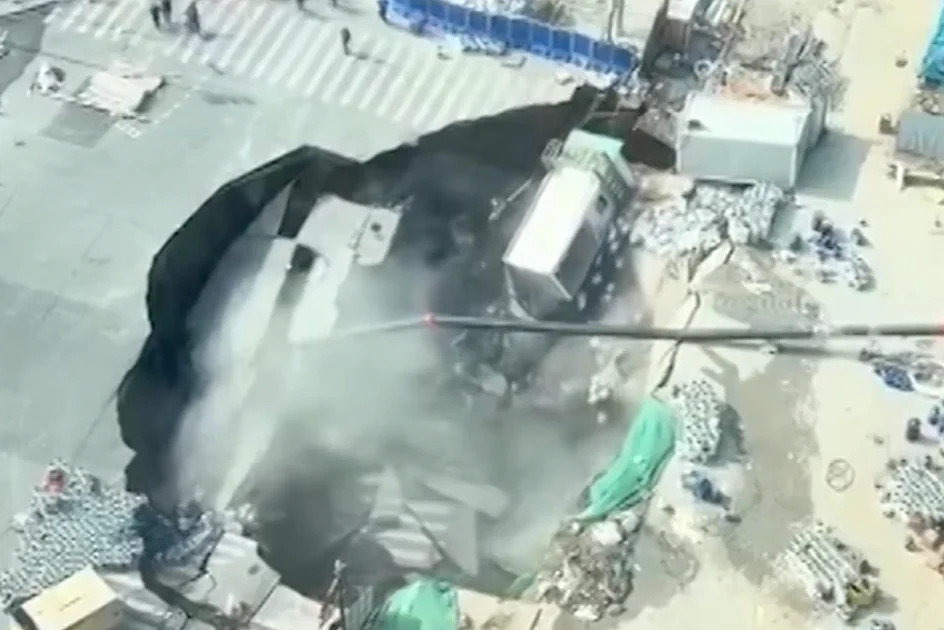
    A significant sinkhole emerged at a Shanghai metro construction site on Friday, drawing widespread attention after dramatic footage of the ground collapse circulated on social media platforms. The incident occurred in an outer district of the Chinese metropolis where a new subway line is currently under development.

    From adjacent shopping complexes, observers could clearly discern the edges of a substantial crater matching the location featured in viral videos. Authorities have cordoned off surrounding road sections, with police presence and construction vehicles deployed around the perimeter. Official sources have confirmed that no casualties resulted from the geological event.

    The circulating footage, which remains unverified by AFP through standard authentication tools, depicts the ground abruptly giving way and consuming temporary structures in an expanding cavity. Some digital forensic analysis suggests potential artificial intelligence enhancement or manipulation of the visual materials.

    Local merchants reported the incident occurred during Thursday morning’s peak commute hours. The state-owned enterprise responsible for the construction project had previously identified a leak at the site and implemented emergency protocols on Wednesday, according to their official statement.

    Chinese officials indicated that the definitive cause will be communicated through established government channels. While sinkholes represent a known geological phenomenon in China, this event recalls previous tragedies, including a 2020 incident in northwest China where a similar collapse resulted in nine fatalities after engulfing a bus and pedestrians.

  • Surnames tell the cross-Strait story

    Surnames tell the cross-Strait story

    The profound historical and cultural connections between mainland China and Taiwan are powerfully illustrated through the study of family names, according to Li Gaoxiong, a Taiwanese compatriot currently residing in Fujian province. He emphasizes that regardless of how one traces Taiwanese surnames, their origins invariably lead back to the Chinese mainland.

    Mr. Li’s personal history serves as a compelling example. His surname, Li, can be directly traced to Quanzhou in Fujian province, demonstrating the migration patterns across the strait. Furthermore, his given name, Gaoxiong, was deliberately chosen to honor Kaohsiung, the major city in southern Taiwan where his family maintains connections. This naming tradition reflects the enduring bidirectional cultural exchange between the two regions.

    This phenomenon extends beyond individual cases to represent a broader pattern of shared heritage. Extensive genealogical research continues to reveal how family lineages have been maintained across the strait despite geographical separation. The preservation of these naming conventions and ancestral tracking methods highlights the deep-rooted connections that have persisted through generations.

    Academic institutions on both sides have increasingly collaborated on genealogical studies that systematically document these connections. Their research consistently confirms that the overwhelming majority of Taiwanese surnames can be traced to specific regions in mainland China, particularly Fujian and Guangdong provinces. These findings provide tangible evidence of the cross-strait familial bonds that have historically existed and continue to influence personal identities today.

  • China to add 150,000 subsidized nursery care slots and scale up central financing

    China to add 150,000 subsidized nursery care slots and scale up central financing

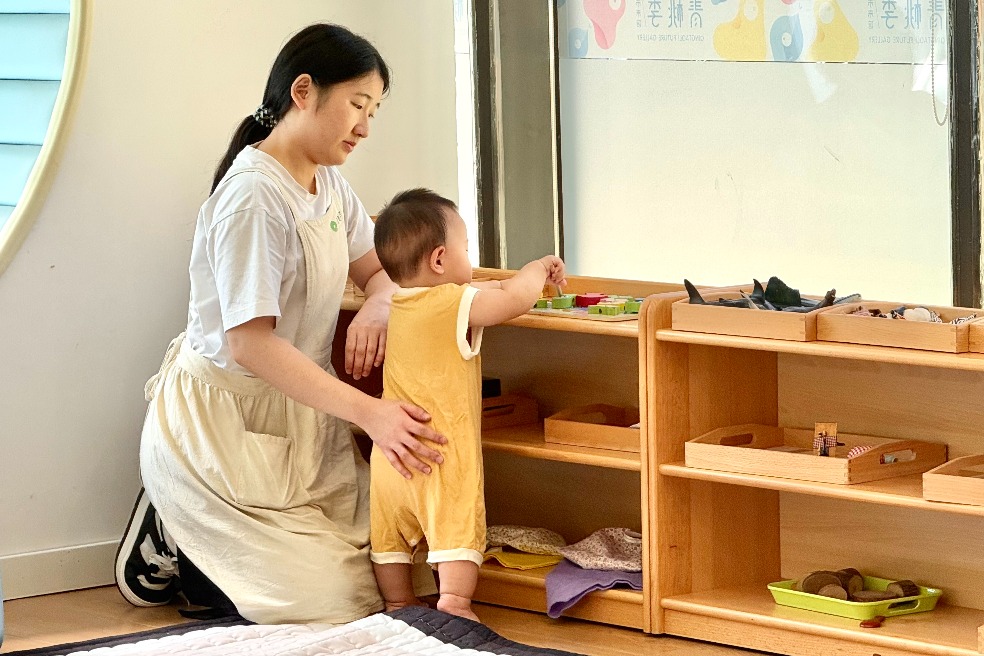
    In a significant move to strengthen family support systems, China has announced plans to create 150,000 additional government-subsidized nursery care placements while substantially increasing central financial backing for affordable childcare services in 2026. The National Health Commission unveiled this initiative on Thursday as part of a comprehensive maternal and child health enhancement program.

    Fu Wei, Director of the Commission’s Department of Maternal and Child Health, revealed that the country successfully established 890,000 subsidized nursery slots throughout the previous year. The current year’s strategy will prioritize three key objectives: expanding the proportion of affordable childcare options, broadening service accessibility across regions, and elevating quality standards throughout the sector.

    The central government will implement strengthened financial mechanisms to support these developments, including the application of preferential utility rates—covering water, electricity, gas, and heating—for childcare facilities. Additional measures incorporate tax relief and fee reduction policies designed to ease operational burdens on service providers.

    In an innovative approach to holistic child development, maternal and child health centers alongside medical institutions are being encouraged to form collaborative partnerships with childcare providers. These alliances will facilitate the integration of professional health guidance into early childhood education environments.

    The nursery expansion constitutes one of ten priority tasks identified by the National Health Commission for the coming year. Complementary initiatives include equipping 1,000 township health centers and community health service facilities with specialized pediatric common disease care capabilities, establishing psychological clinics across 110 counties, and ensuring universal availability of weight management services at all tertiary general hospitals.

    Further medical system enhancements will see interoperable test result recognition between hospitals within the same city increase from 200 to 300 facilities. An additional 350 township or community health centers will receive equipment to provide hemodialysis services, while 10,000 medical institutions will create early pregnancy care clinics offering integrated support encompassing nutritional guidance, mental health services, and comprehensive consultation.

    In a parallel development commencing late February, China will initiate free human papillomavirus vaccinations for 13-year-old girls within its national immunization program. Weekend vaccination services will become universally available at all township and community health centers, significantly improving access for working families.

  • Surnames recording shared bloodlines across the Taiwan Strait

    Surnames recording shared bloodlines across the Taiwan Strait

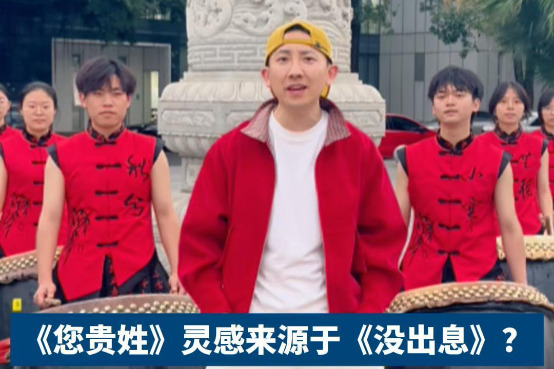
    In a powerful cultural statement emphasizing deep-rooted connections, singer-songwriter Wang Bo has released a new musical composition titled “What Is Your Surname” that explores the enduring familial bonds between communities across the Taiwan Strait. The artist emphasized that ancestral genealogies serve as historical documentation of shared bloodlines, asserting that these connections remain unbroken regardless of geographical or political circumstances.

    Wang Bo articulated during the song’s release that family surnames represent the most tangible evidence of these historical ties. “Old family genealogies record the shared bloodlines of people across the Taiwan Strait, whose roots remain connected no matter what,” the musician stated, positioning his work as both artistic expression and cultural documentation.

    The release coincides with Spring Festival celebrations, a time when traditional family connections are particularly emphasized in Chinese culture. The timing underscores the message of familial unity and shared heritage that transcends temporary divisions.

    This cultural initiative emerges alongside various Spring Festival activities across China, including traditional market events at the Confucius Museum in Shandong, lantern festivals in Datong, and the debut of 30 panda cubs born in 2025 offering seasonal greetings. These simultaneous celebrations create a backdrop of cultural continuity and tradition that reinforces the themes presented in Wang Bo’s musical work.

    The song represents a growing trend of using cultural and historical narratives to highlight the interconnectedness of communities across the Strait, focusing on elements that precede contemporary political frameworks and instead emphasize enduring human connections.

  • Dubai Police announces Ramadan Games 2026 with Dh700,000 in prizes

    Dubai Police announces Ramadan Games 2026 with Dh700,000 in prizes

    Dubai Police has unveiled plans for the inaugural Ramadan Games 2026, a comprehensive sporting initiative scheduled to run from February 20 to March 11 across six strategic locations throughout the emirate. The event will showcase an impressive lineup of 25 distinct competitions, backed by a substantial prize fund exceeding Dh700,000, making it one of the most significant community sporting events during the holy month.

    Organizational officials announced during a detailed media briefing that the Games anticipate attracting over 20,000 participants and spectators, with collaborative support from more than 20 community organizations. Colonel Abdul Basit Ali Abdulrahman, speaking at the announcement, emphasized that the initiative embodies Dubai Police’s commitment to strengthening community bonds through positive engagement during Ramadan.

    The Games are strategically designed to be inclusive and accessible to all demographic segments, welcoming not only professional athletes but also youth, families, and residents across all age groups. Under the thematic banner “Smart. Secure. Together.” – aligning with Dubai Police’s overarching message – the event aims to seamlessly blend competitive sports with social cohesion throughout the holy month.

    Beyond the competitive aspect, the Ramadan Games will incorporate community-focused initiatives including the ‘Happiness Village’ and protection-themed sports activities. The substantial prize pool is intended to encourage healthy competition while recognizing athletic excellence, all while preserving the core values of discipline, respect, and unity that characterize Ramadan.

    Authorities highlighted that the program supports both physical and mental well-being during Ramadan by providing structured sporting activities that align with the month’s values of balance and community connection. The collaborative nature of the event, involving multiple community entities, reinforces a shared commitment to enhancing social cohesion and overall wellbeing across Dubai.