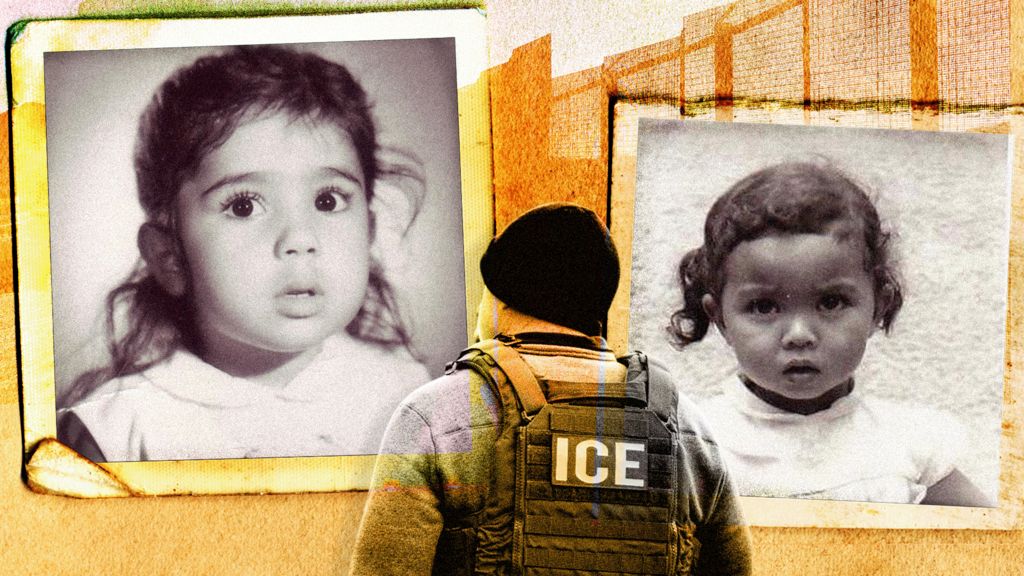
Shirley Chung, a 61-year-old woman born in South Korea, was adopted by a US family in 1966 when she was just a year old. Her biological father, an American serviceman, left shortly after her birth, and her mother, unable to care for her, placed her in an orphanage in Seoul. Shirley grew up in Texas, living a typical American life—attending school, getting a driver’s license, and working as a bartender. She married, had children, and became a piano teacher, never questioning her American identity. However, in 2012, her life unraveled when she discovered she was not a US citizen after losing her Social Security card. This revelation left her feeling betrayed by the adults in her life who failed to secure her citizenship. Shirley is not alone. Estimates suggest that between 18,000 and 75,000 American adoptees lack citizenship, with some even unaware of their status. Many have faced deportation to their birth countries, with tragic consequences, such as the case of a South Korean adoptee who took his own life in 2017 after being deported. The issue stems from historical gaps in adoption laws. While the Child Citizenship Act of 2000 granted automatic citizenship to adoptees born after February 1983, those adopted before then were excluded. Advocacy groups have been pushing for legislative changes, but efforts have stalled in Congress. The problem has intensified under President Donald Trump’s administration, which has prioritized deportations, leaving adoptees and their families in fear. Shirley and others like her are calling for compassion and action, urging the government to fulfill the promise of citizenship made to them as children.
分类: society
-
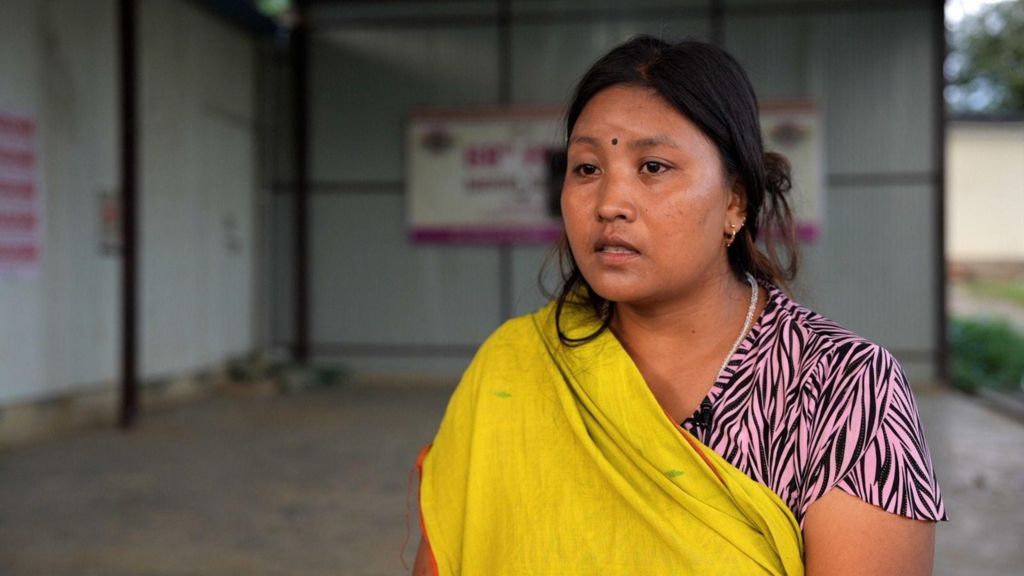
‘Can’t go back’ – families in violence-hit Indian state fear resettlement deadline
Thousands of individuals displaced by ethnic violence in Manipur, India, are grappling with an uncertain future as the government plans to shut down all temporary relief camps by December. The clashes, which erupted in May 2023 between the majority Meitei and the indigenous Kuki communities, marked the region’s worst violence in decades. The conflict began when the predominantly Christian Kuki community protested against the Meiteis, mostly Hindus, who sought official tribal status to access government benefits and job quotas. The violence claimed at least 260 lives and displaced approximately 60,000 people, many of whom remain in temporary shelters. Despite repeated government promises of rehabilitation, little progress has been made, leaving many in a state of limbo—homeless and without stable income. In July, the state’s Chief Secretary announced the closure of all relief camps by December, with plans to resettle displaced individuals in pre-fabricated housing units. However, the lack of clarity regarding the location of these units has heightened anxieties. Prime Minister Narendra Modi’s announcement of 7,000 new homes during his September visit to Manipur offered little reassurance, as details remained vague. On the ground, Manipur remains sharply divided, with Meiteis inhabiting the Imphal Valley and Kukis residing in the surrounding hill districts. Security forces patrol buffer zones to prevent intermingling, further deepening divisions. Experts emphasize the importance of resettling people in their original neighborhoods to prevent the violence from redrawing Manipur’s social map. Many displaced individuals fear that moving into temporary housing may permanently sever their ties to their homes. For instance, Hatnu Haokip, a 22-year-old living in a relief camp, yearns to return to her village in the Imphal Valley but feels unsafe due to the presence of Meitei people. She and others advocate for Kuki autonomy within a federally-administered territory. Meanwhile, Meiteis express a desire to return home, with individuals like Irom Abung vowing to reclaim their land despite the challenges. The government insists its resettlement plan is on track, having reduced the number of camps from 290 to 260. However, concerns persist over the lack of facilities and mental health support in the camps. Single mother Nemhoichong Lhungdim shared her struggle to afford medical treatment for her son, while Salam Monika recounted her uncle’s suicide due to despair over livelihood opportunities. Those resettled into temporary housing, like Chingakham Radha, continue to face financial hardships, relying on small incomes from activities like crocheting dolls. As the December deadline approaches, the future remains uncertain for thousands of displaced families in Manipur.
-

How teenager gave a street concert and was caught up in Russia’s repressive past
In the quiet woods on the outskirts of St. Petersburg, a solemn ceremony unfolds as names of victims from Joseph Stalin’s Great Terror are read aloud. The Levashovo Wasteland, believed to hold the remains of 20,000 to 45,000 individuals, serves as a grim reminder of the dictator’s brutal purges in the 1930s. Portraits of the executed are nailed to pine trees, evoking the haunting ghosts of Russia’s past. Yet, the present tells a story of continued repression under the current regime. While Russian authorities downplay Stalin’s crimes, they enforce stringent laws to suppress dissent and silence criticism, particularly regarding the war in Ukraine. Critics are increasingly labeled as ‘foreign agents,’ a modern twist on Stalin’s ‘enemies of the people.’ This narrative of control extends to the arts, where young musicians like Diana Loginova face severe consequences for their public performances. Diana, an 18-year-old music student and lead singer of the band Stoptime, has been detained multiple times for organizing street concerts that authorities claim disrupted public order. Her performances, which include songs by exiled Russian artists critical of the Kremlin, have drawn significant crowds but also the ire of the state. Despite the crackdown, supporters of Diana and other dissidents continue to voice their solidarity, albeit at great personal risk. The story of Ludmila Vasilyeva, an 84-year-old survivor of the Nazi siege of Leningrad, further underscores the ongoing struggle. Ludmila, who has publicly protested against the war in Ukraine, was fined for ‘discrediting the Russian armed forces.’ Her defiance, however, remains unshaken, as she continues to speak out against the growing authoritarianism in Russia. The parallels between Stalin’s era and the present day are stark, highlighting a nation grappling with its past while navigating the challenges of modern repression.
-
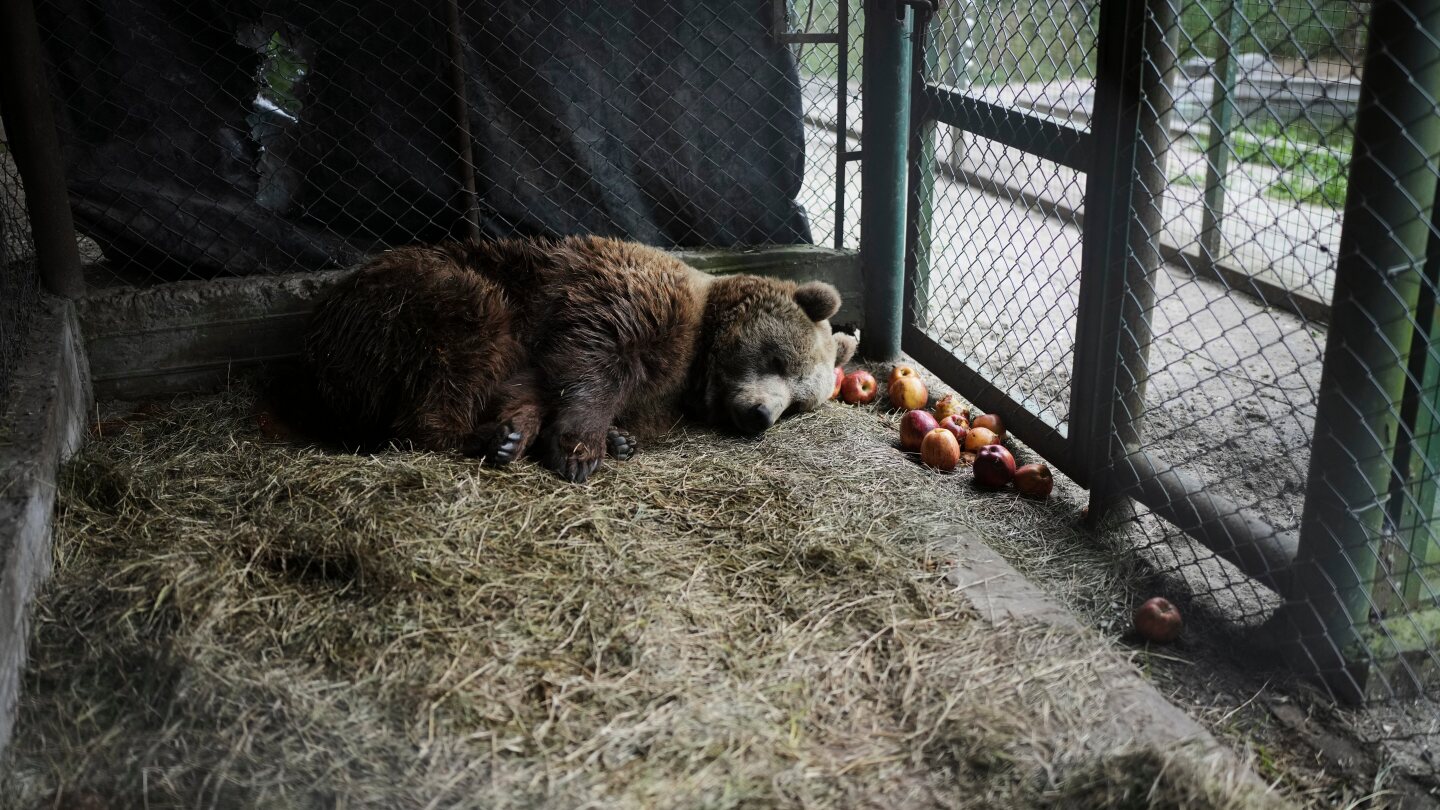
Years after Argentina shut a notorious zoo, the stranded animals are finally being rescued
In a dramatic turn of events, lions, tigers, and bears that endured years of neglect at the now-defunct Lujan Zoo near Buenos Aires, Argentina, are finally receiving critical veterinary care. The animals, confined to cramped and unsanitary enclosures, are being evaluated and treated by experts from the international animal welfare organization Four Paws. This marks one of the most complex animal rescue missions ever undertaken in Argentina, following a recent agreement between the organization and the Argentine government. The zoo, once infamous for allowing visitors to interact with big cats, was shut down in 2020 due to safety concerns. However, the animals’ conditions deteriorated further, with many succumbing to illness, malnutrition, and injuries. Since the closure, the population of lions and tigers has plummeted from 136 to 62, with nearly half of the animals dying from preventable causes. Four Paws, known for its global animal rescue efforts, has now taken responsibility for the surviving animals. The organization plans to transfer them to expansive wildlife sanctuaries worldwide, offering them a chance to live in natural habitats. Veterinarians on-site are conducting urgent medical procedures, including surgeries and vaccinations, to stabilize the animals before their relocation. While the rescue mission brings hope, it also highlights the challenges of enforcing animal welfare laws across Argentina’s 23 provinces. The initiative represents a significant step toward ending the private ownership and exploitation of exotic animals in the country.
-

Trump hosts White House Halloween bash with superheroes and presidential lookalikes amid shutdown
President Donald Trump and First Lady Melania Trump hosted a festive Halloween celebration at the White House on Thursday evening, welcoming hundreds of costumed guests, including children dressed as superheroes, dinosaurs, and even the first couple themselves. The event took place on the South Lawn, where the Trumps emerged to the orchestral rendition of Michael Jackson’s “Thriller.” While neither donned costumes, the president sported his signature blue suit, red tie, and “USA” cap, while Melania wore a brown coat over an orange dress. The couple distributed full-sized Hershey bars and Twizzlers in boxes adorned with the presidential seal to a long line of children and parents. The festivities proceeded despite the ongoing 30-day government shutdown and Trump’s recent return from a six-day Asia trip. Temporary walls obscured the construction of the new White House ballroom, which has led to the demolition of the East Wing, though a bulldozer was visible nearby. The White House exterior was decorated with autumn leaves and fall flowers, and carved pumpkins adorned the balcony stairs. Attendees included children of military members and White House staffers, with costumes ranging from Spider-Man to ballerinas. Despite the political tensions, the event provided a moment of lighthearted celebration.
-

Pumpkins, princesses and a mini Trump trick-or-treat at the White House
The White House transformed into a festive Halloween haven as President Donald Trump and First Lady Melania Trump welcomed children from Washington, D.C., for the annual trick-or-treat event. The iconic residence was adorned with seasonal decorations, creating a lively atmosphere for the young visitors. Children dressed in creative costumes, ranging from pumpkins to princesses, and even a mini Donald Trump, roamed the grounds, collecting candies and enjoying the festivities. The President and First Lady personally greeted the attendees, sharing smiles and warm interactions. This cherished tradition not only brought joy to the local community but also highlighted the White House’s role in fostering a sense of unity and celebration during the holiday season.
-
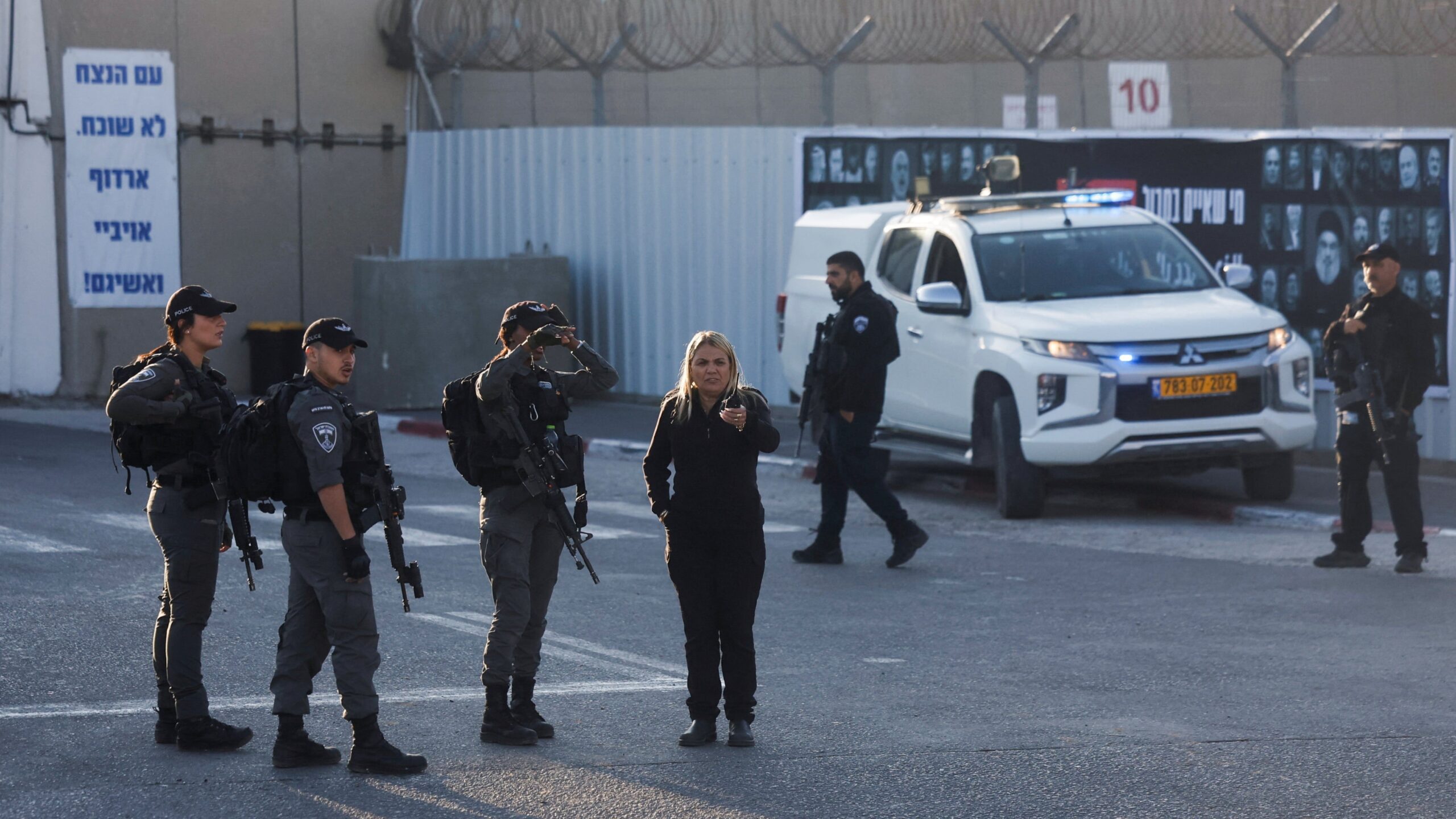
Israel launches probe into leak of video showing troops raping Palestinian prisoner
Israel has initiated a criminal investigation to uncover the source of leaked footage from the Sde Teiman detention center, which allegedly depicts the rape of a Palestinian detainee. The decision, announced by Attorney General Gali Baharav-Miara on Wednesday, will also scrutinize individuals responsible for distributing the video, which was broadcast by Israeli Channel 12 in August 2023. The footage reportedly shows soldiers forming a human barrier around the detainee during the assault. Defense Minister Israel Katz endorsed the probe, describing it as a response to a ‘serious affair that created a blood libel’ against Israeli soldiers. Far-right ministers Bezalel Smotrich and Itamar Ben Gvir had previously called for an investigation, with Smotrich accusing the leak of causing ‘tremendous damage to Israel’ globally. The incident has sparked widespread outrage, with reports of systemic abuse, including torture, rape, and murder, at Sde Teiman and other detention facilities. Despite a conditional order from Israel’s High Court in July 2023 to close the center, it remains operational, with former detainees recounting harrowing experiences of torture, starvation, and medical neglect. Investigations by Middle East Eye, CNN, and the New York Times have corroborated these allegations, highlighting the urgent need for accountability and reform.
-

This Dubai girl is helping senior citizens embrace new technology
Divyana Maheshwari, a Grade 12 student at Dubai International Academy, has taken a remarkable step to bridge the digital divide for senior citizens. Through her initiative, DIVE, she is empowering older generations to navigate the complexities of modern technology. What began as a personal effort to assist her grandparents during the COVID-19 pandemic has now grown into a global movement, impacting thousands of lives. Divyana’s journey started in 2019 when she noticed her grandparents struggling with basic digital communication. She began creating simple video tutorials, teaching skills like sending voice messages, adjusting phone settings, and connecting to WiFi. These tutorials, initially shared within her family circle, soon expanded to platforms like YouTube and WhatsApp, gaining widespread appreciation. To date, Divyana has created 235 tutorials, reaching over 3,000 individuals across 12 countries. She has also conducted 14 in-person workshops in Dubai, collaborating with NGOs and old-age homes. Her initiative has even extended to helping seniors with Alzheimer’s and cognitive disorders, partnering with organizations like Forget Me Not and Elderly Square. Divyana’s vision is to make technology accessible and inclusive for all, regardless of age. She plans to expand DIVE by involving more young people to dub tutorials into multiple languages and aims to collaborate with the United Nations to further her mission. Despite her ambitious goals, Divyana remains grounded, balancing her academic responsibilities with her passion for dance and spending quality time with her grandparents. Her story is a testament to the power of youth-driven social change and the transformative impact of technology education.
-

Clear skies unveil autumn splendor at Zhangjiajie’s Baofeng Lake
Following days of persistent autumn rain, the skies above Baofeng Lake in the Wulingyuan Scenic Area of Zhangjiajie, Hunan province, finally cleared on Tuesday, revealing a mesmerizing autumn landscape. Situated in the heart of this renowned tourist city, the lake’s unique seasonal beauty attracted a surge of visitors eager to witness its splendor. Many opted to explore the waters by boat, gliding through mist-covered peaks that resembled scenes from a living painting. The iconic stone cliffs, partially veiled by lingering clouds and mist, were mirrored in the lake’s vivid turquoise waters, creating a spectacle that left photographers and nature enthusiasts in awe. This stunning display of nature’s artistry underscored why Zhangjiajie remains a must-visit destination for travelers seeking breathtaking vistas.
-
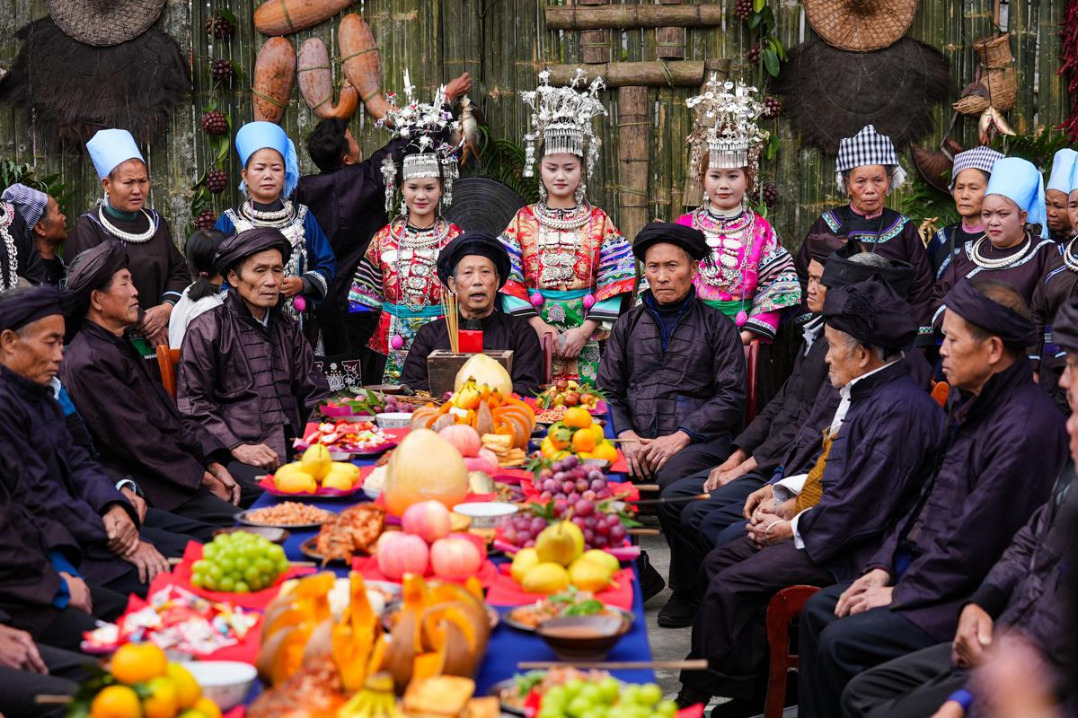
Shui communities celebrate Gua Festival in Guizhou
In late October, the Shui ethnic communities in Rongjiang county, Guizhou province, came alive with vibrant celebrations as they observed the annual Gua Festival. This traditional event, which signifies the conclusion of the autumn harvest, saw locals adorned in colorful festive attire, creating a lively and joyous atmosphere. The festival is deeply rooted in the Shui culture and serves as a time for gratitude and communal bonding. In Yayong village, the celebrations were particularly spirited, with residents extending invitations to their Miao ethnic neighbors to partake in the festivities. The event featured traditional music played on lusheng pipes and a unique pumpkin-eating contest, adding a playful touch to the cultural proceedings. Gua Festival holds immense significance for the Shui people, as it is their largest traditional celebration. Each year, after the harvest, communities select an auspicious day to express gratitude for the season’s bounty and to offer prayers for favorable weather, good health, and prosperity in the coming year. The festival not only strengthens cultural identity but also fosters unity and harmony among diverse ethnic groups in the region.