分类: society

  • ‘Sharp spike’ in anti-Muslim posts on X since US-Israel war on Iran, study shows

    ‘Sharp spike’ in anti-Muslim posts on X since US-Israel war on Iran, study shows

    A dramatic escalation in anti-Muslim content has flooded Elon Musk’s X platform following the commencement of joint US-Israel military operations against Iran on February 28th, according to a comprehensive study by the Center for the Study of Organized Hate (CSOH). The Washington DC-based research organization documented an alarming tripling of explicitly dehumanizing, exclusionary, and violence-inciting posts targeting American Muslims, soaring from approximately 2,000 daily instances to over 6,000 immediately after the conflict initiation.

    The comprehensive monitoring, conducted between January 1st and March 5th, revealed that despite a subsequent decline in volume by early March, the underlying conditions fueling this digital hatred remain persistently active. The research specifically examined US-originating content targeting domestic Muslim communities, excluding international sources to focus on domestic hate patterns.

    Perhaps most disturbingly, the analysis demonstrated the viral amplification mechanics of digital hatred. When accounting for reposts and shares, the total visibility of Islamophobic content reached 279,417 instances—representing an eleven-fold multiplication beyond the original hate posts. This massive dissemination network allowed harmful content to transcend its original sources, reaching audiences far beyond the initial hate circles.

    The content spectrum ranged from personal vitriol to organized political advocacy, including calls for legislative measures such as a proposed ‘Muslim Exclusion Act’ and mass deportation initiatives. Particularly alarming was the normalization of dehumanizing rhetoric describing Muslims as ‘rats,’ ‘pests,’ ‘vermin,’ and ‘parasites’—linguistic patterns that historically precede extreme violence against targeted communities.

    The report identified concerning parallels with genocidal rhetoric, noting how calls for violence were frequently framed as matters of ‘self-defense’ or ‘civilizational survival,’ thereby granting perpetrators a false veneer of patriotic justification. This narrative construction effectively weaponizes nationalist sentiment against religious minorities.

    Platform enforcement mechanisms proved woefully inadequate. When CSOH reported 30 explicit violations under X’s own ‘Violent Speech’ and ‘Hate, Abuse or Harassment’ policies, only 11 were removed, with 19 remaining publicly accessible as of March 9th. This enforcement gap highlights critical disconnects between platform policies and their practical implementation, particularly regarding protections for Muslim communities.

    The report concludes with urgent recommendations, including establishing ‘Trusted Flagger status’ for Muslim civil rights organizations, creating dedicated reporting channels for mass incitement content, and enhancing monitoring capabilities for community organizations. Additionally, it calls for political accountability regarding rhetoric that conflates military conflicts with religious or civilizational struggles, noting how such language dangerously inflames domestic hostility toward minority communities.

  • Victorian government crackdown on ‘price gouging’ servos

    Victorian government crackdown on ‘price gouging’ servos

    The Victorian government has enacted groundbreaking legislation to shield consumers from volatile fuel pricing practices, implementing a mandatory daily price disclosure system for all service stations across the state. Effective immediately, fuel retailers must lock in and register their next day’s pricing by 2:00 PM daily, with these rates becoming publicly available through the government’s Servo Saver application by 4:00 PM.

    Premier Jacinta Allan unveiled these measures as a direct response to concerns about opportunistic pricing during global oil market instability. ‘How often do you see a cheap price in the morning, only for it to jump in the afternoon?’ Premier Allan stated during the announcement. ‘We’re stopping families from getting ripped off at the servo and helping them save hundreds a year.’

    The regulatory framework establishes that once prices are set and published, they must remain fixed for a full 24-hour period beginning at 6:00 AM the following day. While retailers retain the flexibility to reduce prices during this window, any increase beyond the registered rate constitutes a violation of the new regulations.

    Enforcement mechanisms include significant financial penalties for non-compliance. Service stations failing to register or accurately report their prices face fines exceeding $3,000 per individual breach, with court actions potentially resulting in penalties surpassing $24,000. The legislation empowers authorities to monitor pricing practices closely and take immediate action against retailers exploiting market fluctuations for excessive profit.

    This consumer protection initiative represents one of Australia’s most comprehensive fuel market regulations, designed to create pricing predictability and prevent the sudden price surges that have characterized Victoria’s fuel retail landscape. Government officials emphasize that these measures will provide households with greater budgeting certainty while promoting fair competition among fuel retailers.

  • UK government unveils new definition of anti-Muslim hatred

    UK government unveils new definition of anti-Muslim hatred

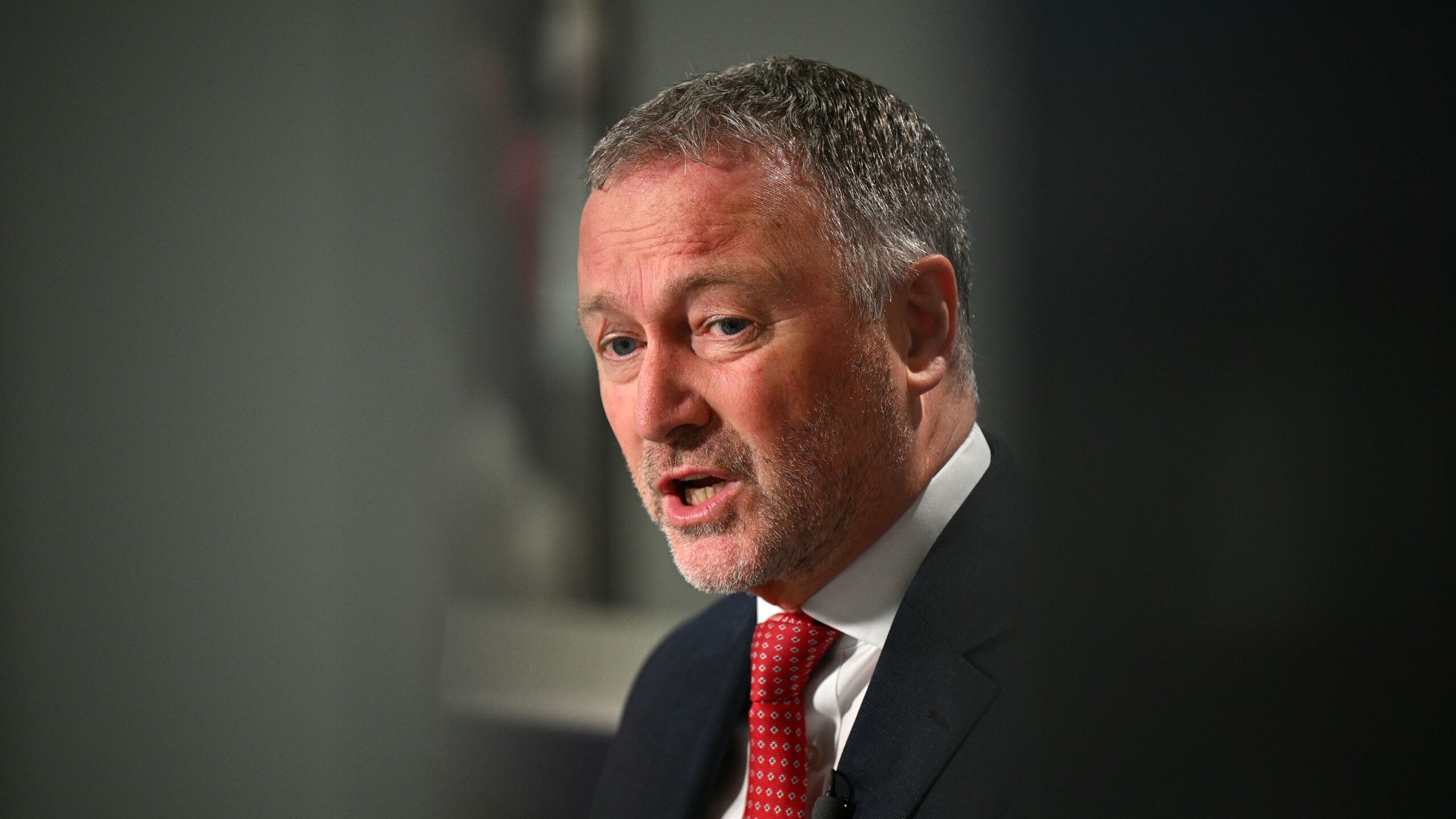
    The United Kingdom has formally established its first official definition of anti-Muslim hatred in a landmark move to address rising religious-based hostility. Communities Secretary Steve Reed presented the new framework to Parliament on Monday, emphasizing the government’s duty to confront record levels of faith-targeted crimes.

    Speaking before the House of Commons, Reed revealed that nearly half of all religious hate crimes in Britain are directed at Muslims, creating widespread fear within communities. ‘Many live in fear that they will be targeted because of how they look or assumptions over where they come from,’ he stated, underscoring the necessity for clear parameters against prejudice.

    The newly adopted non-statutory definition specifically encompasses both Muslims and individuals perceived as Muslim, acknowledging that hatred frequently manifests through ethnic or racial targeting rather than solely religious identification. This approach mirrors the existing framework for antisemitism, addressing the complex nature of discrimination.

    The development follows extensive consultation led by former Conservative minister Dominic Grieve in collaboration with British Muslim representatives. Javed Khan, managing director of think tank Equi and member of the government’s working group, praised the definition’s comprehensive scope, noting it ‘acknowledges the reality that hatred often targets people because of their ethnicity or racial background.’

    However, the initiative faces scrutiny from critics questioning its practical implementation. Concerns have emerged regarding sufficient resource allocation for enforcement mechanisms and whether the definition adequately addresses structural Islamophobia beyond individual incidents.

    The policy forms part of the broader government action plan ‘Protecting What Matters,’ designed to strengthen national social cohesion amidst rising extremism and global tensions. Additional measures include establishing an annual state of extremism report and enhancing the visa watchlist taskforce to prevent entry by hate preachers.

    Recent research by Equi indicates a 43% surge in anti-Muslim incidents between 2023-2024, with summer riots alone costing approximately £243 million. Despite these challenges, public attitudes show promising trends—most British citizens hold favorable or neutral views of Muslims, particularly when exposed to examples of community contributions.

  • Nation intensifies crackdown on telecom, online fraud

    Nation intensifies crackdown on telecom, online fraud

    China’s judicial authorities have significantly escalated their campaign against transnational telecommunications and cyber fraud networks, achieving substantial breakthroughs in prosecuting criminal organizations operating from northern Myanmar. The Supreme People’s Procuratorate (SPP) and Supreme People’s Court (SPC) presented comprehensive work reports to the National People’s Congress on Monday, detailing their intensified efforts against sophisticated fraud operations targeting Chinese citizens.

    According to the judicial reports, Chinese prosecutors brought charges against approximately 69,000 individuals for telecommunications and online fraud offenses throughout 2025. Among these cases, 285 defendants faced prosecution for severe crimes including fraud, intentional homicide, and intentional injury – all committed under the direction of criminal syndicates based in Myanmar’s northern regions.

    The judicial crackdown has yielded decisive outcomes, with Chinese courts concluding 41,000 fraud-related cases in 2025, representing a 1.2 percent increase from the previous year. In a landmark development, sixteen members of family-operated criminal syndicates in Myanmar received death sentences for their roles in orchestrating fraud operations against Chinese nationals. These sentences underscore China’s determination to extend legal jurisdiction beyond its borders when its citizens are victimized.

    Notable cases include the Wenzhou Intermediate People’s Court’s sentencing of eleven criminal group members from northern Myanmar, including leaders Mg Myin Shaunt Phyin and Ma Thiri Maung, to death for multiple offenses. Court documents revealed the organization had established an armed faction in Myanmar’s Kokang region, engaging in telecommunications fraud, casino operations, drug trafficking, and organized prostitution since 2015. Their criminal activities resulted in fourteen Chinese fatalities and six injuries, with illegal proceeds exceeding 10 billion yuan ($1.5 billion). The executions were carried out earlier this year following mandatory review and approval by the SPC.

    Similarly, the Shenzhen Intermediate People’s Court sentenced five members of another prominent syndicate to death in November. Led by Bay Saw Chain and Bay Yin Chin, this group utilized its military influence to establish forty-one compounds in the Kokang region, resulting in six Chinese deaths and multiple injuries. Following Bay Saw Chain’s death from illness, the SPC approved the execution of the remaining four defendants in February.

    Yang Jianbo, Director-General of the SPP’s Law and Policy Research Office, confirmed that since the special operation’s inception in 2023, arrest warrants have been approved for 49,000 individuals, with 47,000 already prosecuted. “This has effectively deterred cross-border telecom fraud offenders,” Yang stated.

    Legal experts emphasize the jurisdictional legitimacy of China’s actions. Professor Peng Xinlin of Beijing Normal University explained that under Chinese law, jurisdiction applies regardless of the perpetrator’s nationality or crime location when actions harm Chinese interests and constitute crimes in both jurisdictions, carrying potential sentences of three or more years. “Telecom fraud, including online scams, is criminalized in both China and Myanmar,” Peng noted, “and because these offenders have inflicted significant harm on Chinese citizens, they can be prosecuted under China’s Criminal Law.”

  • Iran’s Jews feeling fear and heartbreak as US-Israeli strikes rain down

    Iran’s Jews feeling fear and heartbreak as US-Israeli strikes rain down

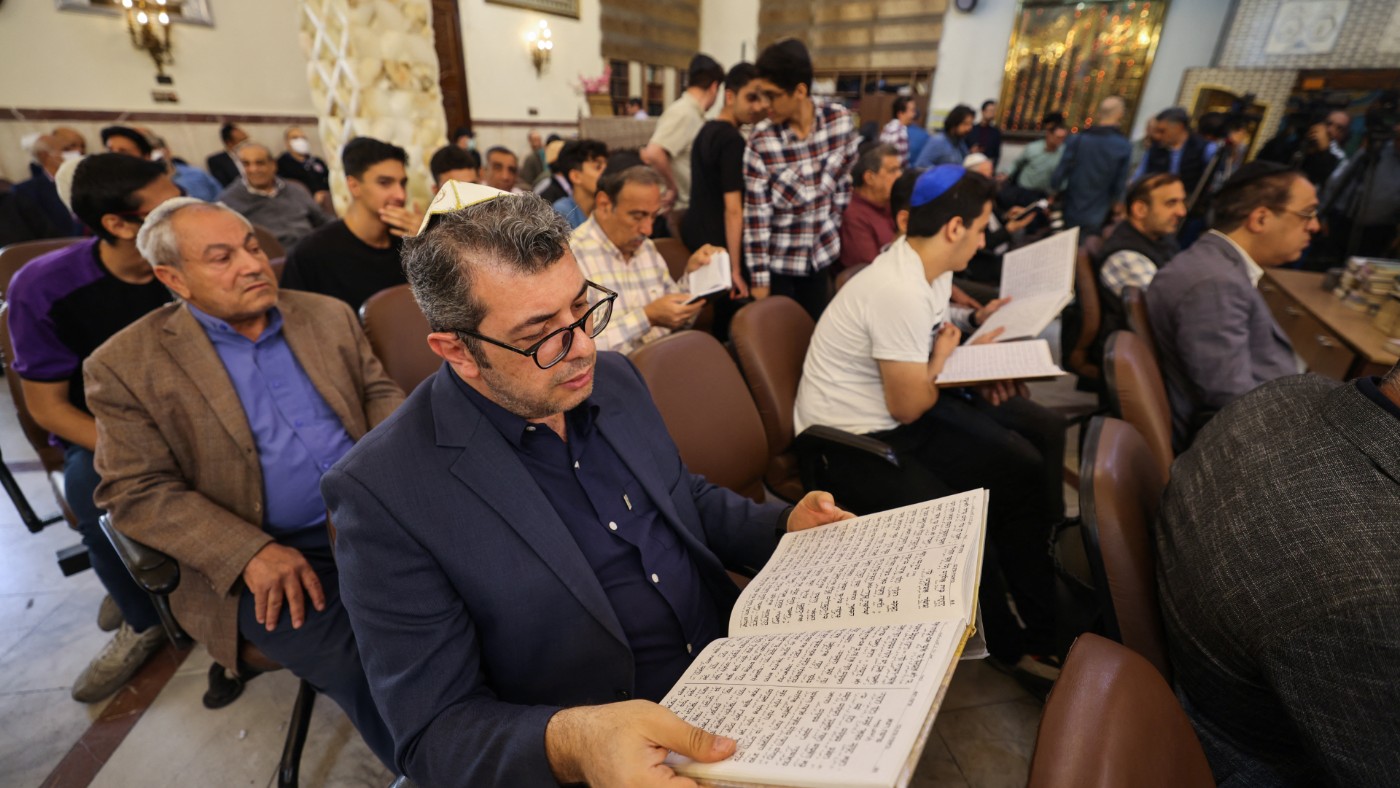
    Amidst escalating tensions between Iran and Israel, the nation’s dwindling Jewish population finds itself caught in a complex web of identity, politics, and survival. With fewer than 10,000 Jews remaining in the country of 90 million, community members express diverse perspectives on the conflict while navigating daily security concerns.

    Yosef, an Iranian Jewish historian, draws a sharp distinction between his religious identity and political Zionism. “Zionism has damaged Israel’s reputation globally,” he asserts, noting the absence of influential left-wing movements in contemporary Israeli politics. Like many in his community, Yosef shelters from aerial strikes originating from Israel—a nation he’s expected to feel affinity toward but criticizes for its role in regional destabilization.

    The ongoing warfare presents profound personal dilemmas for Iranian Jews who watch conflicts between their homeland and the Jewish state. Sara, a 46-year-old businesswoman from Shiraz, directs her anger toward Israeli Prime Minister Benjamin Netanyahu, whom she describes as a “charlatan” using military escalation to divert attention from domestic corruption charges. Despite her Jewish faith, she maintains: “I cannot see the country where I was born and raised as my enemy.”

    Historical context reveals a dramatic demographic shift: Iran’s Jewish population has declined from approximately 70,000-100,000 before the 1979 Islamic Revolution to just over 9,000 according to the 2016 census. This transformation occurred alongside the severing of diplomatic relations between Tehran and Jerusalem.

    Daniel, a 52-year-old Tehran jeweler, expresses dual sorrow witnessing missiles strike Israeli cities while Israeli and American warplanes fly over his own home. “The explosions keep us awake at night,” he confesses, reflecting the anxiety many feel about speaking openly during wartime.

    Contrary to expectations, some community members report improved attitudes toward Jews within Iran. Arash, a 71-year-old restaurant owner, observes: “The level of anger toward the Islamic Republic is so high that many Iranians today see Jews as friends.” However, he quickly affirms his primary identity as Iranian and laments governmental policies that have brought the country to its current situation.

    As the conflict enters its second week with strikes targeting Tehran’s oil infrastructure, the community’s deepest fear extends beyond immediate violence to concerns about Iran’s future. Yosef articulates this apprehension: “What I fear most is that the final result of this war will destroy the country I love,” capturing the profound tension between national loyalty and religious identity that defines the experience of Iran’s Jewish minority.

  • High-profile real estate brothers convicted in sex trafficking case

    High-profile real estate brothers convicted in sex trafficking case

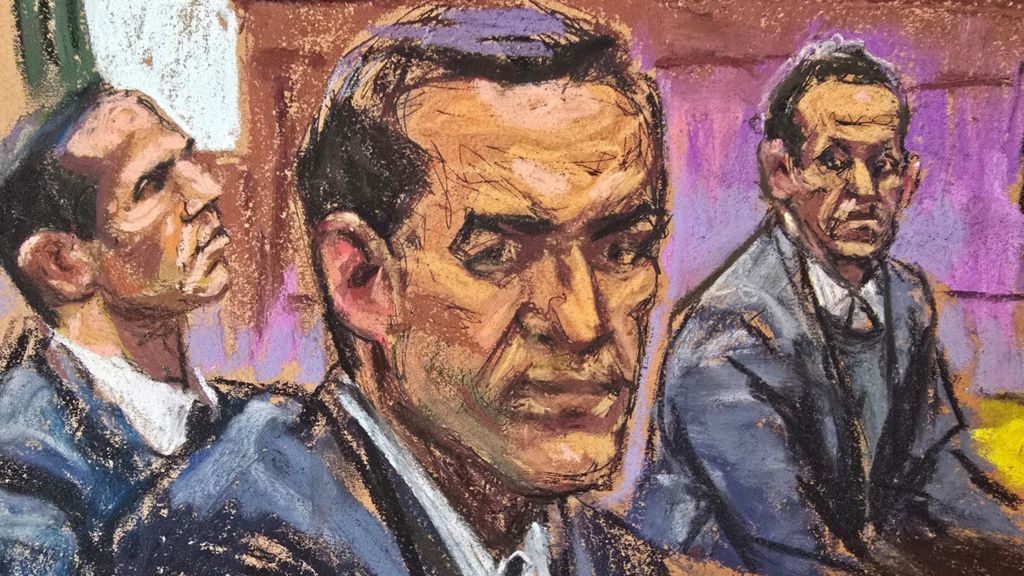
    In a landmark verdict that has sent shockwaves through New York’s elite social circles, three brothers from a prominent real estate family have been found guilty of operating a sophisticated sex trafficking ring spanning nearly two decades. Tal Alexander, 39, Oren Alexander, 38, and Alon Alexander, 38, were convicted on all ten criminal counts including sex trafficking and sexual exploitation of a minor after a five-week trial that exposed their predatory exploitation of wealth and privilege.

    The brothers, who built their reputation selling luxury properties to celebrities including Kim Kardashian and Kanye West through Douglas Elliman before founding their own firm Official, systematically used their industry connections to target vulnerable women. Prosecutors demonstrated how they lured victims to exclusive parties and high-end properties with promises of career opportunities and lavish gifts, only to administer drugs without consent and commit brutal sexual assaults.

    During emotional courtroom testimony, eleven women—several of whom were minors at the time of their assaults—detailed a consistent pattern of manipulation and violence. Evidence presented included surveillance footage from Oren Alexander’s Manhattan apartment showing the assault of a drugged 17-year-old in 2009. The prosecution characterized the brothers’ actions as demonstrating ‘callousness’ and ‘a perverse sense of pride,’ noting they physically restrained victims despite explicit pleas to stop.

    The defense team, which included Marc Agnifilo who previously represented Sean ‘Diddy’ Combs in similar proceedings, argued the interactions were consensual and that the brothers were merely ‘womanizers.’ These claims were systematically dismantled through forensic evidence and victim testimony describing covertly drugged beverages and coordinated assaults.

    In a related development, reality television personality Tracy Tutor filed a separate civil lawsuit alleging Oren Alexander assaulted her in 2024, though his legal representatives dismissed this as a media-seeking fabrication. Sentencing is pending for the brothers, who face substantial prison terms for their crimes that prosecutors described as ‘committed without remorse’ across multiple jurisdictions.

  • Renowned Palestinian historian Walid Khalidi dies aged 100

    Renowned Palestinian historian Walid Khalidi dies aged 100

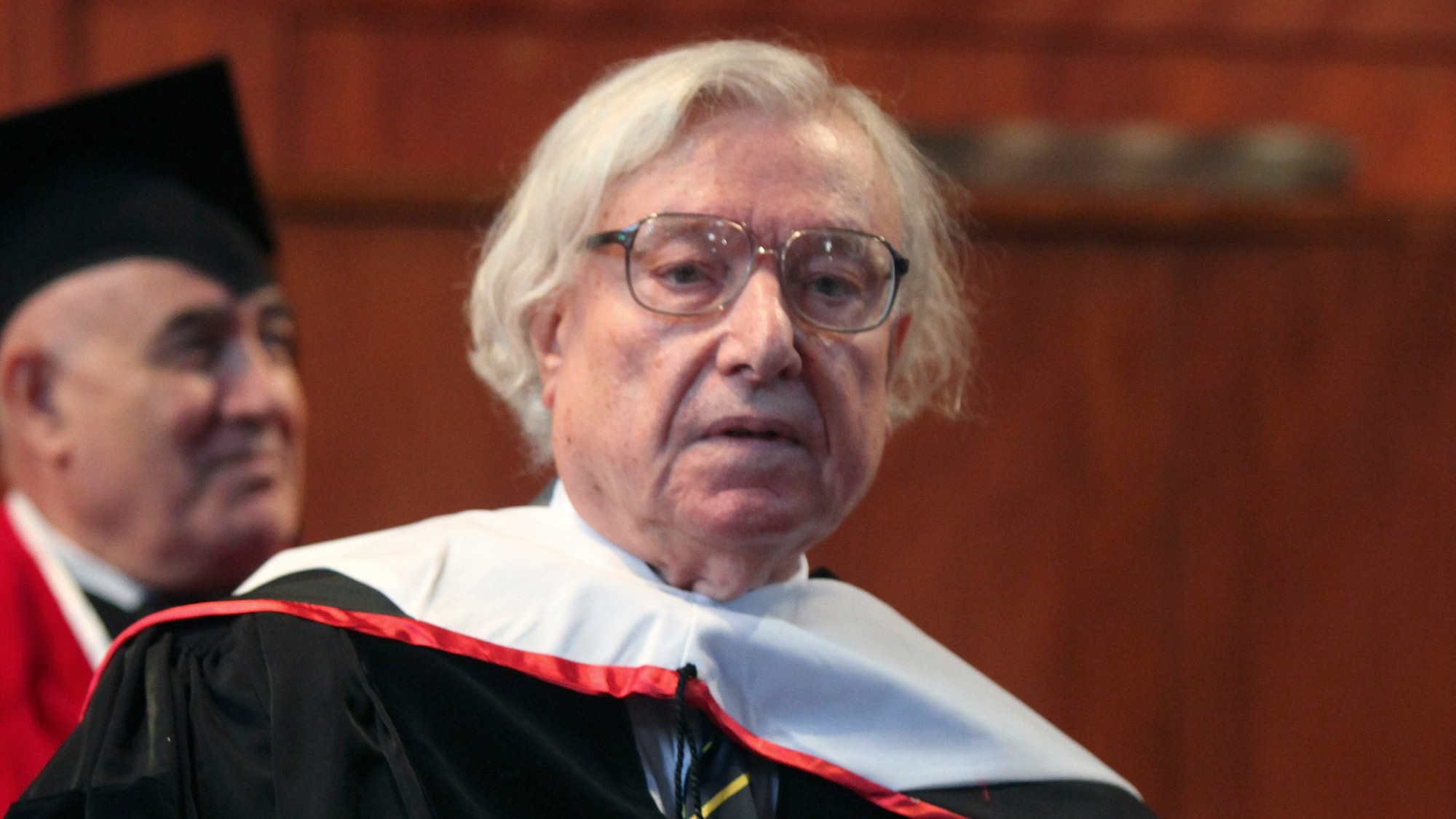
    Walid Khalidi, the preeminent Palestinian historian whose seminal scholarship documented the displacement and historical narrative of the Palestinian people, has passed away at the age of 100. His death was confirmed by the Institute for Palestine Studies (IPS), the Beirut-based research center he co-founded in 1963, which announced he died on Sunday in Cambridge, Massachusetts.

    Khalidi’s life’s work was dedicated to meticulously chronicling Palestinian society before and after the Nakba—the ‘catastrophe’ of 1948 that saw the violent displacement of hundreds of thousands of Palestinians to facilitate the creation of the state of Israel. He earned the moniker ‘the historian of the Palestinian cause’ through his rigorous academic contributions, which included translating and analyzing the diaries of key Israeli figures like first Prime Minister David Ben-Gurion and Foreign Minister Moshe Sharett.

    Under his stewardship, the IPS became an indispensable resource, producing critical studies and translations between Hebrew, Arabic, and English. Among its most significant publications was a detailed examination of the Haganah, the Zionist paramilitary force central to the 1948 events. Khalidi’s research was instrumental in bringing to light previously concealed strategic plans, such as Plan Dalet, which outlined the systematic occupation and depopulation of Palestinian villages.

    His encyclopedic collections, including the photographic archive ‘Before Their Diaspora’ and the comprehensive volume ‘All That Remains,’ serve as rare visual and historical records of a vanished pre-1948 Palestine. Born into an academic family in Jerusalem in 1925, Khalidi’s own career was distinguished. He taught at the University of Oxford until resigning in protest over the 1956 Suez Crisis, later becoming a professor at the American University of Beirut until 1982, and finally a research fellow at Harvard University.

    Blending scholarship with political advocacy, Khalidi maintained associations with several Palestinian political movements and formally represented Palestinian interests on the international stage, including in the Arab League and at the 1991 Middle East peace talks in Washington. A lifelong proponent of a two-state solution, he articulated it in a 1988 Foreign Affairs article as the only viable framework for a historical compromise in the enduring conflict.

  • Video shows suspect in foiled attack near Mamdani’s NYC residence

    Video shows suspect in foiled attack near Mamdani’s NYC residence

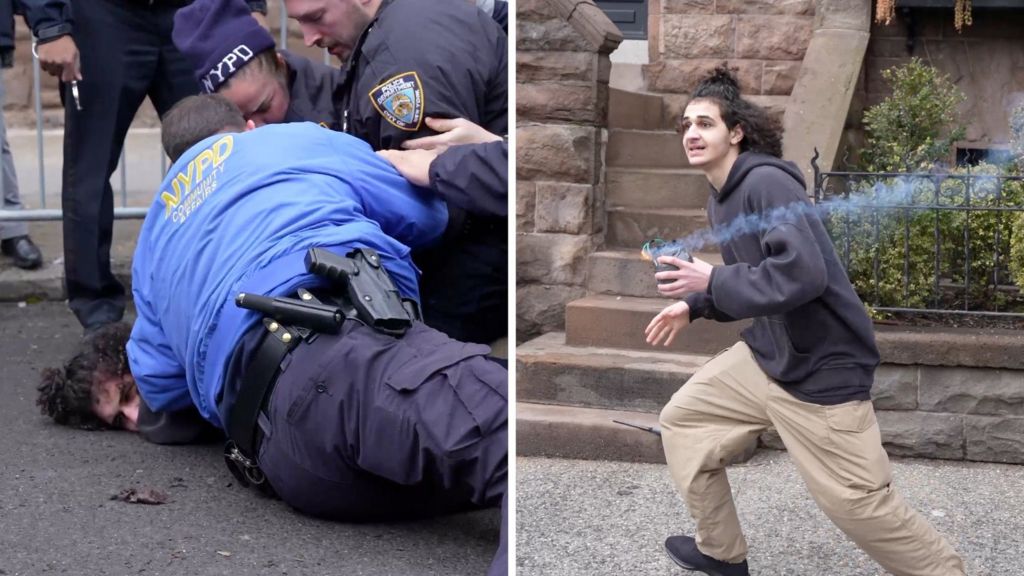
    Newly released surveillance footage has identified an individual allegedly involved in a foiled violent incident that unfolded near New York City Mayor Eric Adams’ official residence in Gracie Mansion this past Saturday. The security breach attempt occurred during heightened tensions between opposing demonstration groups that had assembled outside the property.

    The confrontation began when a small contingent of anti-Islam demonstrators gathered outside the mayoral residence, quickly drawing a substantially larger group of counter-protesters. Law enforcement authorities reported that the situation escalated into physical altercations between the two factions before the attempted attack was intercepted by security personnel.

    NYPD officials have confirmed they are investigating the incident as a potential targeted security threat, though specific details about the nature of the foiled attack remain under investigation. The security video, which has been circulated among law enforcement agencies, shows the suspect maneuvering through the protest crowds before being apprehended by police details stationed around the perimeter.

    Mayor Adams, who was reportedly inside the residence during the incident, has been briefed on the security developments. City hall representatives emphasized that the mayor’s security protocol was never compromised and that the quick response demonstrated the effectiveness of protective measures in place for public officials.

    The NYPD’s Intelligence Division and Counterterrorism Bureau have joined the investigation, examining whether the suspect had connections to either protest group or acted independently. Community leaders from both Muslim and activist organizations have condemned the violence and called for peaceful dialogue amid rising political tensions in the city.

  • EU recovery funds fuel frenzied restorations around Rome, including at famed basilica

    EU recovery funds fuel frenzied restorations around Rome, including at famed basilica

    ROME — While Michelangelo’s monumental Moses sculpture has long drawn visitors to the Basilica of San Pietro in Vincoli, a remarkable transformation is now unfolding within its hallowed halls. A substantial infusion of European Union pandemic recovery funding has ignited an ambitious restoration campaign, bringing to light centuries-old artistic treasures that have languished in obscurity.

    High above the basilica floor, restorer Melanie Khanthajan works with surgical precision at a dizzying 20-meter (65-foot) elevation. Armed with specialized tools, she meticulously executes the delicate ‘descialbo’ technique—carefully removing layers of accumulated plaster to reveal serpentine decorations surrounding a historically significant coat of arms. ‘Each layer removal presents new discoveries,’ Khanthajan reflects from her scaffolding perch. ‘It’s an ongoing revelation that continually surprises and delights our team.’

    The comprehensive restoration encompasses the basilica’s ceilings, altar, tombs, marble columns, and decorative elements through a €2 million ($2.3 million) EU grant. This investment supports eleven dedicated restorers working at an accelerated pace to meet the 2026 funding deadline. The project forms part of Rome’s broader ‘Caput Mundi’ initiative, which allocated €500 million ($579 million) for over 100 cultural renovations throughout the Eternal City.

    Built during the 5th century under the Eastern Roman Empire and later reconstructed under Pope Julius II in the 16th century, the basilica derives its name (‘vincoli’ meaning chains) from the revered relics contained within its altar—chains traditionally believed to have bound St. Peter in Jerusalem that miraculously fused with those from his Roman imprisonment.

    The current restoration focuses particularly on the Della Rovere family coat of arms, featuring a distinctive oak tree motif that Pope Julius II incorporated throughout the church’s ceilings, arches, and chapels. While Michelangelo’s iconic Moses remains untouched for now, the masterpiece will receive careful cleaning upon project completion.

    Ilaria Sgarbozza, scientific director of the restoration project, notes the extraordinary timeline: ‘Work commenced approximately eight months ago and will conclude by May 2026—a remarkably accelerated schedule that demonstrates our commitment to preserving this cultural heritage.’ The project represents both a technical achievement in art conservation and a symbolic rebirth of historical treasures through strategic EU investment.

  • NPC deputy promotes ethnic unity education in Xinjiang school

    NPC deputy promotes ethnic unity education in Xinjiang school

    In China’s Xinjiang Uygur Autonomous Region, National People’s Congress deputy Min Xiaoqing is spearheading an ambitious educational initiative to strengthen ethnic unity through comprehensive curriculum integration and cultural exchange programs. As the general Party branch secretary of Tacheng No. 6 Middle School, Min brings unique personal perspective to her work—she grew up in a mixed Han and Russian ethnicity household, providing firsthand understanding of multicultural coexistence.

    With over 1,800 students and teachers representing 14 distinct ethnic groups, the school has implemented a multi-faceted approach to fostering national identity. The institution utilizes standardized national textbooks for ethics, language, and history instruction while prioritizing Mandarin proficiency across all ethnic backgrounds. Teachers receive specialized training to enhance their language instruction capabilities, ensuring effective communication and cultural connection.

    The school’s methodology extends beyond classroom instruction with regular themed activities including Ethnic Unity Promotion Month, specialized class meetings, and flag-raising ceremonies that highlight stories of interethnic cooperation. Cultural and sports events such as art festivals, athletic competitions, and community service projects provide additional platforms for cross-cultural bonding and relationship building.

    Min, recognized as a national role model for ethnic unity and progress in 2024, emphasizes that these measures actively promote “exchanges, interactions and integration of all ethnic groups” while strengthening identification with Chinese culture and reinforcing the consciousness of the Chinese nation as a unified community.

    The educational practices at Tacheng No. 6 Middle School reflect broader regional dynamics in a city where over 20% of families consist of two or more ethnic groups. Tacheng’s longstanding tradition of ethnic coexistence earned it recognition as a national model city for ethnic unity and progress from the National Ethnic Affairs Commission in 2014.

    Looking forward, Min advocates for increased policy support, funding, and talent acquisition to advance educational quality throughout Xinjiang. Her institution plans to implement smart campus technologies and artificial intelligence solutions to address resource challenges while enhancing political, physical, and aesthetic education programs. The school will also expand mental health support services to ensure students’ comprehensive development and prepare them to contribute meaningfully to national rejuvenation efforts.