
Educational experts across China are welcoming newly implemented regulations designed to foster nationwide reading habits, responding to growing concerns about declining attention spans in the digital era. Professor Dan Hansong of Nanjing University’s English literature department has observed a disturbing pattern among students who increasingly struggle with extended literary works, even when dealing with concise authors like minimalist writer Raymond Carver. The phenomenon reflects a broader global challenge where technological advancements, particularly artificial intelligence, have fundamentally altered academic engagement. Students now find it nearly impossible to imagine spending uninterrupted afternoons immersed in classic literature such as Dostoevsky’s ‘Crime and Punishment’ or Tolstoy’s ‘War and Peace,’ with even moderate reading assignments of 100-200 pages presenting significant difficulties. Educators characterize this shift as more than an academic concern—it represents a crucial evolutionary challenge for human cognitive development. The national reading promotion framework arrives as a strategic response to these developments, aiming to reinforce traditional reading practices while acknowledging the irreversible impact of digital technologies on education. The initiative has garnered support from academic professionals who see it as essential for maintaining critical engagement with complex texts in an increasingly fragmented information environment.
分类: society
-
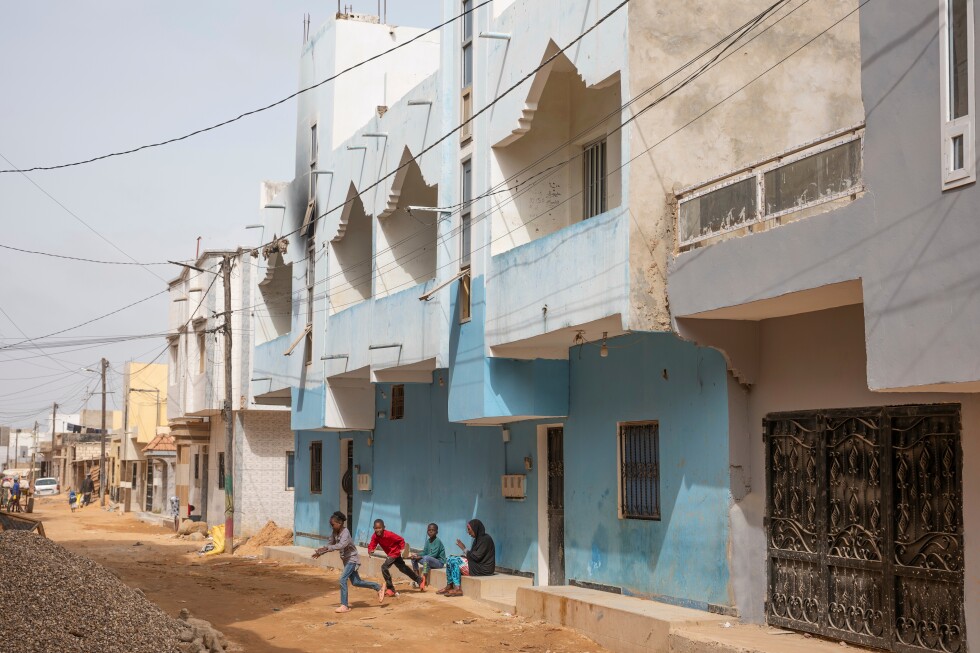
A Senegal boarding school that drew students from the US is at the center of an abuse investigation
DAKAR, Senegal — An American-affiliated boarding school in Senegal faces serious allegations of physical abuse and mistreatment of students, prompting a major investigation by Senegalese authorities and international concern. The American Dara Academy, which marketed itself to U.S. families as an affordable institution combining Quranic studies with American curriculum, is now at the center of a child welfare scandal that has resulted in mass student withdrawals and campus closures.
According to extensive accounts gathered by The Associated Press, students reported being subjected to brutal punishment techniques in a designated ‘magic room’ where supervisors allegedly beat disobedient pupils. Testimonies describe children being forced to strip to their underwear or remain naked while holding heavy rocks in stress positions, with intensified beatings administered if they failed to maintain the painful poses.
Senegal’s national gendarmerie, child protective services (AEMO), and Ministry of Justice have launched a coordinated investigation into the institution. In late January, authorities arrested the school’s director—a dual American-Guinean citizen—and three administrators. The director has since been released to house arrest while investigations continue.
The school enrolled 311 students across two campuses, including 120 U.S. citizens, predominantly children of West African immigrants born in America and Europe. A formal complaint from the U.S. Embassy in Dakar dated January 12 detailed severe corporal punishment incidents involving American students, identifying the director and administrators as primary perpetrators.
Students described being beaten with sticks and steel rods on their legs, backs, genitals, and heads, with abusers allegedly targeting areas less likely to show visible marks. Victims reported receiving threats that their parents in the U.S. could face immigration consequences if they disclosed the abuse to authorities.
The Toubab Dialaw campus, where most abuses occurred, has been closed after investigations revealed appalling conditions including trailer classrooms, no running water, frequent power outages, and makeshift zinc latrines. Approximately 250 students have withdrawn, with about 100 Americans returning to the U.S. Remaining students were transferred to the better-equipped Dakar campus, which now operates under police security.
While Senegalese law permits limited corporal punishment in homes under ‘right of correction’ principles, the systematic nature of these alleged abuses and involvement of international students has elevated the case’s significance. UNICEF and children’s rights organizations have long documented the persistence of corporal punishment in Senegalese institutions despite partial legal restrictions.
The Ministry of Justice confirms that children are now in official care and charges will be filed against those found responsible, though specific allegations remain undisclosed during the ongoing investigation.
-
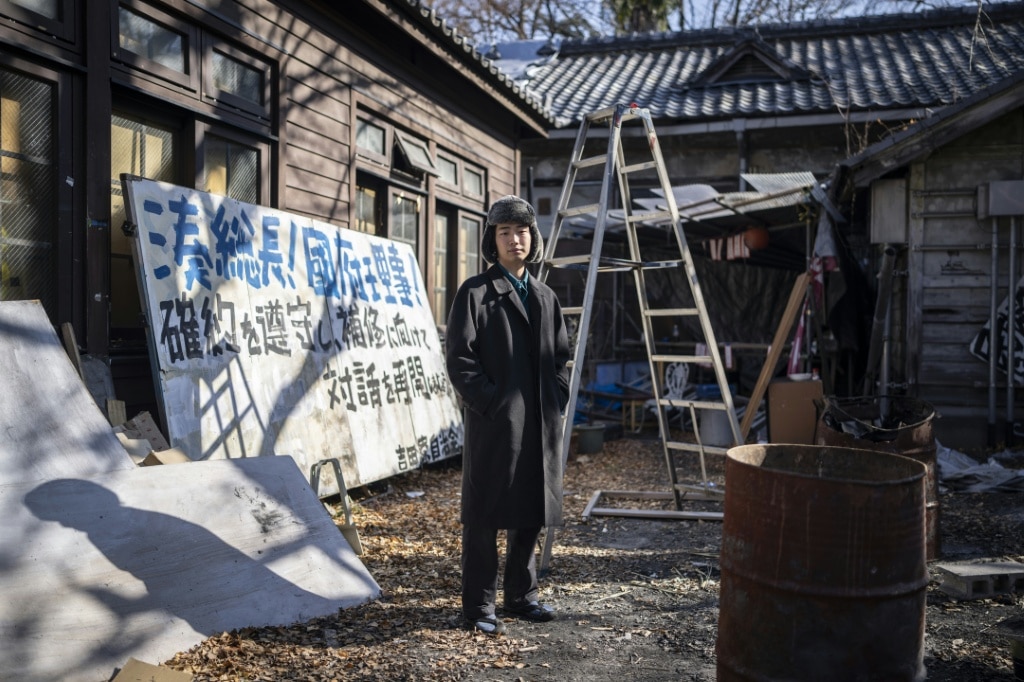
Shabby beauty: Inside Japan’s oldest, defiant student dorm
Japan’s oldest student dormitory, Kyoto University’s self-governed Yoshida Dormitory, stands at a critical juncture as students prepare for temporary evacuation by March’s end. This 113-year-old institution, comprising two residential buildings and a graffiti-covered dining hall, represents a radical departure from traditional Japanese educational housing through its commitment to student autonomy and egalitarian principles.
The dilapidated facility features crumbling clay walls, accumulated debris, and rodent infestations, yet residents cherish it as a sanctuary for free thought and democratic living. Unlike conventional Japanese dormitories that enforce strict hierarchies, Yoshida Dormitory eliminates seniority-based formalities, enabling freshmen to interact equally with senior members. Students collectively manage operations through consensus-based town hall meetings and independently select new residents.
Monthly rents of merely 2,500 yen ($16) provide crucial housing security for economically disadvantaged scholars. The aging ‘gento’ building, despite its squalid conditions with broken windows, rusty toilets, and pervasive spider webs, serves as the community’s spiritual core where students gather for mahjong, video games, and shisha smoking.
The dormitory’s history is marked by protracted conflict with university authorities. Fierce 1980s anti-closure protests resulted in arrests and injuries, while renewed tensions emerged in 2017 when Kyoto University declared the structures seismically unsafe. The institution filed lawsuits against resisting students in 2019 before reaching a court-mediated settlement last August.
Critics, including retired faculty member Masaaki Sakagami, allege renovation plans mask intentions to dismantle the dorm’s self-governance model. ‘A self-governed dorm full of students exercising critical thinking to challenge university authorities is something they want to eliminate,’ Sakagami stated.
Kyoto University maintains that renovation details ‘are currently under consideration,’ though many fear the historic building’s character will be irrevocably altered. The dorm’s cultural significance extends to its construction materials, reportedly including timber imported from pre-war Japanese-occupied Taiwan—a historical artifact residents believe shouldn’t be erased.
Alumnus Yuichi Sakamoto, 39, who frequently returns to socialize, expressed concerns: ‘I can easily picture a fence being abruptly erected one day to demolish it for a futuristic structure, which would be dreadful.’ For current resident Masako Ueda, 39, the shabby environment represents cherished humanity: ‘I feel at ease with this place. It’s steeped in humanity—a squeaky-clean place feels lifeless to me.’
-

Inside the Australian hotel where Iranian footballers escaped to claim asylum
In a dramatic development during the AFC Women’s Asian Cup in Australia, seven members of Iran’s national football team have sought political asylum following their elimination from the tournament, exposing the complex political pressures facing female athletes from the Islamic Republic.
The situation unfolded at the team’s Gold Coast hotel where journalists initially observed players interacting unexpectedly with members of Queensland’s Iranian diaspora community. This casual interaction stood in stark contrast to previous reports suggesting players were under constant surveillance and denied internet access.
The defection plans materialized against a backdrop of intense scrutiny after Iranian state media labeled players ‘traitors’ for initially refusing to sing the national anthem during early tournament matches. The subsequent reversal of this stance in later games suggested possible coercion, raising concerns about potential repercussions upon their return to Iran.
On Monday evening, five players executed a carefully coordinated escape during iftar, the meal breaking Ramadan fasts. Fatemeh Pasandideh, Zahra Ghanbari, Zahra Sarbali, Atefeh Ramazanzadeh, and Mona Hamoudi successfully obtained humanitarian visas within hours. Two additional team members—player Mohaddeseh Zolfi and support staff Zahra Soltan Meshkeh Kar—later joined them, though one subsequently reconsidered her decision.
Australian Immigration Minister Tony Burke confirmed the government’s approach respected individual autonomy, stating: ‘In Australia people are able to change their mind. We respect the context in which she had made that decision.’
The operation involved extensive coordination between Australian Federal Police, immigration officials, and Iranian-Australian activists who worked to counter misinformation from Iranian officials accompanying the team. Activists provided crucial support at stadiums and through digital communication channels, despite players’ limited internet access.
While former U.S. President Donald Trump publicly claimed credit for influencing Australia’s response, government officials revealed that delicate operations had been underway for days. Minister Burke described ‘very late night conversations’ with players who were able to move relatively freely within the hotel despite reports of strict surveillance.
The remaining team members departed Australia on Tuesday night amid emotional protests at airports, returning to an uncertain future in Iran while their former teammates begin new lives in Australia.
-
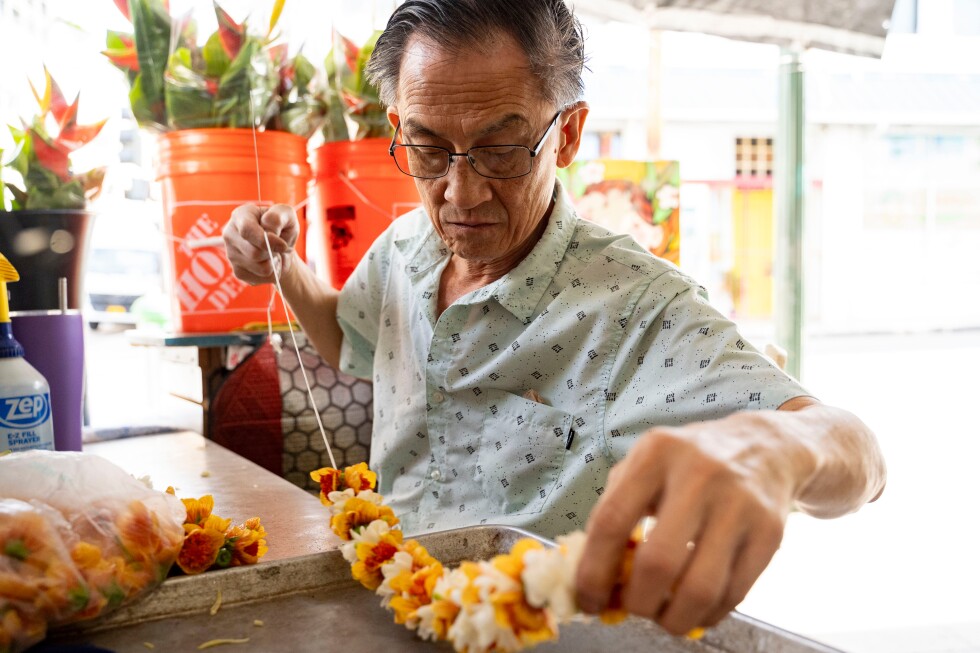
That purple Hawaii vacation lei likely came from Thailand, and some lawmakers want to change that
HONOLULU — A cultural paradox is unfolding in Hawaii’s iconic lei industry, where the vibrant purple orchid garlands presented to tourists are predominantly imported from Thailand rather than cultivated locally. This revelation has sparked significant legislative action and cultural concern throughout the Aloha State.
Hawaiian lawmakers are currently advocating for measures to support locally-grown lei production, including potential labeling requirements that would distinguish Hawaii-made garlands and restrictions on state agencies purchasing imported lei. The movement stems from deep cultural connections to the lei tradition, which has symbolized the spirit of ‘aloha’ and Hawaiian identity for generations.
Kuhio Lewis, CEO of the Hawaiian Council nonprofit organization, expressed cultural embarrassment about the current import dependency. ‘You don’t come to Hawaii and not at least have a flower or a lei,’ Lewis stated. ‘For us to now be importing is not good.’
The cultural significance of lei in Hawaii extends far beyond tourist souvenirs. These floral garlands represent love and connection in Hawaiian culture, used in celebrations ranging from graduations to legislative ceremonies. A unique tradition involves presenting pregnant women with open-ended strands rather than closed necklaces due to cultural beliefs about umbilical cord symbolism.
State Representative Darius Kila, who is Native Hawaiian, has been at the forefront of legislative efforts to address the issue. Although his initial bill requiring state officials to purchase a percentage of locally-grown lei failed, a related Senate bill remains active. This legislation proposes establishing a work group to study whether local flower-growers can meet rising demand and make recommendations for protecting the indigenous industry.
The Senate bill explicitly addresses concerns about cultural appropriation, noting that ‘the growing commercialization of lei and lei materials has led to increased use of imported plant materials and manufactured components that are marketed using Hawaiian language, imagery, and place names,’ potentially misleading consumers and undermining local cultural practitioners.
In Honolulu’s Chinatown, the heart of Hawaii’s lei industry, vendors like Francis Wong of Jenny’s Lei and Flowers note that locals consistently prefer fragrant local flowers such as pikake jasmine, tuberose, and puakenikeni. However, seasonal shortages and cost considerations make imported Thailand orchids a practical necessity for many businesses.
Monty Pereira, general manager of Watanabe Floral—Hawaii’s largest florist selling approximately 250,000 lei annually—expressed concern that restrictive legislation might inadvertently harm the tradition it seeks to protect. ‘The bigger threat is making it so expensive that the people of Hawaii cannot afford to enjoy something that’s culturally significant to us,’ Pereira warned, noting that popular lei already command prices up to $150 for special occasions.
The debate continues as Hawaii balances cultural preservation with economic reality, seeking solutions that honor tradition while maintaining accessibility to this cherished cultural practice.
-

Craig Freeman sent to stand trial over murder of wife Melinda Freeman in 1991
In a dramatic legal development, a Melbourne gardener charged with the historic murder of his wife has opted to expedite proceedings, bypassing a traditional committal hearing and sending his case directly to trial. Craig Freeman, 63, formally entered a plea of not guilty during his appearance at Melbourne Magistrates Court on Tuesday, more than thirty years after the death of Melinda Freeman in October 1991.
The case, which had remained unsolved for decades, saw a breakthrough last November when authorities charged Mr. Freeman with murder. The defendant has consistently maintained his innocence, claiming he discovered his wife’s lifeless body at the top of the staircase in their Whittlesea residence upon returning home, with the property apparently ransacked.
Prosecution authorities present a contrasting narrative, alleging that Mr. Freeman fatally assaulted his spouse with a blunt instrument during a specific timeframe between 6:00 PM and 7:30 PM on the evening of October 4, 1991. According to court documents, prosecutors contend that following the alleged incident, the accused proceeded to socialize with friends in Kinglake, accompanied by the couple’s young son.
Magistrate Stephen Ballek has committed the matter to the Supreme Court of Victoria, scheduling the next appearance for March 26. Pending trial, Mr. Freeman remains released on bail under stringent conditions that prohibit interstate travel, mandate continued residence with his current wife Terri Freeman, and require twice-weekly reporting to local law enforcement authorities.
The decision to fast-track proceedings represents a significant acceleration in a case that has lingered without resolution for generations, ensuring that courtroom proceedings will commence without the customary preliminary hearing process.
-

Woman charged with attempted murder after shooting at Rihanna’s home
A 35-year-old Orlando woman faces attempted murder charges after allegedly opening fire with a semiautomatic rifle at pop icon Rihanna’s Los Angeles residence on Sunday afternoon. Ivanna Lisette Ortiz remains in custody with bail set at $1.875 million following the targeted attack that occurred while Rihanna and partner A$AP Rocky were present at the property.
According to prosecutors, Ortiz drove her white Tesla to the front of the celebrity’s mansion at approximately 1:15 PM local time and discharged multiple rounds toward the inhabited structure before fleeing the scene. Law enforcement officials located her vehicle eight miles from the crime scene at the Sherman Oaks Galleria shopping center, where she was subsequently apprehended.
Los Angeles County District Attorney Nathan J. Hochman emphasized the severity of the incident, stating: ‘Opening fire in any populated neighborhood is extremely dangerous, puts lives at risk and will be fully prosecuted.’ He further warned that ‘such shooters will find their next destination to be our jails and prisons.’
Despite the weapon being fired toward a occupied residence and adjacent property, no injuries were reported from the shooting. Ortiz now confronts additional felony charges including ten counts of assault with a semiautomatic firearm and three counts of shooting at an inhabited dwelling.
Investigators from the LAPD have uncovered social media posts on Ortiz’s accounts that reference the Barbados-born singer, including one cryptic message on X that read: ‘Are you there? … say something to me directly instead of sneaking around like you talking to me where I’m not at.’
The incident marks another security concern for the celebrity couple, who welcomed their third child together last year. Notably, A$AP Rocky was acquitted in February 2025 of charges related to firing a gun at a former friend—a trial that saw Rihanna bring their two sons to court proceedings.
-
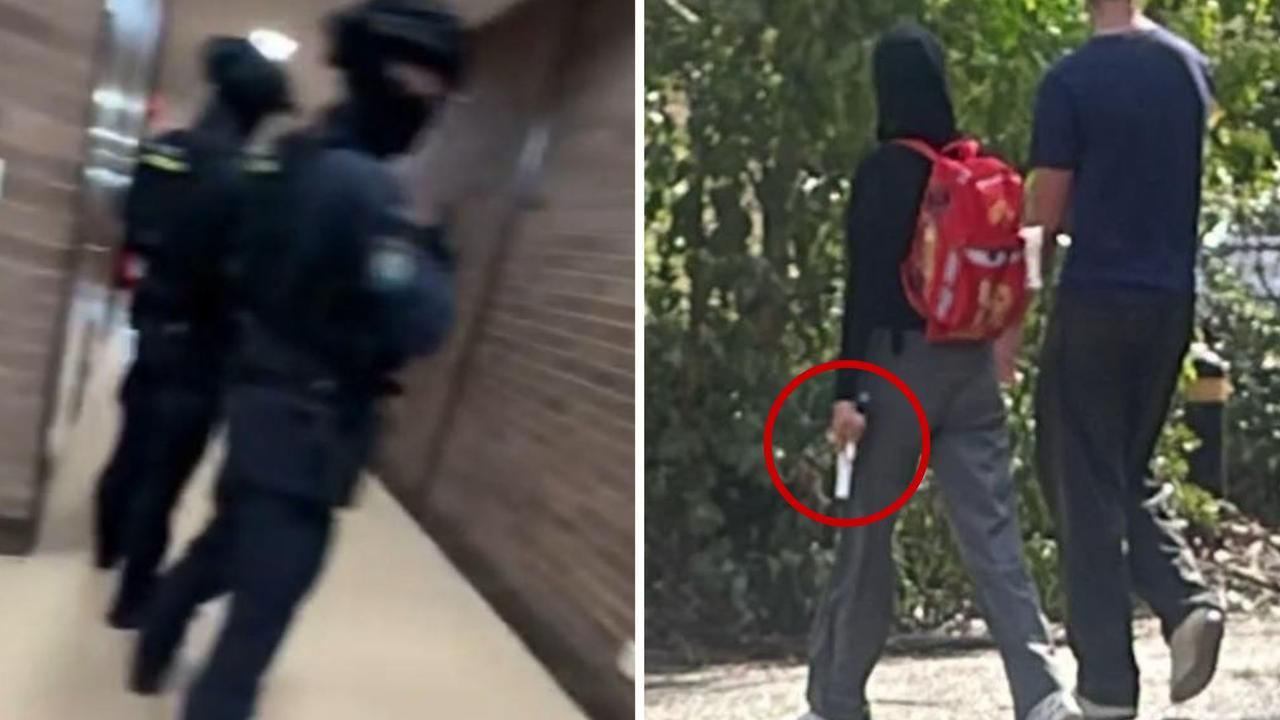
Tense moment Sydney TAFE plunged into lockdown after 16yo brings water pistol to campus
A massive police operation unfolded at a technical education college in Sydney’s southwestern suburbs on Tuesday afternoon after reports of suspicious activity, ultimately revealing the incident was sparked by a teenager carrying a water pistol.
Heavily armed tactical officers descended upon the Campbelltown TAFE campus around 4:30 PM following multiple reports of two individuals behaving suspiciously on school grounds. The institution immediately implemented lockdown protocols, with police systematically evacuating students classroom by classroom while conducting thorough sweeps for potential threats.
Dramatic footage from inside the campus captured the intense security response, showing masked tactical officers positioned at every classroom entrance and staircase landing as students filed out under supervision. Despite the seriousness of the situation, some evacuated students appeared amused, attempting to suppress giggles during the evacuation process.
The extensive police investigation included comprehensive CCTV review and campus-wide searches, ultimately determining no actual threat existed. Authorities later traced the incident to a 16-year-old local girl, from whose Campbelltown residence officers confiscated a water pistol approximately two hours after the initial lockdown.
Police confirmed the ongoing investigation aims to determine whether the teenager intentionally caused alarm or if the weapon’s resemblance to a real firearm inadvertently triggered the security response. The incident highlights continuing heightened security sensitivities at educational institutions following recent national safety concerns.
-
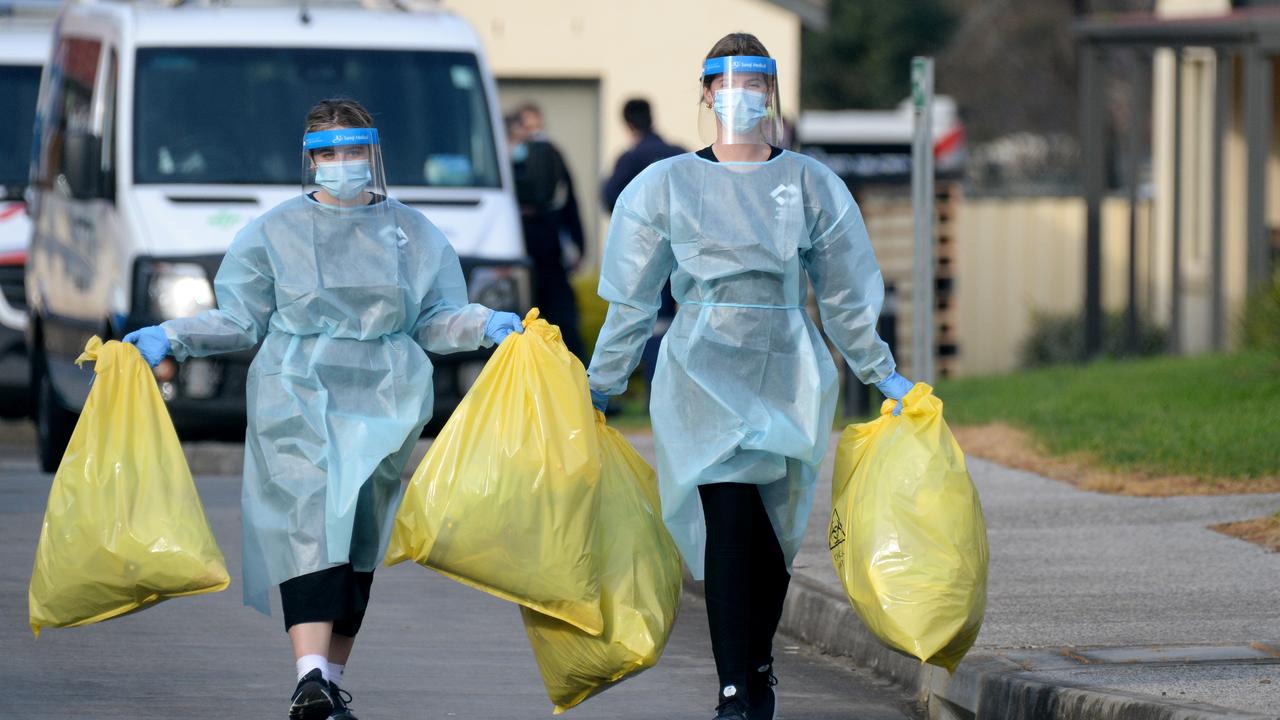
St Basil’s Home for the Aged in Victoria fined $150,000 after Covid outbreak killed 45
A Melbourne aged care facility at the epicenter of a devastating COVID-19 outbreak has been convicted and fined $150,000 for critical workplace safety failures. St Basil’s Home for the Aged faced sentencing in Victoria’s County Court after admitting to a single charge of failing to maintain a safe working environment during the pandemic’s initial wave.
The judicial proceedings revealed that despite organizing five specialized training sessions with external medical experts between March and June 2020, the facility failed to ensure comprehensive staff participation. Court documents confirmed that five employees missed all training sessions, resulting in inadequate pandemic preparedness knowledge among portions of the workforce.
This training gap proved catastrophic when the facility recorded its first COVID-19 case on July 9, 2020. Within six days, dozens of infections were confirmed among residents and staff, culminating in 45 resident fatalities from COVID-related complications within a single month.
Judge Trevor Wraight characterized the offense as a “relatively serious breach” of workplace safety protocols, noting that while the nonprofit organization was aware of pandemic risks and had implemented some protective measures, systemic weaknesses directly contributed to the training deficiencies. The court acknowledged the facility’s subsequent efforts to overhaul its safety protocols over the past five years to prevent similar failures.
The ruling considered the substantial financial and reputational damage already sustained by St Basil’s, which operates as a nonprofit organization. WorkSafe Victoria, the workplace regulator that brought the charges, emphasized that the case specifically addressed training failures rather than directly linking the omissions to individual fatalities.
-

Jeffrey Epstein had two key aides – why do they still control his money and secrets?
Two key figures in Jeffrey Epstein’s financial operations—accountant Richard Kahn and attorney Darren Indyke—are facing congressional scrutiny regarding their alleged involvement in the disgraced financier’s sex trafficking network. Appointed as sole executors of Epstein’s estate just two days before his August 2019 jailhouse death, the pair control all of Epstein’s wealth and possessions, including compensation for survivors and sensitive documents now being examined by the House Oversight Committee.