分类: society

  • Son of Norway’s crown princess chokes back tears giving evidence at rape trial

    Son of Norway’s crown princess chokes back tears giving evidence at rape trial

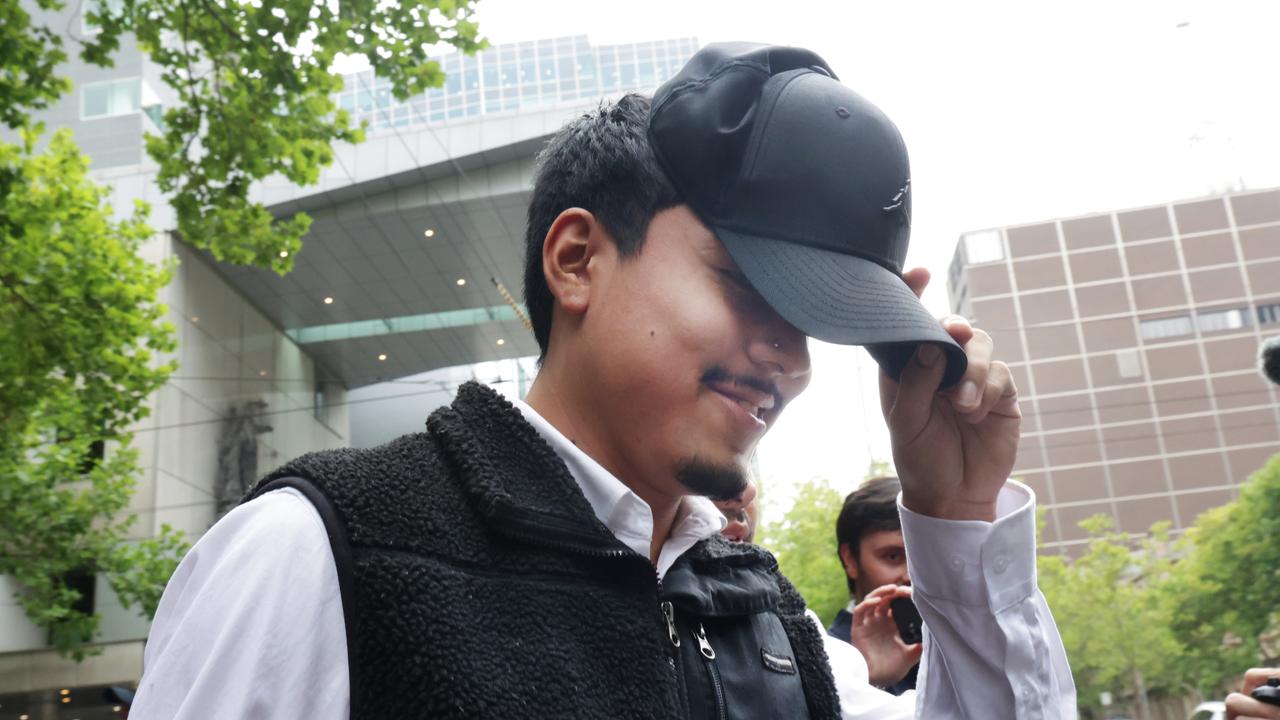
    In a tense Oslo courtroom, Marius Borg Høiby, the 29-year-old son of Norway’s Crown Princess Mette-Marit, delivered emotional testimony at his trial facing four rape charges and approximately thirty additional criminal allegations. The defendant appeared visibly overwhelmed throughout the proceedings, frequently pausing to remove his glasses and wipe tears from his eyes while describing the intense media scrutiny he has endured since childhood.

    Høiby’s testimony followed earlier statements from his first alleged rape victim, who testified under protection of anonymity about experiencing complete memory loss after what she believes was being drugged at a December 2018 gathering in the basement of his parents’ residence. The woman described profound feelings of ‘betrayal and shock’ upon later viewing police evidence containing videos allegedly showing sexual assault occurring shortly after initial consensual contact.

    During his half-hour uninterrupted statement, Høiby acknowledged extensive involvement with drugs and alcohol while articulating what he characterized as an ‘extreme need for validation’ stemming from his public identification primarily as ‘his mother’s son.’ The defendant detailed meeting his first accuser at a social event where he reportedly used cocaine for the initial time, though he maintains innocence regarding all criminal charges.

    The trial unfolds amid simultaneous royal controversy involving Crown Princess Mette-Marit, who recently postponed private travels indefinitely following revelations of her extensive three-year correspondence with convicted American sex offender Jeffrey Epstein. Palace officials confirmed the postponement without elaboration while the royal household faces mounting criticism over the informal tone of these communications.

    Although born prior to his mother’s marriage into royalty, Høiby holds no formal royal status or public position. His court appearance followed overnight hospitalization rather than return to detention facilities, with observers noting visible trembling during earlier proceedings. The three-judge panel heard testimony while two alleged victims observed from the courtroom’s left section, though Høiby avoided visual contact with them throughout his statement.

  • UAE schools adjust exam schedules ahead of Ramadan to reduce student stress

    UAE schools adjust exam schedules ahead of Ramadan to reduce student stress

    Educational institutions across the United Arab Emirates are implementing strategic academic calendar modifications in anticipation of Ramadan’s overlap with critical examination periods. With the holy month projected to commence approximately on February 19 (subject to moon sighting), administrators are carefully coordinating assessment schedules to accommodate fasting students’ needs while maintaining academic integrity.

    The scheduling conflict presents particular challenges as Ramadan coincides with several major board examinations. The Central Board of Secondary Education (CBSE) tests commence on February 17, while ISC/ICSE examinations for Classes 12 and 10 are scheduled for February 12 and 17 respectively.

    Deepika Thapar Singh, CEO-Principal of Credence High School, explained the comprehensive approach: “We meticulously manage exam durations, spacing between papers, and staff supervision protocols to ensure equitable conditions while minimizing fatigue for fasting students. All Ramadan-specific timetable modifications are communicated extensively through official channels well in advance.”

    Michelle Thomas, Principal/CEO of GEMS Al Barsha National School, emphasized the wellbeing-first philosophy: “Conscious of student welfare and fairness during Ramadan, we generally avoid scheduling internal examinations during this period. The majority of our students observe fasting, and this approach ensures they can maintain their religious practices without additional academic pressure.”

    When assessments cannot be rescheduled, schools are implementing alternative evaluation formats. These include lighter assessment structures, flexible timing arrangements, and recorded instructional materials for post-iftar review when students are better nourished and hydrated.

    Communication emerges as a critical component of the strategy. Institutions are utilizing detailed circulars, parental emails, assembly announcements, and digital platforms to ensure transparency regarding amended schedules and wellbeing measures. This proactive communication strategy helps families plan effectively while reducing student stress during the holy month.

    Natalia Svetenok, Principal of Woodlem British School in Ajman, highlighted the comprehensive approach: “Student satisfaction and wellbeing remain our primary focus. We reduce energy-intensive activities, moderate the learning pace, and maintain flexible evaluation schedules while ensuring full compliance with UAE regulations regarding Ramadan organization in educational settings.”

  • Enhanced airport services ease chunyun journey

    Enhanced airport services ease chunyun journey

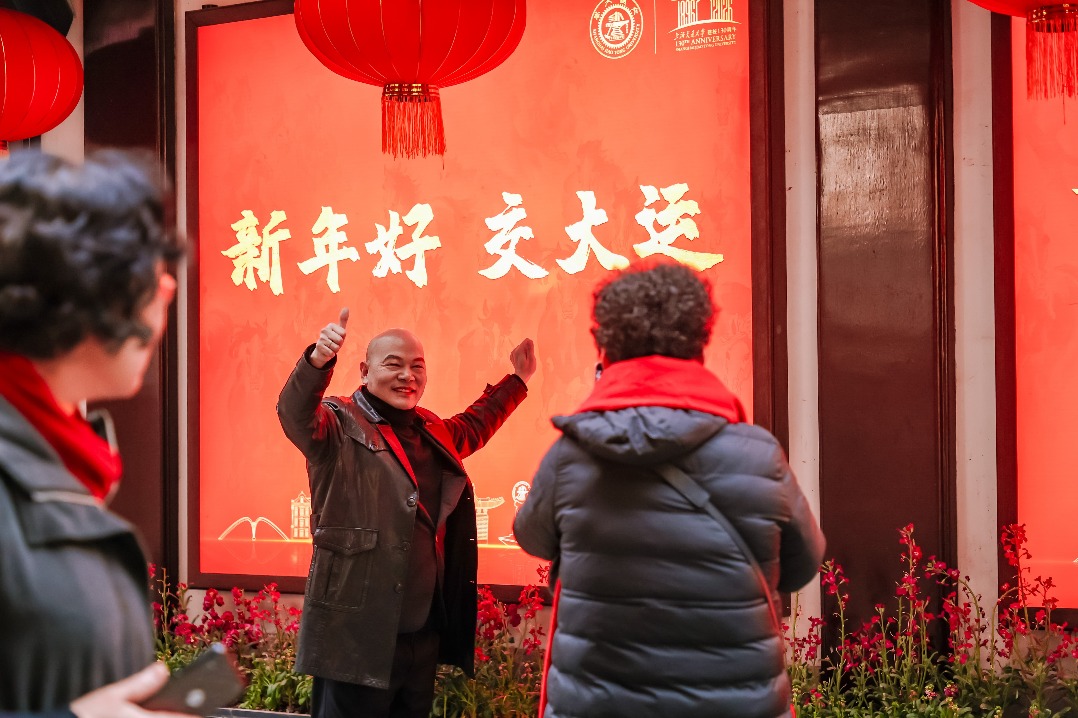
    China’s extensive 2026 Spring Festival travel period (chunyun) is now officially underway, marked by unprecedented operational coordination among the nation’s aviation sectors. In response to the extended holiday timeline—the longest recorded—airports nationwide have implemented comprehensive service enhancements to accommodate the massive surge in passenger traffic.

    Airlines, airport authorities, and air traffic control agencies have achieved full synchronization in their preparations. Key measures include a significant expansion of flight capacity, the optimization of check-in procedures to reduce waiting times, and the implementation of advanced logistical protocols to ensure terminal operations proceed without disruption.

    A notable improvement is the streamlined experience for international travelers arriving at major hubs like Beijing Capital International Airport. Authorities have successfully integrated processing systems, allowing international passengers to clear checks with efficiency comparable to domestic travel, effectively eliminating previous bottlenecks during peak periods.
    This systemic upgrade represents a significant investment in China’s transportation infrastructure, aiming to transform the traditionally hectic chunyun into a smoother and more manageable travel experience for millions of citizens journeying for family reunions.

  • The former Prince Andrew moves to King Charles III’s private estate after Epstein document uproar

    The former Prince Andrew moves to King Charles III’s private estate after Epstein document uproar

    In a dramatic acceleration of royal restructuring, Andrew Mountbatten-Windsor has abruptly vacated his Windsor residence following renewed scrutiny from recently unsealed Epstein investigation documents. The brother of King Charles III departed Royal Lodge on Monday, relocating to the monarch’s private Sandringham estate in eastern England rather than awaiting his previously announced spring timeline.

    The sudden relocation coincides with Thames Valley Police confirming an investigation into fresh allegations that Epstein facilitated another woman’s travel to Britain for sexual encounters with the former prince. Legal representatives disclosed to BBC that the alleged incident occurred in 2010 within the very premises Andrew has now vacated.

    These developments emerge alongside the U.S. Department of Justice’s release of 3 million pages of case documents, wherein Andrew features prominently. One disclosed email from March 2011 reveals an exotic dancer’s legal counsel alleging Epstein and Andrew coerced her into sexual acts during a 2006 gathering in Florida, subsequently compensating her merely $2,000 of the promised $10,000. Separate correspondence shows Epstein offering to arrange a date between Andrew and a 26-year-old Russian woman.

    The Royal Lodge residence had become a focal point of contention between the monarch and his brother since Charles’s ascension in 2022. Despite Andrew’s insistence on honoring a lease extending to 2078, public and parliamentary pressure mounted regarding his favorable occupancy terms for the 30-room crown-managed property. Sandringham Estate, conversely, remains the king’s personal property rather than crown estate, providing a more discreet retreat.

    While the documents showcase Epstein’s extensive network without implying wrongdoing by all named individuals, they have intensified scrutiny on Andrew’s associations. The former prince maintains his consistent denial of any misconduct regarding his relationship with Epstein.

  • Chinese railways handle 12.24m trips on 1st day of Spring Festival travel rush

    Chinese railways handle 12.24m trips on 1st day of Spring Festival travel rush

    China’s monumental Spring Festival travel period launched with extraordinary momentum as the national railway network recorded approximately 12.24 million passenger journeys on its inaugural day, according to official data released by China State Railway Group Co., Ltd. The figures, reported on Tuesday, February 4th, 2026, demonstrate the massive scale of what is routinely described as the planet’s largest annual human migration event.

    The colossal transportation operation, known locally as ‘chunyun,’ extends across a 40-day timeframe concluding on March 13th. By 8:00 AM Tuesday, the state-operated ticketing platform 12306 had already processed a staggering 84.49 million ticket reservations for rail travel throughout this period.

    Anticipating sustained high demand, railway authorities projected 11.15 million passenger trips for the second day of the travel rush. To accommodate the unprecedented movement of people, transportation coordinators have deployed an additional 879 trains across the national network, implementing special scheduling measures to ensure smooth operations.

    The Spring Festival, celebrating the Lunar New Year beginning February 17th, represents China’s most significant traditional holiday with official observances spanning nine days. This year’s travel rush is forecast to generate a historic 9.5 billion inter-regional passenger journeys nationwide, with railway systems expected to manage approximately 540 million of these trips, underscoring the critical role of rail infrastructure in China’s seasonal migration patterns.

  • After retrial, high court sentences man to death

    After retrial, high court sentences man to death

    In a significant judicial reversal, the Yunnan High People’s Court has sentenced Tian Yongming to death for intentional homicide, overturning a previously suspended death penalty. The ruling concludes a protracted legal process stemming from violent crimes committed over two decades ago.

    The court determined that Tian’s extensive criminal history, beginning with a 1996 conviction for the rape and attempted murder of his sister-in-law, demonstrated exceptional severity warranting capital punishment. After serving a nine-year prison term, Tian immediately sought retaliation against his victim upon release in 2002.

    On November 13, 2002, Tian forcibly entered the woman’s residence armed with a knife. When she escaped, villager Liu Mingfu attempted intervention but was fatally stabbed multiple times. Tian subsequently caught his sister-in-law and inflicted severe stab wounds before bystanders halted the assault.

    Following nearly twenty years as a fugitive, technological advancements in surveillance and intelligence analysis enabled authorities to locate and arrest Tian in February 2022 in Changsha, Hunan province. The Yuxi Intermediate People’s Court initially issued a suspended death sentence later that year.

    The case underwent multiple judicial reviews, with the high court initially upholding the suspended sentence in October 2025 under the principle prohibiting increased penalties upon appeal. However, just two days later, the court ordered a retrial citing improper legal application and inappropriate sentencing.

    The final judgment emphasized that Tian’s actions reflected blatant disregard for legal and social norms, demonstrating profound malicious intent and particularly heinous circumstances that posed grave societal threats. The court noted the defendant’s complete lack of remorse despite previous imprisonment.

    The death sentence now proceeds to the Supreme People’s Court for mandatory review, as required by Chinese law. Beijing-based lawyer Xu Hao confirmed that Tian retains the right to submit final appeals and defense statements during this review process.

  • Shooter of former Japanese PM Abe appeals life sentence

    Shooter of former Japanese PM Abe appeals life sentence

    Tetsuya Yamagami, the convicted assassin of former Japanese Prime Minister Shinzo Abe, has formally appealed his life sentence through legal representatives. The appeal filing on Wednesday marks the latest development in a case that shocked the international community and triggered nationwide security reassessments.

    The Nara District Court had delivered its verdict on January 21st, sentencing the 45-year-old defendant to life imprisonment after convicting him on murder charges and additional criminal counts. The judicial outcome followed exhaustive courtroom proceedings that examined the July 2022 assassination in meticulous detail.

    Yamagami carried out the lethal attack using a custom-built firearm during a public campaign event in Nara, western Japan. The former prime minister was delivering a political speech in support of parliamentary candidates when Yamagami approached from behind and fired multiple shots at close range. Emergency medical teams transported Abe to nearby medical facilities, where he was pronounced dead hours later despite extensive resuscitation efforts.

    The assassination prompted immediate scrutiny of protective security protocols for public figures in Japan, a nation historically recognized for its low incidence of gun violence and political violence. Subsequent investigations revealed the assailant had constructed the lethal weapon using commercially available components, bypassing Japan’s stringent firearm regulations.

    Legal analysts note that appeals processes within Japan’s judicial system typically require several months before reaching higher courts. The appeal will likely focus on sentencing considerations rather than challenging the fundamental murder conviction, as Yamagami had previously acknowledged intentionality regarding the attack.

    Prosecutors during the original trial had emphasized the calculated nature of the crime and its devastating impact on Japan’s political landscape. The defense team had entered pleas for reduced sentencing based on psychological evaluations, though these arguments ultimately failed to persuade the district court panel.

    The upcoming appellate proceedings will unfold against the backdrop of continued public interest and media scrutiny, with international observers closely monitoring Japan’s judicial handling of its most significant political assassination in postwar history.

  • Technician’s toil keeps travel rush on track

    Technician’s toil keeps travel rush on track

    As millions embark on their annual pilgrimage home for China’s Spring Festival, an intricate ballet of precision engineering unfolds beneath the carriages of the nation’s rail network. At the heart of this operation stands Gao Bincheng, a 36-year-old technician whose meticulous work ensures the safety of countless travelers during the world’s largest human migration.

    Within the wheel and axle workshop of China Railway Taiyuan Group’s maintenance depot, Gao performs measurements with extraordinary precision—controlling tolerances to within 0.001 millimeters, approximately one-eightieth the diameter of a human hair. Each day, he examines 12-16 wheel sets for conventional trains, taking 21 distinct measurements per unit using specialized micrometers. His steady hands and analytical judgment remain irreplaceable despite technological advancements, as automated systems lack the flexibility to handle unusual wear patterns or select alternative measurement points.

    The 2026 Spring Festival travel period, commencing February 2nd, initiates a 40-day marathon of transportation logistics. While passengers focus on their journeys home, Gao and his colleagues work with the understanding that “millimeters determine safety” in railway maintenance. This philosophy is embedded throughout a rigorous quality control system involving self-inspection, foreman review, departmental quality checks, and final verification by acceptance offices.

    Gao’s connection to railways runs deep—coming from a multigenerational railway family and having joined the depot in 2013 after military service. His dedication has earned him numerous accolades, including recognition as an “advanced worker” and “maintenance star.” Yet despite twelve years of experience, he continues refining his skills during off-hours, recognizing that his behind-the-scenes role carries profound responsibility.

    “There are no shortcuts in this work,” Gao reflects. “It demands continuous practice and refinement. After each shift, I meticulously review the day’s operations—without this ritual, I cannot rest peacefully.” Though distant from the bustling platforms, Gao and his team derive satisfaction from knowing their precision engineering provides passengers with safe passage during this cherished annual tradition.

  • Reforms to reward relic restorers

    Reforms to reward relic restorers

    China has implemented a groundbreaking national guideline to revolutionize the field of cultural relic restoration, addressing a critical shortage of skilled professionals in heritage conservation. Jointly issued by the National Cultural Heritage Administration and the Ministry of Human Resources and Social Security, this comprehensive policy aims to transform a profession that has historically struggled with recognition and inadequate compensation.

    The initiative comes at a crucial time when China’s vast inventory of 108 million state-owned artifacts faces preservation challenges due to an aging and limited pool of restoration experts. The new framework establishes an eight-level professional ranking system directly linked to income scales, creating structured career development pathways for conservators.

    Veteran specialists like Pan Lu from the National Museum of China welcome the reforms, noting that the 2008 policy of free museum admission dramatically increased public engagement, subsequently revealing the urgent need for artifact conservation. “Protection and restoration form the foundation of museum displays,” Pan emphasized. “Visitors now immediately notice poorly maintained exhibits, which diminishes their cultural experience.”

    The guideline addresses multiple systemic issues, including the current disconnect between practical skill development and academic requirements for professional advancement. Metal relic restorer Ren Wei, who has preserved over 3,000 artifacts throughout his career, highlighted the challenge: “Restorers excel in hands-on craftsmanship rather than academic writing, putting us at a disadvantage in traditional evaluation systems that prioritize published research.”

    The reforms will decouple income advancement from purely academic achievements, instead recognizing practical expertise through standardized skill assessments. Additionally, the policy aims to create a more cohesive training infrastructure, addressing the current fragmented landscape where professionals learn through various channels including private schools, university programs, and apprentice-style training under senior tutors.

    Implementation will require detailed follow-up regulations to effectively assess the specialized work of conservators, but experts agree the guideline represents a significant step toward professionalizing China’s cultural heritage preservation efforts and ensuring the protection of the nation’s historical treasures for future generations.

  • India investigates after jets brush wingtips at Mumbai airport

    India investigates after jets brush wingtips at Mumbai airport

    India’s aviation authorities have initiated a comprehensive safety probe following a ground collision incident between two passenger aircraft at Mumbai’s Chhatrapati Shivaji Maharaj International Airport. The occurrence took place on Tuesday evening at approximately 19:30 local time (14:00 GMT), marking another significant event in a series of recent aviation safety concerns within the country.

    According to the Directorate General of Civil Aviation (DGCA), India’s primary civil aviation regulator, the incident involved an Air India aircraft preparing for departure and an IndiGo plane that had recently landed. The Air India flight, scheduled to travel to Coimbatore in southern India, was positioned on the runway when the IndiGo aircraft, which had just arrived from Hyderabad, made contact with its wingtip during taxiing operations on a parallel route.

    Official statements from both airline carriers confirmed that all passengers and crew members emerged from the incident unharmed. Immediate safety protocols were activated following the collision, resulting in the complete evacuation of passengers from both aircraft. The two involved Airbus A320 planes have been temporarily removed from service pending thorough technical inspections and damage assessments.

    An Air India representative disclosed that their aircraft sustained measurable damage to the wingtip section, necessitating alternative travel arrangements for affected passengers. IndiGo similarly confirmed the safety of all passengers, noting that all individuals had successfully disembarked following the aircraft’s parking procedures. Both airlines have pledged full cooperation with the ongoing official investigation.

    While neither the airlines nor regulatory authorities have publicly disclosed specific passenger numbers, aviation industry sources indicate that Airbus A320 aircraft operating on domestic Indian routes typically accommodate between 150 and 186 passengers, with additional crew members ranging from six to eight personnel.

    This incident occurs against a backdrop of intensified scrutiny regarding aviation safety standards in India, following multiple technical and operational challenges in recent months. Just days prior to this event, an Air India flight experienced grounding in Bengaluru due to a reported fuel control switch malfunction, though subsequent investigations found no mechanical defects. In January, another investigation was launched when an Air India Airbus A350 ingested a cargo container while taxiing at Delhi airport.

    Aviation authorities emphasize that each incident undergoes individual examination according to established safety protocols, with the DGCA maintaining that all events are being addressed through standardized investigative procedures to ensure continued aviation safety standards across Indian airports.