分类: society

  • Denmark plans to severely restrict social media use for young people

    Denmark plans to severely restrict social media use for young people

    Denmark is positioning itself at the forefront of European digital protection efforts by proposing groundbreaking legislation to ban social media access for children under 15. The initiative, which follows Australia’s recent implementation of similar restrictions, has gained cross-party parliamentary support and could become law by mid-2026.

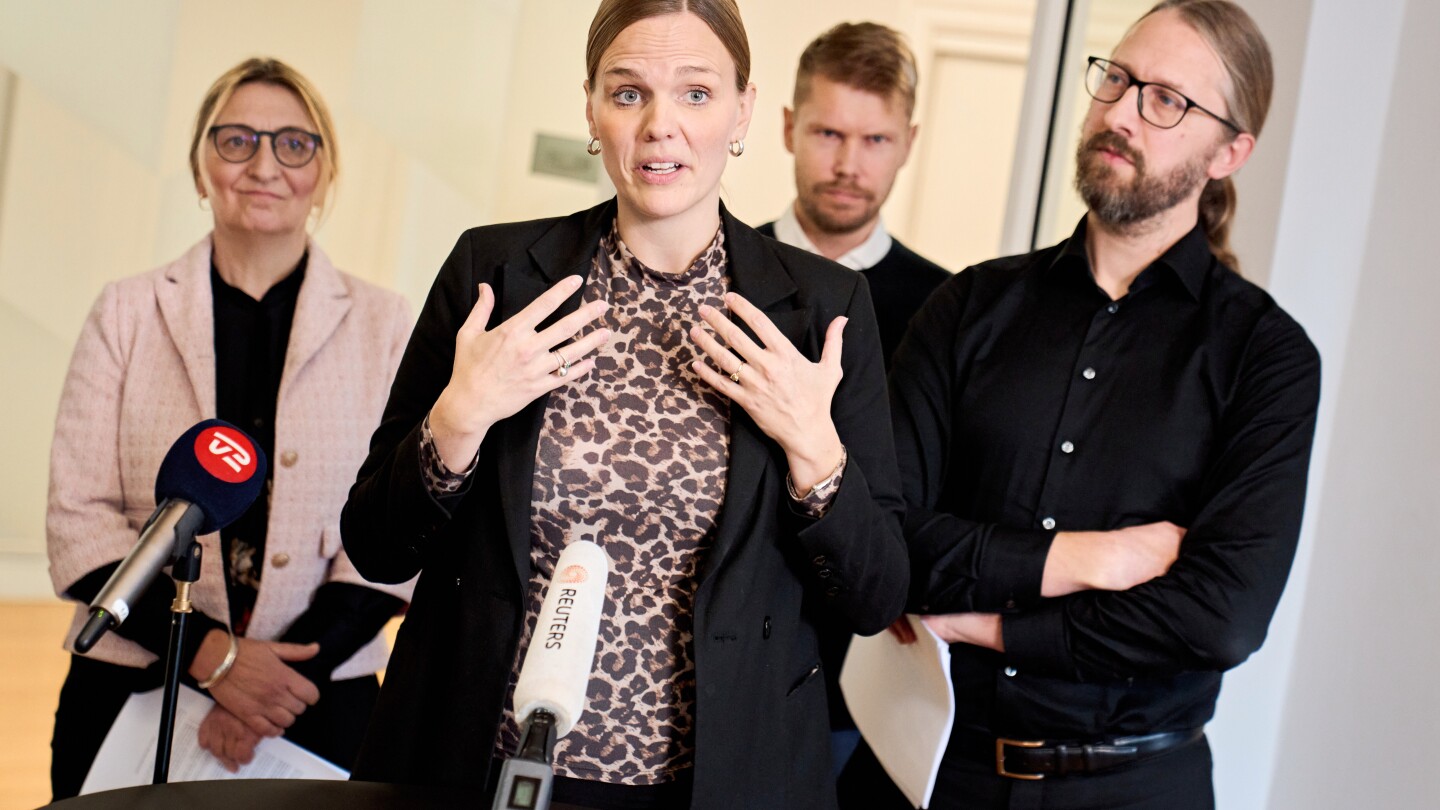
    Danish Digital Affairs Minister Caroline Stage articulated the government’s rationale, drawing an analogy to nighttime entertainment venues: “When we go into the city at night, there are bouncers checking ages. In the digital world, we don’t have any bouncers, and we definitely need that.” The minister emphasized that social media platforms have enjoyed “free play in the playing rooms of our children” for too long without adequate limits.

    The proposed legislation would represent the most comprehensive social media restrictions implemented by any European Union nation. While some parents may obtain permission for children as young as 13 to access platforms, the core ban would affect the approximately 98% of Danish children under 13 who currently maintain social media profiles despite existing platform age restrictions.

    Enforcement mechanisms would center around a new “digital evidence” application scheduled for launch next spring. This government-developed app would display age certificates to ensure compliance with social media age limits, addressing the widespread circumvention of current verification systems.

    Reactions among Danish youth reflect mixed perspectives. Fifteen-year-old Ronja Zander expressed concern about losing contact with online-only friends, while 14-year-old Chloé Courage Fjelstrup-Matthisen acknowledged the negative impacts, having witnessed graphic violent content on social platforms. Parental support appears strong, with one mother noting, “We didn’t really realize what we were doing when we gave our children the telephone and social media from when they were eight, 10 years old.”

    Academic experts voice reservations about the democratic implications. University of Copenhagen associate professor Anne Mette Thorhauge warned that such restrictions might infringe on children’s rights, noting that “social media, to many children, is what broadcast media was to my generation—a way of connecting to society.”

    Denmark joins a growing international movement, with Malaysia planning similar restrictions for 2025 and Norway considering comparable measures. China has already implemented strict limits on online gaming and smartphone usage for minors. The European Union’s Digital Services Act, while requiring parental controls and age verification tools, has faced enforcement challenges across member states.
  • Panic in France as children fall victim to lethal violence of Marseille drug gangs

    Panic in France as children fall victim to lethal violence of Marseille drug gangs

    The Mediterranean port city of Marseille is experiencing an unprecedented escalation in drug-related violence characterized by increasingly younger perpetrators and victims. The recent murder of 15-year-old Adel exemplifies the brutality: his charred body was discovered by schoolchildren after being shot execution-style and set ablaze—a now-common method among rival gangs.

    France’s Ministry of Justice reports a fourfold increase in teenage involvement in the drug trade over the past eight years. Social media platforms like TikTok have become recruitment tools, with ads offering €250 for lookouts and €500 for drug carriers, while emoji-coded posts advertise narcotics available ‘from 10:00 to midnight’.

    Gang members describe a complete breakdown of traditional codes. ‘The Immortal,’ a 20-year-old survivor of four bullet wounds, explains: ‘Nobody respects anything these days. The bosses use youngsters, pay them peanuts, and they end up killing others for no real reason. It’s anarchy.’

    The violence reached a tipping point with the murder of Mehdi Kessaci, a 20-year-old police trainee with no gang connections. His brother Ahmed, an anti-gang activist, believes the killing was intended as a warning. ‘There was a time when thugs had a moral code,’ Kessaci reflects. ‘You didn’t kill in daylight, not in front of everyone. Today these steps have disappeared.’

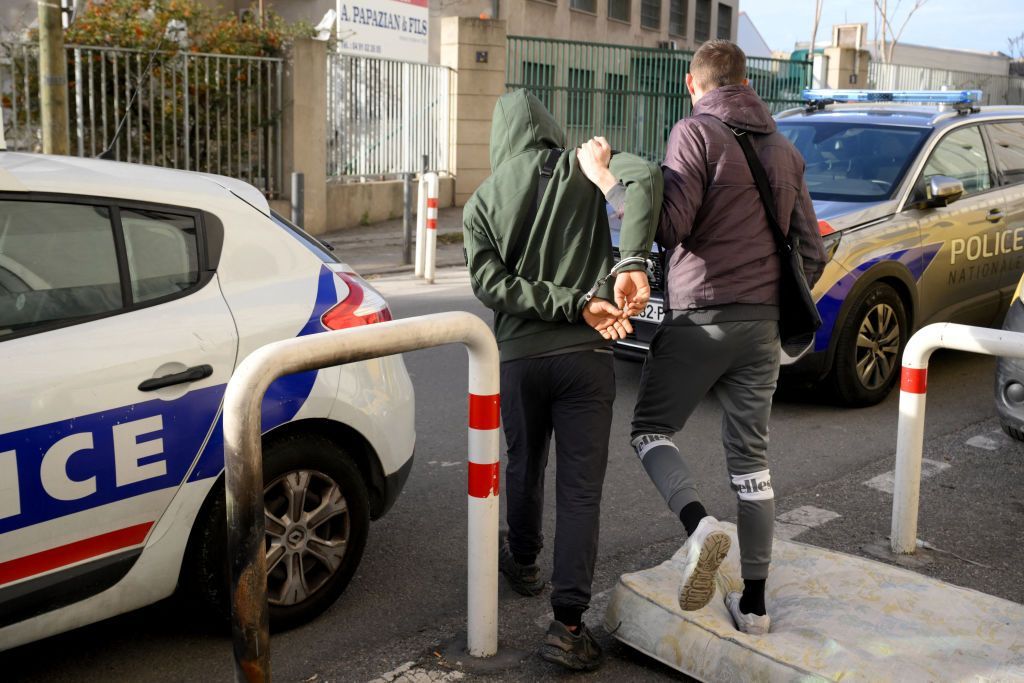
    Police respond with ‘security bombardments’—high-intensity raids in problematic neighborhoods. During one operation, officers arrested an 18-year-old who pleaded for protection, claiming he was being held against his will by traffickers. In filthy cellars, police find sophisticated packaging operations for cocaine distribution.

    Chief Prosecutor Nicolas Bessone describes an industry worth €7 billion nationally with two alarming developments: online recruitment and sales, and the enslavement of teenage ‘soldiers.’ ‘Traffickers create fictional debts to make them work for free,’ Bessone explains. ‘They torture them if they steal €20 for a sandwich. The average age of perpetrators and victims gets younger each year.’

    The crisis has sparked political division. Far-right politicians like National Rally’s Franck Alissio demand tougher immigration controls and a state of emergency, arguing that ‘the number of immigrants is the problem.’ Critics counter that this perspective exploits fear while ignoring the complex socioeconomic roots of the crisis.

    Writer Philippe Pujol, now under police protection, argues that entrenched poverty created this ‘monster’ through decades of neglect. ‘These kids can be jerks in a group,’ he observes, ‘but alone they’re still children with dreams who don’t want this violence.’

    As community organizers describe a citywide ‘psychosis’ of fear, the fundamental question remains: whether to combat the violence through intensified policing or by addressing the systemic poverty and social exclusion that fuel it.

  • Hundreds in Japan get car driving licences suspended for drink cycling

    Hundreds in Japan get car driving licences suspended for drink cycling

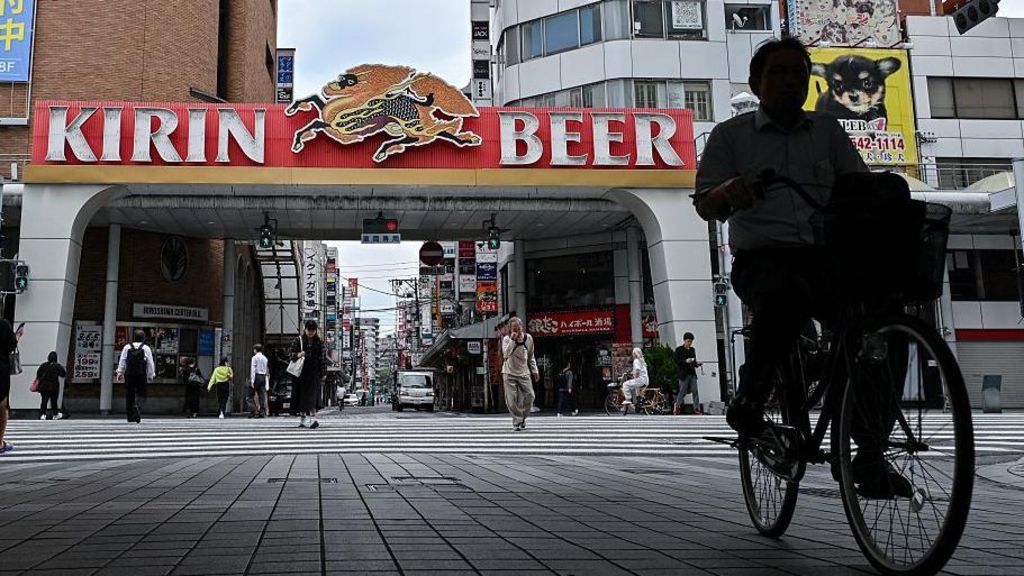
    Japanese authorities have implemented a stringent crackdown on alcohol-impaired cycling, resulting in the suspension of driving licenses for nearly 900 individuals caught operating bicycles while intoxicated. According to local media reports, law enforcement officials determined these offenders presented a ‘significant danger’ comparable to drunk car drivers.

    The dramatic increase in license suspensions from January to September follows the implementation of revised traffic regulations enacted in November 2024. These laws substantially heightened penalties for cycling under the influence, introducing potential imprisonment of up to three years or fines reaching 500,000 yen (approximately $3,200).

    Notably, the legal threshold for punishment has been significantly lowered. Cyclists now face penalties if breath alcohol tests detect concentrations of 0.15 milligrams per liter or higher—a substantial departure from previous standards that primarily penalized visibly impaired cycling ability.

    The legislative scope extends beyond individual riders to include those who provide alcohol to cyclists or make bicycles available to potentially intoxicated users. This comprehensive approach reflects authorities’ determination to address what they identify as a serious public safety concern.

    Police statistics reveal extensive enforcement efforts, with over 4,500 individuals apprehended for drunk cycling between November 2024 and June 2025. This crackdown occurs against a backdrop of increasing bicycle popularity during the pandemic era, which unfortunately correlated with rising accident rates. Official data indicates bicycles were involved in more than 72,000 accidents throughout 2023, accounting for over 20% of all traffic incidents nationwide.

    The regulatory expansion continues with additional rules scheduled for April implementation targeting common cycling infractions. These will penalize behaviors including umbrella use while riding, mobile phone operation, traffic signal violations, and nighttime riding without proper illumination.

    This represents a significant cultural shift for Japan, where alcohol has historically served as a social lubricant for business negotiations and delicate discussions for centuries. The new regulations challenge traditional attitudes toward alcohol consumption and transportation safety, creating a new paradigm for personal responsibility in public spaces.

  • Japanese chess player calls out association’s pregnancy bias

    Japanese chess player calls out association’s pregnancy bias

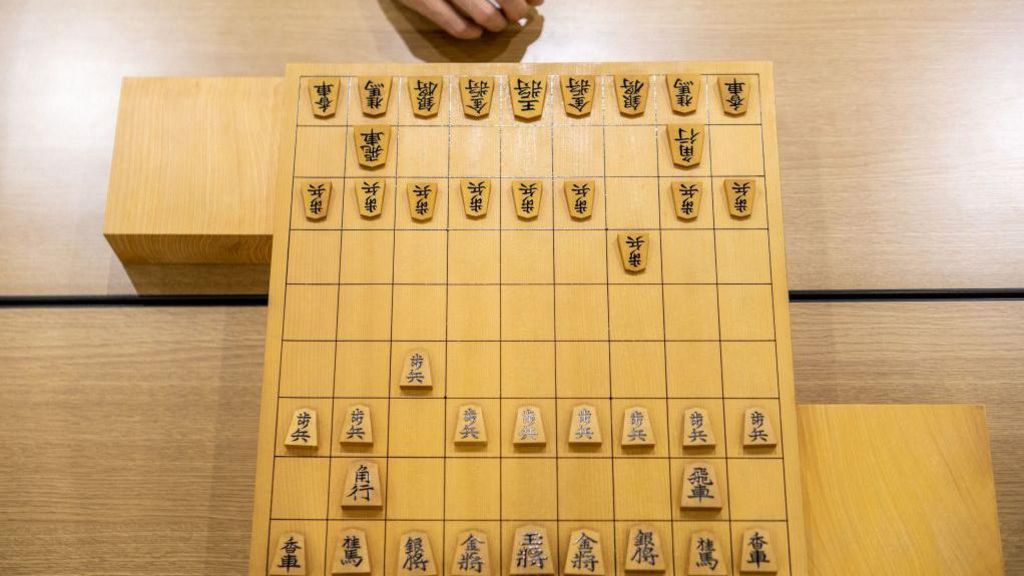
    Japan’s professional shogi community is confronting a significant gender equity controversy following public criticism from one of its most accomplished players regarding pregnancy-related competition bans. Kana Fukuma, a decorated shogi master, has compelled the Japan Shogi Association to apologize and reconsider regulations that effectively force female players to choose between motherhood and their professional careers.

    The current framework mandates that pregnant competitors must withdraw from title matches during a 14-week period surrounding their expected delivery date—spanning six weeks before through eight weeks after childbirth. This policy results in automatic forfeiture of all tournaments and potential titles during this mandatory absence, creating what Fukuma characterizes as a system that “significantly restricts reproductive rights” for professional players.

    At a Wednesday news conference, the 33-year-old player—who has competed professionally since 2003—shared her personal struggle: “I hesitated to have a child while pursuing my career in shogi, which is everything to me.” Before welcoming her first child in December 2024, Fukuma was compelled to withdraw from multiple tournaments due to pregnancy-related health considerations.

    In a formal request submitted Tuesday, Fukuma proposed specific reforms: adjusting match schedules or venues for pregnant players, permitting competition during pregnancy when medically advisable, and guaranteeing that titles remain protected during maternity leave. The association has responded by committing to review the regulations after consulting medical experts and evaluating both player safety and competitive fairness.

    The controversy has ignited vigorous discussion across Japanese social media platforms, with critics labeling the current rules as fundamentally misogynistic. Comparative discussions have emerged referencing more accommodating policies in international professional sports, such as tennis’s “protected rankings” system that enables athletes returning from extended absences—including maternity leave—to compete in major tournaments based on their pre-leave standings.

    This development occurs against the backdrop of Japan’s ongoing national concerns about demographic decline and gender equality in traditional institutions, positioning the shogi association’s response as a potentially significant indicator of evolving attitudes toward working mothers in the country’s professional spheres.

  • Indigenous deaths in custody in Australia hit highest level since 1980

    Indigenous deaths in custody in Australia hit highest level since 1980

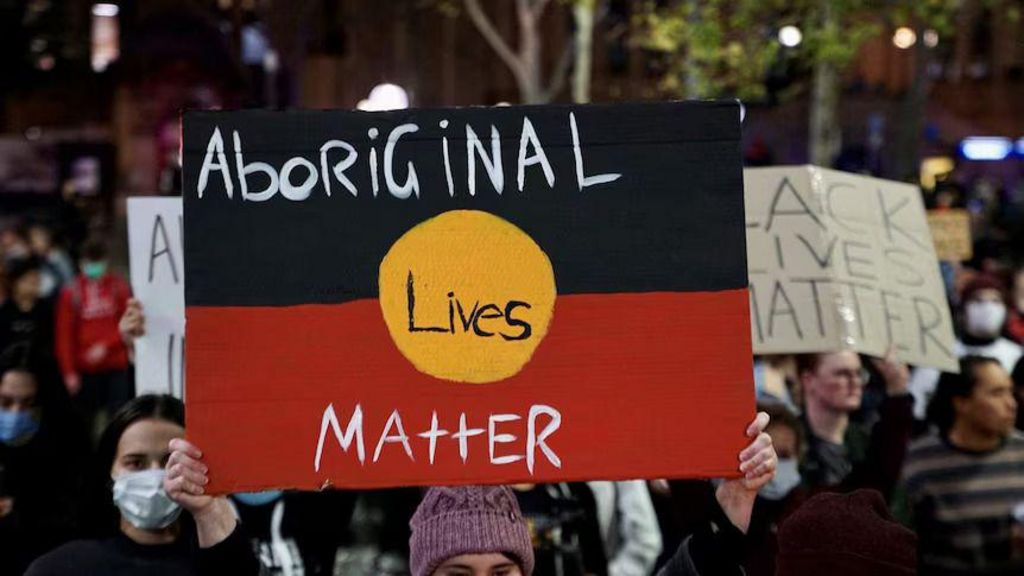
    Australia is confronting a severe national crisis as Indigenous custodial deaths have surged to unprecedented levels, reaching the highest recorded figure since official tracking began in 1980. According to newly released data from the Australian Institute of Criminology, 113 individuals died in custody during the twelve-month period ending June this year. Among these tragic fatalities, 33 were identified as Indigenous Australians—a significant increase from the 24 documented in the preceding year.

    This alarming trend underscores a profound overrepresentation of Aboriginal and Torres Strait Islander peoples within the criminal justice system. Although they constitute less than 4% of the national population, Indigenous individuals account for more than one-third of the country’s total prison population.

    The latest statistics arrive more than three decades after the landmark Royal Commission into Aboriginal Deaths in Custody, which issued hundreds of recommendations aimed at reforming the system. Despite this, the situation has deteriorated. Of the 33 Indigenous deaths reported, 26 occurred in prison custody—up from 18 the previous year—while one took place in youth detention. The remaining six fatalities happened in police custody. All but one of the deceased were male.

    Hanging was the most frequent cause of death, accounting for eight cases, while the majority of fatalities were classified as either self-inflicted or due to natural causes. Geographically, New South Wales recorded the highest number of deaths with nine, followed by Western Australia with six. Queensland, South Australia, and the Australian Capital Territory each reported three Indigenous deaths in custody.

    Magistrate Teresa O’Sullivan, the NSW state coroner, recently described the escalating numbers as a ‘profoundly distressing milestone,’ emphasizing that these are not ‘mere statistics’ but represent lives that demand ‘independent scrutiny, respect, and accountability.’

    The average age of those who died was 45 years, and 11 were awaiting sentencing at the time of their death. Associate Professor Amanda Porter, an expert in criminal law at the University of Melbourne, condemned the figures as evidence of a systemic failure requiring urgent political action. Having attended numerous inquests and funerals, Professor Porter expressed frustration that little has changed since the Royal Commission. In total, more than 600 Indigenous people have died in custody since the inquiry, including six children in youth detention.

  • Moment skydiver crash lands onto traffic light

    Moment skydiver crash lands onto traffic light

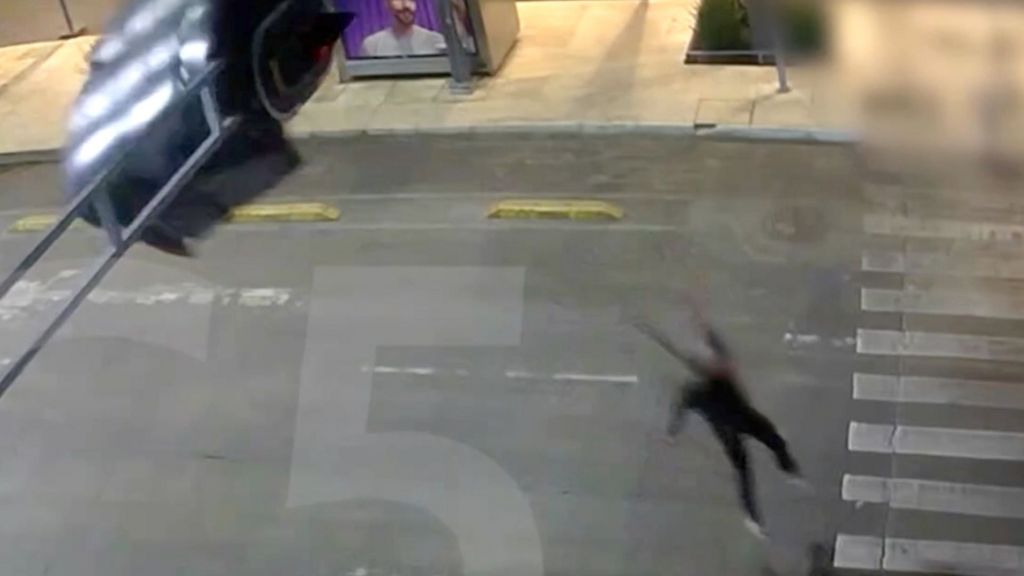
    In a breathtaking incident that defied both gravity and expectation, a skydiver experienced an emergency landing atop a traffic signal in the bustling streets of Mexico City on December 9th. The astonishing event, captured by multiple eyewitnesses, shows the individual descending rapidly before making unexpected contact with the urban infrastructure.

    According to official statements from Mexico City’s law enforcement authorities, the individual involved emerged from the precarious situation entirely unscathed. Police confirmed that despite the violent nature of the impact with the traffic apparatus, the skydiver sustained no physical injuries and required no immediate medical attention following the incident.

    The extraordinary circumstances surrounding this aerial mishap have raised questions about safety protocols and airspace regulations for recreational skydiving activities in metropolitan areas. Aviation experts suggest that unexpected wind patterns or equipment malfunction may have contributed to the diver’s deviation from the intended landing zone, though official investigations remain ongoing.

    This remarkable survival story highlights both the inherent risks of extreme sports and the astonishing resilience of the human body when confronted with potentially catastrophic scenarios. The incident continues to circulate across social media platforms, sparking conversations about urban safety preparedness for unconventional emergency situations.

  • Australian pilot has conviction for murder of camper overturned on appeal

    Australian pilot has conviction for murder of camper overturned on appeal

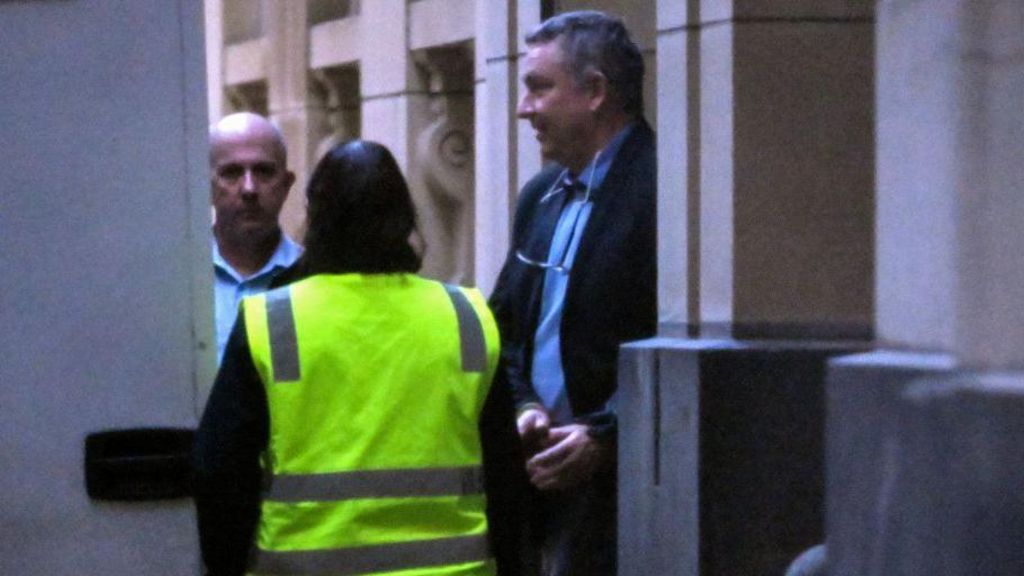
    In a dramatic legal reversal, Australia’s Victoria Court of Appeal has overturned the murder conviction of former airline pilot Greg Lynn and ordered a retrial for the 2020 death of elderly camper Carol Clay. The court determined that serious procedural irregularities had compromised the original trial, creating a substantial likelihood of justice being miscarried.

    The case dates back to March 2020 when Clay, 73, and her boyfriend Russell Hill, 74, vanished from a remote campsite in Victoria’s Wonnangatta Valley, sparking one of the state’s most extensive missing person investigations. Lynn, then 57 and a pilot for Jetstar, was arrested in November 2021 after a lengthy police investigation.

    During last year’s five-week trial, prosecutors argued that Lynn had intentionally killed the couple during a confrontation at the campsite. Lynn admitted to moving and burning the bodies and destroying evidence but maintained the deaths resulted from separate accidental struggles over a shotgun and knife. The jury ultimately convicted him of Clay’s murder while acquitting him in Hill’s death, resulting in a 24-year minimum sentence.

    The appeal court found multiple breaches of fair trial conduct rules by prosecutors, though specific irregularities weren’t detailed in the public ruling. Court of Appeal President Karin Emerton emphasized the seriousness of the procedural failures in ordering a new trial.

    Lynn remains in custody pending his next court appearance scheduled for January 28, where proceedings for the retrial will be formalized. The case has captivated Australian public attention for years, combining elements of mystery, tragedy, and complex legal questions about intent and accidental death in remote wilderness settings.

  • Social media ban kicks in for Australia’s under-16s

    Social media ban kicks in for Australia’s under-16s

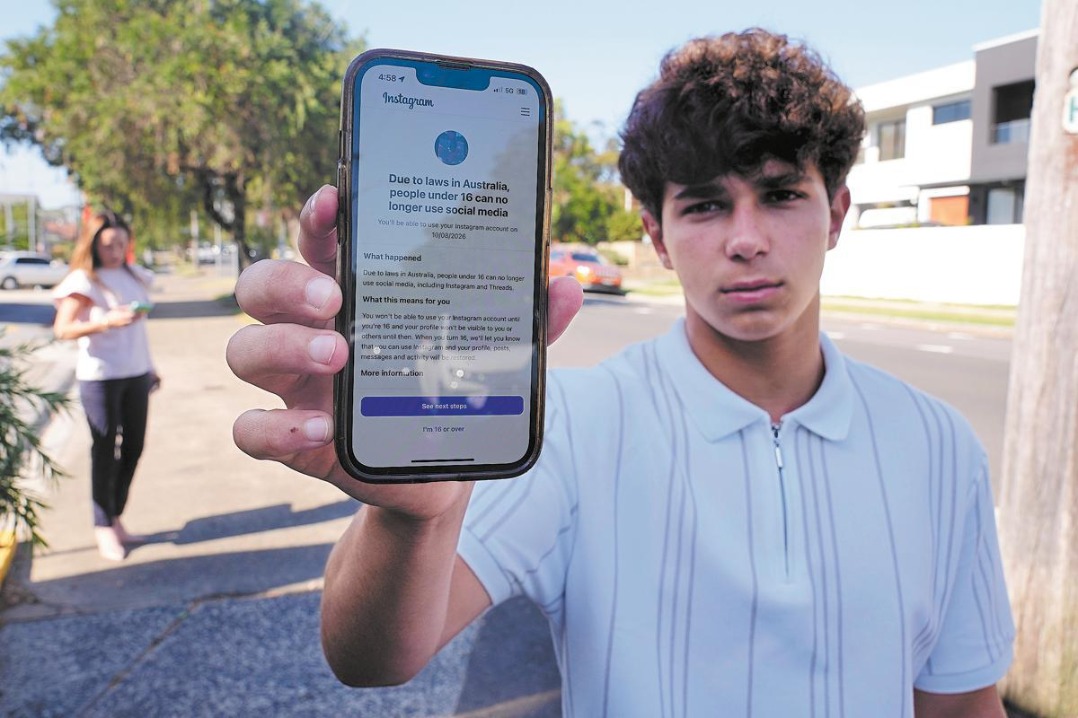
    Australia has enacted groundbreaking legislation prohibiting children under 16 from accessing major social media platforms, becoming the first nation to implement such comprehensive restrictions. The historic ban took effect Wednesday, representing a radical shift in digital safety governance and sparking global interest in its potential implications.

    Platforms including Instagram, Facebook, Threads, X, Snapchat, Kick, Twitch, TikTok, Reddit and YouTube must now implement stringent age verification measures. Companies failing to prevent underage access face severe penalties reaching A$49.5 million ($32.9 million).

    Prime Minister Anthony Albanese hailed the legislation as “world-leading,” emphasizing that “our social media ban is about making sure kids have a childhood.” He acknowledged implementation challenges but stated the initiative was “too important not to give it a crack.”

    According to Professor Julian Sefton-Green of Deakin University, the policy primarily targets social media companies rather than users themselves. “The ban is not so much a ban on users, it’s a ban on social media companies acting irresponsibly,” explained Sefton-Green, who serves on the Australian eSafety Commissioner’s advisory group.

    The professor characterized the move as a national government asserting authority over foreign-owned platforms’ influence. Comprehensive evaluation will assess impacts on youth wellbeing, family dynamics, social relationships, and information access patterns, though conclusive results may require two to three years of observation.

    Platform responses have varied, with TikTok confirming compliance through facial age estimation, credit card authorization, and government ID verification. The company acknowledged these measures “may be upsetting” but necessary for legal compliance.

    Critics including Digital Rights Watch’s Tom Sulston warn the ban might drive youth toward unregulated platforms potentially “more dangerous than those they currently know how to use.” Concerns also extend to data privacy, as age verification requires distributing biometric information and identity documents to companies potentially outside Australian jurisdiction.

    The Australian model has already inspired similar considerations internationally. New Zealand’s Prime Minister Christopher Luxon expressed deep support, while Malaysia plans to prevent under-16 sign-ups next year. Denmark recently agreed to ban under-15s from social media with parental exemption options, and Germany maintains parental consent requirements for 13-16 year olds.

  • Police release CCTV footage of ‘callous’  attack on house

    Police release CCTV footage of ‘callous’ attack on house

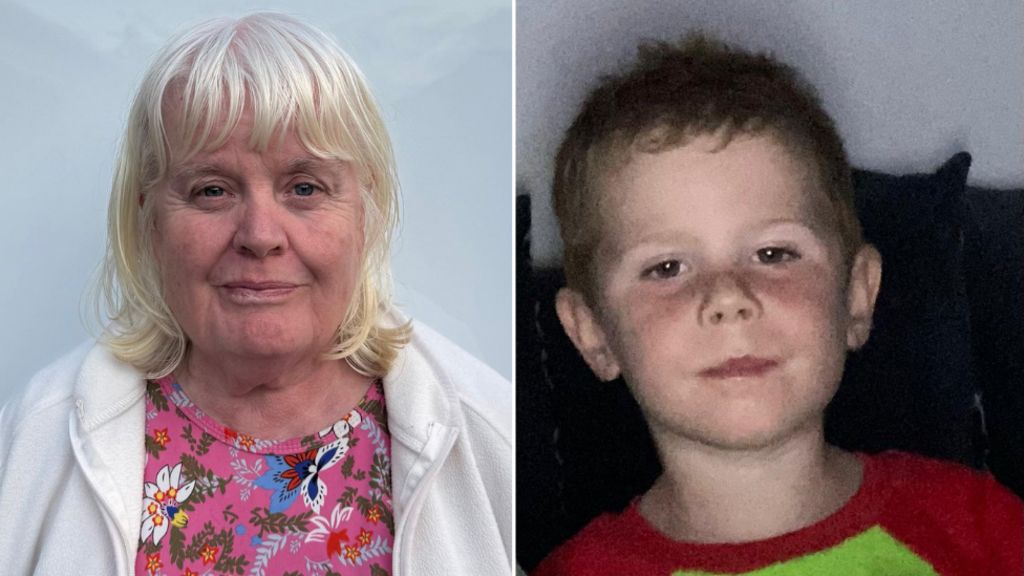
    The Irish police force, An Garda Síochána, has released chilling CCTV evidence related to a devastating arson attack on a family residence in County Offaly. The deliberate fire, which engulfed a home in Castleview Park, Edenderry, last Saturday, resulted in the tragic deaths of 60-year-old Mary Holt and her four-year-old grandnephew, Tadhg Farrell.

    Investigators have officially classified the incident as a murder investigation, condemning it as a ‘reckless, callous and murderous attack on a family home.’ The victims’ remains were discovered in the front room of the property, identified as the point where the blaze was intentionally ignited. While post-mortem examinations have been concluded, the specific results remain confidential for operational purposes.

    A third victim, Tadhg’s grandmother, survived the attack but continues to receive extensive hospital treatment for severe burn injuries. The young boy was reportedly visiting his grandmother’s home at the time of the assault.

    Chief Superintendent Anthony Lonergan expressed the profound loss felt by the community, stating, ‘Tadhg should be with his family today. His grandaunt Mary should be working in a local nursing home where she worked for over 40 years helping her community.’ He assured the public that Gardaí are ‘determined to identify all those responsible for the deaths of Tadhg and Mary and bring them before the courts,’ while also making a direct appeal for any information regarding the ‘violent fatal incident.’

    The shocking event has profoundly impacted the small town of Edenderry. A community vigil was held on Wednesday evening, organized by the local Derry Rovers AFC club. Attendees walked the club’s running track four consecutive times—a solemn tribute for each year of young Tadhg’s life. The club stated that the murders had ‘shook the town of Edenderry to its core.’ Authorities emphasize that their investigation remains active and that they are keeping an open mind regarding the potential motives behind the attack.

  • Watch: Top US lawmakers join annual Menorah lighting at Capitol

    Watch: Top US lawmakers join annual Menorah lighting at Capitol

    In a powerful display of interfaith solidarity and bipartisan unity, the hallowed halls of the U.S. Capitol witnessed its annual Hanukkah menorah lighting ceremony, drawing the nation’s most prominent legislative leaders. House Speaker Mike Johnson (R-LA), House Minority Leader Hakeem Jeffries (D-NY), and Senate Majority Leader Chuck Schumer (D-NY) stood together to kindle the lights, commemorating the eight-day Jewish Festival of Lights.

    The ceremony, a cherished tradition in the congressional calendar, symbolizes more than religious observance; it represents the American ideals of religious freedom and cultural diversity. The leaders’ participation underscores a rare moment of political concord, transcending partisan divides to honor a story of resilience and miracle central to Jewish heritage. The event served as a poignant reminder of the enduring spirit of hope and the triumph of light over darkness, themes that resonate deeply within the current global context. This public act by top U.S. lawmakers reinforces the institutional support for religious pluralism at the highest levels of government, sending a message of inclusivity to the nation and the world.