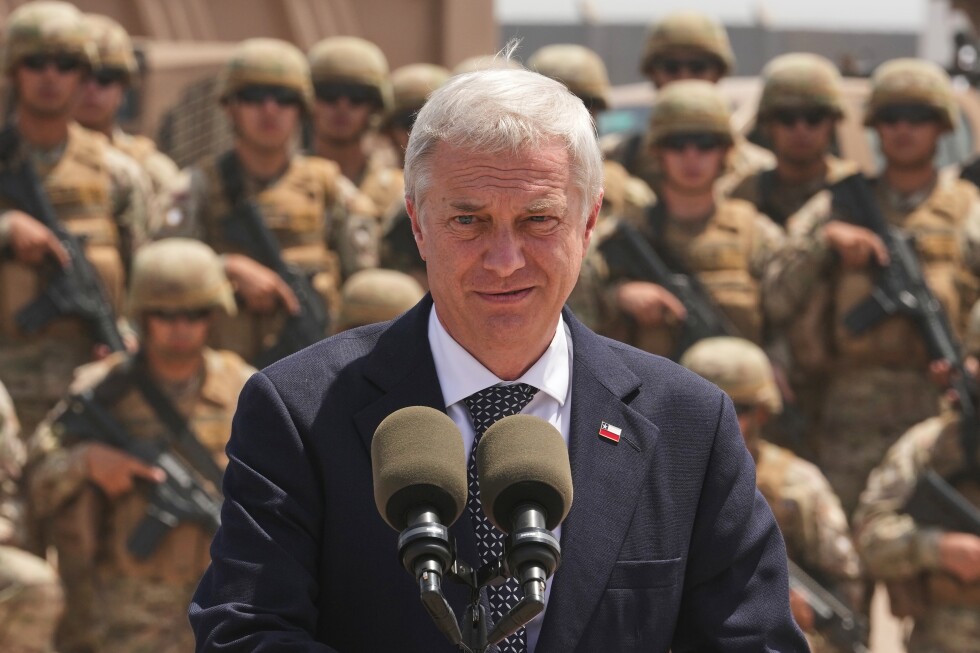
SANTIAGO, Chile — The Chilean government has announced a comprehensive tightening of security protocols across educational institutions following two separate weapon-related incidents that have heightened national concerns about school violence. President José Antonio Kast declared Monday that his administration would implement “certain measures to protect our students” during an address at a capital city school. The policy shift comes in response to what Kast described as fundamental societal changes requiring revised approaches to campus safety. The security enhancement initiative follows Friday’s fatal knife attack in northern Chile, where an 18-year-old student killed a 59-year-old school inspector and wounded four others, leaving one victim in critical condition. This incident, categorized among Chile’s most severe school violence cases, was compounded by Monday’s separate event where authorities detained a 15-year-old student attempting to enter a Curicó school with a loaded firearm concealed in his waistband. Education Minister María Paz Arzola revealed that her office is drafting legislation to authorize backpack inspections by teachers while accelerating the installation of metal detectors in educational facilities. While Major Juan Díaz Serrano of Chile’s police force confirmed the detained teenager made no explicit threats, the occurrence has intensified national security discussions. Although armed attacks remain uncommon in Chile, the nation’s academic institutions have historically served as hubs for activism, particularly during the 2011 and 2019 social upheavals when students demanded systemic reforms. Recent months have witnessed increased campus violence, including a late-2024 explosion that injured over 30 students from homemade firebombs and May’s shooting incident in the Bío Bío region that wounded three students—the first recorded school shooting in Chilean history.
分类: society
-

Around 6,000 cherry trees of over 60 varieties coming into bloom along Beijing’s ‘Cherry Blossom River’
Beijing has transformed its Beixiao River into a breathtaking floral spectacle with the debut of the capital’s first ‘Cherry Blossom River’ corridor. Approximately 6,000 cherry trees representing over 60 distinct varieties have begun their seasonal bloom, creating a stunning 4.2-kilometer pink canopy along the waterway in Chaoyang district.
The newly established floral corridor, strategically positioned near Beijing’s northeastern fifth ring road, encompasses the river itself, both banks, and three adjacent parks, forming an integrated riverside viewing experience. The botanical display has been carefully designed to provide extended viewing opportunities through sequential blooming patterns.
Horticultural experts have orchestrated a phased blooming schedule, with early-season varieties reaching peak coloration between late March and early April, while late-blooming specimens will maintain the display through mid-April. This strategic planning ensures visitors can enjoy the natural spectacle across multiple weeks.
From April 3 to 12, the municipality will offer unique aquatic viewing experiences with the introduction of rowboats, motorboats, and open-top vessels operating along the blossom-lined river. Additionally, the city has implemented complimentary shuttle services featuring cherry blossom-themed decorations to connect nearby parks and commercial districts, seamlessly integrating the natural attraction with urban infrastructure.
The ‘Cherry Blossom River’ project represents a significant urban beautification initiative that enhances public access to natural spaces while promoting ecological tourism within China’s capital city.
-
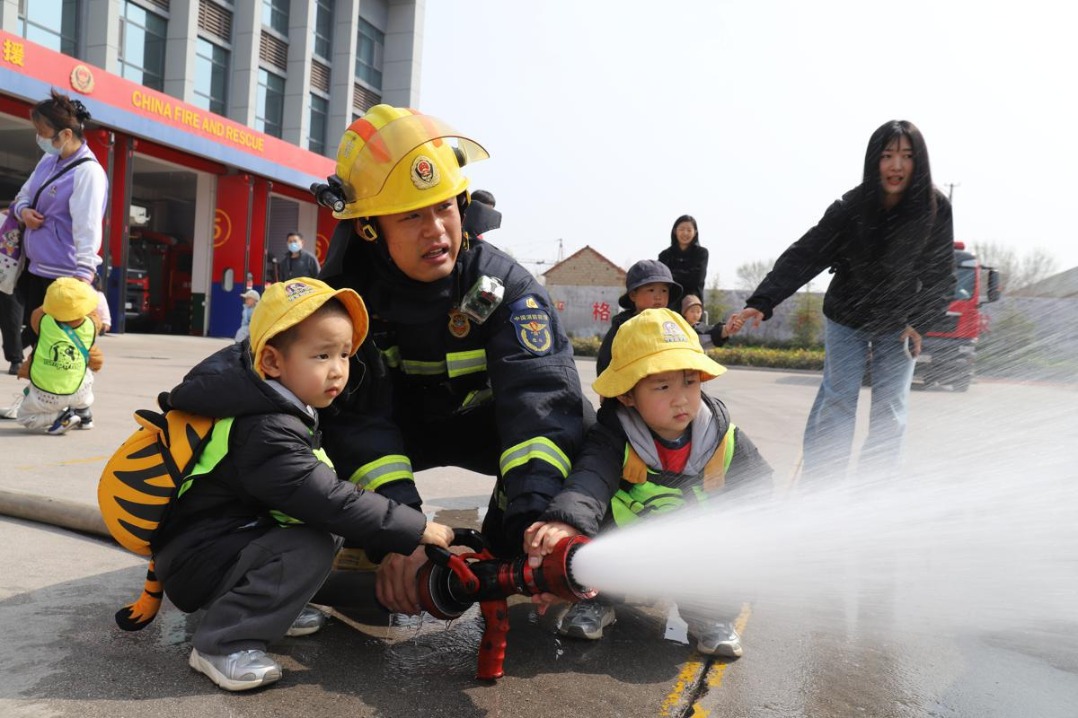
Fire safety campaigns launched across Shandong schools
As the 31st National Safety Education Day for Primary and Secondary School Students approaches on March’s final Monday, Shandong province has initiated an extensive fire safety campaign throughout its educational institutions. The coordinated effort involves multiple fire rescue departments conducting specialized safety education programs to enhance campus security measures.
The comprehensive initiative focuses on equipping students with critical safety knowledge, self-protection techniques, and improved emergency response capabilities. Fire safety professionals are employing interactive training methods including practical drills, instructional lectures, and live demonstrations to effectively communicate fire prevention strategies, evacuation protocols, and proper handling of firefighting apparatus.
Notably, the programs have been carefully adapted to suit different educational levels, ensuring age-appropriate content delivery for maximum engagement and effectiveness. In one demonstrated activity from Rizhao High-tech Industrial Development Zone, firefighters provided hands-on training with fire hoses, allowing students direct experience with emergency equipment under professional supervision.
The campaign represents a proactive approach to safety education, emphasizing practical skill development alongside theoretical knowledge. By creating memorable learning experiences through interactive participation, authorities aim to establish lasting safety awareness among the student population that extends beyond the school environment into daily life.
-

Peonies herald arrival of spring in Luoyang
The ancient capital of Luoyang in Henan province prepares to welcome spring with the grand opening of its 43rd Peony Cultural Festival, running throughout April. This nationally recognized cultural extravaganza transforms the city into a breathtaking tapestry of floral magnificence, combining horticultural displays with rich cultural programming and economic exchange opportunities.
As one of China’s most anticipated seasonal events, this year’s festival extends a global invitation to witness the spectacular bloom of peonies—flowers deeply embedded in Chinese cultural heritage and symbolism. Visitors will experience an immersive journey through elaborate garden exhibitions, traditional performing arts, and commercial exhibitions that highlight both local traditions and international connections.
The festival serves as both a tourist attraction and cultural preservation initiative, showcasing Luoyang’s historical significance as multiple ancient capital dynasties. The peony, revered as China’s ‘king of flowers,’ takes center stage with hundreds of varieties displaying their vibrant petals in full spring bloom.
Beyond the visual spectacle, the event features scholarly symposiums on peony cultivation, artistic competitions, and culinary events featuring peony-inspired cuisine. The month-long celebration reinforces Luoyang’s position as a cultural destination while promoting botanical conservation and interregional tourism cooperation.
-
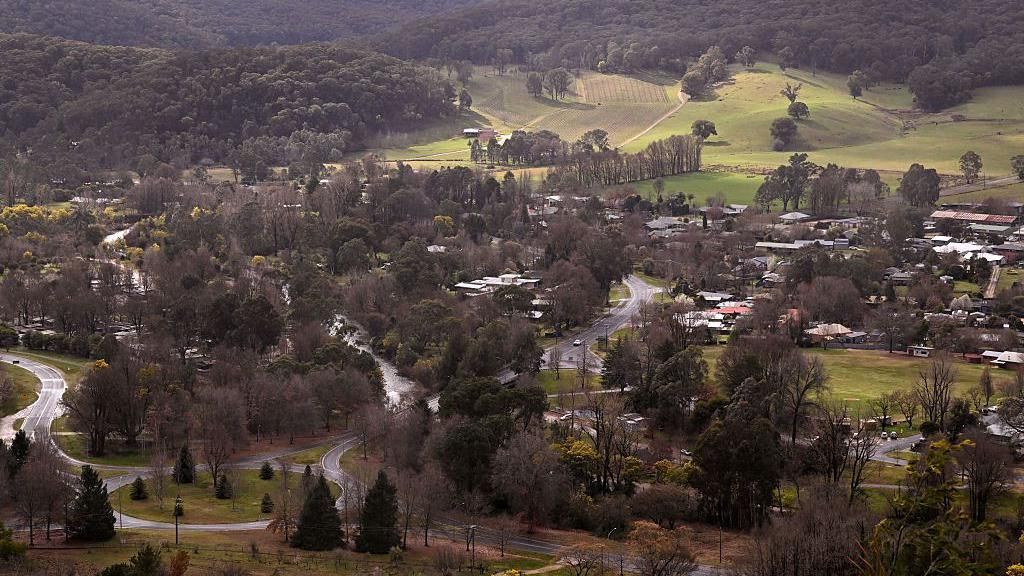
Shock, sadness and relief in town at centre of Australia’s seven-month police manhunt
The tranquil town of Porepunkah in Victoria’s Alpine region, with its modest population of approximately 1,000 residents, has endured profound trauma since last August’s devastating events. The community now faces the challenging path toward recovery following the conclusion of Australia’s extensive seven-month manhunt for local resident Dezi Freeman, who fatally shot two police officers before being killed in a dramatic standoff with authorities.
The incident began when Freeman killed Senior Constable Vadim de Waart and Detective Neal Thompson, both well-known figures in the close-knit Alpine community. The subsequent search operation, among the largest in Australian police history, culminated this week when officers engaged and fatally shot Freeman during a six-hour confrontation at a property located nearly two hours north of Porepunkah.
Community members expressed complex emotional responses to the resolution of the case. Marcus Warner, longtime search-and-rescue volunteer and chamber of commerce president, described the predominant sentiment as profound sorrow rather than celebration. ‘There was a degree of shock to hear that had happened,’ Warner stated, ‘and it didn’t take very long then for a wave of sadness to fall.’
The prolonged investigation brought intense media scrutiny and public speculation that proved particularly challenging for residents. Warner emphasized the disparity between online narratives and actual community dynamics: ‘What you read online versus what I hear and see each day in our community are poles apart.’ Despite external perceptions, he maintained that the community remains fundamentally united.
Economic repercussions have compounded the emotional toll, with local tourism suffering significantly. Balin Foley, a business owner in nearby Bright, expressed hope that the resolution would allow the region to rebuild its tourism industry, though he acknowledged the process would require time as the event remains fresh in public memory.
Alpine Shire Mayor Sarah Nicholas encouraged community members to seek support services, emphasizing that the region would ‘be doing everything we can to continue supporting our community through this difficult time.’
Friends of the slain officers expressed relief at the case’s conclusion while mourning their loss. Peter D’Mello, friend of De Waart, described the outcome as ‘bittersweet,’ while John Bird, friend of Thompson, noted it provided ‘finalization’ to the tragic episode.
The community now faces the multifaceted challenge of healing emotionally, psychologically, and economically, with Warner noting that ‘a lot of the financial losses will never be recovered’ despite the weight lifted by the resolution.
-

Professor crafts corn kernels into cultural artworks
In the picturesque Xuanhe village of Pu’er, Yunnan province, an innovative approach to rural development is taking root through the intersection of agriculture and art. Professor Ning Si, who serves both as an academic at Pu’er University and Party secretary of Xuanhe, has pioneered a remarkable initiative that transforms ordinary red corn into extraordinary cultural artworks.
Rather than limiting its use to traditional agriculture, Professor Ning has reimagined the crimson kernels as artistic medium and pigment. Over a concentrated three-month creative period, he has produced twenty distinct pieces that capture the essence of village life and celebrate China’s rich cultural heritage. His collection includes touching domestic scenes, such as a young girl affectionately embracing her dog, alongside interpretations of legendary characters from China’s four great classical novels.
The professor’s innovative approach extends beyond physical creation to digital promotion. By sharing video documentation of his artistic process through online platforms, he has cultivated a growing following that brings unprecedented attention to the rural community. This strategic digital outreach forms part of a broader vision to stimulate local development through cultural innovation.
Professor Ning’s ultimate objective involves strategically placing these corn kernel artworks throughout Xuanhe village, creating an open-air gallery that celebrates local culture while attracting visitors. This initiative represents a novel approach to rural revitalization that harnesses cultural creativity alongside agricultural resources, demonstrating how traditional farming communities can develop sustainable tourism and economic opportunities through artistic innovation.
-

Spanish bishops and government sign deal for compensation of church sexual abuse victims
In a landmark development for victim compensation, Spanish authorities and Catholic bishops have formalized an unprecedented agreement establishing a state-supervised reparations system for clergy sexual abuse cases. The agreement, signed Monday, creates a unique framework where Spain’s ombudsman holds ultimate authority in determining compensation for victims whose cases fall outside statutory limitations or involve deceased perpetrators.
The innovative system, set to commence operations on April 15th, represents a significant concession by Spain’s Catholic hierarchy following criticism of the church’s initial internal compensation proposal. Unlike conventional compensation programs in other Western European nations, Spain’s approach notably incorporates direct state involvement through the Justice Ministry and ombudsman’s office.
Archbishop Luis Argüello, president of the Spanish Episcopal Conference, emphasized the deliberate exclusion of predetermined compensation scales from the agreement. “We’ve intentionally omitted references to specific amounts or ranges,” Argüello stated. “The focus remains on establishing appropriate evaluation mechanisms rather than fixed monetary values.”
Justice Minister Félix Bolaños characterized the agreement as a world-first model where “the state maintains final authority while the church bears financial responsibility for victim reparations.” The system will assess compensation on case-by-case basis, considering factors including abuse severity, victim age at time of abuse, and recurrence patterns.
This development marks Spain’s ongoing confrontation with historical clergy abuse patterns, accelerated by El País newspaper’s investigative reporting and a comprehensive 2023 ombudsman’s report that documented 487 cases while estimating potential victims might number in hundreds of thousands. Church authorities have contested these figures, maintaining their internal investigation identified 728 abusive clergy since 1945, with 60% now deceased and most incidents occurring pre-1990.
The operational protocol enables victims to submit petitions through the Justice Ministry, which forwards cases to the ombudsman for evaluation and compensation recommendations. A church committee then reviews these proposals, with disputed cases advancing to a joint committee comprising church representatives, ombudsman officials, and victim association delegates. The ombudsman’s determination becomes binding if consensus cannot be reached.
-
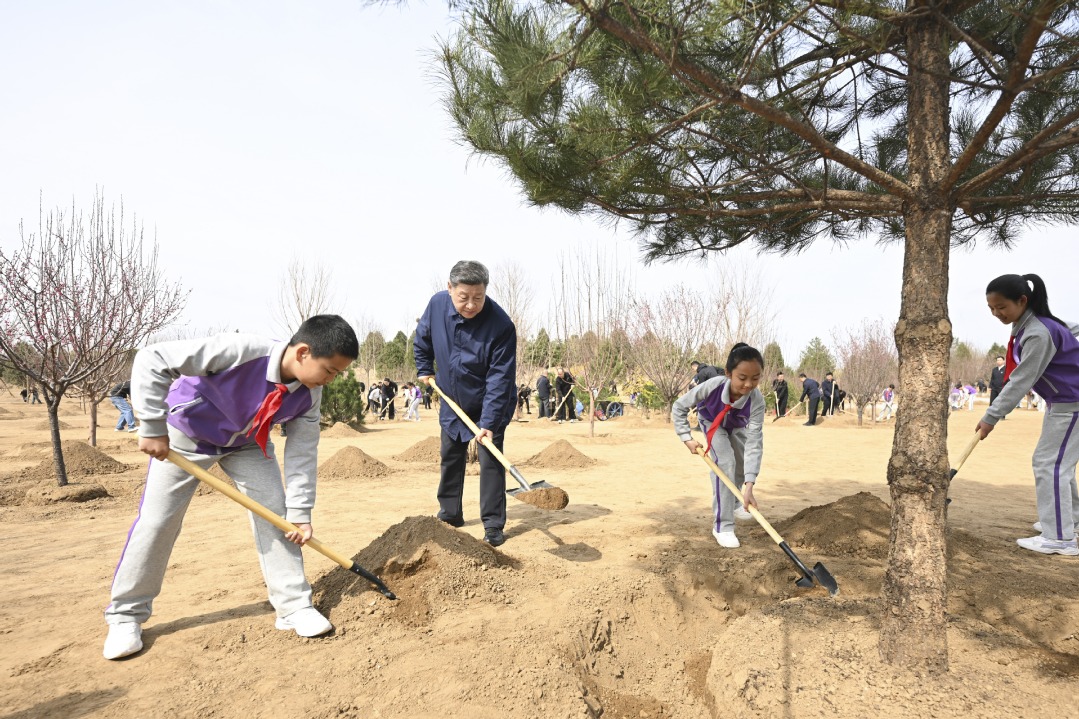
Xi urges mobilizing whole society in tree-planting efforts
Chinese President Xi Jinping has issued a compelling call for nationwide participation in tree-planting initiatives, emphasizing that ecological preservation represents a collective responsibility requiring society-wide engagement. The President made these remarks while personally participating in a voluntary afforestation activity in Beijing on Monday.
Speaking in his capacity as General Secretary of the Communist Party of China Central Committee and Chairman of the Central Military Commission, Xi underscored that a healthy ecological environment constitutes a public good that benefits all citizens, yet demands concerted effort from every sector of society. His participation in the tree-planting event demonstrates leadership commitment to environmental stewardship and sustainable development.
The presidential endorsement of afforestation activities reinforces China’s broader environmental protection policies and green development strategy. This initiative aligns with the country’s ongoing efforts to combat climate change, reduce carbon emissions, and enhance biodiversity through systematic reforestation programs.
Xi’s personal involvement in the tree-planting activity symbolizes the government’s dedication to ecological civilization construction, a concept that has become increasingly central to China’s development paradigm. The event serves as both a practical contribution to environmental improvement and a symbolic gesture encouraging public participation in ecological conservation efforts.
The call for societal mobilization represents a continuation of China’s longstanding tradition of organized tree-planting campaigns, which have contributed significantly to the country’s reforestation achievements in recent decades. This latest initiative reinforces the government’s commitment to building a sustainable future through collective action.
-

Seven dead in Heilongjiang building collapse
A partial building collapse in Hailin city, Heilongjiang province, has resulted in seven fatalities with two additional survivors hospitalized in stable condition. The incident occurred around midnight on Sunday in Hailin township, triggering an immediate emergency response from local authorities.
According to China Central Television reports, search and rescue operations concluded by 11:27 am on Monday after all nine trapped individuals were successfully located. Emergency teams worked through the night and following morning to extract victims from the debris.
The two surviving victims received prompt medical attention and were transported to nearby healthcare facilities. Medical officials confirm both individuals are currently in stable condition and not facing life-threatening injuries.
Local authorities have launched a comprehensive investigation to determine the exact cause of the structural failure. The building’s construction details, maintenance history, and compliance with safety regulations will be examined as part of the official probe.
This incident highlights ongoing concerns about building safety and structural integrity in various regions. The community has expressed condolences for the victims while calling for strengthened safety protocols and more rigorous building inspections to prevent similar tragedies.
-

Severe weather alerts issued across southern China
Meteorological authorities have escalated weather warnings across southern China as a powerful convective system threatens multiple regions with extreme conditions. The National Meteorological Center issued comprehensive alerts Monday morning for heavy rainfall, severe convective activity, and dense fog affecting vast territories south of the Yangtze River.
The forecast period from 8:00 am Monday through 8:00 am Tuesday indicates particularly dangerous conditions in southeastern Hunan, southern Jiangxi, central-eastern Guizhou, and parts of Guangdong province. Meteorological analysts have identified these zones as having elevated potential for isolated tornado formation alongside expected thunderstorms and hail events.
Precipitation patterns show moderate to heavy rainfall across northern and eastern Guangxi, northern and western Guangdong, southern Hunan, southern Jiangxi, western Fujian, southern Chongqing, and northern Guizhou. The most intense downpours, classified as torrential, are anticipated in northeastern Guangxi and northwestern Guangdong, raising concerns about flash flooding.
Concurrently, dense fog advisories have been issued for Monday morning hours affecting southern Chongqing, central Hunan, north-central Jiangxi, southern Zhejiang, north-central Fujian and northern Guangxi. Visibility in some areas is expected to drop below 200 meters, creating hazardous travel conditions.
Civil protection agencies are urging residents and local authorities to implement comprehensive preparedness measures. The compound weather system poses significant risks to transportation networks, agricultural operations, and urban infrastructure. Particular attention is being directed toward potential secondary disasters including mountain flash floods, geological landslides, and agricultural waterlogging.
Emergency management departments have activated coordinated response protocols, emphasizing the need for continuous monitoring of weather developments and timely public communications regarding safety measures.