分类: society

  • Austria bans headscarves in schools for under-14s

    Austria bans headscarves in schools for under-14s

    Austria’s parliament has approved landmark legislation prohibiting girls under age 14 from wearing traditional Muslim head coverings, including hijabs and burkas, in both public and private educational institutions. The controversial measure, backed by the center-right coalition government comprising the ÖVP, SPÖ, and Neos parties, takes effect following a phased implementation schedule beginning February 2026.

    Government representatives champion the legislation as a progressive step toward gender equality and female empowerment. Yannick Shetty, parliamentary leader of the liberal Neos party, emphasized that the ban aims to protect young girls from potential oppression rather than target religious practices. Approximately 12,000 children are estimated to be affected by the new regulations.

    Enforcement protocols establish a graduated response system: initial violations trigger mandatory discussions involving school authorities and legal guardians, while repeated non-compliance requires notification to child welfare agencies. The ultimate penalty involves fines up to €800 for families or guardians.

    This legislative action revisits previous legal battles—Austria’s Constitutional Court overturned a similar 2020 ban targeting girls under 10 for specifically singling out Muslim practices. The current government asserts it has crafted the law to withstand constitutional scrutiny, though officials acknowledge potential judicial challenges.

    The far-right Freedom Party (FPÖ) supported the ban while criticizing its limited scope, advocating for expanded prohibitions encompassing all students and school staff. Conversely, opposition Greens and Austria’s Islamic Community (IGGÖ) condemn the legislation as constitutionally questionable and socially divisive. The IGGÖ announced plans to evaluate the law’s constitutionality, citing the 2020 court precedent that found such bans violate equality principles and target religious minorities.

    The measure has ignited intense debate regarding religious freedom, integration policies, and state intervention in cultural practices, reflecting broader European tensions surrounding Islamic symbols in public spaces.
  • The Olympic spirit: a guiding light in everyday life

    The Olympic spirit: a guiding light in everyday life

    Beyond the medal ceremonies and record-breaking performances, the Olympic spirit serves as a profound life philosophy that guides individuals through everyday challenges. Recent reflections from elite athletes demonstrate how competitive values translate into personal growth and resilience.

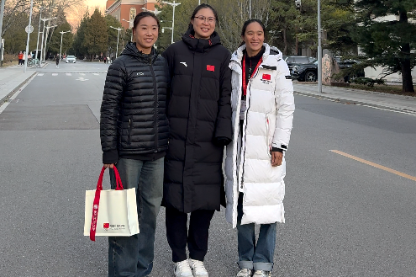
    Chinese women’s field hockey team members have embraced what they term the ‘snow lotus spirit’ – a metaphor for thriving in adverse conditions, much like the flower that blooms in high-altitude harsh environments. Meanwhile, Olympic sailors have drawn parallels between navigating treacherous waters and managing life’s unpredictable circumstances, emphasizing how the same discipline required in competition helps them weather personal storms.

    These athletes consistently highlight three core Olympic principles that prove invaluable in daily life: mutual respect that builds stronger communities, perseverance that turns obstacles into opportunities, and the continuous drive for self-improvement that propels personal development. Their experiences reveal that the pursuit of being ‘higher, faster, stronger’ extends far beyond athletic achievement to encompass intellectual growth, emotional maturity, and character building.

    The timing of these reflections is particularly significant as global sports communities prepare for future Olympic games. They serve as a reminder that while the world watches extraordinary physical feats during competitions, the most enduring impact of the Olympic movement may be its ability to inspire ordinary people to embrace challenge, respect opponents, and pursue excellence in their daily endeavors.

  • China’s poverty alleviation achievements continuously consolidated, expanded in 2025

    China’s poverty alleviation achievements continuously consolidated, expanded in 2025

    China has successfully reinforced its monumental poverty eradication accomplishments throughout 2025, implementing robust measures to prevent large-scale relapse into economic hardship. According to Wednesday’s announcement from the Ministry of Agriculture and Rural Affairs, assistance policies have been executed with remarkable stability nationwide, effectively securing the foundational safeguards against a return to poverty.

    The comprehensive monitoring system identified and provided crucial support to over 7 million individuals deemed at risk of slipping back below the poverty threshold this year. This systematic approach has proven instrumental in maintaining the nation’s hard-won progress in livelihood improvement.

    Substantial enhancements have been achieved across essential social welfare domains including education accessibility, healthcare coverage, housing security, and clean drinking water provisions for previously impoverished populations. These developments represent critical components of China’s ongoing commitment to sustainable development.

    Industrial development in formerly impoverished regions continues to demonstrate vigorous growth. All 832 counties that have eliminated poverty have now cultivated between two to three distinctive leading industries, creating powerful economic drivers that stimulate local economies and provide stable employment opportunities.

    The employment landscape remains particularly strong, with over 30 million individuals who have escaped poverty maintaining stable employment. This workforce participation secures more than two-thirds of total household income for families that have transitioned out of economic hardship.

    Economic indicators further validate these achievements. During the first three quarters of 2025, rural residents in formerly impoverished counties recorded a per capita disposable income of 13,158 yuan (approximately $1,860), representing a growth rate that exceeded the national rural average by 0.5 percentage points.

  • Evacuations in Washington state as record-setting floods hit

    Evacuations in Washington state as record-setting floods hit

    The Pacific Northwest is confronting a severe flooding catastrophe, with Washington State at the epicenter of a worsening crisis. Unprecedented rainfall has caused multiple rivers to swell beyond their historical records, triggering urgent, large-scale evacuations. Emergency management teams are operating around the clock, assisting thousands of residents to safety as water levels continue to rise, inundating communities and infrastructure.

    The meteorological conditions behind the event are attributed to a powerful atmospheric river, a vast plume of concentrated moisture, which has been funneling immense amounts of precipitation into the region. This has resulted in rapid rises in river gauges, with several key waterways shattering all-time high marks set decades ago. The scale of the flooding has overwhelmed local drainage systems and compromised road networks, isolating some towns and complicating rescue efforts.

    Governor Jay Inslee has declared a state of emergency, mobilizing National Guard units to support local first responders. Shelters have been established in schools and community centers to accommodate displaced individuals and families. The immediate focus remains on life safety and preventing further tragedy, though the long-term impact on property, agriculture, and the local economy is expected to be substantial. Recovery efforts will likely extend for months as the region begins to assess the full extent of the damage once the waters recede.

  • China achieves key results in 10-year fishing ban on Yangtze River

    China achieves key results in 10-year fishing ban on Yangtze River

    China’s ambitious decade-long fishing moratorium along the Yangtze River has achieved significant milestones in ecological restoration and social transition, according to the Ministry of Agriculture and Rural Affairs. The comprehensive conservation initiative, designed to revive the world’s third-longest river system, has produced tangible results in biodiversity recovery while ensuring sustainable livelihoods for displaced fishing communities.

    The government’s multi-faceted approach has successfully addressed the human dimension of this ecological transformation. Through coordinated efforts across departments, authorities have implemented comprehensive support measures for former fishermen. By September’s end, all 142,000 job-seeking fishermen had secured reemployment opportunities, while 220,000 eligible individuals gained enrollment in pension insurance programs, providing long-term social security.

    Ecological indicators demonstrate remarkable progress since the fishing ban’s implementation. The Yangtze’s aquatic biodiversity has shown continuous improvement through enhanced protection and restoration initiatives. In 2025 alone, conservationists released over 970,000 Chinese sturgeons into the river, with monitoring confirming that more than 60% of these endangered fish have successfully migrated to the ocean through the Yangtze estuary.

    The conservation strategy includes systematic habitat restoration targeting critical ecological zones. Authorities have strengthened management of protected aquatic germplasm resource areas while implementing scientifically-guided restocking programs. This holistic approach represents one of the world’s most extensive river conservation efforts.

    The fishing prohibition began with a initial ban in 332 conservation areas throughout the Yangtze basin in January 2020. The program expanded significantly with a full十年禁渔 (ten-year fishing moratorium) covering the river’s main streams and major tributaries, which took effect on January 1, 2021. This long-term commitment reflects China’s dedication to balancing ecological restoration with sustainable social development along its most vital waterway.

  • Line 4 of Fuzhou Metro begins operation

    Line 4 of Fuzhou Metro begins operation

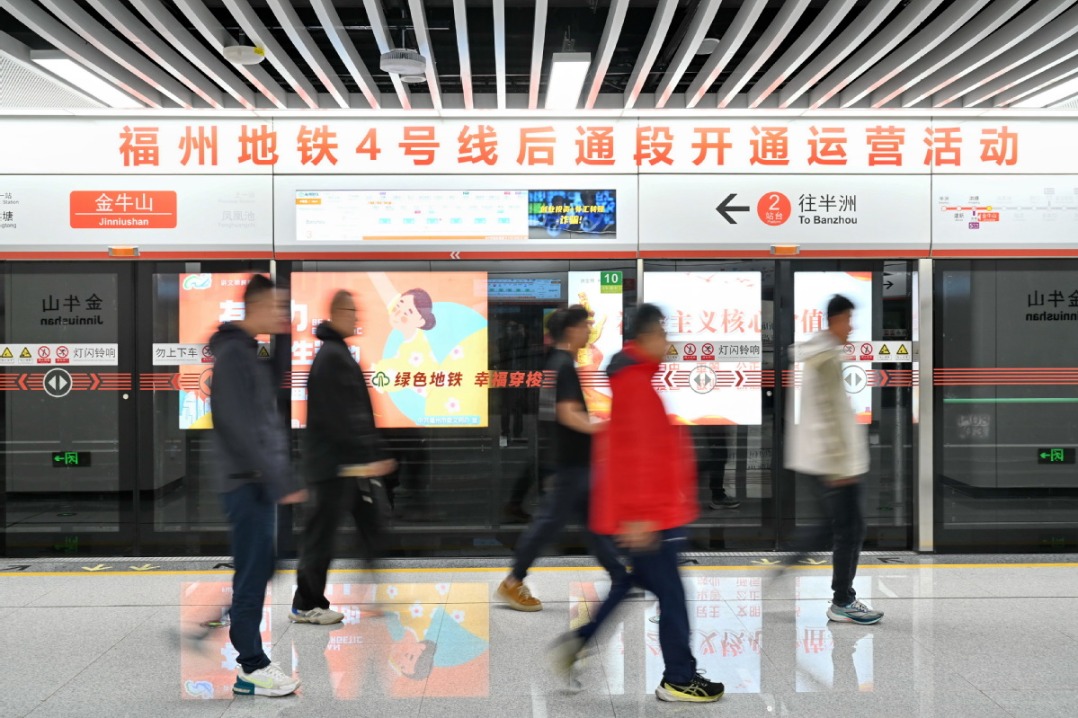
    Fuzhou, the capital of China’s Fujian province, has entered a new era of urban transportation with the official commencement of operations for Metro Line 4 on Wednesday, December 10, 2025. The newly activated line represents a significant infrastructure achievement for the rapidly developing coastal city.

    Eyewitness reports from Xinhua News Agency captured the inaugural moments as the first passengers experienced the state-of-the-art system. The metro line features modern stations equipped with contemporary amenities designed to enhance commuter experience while adhering to international public transit standards.

    This expansion forms part of Fuzhou’s comprehensive strategy to address growing transportation demands and reduce urban congestion. The new route establishes critical connections between key urban districts, potentially transforming daily commutes for thousands of residents while improving access to commercial and cultural centers.

    Transportation experts highlight that Line 4’s operational launch demonstrates China’s continued investment in sustainable urban development through public transportation infrastructure. The project aligns with broader national initiatives promoting eco-friendly mobility solutions in rapidly urbanizing regions.

    Local authorities anticipate the new line will significantly decrease average travel times across the city while contributing to reduced carbon emissions through decreased reliance on private vehicles. The metro expansion is expected to serve as a catalyst for economic development along its corridor, potentially stimulating commercial and residential growth in previously less accessible areas.

  • Library under construction in South Korea collapses, killing 1 and trapping 3 under rubble

    Library under construction in South Korea collapses, killing 1 and trapping 3 under rubble

    A catastrophic structural failure occurred on Thursday at a library construction site in Gwangju, South Korea, resulting in one confirmed fatality and three workers remaining trapped beneath debris. Emergency response teams initiated a large-scale rescue operation following the collapse, which completely buried four construction workers during ongoing operations.

    Local emergency official Ahn Gyun-jae confirmed during a televised press conference that one worker was successfully extracted from the wreckage but subsequently pronounced dead upon arrival at a nearby medical facility. Rescue teams have successfully located a second individual within the collapsed structure and are currently engaged in complex extraction efforts amid unstable conditions.

    The comprehensive rescue mission has deployed advanced technological resources including thermal imaging equipment to detect body heat signatures, aerial drones for site assessment, and specially trained canine units to identify human presence within the rubble. Heavy machinery including multiple cranes has been mobilized to carefully remove large structural components while ensuring the safety of both trapped individuals and rescue personnel.

    The incident has triggered an investigation into construction safety protocols and structural engineering practices within South Korea’s building industry. Local authorities have cordoned off the entire construction zone as emergency operations continue through the night, with concerns mounting about the structural integrity of adjacent buildings and the potential for further collapse during rescue efforts.

  • Researcher finds home for the soul in Xizang

    Researcher finds home for the soul in Xizang

    For over two decades, Wuhan Textile University professor Niu Xue has embarked on an annual pilgrimage to document the evolving cultural landscape of Tibet. The 48-year-old innovation and design scholar has dedicated approximately 600 days across 21 years to capturing the region’s authentic moments through his lens, despite battling recurring altitude sickness during his extended stays.

    Niu’s photographic archive reveals a rich tapestry of Tibetan life—from farmers transporting goods on traditional wooden carts to the emerging cycling culture along Highway 318, and newlyweds celebrating before the iconic Potala Palace. His work transcends mere academic interest, representing what he describes as a profound spiritual connection to the land and its people.

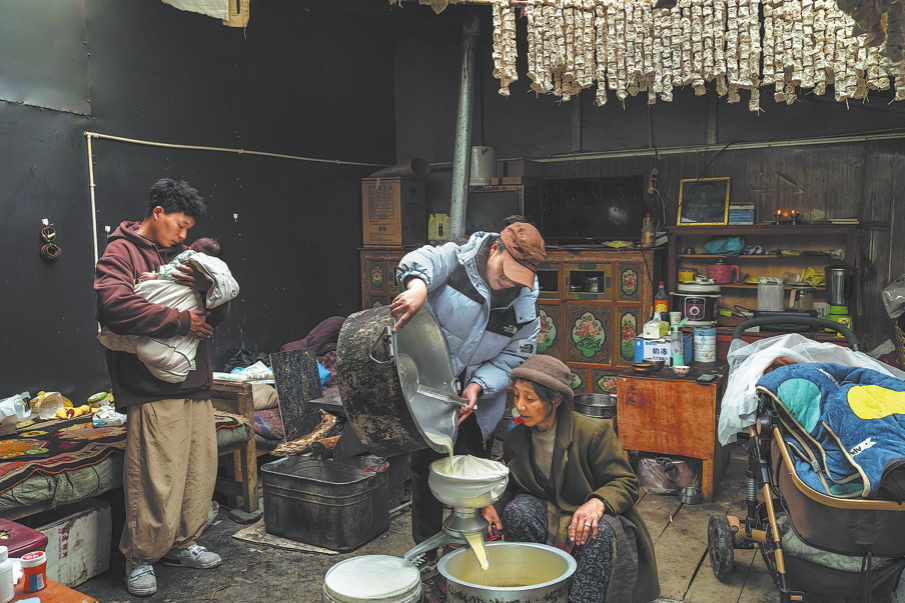
    Among his most compelling subjects is Drolkar, a resident of Yumai township whose family has safeguarded remote border areas through pastoral traditions for 32 years. Niu first documented Drolkar in 2018, capturing her crafting butter and cheese with her daughter in their summer pasture dwelling. Subsequent visits in 2023 and 2025 revealed both the passage of time and continuity of tradition, as he photographed her using slingshots to manage livestock and recorded multi-generational family activities.

    The professor recently involved his students in this documentary project, believing that visual elements—specific frames, colors, and contextual details—combine to create emotional narratives that communicate deeper cultural understandings. Through his ongoing work, Niu bridges the geographical and cultural distance between central China and Tibet, bringing authentic Tibetan experiences into his Wuhan classroom while preserving vanishing aspects of traditional life.

  • Four French men accused of A$10m Australia jewellery heist

    Four French men accused of A$10m Australia jewellery heist

    Australian authorities have apprehended four French nationals in connection with an audacious cross-continental burglary operation targeting high-value luxury items. The suspects, aged between 28 and 37, allegedly traveled specifically from France to Australia in October to execute a meticulously planned heist that netted over 70 luxury items from a property in Canberra.

    The stolen collection included an exceptionally rare Richard Mille ‘Smiley’ timepiece valued at approximately A$5 million (US$3.3 million), distinguished by its yellow gold smiley face motif and pink flamingo design. Additional items taken comprised luxury handbags, high-end jewelry, and other premium watches from renowned luxury houses.

    According to police reports, the operation unfolded with cinematic precision. Just four days following the burglary, Australian law enforcement located and arrested the quartet at a Sydney KFC outlet. Subsequent raids on a rented Sydney property yielded recovery of several stolen items, including multiple Hermès handbags.

    Detective Acting Inspector Battye expressed astonishment at the international scale of the criminal operation, noting: ‘I’ve been in the job for a long time. I’ve never seen a burglary of this magnitude… and with people flying over from the other side of the world.’

    In a coordinated international effort, French authorities have recovered additional items that were allegedly stolen during a separate burglary in Sydney’s affluent Vaucluse suburb and subsequently shipped to France.

    Despite these recoveries, several exceptional pieces remain missing, including two Hermès diamond double rings, a Van Cleef & Arpels necklace featuring signature four-leaf clover designs, and two Patek Philippe watches. Police have characterized these missing items as particularly distinctive and valuable, noting they would be difficult to dispose of on conventional markets.

    The four accused appeared in court on Thursday and are scheduled to return for further proceedings in January. Australian police maintain that the incidents represent a targeted operation by individuals who specifically traveled to Australia to commit these offenses.

  • Fire-hit homeowners to get HK$100,000 subsidy

    Fire-hit homeowners to get HK$100,000 subsidy

    The Hong Kong Special Administrative Region government has unveiled substantial financial support measures for homeowners affected by the devastating Wang Fuk Court fire in Tai Po district. Deputy Chief Secretary for Administration Warner Cheuk Wing-hing confirmed on Wednesday that each qualifying household will receive a one-time subsidy of HK$100,000 (approximately $12,851) to address urgent financial needs arising from the tragedy.

    The financial assistance program comes as the dedicated Support Fund for Wang Fuk Court reaches HK$3.4 billion, combining both government allocation and substantial public donations. According to official figures, the fund has received an extraordinary HK$3.1 billion in public contributions since its establishment on November 27, supplemented by an initial government injection of HK$300 million.

    Mr. Cheuk emphasized that the subsidy addresses multiple financial pressures facing homeowners, including lost rental income, previous renovation investments, and current cash flow challenges. The distribution mechanism will proportionally allocate funds among multiple owners where applicable.

    The fundraising effort has demonstrated remarkable community solidarity, with over 263,000 individual donations recorded. Notably, 170 significant contributions of HK$5 million or more account for approximately half of the total public donations received. The Inland Revenue Department has implemented special arrangements to facilitate tax deductions for donors contributing HK$50,000 or less.

    Beyond homeowner support, the comprehensive assistance package includes HK$200,000 solidarity payments to families of deceased victims, HK$50,000 for funeral expenses, and injury compensation ranging from HK$50,000 to HK$100,000. Additional support has been extended to foreign domestic helpers, students, and workers affected by the fire.

    The November 26 blaze, which claimed 160 lives and damaged seven of eight residential blocks, represents one of Hong Kong’s most severe residential fire disasters in recent history. With six individuals still unaccounted for, all injured survivors have reportedly stabilized medically. The government will begin processing donation receipts from next week, ensuring transparent fund allocation for long-term recovery efforts.