分类: society

  • Croatian man sentenced to 50 years for killing 7-year-old student in school attack

    Croatian man sentenced to 50 years for killing 7-year-old student in school attack

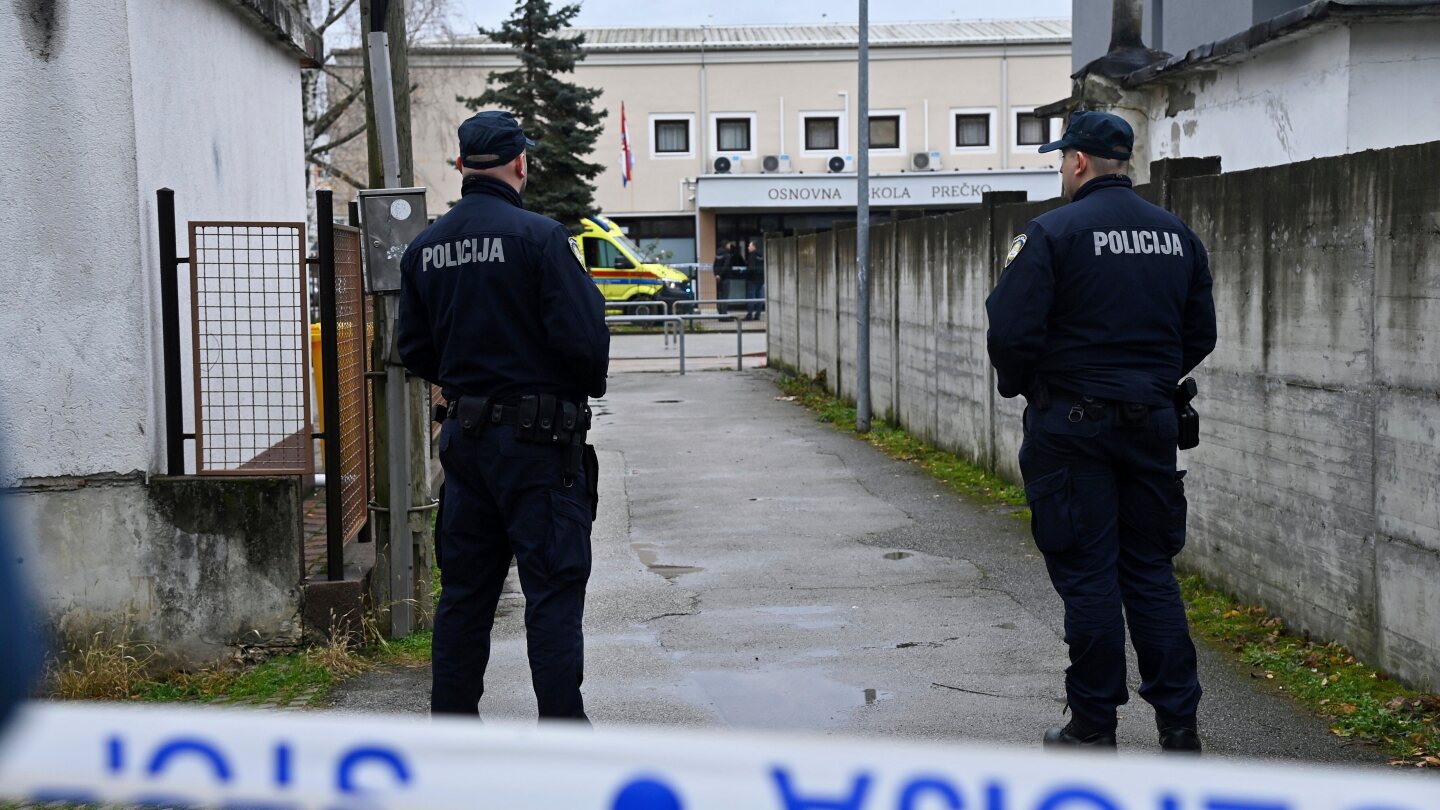
    A Croatian court has delivered a severe 50-year prison sentence to a 20-year-old man convicted of a fatal knife attack at an elementary school in Zagreb that resulted in the death of a 7-year-old student and injuries to three other children and a teacher.

    The County Court in Zagreb handed down the verdict on Tuesday against the assailant, identified only by his initials L.M., for the December 20, 2024 assault at Precko Elementary School. The attacker, who was 19 at the time of the incident, entered his former educational institution armed with a knife and targeted multiple victims before attempting to take his own life.

    According to investigative reports, the perpetrator had previously resided near the school premises. The institution serves children aged 7 to 15, typical of Croatia’s elementary education system.

    The judicial panel’s ruling remains subject to appeal procedures. Legal representative Kresimir Skarica, acting for the deceased victim’s family, characterized the verdict as anticipated while acknowledging the profound tragedy of the case. “There are no winners or losers in this case,” Skarica stated in comments reported by the Index news portal.

    This incident represents an exceptionally rare occurrence of school violence in Croatia, sending shockwaves throughout the European Union nation. The tragedy echoes similar regional trauma, notably the May 2023 school shooting in neighboring Serbia’s capital Belgrade where a teenage perpetrator killed nine students and a school security guard.

  • UAE weather: Partly cloudy skies, lowest temperature 15°C in Dubai, Abu Dhabi

    UAE weather: Partly cloudy skies, lowest temperature 15°C in Dubai, Abu Dhabi

    The United Arab Emirates is experiencing characteristic winter weather patterns with fair to partly cloudy conditions forecasted for Tuesday, December 23rd. According to the National Centre of Meteorology (NCM), residents can expect low cloud formations particularly over western regions and islands across the country.

    Temperature readings indicate a typical winter range, with internal areas experiencing between 10°C to 26°C on Wednesday. Major urban centers will see slightly varied conditions: Abu Dhabi ranging from 15°C to 24°C, Dubai maintaining similar parameters of 15°C to 25°C, while Sharjah registers slightly cooler readings between 13°C and 24°C.

    Meteorological observations note increasing humidity levels during nighttime and early morning hours in western territories, with potential mist formation. Wind patterns remain generally light to moderate, blowing from northeasterly to southeasterly directions.

    Maritime conditions report slight to moderate waves in the Arabian Gulf, while the Oman Sea remains calm with slight wave activity. The highest temperature recorded on Monday reached 26.3°C in Al Arad (Al Ain) at 2:45 PM.

    The current weather follows recent unstable conditions that brought substantial rainfall to the region last week, though the winter season officially commenced on December 22nd. Residents have been experiencing gradually cooling temperatures over recent weeks, marking the seasonal transition.

  • Crisis looms

    Crisis looms

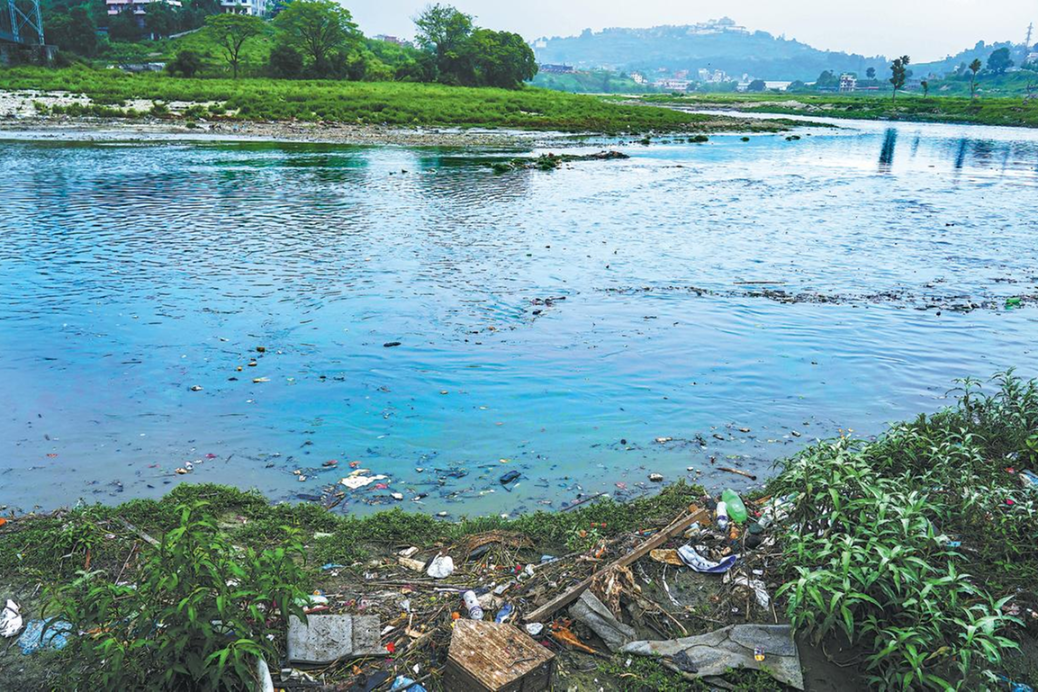
    A comprehensive assessment by the Asian Development Bank reveals a severe water security crisis unfolding across Nepal, where excessive pumping operations are rapidly depleting groundwater reserves and causing traditional springs to vanish. The Asian Water Development Outlook 2025, published in December, documents how aquifers in the Kathmandu Valley have been critically diminished through overexploitation, while mountainous regions witness the complete disappearance of natural water sources.

    The study identifies multiple compounding threats: shallow aquifers face extreme stress resulting in seasonal shortages, while naturally occurring arsenic contaminants in alluvial sediments pose substantial public health hazards. Despite Nepal’s abundant natural water resources, merely 25% of citizens benefit from fully operational drinking water systems, creating a paradoxical situation of simultaneous abundance and scarcity.

    Infrastructure deficiencies, fragmented governance structures, and climate change impacts collectively hinder reliable and equitable water distribution. Although rural water accessibility has improved—with over 91% of households now utilizing piped or protected sources—approximately half still encounter contamination risks due to system failures and inadequate sanitation practices.

    Urban centers face escalating pressures with population growth exceeding 4.5% annually. Kathmandu residents receive water for only 3-4 hours every other day, with supply occasionally dropping to 30% of normal levels during flood-induced shutdowns of the Melamchi River system. This scarcity forces dependence on expensive alternatives including stored, filtered, and bottled water.

    Environmental degradation compounds the crisis: wastewater treatment remains virtually nonexistent (2.1% of wastewater and under 1% of fecal sludge receives treatment), while urban pollution, riverbed mining, and changing land-use patterns damage aquatic ecosystems. The Roshi River catchment in Kavre district exemplifies severe localized degradation following devastating 2024 floods.

    Governance challenges persist under Nepal’s federal structure, where seven provinces and 753 local governments share overlapping water mandates creating coordination gaps. The country scores merely 37 out of 100 on integrated water resource management indicators, significantly below regional averages and far from global targets.

    The report urgently calls for integrated watershed management, reforestation initiatives, and protection of groundwater recharge zones to counter this escalating national emergency.

  • Singaporean workers feel trapped over job mismatch

    Singaporean workers feel trapped over job mismatch

    Singapore’s labor market concludes 2025 with a profound disconnect between employee expectations and workplace realities, creating a workforce phenomenon experts term ‘job-hugging.’ Recent comprehensive surveys reveal that approximately 80% of Singaporean workers feel their actual job responsibilities significantly deviate from initial position descriptions, with most detecting this mismatch within their first three months of employment.

    The employment portal Seek, after surveying 500 employees and 300 employers between October and December 2025, identified concerning transparency gaps. Despite employers reporting increased compensation and benefits in response to 2024 workforce demands, employees cite blurred job scopes, compensation discrepancies, and cultural misalignment as primary dissatisfaction drivers.

    Chook Yuh Yng, Seek’s Director of Asia Sales, notes this disillusionment generates escalating mistrust toward employers. Concurrently, 90% of managers report new hires modify expectations shortly after onboarding, with nearly half of employees attributing these changes to mental health and wellbeing considerations.

    Singapore workers demonstrate notably lower confidence than Asia-Pacific counterparts regarding performance-based compensation advancement. Mercer’s regional research further indicates limited employee awareness regarding organizational career development pathways, substantially diminishing enthusiasm for acquiring new technological skills including artificial intelligence.

    Amid economic uncertainty and reduced hiring momentum, professionals increasingly adopt defensive employment strategies. Jessica Zhang, ADP’s Senior Vice-President for Asia-Pacific, observes: ‘Job-hugging represents a tangible reality. Beneath surface stability, professionals actively develop skills while monitoring market opportunities, awaiting optimal transition timing.’

    Recruitment specialists note candidates now conduct enhanced due diligence on prospective employers, prioritizing organizational stability against fears of restructuring scenarios where newest hires face ‘last in, first out’ vulnerabilities.

    The labor market shift accelerates transactional employment relationships, particularly among younger demographics. ManpowerGroup Singapore forecasts increased utilization of fractional workers for specialized short-term projects while maintaining core full-time staff for institutional knowledge preservation.

    Linda Teo, ManpowerGroup Singapore’s Country Manager, explains: ‘Economic volatility prompts employers to prioritize operational agility over fixed expenditures, making contingent talent strategically advantageous. Technological transformation simultaneously generates demand for niche expertise requiring rapid acquisition.’

    Workforce experts unanimously advocate enhanced employer-employee dialogue to bridge expectation gaps. As Chook emphasizes: ‘Singaporean employees frequently hesitate expressing concerns, while employers misinterpret silence as alignment. Transparent communication regarding needs and expectations becomes imperative for trust and retention.’
  • Inner Mongolia Ice and Snow Naadam Festival opens in Hulunbuir

    Inner Mongolia Ice and Snow Naadam Festival opens in Hulunbuir

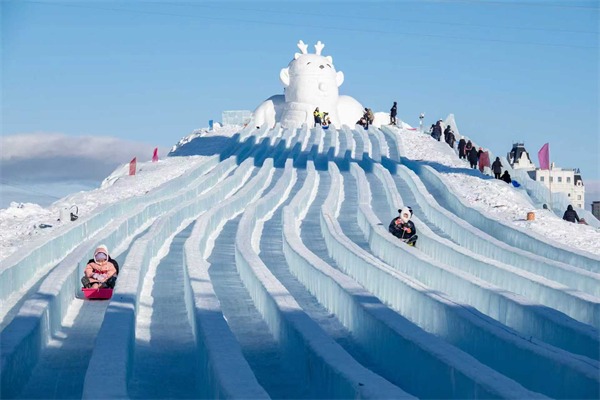
    Hulunbuir, Inner Mongolia Autonomous Region – The 21st Inner Mongolia Ice and Snow Naadam Festival commenced on December 21, transforming the frozen Yimin River into a spectacular winter tourism destination. This year’s edition marks a historic departure from tradition by utilizing the river’s icy surface as its primary venue for the first time, creating an unprecedented integration of cultural heritage and innovative tourism experiences.

    The expansive 70,000-square-meter festival grounds feature five distinct functional areas designed to immerse visitors in authentic Mongolian culture. These include traditional Mongolian yurt clusters, intricate ice sculpture photography spots, professional travel photography zones, a vibrant food market showcasing local cuisine, and interactive herdsmen experience areas. The festival’s architectural elements incorporate snow-constructed stages, forest-themed wooden cabins, thermally insulated yurts, and a unique 360-degree circular ice stage adorned with elaborate snowflake patterns.

    Complementing the main venue, the adjacent ‘Rongrong Snow World’ creates a comprehensive winter tourism circuit offering diverse snow and ice activities. Hulunbuir’s geographical advantages – including an extended snow season, premium snow quality, varied topography, and rich cultural heritage – have established the region as a premier winter tourism destination within Inner Mongolia and across China. The successful hosting of twenty consecutive Ice and Snow Naadam Festivals demonstrates the region’s growing prominence in winter tourism.

    The opening ceremonies featured vibrant cultural performances including traditional dance on ice and intangible cultural heritage parades, attracting substantial domestic and international visitor attendance. This fusion of traditional Naadam elements with innovative winter tourism approaches represents a significant advancement in cultural tourism integration, offering both economic benefits to the region and unique cultural experiences to visitors.

  • Micro-dramas directed to tackle sports

    Micro-dramas directed to tackle sports

    China is strategically harnessing the explosive popularity of micro-dramas—brief, vertically-formatted serials designed for mobile consumption—as a powerful vehicle for implementing national social policy objectives. In a significant development, these digital narratives are being formally integrated into the country’s fitness strategy through the groundbreaking “Exercise Through Micro-dramas” initiative.

    The movement gained official momentum in October 2025 when China’s National Radio and Television Administration partnered with the General Administration of Sport to launch this innovative program. This followed an August State Council directive that explicitly listed micro-dramas as an approved tool for promoting public sports participation. The initiative encourages production companies to create sports-themed content that makes athletic engagement more accessible and compelling to mainstream audiences.

    Industry metrics reveal why micro-dramas present such an attractive policy implementation channel. According to the 2025 Micro-short Drama Industry White Paper, China’s micro-drama viewer base has swollen to 696 million people, with average daily consumption reaching 120.5 minutes per user. This represents a substantial captive audience for policy messaging.

    Academic experts highlight the natural synergy between sports content and the micro-drama format. Professor Liu Fan of the Communication University of China notes that “micro-dramas are becoming an important component of the sports industry” due to their emotional intensity, suspense-driven narratives, and ability to amplify athletic drama within compressed timeframes.

    The production ecosystem is rapidly adapting to this new directive. Migu Digital Media Co has already aligned its content pipeline with the government’s six creative directions, developing China’s first micro-dramas focused on scientific fitness and short-track speed skating. Meanwhile, Chongqing Maiya Media Co has completed 26 sports-centered productions, including the phenomenally successful billiards-themed ‘The Little Pool God,’ which garnered over 200 million views and topped industry popularity rankings.

    Despite this progress, challenges remain in balancing entertainment value with substantive sports education. Some productions still prioritize dramatic tropes like time travel or romantic fantasy over core athletic values such as teamwork and discipline. Experts suggest future development should explore integrations with local industries and cultures through approaches like “sports + tourism” and “sports + intangible cultural heritage.”

    As the industry evolves toward premiumization, creators face the challenge of meeting rising audience expectations while maintaining the authentic sports immersion that makes the format effective. The ultimate success of this innovative policy approach may depend on returning to ordinary people’s daily experiences and exploring how sports narratives can resonate with broader social emotions.

  • Hong Kong’s Southbound Travel for Guangdong Vehicles scheme officially implemented

    Hong Kong’s Southbound Travel for Guangdong Vehicles scheme officially implemented

    HONG KONG – In a significant transportation policy shift, Hong Kong has officially launched its Southbound Travel for Guangdong Vehicles scheme, which took effect at midnight on Tuesday. This groundbreaking initiative permits eligible private car owners from China’s Guangdong Province to drive directly into Hong Kong’s urban centers through the Hong Kong-Zhuhai-Macao Bridge’s Zhuhai Port.

    The program’s initial phase encompasses four major Guangdong cities: Guangzhou, Zhuhai, Jiangmen, and Zhongshan. Authorities have outlined plans to extend the scheme to additional municipalities across the province following a six-month evaluation period.

    Application procedures for the cross-border driving initiative commenced on December 9 at 9:00 AM local time. The program operates with a carefully managed daily quota system, currently capped at 100 vehicle entries per day. Approved vehicles are permitted to remain in Hong Kong for a maximum duration of 72 hours per individual visit, provided owners have secured confirmed travel arrangements in advance.

    This transportation breakthrough represents a substantial step in regional integration, facilitating easier personal mobility while maintaining regulatory oversight through its quota and pre-approval systems. The implementation follows extensive planning between Hong Kong and mainland authorities to ensure smooth operational execution.

  • Afrobeats star Asake ‘devastated’ after fan dies in Kenya stadium crush

    Afrobeats star Asake ‘devastated’ after fan dies in Kenya stadium crush

    Nigerian Afrobeats sensation Asake has issued a heartfelt response following a deadly crowd crush at his Nairobi concert that resulted in the death of 20-year-old fan Karen Lojore. The tragic incident occurred Saturday evening at Nyayo National Stadium where excessive queues and entry delays, exacerbated by heavy rainfall, led to dangerous overcrowding near stadium gates.

    In an emotional Instagram statement released Monday, Asake expressed being ‘devastated by the tragic incident’ and extended condolences to Lojore’s family and friends. The artist, whose real name is Ahmed Ololade, emphasized that music should represent ‘love and joy’ and stated it ‘breaks my heart that anyone had to experience such loss.’ He explicitly called for accountability, asserting that ‘those responsible should be held accountable’ while pledging support for investigation efforts.

    The victim’s family has launched impassioned appeals for justice, with a woman believed to be Lojore’s mother directly addressing concert organizers and Asake via social media: ‘What happened to my child? Why her? I want justice for my child.’

    Kenyan police spokesperson Michael Muchiri confirmed to BBC that comprehensive investigations are underway to determine precisely how and why the incident occurred. Event organizers Tukutane Entertainment, known for hosting major African music events featuring stars like Tems and Rema, stated they are cooperating fully with authorities.

    Eyewitness accounts from attending journalists describe significant problems with crowd management and stadium entry procedures. This tragedy echoes a similar 2022 incident at London’s Brixton Academy where an Asake performance resulted in two fatalities and multiple injuries.

    Asake, celebrated as one of Nigeria’s most prominent musical exports since his breakthrough in 2022, has received multiple accolades including Grammy nominations and BBC Radio 1 recognition.

  • Bureaucratic mishap delayed gun license for accused Bondi Beach shooter in Australia

    Bureaucratic mishap delayed gun license for accused Bondi Beach shooter in Australia

    A devastating antisemitic attack at Sydney’s Bondi Beach that claimed 15 lives has revealed significant deficiencies in Australia’s firearm licensing bureaucracy. The perpetrator, Sajid Akram, who was fatally shot by police during the December 14 rampage, legally owned six rifles and shotguns despite concerning circumstances that should have raised red flags.

    New South Wales Premier Chris Minns confirmed Tuesday that bureaucratic inefficiencies rather than security concerns caused the three-year delay in processing Akram’s firearm license application in 2000. The standard processing time typically ranges from six to ten weeks, indicating systemic failures within the licensing system.

    The tragedy has prompted urgent legislative action, with proposed reforms that would establish Australia’s toughest gun laws. The new measures include making Australian citizenship a prerequisite for firearm ownership, which would have excluded Akram as an Indian permanent resident. The proposed legislation also eliminates appeal rights for license denials based on security agency recommendations and imposes strict limits on firearm ownership—four guns for recreational shooters and ten for farmers and sports shooters.

    Court documents reveal the Akrams adhered to a “religiously motivated ideology linked to Islamic State,” adding complexity to the security implications. The younger Akram, Naveed, who participated in the attack, had previously been investigated by Australian Security Intelligence Organization in 2019 for extremist connections.

    The state government has initiated a royal commission to examine both the massacre circumstances and the surge of antisemitism in Australia since the Israel-Hamas conflict began. As victims’ funerals continue and twelve wounded remain hospitalized—four in critical condition—the nation confronts its worst mass shooting since the 1996 Port Arthur tragedy that previously catalyzed Australia’s landmark gun reform legislation.

  • ‘I don’t want our kids spending another Christmas in a crumbling home’

    ‘I don’t want our kids spending another Christmas in a crumbling home’

    Dozens of Irish families face their fourth consecutive Christmas in structurally compromised homes due to the nationwide defective concrete blocks crisis. The pervasive issue, primarily affecting counties Donegal, Clare, Limerick, Mayo, and Sligo, has rendered thousands of residences unsafe through progressive structural deterioration.

    The crisis stems from water-absorbing minerals like pyrite in construction materials, causing bricks to expand and crack irreparably. Many homes have reached such advanced decay that demolition remains the only viable solution, creating profound housing insecurity for affected residents.

    Kathrina Kirk of Letterkenny, County Donegal, exemplifies the human impact. She resides with her partner and two young sons in a three-bedroom end-terrace house featuring substantial wall fissures. ‘We’ve strategically placed decorations to conceal gaps and cracks,’ Kirk revealed. ‘The constant concern for our children’s safety and warmth dominates our daily existence.’

    Her family’s predicament highlights the bureaucratic Catch-22: homeowners cannot relocate without jeopardizing their eligibility for the government’s Defective Concrete Blocks Grant Scheme, which requires primary residence status.

    In County Mayo, Nicola Byrne and her neurodiverse family describe their home as a ‘financial black hole.’ After experiencing rodent infestations through compromised walls, which necessitated discarding furniture and children’s belongings, Byrne stated: ‘Our intended sanctuary has become a source of persistent anger and resentment.’

    Phil and Michelle Boulton of Letterkenny confront severe mold and dampness issues, with one room completely cordoned off. ‘Our entire life is suspended indefinitely,’ Phil expressed, noting their 2024 scheme application approval hasn’t translated into tangible progress.

    The Department of Housing acknowledges systemic shortcomings, with Minister James Browne recently presenting the Defective Concrete Blocks Amendment Bill 2025 to Parliament. Proposed amendments aim to establish ‘fairer, more practical, and more supportive’ remediation processes for distressed families.

    Despite the €420,000 per-home cap on government assistance, many households remain trapped in deteriorating structures, their holiday seasons overshadowed by structural uncertainty and bureaucratic delays.