分类: society

  • Singapore mandates 6 to 24 strokes of cane for scammers under new criminal law

    Singapore mandates 6 to 24 strokes of cane for scammers under new criminal law

    Singapore has enacted stringent new anti-fraud legislation that mandates corporal punishment for scam-related offenses, with convicted individuals facing between six to twenty-four strokes of the cane. The revised criminal laws, which take effect December 30, 2025, represent one of the world’s most severe punitive approaches to combating financial fraud.

    Under the comprehensive legal amendments, multiple categories of scam participants will now be subject to judicial caning. Primary offenders including scam recruiters and syndicate members face the maximum penalty of 24 strokes. Those convicted of laundering scam proceeds or supplying national identification documents and mobile SIM cards to criminal organizations could receive up to 12 strokes. The legislation further establishes liability for individuals who fail to take reasonable precautions to prevent their credentials from being misused for fraudulent purposes.

    The Singaporean Ministry of Home Affairs characterized these enhanced penalties as necessary to ensure the nation’s criminal laws remain effective and responsive to evolving challenges. Official statements emphasize that combating scams constitutes a top national priority, citing persistently concerning statistics regarding both scam frequency and financial losses.

    According to police data referenced in the legislation’s background materials, scam-related financial losses reached $350.9 million during the first half of 2025. While this figure represents a 12.6% decrease compared to the same period in 2024, it demonstrates the substantial economic impact driving the policy response. The most prevalent scam categories include phishing schemes, fraudulent job offers, e-commerce deception, investment fraud, and impersonation scams.

    Judicial caning in Singapore involves administration of rattan cane strikes to the bare buttocks and is reserved for male offenders under age 50. This form of corporal punishment, introduced during British colonial rule, remains in legal use for serious crimes including robbery and sexual offenses in several Southeast Asian nations. The policy initiative was initially proposed during March 2025 parliamentary debates concerning the Home Affairs ministry’s budget.

    The legislative changes follow September 2025 enforcement actions against technology giant Meta, where Singaporean authorities threatened substantial financial penalties unless the company implemented enhanced security measures including facial recognition technology to combat impersonation scams on its Facebook platform.

  • Ancient Egyptian pharaoh’s boat reassembled in real time at Grand Egyptian Museum

    Ancient Egyptian pharaoh’s boat reassembled in real time at Grand Egyptian Museum

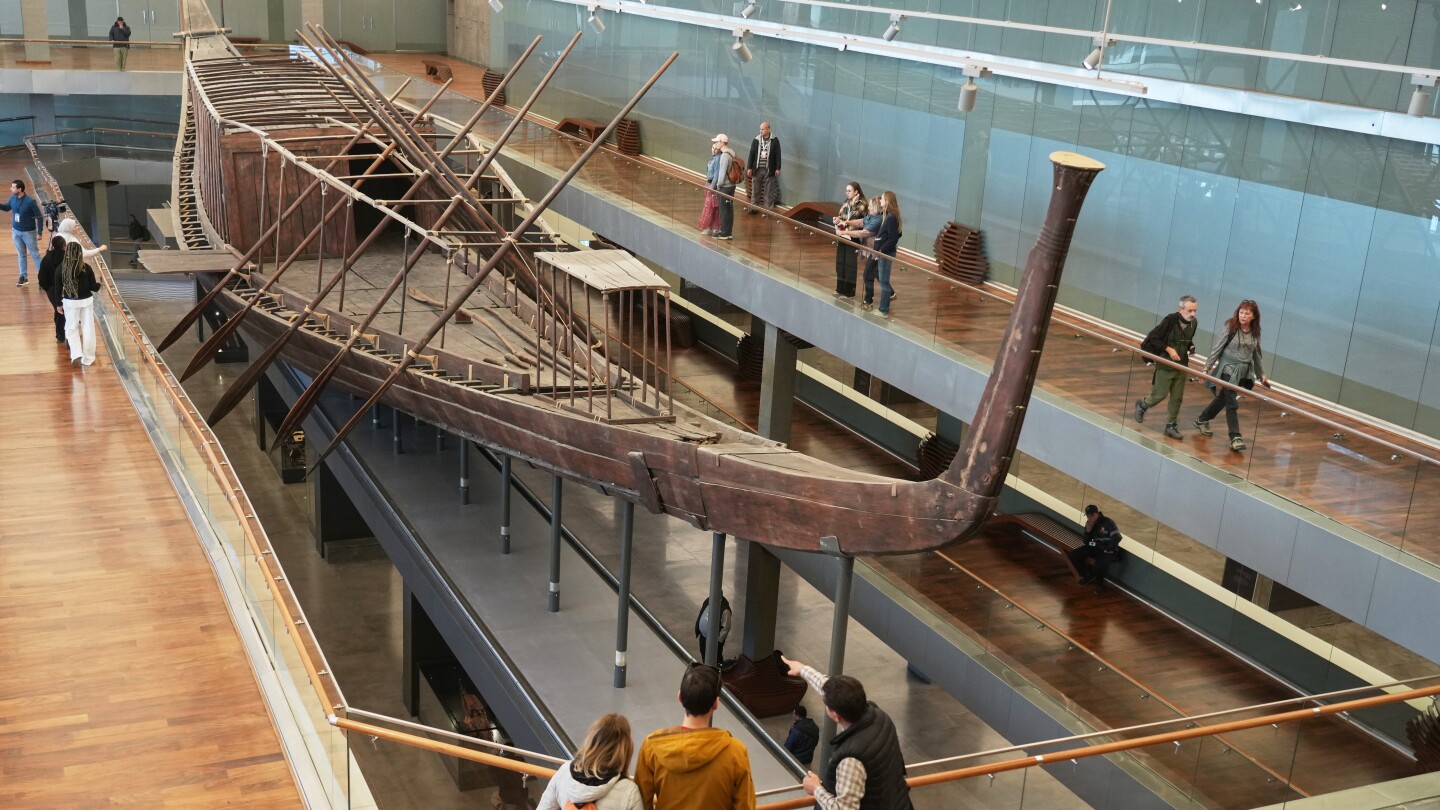
    In an unprecedented archaeological exhibition, the Grand Egyptian Museum has commenced the live reassembly of a 4,500-year-old cedarwood boat belonging to Pharaoh Khufu, allowing visitors to witness restoration history in the making. The 42-meter (137-foot) vessel, containing 1,650 individual wooden components, began its meticulous reconstruction process on Tuesday as dozens of observers watched the ceremony.

    This extraordinary project represents one of two solar boats discovered in 1954 near the southern flank of the Great Pyramid of Giza. Restoration director Issa Zeidan confirmed the complex assembly would require approximately four years to complete, with the boat eventually joining its already-reconstructed twin already on display.

    Egyptian Tourism and Antiquities Minister Sherif Fathy hailed the initiative as “one of the most important restoration projects in the 21st century” during the unveiling ceremony. While the exact purpose of these ancient vessels remains debated among Egyptologists, prevailing theories suggest they served either as funeral transport for Khufu’s remains or as symbolic vessels for his spiritual journey with sun god Ra in the afterlife.

    The $1 billion Grand Egyptian Museum (GEM), inaugurated last month as the world’s largest archaeological museum, now houses nearly 50,000 artifacts including the complete Tutankhamun collection. Strategically located near the Giza pyramids, the institution represents Egypt’s ambitious effort to revitalize its tourism sector and strengthen its economic recovery through cultural preservation.

  • Jiangsu government investigates Nanjing Museum’s handling of donated relics

    Jiangsu government investigates Nanjing Museum’s handling of donated relics

    Authorities in Jiangsu province have established a high-level investigative team to examine the Nanjing Museum’s management practices regarding donated cultural relics and broader collection security concerns. This decisive action follows the unexpected appearance of a celebrated painting from the museum’s collection at a public auction, which sparked widespread public attention and scrutiny.

    The investigation, announced through state media CCTV, brings together expertise from multiple disciplinary bodies including the commission for discipline inspection, supervisory commission, and departments of publicity, political and legal affairs, public security, culture and tourism, and cultural relics management.

    In response to the developing situation, the Nanjing Museum issued an official statement revealing it had initiated an internal review in November 2024 after receiving court documents related to a “gift contract dispute” lawsuit filed by Pang Shuling. According to museum records, the institution accepted 137 donated paintings from Pang Zenghe (Pang Shuling’s father) in January 1959.

    The museum disclosed that five of these donated works, including those currently under dispute, were determined to be forgeries following two separate appraisals conducted in the early 1960s. These artworks were subsequently disposed of during the 1990s in accordance with museum collection regulations then in effect.

    The Nanjing Museum has committed to full cooperation with legal proceedings and pledged to work with relevant authorities should any illegal or non-compliant actions be discovered during the investigation into their disposal practices.

    Concurrently, the National Cultural Heritage Administration has formed its own working group that has already arrived in Nanjing to conduct parallel investigations into the museum’s relic management protocols.

    Provincial authorities have emphasized that any identified illegal activities or regulatory non-compliance will face strict legal measures without tolerance. The investigation results and subsequent actions will be made publicly transparent upon completion.

  • Death toll in South Africa’s latest pub shooting rises to 10

    Death toll in South Africa’s latest pub shooting rises to 10

    South African authorities have escalated investigations into a devastating weekend shooting that claimed ten lives at an unlicensed tavern in Bekkersdal township, approximately 46 kilometers west of Johannesburg. The tragic incident, which occurred during early morning hours on Sunday, represents the second such mass shooting at a township drinking establishment within a three-week period.

    According to Gauteng provincial police reports, the victims included three women and seven men, with nine additional patrons remaining hospitalized from the attack. Colonel Mavela Masondo, official police spokesperson, confirmed that establishment owner now faces criminal charges including fraud and operating an illegal liquor outlet, resulting in the immediate confiscation of all alcohol from the premises.

    In a significant development, Acting Provincial Commissioner Major General Fred Kekana announced that investigators have identified two potential suspects based on community intelligence provided to law enforcement. The breakthrough follows intensive police-community collaboration in the aftermath of the shooting.

    This tragedy echoes similar violence that occurred in early December at an unlicensed bar near Pretoria, where at least twelve individuals lost their lives. Authorities subsequently arrested a 32-year-old man in connection with that incident on Monday.

    These events unfold against the backdrop of South Africa’s persistently high violent crime rates, with official statistics recording over 26,000 homicides in 2024 alone—averaging more than 70 daily fatalities. Despite the nation’s stringent firearm regulations, authorities acknowledge that illicit weapons remain frequently employed in criminal activities, with firearms constituting the most common weapons used in homicides.

  • Louvre tightens security after $102M jewel heist, installs bars on infamous window

    Louvre tightens security after $102M jewel heist, installs bars on infamous window

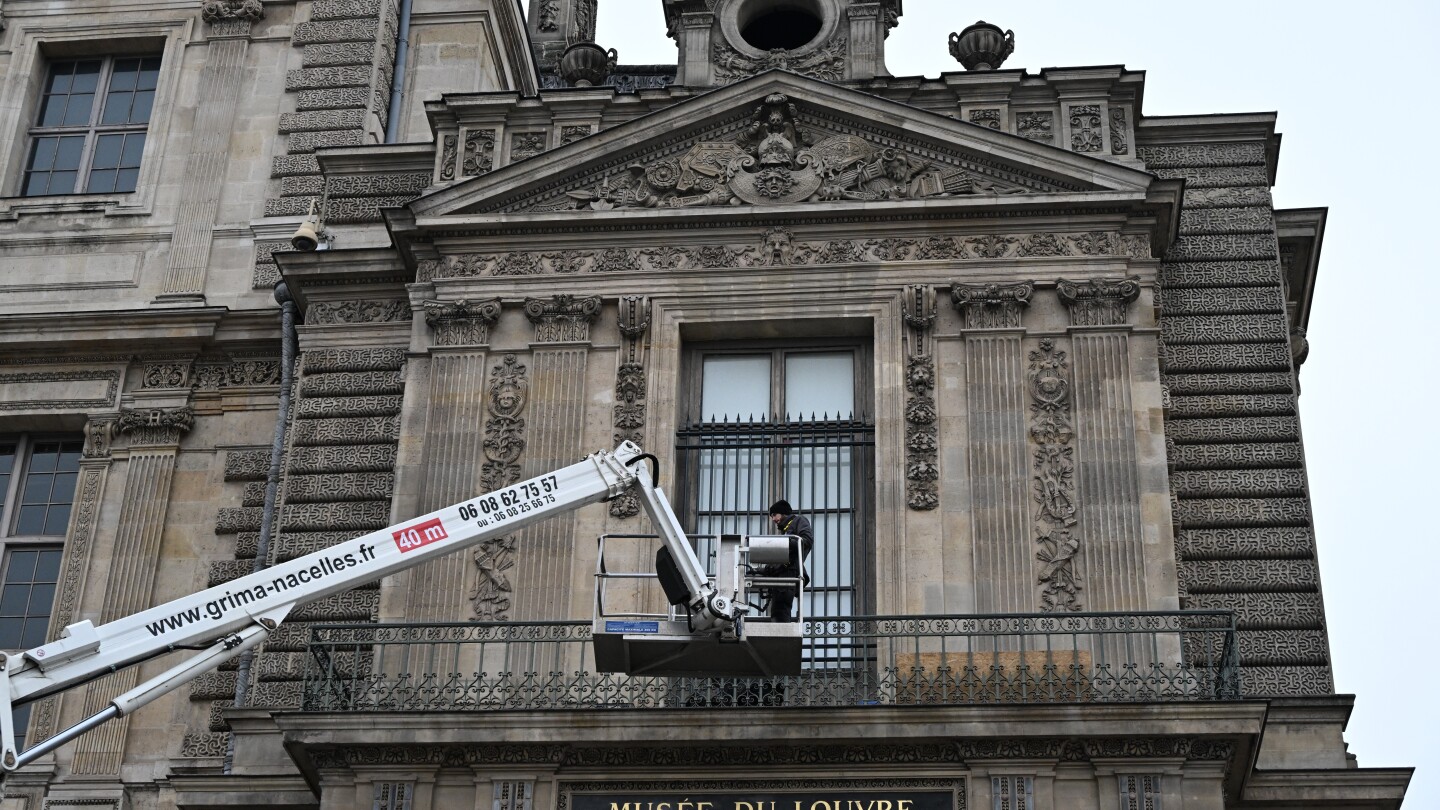
    The Louvre Museum in Paris has commenced critical security upgrades in response to the devastating October heist that exposed systemic vulnerabilities in its protection systems. On Tuesday, maintenance crews from Grima-Nacelles company ascended via freight lift to install reinforced metal bars on the very window that thieves exploited during their meticulously executed robbery eight months ago.

    The operation bore eerie similarities to the October 19th incident when perpetrators disguised as maintenance workers used identical equipment to access the Apollo Gallery. Within a mere eight-minute window, the thieves successfully absconded with historically significant crown jewels valued at approximately $102 million, including priceless tiaras, emerald earrings, and sapphire necklaces.

    While French authorities have apprehended and charged all four suspects connected to the audacious theft, the stolen treasures remain missing. The Louvre administration maintained silence regarding Tuesday’s security enhancement operation, though Samuel Lasnel of Grima-Nacelles confirmed his team’s previous collaborations with the museum on both interior and exterior projects.

    The world’s most visited museum now faces the complex challenge of balancing public accessibility with heightened security protocols. These physical improvements represent just one aspect of a comprehensive security overhaul initiated in the aftermath of one of history’s most valuable museum heists, aiming to prevent future breaches while preserving the institution’s cultural mission.

  • Taking university cultural creativity beyond campus

    Taking university cultural creativity beyond campus

    Peking University recently hosted the inaugural University Cultural and Creative Forum, marking a significant milestone in China’s cultural development landscape. The gathering united academic leaders, cultural industry pioneers, and sector specialists to examine the evolving role of educational institutions in shaping cultural innovation.

    The forum established a groundbreaking platform for cross-sector dialogue, addressing both the philosophical foundations and practical applications of cultural creativity within higher education. Participants engaged in comprehensive discussions about how universities can transcend traditional academic boundaries to become active contributors to cultural production and preservation.

    This pioneering initiative comes at a crucial juncture when universities worldwide are redefining their societal roles beyond conventional education. The forum specifically explored how academic institutions can leverage their intellectual resources, historical legacy, and creative talent to develop culturally significant products and experiences that resonate with contemporary audiences.

    The discussions highlighted several key areas including intellectual property development, cultural heritage modernization, creative industry partnerships, and the commercialization of academic cultural assets. Experts emphasized that university cultural creativity represents both an economic opportunity and a cultural responsibility, requiring balanced approaches that honor academic traditions while embracing innovative expression.

    The event’s timing aligns with broader national efforts to enhance cultural soft power and develop creative industries. By bringing together diverse stakeholders, the forum facilitated knowledge exchange that could shape policy development and institutional strategies for years to come.

  • Bolivian Indigenous women carry history and pride in the traditional ‘pollera’ skirt

    Bolivian Indigenous women carry history and pride in the traditional ‘pollera’ skirt

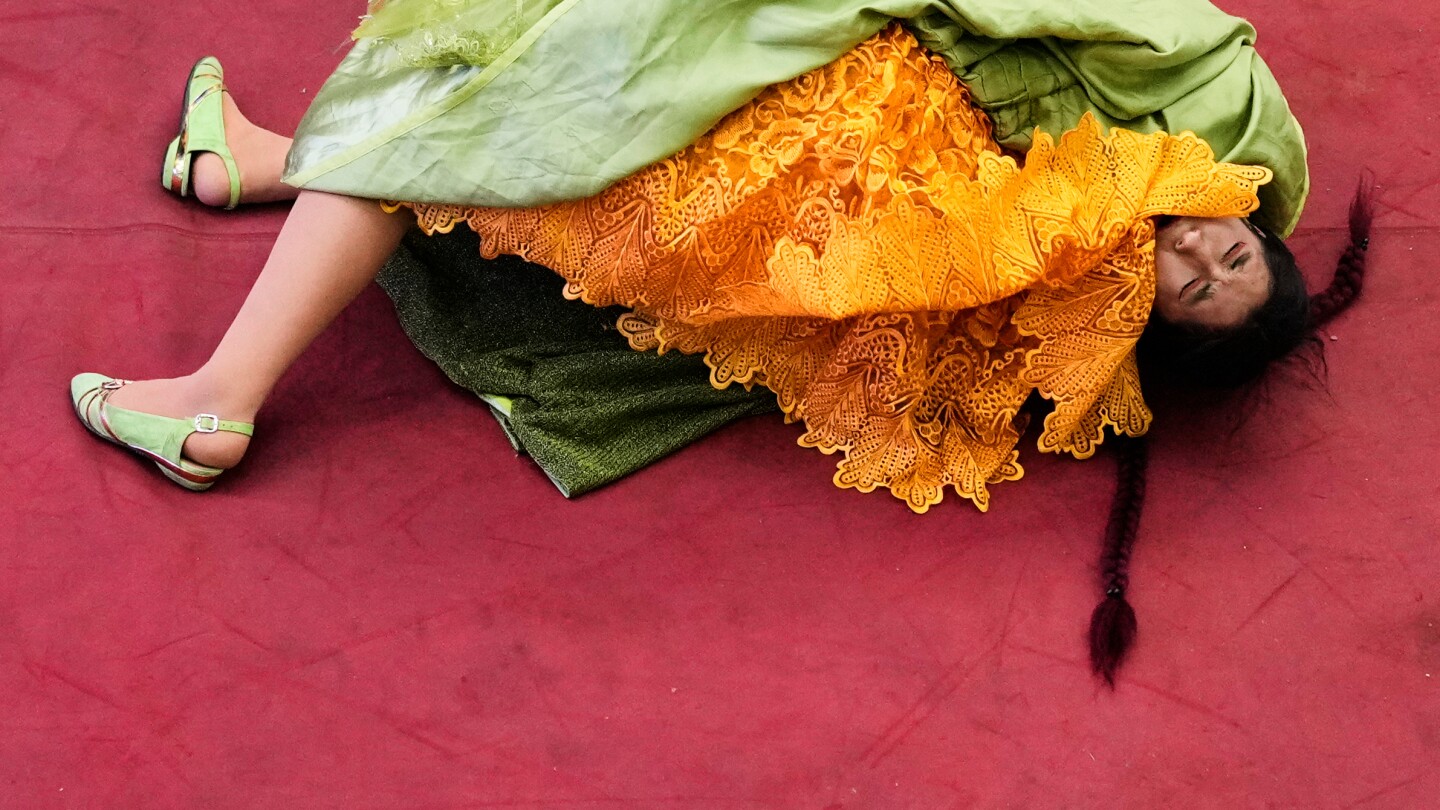
    LA PAZ, Bolivia — Against the breathtaking backdrop of Bolivia’s snow-capped Andean peaks, a powerful cultural revolution is unfolding. Indigenous women known as ‘cholitas’ are shattering stereotypes by performing extraordinary physical feats while proudly wearing their traditional pollera skirts—a garment once imposed by Spanish colonizers but now reclaimed as a symbol of identity and strength.

    These vibrant, multilayered skirts have become unlikely uniforms of empowerment in male-dominated fields. From the 6,000-meter summit of Huayna Potosi where climber Ana Lia González Maguiña scales icy heights, to the dust-choked mines of Oruro where miner Macaria Alejandro labors underground, the pollera represents both cultural heritage and contemporary capability.

    ‘Our sport is demanding, it’s super tough. So doing it in pollera represents that strength, it’s about valuing our roots,’ explained González Maguiña, a 40-year-old professional mountaineer. ‘It’s not for show.’

    This cultural reclamation gained significant momentum during the administration of Evo Morales (2006-2019), Bolivia’s first Indigenous president. His government elevated Indigenous symbolism through constitutional changes—renaming the country the Plurinational State of Bolivia and granting the wiphala Indigenous flag equal status. For the first time, pollera-clad ministers walked the halls of power.

    However, the recent political shift has sparked uncertainty among Indigenous communities. The election of center-right President Rodrigo Paz and the subsequent removal of Indigenous symbols from military logos and government buildings has many cholitas concerned about backsliding on hard-won rights.

    ‘We needed a change. The economy must get better. But it’s sad to see there are no powerful people wearing polleras,’ said Alejandro, her pollera smeared with mine dust. ‘I see it as discrimination.’

    Despite these concerns, the cholita spirit remains unbroken. From wrestlers to soccer players, skaters to climbers, these women continue to demonstrate that cultural tradition and modern achievement need not be mutually exclusive—proving that empowerment often comes in the most unexpected forms.

  • Man arrested after €3.7m cocaine seizure

    Man arrested after €3.7m cocaine seizure

    Irish law enforcement has made a significant narcotics interception at Rosslare Europort in County Wexford, uncovering cocaine with an estimated street value of €3.7 million (£3.2 million). The substantial seizure occurred on Monday following a meticulously executed operation by An Garda Síochána, Ireland’s national police service.

    The discovery unfolded during a routine customs inspection of a freight unit that had recently disembarked from a ferry originating in France. Officers employed a multi-layered approach to screening, utilizing both advanced mobile X-ray scanning technology and a trained detector dog to examine the vehicle. This comprehensive search revealed a sophisticated concealment method, with the illicit substances expertly hidden within the truck’s exhaust system.

    The contraband, weighing over 53 kilograms (117 pounds), represents one of the major drug interdictions in the region this year. Following the discovery, authorities moved swiftly to apprehend a suspect described as a male in his forties. The individual remains in custody as investigations continue, with law enforcement exploring potential international connections to the smuggling attempt.

    This operation highlights the ongoing challenges faced by European authorities in combating transnational drug trafficking networks that exploit commercial shipping routes. The successful seizure demonstrates the effectiveness of coordinated efforts combining traditional policing methods with advanced technological resources at critical port entry points.

  • A young journalist’s 2025: Embrace the ‘happening now’

    A young journalist’s 2025: Embrace the ‘happening now’

    In a year marked by significant commemorations and historical milestones, China Daily journalist Yan An embarked on an extraordinary nationwide reporting journey throughout 2025. Her professional odyssey spanned from the strategic border city of Khorgos in China’s Northwest to the dynamic southern metropolis of Shenzhen, with each assignment presenting unique challenges that tested her journalistic capabilities and personal resilience.

    The most transformative moment occurred unexpectedly in Yan’an—a city that serendipitously shares her name. This historic destination, once a gathering point for youth determined to save China during the Japanese aggression era, became the backdrop for her professional epiphany. Rather than merely completing tasks and passing professional tests, Yan An discovered journalism’s deeper purpose: fully engaging with and documenting the ‘happening now’—those immediate, unfolding stories that define our contemporary experience.

    Her journey represents a new generation of Chinese journalists who combine traditional reporting values with modern storytelling approaches. The cross-country expedition highlights how today’s media professionals navigate between China’s rapidly developing urban centers and regions of historical significance, finding relevant narratives that connect past, present, and future.

    This account offers insights into the evolving role of journalism in capturing China’s complex social fabric, demonstrating how personal journeys can illuminate broader national stories. The experience underscores how physical travel and professional development can converge to create meaningful journalistic perspectives.

  • Life as a foreign crew in China

    Life as a foreign crew in China

    In the bustling port city of Zhoushan, Zhejiang province, a unique cultural exchange unfolds daily as Indonesian sailors integrate their maritime careers with musical passions while working aboard vessels in Chinese waters. These foreign crew members have developed a distinctive lifestyle that balances demanding seafaring duties with rich cultural expression ashore.

    The Indonesian maritime professionals, who form part of China’s international shipping workforce, have established routines that showcase their adaptability and cultural resilience. Their daily existence involves rigorous shipboard operations during working hours followed by vibrant musical gatherings when docked. These seafarers have transformed their temporary accommodations into spaces for cultural preservation, often organizing impromptu jam sessions featuring traditional Indonesian instruments and contemporary music.

    Port authorities in Zhoushan have noted the positive impact of these cultural exchanges on local community relations. The sailors’ musical performances have occasionally attracted curious locals, creating organic opportunities for cross-cultural dialogue and mutual understanding. This unexpected cultural bridge has enhanced the social fabric of the port city while providing the foreign workers with a sense of community far from their homeland.

    The maritime industry in Eastern China has increasingly relied on international crew members to maintain its global shipping operations. These Indonesian sailors represent a growing trend of specialized foreign workers contributing to China’s maritime economy while maintaining their cultural identities through artistic expression. Their experience demonstrates how global workforce mobility can foster unexpected cultural connections in increasingly interconnected port cities.