分类: society

  • Up to Dh20,000 fine: 16 public appearance violations to avoid in Abu Dhabi

    Up to Dh20,000 fine: 16 public appearance violations to avoid in Abu Dhabi

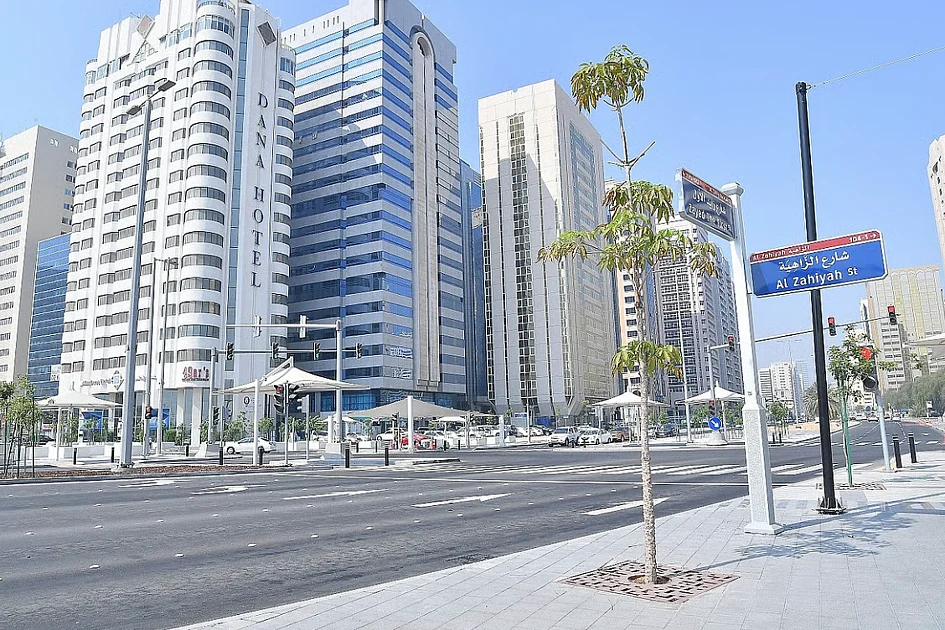
    Abu Dhabi authorities are implementing stringent measures to preserve urban aesthetics through a tiered fine system targeting behaviors that compromise public space appearance. Recent municipal directives outline 16 specific violations with penalties escalating for repeat offenses, reaching up to Dh20,000 for the most severe infractions.

    The Al Dhafra Municipality has categorized violations into three distinct tiers based on severity. Initial-tier offenses carry penalties of Dh500 for first occurrences, doubling to Dh1,000 for second violations, and reaching Dh2,000 for third offenses. These include hanging carpets or laundry on balconies overlooking public roads, improper maintenance of shopfront sidewalks, neglecting waste container hygiene, and unauthorized installation of parking canopies.

    Intermediate violations warrant higher fines starting at Dh1,000, increasing to Dh2,000, and peaking at Dh4,000 for subsequent offenses. This category encompasses obstructing pedestrian pathways with stored materials, neglecting public utility equipment, vandalizing municipal assets, and failing to implement proper waste transportation systems from buildings.

    The most severe penalties target comprehensive property neglect and unauthorized structural modifications. Complete property fencing that distorts public appearance incurs fines of Dh3,000, Dh5,000, and Dh10,000 for first, second, and third offenses respectively. Ultimately, property neglect constituting public safety hazards or severe aesthetic degradation reaches maximum penalties of Dh5,000, Dh10,000, and Dh20,000 for repeated violations.

    This regulatory framework reflects the UAE’s broader commitment to maintaining pristine urban environments through systematic enforcement. Municipal authorities emphasize that these measures aim to balance individual property rights with collective responsibility toward public space preservation, ensuring Abu Dhabi’s continued status as a globally recognized model of urban excellence.

  • Dubai Police catch 90 e-scooter riders for dangerous stunts at Kite Beach

    Dubai Police catch 90 e-scooter riders for dangerous stunts at Kite Beach

    Dubai authorities have launched a significant safety enforcement operation at Kite Beach, apprehending 90 individuals and impounding their electric scooters following dangerous stunt performances on designated sports tracks. The December 27th crackdown highlights growing concerns about public safety in recreational areas as cooler winter weather attracts larger crowds to coastal venues.

    Police officials have reinforced their zero-tolerance stance toward violations of traffic and safety protocols, emphasizing that reckless behavior endangers both riders and the general public. The timing of the enforcement action coincides with increased evening foot traffic from families and visitors enjoying seasonal beach activities.

    This incident occurs amid escalating tensions surrounding micromobility regulations throughout the United Arab Emirates. Recent statistics reveal a troubling pattern: during the initial five months of 2025 alone, 13 fatalities occurred in Dubai connected to e-scooter misuse and jaywalking. The previous year documented 254 accidents involving electric scooters and bicycles, resulting in 10 deaths and 259 injuries.

    The safety debate has prompted divergent responses from communities. Some residential areas including Victory Heights and Jumeirah Beach Residences have implemented complete prohibitions on e-scooters, while others advocate for enhanced regulation rather than outright bans, recognizing these vehicles’ value for eco-friendly commuting.

    Neighboring emirates have joined the safety initiative. Ajman police have issued warnings to parents regarding children operating bicycles or electric scooters on public roads, highlighting the severe risks associated with non-designated riding areas. Road safety expert Mustafa Aldah emphasizes parental responsibility in assessing children’s readiness for independent road navigation, particularly during school breaks when recreational vehicle usage typically increases.

    Authorities continue to urge residents and visitors to prioritize safety compliance, framing public protection as a collective responsibility rather than merely an individual choice.

  • Philippines announces free train rides on December 30

    Philippines announces free train rides on December 30

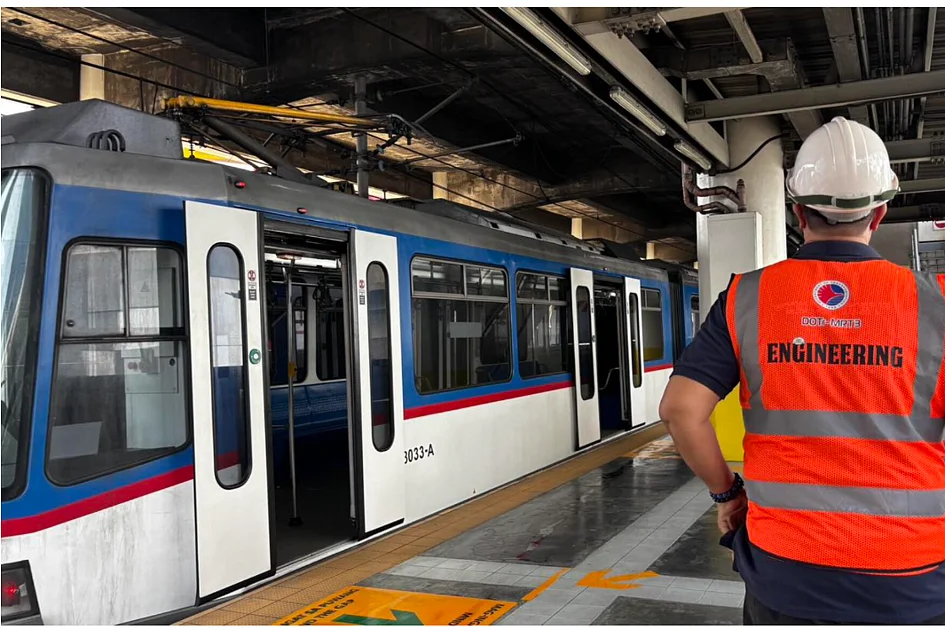
    The Philippine Department of Transportation (DOTr) has unveiled a special initiative offering complimentary train travel on Metro Rail Transit Line 3 (MRT-3) this coming Tuesday, December 30. This gesture coincides with the nation’s observance of Rizal Day, a regular public holiday dedicated to honoring Dr. Jose Rizal, the country’s revered national hero.

    According to an official advisory released on the department’s Facebook page this Saturday, the no-fare service will be operational during two specific timeframes to accommodate the peak commuting periods: from 7:00 AM to 9:00 AM and again from 5:00 PM to 7:00 PM. This arrangement provides a total of four hours of free transit, aiming to benefit a wide range of passengers during the holiday.

    The commemoration holds profound historical significance. December 30 marks the 129th anniversary of Dr. Rizal’s execution at Bagumbayan, a site now famously known as Luneta or Rizal Park in Manila. His death during the Spanish colonial era cemented his status as a symbol of Philippine independence and national identity.

    This public transportation incentive is designed not only to facilitate ease of travel for Metro Manila residents on a public holiday but also to encourage public reflection on the legacy and sacrifices of Dr. Rizal. The initiative represents a government effort to merge public service with cultural and historical remembrance, making the anniversary more accessible to the populace.

  • Dubai Police warn of accident on E311 near Global Village

    Dubai Police warn of accident on E311 near Global Village

    Dubai Police authorities issued a public safety advisory on Saturday, December 27, 2025, following a traffic incident on Sheikh Mohammed bin Zayed Road (E311). The collision occurred opposite Global Village on the Dubai-bound carriageway, prompting immediate police response and traffic management measures.

    Motorists traveling through the affected corridor were advised to exercise heightened caution and anticipate possible delays due to ongoing emergency operations. Police communications emphasized the importance of maintaining traffic flow and avoiding unnecessary slowdowns near accident sites.

    Authorities reiterated their longstanding warning against rubbernecking—the dangerous practice of slowing down to observe accident scenes. This behavior not only violates UAE traffic regulations carrying a financial penalty of Dh1,000 but also creates secondary hazards. Rubbernecking can impede emergency response teams attempting to reach collision sites and potentially trigger chain-reaction accidents, thereby exacerbating risks to public safety.

    The timely notification demonstrates Dubai Police’s continued commitment to proactive traffic management and accident prevention strategies. Such real-time advisories have become increasingly important on Dubai’s major roadways, particularly during peak travel periods and near high-traffic attractions like Global Village.

    Commuters were encouraged to monitor official channels for updates regarding traffic normalization and to adhere to all police directives when passing through affected areas.

  • Japan: 15 injured in stabbing, liquid spray attack; suspect arrested

    Japan: 15 injured in stabbing, liquid spray attack; suspect arrested

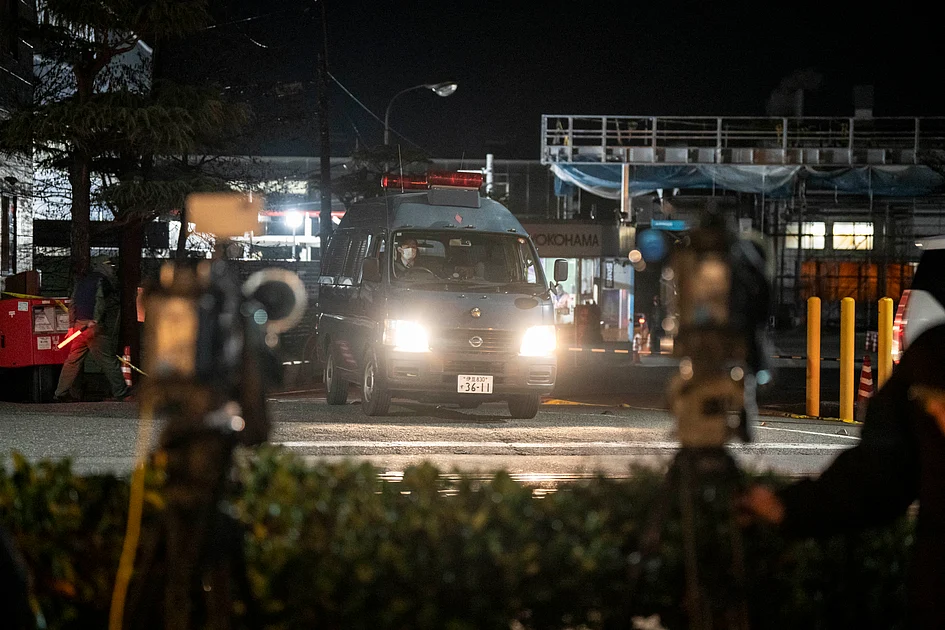
    A violent assault involving both stabbings and a chemical spray unfolded at a Yokohama Rubber Co. factory in Mishima, Japan, on Friday afternoon, resulting in injuries to fifteen individuals. Emergency services received a distress call at approximately 4:30 PM local time (0730 GMT) reporting multiple stabbings and the deployment of an unidentified spray substance.

    According to fire department officials, the victims were promptly transported to nearby hospitals. The injuries were categorized into two distinct types: eight individuals sustained stab wounds, while seven others were affected by the sprayed liquid, which preliminary reports from local media suggest was a bleach-based solution. While five victims were initially classified as requiring urgent emergency care, all remained conscious following the attack.

    Japanese law enforcement swiftly responded to the incident and apprehended a male suspect on suspicion of attempted murder. Media outlets, including NHK and Asahi Shimbun, identified the individual as a 38-year-old man allegedly connected to the factory. Reports describe him as being equipped with a survival knife and wearing a gas mask during the assault, indicating a degree of premeditation.

    The factory, which specializes in manufacturing tires for trucks and buses, became the site of a significant emergency response, with a fleet of ambulances and fire trucks visible in aerial news footage. The incident has sent shockwaves through the local community and drawn national attention.

    This attack stands in stark contrast to Japan’s generally low rates of violent crime, which are maintained through some of the world’s most stringent firearm regulations. However, the nation has experienced several high-profile violent incidents in recent years, including the 2022 assassination of former Prime Minister Shinzo Abe. The event also evokes memories of historical tragedies, most notably the 1995 sarin gas attack on the Tokyo subway system by the Aum Shinrikyo cult, which remains a profound national trauma. This factory assault adds to a concerning pattern of isolated but severe acts of violence in the country.

  • Four hikers found dead after avalanche in central Greece

    Four hikers found dead after avalanche in central Greece

    A Christmas Day hiking expedition in Greece’s Vardousia Mountains ended in tragedy when four adventurers perished in a devastating avalanche. The victims—three men and one woman—were discovered Friday evening following an intensive search operation in the treacherous Fokida region.

    Greek fire service teams located the deceased partially submerged in snow on a near-vertical slope approaching Korakas Peak’s summit, approximately 2,000 meters above sea level. Rescue authorities confirmed the group had been swept away by a powerful avalanche despite beginning their ascent under favorable conditions that rapidly deteriorated due to extreme altitude and complex terrain.

    The alarm was raised through a concerned friend who reported the three male hikers’ failure to return at their scheduled time. Weather complications including subzero temperatures and limited visibility severely hampered initial search efforts, grounding aerial support systems including drones and helicopters.

    Fire service spokesperson Vasilis Vathrakogiannis revealed the fourth victim—a woman unexpectedly joining the expedition—was identified as a friend of one of the male climbers. Recovery operations continued through Saturday as emergency teams faced extraordinarily challenging conditions at the high-altitude location.

    Rescue coordinator Haris Asariotakis described the complex recovery process, noting the remote site requires three hours of travel from the nearest village. While one victim has been successfully airlifted via helicopter, specialized teams including firefighters and mountain guides are preparing for potential foot descent operations to retrieve the remaining three victims using winch systems.

  • Two dead in 50-vehicle pile up on Japan highway

    Two dead in 50-vehicle pile up on Japan highway

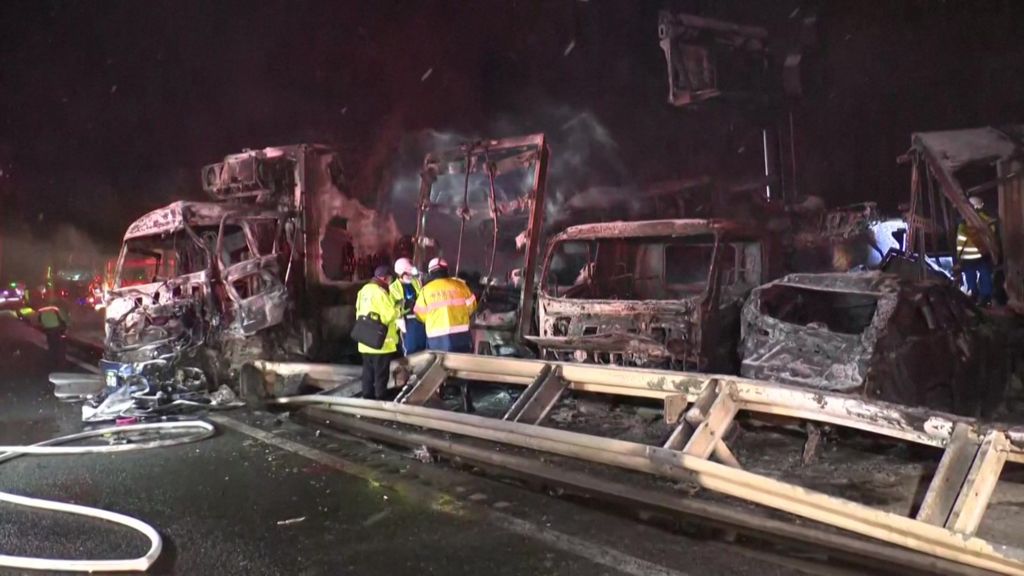
    A catastrophic chain-reaction collision involving 56 vehicles on Japan’s Kan-etsu Expressway has resulted in one confirmed fatality and multiple injuries, with authorities continuing investigation and recovery operations. The massive pileup occurred during hazardous winter conditions in Minakami, Gunma Prefecture, approximately 160 kilometers northwest of Tokyo, at approximately 7:30 PM local time on December 26th.

    According to law enforcement officials, the initial collision between two commercial trucks triggered a devastating domino effect that rapidly engulfed multiple vehicles in flames. The ensuing fire proved particularly challenging for emergency responders, requiring approximately seven and a half hours to fully extinguish.

    Tragically, a 77-year-old Tokyo woman lost her life in the incident, while another victim was discovered in the driver’s seat of a completely burned-out truck. The human toll included five individuals sustaining serious injuries and twenty-one others receiving treatment for minor wounds, according to official police statements.

    Meteorological conditions played a significant role in the disaster, with active heavy snow warnings in effect at the time of the accident. Preliminary investigation points to icy road surfaces as the likely cause for the initial loss of vehicle control that precipitated the massive collision.

    The aftermath presented a scene of extensive devastation, with numerous vehicles charred beyond recognition and strewn across the outbound lanes. Recovery crews worked methodically to clear the wreckage while the expressway operator, Nexco, implemented full closure of the affected section. The company has issued travel advisories urging motorists to avoid the highway entirely until further notice.

    Eyewitness accounts described terrifying moments during the incident. One male survivor in his sixties recounted hearing a substantial explosion from the forward section of the pileup before observing flames rapidly spreading between vehicles. Approximately fifty people were evacuated to a nearby toll gate facility, where many spent the night in hallway accommodations as emergency response continued.

    Nexco engineers have initiated comprehensive infrastructure assessments to determine potential damage to road surfaces caused by the intense and prolonged fire. The complete investigation into the precise sequence of events and contributing factors remains ongoing.

  • UAE weather: Red alert issued for fog; speed reduction activated in Abu Dhabi

    UAE weather: Red alert issued for fog; speed reduction activated in Abu Dhabi

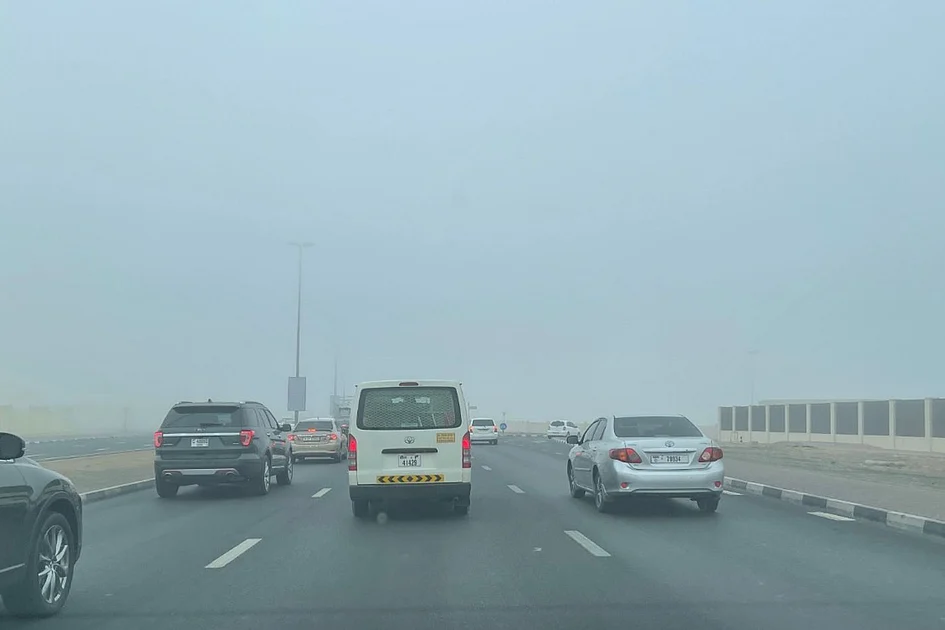
    The United Arab Emirates’ National Centre of Meteorology (NCM) has escalated weather warnings to red alert status due to hazardous fog conditions blanketing various regions. Meteorological authorities reported significantly deteriorated horizontal visibility, particularly affecting western internal areas from 03:00 until 09:30 on Saturday morning.

    The intensified fog conditions prompted immediate safety responses, including the activation of reduced speed limits to 80 km/h on critical roadways. Abu Dhabi Police implemented these measures specifically on Al Wiqan Road between Shiab Al Ghaf Roundabout and Al Dhahir, while fog concentrations were particularly severe along the Abu Dhabi-Al Ain roadway near Al Katim and Arjan districts.

    According to NCM’s classification system, red alert status indicates active fog formation reducing visibility to less than 1,000 meters, creating potentially dangerous driving conditions. Supplementary yellow alerts remained in effect for adjacent areas experiencing less severe but still concerning visibility reduction.

    Beyond the immediate fog concerns, meteorological forecasts indicate additional weather variability including light rainfall anticipated in coastal and northern regions. Skies are predicted to range from fair to partly cloudy throughout Saturday, with humidity levels rising overnight into Sunday morning across internal and coastal zones.

    Wind patterns will maintain light to moderate intensity from southeasterly to northeasterly directions, occasionally reaching speeds of 35 km/h. Marine conditions in both the Arabian Gulf and Sea of Oman remain generally calm with moderate wave activity, though tidal schedules vary significantly between the two bodies of water.

    Temperature readings across major urban centers show moderate conditions, with Dubai ranging between 19-26°C, Sharjah 16-26°C, and Abu Dhabi 17-25°C. The nation’s lowest temperature of 7.6°C was recorded at Jebel Jais in Ras Al Khaimah on Friday, indicating the seasonal cooling trend.

  • UAE winter: Al Ain families return to life in the desert

    UAE winter: Al Ain families return to life in the desert

    As winter’s cool embrace settles across the United Arab Emirates, a remarkable seasonal migration unfolds in Al Ain where numerous families are reviving ancestral traditions by transitioning from urban residences to their desert dwellings. This annual exodus from city congestion to arid landscapes represents both a cultural preservation effort and a pursuit of tranquility during the cooler months from December through February.

    The practice, deeply embedded in local heritage, sees families exchanging modern urban comforts for simpler desert living. Mohammed Al Rashidi, an Al Ain resident, characterizes this tradition as generations-old: “Winter possesses a distinctive flavor here—the pleasant, cool weather draws us away from metropolitan traffic toward peace and nature. The desert provides psychological comfort and reconnects us with authenticity.”

    Desert existence contrasts sharply with city rhythms, offering a deliberate pace of life devoid of urban cacophony. Saeed Al Khaili elaborates: “We relish the clean, calm air and absolute tranquility. Winter rains revitalize the land, camels reach their prime condition, and these elements combine to create the season’s unique charm. This practice has become intrinsic to our identity since childhood.”

    Beyond environmental benefits, this migration strengthens familial bonds through shared activities and collective engagement. Al Khaili emphasizes the value of togetherness: “Cooking, conversing, and sharing experiences fortify our connections. This season imparts lessons in patience and simplicity while providing mental respite from urban pressures.”

    While acknowledging challenges like limited services and occasional cold spells, families note that modern amenities such as electricity have significantly improved desert living conditions compared to previous generations. Many participants encourage others to experience this traditional lifestyle, describing it as spiritually rejuvenating and offering profound perspective on life’s essentials.

  • Connecting cities, changing lives

    Connecting cities, changing lives

    In the heart of Beijing, Hou Qingjuan meticulously packs gifts and children’s clothing for her regular journey home—a routine made possible by China’s transformative high-speed rail network. Her destination: Liaocheng in Shandong Province, where her young son awaits reunions that have evolved from rare occasions to regular occurrences.

    Just seven years ago, Hou’s pilgrimage home involved six grueling hours aboard slow-moving ‘green trains,’ with total travel time consuming entire days. The psychological burden of separation from her children nearly drove her to abandon her Beijing career entirely. ‘The cumulative effect of station transfers and extended travel made the journey overwhelming,’ Hou recalls. ‘I constantly contemplated leaving the capital to return home permanently.’

    The transportation revolution arrived in late 2019 with upgraded rail services that slashed travel time to 3.5 hours at approximately 60 yuan ($8). By 2024, further infrastructure advancements reduced the fastest journeys to just 2.5 hours—democratizing mobility for millions of Chinese citizens.

    ‘This transformation redefined my possibilities,’ Hou explains. ‘Home visits transitioned from meticulously planned expeditions to spontaneous opportunities during free time.’ The enhanced connectivity prompted her to maintain her Beijing career while actively participating in her children’s upbringing—a balance previously unimaginable.

    Hou’s experience mirrors a national phenomenon where accelerated rail infrastructure is reshaping socioeconomic patterns across China. The Zhengzhou-Chongqing high-speed railway, captured in recent imagery cutting through golden fields against clear skies, symbolizes this new era of interconnected urban centers and revitalized regional communities.

    This transportation network evolution has fundamentally altered how citizens approach work-life balance, family dynamics, and geographic mobility—proving that infrastructure investment transcends concrete and steel to directly impact human relationships and life choices.