分类: society

  • DV crackdown drives record surge in NSW prison numbers

    DV crackdown drives record surge in NSW prison numbers

    A targeted law enforcement initiative against alleged domestic violence offenders has triggered an unprecedented jump in jail populations across New South Wales (NSW), with nearly half of the state’s current inmate population yet to go through court proceedings, new official crime data shows.

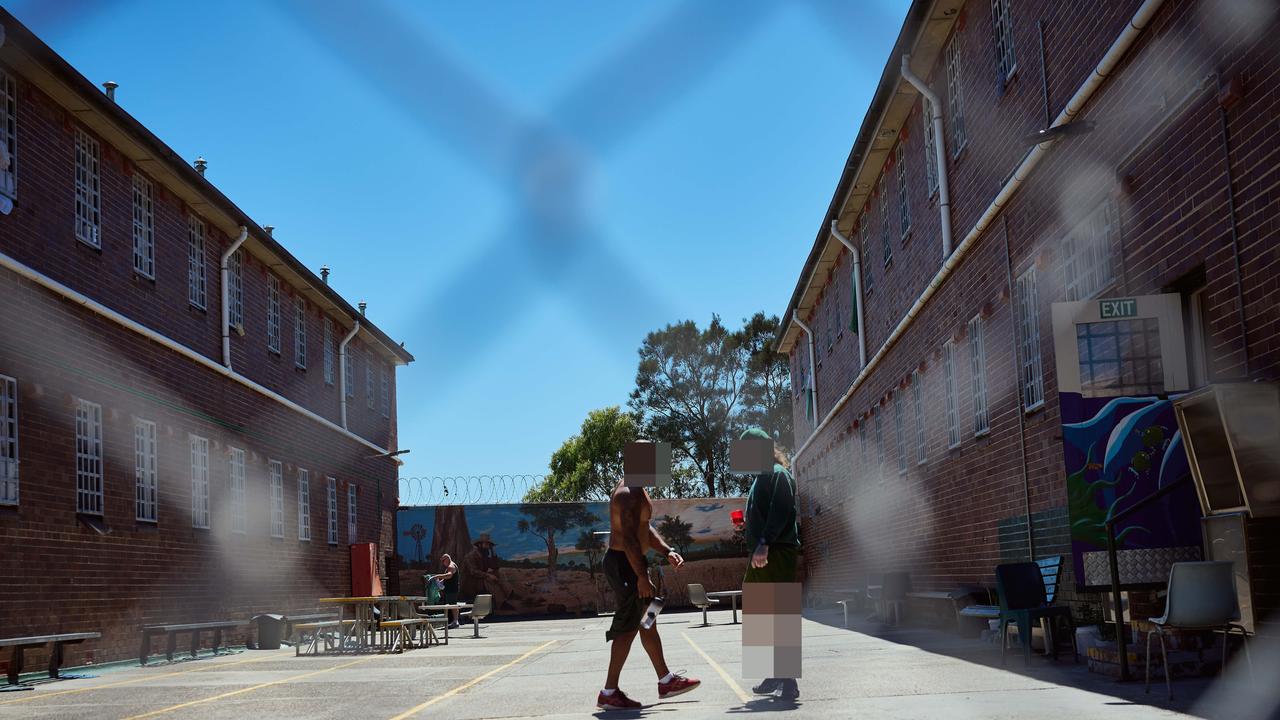
    Released Thursday by the NSW Bureau of Crime Statistics and Research (BOCSAR), the latest figures put the state’s total current prison population at 14,070 – a new historic high. Of that total, 6,650 inmates are being held on remand, meaning they have not been convicted of any crime and are still waiting for their court dates or trials to begin. That marks a more than 15 percent year-over-year increase in the state’s remand population.

    BOCSAR executive director Jackie Fitzgerald described the rapid growth as an extraordinary shift that has unfolded over an remarkably short timeline. “Prison numbers have grown more in four months than they did in the previous four years,” Fitzgerald told reporters. She added that the milestone of nearly half of all inmates being held on remand represents a fundamental shift in the demographic composition of NSW’s prison system.

    The sharpest growth in remand numbers has been concentrated among people charged with domestic and family violence offenses, Fitzgerald confirmed. Domestic violence remand populations have accounted for 41 percent of total four-month growth in the state’s overall remand population. The primary driver of this surge has been Operation Amarok, an ongoing statewide police initiative launched in January 2023 that specifically targets alleged domestic violence offenders, which has led to thousands of arrests across NSW to date.

    But expanded and more aggressive police activity across all offense categories is also contributing to the rising population, BOCSAR data confirms. Between December 2025 and March 2026, NSW police charged roughly 62,000 adult defendants, a 13 percent increase compared to the same 12-month period a year prior. Fitzgerald emphasized that this trend is not being driven by a rising overall crime rate, but rather by stricter enforcement and higher charging volumes that are pushing more defendants into pre-trial detention.

    “What we are seeing is increased police activity and stronger enforcement resulting in more people entering the justice system,” Fitzgerald said. “Rather than a change in crime rates, higher charging levels are driving higher remand numbers, particularly for domestic violence.”

    Breaking down the current population data, 13,108 of the state’s inmates are men, while 962 are women. Most notably, more than one-third of all people held in NSW jails – 4,834 people total – identify as Aboriginal, highlighting ongoing disproportionate representation of Indigenous people in the state’s correctional system.

  • Criminalising protest: Pro-Palestine students in France face increased repression

    Criminalising protest: Pro-Palestine students in France face increased repression

    In the wake of the outbreak of hostilities between Israel and Hamas in October 2023 and the subsequent large-scale Israeli military campaign in Gaza, French university campuses have become flashpoints for escalating government and institutional repression targeting students who publicly advocate for Palestinian rights and demand an end to military action. The crackdown, which activists and scholars warn is eroding long-held protections for academic freedom and political speech on campus, has pushed many young organizers to choose between their deeply held political beliefs and continued access to higher education.

  • ‘Meet people where they are’: NSW’s health pledge as cost of living pressures grow

    ‘Meet people where they are’: NSW’s health pledge as cost of living pressures grow

    As Australian households grapple with escalating cost-of-living pressures and public hospitals prepare for a seasonal winter surge in patient volumes, the New South Wales (NSW) state government has rolled out a sweeping suite of free and low-cost community-centered healthcare initiatives designed to cut household medical expenses and divert non-urgent cases away from overstretched hospital facilities.

    The reforms align with both state and federal efforts to deliver targeted financial relief to working Australian families, coming just after Federal Treasurer Jim Chalmers delivered the Albanese government’s fifth federal budget on Tuesday evening. The 2026-27 federal budget includes key cost-of-living measures, such as a $250 Working Australians Tax Offset set to take effect in mid-2028, alongside major proposed changes to capital gains tax and negative gearing rules.

    For NSW Health Minister Ryan Park, the reforms mark a fundamental shift away from the traditional one-size-fits-all healthcare model that required patients to adapt to existing system structures, rather than the system meeting patient needs. “What I’ve tried to do over the last few years is reform that and try and meet people where they are at,” Park explained in an interview, emphasizing that the new model prioritizes convenience for patients while reducing systemic strain.

    At the core of the accessibility overhaul is an expanded state-wide bulk-billed virtual urgent care program, which eliminates the need for many non-urgent general practitioner (GP) visits. For an average patient that sees a GP six times annually, the program is projected to cut annual medical costs by up to $264. For a four-person household, that annual savings can reach more than $1056 when combined with other free state services.

    Beyond virtual care, the NSW government has added a range of free pediatric and family services to further reduce household financial burden. Starting in April, eligible parents gained access to free needle-free flu mist nasal spray vaccinations for children aged 2 to 4 years old. All children under 5 years old, alongside their parents and carers, can access no-cost general family health checks, while every child in the state is eligible for free routine dental care through NSW’s public dental network.

    Mental health support has also been expanded dramatically across regional and urban NSW. Twenty-four fully funded Medicare Mental Health Centres and Kids Hubs now operate in communities across the state, including regional hubs in Blacktown, Wagga Wagga, and Broken Hill. Mental Health Minister Rose Jackson confirmed the state government has invested $58 million to build out this accessible mental health network, serving thousands of families annually. In 2025, hubs in Lismore, Liverpool, and Penrith recorded the highest patient volumes across the network, demonstrating strong community demand for free, local mental health care.

    The government has also expanded access to common prescription medications, including the contraceptive pill and ADHD treatment, by allowing GPs to prescribe these medications directly in more community settings. When combined, all the initiatives could save eligible NSW families as much as $1200 in annual healthcare costs, according to government estimates.

    The reforms come at a critical time for NSW’s public hospital system, which is already facing persistent capacity strains ahead of the expected winter influenza surge. Park revealed that roughly 1200 acute hospital beds are currently occupied by long-term patients from aged care and the National Disability Insurance Scheme (NDIS) who are waiting to transfer to Commonwealth-funded long-term care, creating a persistent “bed block” that reduces capacity for acute winter cases. Hospitals are also recording sharp increases in the volume of the most severely ill category 1, 2, and 3 patients, placing additional strain on clinical staff.

    By diverting patients with less urgent category 4 and 5 health needs to community and virtual care, the government aims to free up acute capacity for the most severe cases this winter. “Parents and families are bloody struggling at the moment,” Park said, noting that the widespread financial pressure of daily living makes unexpected healthcare costs particularly devastating for households. “Healthcare can be an expensive cost, and it’s a cost that is hard to defer.”

    NSW Premier Chris Minns emphasized that accessible, affordable basic care is a core commitment of his Labor government. “We recognise families are under real pressure right now, with the rising cost of mortgages, rents, food and fuel, and we don’t want basic healthcare to take a back seat,” Minns said. “These free or low-cost initiatives for families through the public health system, provide some relief right now which will keep money in the pockets of families.”

  • ‘Awake and alert’: Heartwarming update on Gold Coast toddler Dusty Wildman after horror baking tragedy

    ‘Awake and alert’: Heartwarming update on Gold Coast toddler Dusty Wildman after horror baking tragedy

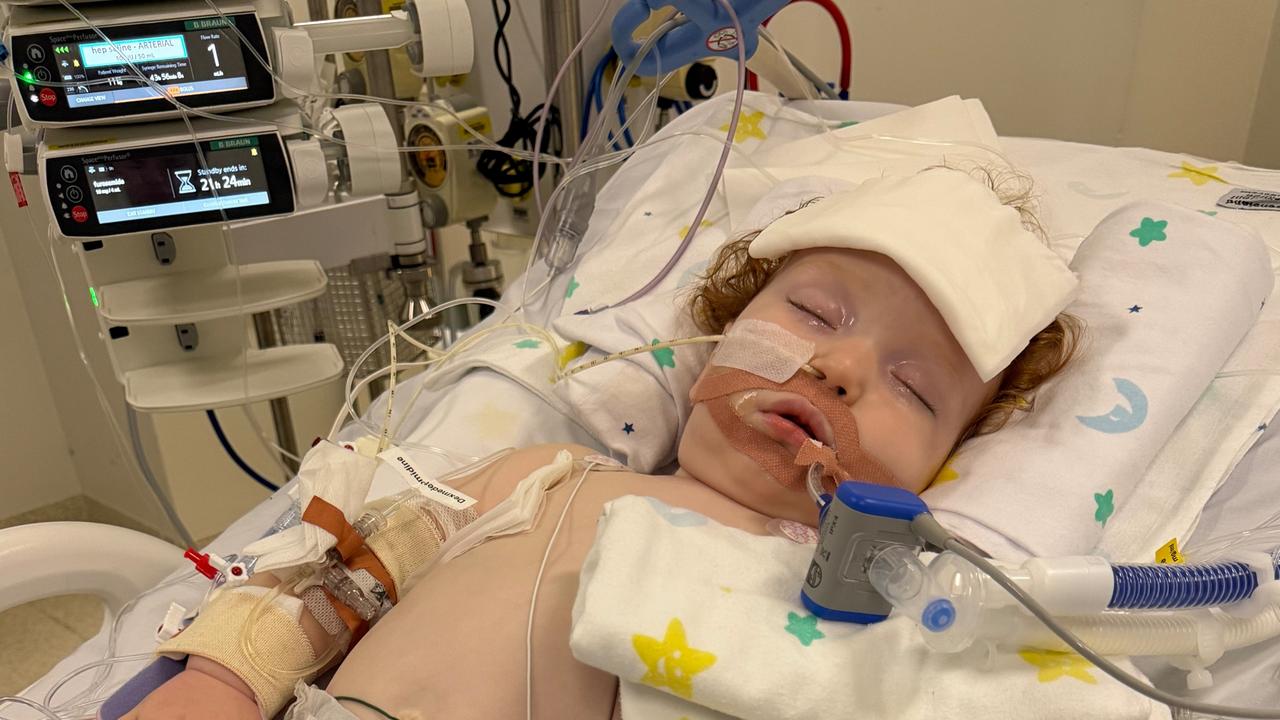
    Nearly two weeks after a horrifying accidental inhalation of cake decoration powder left 14-month-old Dustin “Dusty” Wildman in an induced coma and fighting for his life, the Gold Coast toddler’s family has shared a hopeful new update on his ongoing recovery at Queensland Children’s Hospital.

    The life-threatening incident unfolded when Dusty inhaled a metallic decorative powder, a substance that quickly solidified into a paste-like blockage in his airways, triggering severe respiratory failure. The toddler was rushed into emergency surgery to clear the toxic material from his lungs before being placed in a medically induced coma to stabilize his condition.

    In a statement shared by Dusty’s mother, Kate Robinson, the family has finally found relief after days of agonizing uncertainty. “Our beautiful boy is awake and alert, playing and smiling,” Robinson said. As of the latest update, all external breathing assistance has been removed, and Dusty is now breathing completely on his own. He still retains a feeding tube while medical teams help him transition back to eating orally, and his strength is gradually returning.

    Though the progress marks a major milestone in Dusty’s recovery, medical teams continue to monitor lingering inflammation in his lung tissue that resulted from the foreign material. Robinson noted that while the toddler is making encouraging gains, his voice remains raspy from the incident. “He’s trying to talk but still has a very raspy voice,” she said. “We’re hoping he proves the doctors wrong and there’s no permanent damage.”

    Following the accident, subsequent laboratory testing revealed the decorative powder contained harmful copper and zinc compounds, triggering urgent safety questions about consumer product regulation. The product, marketed as Metallic Rose Gold decorative powder, was found sold alongside edible baking ingredients despite its non-edible composition, raising alarms about inadequate labeling and retail placement.

    In response to the incident, the product’s supplier has issued an immediate full withdrawal of the item from all retail locations, and has ordered all remaining stock to be destroyed to prevent further similar accidents. The case has now drawn renewed public attention to the need for clearer safety labeling of non-edible craft and decoration products sold in grocery and baking supply spaces.

  • Magnus the wandering walrus swaps Scotland for Norway

    Magnus the wandering walrus swaps Scotland for Norway

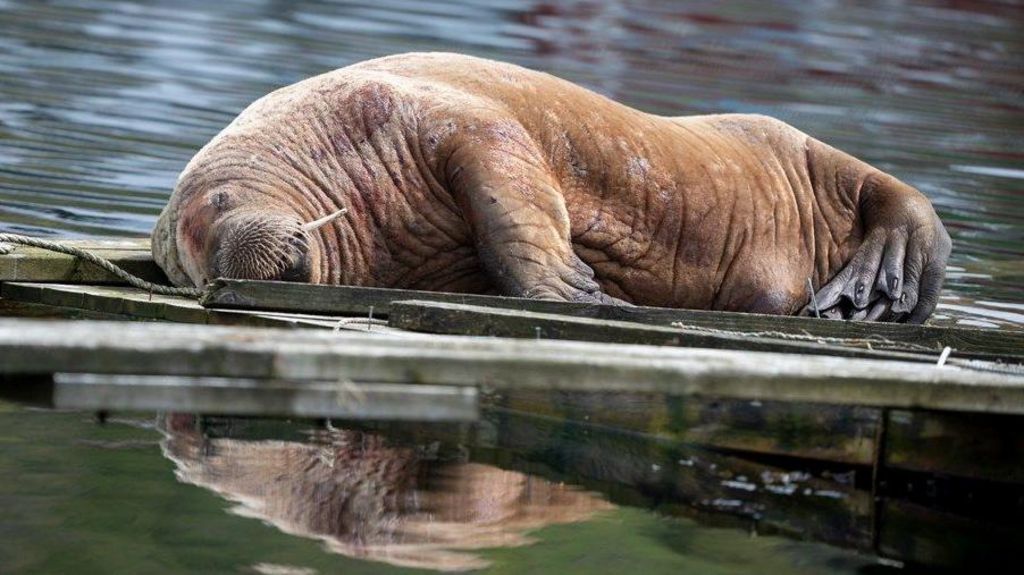
    A young male walrus that captured public attention during a weeks-long tour of Scotland’s northeastern coastline has completed an unexpected 480-kilometer journey across the North Sea, emerging as a new viral attraction along Norway’s southern shore. Named Magnus by onlookers, the Arctic marine mammal was first documented resting on the shores of Stronsay, one of Scotland’s Orkney Islands, last month. Over the following weeks, he slowly traveled south along Scotland’s northeast coast, making surprise stopovers in small coastal communities including Lossiemouth, Macduff, Fraserburgh, Findochty and Hopeman.

    During his time in Scotland, Magnus turned into an accidental celebrity, drawing hundreds of curious onlookers who gathered to watch his playful, unplanned antics. From scratching his thick hide against metal harbor posts to dozing off on docks and accidentally rolling into the cold North Sea mid-nap, his casual, unassuming behavior won over crowds of locals and wildlife enthusiasts alike. After weeks of sightings across Scotland, Magnus vanished from UK shores — only to reappear hundreds of miles away in Hidra, Norway, where he has already become a major draw for local wildlife photographers and visitors.

    Norwegian photographer Åge Jakobsen was among the first to confirm and document the walrus’s arrival at Buerholmen, an islet off the coast of Hidra. “I usually go out to photograph seabirds, so this was a completely different experience,” Jakobsen told reporters. “Unlike the birds I chase, I didn’t have to worry about this subject flying away.” He added that after the long open-ocean crossing, Magnus appeared visibly fatigued, but quickly settled in to enjoy the warm Norwegian sun on a floating dock, seeming completely at ease in his new temporary location.

    Marine biologists note that Magnus’s cross-sea journey is not as unusual as it may seem. Young male walruses often embark on long exploratory trips far outside their core Arctic range as they mature. What is notable, experts say, is the growing frequency of walrus sightings along the coasts of the UK and Northern Europe in recent years. Many researchers link this trend to the rapid loss of Arctic sea ice, the walrus’s preferred habitat for resting and hunting, which forces more animals to travel south to find suitable resting grounds and food sources.

    Magnus is not the first walrus to make an appearance in the North Atlantic far from the Arctic. A walrus was spotted on North Ronaldsay, Orkney’s northernmost island, back in 2013, and another individual was seen on the same island in 2018 before moving south to rest on Sanday, another Orkney island. For now, experts say there is no reason to interfere with Magnus’s journey: he is healthy, behaving as expected for a young exploring walrus, and will likely continue his travels when he is ready. For communities along the Norwegian coast, however, the chance to see the wandering Arctic celebrity has turned into a once-in-a-lifetime wildlife experience.

  • Urgent search underway after swimmer ‘in distress’ vanishes 100m offshore from Trigg Beach in Perth

    Urgent search underway after swimmer ‘in distress’ vanishes 100m offshore from Trigg Beach in Perth

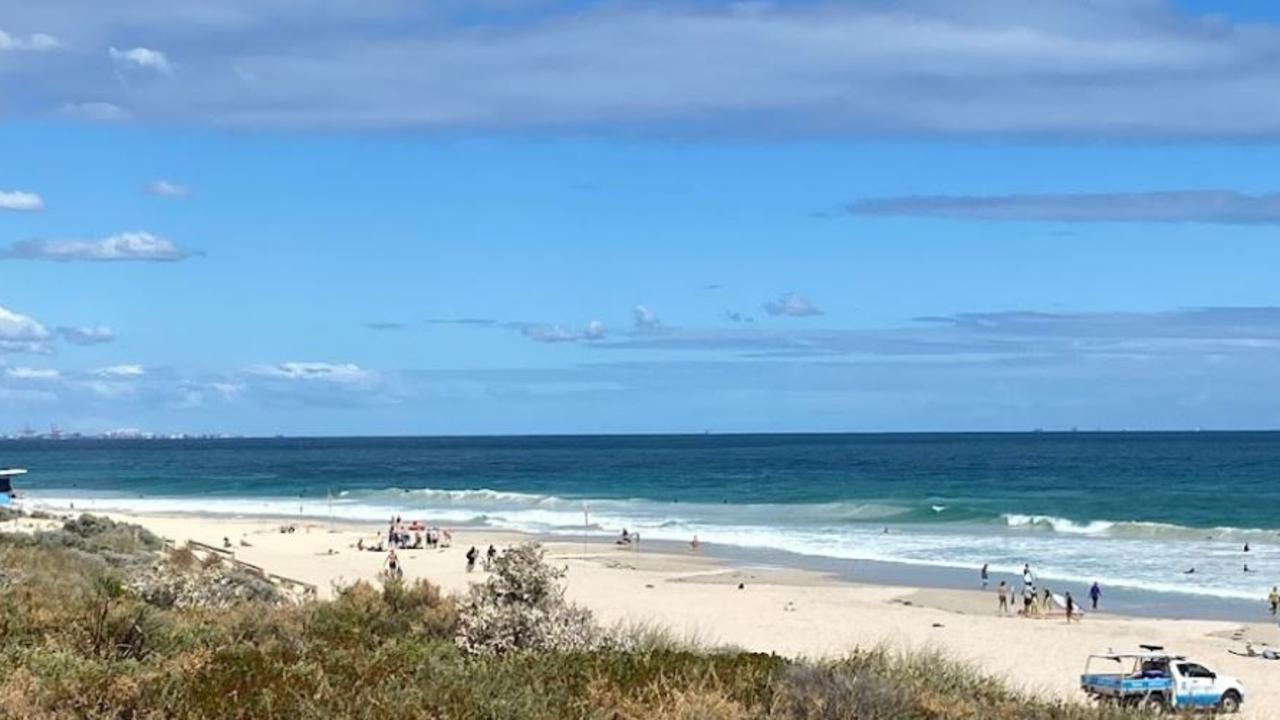
    A large-scale coordinated search operation is entering its second day after a swimmer was spotted in trouble 100 meters off the shore of one of Western Australia’s most popular surf beaches, Trigg Beach, before disappearing from view entirely.

    The emergency response was first triggered just after 5:15 p.m. on Tuesday, when witnesses called local services to report a swimmer struggling in rough offshore conditions. According to an official statement released by Western Australia Police, the individual vanished from sight shortly after the distress call was placed.

    Within hours, multiple law enforcement and volunteer groups deployed to the coastal area to launch the search. Initial teams included officers from Mirrabooka Police District, WA Water Police, the Police Air Wing, and members of Volunteer Marine Rescue, who scoured the waters and coastline through Tuesday evening as first light faded.

    When sunset halted progress for the day, search operations resumed at first light on Wednesday, with additional resources joining the effort. Mounted Police patrols, ground search crews, and volunteers from Surf Life Saving WA expanded the sweep of the surrounding coastline and offshore areas, but by Wednesday afternoon, the missing swimmer had still not been located.

    “Our inquiries are continuing to both confirm the swimmer’s identity and determine their current welfare,” a WA Police spokesperson said in an update Wednesday. As of the latest official briefing, no missing person reports have been filed that connect to the incident. Police have issued an appeal to any member of the public who may have been the distressed swimmer and managed to self-rescue to contact authorities immediately to clarify the situation.

    Trigg Beach, a well-known surf spot in the Perth area, carries public safety warnings for less experienced ocean users. Surf Life Saving WA’s official guidance notes that the beach is best suited to swimmers with moderate to high levels of ocean experience, due to consistent large swells and persistent strong rip currents that form along the coastline. The organization’s website specifically emphasizes extra caution during north-westerly wind conditions, noting that waves can be deceptively large and the stretch of water becomes particularly treacherous during these weather patterns.

  • India’s aspiring doctors heartbroken by exam paper leak

    India’s aspiring doctors heartbroken by exam paper leak

    For millions of young Indians, securing a spot at a top government medical college depends entirely on one make-or-break test: the National Eligibility Entrance Test (Undergraduate), better known as NEET-UG. This year, however, the high-stakes exam has become the center of a national controversy after widespread claims that its question paper was leaked in advance to select candidates. On Tuesday, India’s National Testing Agency (NTA) — the federal body tasked with administering the exam — officially canceled the May 3 test, amid an ongoing investigation into the leak allegations. The agency has confirmed that a new date for a retest will be announced publicly next week, leaving nearly 2.28 million registered candidates across the country in limbo.

    For test-takers like Manas Sharma, a Delhi-based aspirant who has dedicated two full years to preparing for the exam, the announcement came as a gut punch. “Since October, I have been studying 12 hours a day — not watching films or even hanging out with friends. That’s what it takes to get into a good medical college,” Sharma explained. Based on unofficial answer keys released by private coaching institutes after the original exam, he projected he would score 615 out of a possible 720 marks, a result that would have qualified him for admission to one of India’s top medical institutions. Like many aspirants, Sharma has reoriented every part of his life around this single test, and the sudden cancellation has upended years of careful planning. Yet he says he is choosing to frame the retest as an opportunity to improve his score, rather than an unmitigible setback. “I can’t lose hope. I look forward to increasing my score if a retest happens,” he added.

    Sharma’s shock and uncertainty are shared by countless other aspirants across the country, who endured months of intense preparation to sit for the exam at more than 5,000 test centers nationwide. In the northeastern state of Assam, 20-year-old aspirant Sumi, who has long dreamed of becoming a doctor, said she initially could not believe the news of the cancellation. The added stress of the announcement has already hampered her ability to refocus on studying, even after she built a new preparation schedule and restarted her work. For 22-year-old Anamika from Bihar, eastern India, this year’s exam was already her sixth attempt at securing a medical seat. She had given up family gatherings, social outings, and personal time to study, even enrolling in a nursing course to satisfy her parents after five previous unsuccessful attempts, while continuing to prepare for NEET in her spare time. After finding this year’s exam manageable and projecting a score of 640 — enough for a spot at a top college — Anamika said she had finally felt her years of sacrifice would pay off. After processing the initial stress of the cancellation, she has resigned herself to restarting preparation once again.

    NEET-UG is the sole gateway to undergraduate medical programs at all public and elite private medical colleges in India, a system that creates extreme competition for just a fraction of the limited seats available each year. Most aspirants attend after-school coaching classes on top of their regular school coursework, adding extra hours of daily study, particularly on weekends, to keep up with the rigorous test content. While thousands of students are reeling from the cancellation, a small number of aspirants say the NTA’s decision was a necessary step to protect the integrity of the exam. “The NTA has taken a good decision because what happened was an injustice to hardworking candidates,” one aspirant told Indian news agency ANI. “Those who cheated should not get admission in medical colleges.” Some lower-scoring candidates also welcomed the opportunity for a retest to improve their results.

    The cancellation has reignited long-simmering criticism of India’s national entrance exam system, which has been plagued by repeated paper leak scandals and administrative irregularities over the past several years. This is not the first controversy to hit NEET: in 2024, the exam faced nationwide protests after thousands of candidates received suspiciously high scores amid claims of widespread fraud and institutional irregularities. Garima Shukla, spokesperson for the Federation of Resident Doctors’ Association, called repeated incidents of this nature a clear administrative failure that undermines the foundation of India’s medical education system. “The repeated occurrence of such incidents is not only an administrative failure but also a direct blow to the morale of millions of hardworking students,” Shukla told ANI. “If the credibility of the examination system is questioned, it will impact not only students but the reputation of the entire healthcare system.”

    Indian media reports have cited early investigative findings suggesting the alleged leak originated in the northern state of Rajasthan, days before the May 3 exam was held. India’s federal investigative body, the Central Bureau of Investigation, has launched a formal probe into the incident. But even as investigators work to hold those responsible accountable, many students remain skeptical that a retest will fix the systemic issues that allowed the leak to happen. “But what is the guarantee that another paper leak won’t happen?” asked Tejaswini Vijay, a candidate who spent two years preparing for the original exam. Many students, including Vijay, have criticized the NTA’s decision to cancel the exam nationwide rather than only in regions where irregularities were confirmed, arguing that the blanket cancellation inflicts unnecessary stress on aspirants who did nothing wrong. “That would have been better,” Vijay said. “Not everyone can deal with such level of stress.”

  • Who is Alex Batty and how was he found?

    Who is Alex Batty and how was he found?

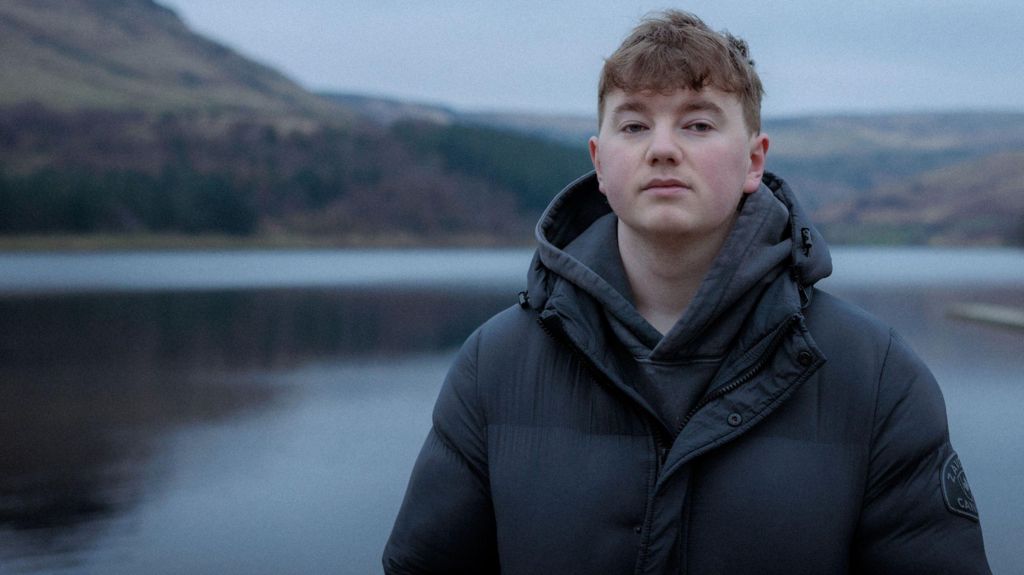
    More than two and a half years after his dramatic escape from a nomadic life in the Pyrenees Mountains, 20-year-old Alex Batty, who vanished as an 11-year-old boy while on a family holiday in Spain, is preparing to share his full, unfiltered story for the first time in a new BBC documentary titled *Kidnapped by My Mum*. The long-awaited program, set to air May 13 on BBC Three and BBC iPlayer, retraces every step of Batty’s six years in hiding, his daring escape, and the slow process of rebuilding his life back in his hometown of Oldham, Greater Manchester.

    The case that captivated the UK began in September 2017, when 11-year-old Alex traveled to Marbella, Spain, for a pre-planned week-long holiday with his mother Melanie Batty and grandfather David Batty. The pair were not Alex’s legal guardians; he was set to return home to his grandmother Susan Caruana, his official custodian, after the trip. But the three never came back. Alex was last spotted at Malaga Port on October 8, 2017, the day their return to the UK was scheduled, sparking an international missing person investigation that would stretch on for six years with no breakthrough.

    Police quickly classified the disappearance as a potential child abduction. What unfolded behind the scenes, as Alex now reveals, was a life rooted in his mother’s deep embrace of extreme conspiracy theories and the sovereign citizen movement, a fringe ideology that claims national governments are illegitimate and that followers can reject laws they disagree with. Melanie threw away Alex’s passport shortly after they left the UK, and the trio spent the next six years living an itinerant lifestyle, moving between remote communes, caravans, and off-grid communities across Spain and France. After years of roaming the Iberian Peninsula, they settled in a spiritual commune tucked in the valleys of the Pyrenees, in southwestern France, far from any populated area.

    By December 2023, Alex had grown exhausted of the isolated, constantly shifting life. He made the risky decision to escape. For four days, he traveled by night to avoid detection, slept in hiding during the day, and foraged for food in fields and gardens along the route. It was 3 a.m. on a rainy night when a local delivery driver named Fabien Accidini spotted Alex walking along an unlit mountain road. The teenager had only 100 euros, a skateboard, and no mobile phone, and was heading for Toulouse to reach help. He was reunited with his grandmother in Oldham within days.

    In 2025, Greater Manchester Police officially called off the criminal investigation into Alex’s alleged abduction. A department spokesperson confirmed the case was closed because Alex and his family did not support pursuing prosecution, and there was “no realistic chance of securing a conviction” anyway. Alex repeatedly told investigators he had no interest in pressing charges against his mother and grandfather, who were never taken into custody or charged. Det Supt Matt Walker noted at the time that closing the case was the right step to give Alex and his family the closure they wanted.

    Now, starting a new life as a father to a baby girl, Alex is opening up about the complicated reality of his experience. In the documentary, he retraces the entire route he took across Spain and France with his mother and grandfather, unpacking not just how he was hidden from authorities for six years, but the ideological framework that kept him isolated. Back in the UK, investigating detectives reflect on the years of unsuccessful searches, and Caruana shares the agony of spending six years not knowing if her grandson was alive or dead. Most notably, Alex confronts the nuanced, difficult question of how he feels about his mother, who still has not commented on the documentary, while David Batty did not respond to the BBC’s request for comment. In a preview for the program, Alex summed up the deeply personal nature of the story: “For me it’s not a story, for me it’s my life.”

  • 12 hospitalized after torrential rains trigger severe floods in northern Turkey

    12 hospitalized after torrential rains trigger severe floods in northern Turkey

    A devastating natural disaster has struck northern Turkey, where extreme torrential downpours have unleashed dangerous flash flooding near the Black Sea coast. The disaster has left local communities grappling with widespread damage, as floodwaters have swallowed residential and commercial properties and dragged automobiles off city streets.

    According to Turkey’s state-owned Anadolu Agency, at least 12 individuals have been transported to local medical facilities for treatment of minor injuries sustained in the flood. All patients are reported to be in stable condition, with no life-threatening injuries recorded.

    The intense rainfall struck the Havza district of Samsun province overnight Tuesday, pushing local river systems past their banks. Surge floodwater poured into urban areas, turning neighborhood streets into rushing brown torrents that carried away vehicles and scattered broken debris across the region.

    Floodwaters have fully submerged the basements and ground floors of dozens of residential and commercial buildings across the district. Dramatic video footage captured from the scene shows one motorist stranded atop the roof of his submerged truck, waiting anxiously for emergency rescue teams to reach him.

    Of the 12 injured people, some were able to make their own way to local hospitals, while emergency medical crews extracted others from trapped or dangerous positions. In response to the disaster, local authorities have mobilized a multi-agency emergency response: firefighters, local police units, and national disaster management teams have all been deployed to the district to pull stranded residents to safety, clear blocked roadways of debris, and begin initial damage assessments.

  • Stinger trap deployed, car loses tyre in dramatic end to alleged bike thief’s cop chase

    Stinger trap deployed, car loses tyre in dramatic end to alleged bike thief’s cop chase

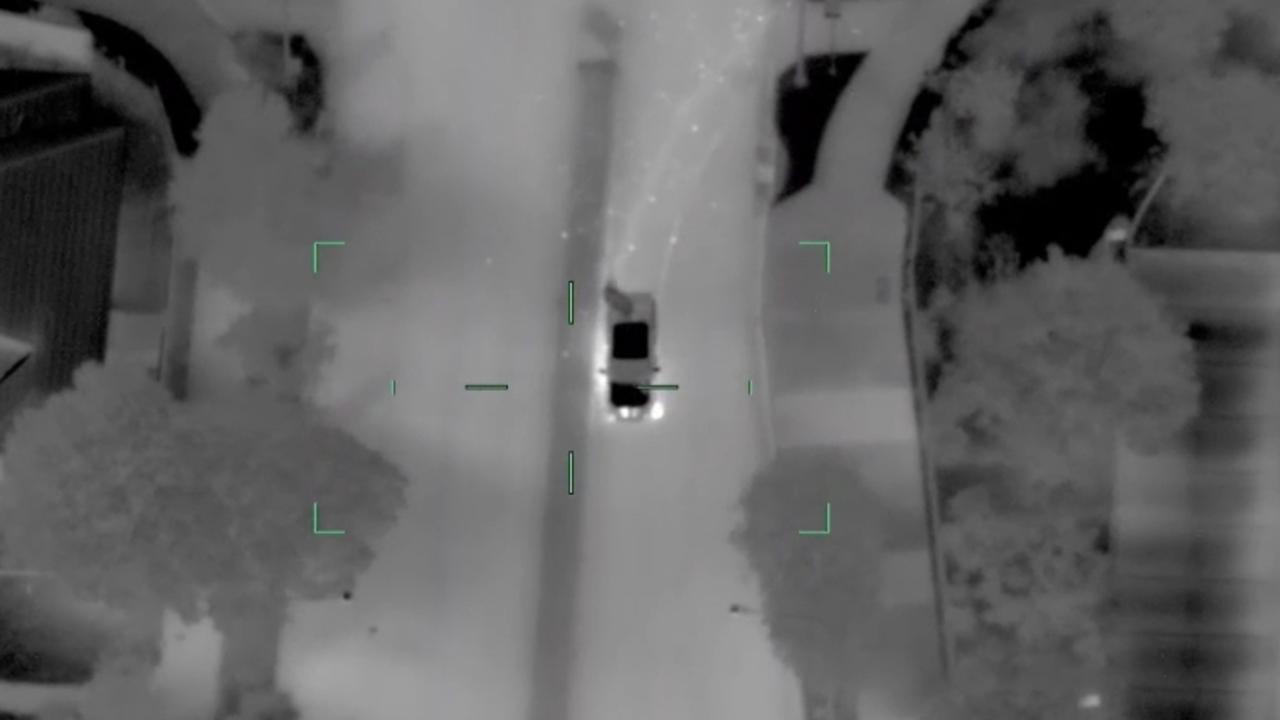
    In a high-stakes operation that unfolded in the Queensland suburb of Springfield, dramatic infra-red aerial footage from the Queensland Police Service’s Polair unit has documented the successful conclusion of a chase against three men accused of armed motorcycle theft. The sequence of events began on Tuesday evening, when local law enforcement received an urgent distress call just after 7:10 pm from Southern Cross Circuit. The caller, a 25-year-old resident of Redbank Plains, reported that he had been threatened with a firearm by a group of men, who then stole his Yamaha MTN660 motorcycle before loading the stolen vehicle into the back of a 2018 Mitsubishi Triton utility truck.

    Acting on the tip, officers set up an intercept along Regents Drive, where the suspected getaway vehicle was traveling. When the Triton failed to stop, police deployed a remote-controlled stinger device across the road. The aerial footage clearly captures the moment the device punctures one of the truck’s tires, leaving the driver unable to continue the escape. All three suspects immediately abandoned the disabled vehicle and attempted to evade capture on foot across the surrounding area.

    What followed was a coordinated manhunt involving uniformed officers, detective units from the Ipswich Criminal Investigation Branch, and police service dogs. Within a short time, all three suspects were located and taken into custody, with one arrest on Regents Drive itself captured on the Polair aerial footage. Three men now face a series of serious charges related to the incident:

    A 31-year-old Redbank Plains resident faces one count of armed robbery and one count of weapon possession for a knife; a 24-year-old Redbank Plains man has been charged with a single count of armed robbery; and a 31-year-old Bundamba man faces one count of armed robbery alongside an additional charge of illegal possession of dangerous drugs. All three suspects have been remanded in police custody and are scheduled to appear before the Ipswich Magistrates Court on 27 May to answer the charges against them.