分类: society

  • Fire in nursing home kills 16 in Indonesia

    Fire in nursing home kills 16 in Indonesia

    A devastating fire erupted at the Damai retirement home in Manado, North Sulawesi, on Sunday evening, resulting in one of Indonesia’s deadliest recent tragedies. Local authorities confirmed sixteen fatalities and three injuries after flames rapidly consumed the facility housing elderly residents.

    The inferno began approximately at 20:30 local time (12:30 GMT), with emergency services responding immediately to distress calls. According to Jimmy Rotinsulu, chief of Manado’s fire and rescue agency, numerous victims were discovered inside their rooms, likely resting when the fire initiated. The blaze was successfully extinguished by 21:30 (13:30 GMT), though the damage proved catastrophic.

    Eyewitness Steven Mokodompit, residing near the nursing home, described hearing an explosion and desperate cries for help upon arriving around 20:00. ‘Within merely five minutes, the fire had completely engulfed the building,’ he recounted to Detikcom. Mokodompit and other brave responders improvised rescue efforts using stacked tables and ladders to evacuate residents through the building’s rear.

    Authorities face significant challenges in identifying victims due to the severe condition of remains, described as largely ‘unrecognizable.’ Police have launched a comprehensive investigation into the fire’s origin, suspected to have started in the kitchen area. Families of potential victims are urgently requested to contact designated hospitals for identification procedures.

    This incident highlights ongoing fire safety concerns in Indonesian residential facilities, coming just weeks after a Jakarta office building fire claimed 22 lives. The frequency of such tragedies underscores critical needs for enhanced emergency protocols and infrastructure safeguards across the nation’s aging care institutions.


  • Fire at Indonesian retirement home kills 16 residents

    Fire at Indonesian retirement home kills 16 residents

    A devastating fire engulfed a retirement facility in Manado, North Sulawesi Province, Indonesia, on Sunday evening, resulting in one of the deadliest nursing home tragedies in recent memory. The inferno broke out approximately at 8 p.m. local time while elderly residents were asleep, creating a rapidly escalating emergency situation.

    According to official statements from North Sulawesi police spokesperson Alamsyah Hasibuan, the catastrophe claimed sixteen lives with fifteen victims perishing from severe burns and one remaining physically intact. Emergency response teams faced significant challenges in containing the blaze, with firefighting crews deploying six trucks that required over two hours to fully extinguish the flames after nearby residents first alerted authorities.

    The human toll extended beyond the fatalities, with fifteen survivors receiving urgent medical treatment at nearby hospitals in Manado City. Courageous neighbors initially attempted rescue operations before professional responders arrived, managing to save several occupants from the smoke-filled single-story structure.

    Television footage captured the horrifying scene of intense flames illuminating the night sky with an ominous orange glow while thick smoke blanketed the area. The aftermath revealed rows of body bags arranged outside the charred facility as forensic teams began the meticulous identification process at the police hospital with family assistance.

    While preliminary police reports suggested an electrical malfunction as the potential ignition source, investigators have maintained that the official cause remains undetermined and subject to ongoing examination. The tragedy has raised urgent questions about fire safety protocols in Indonesia’s elderly care facilities, prompting calls for enhanced emergency preparedness standards nationwide.

  • Bondi hero says he wanted to stop gunman killing innocent people

    Bondi hero says he wanted to stop gunman killing innocent people

    In a remarkable act of bravery that captured global attention, Sydney shopkeeper Ahmed al Ahmed has been officially recognized as a national hero after confronting and disarming one of the gunmen responsible for Australia’s deadliest mass shooting since 1996. The incident occurred on December 14th during a Hanukkah celebration at Bondi Beach, where fifteen attendees lost their lives and forty others sustained injuries in what authorities have declared a terrorist attack targeting the Jewish community.

    Ahmed al Ahmed, a Syrian-born Australian citizen and father of two, described the profound internal conviction that drove his actions during an exclusive interview with CBS News. “Emotionally, I felt a power in my body, my brain,” Ahmed recounted. “I don’t want to see people killed in front of me, I don’t want to see blood. That’s my soul asking me to do that.”

    Verified footage shows Ahmed tackling 50-year-old Sajid Akram from behind and wrestling away his long-arm firearm during the attack. “I hold him with my right hand and start saying a word to warn him – ‘drop your gun, stop doing what you’re doing’,” Ahmed explained of his split-second decision-making process.

    The heroic intervention came at significant personal cost. Ahmed was shot multiple times in the shoulder by the second alleged gunman—Akram’s son Naveed—requiring at least three surgical procedures during his hospitalization. Despite his injuries, Ahmed expressed that while his actions saved “lots of people,” he still felt profound sorrow “for the lost.”

    Australia’s political leadership has unanimously praised Ahmed’s courage. Prime Minister Anthony Albanese visited the shopkeeper in hospital, describing him as “the best of our country,” while New South Wales Premier Chris Minns called him a “real-life hero.” The public response has been equally overwhelming, with tens of thousands of community members contributing to a A$2.5 million (£1.24 million; $1.7 million) recognition fund presented to Ahmed during his recovery.

    According to his parents, who spoke with BBC Arabic, their son was “driven by his sentiment, conscience and humanity.” The younger Akram has since been charged with 59 offenses including 15 counts of murder and one count of committing a terrorist attack, while his father was shot dead by responding police officers.

  • Families of Bondi Beach victims demand more federal action on antisemitism and security failures

    Families of Bondi Beach victims demand more federal action on antisemitism and security failures

    MELBOURNE, Australia — Grieving families of the Bondi Beach massacre victims have issued a forceful appeal to the Australian government, demanding a comprehensive federal investigation into both security failures and escalating antisemitism following the nation’s deadliest mass shooting in over three decades.

    Seventeen affected families addressed an open letter to Prime Minister Anthony Albanese on Monday, calling for the establishment of a royal commission—Australia’s most powerful investigative mechanism—to examine critical questions surrounding the December 14 attack. The horrific incident saw two assailants open fire at a Hanukkah celebration, leaving 15 dead and 40 wounded in what authorities describe as an Islamic State-inspired terrorist act.

    The families’ plea specifically seeks answers regarding ignored warning signs, the unchecked growth of antisemitic rhetoric and Islamic extremism, and necessary protective measures for all Australians. This appeal gains urgency against the backdrop of rising antisemitism since the onset of the Israel-Hamas conflict in 2023.

    Prime Minister Albanese, while expressing profound sympathy for the victims’ families, maintains resistance to the royal commission proposal. Instead, he has appointed retired senior official Dennis Richardson to lead a security-focused inquiry examining procedural and legislative failures. This review, expected to conclude by April 2025, will receive federal cooperation with New South Wales’ state-level investigation—an approach families deem insufficient for addressing what they term a ‘national crisis.’

    In response to the tragedy, Sydney has implemented unprecedented security measures for public gatherings. New Year’s Eve celebrations at Bondi Beach have been canceled, while Sydney Harbour’s iconic fireworks display will feature highly visible armed police presence. New South Wales Premier Chris Minns confirmed discussions regarding military support for civic security, describing the attack as ‘the worst terrorism event’ in state and national history.

    Amid the tragedy, stories of heroism have emerged. Prime Minister Albanese announced plans for a national bravery award honoring both civilians and first responders. Particularly celebrated is Ahmed al Ahmed, a Syrian-Australian shopkeeper who disarmed one attacker despite sustaining injuries. His actions inspired a global fundraising campaign exceeding AU$2.5 million and a Melbourne street art tribute celebrating his ‘True Blue’ Australian spirit.

  • Five-year-old boy dies after getting caught in Japan ski travelator

    Five-year-old boy dies after getting caught in Japan ski travelator

    A tragic incident at a Hokkaido ski resort has resulted in the death of a five-year-old boy, raising serious concerns about equipment safety protocols. Hinata Goto was vacationing with his family at Asarigawa Onsen Ski Resort in Otaru when the accident occurred on Sunday morning.

    According to police reports, the child fell while attempting to disembark from a 30-meter travelator that connects the resort’s parking area to the ski slopes. His right arm became entangled in the machinery’s mechanisms, triggering a desperate rescue operation. Despite the travelator being equipped with an automatic safety system designed to detect obstructions and halt operations, the safety features failed to activate during the incident.

    The emergency stop was ultimately triggered manually by the boy’s mother, but not before severe damage had been occurred. Rescue personnel spent approximately 40 minutes dismantling sections of the equipment to extricate the unconscious child. He was subsequently transported to a medical facility where he was pronounced dead.

    Resort management confirmed that the safety mechanism had been functioning properly earlier that day, adding complexity to the investigation. The travelator, installed six years ago, features a 60-centimeter width and notably lacks protective handrails—a design element that has drawn criticism from regular visitors who reported previous instances of instability while using the equipment.

    Local authorities have launched a comprehensive investigation into potential professional negligence regarding both manufacturing standards and maintenance procedures. The resort’s representatives have issued a formal apology and committed to implementing preventive measures to avoid future tragedies.

    This incident casts a shadow over Hokkaido’s reputation as Japan’s premier ski destination, which attracts millions of winter sports enthusiasts annually. The case highlights critical questions about safety standards in tourist facilities and the responsibility of recreational venues to ensure visitor protection.

  • An orphan’s brutal murder shines a spotlight on child abuse in Somalia

    An orphan’s brutal murder shines a spotlight on child abuse in Somalia

    A landmark legal case in Somalia has drawn unprecedented attention to systemic failures in child protection, following the conviction of 34-year-old Hodan Mohamud Diiriye for the murder of 14-year-old orphan Saabirin Saylaan. The case, which has ignited nationwide protests and digital activism, represents one of the rare instances where Somalia’s judicial system has imposed the death penalty for child abuse.

    The victim, orphaned in infancy and subsequently cared for by her late mother’s aunt, was transferred to Diiriye’s household in September as a domestic helper. Police investigations revealed that during her two-month residence, Saabirin endured systematic physical torture. Digital evidence recovered from Diiriye’s phone, including audio recordings where she stated ‘I’m enjoying your pain,’ documented the prolonged abuse. A post-mortem examination confirmed multiple injuries and deep stab wounds consistent with sustained violence.

    The case has exposed critical gaps in Somalia’s child protection framework, particularly regarding children within extended family structures traditionally considered safe spaces. Public outrage culminated in mass demonstrations throughout Galkayo, where protesters clashed with police resulting in one fatality. Online campaigns under hashtags invoking Saabirin’s name have amplified calls for systemic reform.

    Legal proceedings were broadcast live to ensure transparency, resulting in Diiriye’s murder conviction and death sentence pending appeal. Her husband received a one-year prison term and fine for negligence. The case has sparked complex debates about cultural traditions, particularly the role of clan elders in resolving cases through customary reconciliation rather than criminal prosecution.

    This tragedy coincides with Somalia’s recent ratification of the African Charter on the Rights and Welfare of the Child, though its implementation remains constrained by religious and cultural considerations. Child rights organizations highlight that most abuse cases never reach authorities due to limited police capacity, elder mediation, and children’s unawareness of reporting mechanisms. While officials point to existing youth protection programs, activists demand concrete enforcement measures to prevent similar tragedies.

  • Toxic air, broken roads and unpicked rubbish – why India’s big cities are becoming unliveable

    Toxic air, broken roads and unpicked rubbish – why India’s big cities are becoming unliveable

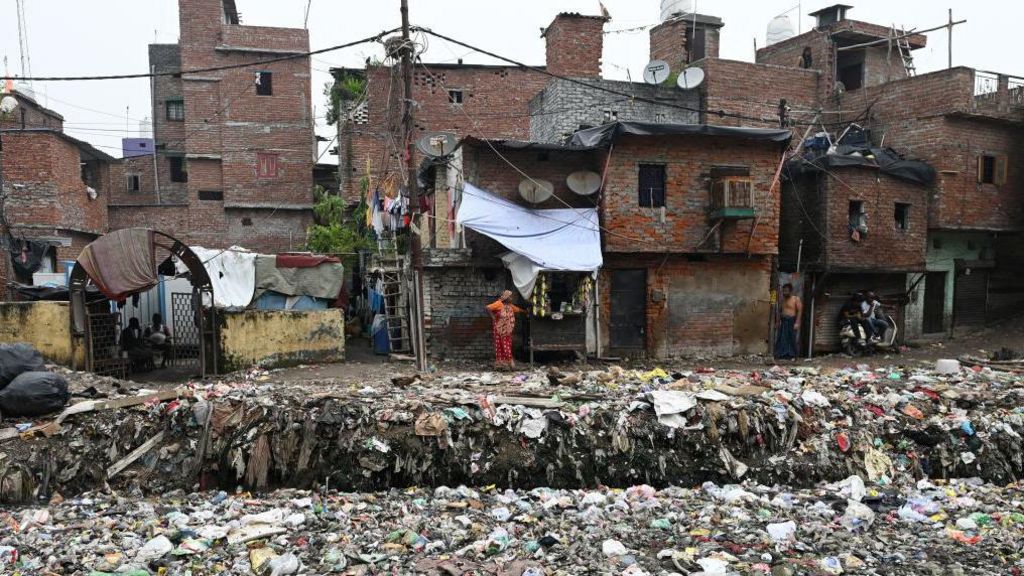
    Despite massive infrastructure investments and rapid GDP growth, India’s major metropolitan centers continue grappling with severe urban decay that threatens their livability. Cities like Jaipur, Bengaluru, Mumbai, and Delhi—despite their economic significance and historical heritage—face overwhelming challenges including traffic gridlock, toxic air pollution, inadequate waste management, and crumbling infrastructure.

    The contrast between India’s economic progress and urban deterioration presents a puzzling paradox. While the Modi administration has prioritized state-funded infrastructure projects—resulting in modern airports, expanded highway networks, and new metro systems—these developments have failed to translate into improved urban living conditions. Bengaluru’s tech billionaires and ordinary citizens alike have publicly expressed frustration with perpetual traffic snarls and garbage accumulation. Mumbai residents have staged unusual protests against dangerous potholes and sewage overflows, while Delhi’s winter air quality regularly reaches hazardous levels, prompting medical advisories for vulnerable populations.

    Experts identify flawed governance structures as the fundamental cause of India’s urban crisis. Constitutional frameworks established decades ago never anticipated the massive scale of contemporary urbanization, leaving cities without adequate autonomous authority. Infrastructure specialist Vinayak Chatterjee notes that while the 1992 constitutional amendment theoretically empowered local bodies, implementation remains incomplete due to resistance from state-level bureaucracies and political interests.

    This governance deficit stands in stark contrast to China’s urban management model, where city mayors exercise substantial executive powers over planning and development, with clear performance incentives and accountability mechanisms. Indian cities, by comparison, suffer from emaciated local governments lacking revenue-raising authority and appointment powers.

    The problem extends beyond governance to basic data deficiencies. With the last census conducted over fifteen years ago and the next delayed until 2026, urban planners operate without current information on urbanization patterns and demographics. This data vacuum compounds existing challenges in addressing sanitation, transportation, and environmental issues.

    Some experts suggest that only a crisis comparable to London’s 1858 ‘Great Stink’—which prompted comprehensive sewer system reforms—will generate sufficient political will to address India’s urban decay. Until then, cities continue deteriorating despite economic growth, with their glorious architectural heritage increasingly overshadowed by urban dysfunction.

  • Catching the hunters trapping rare songbirds in China

    Catching the hunters trapping rare songbirds in China

    In the predawn darkness surrounding Beijing’s sprawling metropolis, a silent war unfolds across the grasslands where migratory birds seek refuge. Silva Gu, a dedicated conservationist, moves with practiced stealth through these urban oases, tracking those who would profit from capturing protected songbirds.

    The illegal trade in songbirds has become an increasingly lucrative enterprise in China, where economic pressures have driven many to seek income through low-risk, high-reward activities. A single Siberian rubythroat can command nearly 2,000 yuan (£210; $280) on the black market—exceeding many farmers’ monthly earnings. This profitability persists despite wildlife protection laws, as fines often fail to outweigh potential profits.

    During critical migration periods, particularly in October when billions of birds travel along major flyways through China, poachers deploy nearly invisible ‘mist nets’ that can trap hundreds of small birds overnight. These nets pose particular danger to protected species like the meadow pipit, an important indicator species whose population health reflects environmental conditions.

    Silva’s journey began in childhood, exploring a very different Beijing in the 1990s—one where grasslands stretched further and wildlife thrived. Witnessing rapid urbanization consume these natural spaces, he dedicated himself to conservation work. Over the past decade, he has personally intervened in countless poaching operations, sometimes facing physical retaliation from wildlife traders.

    His efforts have evolved from solitary patrols to founding the Beijing Migratory Bird Squad, through which he has successfully engaged law enforcement authorities. Initially met with indifference in 2015, Silva’s persistent advocacy has gradually shifted police attitudes. Authorities now recognize that combating wildlife crime often leads to uncovering other criminal activities.

    Despite these advances, challenges remain profound. Cultural traditions dating to the Qing Dynasty, when keeping caged birds symbolized status and elegance, continue primarily among older generations. Many retirees in their 60s and 70s maintain the practice without recognizing its ecological impact or legal implications.

    Silva employs sophisticated tactics against poachers, studying satellite imagery to identify frequently used paths and net placement patterns. He maps these against migratory routes to predict where birds will rest, allowing targeted interventions. His work costs over 100,000 yuan ($14,000) annually, funded primarily through donations that have dwindled amid economic slowdowns.

    Recent developments suggest growing institutional support. China’s Ministry of Public Security has launched campaigns against wildlife trafficking, while state media has emphasized the importance of bird protection for ecosystem health. These changes reflect increasing recognition of conservation needs, though enforcement remains inconsistent.

    Silva’s work demonstrates both the progress and persistent challenges in wildlife protection. While he has directly rescued over 20,000 birds and disrupted countless poaching operations, he acknowledges that lasting change requires generational shift in attitudes toward conservation. Until then, he continues his solitary patrols, striving to restore Beijing’s skies to their former chorus of songbirds.

  • Sidharth Bhatia explores an evolving Mumbai and its communities in his latest book

    Sidharth Bhatia explores an evolving Mumbai and its communities in his latest book

    In his groundbreaking work ‘Mumbai: A Million Islands,’ acclaimed journalist and founding editor of The Wire Sidharth Bhatia presents a penetrating examination of the social consequences of urban development in India’s financial capital. The book serves as both a historical document and contemporary critique, tracing Mumbai’s evolution from its origins as seven merged islands to its current status as a rapidly transforming metropolis.

    Bhatia’s narrative reveals the hidden human toll beneath the glittering surface of Mumbai’s development boom. While skylines rise with luxury high-rises and gated communities, the author uncovers how working-class neighborhoods and traditional ecosystems face systematic erasure. Through meticulous journalism and empathetic storytelling, the work documents the displacement of fisherfolk, mill workers, and informal laborers whose contributions once formed the foundation of the city’s economy.

    The book stands apart from previous romanticized portrayals of Mumbai by focusing on marginalized communities in areas like Behrampada, Dongri, and Mumbra. Bhatia conducts revealing interviews with residents facing spatial and social changes, capturing their determination to maintain dignity amid adversity. He particularly notes how mainstream media’s focus on glamorous development often overlooks these human stories of loss and displacement.

    Addressing the accelerated pace of change over the past decade, Bhatia describes the transformation as ‘a hurricane sweeping everything away.’ The work raises critical questions about urban priorities, asking what truly defines a great city when the absence of whole communities goes unnoticed by privileged classes. The author concludes with Gandhi’s principle that a society’s moral measure lies in how it treats its poorest and most vulnerable members.

    As coastal cities worldwide face climate pressures and growing inequality, Bhatia’s work offers a timely warning about unbalanced urban development. While technology has improved some government services, the fundamental issue of spatial justice remains largely unaddressed in Mumbai’s ongoing metamorphosis.

  • Delhi Police arrest 7 for selling expired food from US, UAE in India

    Delhi Police arrest 7 for selling expired food from US, UAE in India

    Delhi Police’s Crime Branch has dismantled a sophisticated international operation involving the illegal import and distribution of expired food products from the United States, United Arab Emirates, and United Kingdom. Seven individuals have been apprehended in connection with this extensive scam, which defrauded consumers of approximately Rs43 million (Indian Rupees).

    The criminal network specialized in acquiring expired or nearly expired consumable goods from Mumbai-based wholesalers. These products, bearing internationally recognized brands including Nescafe, Lays, Oreo, Lipton, Starbucks, and Kewpie, underwent systematic reprocessing at a concealed facility. The operation involved sophisticated manipulation techniques including expiration date alteration, product repackaging, and generation of counterfeit barcodes to conceal the items’ true age and origin.

    Law enforcement authorities uncovered the entire adulteration setup during coordinated raids in Delhi’s wholesale district of Sadar Bazar, specifically targeting locations in Pahari Dheeraj and Faiz Ganj. The seized evidence included specialized equipment for repackaging operations and a fake barcode printer used to mislabel products. The compromised items spanned multiple food categories including infant nutrition products, chocolate confectioneries, beverages, condiments, and snack foods.

    The investigation revealed that these manipulated products were strategically channeled to premium grocery retailers across India, targeting discerning consumers who trusted established international brands. This case highlights significant vulnerabilities in food import verification processes and distribution networks, raising serious concerns about public health safeguards and regulatory oversight in India’s food supply chain.