分类: society

  • Cannabis worth over €515k seized at Dublin Airport

    Cannabis worth over €515k seized at Dublin Airport

    In a major drug interdiction operation at Ireland’s Dublin Airport, customs and revenue officials have seized a shipment of cannabis valued at more than €515,000 (£449,235), leading to the arrest of a man in his 20s connected to the contraband.

    The seizure unfolded on Friday, after officers targeted the baggage of an incoming passenger who had traveled to the Irish capital from Toronto, Canada. A physical search of the passenger’s checked luggage revealed the cannabis, which had been carefully hidden inside multiple vacuum-sealed packages to evade detection.
    Following the recovery of the drugs, the man was taken into custody by Gardaí, Ireland’s national police service, and is currently being held at a Dublin-area police station for interrogation. As of the latest update from law enforcement, official investigations into the suspected drug trafficking operation remain active, with officers working to trace the full network behind the smuggling attempt.

  • A cargo train hits a public bus at a Bangkok rail crossing, killing at least 8

    A cargo train hits a public bus at a Bangkok rail crossing, killing at least 8

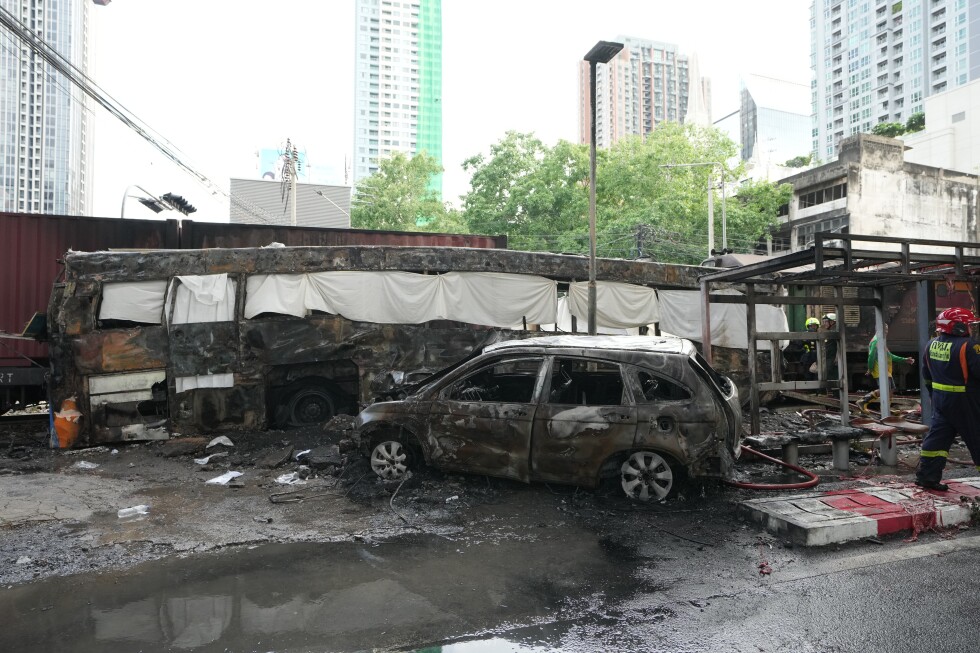
    A devastating collision between a cargo train and a public passenger bus left at least eight people dead and more than 20 others injured in the heart of Thailand’s capital Bangkok on Saturday, according to emergency response officials.

    The accident unfolded in the late afternoon hours in close proximity to an airport rail link station, a high-traffic transportation hub in Bangkok’s central district, local Thai media outlets reported. Erawan Medical Center, the city’s lead emergency services coordination body, confirmed the casualty count in an official update shortly after the crash.

    Graphic user-generated footage of the incident, widely circulated across social media platforms, captures the sequence of the collision. The video shows a queue of vehicles waiting at a level railway crossing when an incoming cargo train slammed into the front end of an orange public bus. The sheer force of the impact dragged multiple adjacent stopped vehicles along the railway tracks before the bus was completely engulfed in large flames. Several motorcyclists waiting at the crossing were thrown from their bikes onto the adjacent roadway by the collision’s force, according to the footage.

    Subsequent videos posted to social media show a team of emergency rescue personnel entering the burned-out husk of the bus after firefighters brought the blaze under control, as first responders worked to clear the scene and account for all casualties.

  • Man killed by 13ft great white shark in Western Australia

    Man killed by 13ft great white shark in Western Australia

    A devastating fatal shark attack has shaken Western Australia, after a 4-meter great white shark killed a 38-year-old man at a popular recreational marine site off the state’s coast. Local law enforcement confirmed that the bite occurred shortly before 10 a.m. local time on Saturday, which translates to 3 a.m. British Summer Time, at Horseshoe Reef. This location sits northwest of Rottnest Island, a top tourist draw near Perth famed for its pristine white sand beaches and world-renowned surf breaks.

    Local public broadcaster ABC shared details of the immediate emergency response, releasing aerial footage that shows first responders rushing the injured man back to shore by private vessel. Emergency medical teams and police carried out cardiopulmonary resuscitation (CPR) on the man at Geordie Bay’s jetty in a desperate attempt to save his life. In a formal statement confirming the tragedy, a police spokesperson said, “Sadly the man was unable to be revived.”

    Western Australia’s Department of Primary Industries and Regional Development confirmed to AFP that it had received official confirmation the attack was carried out by a great white shark. In the wake of the incident, the department issued a urgent public advisory urging all water users to exercise “additional caution” when entering the ocean along the entire stretch of coast surrounding the attack site.

    This event marks the first fatal shark attack recorded in Western Australia since March 2023, when a surfer was killed in a mauling at a remote outback beach. Australia has one of the highest rates of documented shark interactions globally: official records dating back to 1791 show nearly 1,300 confirmed shark attacks across the country, with more than 260 of those incidents ending in a fatality.

    Just earlier this year, in January, the east coast state of New South Wales saw a sharp spike in shark incidents, with four separate attacks reported across its coastline over just a 48-hour period. One of those victims was 12-year-old Nico Antic, who was attacked by a suspected bull shark after jumping from a rock outcrop into Sydney Harbour. The young boy died from his injuries a week after the attack, leaving his family devastated. In a joint statement released after his passing, his parents said they were utterly “heartbroken” by their loss.

  • Tragic details emerge as couple found dead together at home

    Tragic details emerge as couple found dead together at home

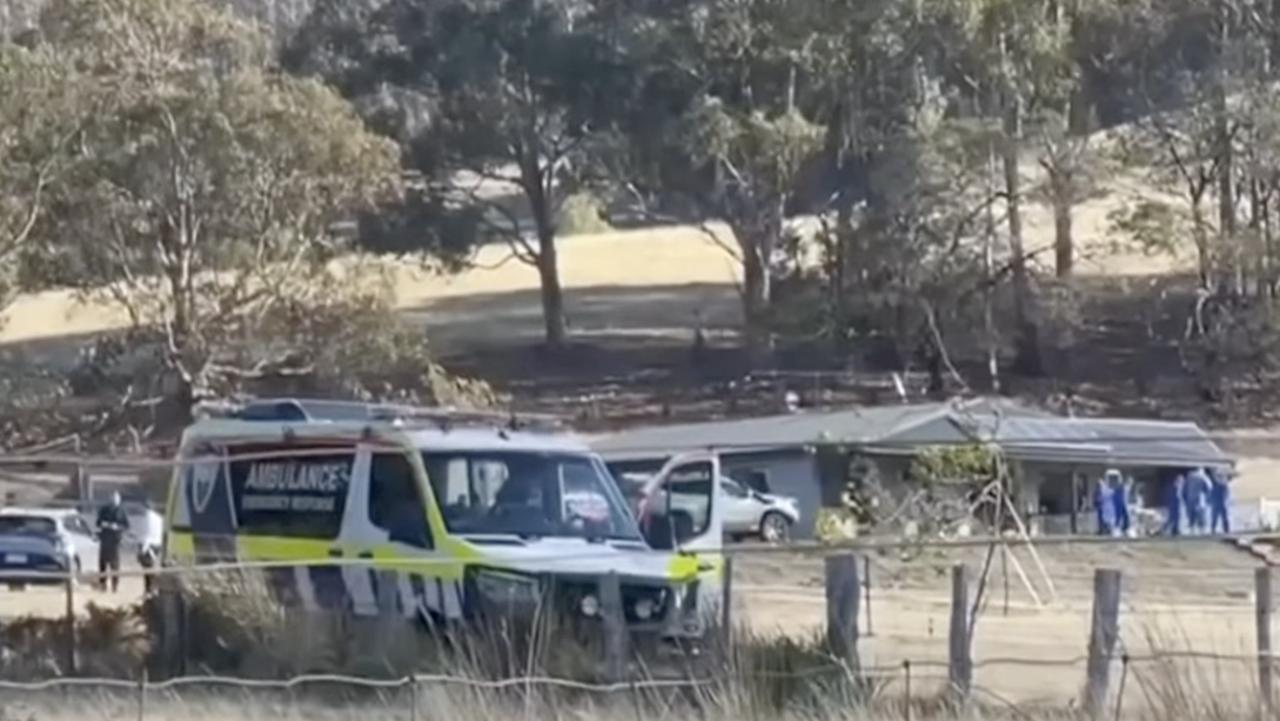
    A quiet, tight-knit rural community in southern Tasmania is reeling from an unfathomable tragedy this week, after the bodies of an elderly married couple were discovered at their remote property in what investigators have classified as a murder-suicide linked to family violence.

    Emergency response teams were dispatched to the residence on Native Corners Road in Campania, a township of just 1,000 residents located roughly 40 minutes’ drive north of the state capital Hobart, early Friday morning. The call for assistance came after the dead male victim reached out to a close relative, who immediately alerted state police to the unfolding emergency.

    Speaking to media following the discovery, Tasmania Police Detective Inspector David Gill outlined the preliminary findings of the ongoing investigation. “A male person appears to have ended his own life and the female resident received injuries causing her death,” Gill stated. “Investigations thus far have indicated that it is a family violence case and we are treating this as a murder-suicide.”

    Autopsy and timeline assessments suggest the deaths took place shortly after the initial alert was placed to emergency services, Gill confirmed. Both victims, confirmed to be the couple who owned the property, are in their 60s. In a striking detail that has deepened the shock across the community, Gill added that the pair had no prior contact with law enforcement and were not known to police for any incidents before the tragedy.

    The detective also acknowledged the heavy toll the incident has taken on first responders, describing the scene inside the home as “extremely confronting” for the officers and paramedics who first arrived at the property. A major crime scene designation was put in place immediately after the bodies were found, to allow for forensic examination of the site.

    Out of respect for the couple’s surviving family, Gill declined to release further specific details about the incident or the victims. Investigators are now asking any members of the public who have information relevant to the case that they have not yet shared with police to contact the Tasmania Police non-emergency line on 131 444, referencing incident number ESCAD 114-15052026 to assist with the ongoing probe.

  • Crackdown on cross-border drug crimes intensified

    Crackdown on cross-border drug crimes intensified

    China has significantly strengthened its law enforcement campaign against cross-border illegal trafficking of drug-manufacturing substances and other sensitive chemicals, China’s Ministry of Public Security announced in an official statement released Friday. Since the start of 2025, authorities have resolved 29 criminal cases linked to this illegal trade and taken 157 suspects into custody.

    Along with the arrests and case closures, law enforcement seizures have been substantial: authorities have confiscated 720 kilograms of illegal drugs, 1.3 metric tons of new psychoactive substances, 0.9 kilogram of stimulants, and 27.7 tons of uncontrolled precursor chemicals — materials that can be repurposed to produce illicit controlled drugs.

    The China National Narcotics Control Commission (CNNCC) has repeatedly issued public warnings to domestic enterprises and individuals, urging them to exercise extreme caution when exporting drug-making substances, new psychoactive substances, and related chemical products to overseas markets, and to remain alert to potential legal risks under foreign jurisdictions.

    In a formal notice issued November 10 last year, the CNNCC’s office mandated that all chemical exporters verify that their overseas buyers complete all required import procedures in compliance with local laws and regulations. This requirement applies specifically to unlisted precursor chemicals and production equipment, which have widespread legitimate industrial uses but can also be diverted to manufacture illegal controlled substances.

    The notice outlined a series of new regulatory requirements for domestic stakeholders. All companies engaged in the production, sale, transportation, import, and export of these sensitive chemicals and related equipment are required to strengthen internal compliance systems, maintain complete and accurate transaction records, and conduct strict background and identity verification for all overseas purchasers.

    Domestic operators have also been warned to watch for illegal recruitment tactics, which often disguise criminal requests as high-value commercial orders or legitimate sample testing requests. Postal services, courier companies, logistics providers, and international freight forwarders have been called on to strengthen screening protocols and assist authorities in intercepting illegal shipments.

    New tighter rules for online information dissemination have also been introduced. Private individuals are completely banned from posting any sales information for non-pharmaceutical precursor chemicals on public online platforms, while all entities and individuals are prohibited from publishing any public online advertisements for pharmaceutical precursor chemicals. Any party that posts sales information for unlisted drug-making chemicals or related production equipment on websites, social media platforms, or e-commerce marketplaces is required to complete mandatory real-name registration and comply fully with all domestic and international legal requirements.

    This is not the first regulatory warning on the issue: the CNNCC issued similar public notices in November 2023 and May 2024, both of which highlighted the serious legal risks associated with exporting drug-making precursors and new psychoactive substances to overseas markets. Despite these repeated warnings, the Ministry of Public Security noted that some domestic offenders have continued to traffic both controlled and uncontrolled precursors, new psychoactive substances, and other sensitive chemicals abroad, gradually building transnational illegal supply chains that create major global drug-related security risks.

    To counter this growing threat, Chinese public security authorities have launched multiple rounds of targeted special law enforcement operations. These operations focus on breaking up major criminal networks, investigating non-compliant enterprises, and holding illegal actors accountable. Officials noted that the campaign has three core goals: eliminating cross-border drug risks, cleaning up non-compliant activity in the domestic online business environment, and protecting the legitimate, healthy development of China’s overall chemical industry.

    One of the major cases resolved during the recent crackdown was a large-scale cross-border drug manufacturing and trafficking ring led by a suspect surnamed Tang, which was uncovered by police in December 2025. In this operation alone, authorities arrested 21 suspects, seized nearly 32 kilograms of illegal drugs, 1 ton of new psychoactive substances, and 15.4 tons of raw drug-making materials. Law enforcement also dismantled one illegal drug production facility and one unauthorized precursor chemical production site, froze approximately 6.92 million yuan ($1 million) in illicit funds linked to the ring, and imposed administrative penalties on three domestic chemical companies that failed to comply with regulatory requirements.

    Investigations into Tang’s operation revealed that he set up two dedicated websites to advertise sensitive chemicals directly to overseas buyers. After receiving orders, he contracted with chemical manufacturers in multiple domestic regions to develop and supply the controlled chemicals, then smuggled the products overseas via complicit international freight forwarding companies, and accepted payment via untraceable virtual currencies to avoid detection. In January 2026, Tang and a second key ringleader, surnamed Chen, were formally arrested on charges of smuggling, trafficking, transporting, and manufacturing illegal drugs.

    In closing, the Ministry of Public Security emphasized that all Chinese enterprises and individuals must strictly comply with domestic and international laws and regulations when conducting cross-border business. It reiterated the importance of proactively guarding against overseas legal risks, to protect both the legitimate rights and interests of Chinese companies and citizens, and global public safety by curbing the transnational drug trade.

  • Looksmaxxing influencer Clavicular reaches deal in alligator shooting case

    Looksmaxxing influencer Clavicular reaches deal in alligator shooting case

    A rising controversial social media influencer who helped spread the viral “looksmaxxing” trend has avoided jail time after accepting a plea deal in connection to a widely debated alligator shooting broadcast live online. Braden Eric Peters, 20, who goes by the online alias Clavicular, entered a no contest plea to a charge of unlawful firearm discharge at a Florida wildlife sanctuary during a March incident, according to court filings from Friday. The incident that triggered the charges unfolded on March 26, when Peters went live from an airboat in the Everglades Wildlife Management Area, located west of Miami. Footage captured during the livestream shows multiple gunshots being fired into the swamp waters of the conservation area, with online observers alleging the shots were aimed at an alligator. Within hours of the stream circulating online, the Florida Fish and Wildlife Conservation Commission confirmed it had opened an investigation into the video showing multiple people on an airboat appearing to fire at a reptile in the protected Everglades ecosystem. Peters was not the only influencer charged in the case. Fellow online personality Andrew Morales, who is known to his followers as “The Cuban Tarzan”, also entered a no contest plea and received an identical sentencing deal to Peters. A third influencer involved in the outing, Yabdiel Anibal Cotto Torres, who uses the online name “Baby Alien”, is scheduled to enter his formal plea in the case on May 20. Under the terms of the plea agreement reached with state prosecutors, Peters will serve six months of probation. Court officials added that the charge will be completely expunged from his criminal record if he successfully meets all the agreement’s requirements: completion of state-approved firearms and wildlife safety training courses, and 20 hours of court-ordered community service that is explicitly banned from being streamed online or monetized for content. Peters’ legal representation has emphasized that his client has taken accountability for his actions. In an official statement provided to the BBC, defense attorney Jeffrey Neiman said the negotiated plea deal fairly reflects the context and details of the March incident. “He is committed to moving forward responsibly and ensuring nothing like this occurs again,” Neiman said, adding that his legal team appreciated the professional handling of the case by the Florida state prosecution and the court. Prior to the final resolution of the case, Neiman had noted that Peters was following directions provided by a licensed airboat guide during the Everglades outing, and confirmed that no people or animals were harmed in the incident despite the unlawful discharge of the weapon. Peters rose to online fame for popularizing the so-called “looksmaxxing” trend, a online subculture where creators document extreme, often controversial lifestyle and cosmetic changes they make to improve their physical appearance, amassing hundreds of thousands of followers across major social platforms for the content.

  • US federal watchdog sues Chick-fil-A operator for religious discrimination

    US federal watchdog sues Chick-fil-A operator for religious discrimination

    A federal workplace civil rights agency has brought a lawsuit against a Texas-based Chick-fil-A franchise operator, accusing the company of unlawful religious discrimination after it fired a manager who requested Saturdays off for her religious Sabbath observance. The United States Equal Employment Opportunity Commission, the independent federal body tasked with enforcing anti-discrimination laws in US workplaces, announced the legal action against Hatch Trick Inc. in an official press statement.

    The affected employee, a member of the United Church of God which recognizes the Sabbath as falling on Saturday rather than the more common Sunday observance held by most Christian denominations, first made her request for Saturday scheduling accommodation during her initial job interview in August 2023, the EEOC alleges. For the first several months of her employment as a delivery operations manager at the Austin, Texas Chick-fil-A location owned by Hatch Trick, the franchisee honored the request, with the employee working 45 to 50 hours weekly across Monday to Friday, plus occasional additional shifts on Sunday. That changed in February 2024, when management reversed course and ordered the woman to begin working Saturdays, according to the commission’s court filing.

    When the employee reaffirmed her need for religious accommodation and refused the new scheduling requirement, company leadership informed her that she could not retain her higher-paying managerial role if she could not work Saturdays, the lawsuit claims. Instead, Hatch Trick offered her a demotion to an entry-level delivery driver position, which came with reduced hourly wages, fewer benefits, and shorter scheduled hours. The worker offered multiple alternative reasonable accommodations to keep her management role, including arranging for a trained driver to fill her dispatch duties on Saturdays and adjusting her schedule to only work after sundown on the Sabbath. After she rejected the demotion offer, the franchisee terminated her employment, the EEOC found.

    “Religious discrimination in the workplace is unlawful, and employers must make reasonable accommodations for employees’ sincerely held beliefs,” said Norma Guzman, director of the EEOC’s San Antonio Field Office, in a statement accompanying the lawsuit filing.

    The case draws a particular note of irony from Chick-fil-A’s own well-known corporate policy of closing all locations on Sundays specifically to allow staff to observe the Sabbath if they wish. The company’s official website states that Sunday closing gives employees time “to rest, enjoy time with their families and loved ones or worship if they choose.”

    When contacted for comment by the BBC, corporate Chick-fil-A declined to provide a statement, but told ABC News affiliate KVUE that as a franchise system, all individual hiring and employment decisions are the exclusive responsibility of independent restaurant owners. The BBC has also reached out to Hatch Trick Inc. for a response to the EEOC’s allegations, and had not received a reply as of reporting.

  • Alleged murder of Aboriginal girl highlights Australia’s deep inequalities

    Alleged murder of Aboriginal girl highlights Australia’s deep inequalities

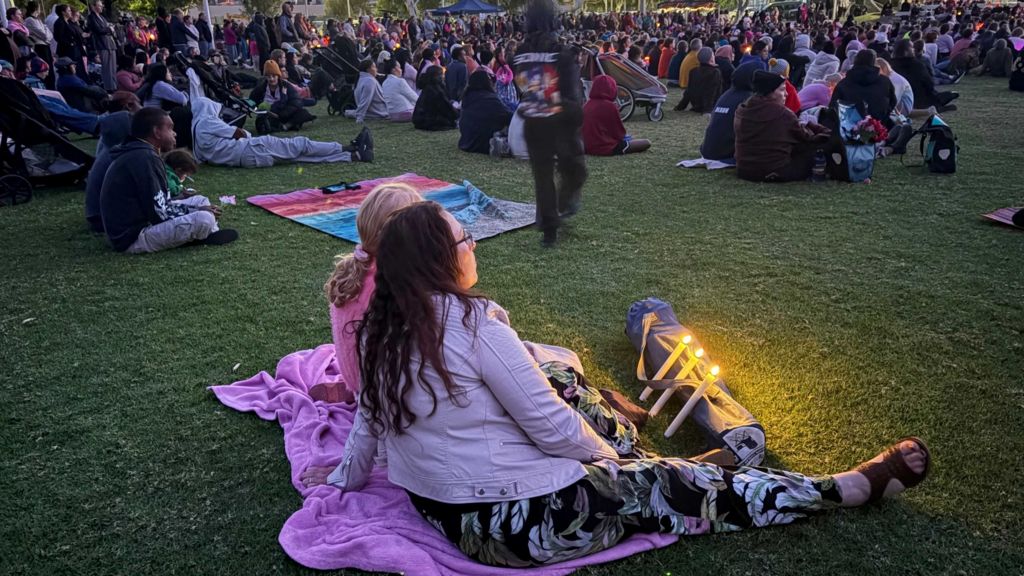
    In the dry, remote outback of Australia’s Northern Territory, a growing pile of flowers, handwritten sympathy notes, and soft cuddly toys has accumulated on the chain-link fence marking the entrance to Old Timers town camp, known locally as Ilyperenye. This impromptu memorial honors 5-year-old Kumanjayi Little Baby, a Warlpiri Indigenous girl who disappeared from her community in April and was found dead five days later. An Aboriginal man has since been charged with her murder, and the tragedy has rippled across the nation, sparking collective grief, widespread public outrage, and urgent demands to address long-buried systemic inequalities facing Indigenous Australian communities.

    Residents of Alice Springs, the small nearby town with a population of less than 30,000, describe a community frozen in grief. Many local residents joined the frantic search for Kumanjayi in the days after her disappearance. “The whole community is numb,” one mourner shared, a sentiment echoed across the region. Alice Springs Mayor Asta Hill notes that even in the depths of this tragedy, the crisis has drawn the tight-knit region closer: “In some ways you could say we’ve actually seen some of the best of the community in the absolute worst of times.” What began as a local loss has quickly become a national moment of reckoning: condolence motions have passed through federal parliament, Prime Minister Anthony Albanese has publicly acknowledged the heartbreak of the tragedy, saying “it breaks your heart,” and vigils have been held from Alice Springs to capital cities across the country.

    In a statement shared at an Alice Springs vigil, Kumanjayi’s mother described her young daughter as a beloved “princess.” The 5-year-old loved cartoons and computer games, adored spending time with her older brother, and was eagerly looking forward to starting primary school. “My heart is broken into a million pieces,” she wrote. “I want you to know that I am having trouble knowing how I can repair it and how I can live without my little baby.”

    Kumanjayi disappeared from Old Timers town camp, one of 16 informal Indigenous settlements scattered around Alice Springs. The story of these camps stretches back to the 1880s, when European colonisers displaced Aboriginal people from their traditional lands, forcing them to settle on the outskirts of the growing town. For decades until the 1960s, Aboriginal people were even barred from entering the majority-white town centre. The camps were only formalised as social housing in the 1970s, after residents pushed for basic access to electricity, clean running water, and permanent shelter. Today, the camps remain chronically underfunded: overcrowding is widespread, there are no local grocery stores, frequent power outages disrupt daily life in the desert heat, public transport is limited, internet access is scarce, and unpaved, poorly maintained roads lack basic street lighting. Public health researchers warn that this entrenched poverty fuels higher rates of alcohol misuse and domestic violence in the camps, creating constant pressure for resident families.

    Nina Lansbury, an associate professor at the University of Queensland who researches public health and housing in the Northern Territory, attended a local vigil for Kumanjayi and says the conditions that put the young girl at risk are nothing new. “I have a report from 1978 that I use in my research that’s from the Northern Territory that was citing all these same things – coming up to 50 years. It’s a big issue, it’s 2026 and this is still happening. Let’s hope this is a turning point,” she said, noting that Kumanjayi was never raised in a home environment that supported her family’s health and safety.

    Since Kumanjayi’s death, her community has entered “sorry business,” a traditional period of cultural mourning for Aboriginal and Torres Strait Islander peoples that can last for days, weeks, or even months, involving cultural ceremonies and practices. Her family has requested that her death be treated with respect and not exploited for political gain, but the tragedy has nonetheless forced a national reckoning with decades of policy failure that have left Indigenous children disproportionately vulnerable.

    Indigenous Australians currently experience stark systemic inequities: they are three times more likely to face unemployment than non-Indigenous Australians, have a significantly lower life expectancy, make up 37% of the national prison population despite accounting for just 3% of the total population, and face higher rates of both experiencing and perpetrating family violence. Prime Minister Albanese acknowledged this legacy of failure in parliament, admitting: “The simple truth is that all governments of all persuasions over generations have not done enough to deal with what are generational challenges.”

    This legacy stretches back more than a century, through policies that targeted Indigenous families and children. The most infamous is the Stolen Generation, which lasted until the 1970s: tens of thousands of Indigenous children were forcibly removed from their families as part of a brutal assimilation policy, with many placed in institutions or foster care where they suffered abuse and neglect. The 1997 landmark Bringing Them Home report estimated that as many as one in three Indigenous children were taken from their families during this period. More recently, the 2007 Northern Territory Intervention, launched to address child sexual abuse in remote communities, was scrapped after 15 years and widely deemed a failure. Catherine Liddle, CEO of SNAICC – the national peak body representing Aboriginal and Torres Strait Islander children and their families – says the Intervention left lasting intergenerational trauma: “Men stopped bathing babies, they stopped helping out because what they heard was if you do those things, you’re a paedophile and you’re going to get locked up and your children are going to get taken away. There was fear of even going to authorities for innocent reasons because you’re scared that you’re going to be told that you’ve done something wrong.”

    In response to public outcry after Kumanjayi’s death, Northern Territory Child Protection Minister Robyn Cahill has announced a full review of the territory’s child protection system, alongside planned reforms. “I will not be a minister who abandons yet another generation of Territory kids,” Cahill said. “The reality is we have kids in really difficult situations and for a long time people have been paralysed by the fear that they will be accused of [creating another Stolen Generation]. Children deserve to be safe – every single child in our community has a right to expect that.”

    However, peak Indigenous organisations have harshly criticised the proposed review and reforms, warning they risk deepening the existing crisis. In a joint statement, Aboriginal Peak Organisations Northern Territory (APONT) and SNAICC argued the changes threaten to weaken the Aboriginal Child Placement Principle, a critical framework designed to keep Indigenous children connected to their family, culture, and community. They warn that weakening this principle would amount to “a race-based attempt to blame Aboriginal families for conditions created by government failure.”

    Indigenous leaders are calling for a holistic, community-led approach to address the deep-rooted social inequalities that put children like Kumanjayi at risk. Liddle points to the overlapping failures of multiple systems: “When you look at the prison system in the Northern Territory, it is nearly always 100% Aboriginal children and nearly every single one of those children came out of the child protection system.” She notes that the Northern Territory lowered the age of criminal responsibility to 10 years old in 2024, a move justified by the government as a child protection measure, despite widespread pushback from doctors, human rights groups, and Indigenous organisations. “It’s like paving a road – it’s like putting down pavers and saying here you are this is going to be your journey and by the way we’re going to lock you up at the age of 10 when something goes wrong,” Liddle said.

    Liddle argues that any meaningful reform must be led by Indigenous communities themselves, not parliaments. “Difficult conversations need to be had – but these should also encompass failures in social policy, housing, the prison system and the justice system,” she said. “Those conversations needed to be led from community because the answers to this sit with community, they don’t sit in parliament. You have to find out what’s actually going on and that will change depending on which community you’re sitting in, what state you’re sitting in. You also need to ensure that you’re investing in the services that we need and investing in the services that were designed by us for us.”

    For many local residents, the tragedy also highlights the need to reframe how Indigenous communities are discussed and supported. Jonathan Hermawan, a vigil attendee, notes that while Kumanjayi was a beloved child who lived in poverty and vulnerability, there is a risk of homogenising and unfairly stereotyping diverse Indigenous communities. “Every system has its failures when you homogenise a group that’s very diverse,” he said. “The notion of Aboriginality is like comparing a white person and saying every white person is affected. We are far more diverse than that, we are far more complex than that.” Across the country, many hope that this national moment of grief will finally translate to lasting, meaningful change that addresses generations of inequity and keeps Indigenous children safe.

  • The balikbayan box: The way Filipino Americans have sent love all the way back home

    The balikbayan box: The way Filipino Americans have sent love all the way back home

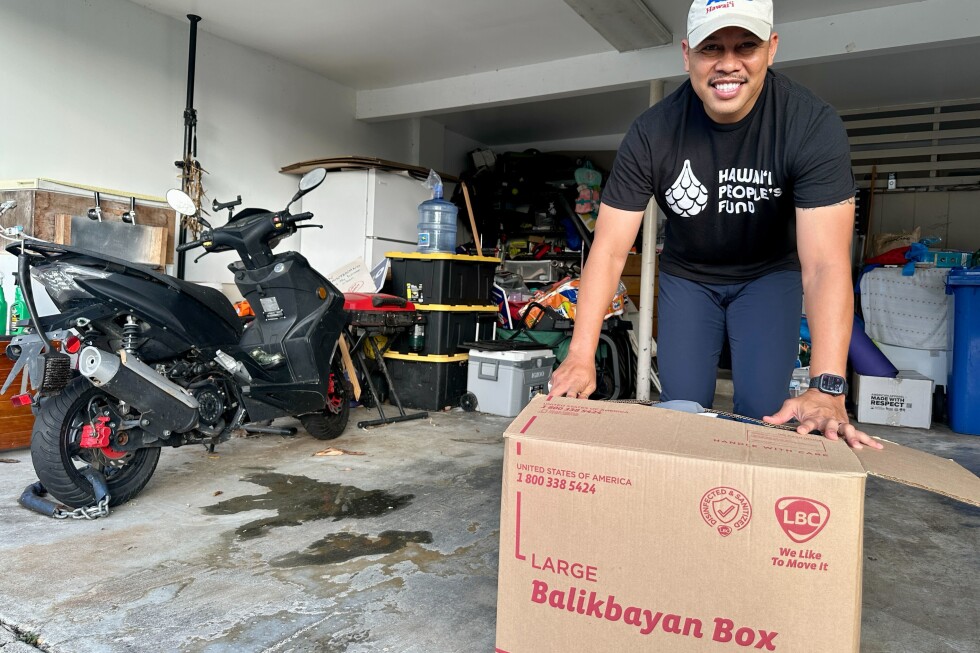
    For nearly five decades, the balikbayan box has stood as one of the most recognizable cultural and emotional touchstones for Filipino communities across the United States, linking millions of immigrant households to their loved ones back in the homeland through carefully packed shipments of American goods. This enduring tradition traces its origins not to grassroots diaspora culture alone, but to a 1973 state-led tourism initiative launched by then-Philippine President Ferdinand Marcos Sr., just one year after he imposed martial law across the country.

  • Created as IDs, dog tags became a crucial link between military families and fallen troops

    Created as IDs, dog tags became a crucial link between military families and fallen troops

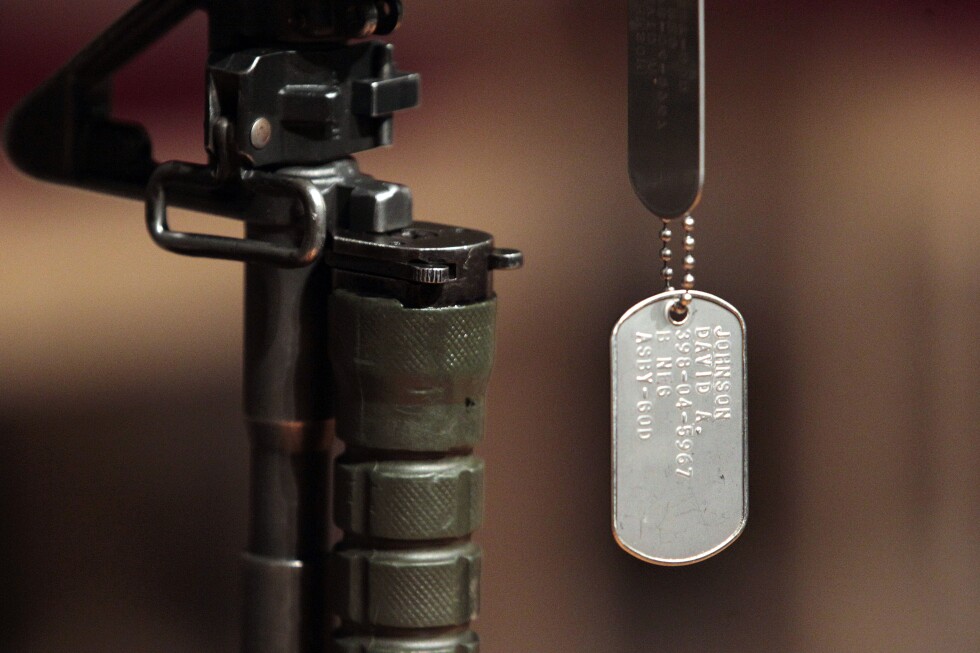
    For grieving military families across the United States, a small pair of worn metal rectangles often holds more weight than any memorial. Many survivors clench these items in their palms, as if they can still feel the hand of the service member they lost gripping back. Even battle-hardened fellow troops have broken down in tears reading the engraved names and details etched into their surfaces.

    More than a century after an Army chaplain first advocated to make these identification tokens – universally known as dog tags – standard issue for all American service members, they have evolved far beyond a practical tool for battlefield identification to become one of the most sacred and tangible links between fallen troops and their loved ones left behind.

    Stationed at Dover Air Force Base, the facility where the remains of U.S. service members killed overseas are repatriated to American soil from conflicts ranging from Afghanistan to recent tensions in the Middle East, Air Force Major and Chaplain Benjamin Quintanilla Jr. has witnessed this connection firsthand. “What families are searching for when they hold these tags is a connection to the person they lost,” Quintanilla explained. “That is what makes these dog tags such a sacred symbol for them.”

    From the brutal trenches of the World Wars to the jungles of Vietnam and decades of ongoing conflict across the Middle East, military dog tags have also stood as a quiet, enduring emblem of the sacrifice American service members have made in global engagements. Even so, Pentagon historians note that the origin of the common term “dog tags” for these identification tokens remains unconfirmed to this day.

    The urgent need for standardized battlefield identification first emerged into public consciousness during the American Civil War, when tens of thousands of troops were buried in unmarked graves as “unknown” soldiers. National Park Service data underscores this gap: at Vicksburg National Cemetery alone, 75% of the 17,000 Union troops interred there are recorded as unknown.

    It was not until the end of the Spanish-American War, the 1898 conflict that cemented the United States’ status as a rising global power, that a formal push for standard issue identification tags began. Serving as morgue director in the Philippines following the conflict, Army Chaplain Charles C. Pierce became the first official to formally request that all Army service members be issued individual identification tags.

    By the time the United States entered World War I, mandatory dog tag wear was required for all combat troops. The small metal tokens were officially integrated as a required part of the standard military uniform by World War II, a policy that remains in place today.

    In the modern era, dramatic advances in forensic science and biometric identification have reduced the historical reliance on dog tags for confirming the identity of fallen service members. Even so, the small tokens still hold critical practical value for military chaplains deployed to combat zones: the standard listing of religious affiliation allows chaplains to deliver appropriate, respectful end-of-life care and funeral rites for dying and fallen troops, according to Quintanilla.

    It is the deep symbolic meaning of connection, however, that makes dog tags irreplaceable for military communities. Surviving family members treasure the dog tags their loved ones wore during their service, as well as the honorary tags placed on fallen troops’ caskets during formal dignified transfer ceremonies. So profound is this attachment that many survivors choose to wear their loved one’s tags daily, or even get permanent tattoos replicating the engraved text.

    For currently serving troops, dog tags also act as the simplest, most immediate marker of shared belonging. Quintanilla, who originally joined the Air Force as a dental technician before becoming a chaplain, explained this bond: “I can trust somebody who is wearing the same identification as me. It’s a reminder that I was part of something bigger than myself.”

    This story is part of *American Objects*, a recurring series marking the 250th anniversary of the founding of the United States that explores the stories of ordinary objects that shaped the nation’s history.