分类: society

  • Foreign tourists are falling out of love with Goa – here’s why

    Foreign tourists are falling out of love with Goa – here’s why

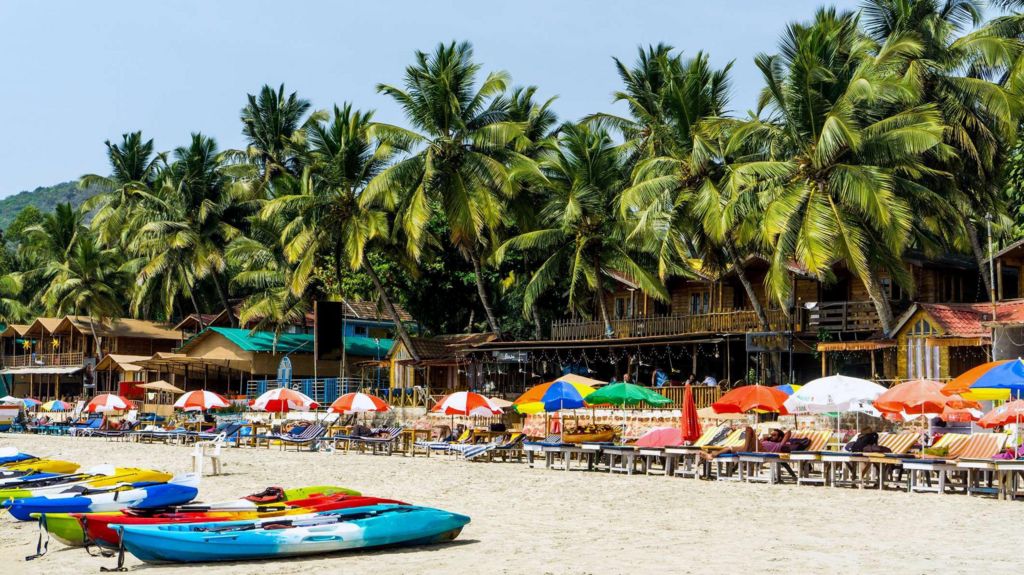
    On a blazing midday at crescent-shaped Palolem Beach, tucked along the southern edge of Goa’s sweeping sun-kissed coastline, crowds still jostle for space on the sand and cool off in the gentle Arabian Sea waves. Beachside food shacks and budget-friendly backpacker hostels that line the bay of India’s self-styled party capital are at full capacity. The biggest shift from a decade ago, however, is striking: the crowds of European and Russian travelers that once packed these shoreline villages are nowhere to be found. Today, nearly every visitor is domestic, a visible marker of a dramatic shift in Goa’s decades-old tourism economy.

    Official data from Goa’s state tourism department quantifies this stark divide. In 2017, the state welcomed nearly 900,000 international tourists, a pre-pandemic peak. By 2025, that number has fallen to roughly 500,000 – a drop of nearly 45% that cuts the international visitor count in half. The reverse trend holds for domestic travel: domestic tourist arrivals have surged from 6.8 million in 2016 to more than 10 million in 2024, as growing numbers of travelers from across India turn to Goa for their coastal getaways.

    State officials have cited ongoing global geopolitical volatility as a core headwind slowing international arrivals, but industry insiders and long-time visitors note the decline began well before recent global conflicts. A range of interconnected challenges have eroded Goa’s long-held appeal for international travelers, who have flocked to the state’s laid-back, budget-friendly shores since the hippie movement of the 1960s and 1970s.

    Economic pressure tops the list of barriers. Multiple foreign visitors interviewed by the BBC point to widespread post-pandemic cost-of-living crises across Europe and Russia, combined with spiking airfare driven by global energy instability and Middle East tensions, that have put long-haul trips to Goa out of reach for many. “Some of my friends are choosing Turkey or Egypt over Goa this year because it’s closer to home and cheaper,” explained Sophie, a Russian ballet dancer on her fifth visit to the state. Rico, a regular visitor from Newcastle, United Kingdom, added that most Europeans now prioritize domestic holidays to cut costs.

    Beyond rising travel costs, cumbersome and increasingly expensive visa processes are another major deterrent. Many international travelers blame extended processing wait times and a recent hike in five-year visa fees for pushing them to choose alternative destinations. Ernest Dias, a member of Goa’s tourism advisory committee and owner of a large travel charter firm, notes that rival destinations across South and Southeast Asia – including Sri Lanka and Vietnam – offer convenient on-arrival visas that cater to modern travelers’ preference for spontaneous, last-minute getaways. Just this year, a large Russian charter group canceled a planned Goa trip and rebooked to Vietnam, where inbound travel demand has skyrocketed, Dias confirmed.

    Affordability of accommodation is another key pain point. The boom in domestic tourism and the fast-growing MICE (meetings, incentives, conferences, exhibitions) sector has driven up prices for three- and four-star hotels, pricing out many budget-focused international travelers. Compared to regional competitors like Thailand, Sri Lanka and Vietnam, Goa also has far less supply of low-cost beachfront resorts, where all-inclusive package deals can cost half as much as comparable stays in Goa. The cancellation of a direct Air India route between London Gatwick and Goa has compounded these issues, forcing many European travelers to arrange inconvenient layovers in Mumbai that detract from their trip experience.

    Infrastructure and cleanliness gaps have also pushed visitors away. While the state government has increased efforts to clear litter from Goa’s beaches, many access roads remain blighted by uncollected garbage – an unwelcome sight for international travelers who prioritize high cleanliness standards. Prohibitively expensive taxi fares, driven by local union opposition to app-based ride-hailing services that would offer transparent, competitive pricing, create another persistent headache for visitors. “It’s like living in the Stone Age,” Dias noted, explaining that travelers cannot book rides through popular apps due to aggressive pushback from local taxi associations.

    These challenges have hit Goa’s tourism-dependent local economy hard. Shervyn Lobo, who operates a 100-room hotel near popular Baga Beach, reports international footfall has dropped by at least 10% at his property. While strong domestic demand has offset revenue losses, international travelers are far more valuable to local businesses: they typically stay longer, fill hotel rooms during off-peak periods, and spend more on local excursions, motorbike rentals and meals at independent beach shacks, unlike many domestic travelers who opt for all-inclusive package deals. This shift means the drop in international visitors ripples through the entire local tourism ecosystem, from small street vendors to activity operators.

    State officials have acknowledged the problem after years of inaction, and have launched new efforts to win back international travelers. The tourism department is hosting international promotional road shows in emerging source markets, with recent events in Poland and upcoming outreach across Scandinavia. Officials are also targeting new non-European source markets in Asia and Africa to diversify Goa’s international visitor base. Even so, the challenge is steep: as regional competitors offer cheaper, cleaner, and more traveler-friendly experiences, Goa will need to enact major reforms to reclaim its status as a top global budget beach destination and win back the international travelers that built its global reputation.
  • Two dead and four injured in crash in Donegal

    Two dead and four injured in crash in Donegal

    A serious road traffic collision in the west of Ireland’s County Donegal has left two men dead and four other people injured, after a crash between two vehicles on Saturday afternoon. The tragedy unfolded just after 2:00 PM local time on the N15, a key arterial route connecting the towns of Donegal and Ballybofey, at the Birchhill stretch of the highway. The two victims, one man in his 20s and a second man in his 30s, were both occupants of the same vehicle. Emergency responders arriving at the scene pronounced both men dead shortly after the incident. Four additional people involved in the collision sustained non-life-threatening injuries, according to initial updates from Irish law enforcement. The injured group comprises two pairs: a young man and woman in their 20s, and an adult man and woman in their 40s. All four have been transported to Letterkenny University Hospital to receive ongoing medical care for their wounds. In the immediate aftermath of the crash, An Garda Síochána, Ireland’s national police service, confirmed that it has launched a full investigation into the cause of the incident. Forensic and collision investigation teams have carried out a detailed forensic examination of the crash site, and the entire N15 route through Birchhill remains closed to all traffic to preserve evidence while the investigation proceeds. Police have issued a public appeal for any witnesses who were traveling through the area at the time of the collision to come forward with information. Investigators are particularly eager to review dash-cam footage captured by any drivers who passed the location shortly before or after the crash, which could provide critical context for determining the sequence of events that led to the fatal incident.

  • Eagle-eyed motorists helping NSW clampdown on unfair fuel pricing

    Eagle-eyed motorists helping NSW clampdown on unfair fuel pricing

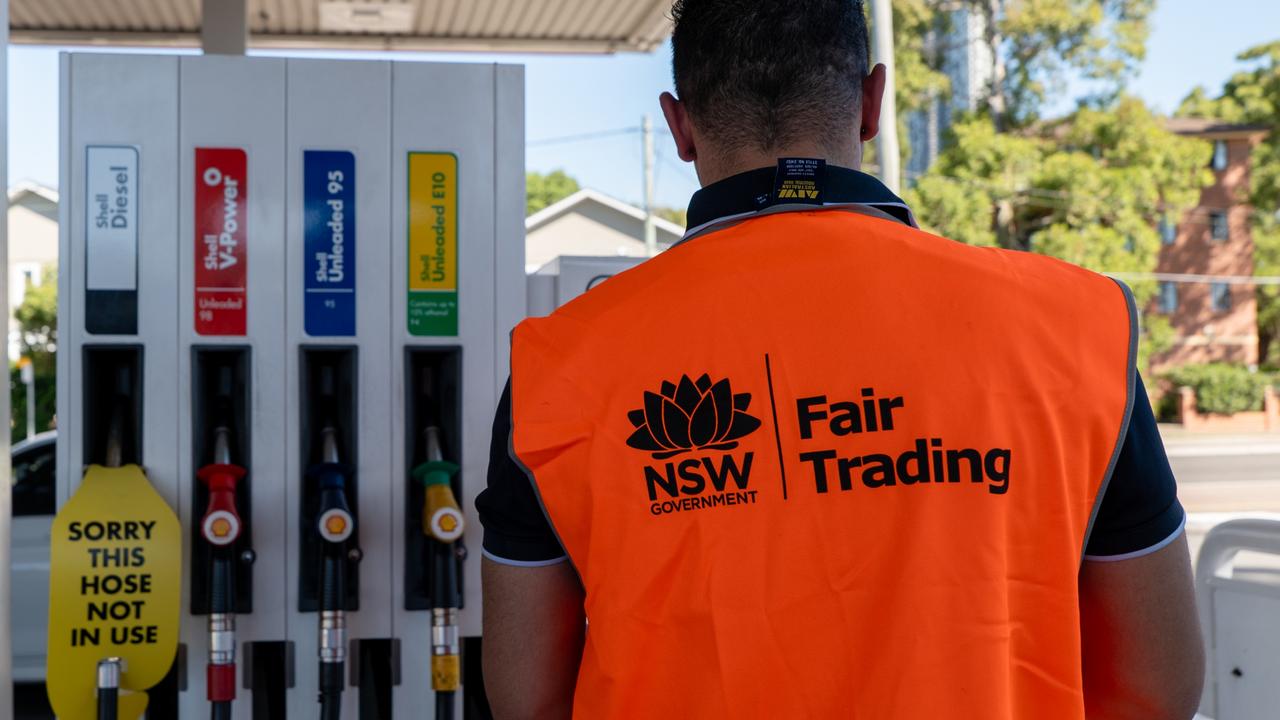
    A sweeping compliance crackdown on deceptive fuel pricing in New South Wales (NSW), Australia, has uncovered a stark pattern: regional service stations account for a disproportionate majority of penalties for violating state pricing transparency rules, with public tip-offs playing a key role in catching offending operators.\n\nLaunched by the NSW government, the FuelCheck initiative was designed to empower motorists by giving them real-time access to up-to-date fuel price data across the state. Under the scheme, all service station operators are legally required to update and submit accurate pricing information to the platform, which must match the actual rates charged to customers at the pump. Operators found to misrepresent their prices face official fines for non-compliance.\n\nNewly released data from NSW Fair Trading shows that to date, inspectors have completed more than 4,600 on-site inspections and follow-up reinspections across the state, resulting in more than 270 fines for pricing mismatches. Nearly one-third of these penalties came from tips submitted by vigilant motorists who noticed discrepancies between the prices listed on FuelCheck and the actual charges they faced at the bowser.\n\nOfficials note that public participation has been a transformative asset to the enforcement effort. “FuelCheck is a crucial tool that puts power back in the hands of motorists,” said Natasha Mann, Commissioner of NSW Fair Trading. “Our inspectors have been working around the clock in every corner of the state checking for compliance in petrol stations to stamp out price mismatches.”\n\nThe data reveals a clear gap between compliance rates in metropolitan and regional areas: while roughly the same number of inspections have been carried out in Sydney and rural NSW, 70 percent of all fines have been issued to regional operators, meaning non-compliance is far more common outside the capital. One service station in the state’s Murray region was even found to have a 24-cent per litre difference between the price it reported to FuelCheck and the actual rate charged to drivers, a significant overcharge for consumers.\n\nAmong all regional regions, the Southern Tablelands and South Coast recorded the highest number of violations, with 33 total fines for pricing mismatches. The Riverina followed closely with 30 penalties, while the Central West notched 21 fines. Repeat offenders have also been identified across multiple locations, including Cooma, Lismore, Kelso, Newcastle, Goulburn and Port Kembla.\n\nNSW Fair Trading Minister Anoulack Chanthivong emphasized the state government’s commitment to protecting motorists from deceptive pricing practices, noting that fair pricing for fuel relies on transparency and honest behavior from operators. “The sheer number of fines issued shows that the Minns Labor government will not back down” on enforcing fair pricing rules, he said. The ongoing compliance effort will continue to pair inspector-led audits with public reporting to root out pricing mismatches across the state.

  • Man drives car into pedestrians in Italy, injuring eight

    Man drives car into pedestrians in Italy, injuring eight

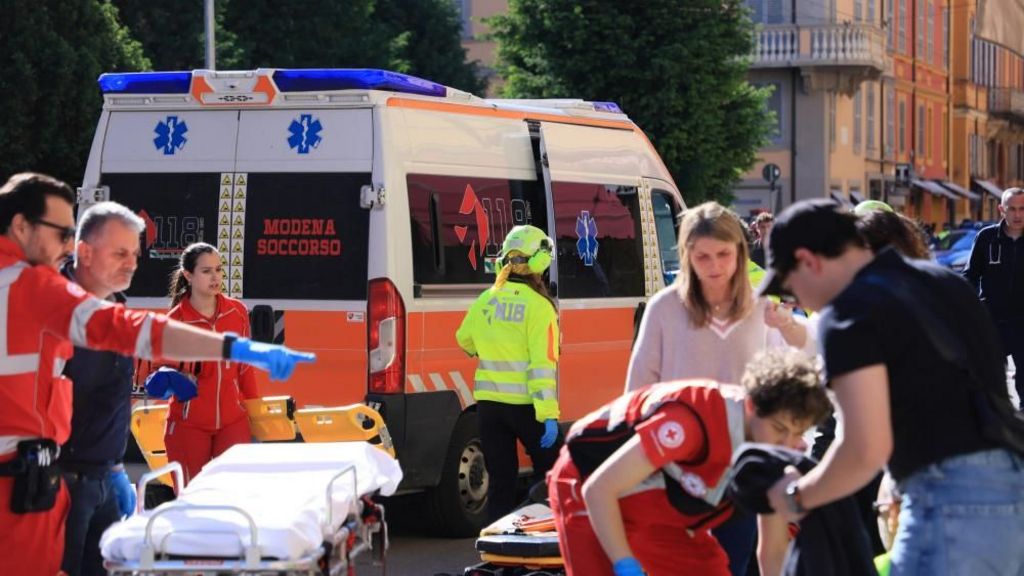
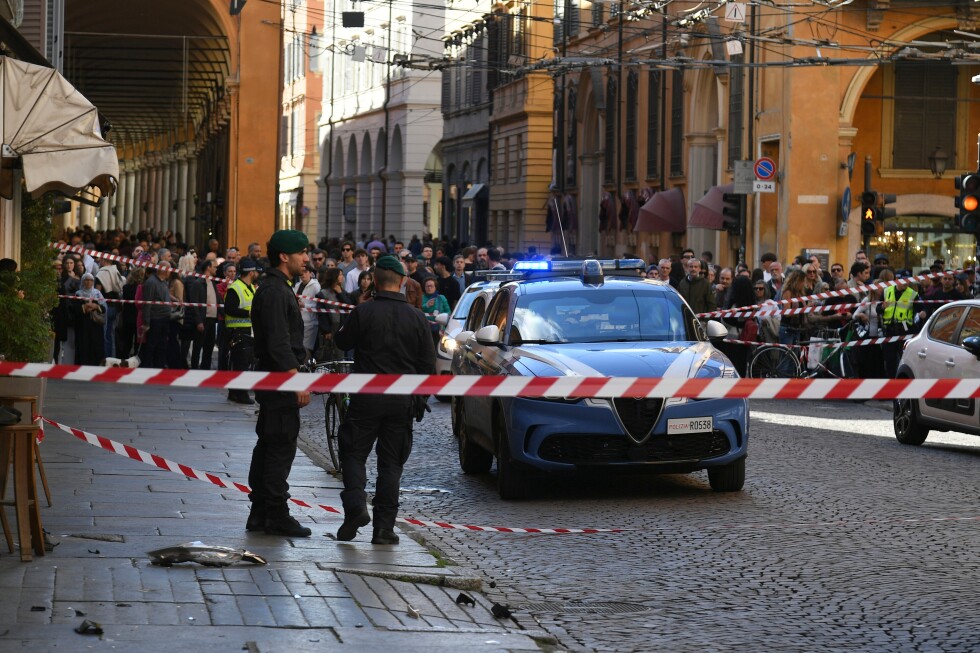
    A shocking violent incident unfolded in the historic northern Italian city of Modena on Thursday, leaving eight people wounded after a man in his 30s deliberately drove his vehicle into pedestrians before launching a stabbing spree, local authorities confirmed. Of those injured, four are in critical condition, including one woman who suffered devastating crushing injuries to both legs, according to initial official reports. The attack unfolded at approximately 16:30 local time, which translates to 14:30 GMT, in the busy central district of Modena, a city located roughly 45 kilometers southeast of Milan.

    Modena Mayor Massimo Mezzetti told reporters that early investigations indicate the driver intentionally veered his speeding car onto a crowded pedestrian sidewalk, striking multiple people before crashing through the glass front of a local shop. After exiting his wrecked vehicle, the suspect pulled out a knife and began threatening and attacking bystanders. One civilian who stepped in to intervene during the chaos suffered only minor injuries, authorities added.

    Quick action from members of the public prevented further harm: eyewitnesses and passersby immediately pursued the suspect after the attack, successfully overpowering and detaining him before turning him over to responding law enforcement officers. Italian Prime Minister Giorgia Meloni issued a statement shortly after the incident, calling the event “extremely serious” and expressing concern over the violence. Mayor Mezzetti echoed the prime minister’s sentiment, noting that the incident would carry even graver implications if investigators confirm the attack was premeditated.

    Officials have confirmed the suspect is an Italian national who was born in Bergamo, a city in northern Italy’s Lombardy region, and has Maghreb ancestry. He has been a resident of the Modena province for an undisclosed period, and local Italian media outlets have already published his full identity following the attack. Law enforcement have not yet released an official motive for the attack, with investigations ongoing as of Thursday evening.

  • Car plows into pedestrians in Italy’s Modena, 8 injured, 4 critically, mayor says

    Car plows into pedestrians in Italy’s Modena, 8 injured, 4 critically, mayor says

    On a regular Saturday in the northern Italian city of Modena, a sudden and shocking incident unfolded that left multiple civilians seriously hurt after a car veered onto a crowded pedestrian sidewalk and struck passersby before crashing into a local shop window. Local authorities confirmed that eight people were hurt in the crash, with four of the victims suffering life-threatening injuries that demanded urgent, advanced medical intervention. No fatalities have been reported as of the latest updates from city officials.

    Modena Mayor Massimo Mezzetti shared detailed accounts of the devastating event with reporters, confirming that one woman was trapped between the out-of-control vehicle and a shop display window, a trauma that left surgeons with no choice but to amputate both of her legs to save her life. The 31-year-old driver, who was born in Bergamo and grew up in Modena’s surrounding province, was quickly taken into custody after civilians nearby intervened to stop him as he attempted to flee the scene. He is currently being held at Modena’s central police headquarters, where investigators are conducting extensive questioning to determine whether he was operating the vehicle while under the influence of alcohol or drugs, or if the incident was a deliberate deliberate act of violence.

    According to Mezzetti’s retelling of the sequence of events, the vehicle pulled onto one of the city’s busiest central thoroughfares before suddenly swerving onto the pedestrian sidewalk, striking multiple people and sending several bodies flying through the air before the car collided with the shop’s glass front. Though witnesses told investigators they saw the driver carrying a knife, he did not succeed in stabbing any bystanders before he was detained. That detail has only deepened the questions surrounding what prompted the incident, with local authorities still working to parse whether the event was premeditated, or stemmed from a medical emergency, substance impairment, or other unintended causes.

    All eight injured victims have been transported to receive care at major hospitals in both Modena and nearby Bologna, with the most critical cases airlifted by emergency helicopter to ensure they received treatment as quickly as possible. Multiple layers of Italian law enforcement and emergency response agencies, including local police, the national carabinieri, and financial police, were dispatched to the scene immediately after the crash. The entire area was cordoned off while first responders provided on-site care to injured people before they were moved to hospitals.

    Italian Prime Minister Giorgia Meloni publicly addressed the incident in a social media statement, calling the event “extremely serious” and offering her official solidarity to all the people harmed in the crash and their families. Meloni extended her gratitude to the civilians who stepped in to stop the driver before police arrived, as well as to the law enforcement and emergency medical teams that responded to the emergency. The prime minister added that she has remained in constant contact with local Modena authorities, and made clear that she expects the full weight of accountability to be applied to the suspect regardless of what investigators uncover about his motives.

    Mayor Mezzetti echoed that sentiment, noting that regardless of the root cause of the incident, it represents an uncommonly severe act of harm against innocent civilians. “If it were an attack, it would be even more serious,” he told reporters, as investigators continue to piece together the full context of what unfolded on Modena’s downtown streets.

  • Rescue diver dies during search for bodies of Italians who drowned in Maldives caves

    Rescue diver dies during search for bodies of Italians who drowned in Maldives caves

    A devastating double tragedy has unfolded off the coast of the Maldives, where a rescue diver has lost his life during operations to recover the remains of five Italian divers who died in an earlier catastrophic scuba incident. The accident, already marked as the deadliest single diving disaster in the history of the popular Indian Ocean tourist destination, has compounded grief on both sides of the continent.

    The first incident unfolded on Thursday morning, when a group of five Italian divers entered the water at Vaavu Atoll, a remote reef system located roughly 100 kilometers south of the Maldivian capital Male. The group never returned to their departure yacht, the Duke of York, prompting an immediate search and rescue operation. Local authorities confirmed that a yellow weather warning for rough sea conditions was already in effect for the area before the divers entered the water.

    Four members of the deceased group are affiliated with the University of Genoa: ecology professor Monica Montefalcone, her daughter Giorgia Sommacal, and two university researchers. The fifth fatality was Gianluca Benedetti, an experienced diving instructor and boat operations manager contracted for the expedition. As of Saturday, just one body has been recovered from a deep cave system located 60 meters below sea level – twice the maximum depth permitted for recreational scuba diving in Maldivian waters, which is capped at 30 meters. Officials say it remains unclear why the group chose to explore the deep, unregulated cave system.

    The 20 other Italian nationals who remained aboard the Duke of York during the dive were unharmed, and are now receiving consular support from the Italian Embassy in Colombo, Sri Lanka.

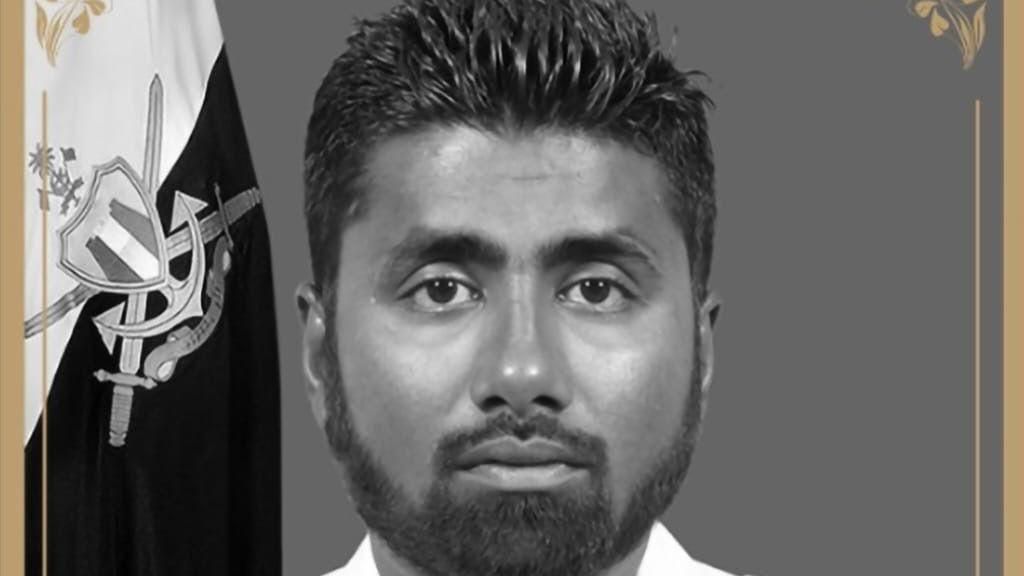
    On Saturday, the mission to recover the four remaining bodies claimed a new casualty: Staff Sgt Mohamed Mahdhee, a Maldivian military rescue diver. Government spokesperson Mohamed Hossain Shareef told the BBC that eight rescue divers entered the water that day, but only seven returned to the surface. When fellow rescuers returned to search for Mahdhee, they found he had blacked out at depth. He was rushed to a local hospital in critical condition, where he later succumbed to his injuries.

    Maldives military officials have emphasized that the recovery operation carries extreme risk, worsened by persistent unfavorable weather conditions that have complicated search efforts. Following news of Mahdhee’s death, Maldivian President Mohamed Muizzu traveled to Vaavu Atoll to personally oversee ongoing operations and meet with response teams.

    Italian Foreign Minister Antonio Tajani offered his official condolences to the people of Maldives following the second loss of life. “These days of grief for Italy are compounded by the news that one of your brave soldiers… died while attempting to dive to reach the bodies of our fellow Italians,” Tajani said in a statement. “This tragedy unites Italy and the Maldives in grief and respect for the victims.”

  • Man dies following alleged shoplifting incident

    Man dies following alleged shoplifting incident

    A tragic incident unfolding in the heart of Dublin city center has left one man dead and another injured following an alleged shoplifting incident on Friday. According to official updates from Irish law enforcement, the event unfolded shortly before 5 p.m. local time on Henry Street, one of Dublin’s busiest retail thoroughfares.

    Security personnel working in the area took a man in his 30s into custody in connection with the suspected theft at a local retail outlet. As the suspect attempted to escape the scene, he collided with and injured an elderly man in his 80s. First responders transported the older man to Dublin’s Mater Hospital, where medics confirmed he was suffering from injuries that are not considered life-threatening.

    However, the situation took a fatal turn for the detained suspect. Gardaí, Ireland’s national police service, confirmed that the man in his 30s quickly became unresponsive while still at the detention site. Emergency services immediately rushed him to the same Mater Hospital, but medical teams were unable to revive him, and he was officially pronounced dead shortly after arrival.

    In line with standard investigative protocol for such incidents, Gardaí have moved quickly to secure all evidence. The entire incident site was cordoned off immediately after the event to preserve forensic evidence, and specialist forensic teams have now completed their examination of the area. Irish authorities have notified the coroner of the death, and the Office of the State Pathologist has been assigned to conduct a full post-mortem examination to determine the exact cause of death. The findings from this autopsy will play a critical role in guiding the direction of Gardaí’s ongoing investigation into the incident.

    Per regulatory requirements for deaths involving individuals in detention, the case has automatically been referred to Fiosrú, the Office of the Police Ombudsman for Northern Ireland, which will oversee the probe to ensure full transparency and accountability throughout the investigation process.

  • Arrest made after man dies in north Dublin house

    Arrest made after man dies in north Dublin house

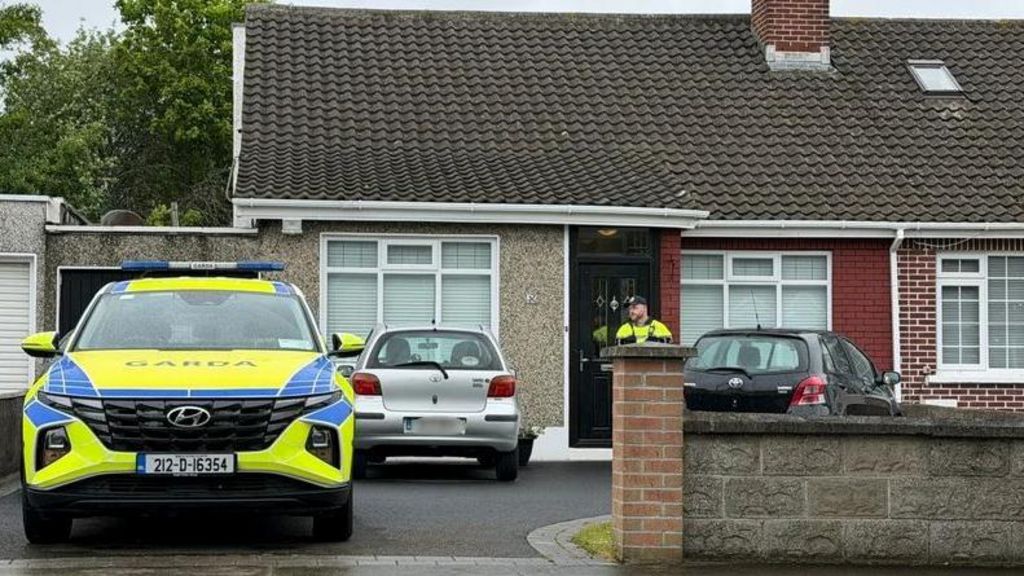
    A fatal incident at a residential property in north Dublin has left one man dead and triggered the arrest of a second individual, according to official updates from Irish law enforcement. Gardaí, Ireland’s national police service, confirmed that emergency dispatchers received an emergency alert shortly after 12:30 a.m. local time on Saturday, prompting immediate deployment of both police officers and emergency medical teams to the Brookwood Heights neighborhood in Artane.

    Upon arrival at the scene, first responders administered urgent on-site medical care to a 30-year-old man who had been injured at the property. Despite the prompt intervention of emergency personnel, the 30-year-old was pronounced dead a short time after treatment began.

    In the immediate aftermath of the incident, law enforcement took a man in his 60s into custody in connection with the death. Investigative teams have already notified the local coroner and the Office of the State Pathologist as standard procedure for unexplained fatalities. A post-mortem examination has been scheduled to determine the exact cause of the 30-year-old man’s death, which will provide critical evidence for the ongoing investigation.

    As of the latest update, no further details about the relationship between the two men or the circumstances leading up to the incident have been released to the public. Gardaí are continuing their investigation into the death at the north Dublin property.

  • Freight train and bus crash kills at least eight in Bangkok

    Freight train and bus crash kills at least eight in Bangkok

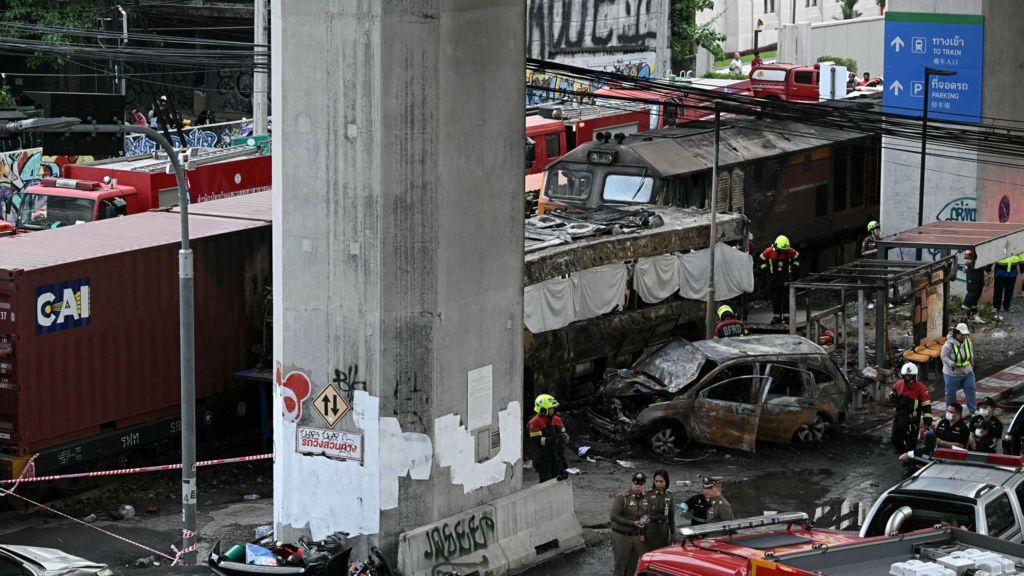
    A devastating collision between a freight train and a public passenger bus has left at least eight people dead and dozens more injured in the heart of Thailand’s capital Bangkok, according to local emergency and law enforcement officials. The Saturday afternoon crash, which occurred near the busy Makkasan train station in the city’s central district, sparked an intense fire that quickly consumed the entire public bus, authorities confirmed.

    The impact of the crash also damaged and pushed several other nearby vehicles that were waiting near the railway crossing, amplifying the scope of the emergency response. Within minutes of the incident being reported, multiple teams of firefighters, police officers and rescue personnel were dispatched to the scene to contain the danger and extract trapped victims from the twisted wreckage of the bus and train.

    By late Saturday, fire crews had successfully brought the blaze under full control, but emergency work remains ongoing. Recovery teams are now cooling down charred wreckage, venting dangerous accumulated gas from the site and conducting systematic searches to account for all people involved in the collision.

    Initial findings from Thai transport officials point to a traffic-related trigger for the tragedy. Deputy Transport Minister Siripong Angkasakulkiat explained that preliminary reports indicate heavy city traffic forced the bus to stop directly on the railway tracks, which in turn prevented the automatic crossing barriers from lowering into position to block oncoming trains. The freight train, which was pulling stacked shipping containers, did not have enough distance to brake and avoid the collision, Siripong added.

    Authorities have stressed that the full, official cause of the crash is still the subject of an active investigation, with more details expected to be released once all evidence has been collected and analyzed.

  • North America’s largest commuter rail system shuts down as workers strike

    North America’s largest commuter rail system shuts down as workers strike

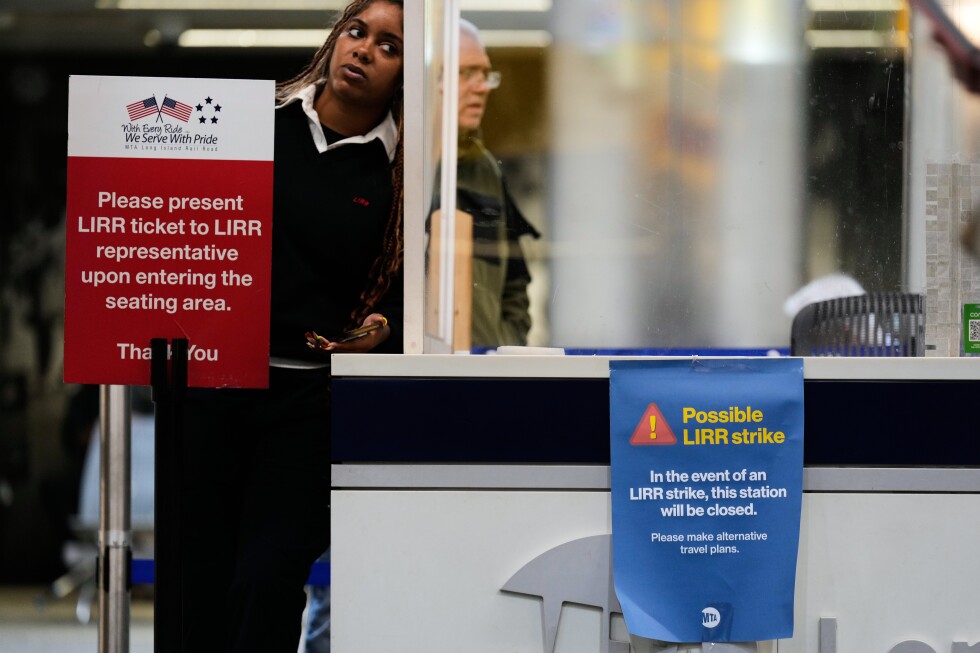
    A decades-rare labor action has brought North America’s largest commuter rail network to a complete halt, leaving hundreds of thousands of travelers across the New York metropolitan region scrambling for alternate transportation this weekend and beyond. Early Saturday, five unions representing roughly half of the Long Island Rail Road (LIRR) workforce initiated a strike after months of stalled contract negotiations that even saw intervention from the Trump White House fail to broker a compromise. Legally permitted to walk off the job starting at 12:01 a.m. Saturday, the strike is the first work stoppage to hit the LIRR since a 1994 two-day action.

    As of the early hours of the strike, no new bargaining sessions have been scheduled, according to Kevin Sexton, national vice president of the Brotherhood of Locomotive Engineers and Trainmen. “We’re far apart at this point,” Sexton told reporters Saturday morning. “We are truly sorry that we are in this situation.” But Janno Lieber, chair of the Metropolitan Transportation Authority (MTA), which oversees the LIRR, has pushed back on the union’s position, claiming the agency met all of the unions’ original pay demands and arguing that organized labor always planned to initiate a walkout.

    The shutdown is already throwing major planned New York City events into disarray. This weekend, the crosstown rivalry matchup between the New York Yankees and New York Mets is scheduled, and the New York Knicks are continuing their NBA playoff run at Madison Square Garden. Both venues have dedicated LIRR stops, drawing thousands of fans from Long Island’s eastern suburbs who rely on the rail line to reach Manhattan.

    If the strike extends past the weekend, the disruption will grow exponentially. Around 250,000 daily weekday commuters depend on the LIRR to travel between Long Island suburbs and New York City workplaces. For most, the only viable alternative is driving, which will put added pressure on the region’s already famously congested highways. “People are still going to commute, but if everybody starts driving now, the traffic is only going to get worse,” said Rich Piccola, a city-bound accountant who spoke to reporters Thursday while waiting for a train at Penn Station.

    New York Governor Kathy Hochul has issued an urgent recommendation for Long Island residents to work from home wherever possible to cut down on travel chaos. The MTA has rolled out a limited contingency plan of shuttle buses connecting LIRR hubs to New York City subway stations, but the system was never designed to absorb the full volume of daily commuter traffic. While remote work has become far more widespread since the COVID-19 pandemic, many in-person workers cannot do their jobs from home, noted Lisa Daglian, executive director of the Permanent Citizens Advisory Committee to the MTA, a commuter advocacy organization.

    “You work in construction, you work in the healthcare industry, you work at a school or you’re about to graduate from school, that’s not always possible,” Daglian said. “People need to get where they need to go.”

    Contract talks have deadlocked over two core issues: worker wage increases and health care premiums. Unions argue that more robust pay bumps are necessary to help LIRR workers, which include locomotive engineers, machinists and signalmen, keep pace with decades-high inflation and soaring living costs in the New York region. The MTA, however, has warned that meeting the unions’ original demands would force steep fare increases for riders and create pressure to match those terms in negotiations with other unionized MTA workers.

    Many commuters have expressed sympathy for workers’ concerns over affordability, even as they acknowledge they will bear the brunt of any agreed pay hikes. “Like the union workers, we too are burdened by the increase in the cost of living here on Long Island,” said Gerard Bringmann, chair of the LIRR Commuter Council, a rider advocacy group. Bringmann warned that if unions win the full pay increases they are seeking, a planned 4% annual fare hike could double to 8% for passengers.

    Labor experts note political pressure is already building to resolve the standoff quickly. Hochul, a Democrat, is up for reelection later this year, and Long Island is a critical swing voting bloc for her campaign. William Dwyer, a labor relations scholar at Rutgers University who studied last year’s three-day commuter rail strike in neighboring New Jersey, said a prolonged shutdown or steep fare hike would damage Hochul’s electoral prospects. “She’s up for reelection, and Long Island is a critical vote for her,” Dwyer said. “So if there’s a significant fare hike, that does not bode well for her on Election Day.”