分类: society

  • Channel Tunnel disruption affects Eurostar and vehicle shuttle services between France and England

    Channel Tunnel disruption affects Eurostar and vehicle shuttle services between France and England

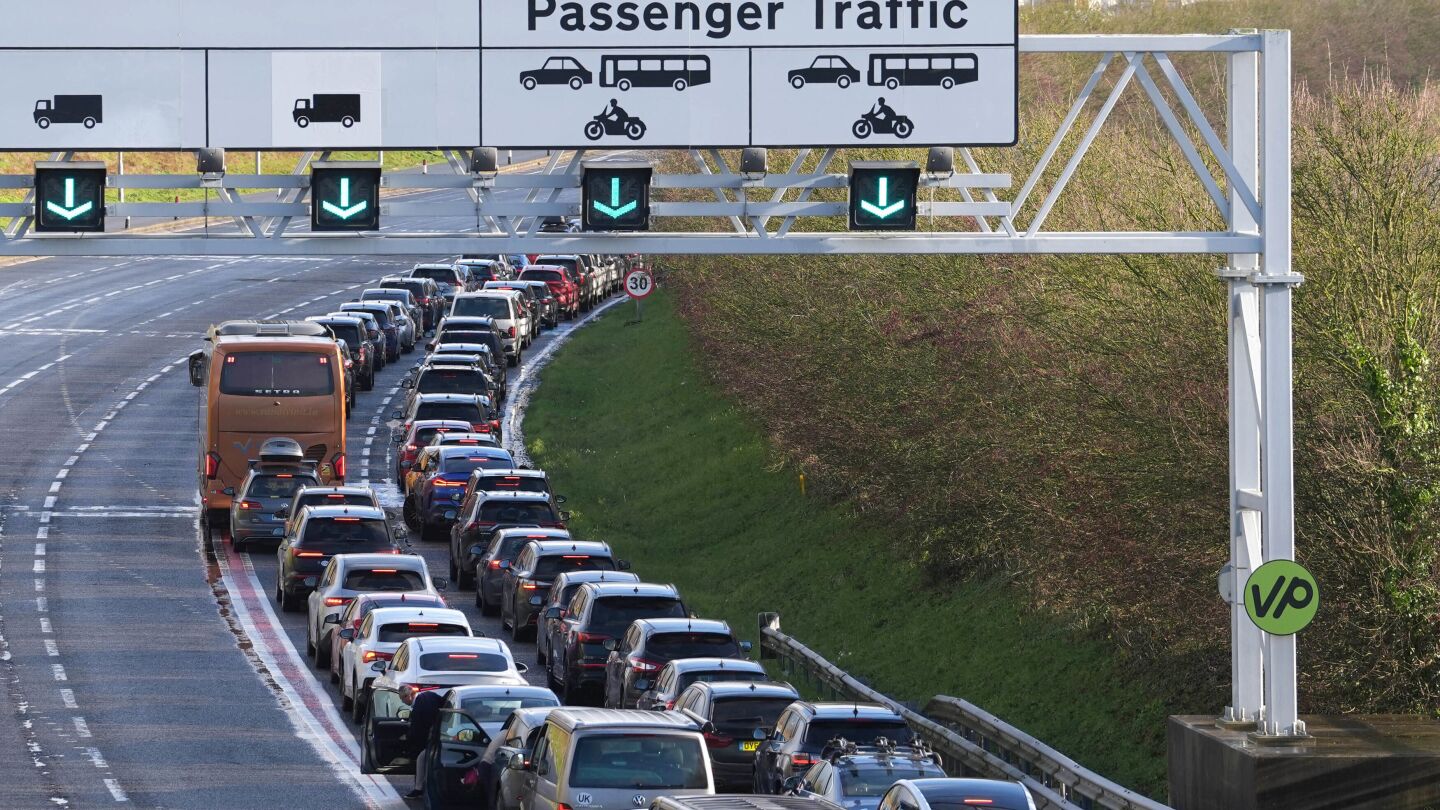
    Cross-Channel travel descended into chaos on Tuesday as a critical overhead power supply failure forced Eurostar to suspend services between London and continental Europe during the peak New Year’s travel period. The rail operator issued an urgent advisory requesting passengers to postpone journeys indefinitely amid escalating disruptions.

    The infrastructure failure, compounded by a separate incident involving a disabled Le Shuttle train carrying vehicles between Folkestone and Calais, triggered widespread cancellations across the network. Eurostar’s official status portal indicated four complete cancellations on the London-Paris route with three additional services experiencing significant delays.

    ‘We strongly recommend all customers reschedule their travel plans to alternative dates,’ Eurostar stated in an official communication. ‘Please refrain from arriving at stations unless you possess a validated ticket for immediate travel.’

    The dual operational crises—affecting both passenger and vehicle transport services—prompted simultaneous suspensions at terminal facilities on both sides of the English Channel. Le Shuttle authorities confirmed: ‘Services are temporarily suspended at both terminals due to a power supply complication. Our engineering teams are actively working toward resolution. We sincerely apologize for any inconvenience caused.’

    The timing proves particularly disruptive for holiday travelers, with thousands attempting to return from Christmas celebrations or commence New Year’s travel. The incident highlights the vulnerability of cross-border rail infrastructure during peak operational periods, raising questions about contingency planning for critical systems failures.

  • South Korea to end breeding of bears and extraction of their bile

    South Korea to end breeding of bears and extraction of their bile

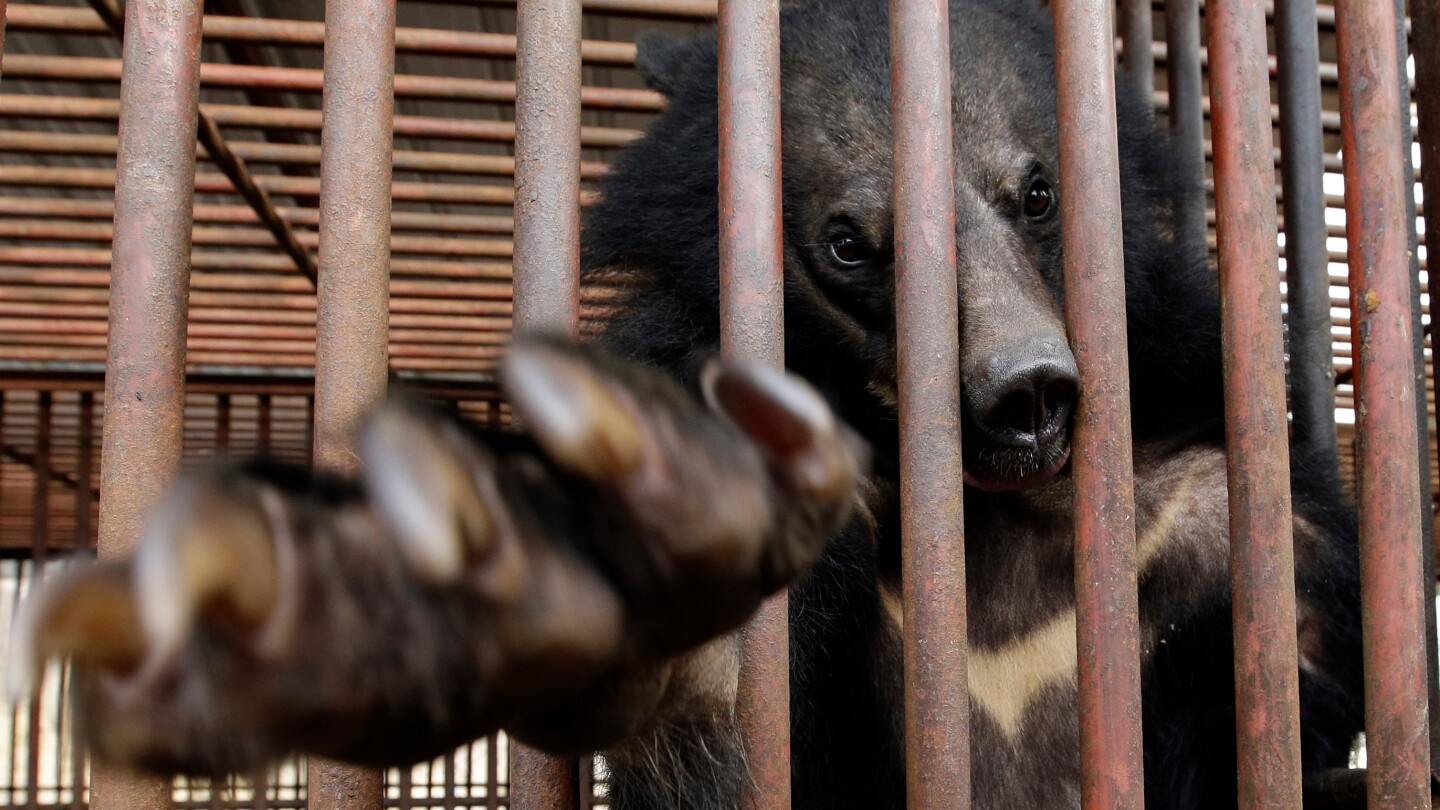
    SEOUL, South Korea — In a historic decision for animal welfare, South Korea has officially prohibited its long-controversial bear bile farming industry effective January 1st. The Ministry of Climate, Energy and Environment announced the comprehensive ban on bear breeding, possession, and bile extraction, implementing revised animal protection legislation that mandates prison sentences of two to five years for violations.

    This industry, one of the few remaining globally, primarily involved Asiatic black bears (moon bears) farmed for their gall bladders used in traditional medicine. The practice has dramatically declined over the past twenty years due to skepticism about medicinal efficacy, availability of affordable alternatives, and growing public consciousness about animal cruelty.

    The prohibition executes a 2022 tripartite agreement between government authorities, farmers, and animal rights organizations to terminate bear bile operations by 2026. Under this arrangement, animal advocacy groups are tasked with purchasing bears from farmers while the government establishes sanctuary facilities.

    Implementation challenges persist as approximately 199 bears remain confined across 11 domestic farms. Disagreements over appropriate compensation amounts have slowed the transition process. Thus far, 21 bears have been successfully relocated to a government-operated sanctuary in Jeolla province.

    The Environment Ministry has instituted a six-month grace period for existing farmers and will enforce financial incentives for those maintaining proper care until bears can be transferred. Environment Minister Kim Sungwhan characterized the move as demonstrating “our country’s resolve to improve welfare of wild animals and fulfill our related responsibility,” pledging to ensure protection “until the last one.”

    Farmer perspectives reveal the economic complexities. Kim KwangSoo, who maintains 78 bears in Dangjin, described the policy as “very bad,” noting substantial debts from upkeep costs despite his intention to comply with regulations.

    While animal rights organizations applaud the prohibition, they highlight infrastructure shortcomings. Current sanctuary capacity remains inadequate, with existing facilities accommodating only 30-49 bears versus the hundreds requiring relocation. A second planned facility has faced delays, now scheduled for 2027 opening due to flooding complications.

    Korea Animal Rights Advocates director Cheon JinKyung acknowledged the government’s progressive stance while emphasizing that “there aren’t sufficient measures to protect bears” and “there aren’t place where these bears can stay.” The industry originated in the early 1980s with bears imported from Southeast Asia, once numbering over 1,000 animals before the recent decline.

  • French right pushes for national tribute to film star Brigitte Bardot

    French right pushes for national tribute to film star Brigitte Bardot

    France finds itself embroiled in a heated political debate regarding appropriate honors for cinematic icon Brigitte Bardot, who passed away Sunday at age 91. The controversy has exposed deep ideological divisions within French society regarding how the nation should commemorate complex cultural figures.

    Éric Ciotti, leader of the right-wing UDR party, has initiated a petition demanding a national tribute for Bardot, collecting over 23,000 signatures with support from far-right allies. Ciotti argues France owes recognition to the woman who became the face of Marianne, the national symbol of liberty, in the 1960s. He emphasizes Bardot’s contribution to France’s international prestige and her advocacy for women’s liberation and abortion rights.

    Opposition emerges from left-wing politicians who question whether Bardot’s legacy aligns with republican values. Socialist leader Olivier Faure noted that national homages typically honor “exceptional services to the nation,” while pointing to Bardot’s five convictions for inciting racial hatred. Green MP Sandrine Rousseau highlighted the paradox between Bardot’s animal welfare activism and her controversial remarks about Muslims and migrants.

    The discussion reflects broader tensions in how France memorializes public figures. Previous national honors include the solemn ceremony for death penalty abolitionist Robert Badinter and the massive public farewell for rock star Johnny Hallyday. Nice Mayor Christian Estrosi has already announced plans to name an “iconic site” in Bardot’s honor.

    Meanwhile, Bardot’s personal wishes suggest she would have preferred simplicity. Close friend Wendy Bouchard revealed the reclusive star lived “a life of simplicity and deprivation” and likely wouldn’t have wanted national ceremonies. Despite Bardot’s request for burial at her Saint-Tropez home, La Madrague, local authorities have arranged a private ceremony in the marine cemetery overlooking the Mediterranean. The Brigitte Bardot Foundation announced her funeral will occur January 7th at Notre-Dame de l’Assomption church, with proceedings broadcast across town.

  • Hanoi chokes as air quality reaches crisis level

    Hanoi chokes as air quality reaches crisis level

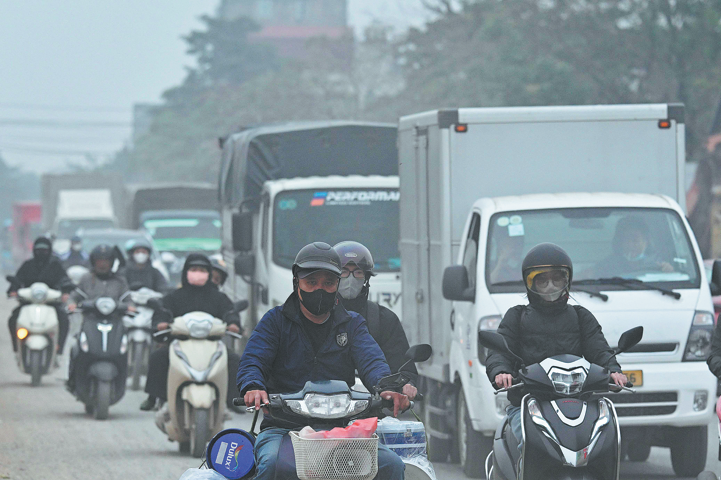
    Hanoi is grappling with a severe air pollution emergency as the Vietnamese capital registered among the world’s worst air quality levels this week. On December 10th, the city’s Air Quality Index (AQI) soared to 223, catapulting Hanoi to the third most polluted city globally according to IQAir’s real-time measurements.

    The hazardous conditions have persisted for several days, with thick smog laden with fine particulate matter enveloping the city. Monitoring systems from the Ministry of Agriculture and Environment confirmed multiple locations had reached the ‘purple zone’ threshold—classified as very unhealthy—prompting serious health concerns among the city’s residents.

    Environmental officials attribute the crisis to a convergence of factors. Le Thanh Thuy, Deputy Head of Hanoi’s Environmental Management Division, cited year-end urban upgrading projects, chronic traffic congestion, increased transportation of construction materials, and widespread open burning of waste and agricultural by-products as primary contributors. ‘The weather conditions have not been favorable while many activities peak at the end of the year, placing enormous pressure on Hanoi,’ Thuy noted.

    Experts emphasize that the pollution problem extends beyond city limits. Hoang Duong Tung, Chairman of the Vietnam Clean Air Network, identified neighboring provinces including Bac Ninh, Ninh Binh and Hung Yen as significant pollution sources affecting the capital region. Tung advocated for implementing artificial intelligence to validate, clean, and synchronize air quality data, stating that ‘only with accurate, transparent, real-time data can we build appropriate scenarios and policies.’

    In response to the escalating crisis, Vietnam’s National Assembly approved a Resolution addressing environmental protection policies. The comprehensive plan mandates urgent action to improve air quality in Hanoi and Ho Chi Minh City during 2025-2026, establishing specific targets including a 20% reduction in average annual PM2.5 concentrations by 2030 compared to 2024 levels.

    The Resolution outlines concrete measures including stricter vehicle emissions controls, limitations on highly polluting vehicles in urban centers, enhanced regulation of construction and transport waste, restrictions on agricultural burning, and expanded wastewater treatment systems. Additionally, lawmakers directed the creation of a national environmental information system featuring real-time public maps of environmental quality to support monitoring and early-warning efforts.

  • Paid parking to be introduced in Dubai International City from February 2026

    Paid parking to be introduced in Dubai International City from February 2026

    Dubai’s transportation landscape is set for a significant transformation as International City prepares to introduce paid parking facilities effective February 1, 2026. This development marks one of the final major residential communities in the emirate to transition from free to regulated parking systems.

    Authorities have already commenced infrastructure preparations, with official signage installed throughout the France and China clusters indicating forthcoming parking regulations. While parking meters remain to be installed, the visible notifications confirm the area’s classification under Code Q parking regulations, operational from 8:00 AM to midnight daily.

    The Parkin Company, Dubai’s official parking management entity, has published tariff structures indicating charges starting at Dh2 for thirty minutes, scaling up to Dh25 for extended sixteen-hour periods. This implementation follows similar recent rollouts in Academic City, Sports City, Studio City, and Outsource City throughout 2025.

    Residents have expressed widespread support for the measure, citing critical parking shortages that have plagued the community during evening hours. The affordability of International City has attracted numerous rent-a-car companies and commercial vehicles that dominate available spaces, creating particular challenges for residents returning from work after peak hours.

    Waqas Khan, a delivery professional residing in the area, noted: ‘Finding evening parking has become exceptionally difficult. This regulated system should guarantee available spaces when residents need them most.’

    The implementation aligns with Dubai’s broader Variable Parking Tariff Policy initiated in April 2025, which employs dynamic pricing during peak congestion periods (8-10 AM and 4-8 PM) to optimize space utilization and traffic flow. Off-peak hours maintain standard pricing structures, with exemptions applying on Sundays and public holidays.

    Property owner Najam Ahmed revealed the parking situation had previously compelled him to relocate to Al Qusais despite maintaining International City property: ‘As a businessman returning late with multiple vehicles, parking availability directly influenced my living arrangements. These changes may prompt my return to the community.’

    This systematic expansion of paid parking infrastructure represents Dubai’s continued commitment to addressing urban congestion through managed mobility solutions while balancing residential needs with commercial activities.

  • Nepal’s capital grapples with a seasonal plague

    Nepal’s capital grapples with a seasonal plague

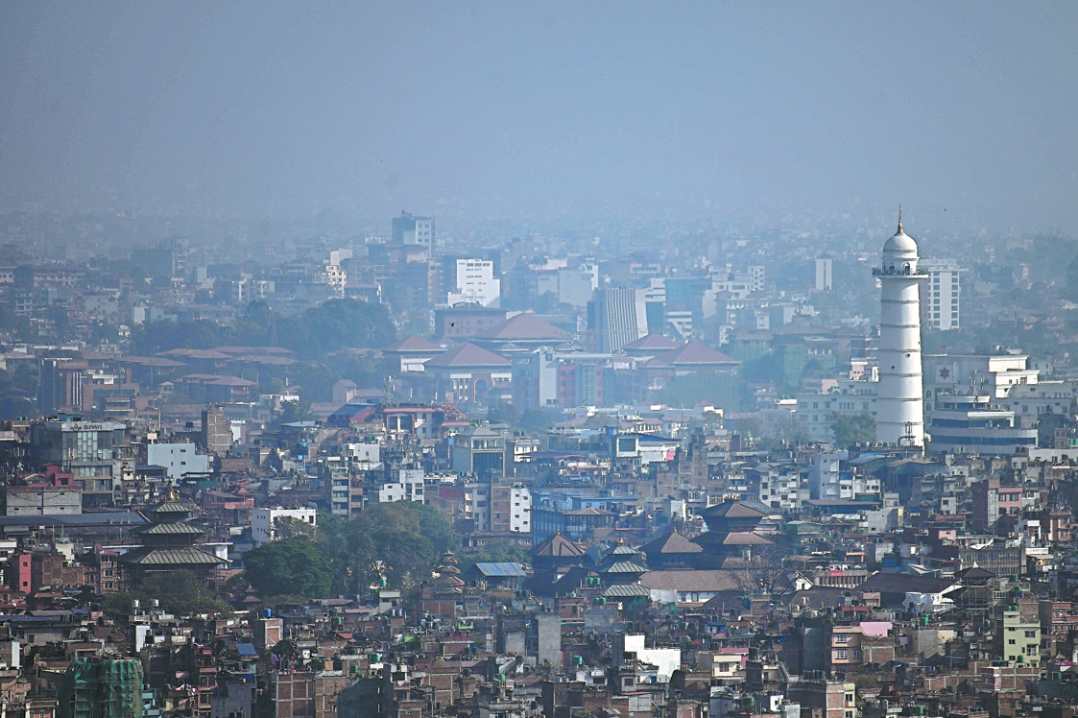
    Kathmandu Valley’s iconic mountain vistas have vanished beneath a thick haze as winter air pollution reaches critical levels. The seasonal combination of dry winds, agricultural burning, and urban emissions has transformed Nepal’s capital into one of Asia’s most polluted urban environments, with PM2.5 and PM10 concentrations soaring to hazardous levels.

    Local residents like Dinesh Lal Shrestha from Tarakeshwar Municipality report confronting farmers engaged in open burning of agricultural waste, though these individual efforts prove largely ineffective. Municipal authorities have implemented measures including public notices and potential fines of up to 10,000 rupees ($70) for waste burning violations, yet acknowledge the limitations of their jurisdiction.

    Environmental experts emphasize that fragmented approaches cannot solve what is fundamentally a regional crisis. Bhushan Tuladhar, a prominent environmentalist, states that current measures remain insufficient to produce meaningful results. The problem intensifies during winter months when temperature inversions trap pollutants, compounded by agricultural burning practices in surrounding regions.

    Air quality specialist Bhupendra Das warns that the situation will deteriorate further as harvesting season progresses in the Tarai region, where stubble burning remains common practice. The economic implications are severe: the World Bank estimates air pollution costs Nepal over 6% of its GDP annually through reduced labor productivity, tourism impacts, and healthcare burdens.

    Most alarmingly, air pollution has emerged as Nepal’s leading risk factor for death and disability, surpassing both malnutrition and tobacco use. The World Bank reports approximately 26,000 premature deaths annually attributable to poor air quality, reducing average life expectancy by over three years.

    Experts unanimously call for coordinated action across all municipal boundaries, including strict enforcement against waste burning, public awareness campaigns, regulation of industrial emissions, and specialized equipment for forest fire management. Without unified regional cooperation, Kathmandu’s air quality crisis will continue to escalate with devastating human and economic consequences.

  • Postal and delivery services now cover all rural areas in Xizang

    Postal and delivery services now cover all rural areas in Xizang

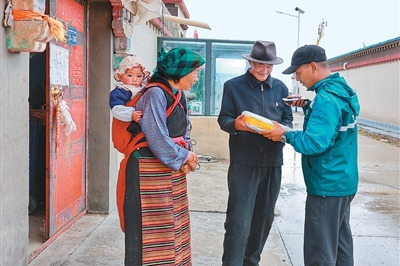
    In a landmark infrastructure achievement, Tibet Autonomous Region has established complete postal and delivery service coverage across all rural territories, including its most remote farming and pastoral communities. The announcement came from regional officials on Monday, marking the successful culmination of extensive logistics network development.

    Lhakpa, an official from the market supervision department of Xizang’s postal administration, revealed the region has established 1,324 postal and express delivery outlets while modernizing 2,410 village-level postal logistics stations. This comprehensive network ensures express delivery services now penetrate every administrative village throughout the mountainous region.

    “We have realized distribution centers in every county, service outlets in every township, and delivery services in every village,” Lhakpa stated, emphasizing the completeness of the coverage. The official further noted that rural postal routes have achieved full motorization, with vehicle-based delivery operations implemented across all transportation corridors.

    The infrastructure breakthrough addresses the persistent “last mile” delivery challenge that long plagued remote agricultural and pastoral regions. Farmers and herders can now access postal services within their own villages, enjoying service quality comparable to urban standards.

    Parallel to logistics improvements, Xizang has aggressively expanded e-commerce capabilities. Zhao Lei, an official from the regional commerce department, highlighted the “Free Shipping for Xizang” initiative implemented during the 14th Five-Year Plan period (2021-25). This program encouraged major e-commerce platforms including Taobao, Tmall and JD.com to offer free or discounted shipping to Xizang while balancing commercial interests with social responsibilities.

    JD Group emerged as a significant partner, investing over 500 million yuan ($71 million) directly into Xizang through its “E-Commerce in Rural Areas” project while attracting an additional 1.5 billion yuan in external investment.

    According to Su Yinghu, head of China Post’s Xizang branch, a comprehensive rural e-commerce ecosystem has taken shape over the past five years, integrating agricultural sales, logistics distribution and inclusive financial services. This system has facilitated over 230,000 agricultural product orders with total sales exceeding 132 million yuan, while nearly 1.3 billion yuan in agriculture-related loans have supported local businesses and created over 1,300 jobs.

    The impact is visibly transformative for residents. Pema, a villager from Tashigang village in Nyingchi city, reported dramatically improved convenience: “Packages often arrive within a few days. Our local products, such as mushrooms and local pork, can now be sold across the country.”

  • Swedish workers trial ‘friendship hour’ to combat loneliness

    Swedish workers trial ‘friendship hour’ to combat loneliness

    In a groundbreaking approach to addressing societal isolation, Swedish pharmacy chain Apotek Hjärtat has launched an innovative ‘friendcare’ program that provides employees with paid time during work hours to nurture personal relationships. The pilot scheme, which began in April, represents a corporate response to Sweden’s growing loneliness crisis and aligns with the government’s national strategy to minimize social isolation.

    Forty-five-year-old pharmacy worker Yasmine Lindberg exemplifies the program’s target demographic. Since separating from her partner four years ago, Lindberg has experienced significant loneliness despite maintaining shared custody of her teenage children. ‘I’m really tired when I go home. I don’t have time or energy to meet my friends,’ she explains while restocking shelves at the Kalmar retail park location where she works shifts.

    The friendcare initiative (vänvård in Swedish) grants participants 15 minutes weekly or one hour monthly during working hours specifically dedicated to strengthening social connections. Employees can utilize this time for phone conversations, making social plans via text, or arranging in-person meetings. Additionally, volunteers receive 1,000 kronor ($100) to fund friendship-building activities throughout the year-long trial and access to specialized online training on recognizing and addressing loneliness.

    CEO Monica Magnusson reveals the program’s inspiration emerged from previous collaborations with mental health charity Mind, which demonstrated how brief meaningful interactions between pharmacists and customers reduced feelings of isolation. ‘We try and see what the effects are from having the opportunity to spend a bit of time every week on safeguarding your relationships,’ Magnusson explains.

    The terminology cleverly plays on Sweden’s existing ‘friskvård’ concept—a tax-free wellness allowance many companies provide for fitness activities—but redirects the focus toward relational health. This corporate initiative coincides with the Swedish government’s heightened attention on loneliness as a public health emergency. Health Minister Jakob Forssmed has characterized loneliness as a major health concern, citing global research linking isolation to increased risks of coronary heart disease, strokes, and premature mortality.

    Research indicates approximately 14% of Sweden’s population reports feeling lonely some or all of the time, slightly exceeding the EU average. A 2024 Statistics Sweden study found 8% of Swedish adults lack even a single close friend. Psychologist Daniel Ek, author of ‘The Power of Friendship,’ attributes these statistics to multiple factors including Sweden’s harsh winters, cultural norms that prioritize personal space, and housing patterns where over 40% of homes are single-occupant.

    While it’s too early to determine whether Apotek Hjärtat will expand the program company-wide, preliminary self-assessment surveys indicate increased life satisfaction among participants. The pharmacy chain is part of a broader business network called ‘Together against involuntary loneliness’ that includes approximately 20 major Nordic brands such as IKEA and hospitality chain Strawberry, all collaborating to share strategies against social isolation.

    Parallel initiatives are emerging across Sweden, including a project in Piteå where 20 businesses offer wellness grants for employees to attend group cultural experiences. While experts acknowledge these programs can lower thresholds for social interaction, they simultaneously call for deeper examination of structural issues like unemployment (currently 8.7%), income inequality, and digital overuse that contribute to Sweden’s loneliness epidemic.

  • Spanish woman who found fame for botching fresco restoration dies

    Spanish woman who found fame for botching fresco restoration dies

    Cecilia Giménez, the Spanish parishioner whose unconventional restoration of a religious fresco catapulted her to global fame, has passed away at age 94. The mayor of Borja, Eduardo Arilla, confirmed her death in an official Facebook tribute, recognizing Giménez as a “great lover of painting from a young age” whose actions, though controversial, ultimately transformed her small town’s destiny.

    The incident occurred in 2012 when then-81-year-old Giménez attempted to restore the century-old ‘Ecce Homo’ (Behold the Man) fresco by 19th-century painter Elias Garcia Martinez in her local Sanctuary of Mercy Church. Despite her earnest intentions, the restoration dramatically altered Christ’s facial features, resulting in the viral phenomenon dubbed “Monkey Christ” due to its similian appearance.

    Initially facing international ridicule and artistic criticism, the botched restoration unexpectedly became a cultural phenomenon that reversed the fortunes of the previously obscure town. Borja experienced an unprecedented tourism boom, with annual visitor numbers skyrocketing from 5,000 to over 40,000 by 2013. The phenomenon generated more than €50,000 for local charities through tourism revenue.

    Despite initial backlash, Giménez received overwhelming support from her community and eventually staged an exhibition featuring 28 of her original paintings. The restored fresco, now protected behind glass, continues to draw between 15,000-20,000 annual visitors, maintaining its status as an unexpected tourist attraction.

    Mayor Arilla’s tribute emphasized Giménez’s lifelong dedication to her church and community, noting that she acted “with the best intentions” to preserve the deteriorating artwork. Her unintended legacy demonstrates how artistic interpretation, even when unconventional, can profoundly impact cultural tourism and community identity.

  • US man charged after shooting practice in backyard allegedly kills woman blocks away

    US man charged after shooting practice in backyard allegedly kills woman blocks away

    A tragic Christmas Day shooting in Oklahoma has resulted in first-degree manslaughter charges against 33-year-old Cody Wayne Adams, who authorities allege fatally struck neighbor Sandra Phelps with a stray bullet fired from a newly purchased handgun.

    According to Stephens County Sheriff’s Office affidavits, the incident occurred on December 25th when Phelps was seated on her front porch holding a child approximately half a mile from Adams’ residence. Witnesses reported hearing Phelps comment on nearby gunshot noises before uttering “ouch” and collapsing.

    Investigators determined Adams had recently acquired a Glock .45-caliber handgun as a Christmas present and was allegedly shooting at a beverage can in his backyard. Stephens County Sheriff’s Capt. Timothy Vann stated in court documents that Adams was “shooting towards the ground in his backyard where there was nothing behind his property to stop any bullets from traveling beyond his property and hurting someone.”

    The projectile struck Phelps in the upper right arm before penetrating her chest cavity. Medical responders pronounced her deceased approximately 20 minutes after emergency calls were received. The child being held in her left arm was physically unharmed.

    Adams was arrested on December 26th and booked into custody before posting $100,000 bond. Court records indicate he became “visibly upset and began to cry” when informed investigators suspected his involvement in the fatal shooting.

    Oklahoma statutes define first-degree manslaughter as a homicide occurring without premeditated intent during the commission of a misdemeanor. Prosecutors have alleged the misdemeanor component involves engaging in firearm conduct demonstrating “conscious disregard for the safety of others.” The offense carries potential penalties of up to life imprisonment.

    Adams has been ordered to avoid contact with the victim’s family and is scheduled for initial court appearance on February 25th as investigations continue into this fatal incident of stray gunfire.