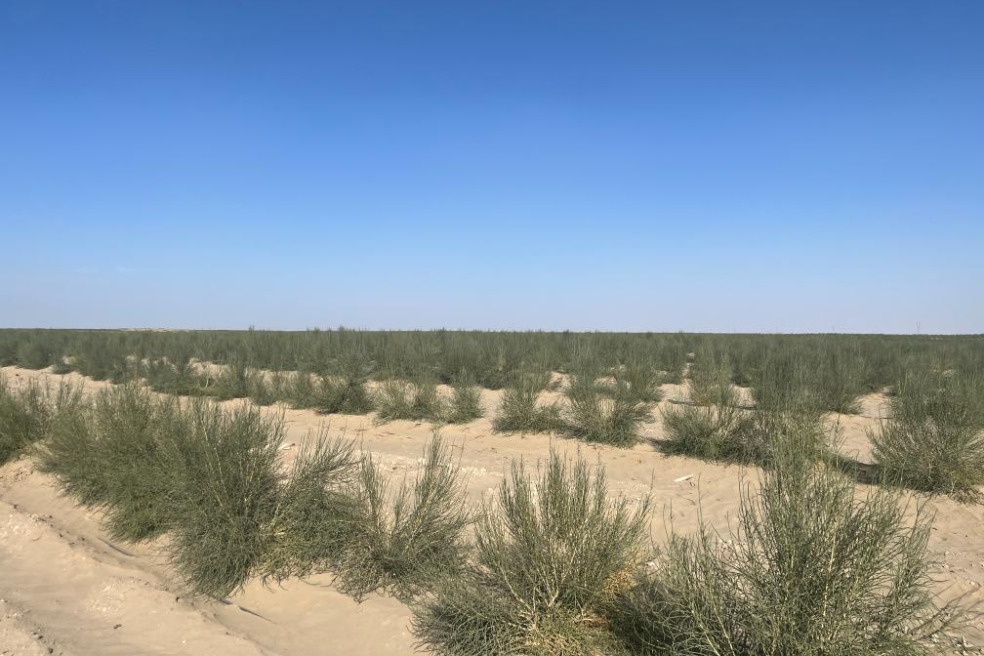
In the arid expanse of the Taklimakan Desert, a remarkable tale of symbiosis unfolds between the saxaul tree and the cistanche herb, offering a sustainable solution to desertification. The saxaul seed, known for its rapid germination, takes root in the sandy soil of Xinjiang’s southern desert edge. Within hours, it sprouts, braving harsh ultraviolet radiation and relentless sandstorms. Its grayish-white branches sway in the wind, forming a natural barrier against drifting sand while its deep roots tap into scarce groundwater. Beneath the surface, the cistanche herb thrives parasitically, embedding its roots into the saxaul’s vascular system to absorb water and nutrients. Each spring, the cistanche’s stem emerges, releasing a sweet fragrance that attracts honeybees. These bees, in turn, facilitate pollination, ensuring the propagation of both species. This intricate relationship not only stabilizes the desert but also provides economic benefits. Cistanche, dubbed ‘desert ginseng,’ is a valuable medicinal herb cultivated alongside saxaul forests. Farmers rent beehives to enhance pollination, creating a virtuous cycle where ecological protection and economic gains coexist. This model exemplifies China’s ‘edge-locking’ project, which aims to encircle the Taklimakan Desert with artificial vegetation. Li Peng, a veteran of desert control in Xinjiang, emphasizes the complexity of such initiatives, highlighting the need for systematic planning in water management, infrastructure, and maintenance. This innovative approach demonstrates how nature’s resilience, coupled with human ingenuity, can transform barren landscapes into thriving ecosystems.
分类: science
-
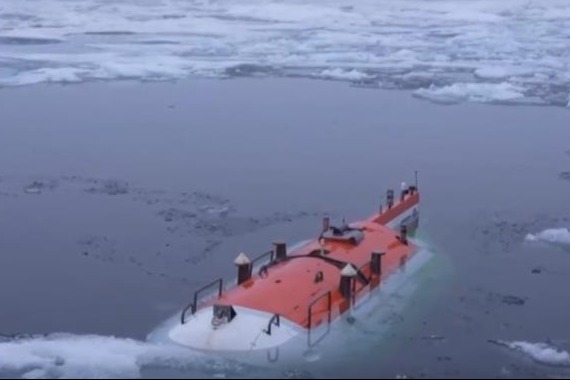
Pioneering deep-sea mission ends
China has successfully concluded its first-ever collaborative deep-sea manned submersible operation, marking a significant milestone in the nation’s polar research capabilities. The mission, which spanned 98 days, primarily focused on the Arctic Circle and was carried out by the Tansuo 3, the world’s first ice-breaking manned deep-sea submersible support vessel. The expedition, jointly organized by the Ministry of Natural Resources and the Chinese Academy of Sciences, utilized China’s domestically developed submersibles, Fendouzhe and Jiaolong. During the mission, the team navigated 1,989 nautical miles through ice-covered waters, conducting 43 dive missions. Notably, Jiaolong and Fendouzhe performed cooperative operations, including dual-submersible positioning searches and underwater motion filming, a first for China. The team also achieved the world’s first manned deep-sea exploration of the Gakkel Ridge, a tectonic plate boundary in the Arctic’s central basin. Fendouzhe completed 32 dives, reaching a maximum depth of 5,277 meters and enduring extreme polar conditions. The mission validated the operational capabilities of Fendouzhe and Tansuo 3 in polar ice-covered regions, establishing new protocols for extreme conditions and pioneering a mobile ice-diving model. This effort has cultivated a specialized polar deep-diving research team, positioning China as the only nation capable of continuous manned submersible operations in Arctic dense ice zones. The expedition collected valuable water, sediment, rock, and biological samples, providing critical scientific support for studying Arctic climate change, geological processes, and polar life evolution.
-
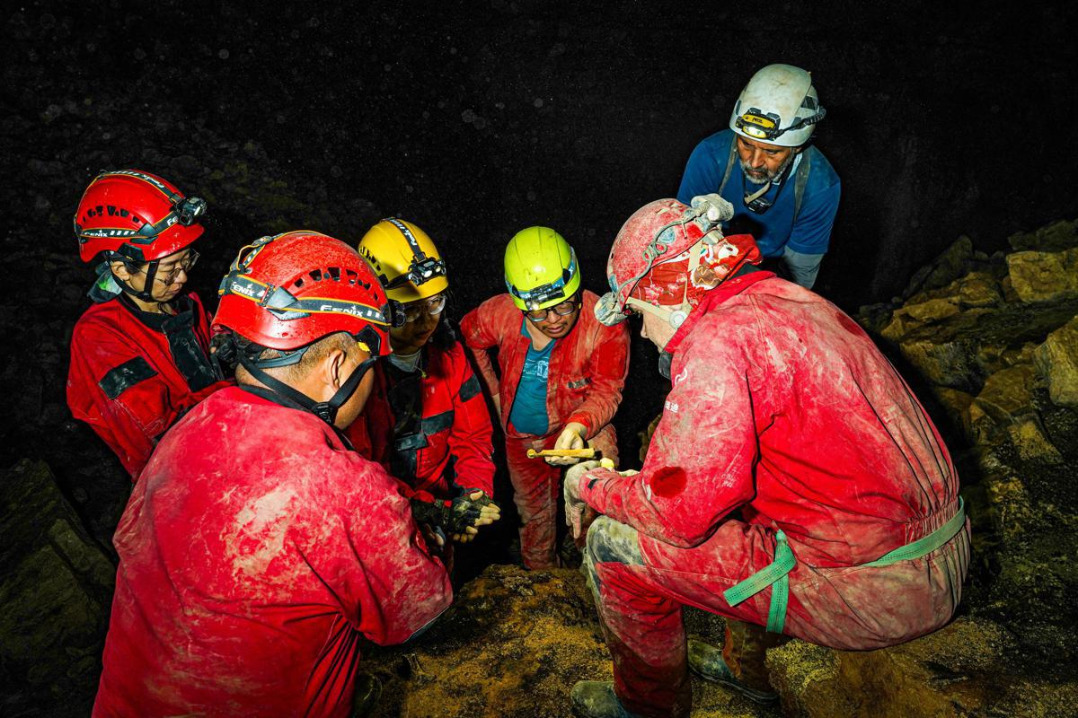
Survey reveals Asia’s longest cave longer than previously thought
A recent scientific expedition has unveiled that Asia’s longest cave, the Shuanghe Cave in Suiyang county, Guizhou province, has grown by an additional 2.6 kilometers. This discovery, announced this month, brings the cave’s total surveyed length to an impressive 439.7 kilometers. The findings are the result of the 24th international scientific expedition conducted in the cave, which has been a focal point for researchers and explorers due to its vast and intricate network of passages. The Shuanghe Cave, renowned for its geological significance and biodiversity, continues to captivate scientists and adventurers alike. This latest measurement underscores the cave’s dynamic nature and the ongoing efforts to map its extensive system. The expedition team utilized advanced surveying techniques to accurately determine the new length, highlighting the importance of continuous exploration and research in understanding such natural wonders. The discovery not only enhances our knowledge of the cave’s structure but also reinforces its status as a key site for scientific study and conservation.
-

Global warming reshapes extreme rainfall, snowfall across Northern Hemisphere: study
A groundbreaking study conducted by researchers from the Xinjiang Institute of Ecology and Geography, part of the Chinese Academy of Sciences, has revealed profound changes in extreme rainfall and snowfall patterns across the Northern Hemisphere over the past seven decades. Published in the journal *Advances in Climate Change Research*, the study highlights how global warming has altered the distribution of both liquid and solid precipitation, significantly impacting their intensity and frequency. Using ERA5-Land reanalysis data from 1950 to 2022, the team analyzed long-term trends, temperature sensitivity, and underlying mechanisms driving these extreme weather events. The findings indicate that extreme rainfall has intensified at a rate of 0.269 mm per year, nearly nine times faster than the increase in extreme snowfall, which stands at 0.029 mm per year. The study underscores that rising temperatures are primarily responsible for the surge in extreme rainfall, while their impact on snowfall remains relatively modest. Li Yupeng, the study’s lead author, emphasized the critical role of extreme precipitation in risk management, urging mid-latitude regions to focus on flood mitigation and high-latitude and alpine areas to address snow-related hazards. The research provides valuable insights for understanding global precipitation patterns and supports the development of region-specific climate adaptation and disaster prevention strategies.
-
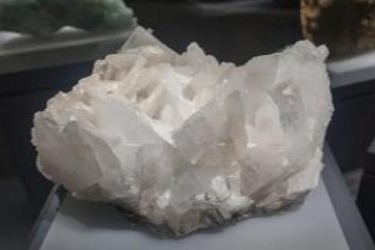
Jiangsu survey reveals strontium deposit
A significant strontium ore deposit has been unearthed in the Lishui district of Nanjing, Jiangsu Province, according to the Geological Survey of Jiangsu. The deposit, located at a depth of less than 1 kilometer, contains an estimated 545,000 metric tons of ore and 265,000 tons of minerals, with an average grade of 48.65 percent. Strontium, classified as a critical rare metal, is essential for manufacturing special ceramic materials and magnetic alloys, which are vital components in high-end electronic devices. The European Commission recognized strontium as a Critical Raw Material in 2020, underscoring its global importance. Professor Tan Hongbing of Hohai University highlighted the deposit’s high grade and substantial reserves, emphasizing its significant mining value. He also noted that China holds over 60 percent of the world’s proven strontium reserves, reinforcing its leading role in the global strontium market. The discovery, located near the Aijing Mountain deposit in the Lishui volcanic basin, marks a continuation of Jiangsu’s rich history in strontium mining, which dates back to the 1960s. The Geological Survey of Jiangsu conducted a four-year study to map the basin, overcoming challenges such as dense human activity. Their research identified five concealed strontium ore bodies in the Mashantou area, along with deposits of copper, lead-zinc, and pyrite. This discovery not only enhances Jiangsu’s mineral wealth but also provides valuable insights for future strontium exploration.
-
China successfully launches new satellite
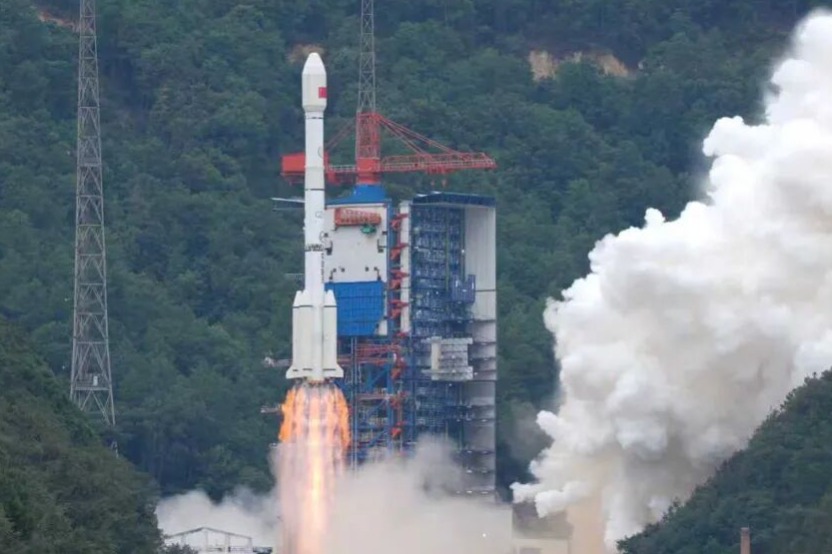
In a significant advancement for its space program, China successfully launched the Gaofen-14 02 satellite on Sunday, October 26, 2025, from the Xichang Satellite Launch Center in Sichuan province. The satellite was propelled into space at 11:55 am Beijing Time aboard a Long March-3B carrier rocket, marking the 603rd mission of the Long March series. The Gaofen-14 02 is designed to capture high-precision stereo imagery globally, which will play a crucial role in supporting national economic development and enhancing national defense capabilities. This launch underscores China’s growing expertise and ambition in space technology, contributing to its strategic goals in both civilian and military domains.
-
World Laureates Forum awards intl scientific excellence in Shanghai
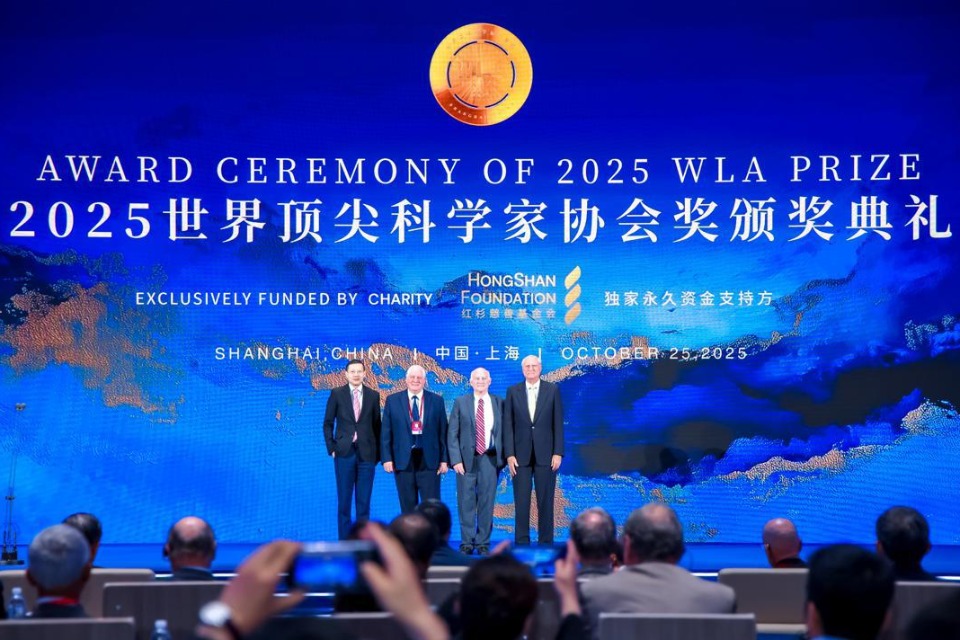
The World Laureates Forum 2025, held in Shanghai’s Lingang Special Area, celebrated scientific excellence by awarding the prestigious World Laureates Association Prize (WLA Prize) to three distinguished scientists. The event, themed ‘Science in Future,’ brought together approximately 150 scientists from over 10 countries, including Nobel laureates, Turing Award winners, and leading academicians.
The WLA Prize, established in 2021, recognizes exceptional contributions in computer science or mathematics and life science or medicine, with each category offering a substantial award of 10 million yuan ($1.4 million). This year, Richard Schoen, professor emeritus at Stanford University, was honored in the Computer Science or Mathematics category for his groundbreaking work in geometric analysis and differential geometry. Shing-Tung Yau, a renowned mathematician, highlighted Schoen’s pivotal role in unifying geometry, analysis, and physics, which has become a cornerstone of modern mathematics.
In the Life Science or Medicine category, Scott Emr of Cornell University and Wesley I Sundquist of the University of Utah shared the prize for their discoveries in cellular mechanisms related to membrane protein receptor trafficking and degradation. Their work has significantly advanced understanding of virus budding, infection, and HIV drug therapy, leading to the development of a drug that nearly eliminates new HIV infections.
The forum underscored the importance of international collaboration in addressing global scientific challenges, fostering innovation, and inspiring the next generation of researchers.
-
52 giant panda fossils found in Asia’s longest cave
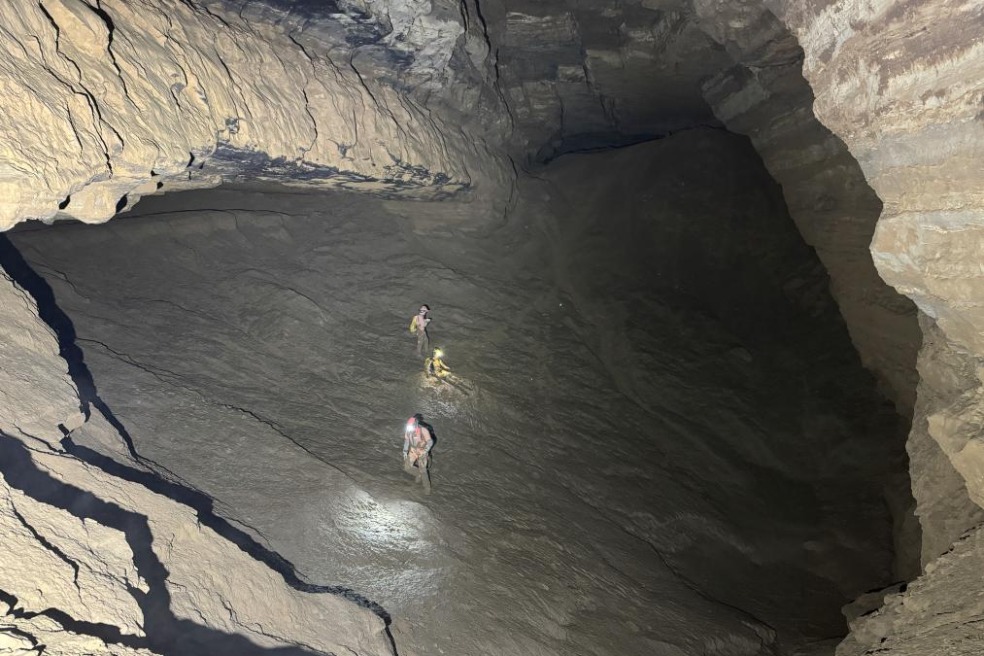
In a groundbreaking discovery, 52 giant panda fossils have been unearthed in the Shuanghe Cave network, located in Suiyang county, Guizhou province, Southwest China. This remarkable find, announced during a press conference on the results of the 24th International Cave Science Expedition, establishes Shuanghe Cave as the site with the largest concentration of giant panda fossils globally. The fossils, including six newly uncovered specimens, provide critical insights into the species’ evolutionary journey over the past 100,000 years. According to Wang Deyuan, an associate research fellow at the Guizhou Academy of Sciences’ Institute of Mountain Resources, the fossils represent a relatively continuous chronological sequence, with teeth analysis indicating that most of the pandas were subadult or new adult individuals. The discovery also includes numerous limb bones and skulls, enabling researchers to study changes in the species’ body weight over time. Findings suggest that giant pandas reached their peak body weight during the Middle Pleistocene, after which it gradually decreased to present-day levels. Shuanghe Cave, spanning 439.7 kilometers, is not only the longest cave in Asia but also the third-longest in the world. Since the late 1980s, it has been the focus of 24 international joint scientific expeditions, cementing its status as a hub for paleontological and geological research.
-

Major strontium ore deposit found in Jiangsu
A significant strontium ore deposit has been unearthed in Lishui district, Nanjing, Jiangsu Province, marking a major breakthrough in mineral exploration. The Geological Survey of Jiangsu Province revealed that the deposit contains an estimated 545,000 metric tons of ore and 265,000 tons of minerals, with an impressive average grade of 48.65 percent. Strontium, a critical rare metal, plays a pivotal role in advanced technologies, particularly in the production of special ceramics and magnetic alloys. Its compounds enhance dielectric properties and mechanical strength in ceramics, while improving the performance of magnetic alloys used in high-end electronic devices. Recognized as a Critical Raw Material by the European Commission in 2020, strontium’s discovery holds immense strategic and economic value. Professor Tan Hongbing from Hohai University emphasized the deposit’s significance, noting its high grade and substantial reserves, which make it highly viable for mining. He also highlighted its potential to guide future exploration efforts, given its relatively shallow depth of less than one kilometer. Jiangsu Province has long been a hub for strontium mining, with a history dating back to the 1960s. The new discovery, located in the Lishui volcanic basin near Aijing Mountain, complements earlier findings in Houfang village, solidifying the region’s status as a key strontium-bearing zone. Over four years, the Geological Survey meticulously mapped the basin, overcoming challenges posed by dense human activity. Their research identified five concealed strontium ore bodies in the Mashantou area, along with deposits of copper, lead-zinc, and pyrite. This breakthrough has led to the proposal of a new exploration strategy for polymetallic resources, offering fresh insights into the geological processes governing strontium and related minerals. The discovery not only reinforces China’s dominance in strontium mining, accounting for over 60 percent of global reserves, but also promises to bolster the nation’s high-tech industries, ensuring a steady supply of this critical resource.
-
Scientists reveal light competition can reduce plant diversity via field study
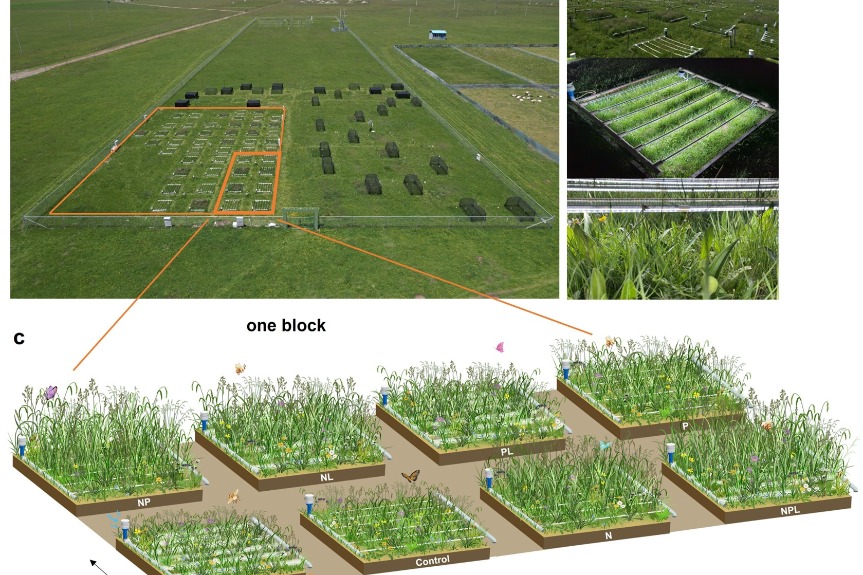
A groundbreaking study conducted by researchers from Lanzhou University in China and the Georgia Institute of Technology in the United States has unveiled that light competition plays a pivotal role in the loss of plant diversity caused by eutrophication. Published in the journal *Global Change Biology*, the research provides critical insights into the mechanisms driving biodiversity decline and offers potential strategies for ecosystem preservation. Eutrophication, characterized by excessive nutrient accumulation, has long been recognized as a major threat to plant diversity. However, the direct impact of light limitation under eutrophication conditions had not been thoroughly investigated until now. The study, led by Professor He Jinsheng of Lanzhou University, focused on alpine grasslands in the northeastern Qinghai-Tibet Plateau, a region renowned for its rich species diversity. Over three years (2021–2023), the team conducted field experiments using full-spectrum LED light strips to simulate additional light and introduced varying levels of nitrogen, phosphorus, or both. The findings revealed that supplementary light could restore lost plant diversity across all nutrient scenarios. Under nitrogen enrichment, light addition primarily promoted species gains, while under phosphorus enrichment, it reduced species losses. When both nutrients were enriched, light addition simultaneously increased species gains and minimized losses. These effects were driven by shifts in the colonization and extinction patterns of resource-acquisitive plant species. Professor He emphasized that managing light availability could mitigate plant diversity loss in natural ecosystems. The study also suggested that practices like moderate grazing or regular mowing could improve light conditions, thereby supporting biodiversity and sustainability.