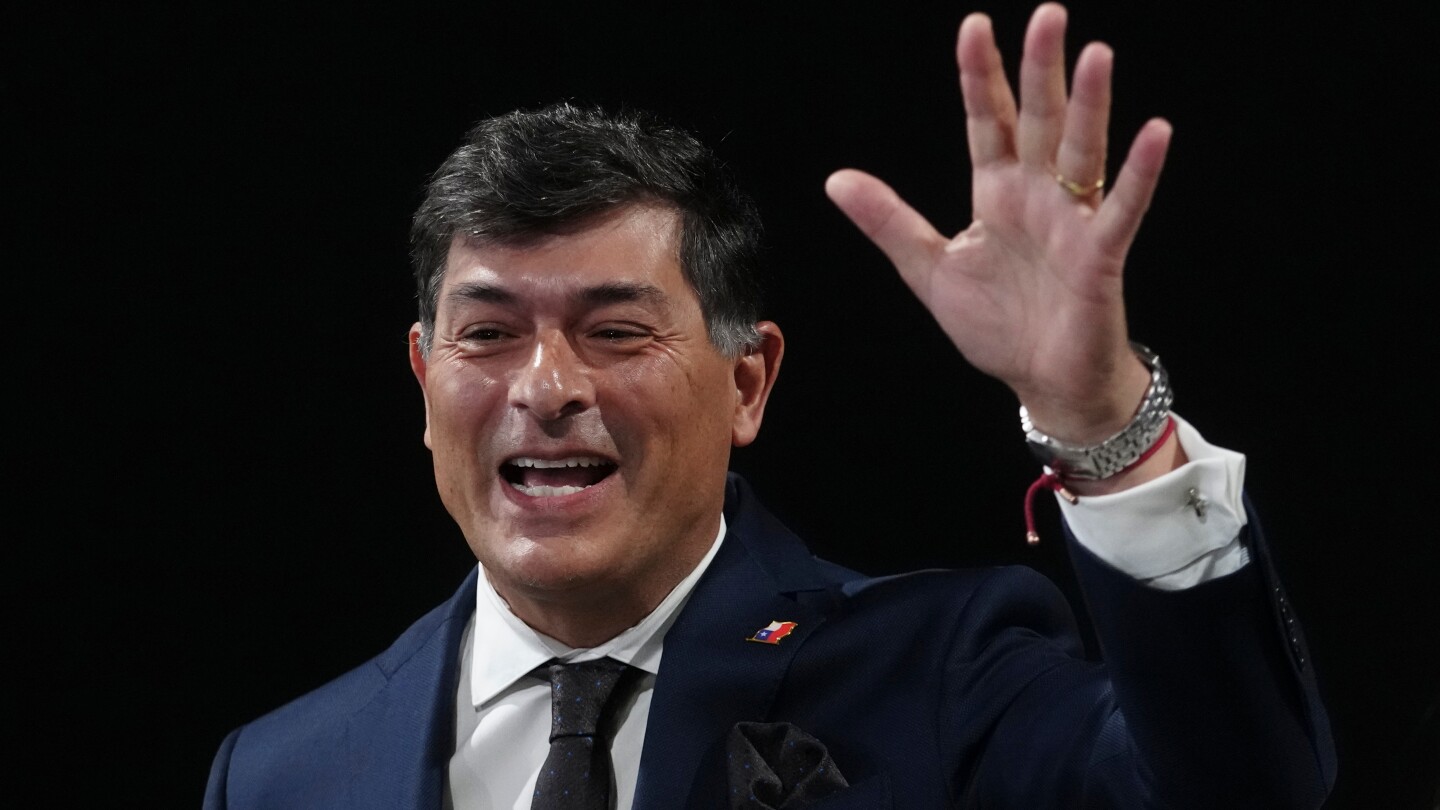
SANTIAGO, Chile — Franco Parisi, the populist economist who secured a surprising third place in Chile’s recent presidential election, has become the focal point of intense political maneuvering. With the December 14 runoff election approaching, both left-wing government officials and right-wing opposition leaders are vying for his support to sway the crucial 20% of voters who backed him. However, Parisi remains resolute in his refusal to endorse either Communist candidate Jeannette Jara or hard-right contender José Antonio Kast, citing a lack of trust in their ideological approaches.
分类: politics
-

North Dakota court upholds near-total abortion ban
In a landmark decision, North Dakota’s state Supreme Court has upheld a stringent law that criminalizes abortion, classifying it as a felony offense. This ruling overturns a previous lower court decision that had temporarily halted the implementation of the law. The court’s decision, issued on Friday, saw three out of five justices deem the law invalid, but it required the support of four justices to nullify it entirely. Consequently, the law remains in effect, imposing severe penalties, including up to five years in prison and a $10,000 fine for violators. This development aligns North Dakota with 12 other states that have enacted total abortion bans following the US Supreme Court’s 2022 decision to overturn the federal right to abortion, thereby delegating regulatory authority to individual states. The law was challenged by an abortion clinic in the state, which argued against its enforcement during ongoing legal proceedings. While the law includes exceptions for cases where the mother’s life is at risk, it restricts abortions for rape and incest victims to the first six weeks of pregnancy—a timeframe critics argue is often before many women realize they are pregnant. The court’s ruling emphasized that the state constitution does not guarantee a right to abortion and that the law provides sufficient notice to those seeking to comply. North Dakota Republican Attorney Drew Wrigley lauded the decision, stating that the high court has upheld crucial pro-life legislation enacted by the state’s legislature. The Red River Women’s Clinic, North Dakota’s last abortion provider before relocating to Minnesota in 2022, has yet to respond to the ruling. This decision underscores the ongoing and deeply polarized national debate over abortion rights in the United States.
-
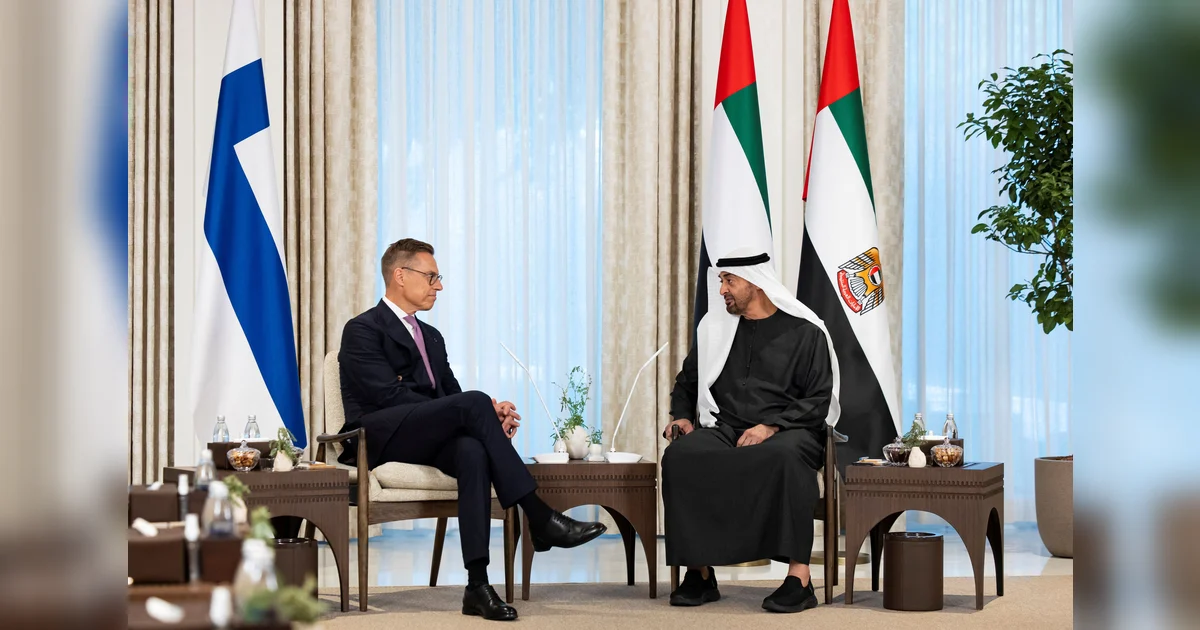
UAE President welcomes Finnish counterpart in Abu Dhabi; joint statement issued
In a landmark meeting in Abu Dhabi, UAE President Sheikh Mohamed bin Zayed welcomed Finnish President Sauli Niinistö, marking a significant step in bolstering bilateral relations between the two nations. The visit, which coincided with the 50th anniversary of diplomatic ties established in February 2025, underscored a shared commitment to advancing cooperation across multiple sectors, including renewable energy, artificial intelligence, digital transformation, and space exploration. Both leaders emphasized the importance of sustainable development and the green transition, highlighting Finland’s expertise in microsatellites and the UAE’s growing capabilities in space technology. They also discussed expanding trade and investment flows, with a focus on clean energy, sustainable finance, and the circular economy. The meeting also addressed global challenges, including climate action, women’s rights, and international peace. The leaders reaffirmed their commitment to addressing extremism, promoting tolerance, and supporting peace initiatives in regions such as Ukraine, Sudan, and Gaza. The visit concluded with a joint statement outlining a forward-looking agenda for the UAE-Finland partnership, aimed at fostering peace, stability, and sustainable prosperity.
-
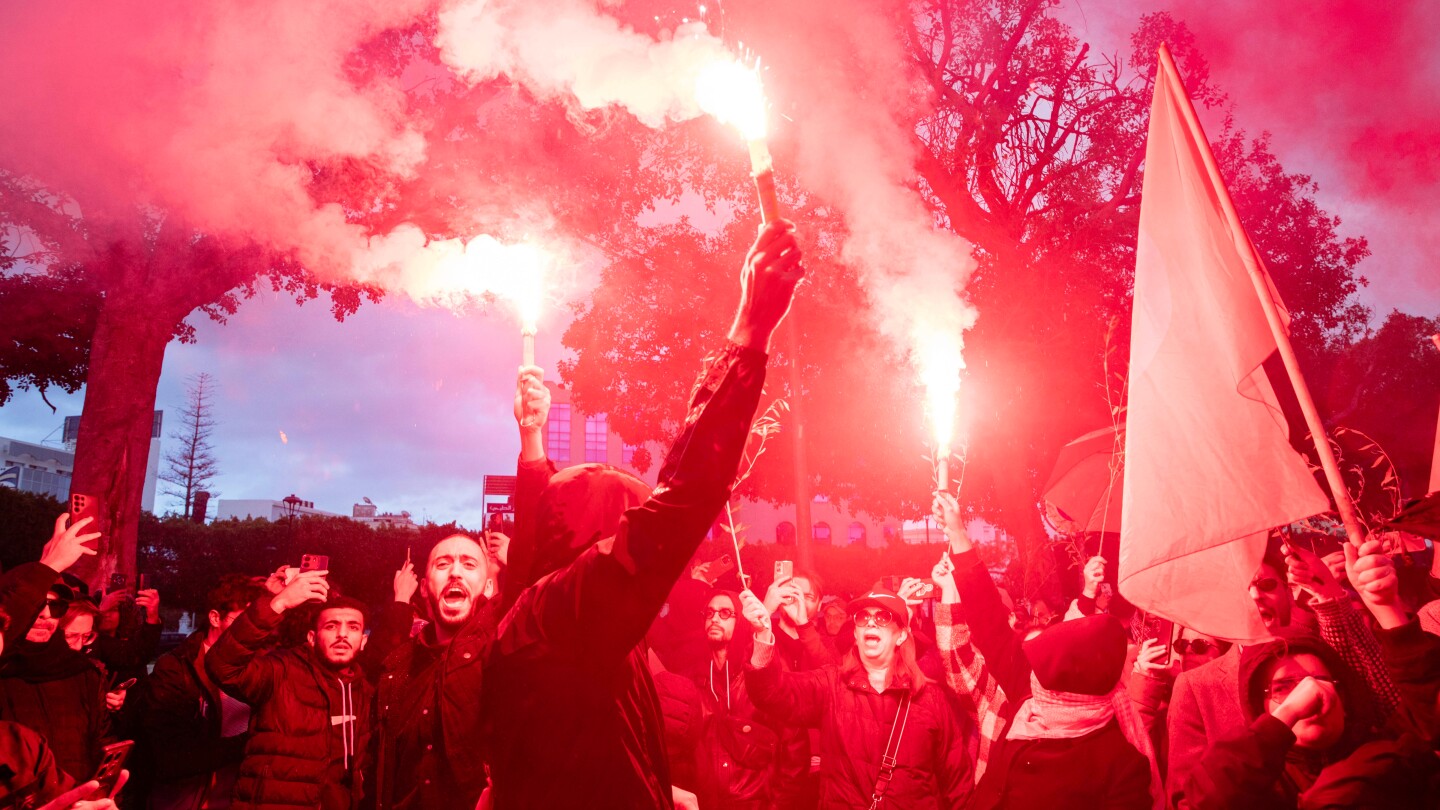
Hundreds protest in Tunisia over president’s escalating crackdown on freedoms
In a powerful display of dissent, thousands of Tunisians flooded the streets of downtown Tunis on Saturday to protest against President Kais Saied’s increasingly authoritarian governance. The rally, organized under the slogan “Against Injustice,” united families of political detainees, activists, and citizens from diverse ideological backgrounds. Over 1,000 demonstrators, some clad in black, chanted slogans such as “The people want to overthrow the regime,” “What a great country! Oppression and tyranny!” and “No fear no terror, the street belongs to the people.” The protest reflects a broader wave of unrest across Tunisia, fueled by political repression and economic instability under Saied’s rule. Earlier in the week, journalists staged demonstrations against the government’s crackdown on press freedom and the suspension of prominent civil society organizations. Protesters also condemned Saied’s interference in the judiciary and accused him of using law enforcement to target political opponents. Ayoub Amara, one of the protest organizers, emphasized the rally’s dual focus: highlighting the plight of political prisoners and addressing broader grievances, including environmental protests in Gabes and arbitrary arrests under anti-terrorism laws. Monia Brahim, the wife of jailed opposition figure Abdelhamid Jlassi, joined the march, stating, “Many Tunisians are facing deep injustice.” She asserted that political prisoners are being held hostage for their principles and activism. Among the detainees is constitutional law professor Jawher Ben Mbarek, who has been on a hunger strike for over 20 days. Human Rights Watch has raised alarms over the escalating repression, noting that over 50 individuals, including politicians, lawyers, journalists, and activists, have been arbitrarily arrested or prosecuted since late 2022. The rights group criticized the misuse of anti-terrorism and cybercrime laws to suppress dissent. Saied, who suspended parliament and centralized power in July 2021, claims his actions are necessary to combat corruption and restore state institutions. However, critics argue that his measures have undermined Tunisia’s democratic progress since the 2011 revolution.
-
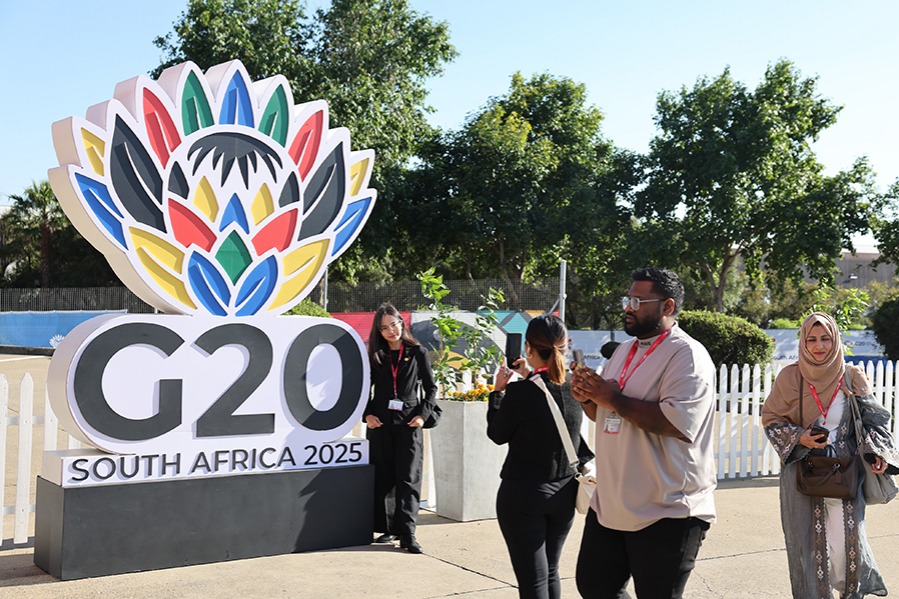
G20 summit shows signs of consensus
The inaugural G20 Leaders’ Summit in Africa commenced in Johannesburg on November 22, 2025, under the theme ‘Solidarity, Equality, Sustainability.’ Hosted by South Africa, the summit brought together over 40 heads of state to address pressing global issues, including inclusive growth, debt relief for developing nations, and equitable energy transitions. South African President Cyril Ramaphosa emphasized the urgency of bridging economic, gender, racial, and geographic divides, stating that such disparities are unsustainable and hinder global progress. He highlighted the adoption of a joint declaration as a testament to the efficacy of multilateralism, calling it a ‘message of hope and solidarity.’ Ramaphosa also underscored the need for reforms in the global financial architecture to tackle emerging challenges, such as climate-driven disasters and debt sustainability for low-income countries. The summit prioritized mobilizing finance for a just energy transition, leveraging critical minerals for inclusive growth, and advancing the United Nations Sustainable Development Goals by 2030. Ramaphosa warned that escalating geopolitical tensions, global warming, pandemics, and inequality threaten humanity’s shared future, particularly for nations unable to recover from climate-induced disasters. He urged the global community to scale up post-disaster reconstruction efforts and protect the G20’s integrity, emphasizing that the Johannesburg summit must strengthen the forum’s credibility.
-
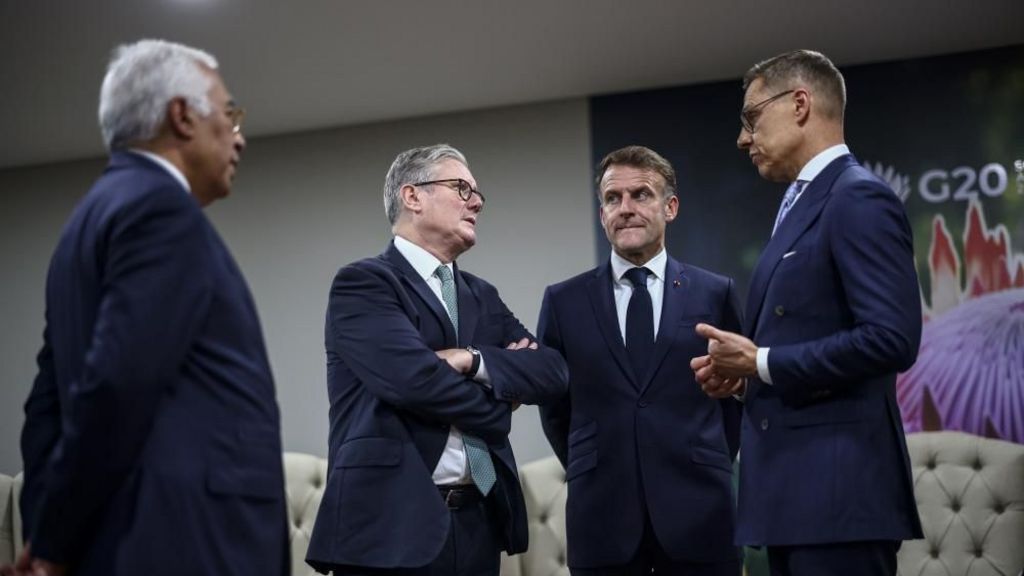
Ukraine’s allies voice concerns over US plan to end war
Allies of Ukraine from Europe, Canada, and Japan have raised significant concerns regarding a US-proposed peace plan aimed at ending the Russia-Ukraine war. While acknowledging that the draft contains elements essential for a just and lasting peace, they emphasized the need for additional work, particularly on issues related to border changes and limitations on Ukraine’s military capabilities. The joint statement, issued during the G20 summit in South Africa, was signed by leaders from Canada, Finland, France, Ireland, Italy, Japan, the Netherlands, Spain, the UK, Germany, Norway, and top EU officials. They stressed that borders must not be altered by force and expressed worries about proposed caps on Ukraine’s armed forces, which could leave the country vulnerable to future attacks. US President Donald Trump clarified that the draft plan was not his final offer, and discussions are ongoing. Security officials from Britain, France, Germany, the US, and Ukraine are set to meet in Geneva on Sunday to further deliberate on the 28-point proposal. Ukrainian President Volodymyr Zelensky warned that Ukraine is facing one of the most challenging moments in its history, pressured to accept a plan perceived as favorable to Moscow. The US plan includes provisions for Ukrainian troop withdrawals from contested regions, limitations on military personnel, and the potential reintegration of Russia into the global economy. Zelensky has appointed Andriy Yermak to lead Ukraine’s negotiating team, emphasizing the need to defend national interests and prevent further Russian aggression. Meanwhile, Russian President Vladimir Putin indicated that Moscow is willing to show flexibility but remains prepared to continue fighting. The situation remains tense as both sides navigate the complexities of the proposed peace deal.
-
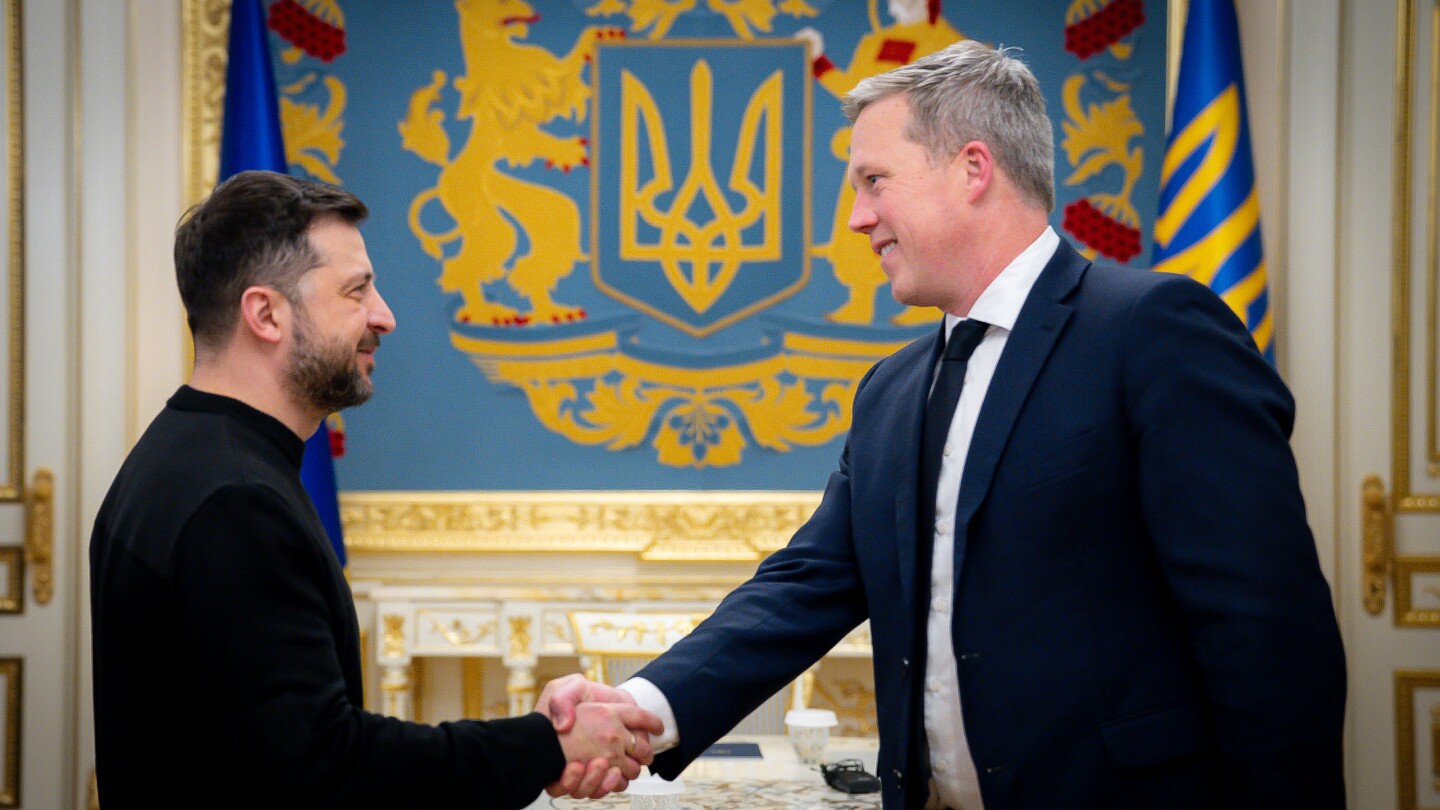
American senators rip Trump’s Ukraine peace proposal at international security conference in Canada
At the Halifax International Security Forum in Nova Scotia, Canada, U.S. senators vehemently criticized a 28-point peace proposal on Ukraine, crafted by the Trump administration and the Kremlin without Ukraine’s involvement. The plan, which accommodates numerous Russian demands, including territorial concessions, was labeled as one of the most serious geopolitical errors of our time. Independent Senator Angus King of Maine, a member of the Senate Foreign Relations Committee, compared the proposal to the infamous 1938 Munich Pact, a failed act of appeasement by British Prime Minister Neville Chamberlain. King emphasized that the plan rewards aggression and lacks any ethical, legal, or moral justification. Republican Senator Thom Tillis of North Carolina echoed these sentiments, stating that Senate Leader Mitch McConnell’s criticism of the proposal was insufficient. Tillis described Russian President Vladimir Putin as a ‘murderer, rapist, and assassin,’ arguing that the plan should not give Putin any sense of victory. Democratic Senator Jeanne Shaheen of New Hampshire, the ranking member of the Senate Foreign Relations Committee, called the proposal an ‘outrage,’ accusing Trump of being manipulated by Putin. Despite Putin’s endorsement of the plan as a potential basis for peace, Ukrainian President Volodymyr Zelenskyy did not outright reject it but insisted on fair treatment and pledged to work calmly with Washington and other partners. The Halifax International Security Forum, now in its 17th year, typically attracts military officials, diplomats, and scholars. However, this year, the Trump administration suspended the participation of U.S. defense officials in such events. The strained relations between the U.S. and Canada, exacerbated by Trump’s trade policies and controversial remarks, have led to a significant drop in Canadian tourism to the U.S., particularly in border states like New Hampshire.
-
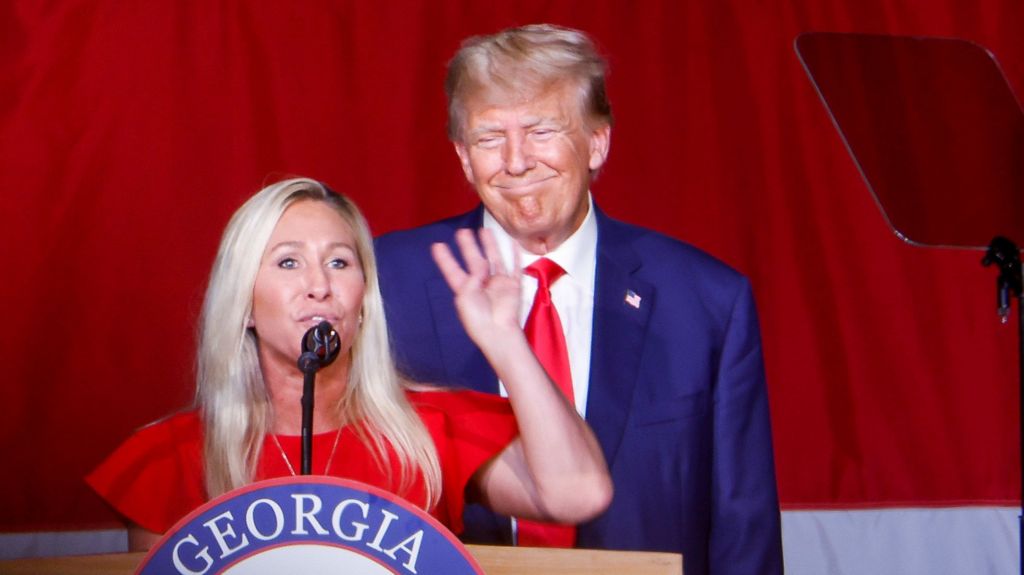
How Greene went from Maga loyalist to quitting Congress
Marjorie Taylor Greene, once a fervent ally of Donald Trump, has experienced a dramatic public fallout with the former president, culminating in her resignation from Congress. Greene, who entered Congress as a staunch defender of Trump, supported his claims of a “stolen” 2020 election even as many Republicans distanced themselves. However, over the past five years, their relationship deteriorated significantly, with Greene ultimately being labeled a “traitor” by Trump. The rift began with Greene’s criticism of Trump’s foreign policy decisions, including airstrikes on Iran and his stance on Israel during the Gaza War. The final break occurred over Trump’s handling of the Jeffrey Epstein case, with Greene condemning his reluctance to release Justice Department files and aligning with Epstein’s victims and Democrats to push for a House vote. Greene also challenged Republican strategy during the government shutdown, advocating for healthcare subsidies for low-income Americans and criticizing Trump’s focus on foreign policy over domestic economic concerns. In her resignation statement, Greene accused the “MAGA Inc.” movement of being co-opted by elites and vowed to chart a new path. Despite her controversial past, including promoting QAnon conspiracy theories and clashing with both Democrats and Republicans, Greene’s influence in Washington was bolstered by her ties to Trump. Now, as she steps away from Congress, Greene leaves open the possibility of a political comeback in Georgia, where Republican leaders have shown success without Trump’s backing. Her departure marks a significant moment in the evolving dynamics of the Republican Party as it navigates a post-Trump era.
-
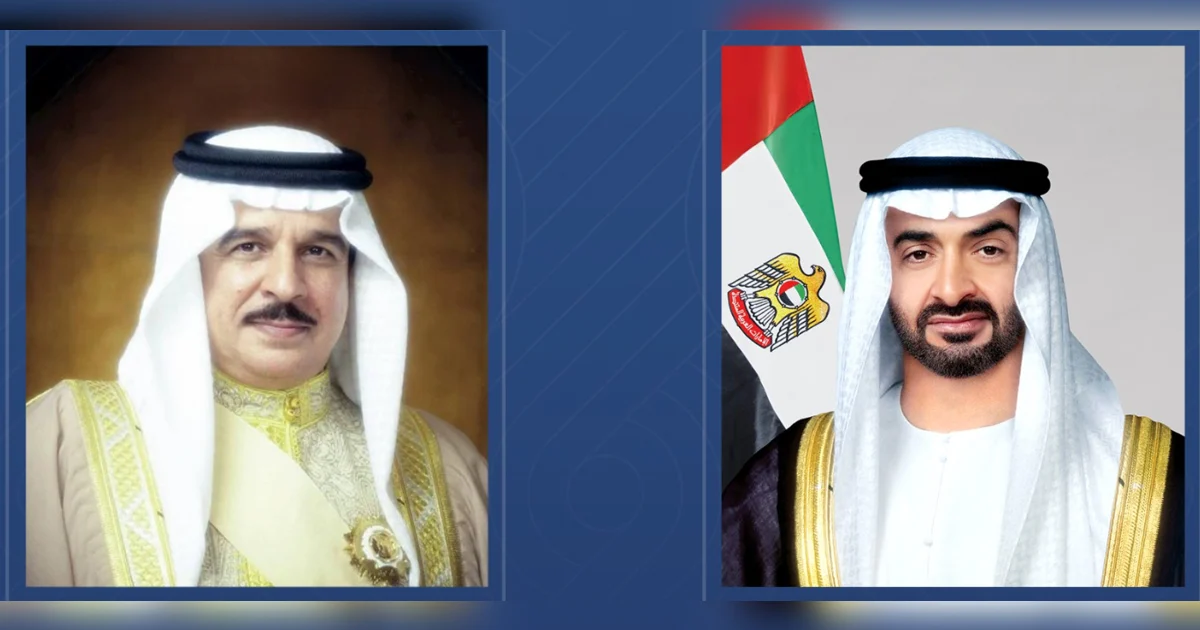
UAE President begins visit to Bahrain; King Hamad welcomes Sheikh Mohamed at Sakhir Air Base
UAE President Sheikh Mohamed bin Zayed Al Nahyan embarked on a significant working visit to Bahrain on Saturday, November 22, 2025. Upon his arrival at Sakhir Air Base, he was warmly received by Bahrain’s King Hamad bin Isa Al Khalifa, accompanied by senior officials and members of the royal family. This visit underscores the strengthening bilateral ties between the two Gulf nations. Sheikh Mohamed was accompanied by a high-level delegation, including Sheikh Hamdan bin Mohammed bin Rashid Al Maktoum, Crown Prince of Dubai and UAE’s Deputy Prime Minister and Minister of Defence, as well as Lt. General Sheikh Saif bin Zayed Al Nahyan, UAE’s Deputy Prime Minister and Minister of the Interior. The visit is expected to focus on enhancing cooperation across various sectors, including defense, economy, and regional security. This diplomatic engagement highlights the UAE’s commitment to fostering regional stability and collaboration.
-
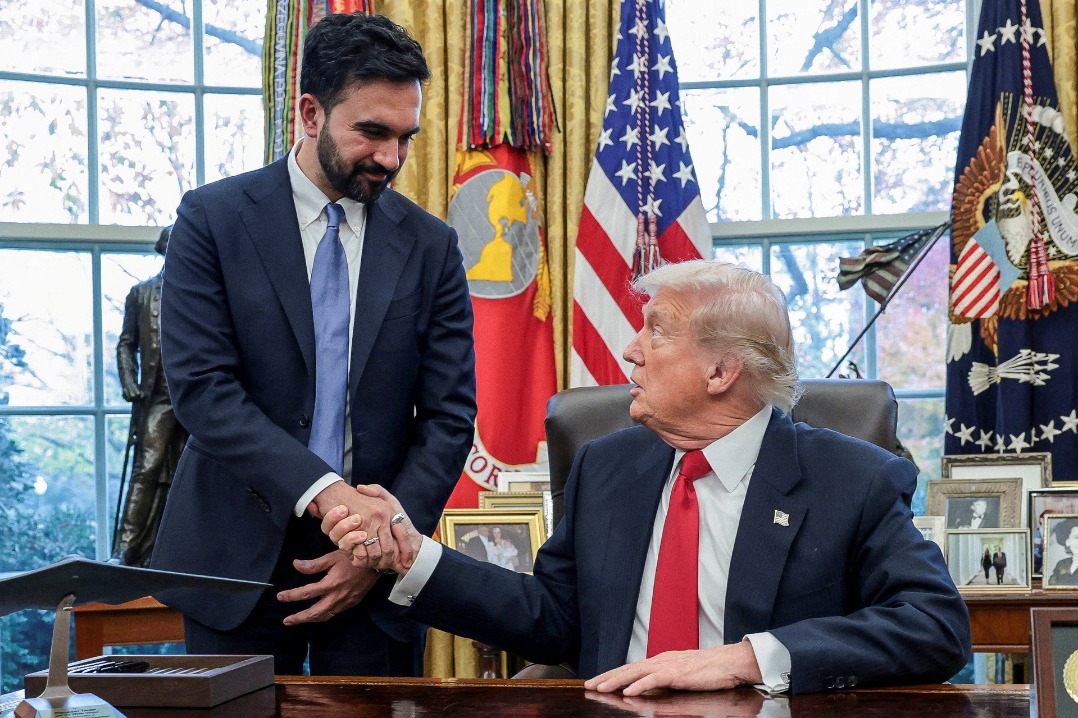
Trump meets with NYC mayor-elect
In a significant political development, US President Donald Trump and New York City Mayor-elect Zohran Mamdani convened at the White House on November 21, 2025. The meeting, held in the Oval Office, marked a notable shift from the previously strained relations between the two leaders. Both Trump and Mamdani described their discussions as productive, focusing on collaborative efforts to enhance the quality of life in New York City, the nation’s largest metropolis. Trump expressed his support for Mamdani’s success, stating, ‘The better he does, the happier I am.’ Mamdani, on his part, emphasized his commitment to tackling the affordability crisis in one of the country’s most expensive cities. This cordial exchange starkly contrasts with the animosity that characterized their interactions earlier in the year. In July 2025, Trump had threatened to arrest Mamdani if he interfered with federal Immigration and Customs Enforcement (ICE) operations, following Mamdani’s pledge to protect undocumented immigrants in New York. Mamdani’s historic election as the first Muslim mayor of New York City on November 4, 2025, underscores the evolving political landscape and the potential for renewed cooperation between local and federal leadership.