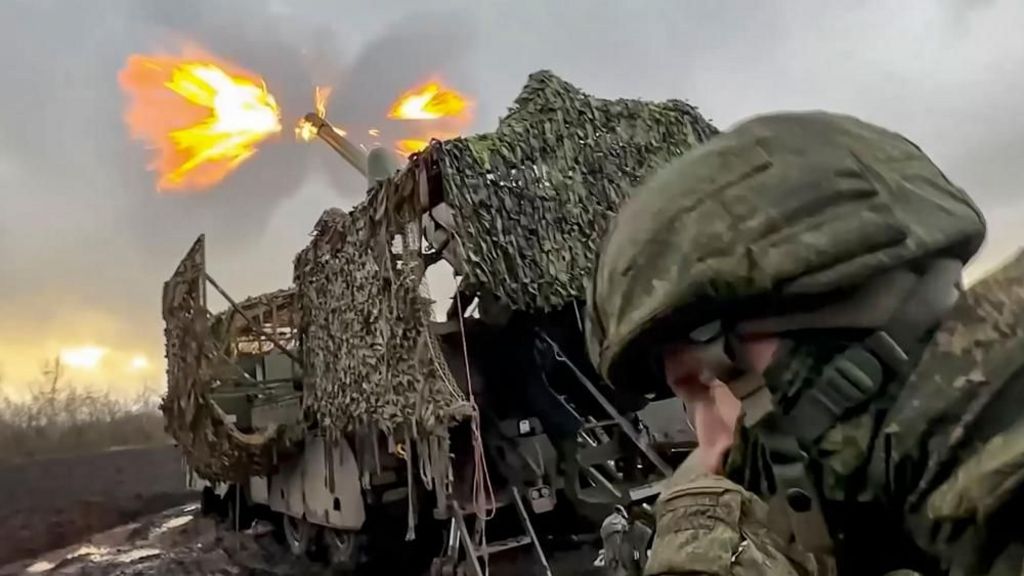
In a recent social media outburst, former U.S. President Donald Trump accused Ukrainian leaders of showing ‘zero gratitude’ for American efforts to broker peace in the ongoing Russia-Ukraine conflict. His remarks coincided with high-stakes negotiations in Geneva, where Ukrainian officials and their European counterparts are discussing a controversial U.S.-backed peace proposal that appears to favor Moscow. The 28-point draft, which has been widely leaked, includes provisions for Ukrainian troop withdrawals from key regions, de facto Russian control over Donetsk and Luhansk, and a freeze on the borders of Kherson and Zaporizhzhia. Additionally, the plan proposes capping Ukraine’s military personnel at 600,000 and preventing Ukraine from seeking NATO membership, offering instead vague ‘security guarantees.’ U.S. Secretary of State Marco Rubio described the talks as ‘the most productive and meaningful meeting so far,’ while Ukrainian President Volodymyr Zelensky expressed personal gratitude to Trump. However, European allies have raised concerns over the plan’s implications for Ukraine’s sovereignty and military capabilities, suggesting that further revisions may be necessary. Trump, in his post on Truth Social, blamed Ukraine’s leadership for the war and criticized Europe for continuing to purchase Russian oil, which finances Moscow’s military operations. The Geneva talks, involving senior officials from the U.S., Ukraine, Britain, France, and Germany, are expected to continue behind closed doors, with the aim of reaching a comprehensive settlement.
分类: politics
-
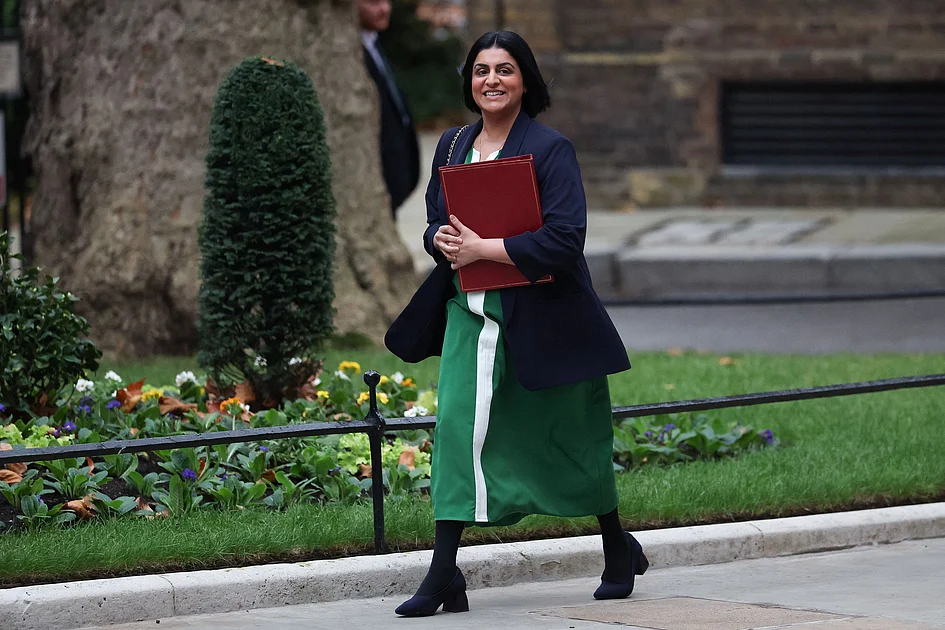
Shabana Mahmood, the hardline UK Labour minister tackling migration
Shabana Mahmood, the UK’s Home Secretary and a prominent figure in the Labour Party, is spearheading a controversial overhaul of Britain’s asylum system. Born and raised in Birmingham, a city with a significant South Asian community, Mahmood’s political ethos is deeply influenced by her Muslim faith and her upbringing as the daughter of Pakistani-origin immigrants. Known for her unapologetic stance on reducing migration, Mahmood has been dubbed “The Terminator” by The Spectator and “the new hard woman of British politics” by Sky News. Her recent proposals include cutting protections for refugees, ending automatic benefits for asylum seekers, and extending the waiting period for permanent residency applications. Mahmood argues that record levels of irregular migration are “tearing our country apart” and insists her policies aim to “restore order and control.” Despite criticism from left-wing lawmakers accusing her of divisive rhetoric, Mahmood remains steadfast, warning of the growing influence of hard-right politics fueled by migration issues. In a revealing parliamentary incident, she shared her personal experiences of racial abuse, emphasizing the divisive nature of the asylum debate. Mahmood’s political journey began in her youth, shaped by her father’s involvement in the Labour Party. After studying law at Oxford, she became one of Britain’s first female Muslim MPs in 2010. Often seen as a potential future leader of the Labour Party, Mahmood’s bold reforms are viewed by some as a strategic move to counter the rise of anti-immigrant sentiment. However, critics within her party accuse her of “performative cruelty” and political opportunism. Mahmood remains resolute, warning of the dangers of rising hate and division in the UK.
-
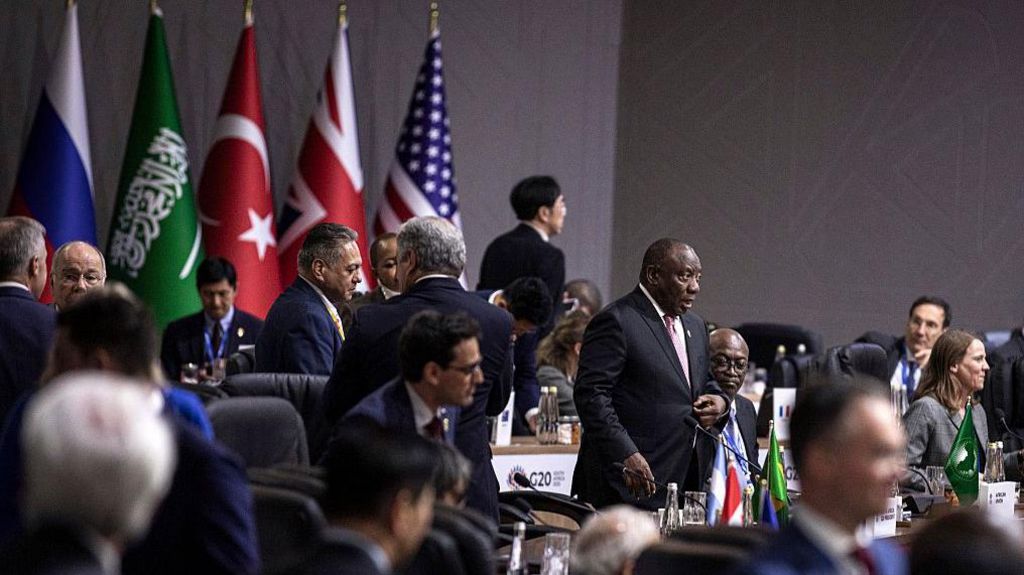
G20 summit boycotted by US closes in South Africa
The recent G20 summit in South Africa, a pivotal gathering of the world’s leading economies, culminated in a joint declaration emphasizing ‘multilateral cooperation.’ This declaration, which addressed critical issues such as climate change mitigation and economic inequality, was adopted despite the absence of the United States, which boycotted the event in Johannesburg. South African President Cyril Ramaphosa, speaking at the closing ceremony, highlighted that the agreement underscored ‘shared goals’ that transcended national differences. The US decision to abstain was rooted in controversial claims regarding the treatment of South Africa’s white minority, assertions that have been widely discredited. This summit marked the first time the G20 was hosted on African soil, following recent editions in Indonesia, India, and Brazil. The US is slated to host the next summit in 2026, with plans to hold it at President Trump’s golf course in Florida. Notably, the ceremonial handover of the G20 presidency, typically conducted at the summit’s conclusion, was postponed and is expected to occur next week involving junior officials. Brazilian President Luiz Inácio Lula da Silva remarked on the resilience of multilateralism, stating it was ‘more alive than ever,’ while German Chancellor Fredriech Merz criticized the US decision to abstain as ‘not a good decision.’ Merz also observed a global realignment and the formation of new alliances. Delegates achieved consensus on fostering ‘just, comprehensive, and lasting peace’ in regions including Ukraine, Sudan, the Democratic Republic of Congo, and the ‘Occupied Palestinian Territory.’ The inclusion of Sudan in the discussions was particularly significant, as noted by Sudanese commentator Saeed Abdalla, who highlighted the G20’s newfound focus on the Sudan conflict after more than two years of neglect.
-
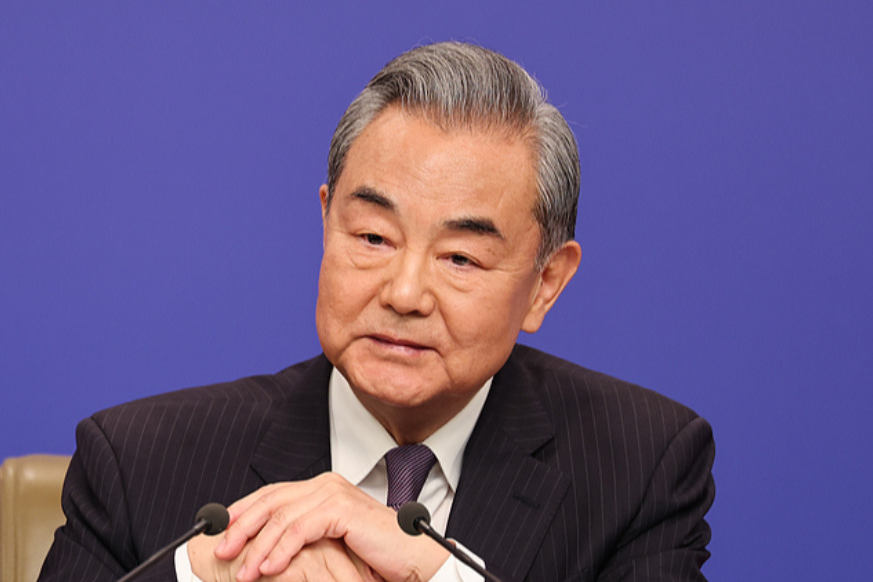
Chinese FM urges Japan to reflect on, correct mistakes as soon as possible
In a recent statement, Chinese Foreign Minister Wang Yi called on Japan to promptly reflect on and rectify its historical errors, emphasizing the importance of avoiding a continued adherence to misguided policies. Wang, who also serves as a member of the Political Bureau of the Communist Party of China Central Committee, made these remarks during a media interview following his diplomatic tour of Kyrgyzstan, Uzbekistan, and Tajikistan. From November 19 to 22, Wang engaged in strategic dialogues with the foreign ministers of these Central Asian nations, reinforcing China’s commitment to regional stability and development. Wang highlighted that Japan’s persistent mistakes necessitate a global re-examination of its historical crimes, particularly its militaristic past. He stressed that all nations and individuals advocating for justice have a responsibility to prevent the resurgence of Japanese militarism. Wang also underscored China’s unwavering support for the one-China principle, noting that Kyrgyzstan, Uzbekistan, and Tajikistan have all reaffirmed their recognition of Taiwan as an inalienable part of China. He criticized Japan’s current leadership for actions that infringe upon China’s core interests and challenge the post-World War II international order. Wang reminded that the return of Taiwan to China was explicitly stipulated in key international documents such as the Cairo Declaration and the Potsdam Proclamation. He urged Japan to deeply reflect on its history of aggression and colonization, particularly concerning Taiwan, and to act with restraint on such sensitive issues. Wang warned that China would resolutely defend its sovereignty and territorial integrity, as well as uphold the hard-won achievements of the post-war era. He reiterated that the Japanese government’s commitments on the Taiwan question, as outlined in the four political documents between China and Japan, are legally binding and must be adhered to regardless of changes in leadership. Wang concluded by emphasizing that integrity and credibility are essential for both individuals and nations to maintain their standing in the international community.
-
Navy intercepts two Russian ships in English Channel
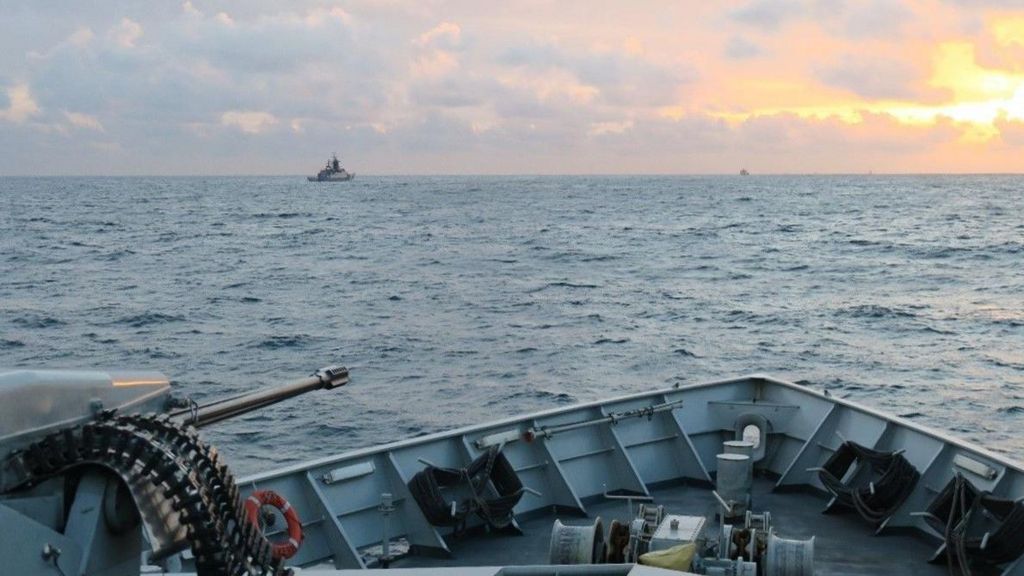
The UK Ministry of Defence (MoD) has reported that the Royal Navy intercepted two Russian warships, the RFN Stoikiy and the Yelnya, as they navigated through the English Channel. This incident marks the latest in a series of Russian naval activities in UK waters, raising concerns over escalating tensions. The HMS Severn, a River-class offshore patrol vessel, successfully tracked and monitored the Russian corvette and tanker as they passed through the Dover Strait. The MoD confirmed that the HMS Severn later transferred monitoring responsibilities to a NATO ally near Brittany, maintaining a vigilant presence to respond to any unexpected developments. This interception follows recent reports of the Russian spy ship Yantar using lasers to disrupt RAF pilots off the coast of Scotland, an act described by Defence Secretary John Healey as ‘deeply dangerous.’ Healey emphasized that the UK is fully aware of Russia’s actions and remains prepared to respond. He also highlighted a 30% increase in Russian vessels threatening UK waters over the past two years, attributing this to broader ‘Russian aggression’ impacting Europe. The RFN Stoikiy has previously been monitored by the Royal Navy, including in May when it was shadowed by HMS Hurworth and the 814 Naval Air Squadron. HMS Severn, commissioned in 2002, is part of the Royal Navy’s efforts to safeguard UK borders and monitor foreign warships. The MoD reiterated its commitment to defending UK waters and maintaining regional security amidst growing Russian naval activity.
-
UK navy intercepts Russian corvette and tanker as Moscow steps up naval activity
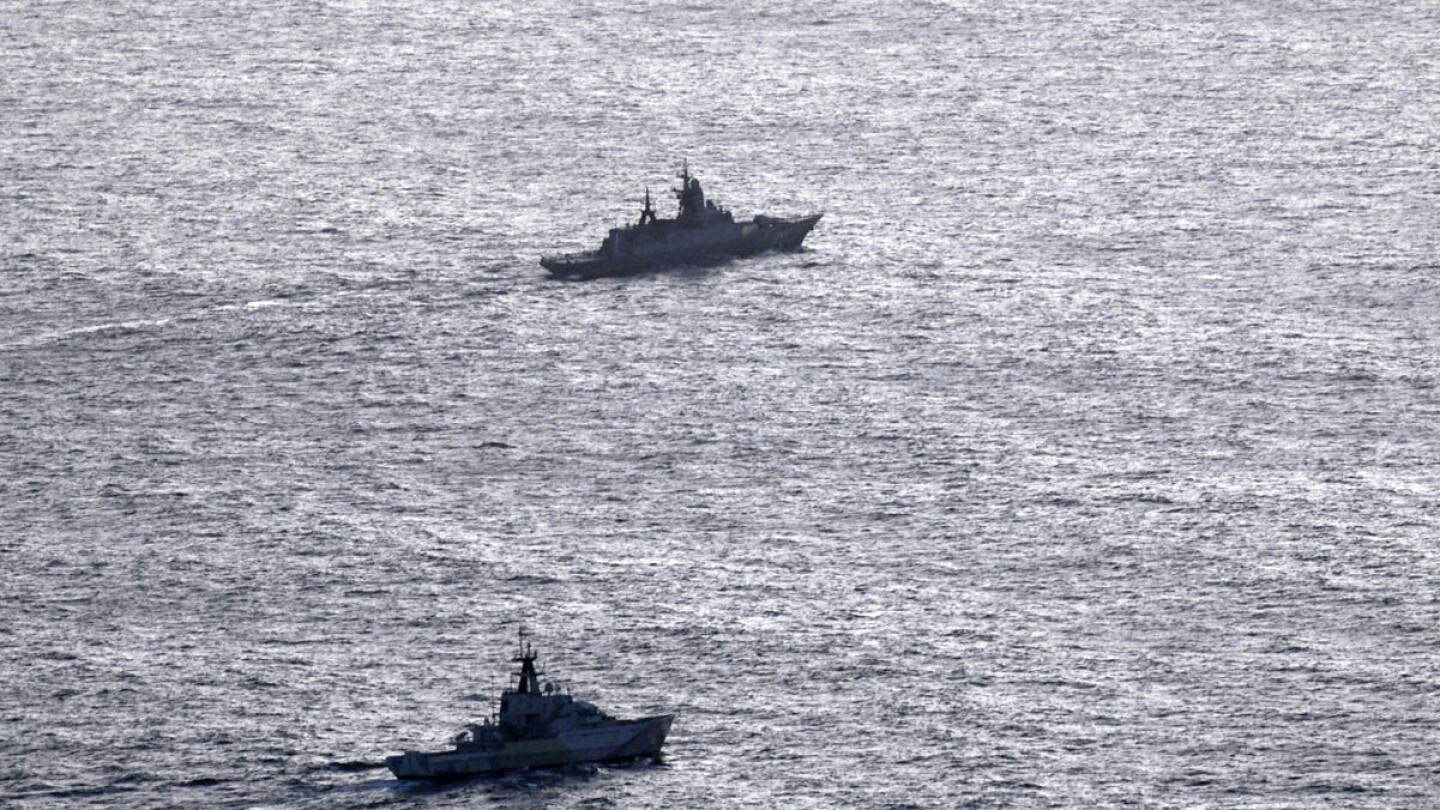
In a significant escalation of maritime tensions, a UK patrol ship intercepted a Russian corvette and tanker as they navigated the English Channel, the UK Defense Ministry reported on Sunday. The HMS Severn shadowed the Russian vessels, the RFN Stoikiy and Yelnya, before transferring monitoring responsibilities to an unnamed NATO ally near Brittany. This incident underscores a 30% surge in Russian naval activity around UK waters over the past two years, according to official statements.
-
Brazil’s Bolsonaro to meet a judge a day after his early arrest
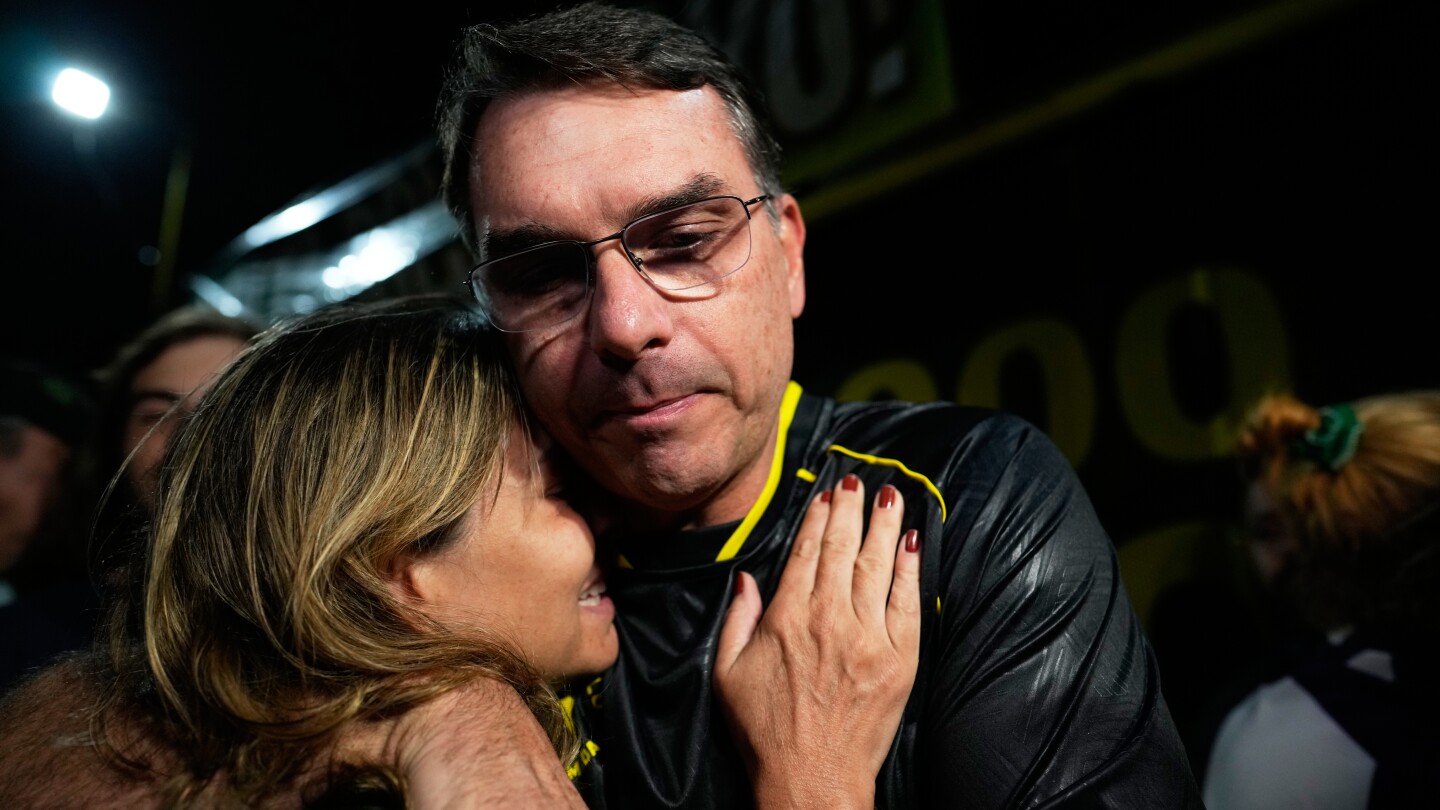
Former Brazilian President Jair Bolsonaro is set to meet with a judge on Sunday to deliberate the legality of his preemptive imprisonment at federal police headquarters in Brasilia. This meeting follows Supreme Court Justice Alexandre de Moraes’ order for Bolsonaro’s detention on Saturday, citing him as a flight risk after his ankle monitor was reportedly violated early that morning. Bolsonaro’s incarceration comes just before he is due to begin a 27-year prison sentence, following a September ruling by Brazil’s Supreme Court that he attempted to orchestrate a coup to retain the presidency after losing the 2022 election to Luiz Inácio Lula da Silva. The same judicial panel will review the preemptive arrest order on Monday. Despite procedural nature of Sunday’s meeting, Bolsonaro’s legal team plans to argue for house arrest based on his health concerns, a request previously denied by Justice de Moraes. Meanwhile, Bolsonaro has been permitted visits from his wife, former first lady Michelle Bolsonaro, who was absent during his arrest. President Lula commented on the situation at the G20 meeting in South Africa, affirming the court’s decision and Bolsonaro’s actions. Outside the police headquarters, reactions were mixed, with supporters demanding the removal of Lula and de Moraes, and opponents celebrating Bolsonaro’s detention.
-
Bucha’s sense of betrayal over peace plan’s amnesty clause reflects a dark mood across Ukraine
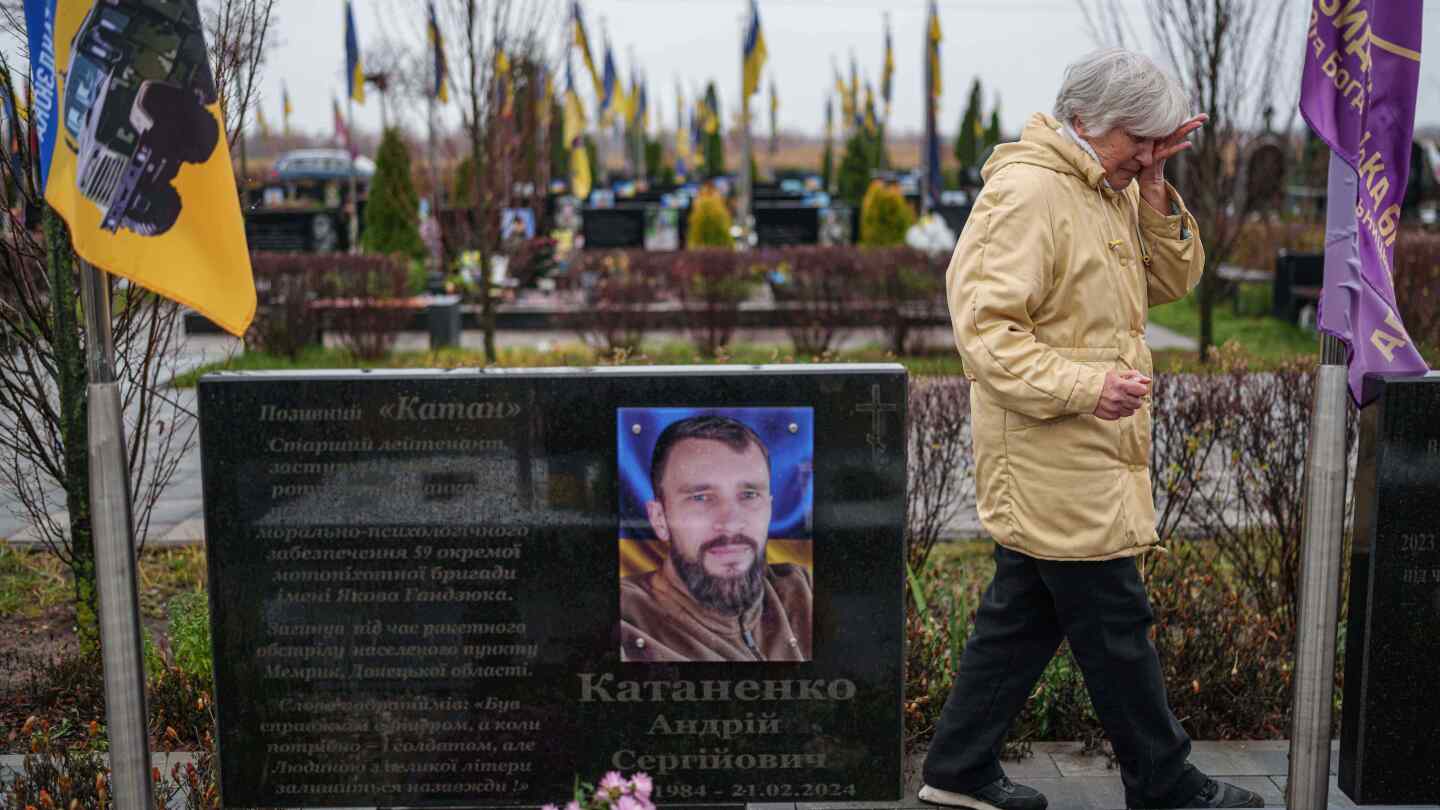
The Kyiv suburb of Bucha, scarred by mass graves and bullet-ridden churches, remains a haunting symbol of the brutality endured during Russia’s occupation. Now, its traumatized residents face a new source of anguish: a U.S.-led peace proposal that would grant blanket amnesty to the perpetrators of wartime atrocities. For the survivors of Bucha, where hundreds of Ukrainians were killed in 2022, the proposed amnesty is seen not as a path to reconciliation but as a betrayal of justice, fueling broader concerns in Ukraine about the implications of absolving Russian soldiers and officials of alleged crimes. The Church of Andrew the Apostle, still bearing the scars of war, stands beside a mass grave where civilians—some executed in the streets, others showing signs of torture—are buried. Father Andriy Halavin, the parish priest, warns that any amnesty would legitimize further violence as the conflict continues. “It’s a green light,” he said after a Sunday service. “It means you can keep bombing, keep executing soldiers, all with confidence that nothing will happen.” The mass killings in Bucha were uncovered after Russian forces withdrew following their failed attempt to seize Kyiv during the full-scale invasion in 2022. Father Andriy insists that justice is not about revenge but about proving accountability still matters, especially as Ukrainians grapple with painful trade-offs for peace. The proposed 28-point peace deal, reportedly the result of secret negotiations between Russian envoys and U.S. President Donald Trump’s administration, would require Ukraine to relinquish territory beyond what is currently controlled by Moscow, reduce its military, and abandon NATO membership. In return, Kyiv would receive international security guarantees and reconstruction assistance. At Bucha’s military cemetery, Vira Katanenko, 66, visited the grave of her son Andrii, who was killed in battle in the Donetsk region last year. For her, the peace plan and the proposed amnesty are unthinkable. “I can’t accept that,” she said. “They want forgiveness for all war crimes, including Bucha? That’s horrifying. Let them come here—let Trump himself come here. Let him and his family come, see our pain, and maybe then they’ll change their minds.” European leaders have emphasized that any peace talks must include Ukraine and protect its sovereignty. Ukrainian President Volodymyr Zelenskyy has described the plan as one of the war’s most challenging moments, pledging to work with Washington while seeking changes. Nearby, mourners gathered for the funeral of Ruslan Zhyhunov, a 41-year-old machine gunner killed in eastern Ukraine. The uncertainty surrounding the peace plan weighed heavily on relatives and neighbors as they watched the burial in the rain—a stark reminder of how fragile any promised future now feels. “How can you exchange the territory of your ancestors for something? For what?” asked Andrii Honcharuk, a 71-year-old retired territorial defense volunteer, who attended the service in uniform. “The war will not end soon. We will still be dying for a long time.”
-
Trump officials’ meeting with Russian spurs questions about Ukraine proposal
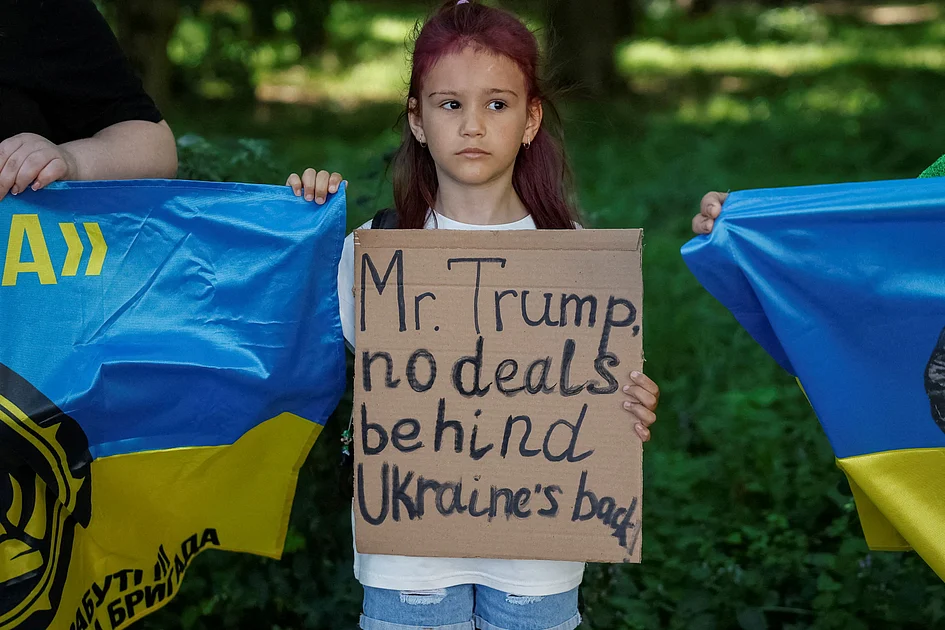
A secretive meeting in late October between Trump administration officials and Kirill Dmitriev, a Russian envoy under U.S. sanctions, has sparked widespread concern among U.S. lawmakers and officials. The meeting, held in Miami, included special envoy Steve Witkoff and Jared Kushner, President Donald Trump’s son-in-law. Dmitriev, who heads the Russian Direct Investment Fund (RDIF), a major Russian sovereign wealth fund, is a close ally of President Vladimir Putin and has been central to U.S.-Russia discussions on the Ukraine conflict. The U.S. government granted Dmitriev a special waiver to attend the meeting, which resulted in a 28-point peace plan for Ukraine. The plan, leaked this week by Axios, has drawn criticism for appearing to favor Russian interests, with Ukrainian President Volodymyr Zelenskiy vowing not to compromise Ukraine’s sovereignty. The proposal calls for significant concessions from Ukraine, including territorial compromises and a pledge not to join NATO, which contradicts the Trump administration’s recent tough stance on Russia. The plan was presented to Ukraine via the Turkish government before being directly delivered to Kyiv. White House spokeswoman Karoline Leavitt defended the plan, stating it aimed for a ‘win-win scenario’ for both Ukraine and Russia. However, many U.S. officials, including those at the State Department and National Security Council, were reportedly unaware of the discussions, raising concerns about the bypassing of standard interagency processes. Senator Roger Wicker, chairman of the Senate Armed Services Committee, criticized the plan, calling it problematic and unlikely to achieve peace. The meeting has also reignited concerns about Dmitriev’s influence, given his history of leveraging RDIF to build ties with Western governments despite U.S. sanctions. The CIA declined to comment on intelligence community concerns regarding Dmitriev. The situation underscores the complex and contentious nature of U.S.-Russia relations amid ongoing efforts to resolve the Ukraine conflict.
-
Japan ‘crossed a red line’ with Taiwan military intervention remarks, Chinese foreign minister says
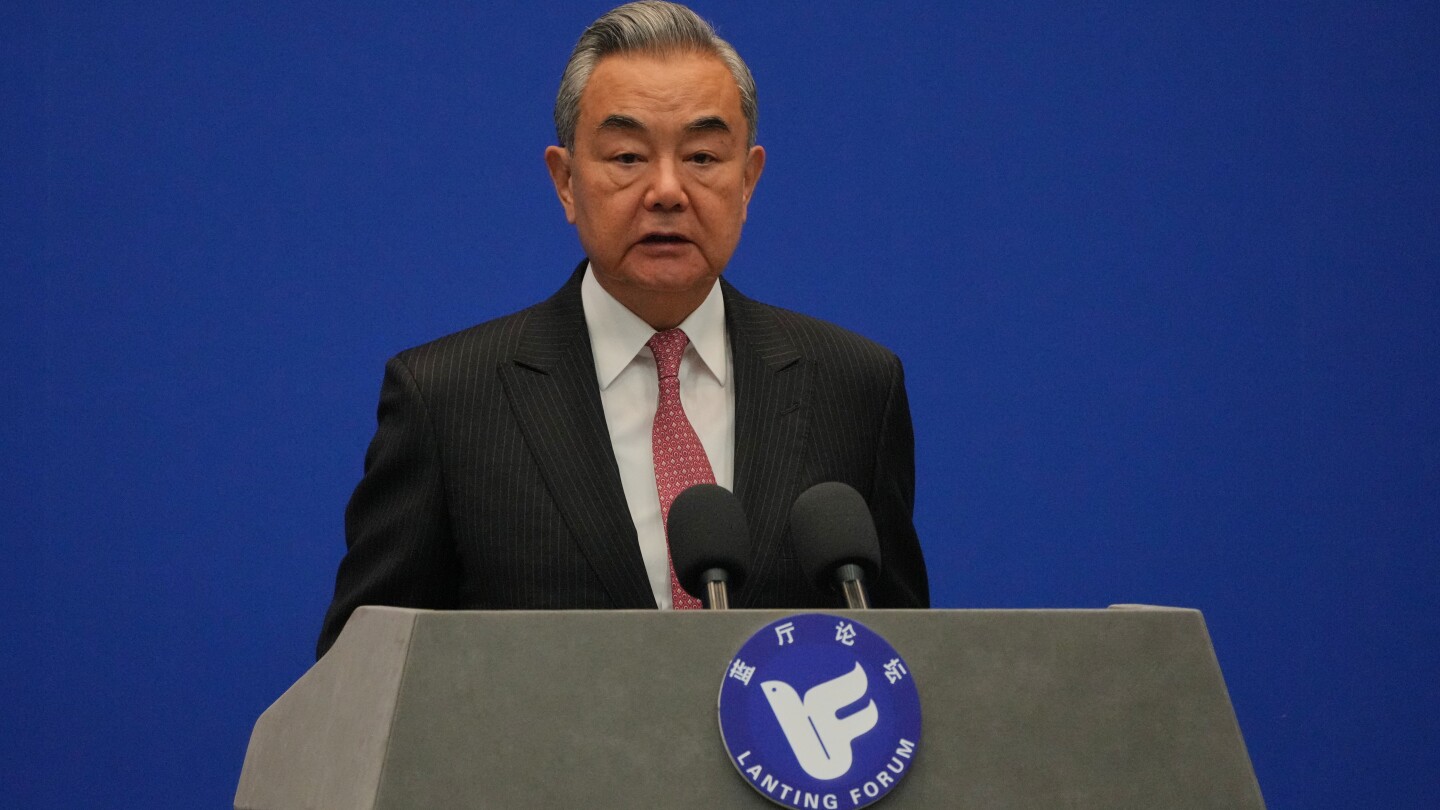
Chinese Foreign Minister Wang Yi issued a stern warning to Japan on Sunday, accusing its new leader, Prime Minister Sanae Takaichi, of “crossing a red line” with remarks suggesting potential military intervention in Taiwan. Wang described Takaichi’s comments, which implied that Japan could respond militarily to a Chinese naval blockade or other actions against Taiwan, as “shocking” and a violation of diplomatic norms. In a statement published on the Chinese Foreign Ministry’s website, Wang emphasized that China must “resolutely respond” to such provocations and called on the international community to prevent the resurgence of Japanese militarism. The escalating tensions were further highlighted by a letter from China’s U.N. Ambassador Fu Cong to U.N. Secretary-General Antonio Guterres, criticizing Takaichi’s remarks as a “grave violation of international law.” Fu asserted that any armed intervention by Japan in the Taiwan Strait would be considered an act of aggression, and China would defend its sovereignty and territorial integrity under the U.N. Charter. Beijing views Taiwan, a self-ruled island and former Japanese colony, as an inseparable part of its territory and opposes any foreign involvement, particularly from the U.S. and its Asian allies, including Japan and the Philippines. Takaichi’s stance marks a departure from previous Japanese leaders, who expressed concern over China’s threats to Taiwan but avoided specifying potential military responses. While Takaichi refused to retract her comments, she stated she would refrain from discussing specific scenarios in the future.