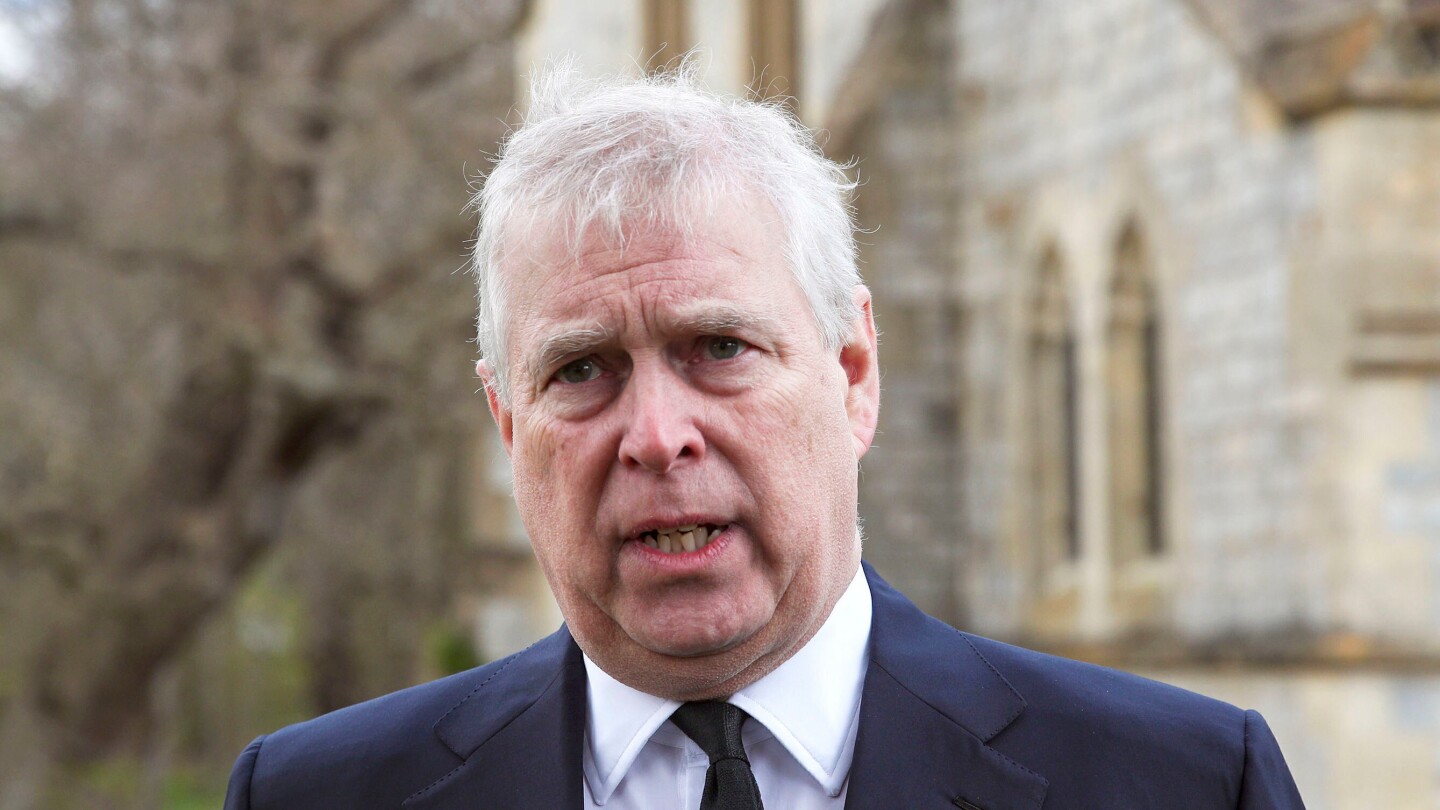
LONDON — The pressure on Prince Andrew to cooperate with a U.S. congressional investigation into Jeffrey Epstein’s sex trafficking network has intensified following remarks by British Prime Minister Keir Starmer. While Starmer avoided direct commentary on the Duke of York’s case, he emphasized the importance of individuals with relevant information aiding investigative processes. ‘As a general principle, anyone possessing pertinent details should provide evidence to those who require it,’ Starmer stated during his visit to Johannesburg for the G20 summit.
分类: politics
-
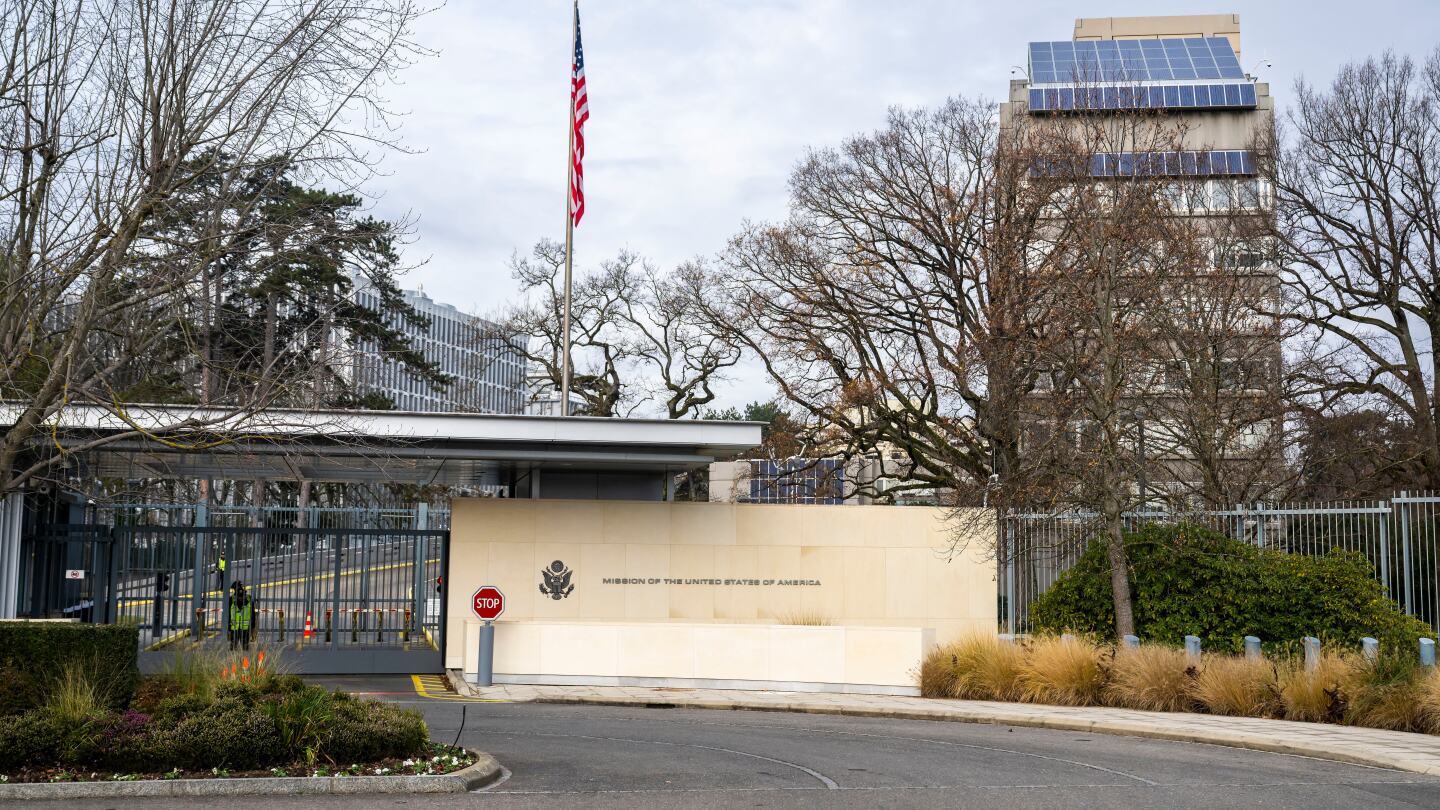
Rubio is set to meet with Ukraine and its European allies over US peace plan
Geneva witnessed high-stakes diplomatic discussions on Sunday as U.S. Secretary of State Marco Rubio arrived to engage with Ukrainian officials and European allies regarding a contentious U.S.-proposed peace plan for Ukraine. The 28-point blueprint, designed to end the nearly four-year conflict, has drawn sharp criticism from Kyiv and its Western supporters, who argue that the plan disproportionately favors Moscow despite Russia’s aggressive invasion of Ukraine. The Ukrainian delegation, led by President Volodymyr Zelenskyy’s chief of staff, Andrii Yermak, was joined by representatives from France, Germany, and the U.K., signaling a unified European stance against the proposal. The U.S. delegation also included Army Secretary Dan Driscoll and Steve Witkoff, President Donald Trump’s special envoy. The plan’s concessions to Russian demands, including territorial compromises, have been vehemently rejected by Zelenskyy, who has repeatedly vowed to defend Ukraine’s sovereignty. Speaking ahead of the talks, French Defense Ministry delegate Alice Rufo emphasized the importance of Ukraine’s ability to defend itself, labeling the plan’s restrictions on the Ukrainian military as a direct infringement on its sovereignty. Meanwhile, President Trump, speaking outside the White House, described the proposal as a step toward peace but clarified that it was not his “final offer.” The lack of clarity on Trump’s remarks and the White House’s silence on the matter have further fueled skepticism among Ukraine’s allies. The Geneva talks underscore the growing rift between the U.S. and its European partners over how to address the ongoing crisis in Ukraine.
-
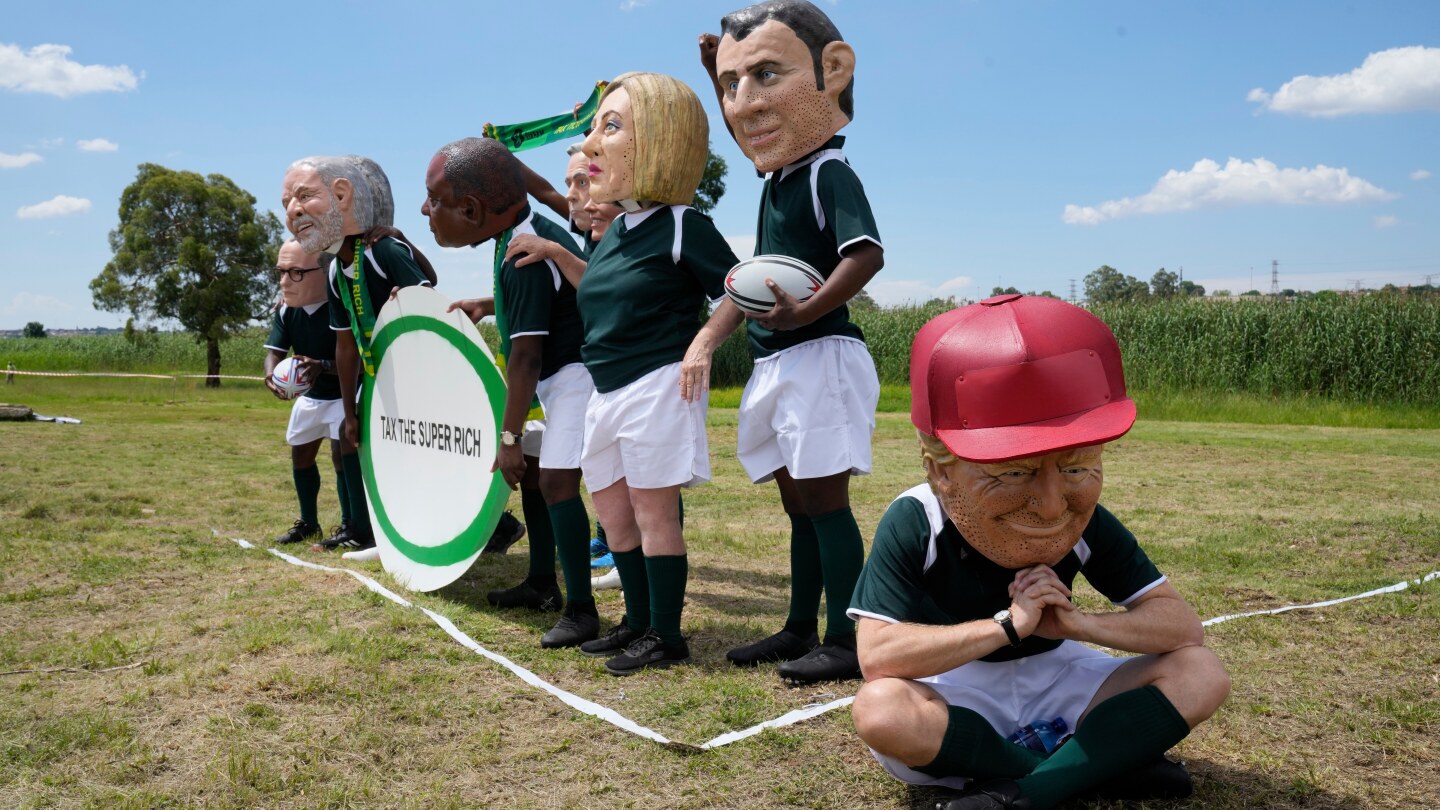
The G20 summit in South Africa is set to end with another diplomatic spat involving the US
The G20 summit in Johannesburg, South Africa, concluded on Sunday amidst heightened diplomatic tensions between the host nation and the United States. The dispute arose when South Africa refused to conduct the traditional handover of the G20 presidency to a U.S. official, citing the absence of a high-level representative from the American delegation. South African Foreign Minister Ronald Lamola emphasized that the summit is a leaders’ meeting, requiring representation at the level of a head of state, special envoy, or minister. The U.S., which is slated to assume the G20 presidency in 2026, had planned to host its summit at President Donald Trump’s golf club in Doral, Florida. However, South Africa deemed the proposed handover ceremony inappropriate and postponed it to a later date, possibly at its foreign ministry building.
The rift deepened when South African President Cyril Ramaphosa accused the U.S. of last-minute changes to its participation plans, a claim denied by the White House. White House Press Secretary Karoline Leavitt criticized Ramaphosa for his comments, further straining relations. The summit also saw South Africa break with tradition by issuing a leaders’ declaration on the opening day, focusing on climate change and global wealth inequality. While the U.S. and Argentina opposed the declaration, other G20 members, including China, Russia, and several European nations, supported it. The declaration called for increased financial aid for poor countries recovering from climate-related disasters, debt relief, and support for their transition to green energy.
Despite the symbolic significance of the summit, questions remain about the G20’s effectiveness in addressing global crises such as the Russia-Ukraine war and Middle East tensions. The 122-point declaration made only a passing reference to Ukraine, highlighting the bloc’s struggle to achieve consensus on geopolitical issues. French President Emmanuel Macron acknowledged the milestone of the first African G20 summit but noted the group’s challenges in establishing a unified stance on crises. Activists, however, praised the summit for centering attention on inequality and development priorities from an African perspective, marking a historic moment for the G20.
-
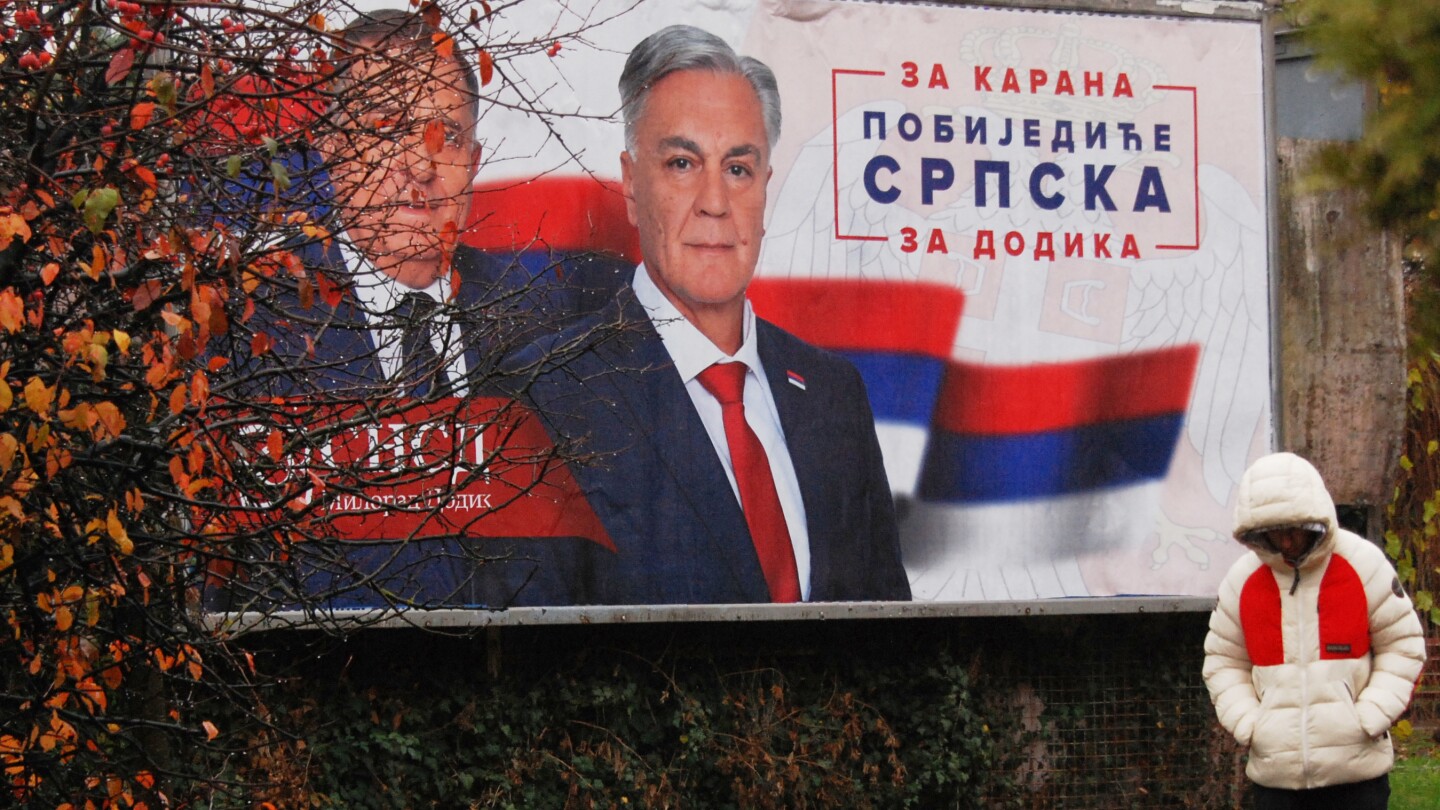
Bosnian Serbs vote to choose president after separatist leader Dodik was removed from office
In a pivotal moment for Bosnia-Herzegovina, voters in the Serb-dominated region of Republika Srpska headed to the polls on Sunday to elect a new president. This snap election follows the removal of Milorad Dodik, the former pro-Russian leader, who was ousted in August after a Bosnian court convicted him of defying the international High Representative for Bosnia. Dodik, who was sentenced to a year in prison and barred from public office, paid a fine to avoid incarceration and remains the leader of his Party of Independent Social Democrats. The election pits Sinisa Karan, Dodik’s chosen successor, against Branko Blanusa, a university professor representing the opposition Serb Democratic Party. Four other candidates are also in the race, though they are considered less competitive. Blanusa, after casting his vote in Banja Luka, emphasized the campaign’s fairness and urged a high voter turnout among the 1.2 million Bosnian Serb electorate. The election unfolds against a backdrop of deep ethnic divisions and political instability. Bosnia’s complex governance structure, established by the 1995 U.S.-brokered Dayton Agreement, divides the country into two entities: Republika Srpska, controlled by Serbs, and a federation shared by Bosniaks and Croats. Dodik, a long-time advocate for Republika Srpska’s secession from Bosnia, has faced international sanctions for his separatist policies. Although the U.S. recently lifted sanctions after Dodik agreed to step down, tensions persist with the international community, particularly with Christian Schmidt, the peace envoy overseeing Bosnia’s post-war stability. Dodik has actively campaigned for Karan, framing the election as a continuation of his political agenda. The outcome of this election could significantly impact Bosnia’s fragile political landscape and its relations with the international community.
-
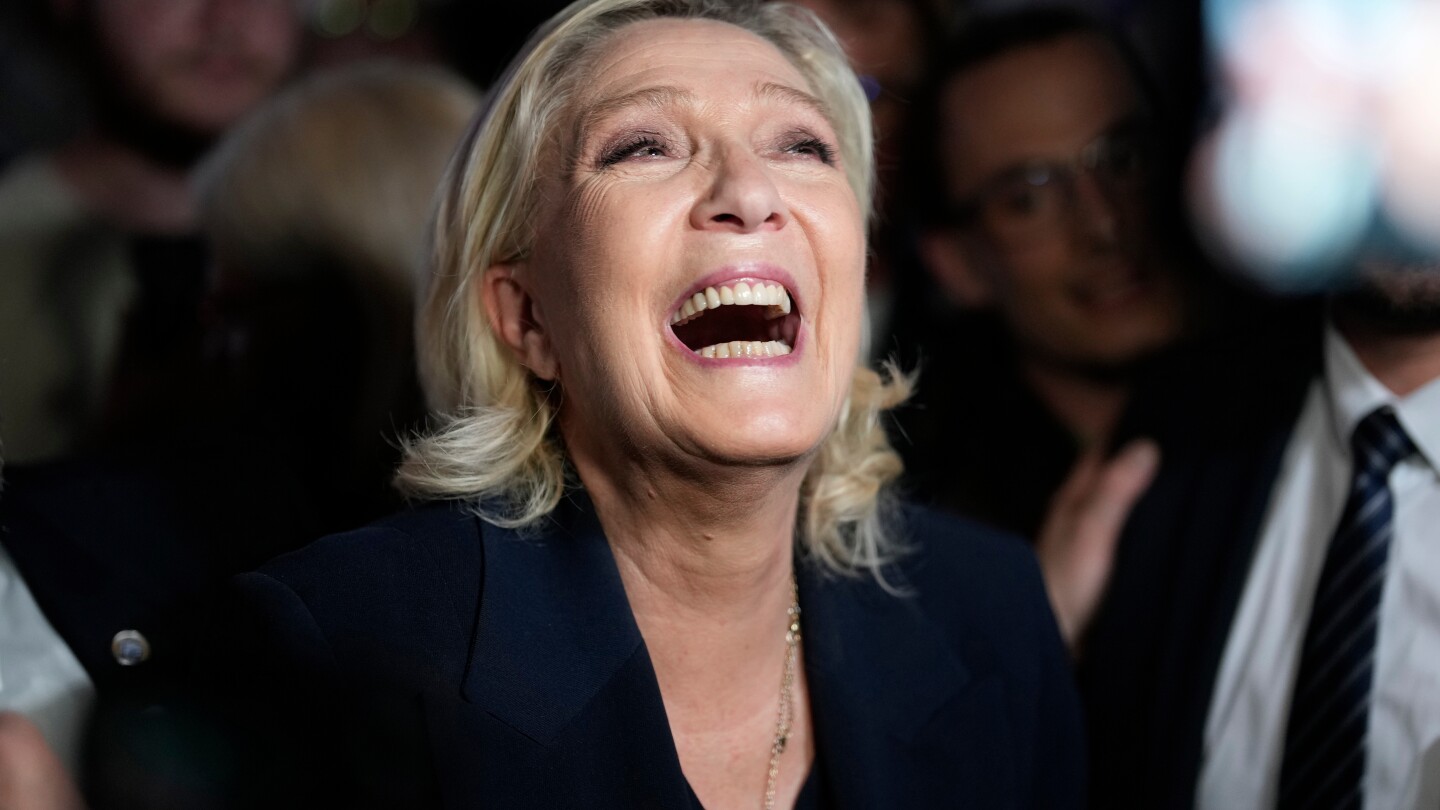
AP mapping shows France’s poorest regions backing Le Pen’s party as support for Macron wanes
In May 2017, Emmanuel Macron, freshly elected as France’s president, addressed his supporters with a promise to bridge the nation’s divides and win over voters who had backed his far-right rival, Marine Le Pen. Le Pen, leader of the National Front (now rebranded as National Rally), had secured over 10.6 million votes—a historic high for her party. Macron vowed to address the “anger” and “distress” driving these voters, pledging to eliminate their reasons for supporting extremist parties. However, as Macron’s presidency nears its end, this promise lies in ruins. Le Pen’s nativist rhetoric, targeting immigrants, Muslims, and the European Union, has gained millions of converts. National Rally, shedding its controversial past under Le Pen’s father, Jean-Marie Le Pen, has become the largest party in parliament and is poised for a potential victory in the 2027 elections.
-
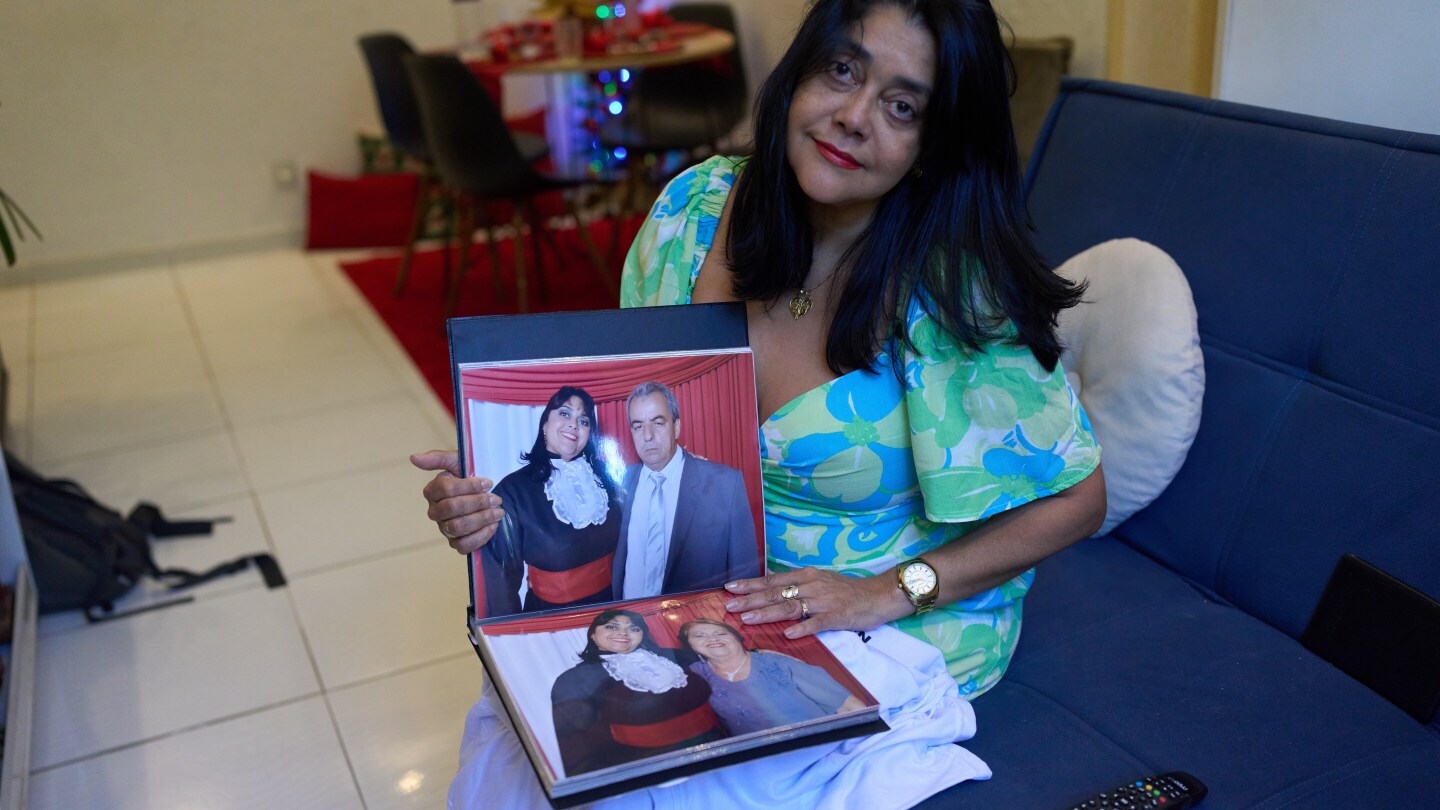
Bolsonaro’s conviction brings vindication for some Brazilians who lost loved ones to COVID-19
In a dramatic turn of events, Brazil’s Supreme Court has ordered the preemptive arrest of former President Jair Bolsonaro, who faces a 27-year prison sentence for attempting a coup following his 2022 election loss to Luiz Inácio Lula da Silva. The arrest has sparked mixed reactions across the nation, particularly among families who lost loved ones to COVID-19, a crisis many blame on Bolsonaro’s handling of the pandemic. Simone Guimarães, a retired teacher from Rio de Janeiro, lost five relatives to the virus, including her husband and sister. She views Bolsonaro’s arrest as a small step toward justice, though it does little to address the grief of those who suffered under his administration. Social media was flooded with tributes to COVID-19 victims, echoing similar sentiments expressed when Bolsonaro was convicted in September. Critics argue that while his conviction for coup-related crimes offers some vindication, it fails to hold him accountable for the pandemic’s devastating toll. Diego Orsi, a translator from São Paulo, likened the situation to the Nuremberg trials, where Nazis were convicted for invasion rather than genocide. Bolsonaro’s denialist stance during the pandemic, including mocking patients and delaying vaccine rollouts, alienated many Brazilians and contributed to his electoral defeat. Epidemiologists estimate that 80% of Brazil’s 700,000 COVID-19 deaths could have been prevented with better leadership. As Bolsonaro’s legal battles continue, the nation remains deeply divided, with his arrest marking a pivotal moment in Brazil’s political landscape.
-
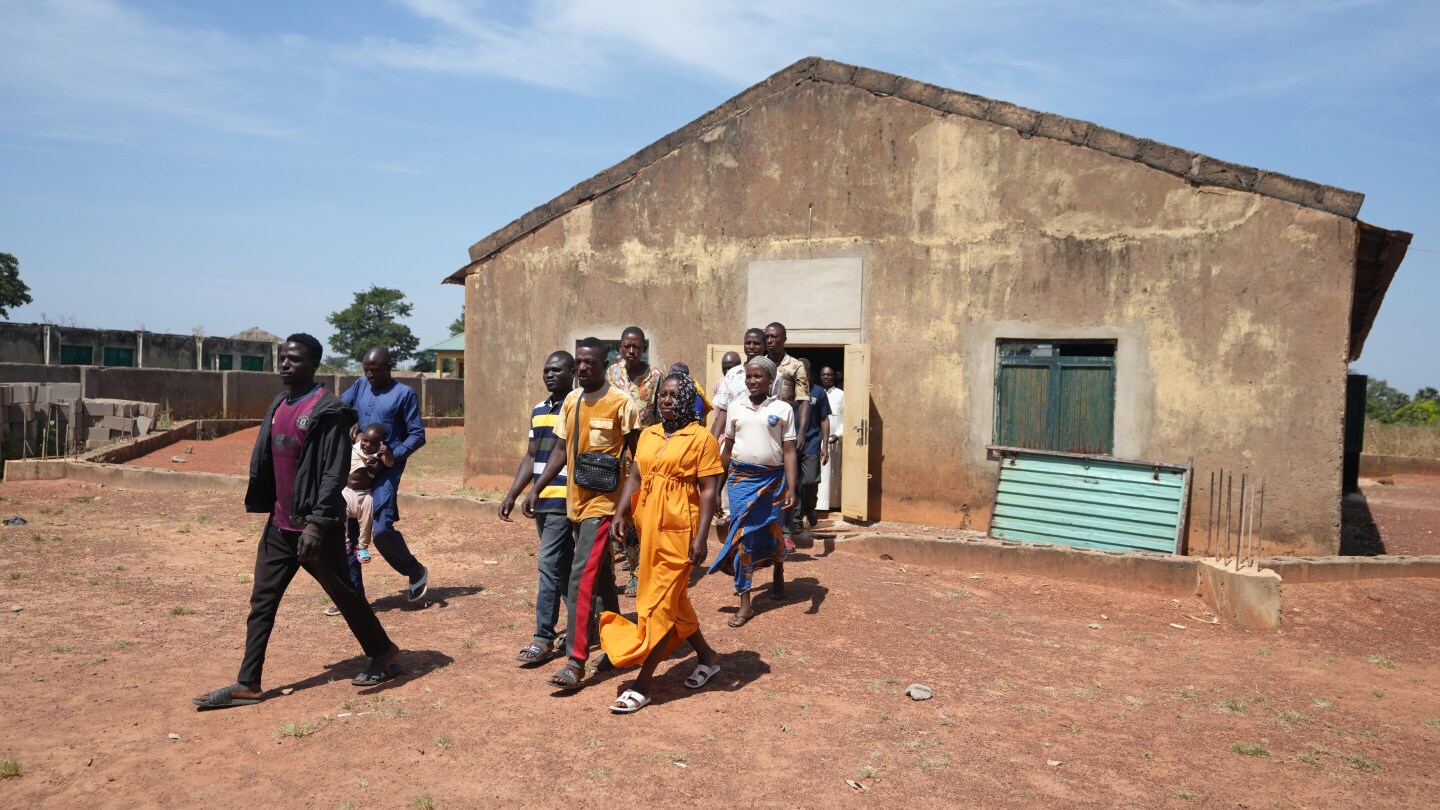
US signals broader efforts to protect Nigeria’s Christians following Trump’s military threat
The Trump administration is intensifying its efforts to collaborate with Nigeria’s government to address violence against Christians, signaling a multifaceted approach that goes beyond potential military intervention. This strategy includes diplomatic measures, intelligence sharing, and assistance programs, as highlighted by a State Department official. Defense Secretary Pete Hegseth recently met with Nigeria’s national security adviser to discuss solutions, emphasizing cooperation over unilateral action. This contrasts with President Trump’s earlier threats to halt all U.S. assistance if Nigeria fails to curb the violence. The administration’s approach aligns with Trump’s broader pledge to reduce foreign military engagements, even as the U.S. security presence in Africa has diminished. However, experts caution that Nigeria’s complex security challenges, involving militant groups like Boko Haram, farmer-herder conflicts, and armed banditry, require long-term solutions beyond military strikes. The Nigerian government has rejected unilateral intervention but welcomes collaborative efforts. Analysts stress that addressing the root causes of violence, such as economic disparities and interfaith tensions, is crucial for sustainable peace. The U.S. faces logistical challenges in mobilizing resources for potential intervention, given the reduced military footprint in the region. While the administration explores options, including sanctions and economic partnerships, the effectiveness of military action remains uncertain. The situation underscores the need for a comprehensive, coordinated strategy to address Nigeria’s multifaceted security crisis.
-
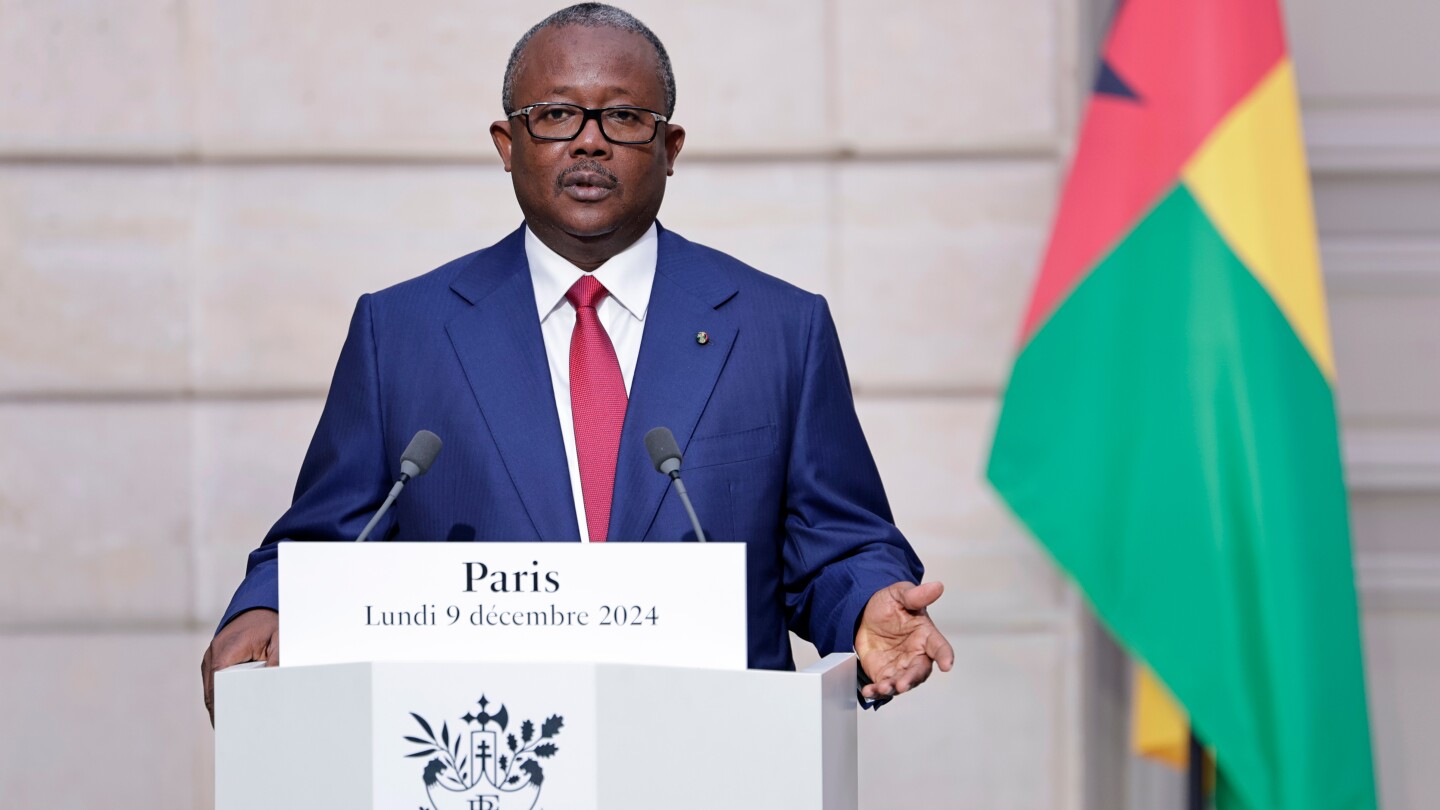
Guinea-Bissau’s president seeks second term in close race marked by tensions
Guinea-Bissau is set to hold a pivotal presidential election on Sunday, with incumbent President Umaro Sissoco Embalo vying for a second term. If successful, Embalo would become the first leader in the nation’s history to secure consecutive terms. The election unfolds against a backdrop of heightened political and ethnic tensions, compounded by the exclusion of the main opposition party, the African Party for the Independence of Guinea and Cape Verde (PAIGC), led by former Prime Minister Domingos Simoes Pereira. Pereira was barred from the race after authorities claimed his party failed to submit its application on time. The election is widely regarded as one of the most contentious in recent history, with analysts warning of potential instability. Nearly half of the country’s 2.2 million population is registered to vote, and a runoff will be held if no candidate secures more than 50% of the votes. Embalo, a 53-year-old former army general backed by a coalition of over 20 political groups, faces stiff competition from 11 other candidates, including Fernando Dias da Costa, a 47-year-old relatively unknown figure supported by Pereira. The election comes at a critical juncture for Guinea-Bissau, one of the world’s poorest nations, which has struggled with coups, drug trafficking, and economic hardship since gaining independence from Portugal over five decades ago. Embalo’s campaign has focused on infrastructure development, while Dias has pledged to prioritize stability, freedoms, and security. The opposition has accused Embalo of authoritarianism and human rights violations, further fueling the political divide. The vote also follows a recent coup attempt in October and a prolonged legitimacy crisis surrounding Embalo’s tenure. Political analyst Augusto Nansambe lamented the erosion of democratic norms, stating, ‘The democracy we knew … is no longer the model we are experiencing; we are experiencing a model defined by a single person.’ Despite the challenges, some residents remain hopeful that the election will bring peace and prosperity to the nation. ‘I hope that these elections will bring peace and tranquility so that there is no more hunger,’ said Marinho Insoldé, a resident of the capital, Bissau.
-
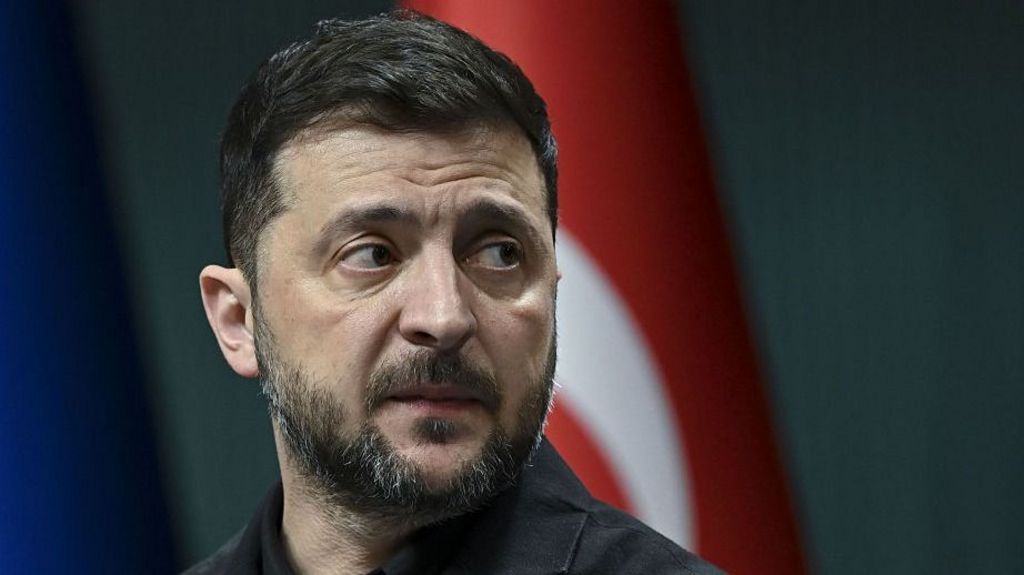
US insists it authored Ukraine peace plan ahead of talks on ending war
A proposed peace plan to end the Ukraine war, allegedly authored by the United States, has ignited significant debate and resistance from Ukraine’s allies. US Secretary of State Marco Rubio emphasized that the draft, which includes provisions favorable to Russia, was developed with input from both Russia and Ukraine. However, Republican Senator Mike Rounds contradicted this, stating that Rubio had informed lawmakers the plan was not US policy but rather a Russian proposal. The State Department swiftly denied Rounds’ claims, asserting that the proposal was indeed crafted by the US. The plan, which remains undisclosed but has been widely leaked, includes controversial measures such as Ukraine withdrawing troops from eastern regions and limiting its armed forces. Ukrainian President Volodymyr Zelensky has warned of the plan’s potential to leave Ukraine vulnerable, while Russian President Vladimir Putin suggested it could form the basis of an agreement. The proposal has faced strong opposition from European leaders, including France and Germany, who argue it undermines Ukraine’s security. US President Donald Trump, who has prioritized ending the conflict, clarified that the plan is not a final offer and extended the deadline for Ukraine’s approval. As negotiations continue in Geneva, the international community remains divided over the plan’s feasibility and implications for lasting peace.
-
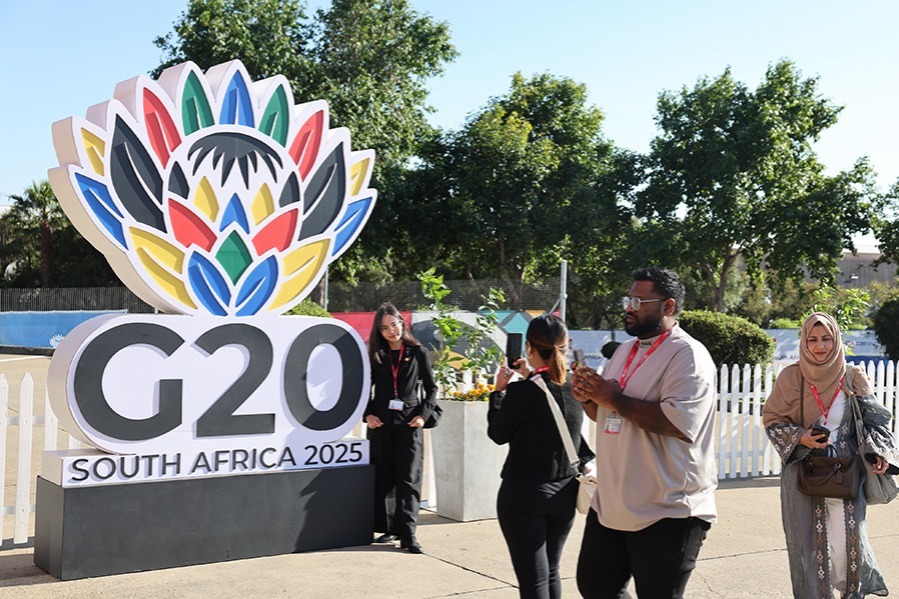
G20 Johannesburg summit calls for improving global governance
The 20th Group of 20 (G20) Summit commenced in Johannesburg on Saturday, marking a historic moment as the first G20 summit held on African soil. Under the theme ‘Solidarity, Equality, and Sustainability,’ the two-day event underscored Africa’s growing influence in global governance and its alignment with the development priorities of the Global South. The summit concluded with the adoption of the ‘G20 South Africa Summit: Leaders’ Declaration,’ which emphasized the need for more equitable global governance and reinforced the commitment to multilateralism, with the United Nations at its core. The declaration highlighted peace as a cornerstone for sustainable economic development and stressed the importance of international cooperation in addressing pressing global challenges, including economic inequality and instability. G20 leaders also acknowledged the urgent need to ramp up global investments to meet the climate goals outlined in the Paris Agreement, calling for a significant increase in climate finance from billions to trillions of dollars. The declaration further emphasized the alignment of financial flows with climate objectives, alongside scaling up finance, capacity building, and technology transfer, particularly for developing countries. Additionally, the leaders reaffirmed their commitment to the swift implementation of the Kunming-Montreal Global Biodiversity Framework and celebrated the 30th anniversary of the Beijing Declaration and Platform for Action, pledging to accelerate its full implementation. South Africa, which assumed the G20 presidency on December 1, 2024, became the first African nation to hold this prestigious role, with the United States set to take over on December 1, 2025.