分类: politics

  • Thailand and Cambodia agree to halt fighting, Trump says

    Thailand and Cambodia agree to halt fighting, Trump says

    In a significant diplomatic development, former U.S. President Donald Trump has declared that Thailand and Cambodia will implement an immediate ceasefire following days of intense border conflicts. The announcement came after Trump engaged in separate telephone discussions with Thai Prime Minister Anutin Charnvirakul and Cambodian Prime Minister Hun Manet.

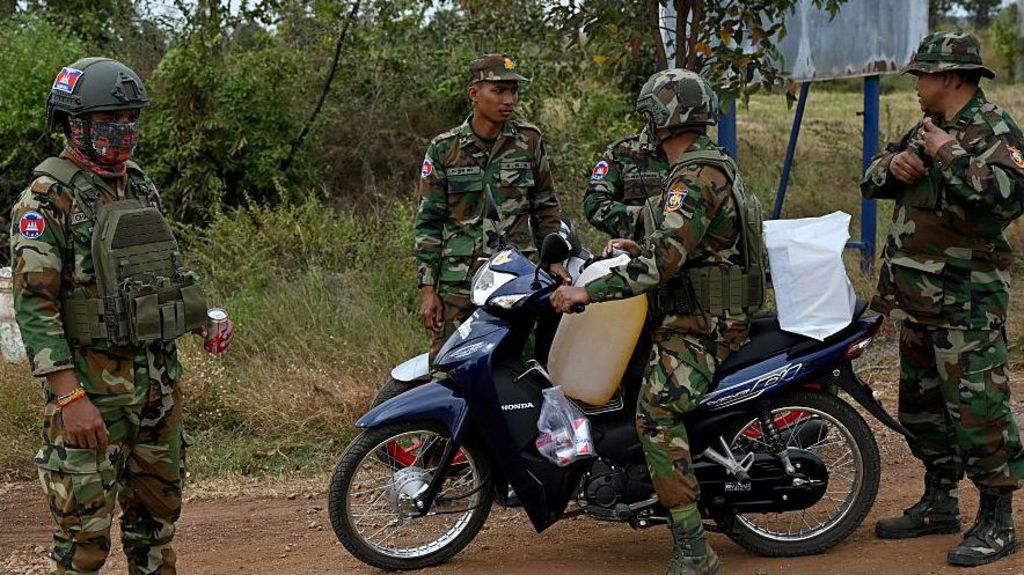
    The border dispute between the Southeast Asian neighbors escalated dramatically on July 24 when Cambodian forces launched rocket barrages into Thai territory, prompting retaliatory airstrikes from Thailand. The recent surge in violence has resulted in at least 20 casualties and displaced approximately half a million people from border communities.

    Through his Truth Social platform, Trump stated that both leaders ‘have agreed to CEASE all shooting effective this evening, and go back to the original Peace Accord made with me.’ He further emphasized that ‘Both Countries are ready for PEACE and continued Trade with the United States of America.’

    However, the Thai Prime Minister presented a more conditional stance during a news conference, indicating that a ceasefire would only materialize if ‘Cambodia will cease fire, withdraw its troops, remove all landmines it has planted.’ As of the announcement, neither Southeast Asian leader had publicly confirmed the agreement.

    The current conflict represents the latest eruption in a century-long territorial dispute along the 800-kilometer border between the two nations, with boundaries originally established during the French colonial occupation of Cambodia. This week’s fighting expanded across at least six provinces in northeastern Thailand and five provinces in northern and northwestern Cambodia, marking the most significant escalation in recent years.

    This marks the second ceasefire attempt brokered by Trump in collaboration with Malaysian Prime Minister Anwar Ibrahim, following an earlier ‘immediate and unconditional ceasefire’ agreement that ultimately failed to maintain stability in the region.

  • Treason trial of South Sudan’s suspended VP is further eroding peace deal, UN experts say

    Treason trial of South Sudan’s suspended VP is further eroding peace deal, UN experts say

    United Nations experts have issued a stark warning that the ongoing treason trial of South Sudan’s suspended Vice President Riek Machar is severely undermining the 2018 peace agreement between Machar and President Salva Kiir. The UN panel’s report reveals that military forces from both factions continue to engage in confrontations across the country, creating conditions ripe for renewed major conflict.

    The political landscape has dramatically shifted since the signing of the peace accord, with years of neglect fragmenting government and opposition forces into a complex patchwork of uniformed soldiers, defectors, and armed community defense groups. These factions are increasingly preoccupied with local struggles rather than national reconciliation efforts.

    UN Peacekeeping Chief Jean-Pierre Lacroix recently informed the Security Council that South Sudan’s crisis is rapidly escalating, describing a visible ‘breaking point’ with time running ‘dangerously short’ to salvage the peace process. The situation marks a troubling development for the oil-rich nation that gained independence from Sudan in 2011 after prolonged conflict, only to descend into civil war in 2013 along ethnic divisions between Kiir’s Dinka supporters and Machar’s Nuer loyalists.

    The 2018 agreement that ended the civil war—which claimed over 400,000 lives—established a unity government but has suffered from sluggish implementation. The already delayed presidential election is now scheduled for December 2026.

    Tensions dramatically escalated in March when a Nuer militia seized an army garrison, prompting Kiir’s government to charge Machar and seven other opposition figures with treason, murder, terrorism, and other crimes. While Kiir’s administration maintains that peace agreement implementation continues unaffected through an opposition faction led by Stephen Par Kuol, those siding with Machar’s former deputy Natheniel Oyet have been largely removed from positions and forced to flee the country.

    The African Union, regional countries, and the Intergovernmental Authority on Development (IGAD) have unanimously called for Machar’s release and emphasized strong support for the 2018 agreement’s full implementation. Meanwhile, the humanitarian situation continues deteriorating, with latest assessments indicating 7.7 million people—57% of the population—facing crisis-level food insecurity and famine conditions in communities most affected by renewed fighting.

  • ICC’s Karim Khan says ‘senior UK official’ threatened him over Israel investigation

    ICC’s Karim Khan says ‘senior UK official’ threatened him over Israel investigation

    International Criminal Court Chief Prosecutor Karim Khan has submitted a formal statement alleging that a senior British government official threatened to withdraw UK funding and support for the court if he pursued arrest warrants against Israeli leaders. Middle East Eye identifies the official as then-Foreign Secretary David Cameron, who reportedly warned Khan that targeting Israeli leadership would be “like dropping a hydrogen bomb.

    The allegations emerge from Khan’s detailed submission to the ICC’s appeal chamber, responding to Israel’s November request for his disqualification from investigations into alleged war crimes in Gaza. Israel claims Khan rushed the warrants after learning of sexual misconduct allegations against him, which Khan strenuously denies and characterizes as a campaign to undermine his office’s work.

    Khan’s chronology reveals his office began investigating alleged crimes by both Israel and Hamas in October 2023, shortly after the October 7 attacks. By January 2024, he had convened an independent panel of legal experts—including British human rights lawyers Amal Clooney and Helena Kennedy—which unanimously concluded in March that sufficient evidence existed to request arrest warrants.

    The prosecutor details mounting diplomatic pressure from multiple nations as his office prepared warrants. This included an April 19 call from a senior US official warning of “disastrous consequences,” followed by Cameron’s alleged threat on April 23 regarding UK funding withdrawal. Khan also references subsequent pressure from US senators threatening sanctions.

    Despite these interventions, Khan’s office filed warrant applications against Israeli Prime Minister Benjamin Netanyahu, Defense Minister Yoav Gallant, and Hamas leaders on May 20, 2024. The prosecutor maintains the process was “meticulous,” “fair,” and “independent,” with warrant preparations completed before he learned of misconduct allegations in early May.

    Cameron’s office has not responded to requests for comment, though sources close to the former prime minister acknowledge a “robust” conversation occurred while characterizing it as highlighting political realities rather than making explicit threats. The allegations have prompted calls from British politicians for official investigation into the foreign secretary’s conduct.

  • More photos from Epstein estate show Trump, Clinton and former Prince Andrew

    More photos from Epstein estate show Trump, Clinton and former Prince Andrew

    House Oversight Committee Democrats have publicly disclosed a series of photographs obtained from the estate of convicted sex offender Jeffrey Epstein, showing multiple high-profile individuals including former President Donald Trump, Britain’s Prince Andrew, and former Trump advisor Steve Bannon. The release comprises 19 images selected from approximately 95,000 photographs acquired by the committee as part of its ongoing investigation into Epstein’s network.

    The images, many previously circulated in public domains, depict social interactions between Epstein and various influential figures but contain no explicit evidence of criminal activity. Among the released photographs, Trump appears in three separate contexts: standing beside a redacted individual, conversing with Epstein and model Ingrid Seynhaeve at a 1997 Victoria’s Secret event, and smiling among several women whose identities remain concealed. Another controversial image displays illustrated Trump likenesses on condom packaging.

    Committee Democrats, led by Representative Robert Garcia, characterized the release as a necessary step toward transparency, demanding full disclosure of all Epstein-related documents from the Justice Department. Garcia asserted these photographs raise serious questions about Epstein’s associations with powerful individuals and condemned what he described as a White House cover-up.

    Republican committee members immediately denounced the release as a politically motivated maneuver, accusing Democrats of selectively curating images and applying targeted redactions to fabricate a misleading narrative about Trump. The White House dismissed the disclosure as a repeatedly debunked Democratic hoax.

    Additional photographs feature Prince Andrew alongside Bill Gates (in a cropped version omitting King Charles III), Steve Bannon in multiple settings with Epstein, and filmmaker Woody Allen. Former President Bill Clinton appears in a signed photograph with Epstein and convicted accomplice Ghislaine Maxwell, alongside two unidentified individuals. Other notable figures in the released images include economist Larry Summers, attorney Alan Dershowitz, and entrepreneur Richard Branson.

    The disclosure precedes the December 19 deadline mandated by the Epstein Files Transparency Act—recently signed by Trump—requiring the Justice Department to release all investigative materials related to Epstein’s case. Epstein died in prison in August 2019 while awaiting trial on sex trafficking charges, having previously pleaded guilty to prostitution-related offenses in 2008.

  • US removes Brazilian Supreme Court justice and his wife from sanctions list

    US removes Brazilian Supreme Court justice and his wife from sanctions list

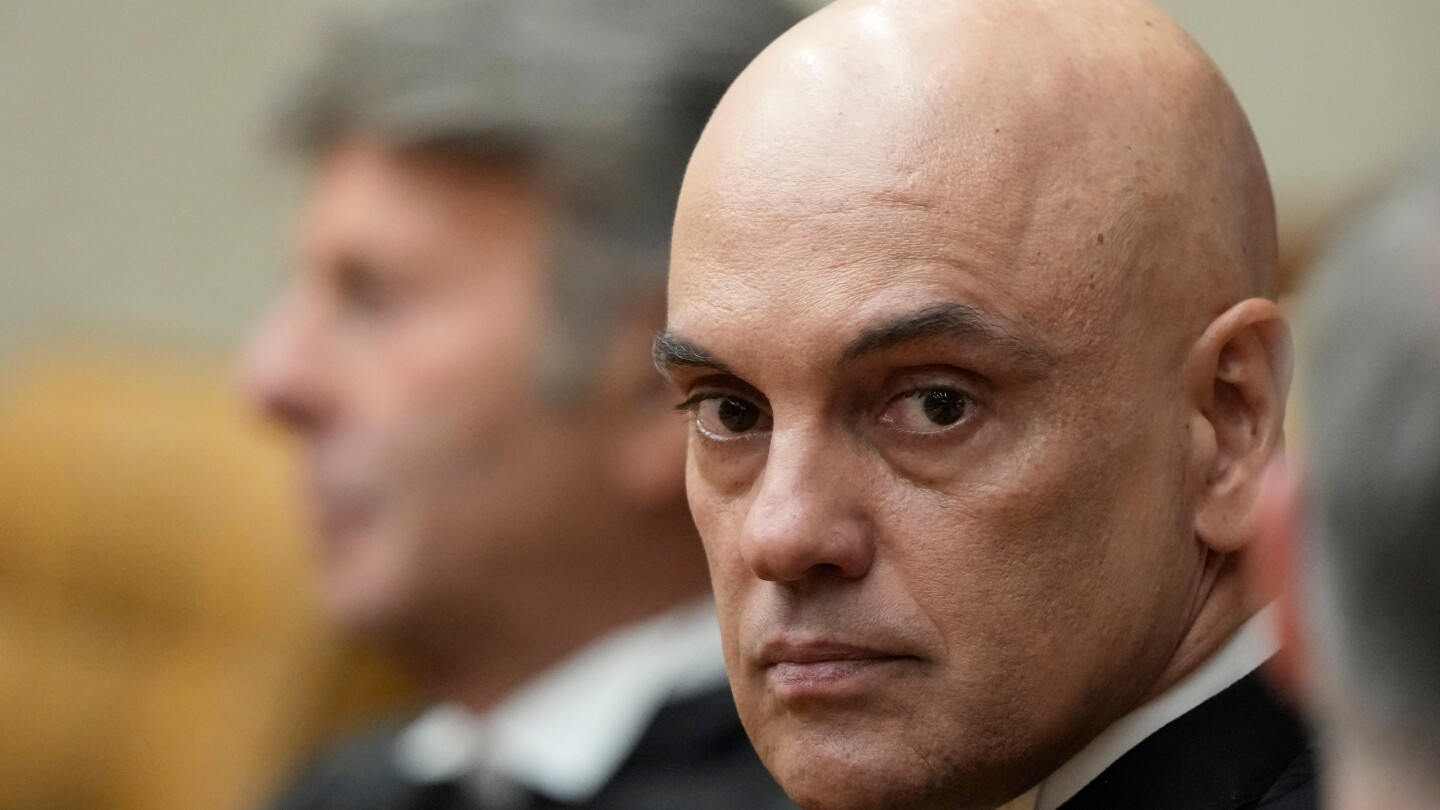
    In a significant diplomatic shift, the United States has formally removed Brazilian Supreme Court Justice Alexandre de Moraes from its sanctions list, marking a notable de-escalation in previously strained relations between the two nations. The decision, confirmed through official documentation from the Treasury Office of Foreign Assets Control on Friday, also extends to de Moraes’ wife and the Lex Institute which she leads.

    This development follows a weekend telephone discussion between U.S. President Donald Trump and Brazilian President Luiz Inácio Lula da Silva, which Brazilian authorities have celebrated as a victory for judicial sovereignty. The Trump administration had initially imposed sanctions against de Moraes in July, alleging his involvement in authorizing arbitrary pretrial detentions and suppressing freedom of expression.

    According to a senior Trump administration official speaking under condition of anonymity, the sanctions withdrawal recognizes Brazil’s recent legislative progress—specifically referencing the passage of an amnesty bill by Brazil’s lower house as indicative of improving judicial conditions. The move represents a substantial warming in relations between the two governments, which had grown increasingly frosty during the tenure of Lula’s predecessor, Jair Bolsonaro, whom Trump previously regarded as a close ally.

    Justice de Moraes characterized the decision as “a victory of Brazil’s judiciary” during a public address in São Paulo, emphasizing that “Brazil’s judiciary did not bow to threats, coercion and it will never do so. It carried on with unbias, seriousness and courage.”

    The political context surrounding this development remains complex. Bolsonaro, currently serving a 27-year prison sentence for allegedly masterminding a plot to retain power after his 2022 electoral defeat to Lula, continues to wield political influence ahead of next year’s elections. Brazil’s current government has framed the sanctions removal as a “big defeat” for Bolsonaro’s family, with Institutional Relations Minister Gleisi Hoffmann characterizing the outcome as the result of “dignifying and sovereign dialogue” between presidents.

    The resolution also addresses broader economic concerns. Last month, Trump signed an order eliminating additional import tariffs on certain Brazilian agribusiness products, reversing previous measures that had imposed a 40% tariff atop an existing 10% duty. According to U.S. Census Bureau data, the United States maintained a $6.8 billion trade surplus with Brazil last year.

    Political analyst Thomas Traumann, author of a recent work on Brazil’s political divisions, interprets these developments as evidence that “the U.S. government wants a normal relationship with Brazil’s, even though it is a leftist administration,” noting that discussions have shifted from political matters to security and trade priorities.

    The diplomatic reconciliation process began during the United Nations General Assembly in September, followed by a private meeting in Malaysia in October and subsequent telephone conversations between the two leaders.

  • Eritrea quits regional bloc as tensions rise with Ethiopia

    Eritrea quits regional bloc as tensions rise with Ethiopia

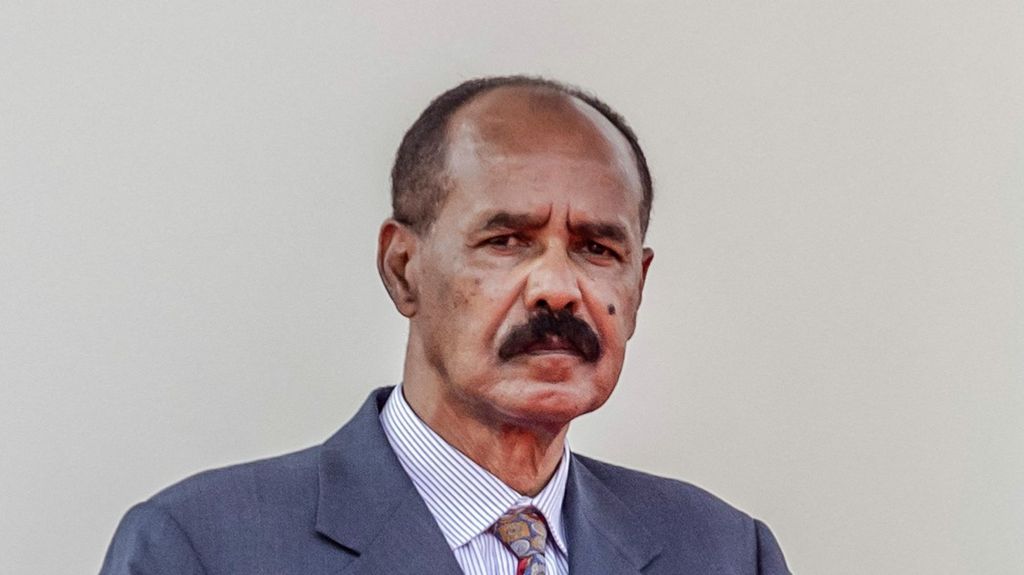
    Eritrea has formally announced its withdrawal from the Intergovernmental Authority on Development (IGAD), condemning the regional bloc for deviating from its foundational principles and transforming into a political instrument against member states. The Eritrean Ministry of Foreign Affairs issued a statement on Friday declaring that the organization no longer serves its strategic interests or contributes meaningfully to regional stability.

    This decisive move occurs against the backdrop of intensifying diplomatic friction between Eritrea and neighboring Ethiopia, raising concerns about potential military escalation. The two nations share a tumultuous history marked by deadly border conflicts and fragile peace agreements.

    IGAD, established to foster economic cooperation, food security, and political stability across East Africa, includes member states Ethiopia, Kenya, Sudan, South Sudan, Uganda, and Djibouti. In response to Eritrea’s withdrawal, IGAD officials noted that Asmara had failed to participate actively in bloc activities since rejoining in 2023 and had not contributed substantive proposals for institutional reform.

    The current tensions stem primarily from Ethiopian Prime Minister Abiy Ahmed’s renewed demands for Red Sea access through Eritrean territory. These claims have provoked strong reactions from Asmara, particularly as Ethiopian officials have controversially questioned Addis Ababa’s recognition of Eritrean independence. Eritrea gained sovereignty from Ethiopia in 1993 after a prolonged independence struggle, rendering Ethiopia landlocked.

    Historical context underscores the gravity of present developments: Abiy received the 2019 Nobel Peace Prize for reconciling with Eritrean President Isaias Afwerki following a two-decade border war that claimed over 100,000 lives. However, Eritrea has consistently accused IGAD of bias toward Ethiopia in regional disputes and alleged Western-backed conspiracies to destabilize the nation.

    Further complicating regional dynamics, Eritrea maintains severed diplomatic relations with Djibouti—host to IGAD headquarters—since their 2008 border clash. The appointment of former Ethiopian Foreign Minister Workneh Gebyehu as IGAD’s executive secretary has additionally fueled Eritrean suspicions regarding the bloc’s impartiality.

    Analysts note that IGAD faces broader criticism for its ineffective response to multifaceted crises in the Horn of Africa, where civil conflicts, terrorism, and interstate confrontations continue to challenge regional security architecture.

  • White House sued by historic preservation group over ballroom plans

    White House sued by historic preservation group over ballroom plans

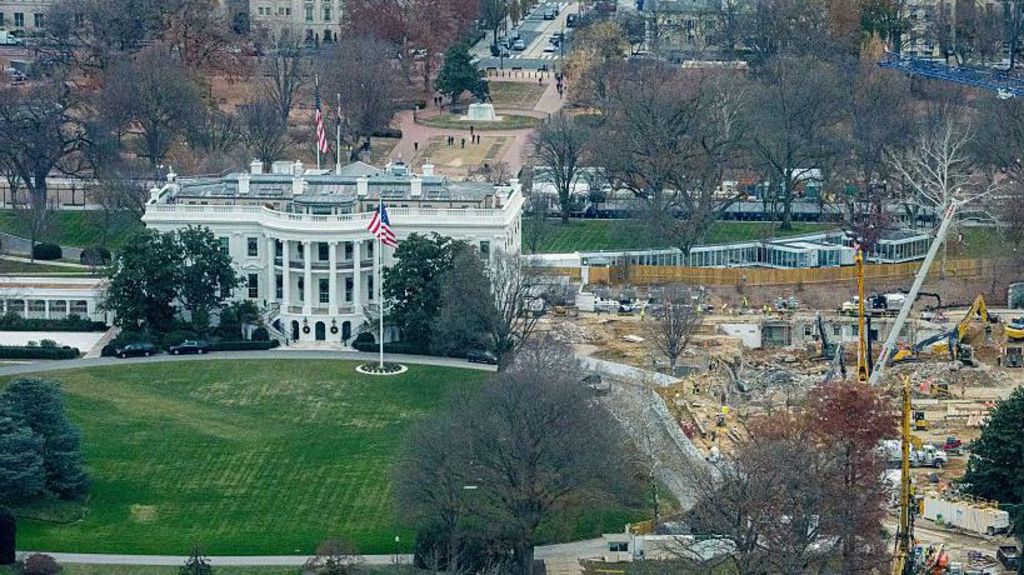
    A significant legal confrontation has emerged between the White House and historic preservation advocates regarding President Donald Trump’s controversial ballroom project. The National Trust for Historic Preservation, a congressionally chartered nonprofit organization established in 1949, has initiated federal litigation to halt construction activities, alleging serious procedural violations in the administration’s approach to modifying the presidential residence.

    The lawsuit, filed in Washington DC’s federal court on Friday, contends that the Trump administration illegally demolished the historic East Wing in October without obtaining mandatory reviews. The legal action represents the first major judicial challenge to the ballroom initiative, which has expanded considerably from its original conception of accommodating 500 guests to now potentially holding 1,350 attendees.

    According to court documents, the White House allegedly bypassed multiple legal requirements by failing to submit plans to the National Capital Planning Commission, neglecting environmental assessments, and avoiding congressional authorization procedures. The preservation group asserts that these omissions violate constitutional provisions granting Congress authority over federal property disposition.

    Carol Quillen, President of the National Trust, emphasized the symbolic importance of the White House as “the most evocative building in our country and a globally recognized symbol of our powerful American ideals.” The organization claims it felt compelled to pursue legal recourse after the administration ignored concerns raised during October consultations.

    Current construction activity has transformed the White House grounds into what the lawsuit describes as “a bustling construction site, with dozens of workers driving piles, stockpiling materials, and amassing heavy machinery.” Notably, a towering crane recently erected on the property and audible nighttime construction work have drawn additional attention to the project’s intensity.

    The White House has defended the undertaking as a “much needed and exquisite addition,” maintaining that President Trump possesses full legal authority to “modernize, renovate, and beautify the White House – just like all of his predecessors did.” The administration contends the project is funded exclusively by private donors.

    Recent developments include the replacement of the lead architect overseeing the project, reportedly due to disagreements regarding the expansion’s scale and scope. The lawsuit seeks immediate construction suspension pending proper compliance with mandated review processes, including public commentary periods.

  • PLA expels multiple Philippine aircraft illegally intruding into airspace over China’s Huangyan Island

    PLA expels multiple Philippine aircraft illegally intruding into airspace over China’s Huangyan Island

    The People’s Liberation Army of China has intercepted and expelled multiple Philippine military aircraft that entered the airspace above Huangyan Island, according to an official statement released on December 12, 2025. The incident marks the latest escalation in ongoing territorial tensions between the two Southeast Asian nations.

    Chinese defense authorities characterized the Philippine aircraft’s presence as an illegal intrusion into sovereign Chinese airspace. Military spokespersons emphasized that the PLA responded with professional aerial interception protocols to safeguard national territorial integrity.

    Huangyan Island, known internationally as Scarborough Shoal, has been a persistent flashpoint in China-Philippine relations. The coral reef formation situated in the South China Sea’s strategic waterways has been under Chinese control since 2012, though Manila continues to assert its territorial claims based on geographical proximity and exclusive economic zone rights under international maritime law.

    The confrontation occurs against the backdrop of increasing regional military activity and heightened diplomatic exchanges regarding maritime boundaries. Chinese officials reiterated their commitment to peaceful resolution of disputes while simultaneously affirming their determination to protect territorial sovereignty through appropriate defensive measures.

    Regional security analysts note that such aerial intercepts have become increasingly common as claimant states enhance their military patrol capabilities over disputed waters. The incident follows recent diplomatic efforts to establish communication mechanisms between Chinese and Philippine defense authorities to prevent accidental escalations.

  • Leadership of US command in Latin America changes hands amid criticism of boat strikes

    Leadership of US command in Latin America changes hands amid criticism of boat strikes

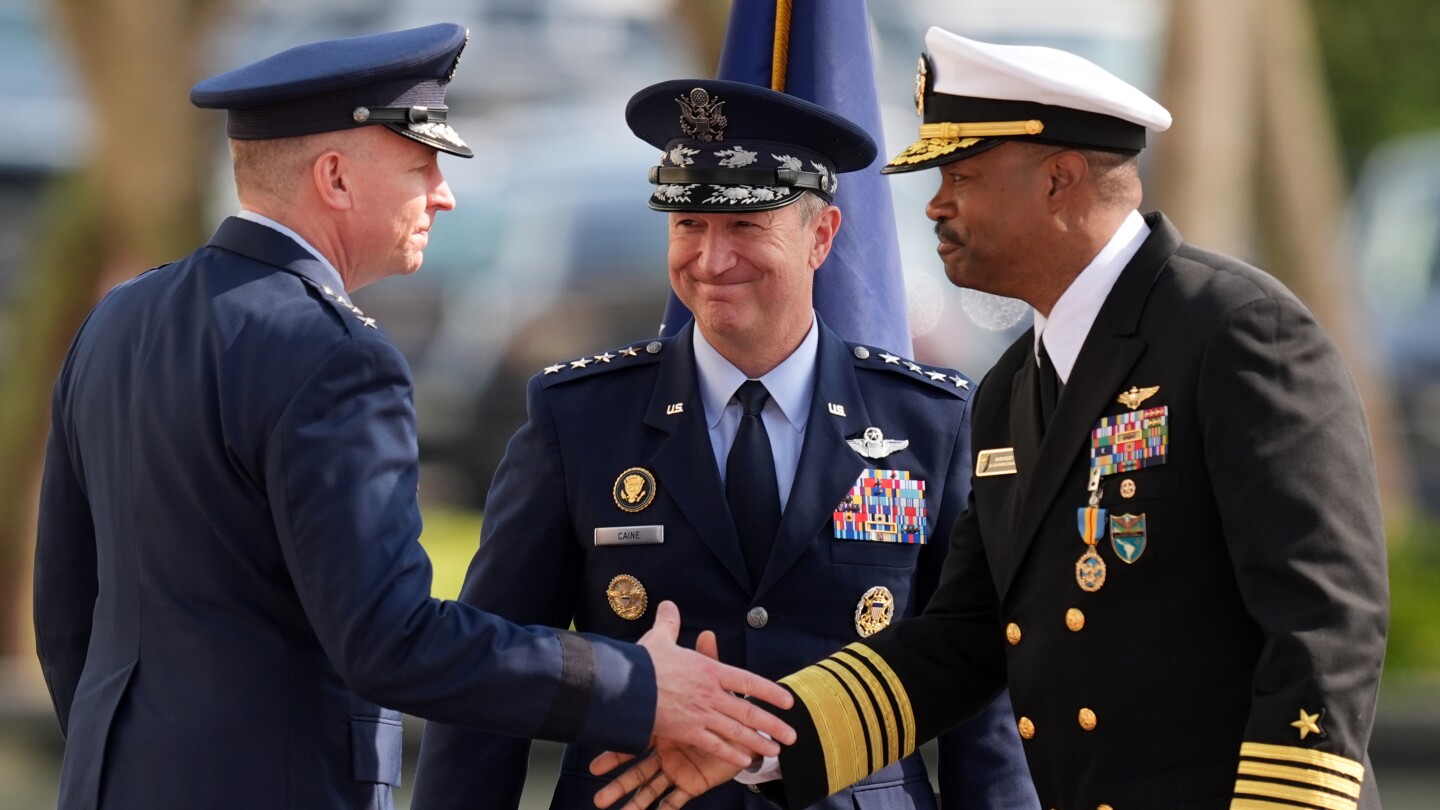
    A senior U.S. Navy admiral overseeing military operations across Latin America has unexpectedly relinquished command amid escalating congressional scrutiny of the Trump administration’s controversial maritime strikes targeting alleged drug trafficking vessels. Admiral Alvin Holsey formally transferred leadership responsibilities to his deputy, Air Force Lieutenant General Evan Pettus, during a subdued ceremony at U.S. Southern Command headquarters near Miami on Friday.

    Holsey’s retirement comes merely one year into a posting that typically spans three to four years, generating questions about the timing as Congress intensifies its examination of deadly naval operations that have resulted in at least 87 fatalities. The Pentagon announced Holsey’s departure in October, shortly after the administration initiated its aggressive campaign against suspected drug smugglers in Caribbean and eastern Pacific waters.

    In his farewell address, Holsey conspicuously avoided referencing the military operations or his premature retirement rationale. Instead, he emphasized the importance of maintaining regional partnerships through steadfast adherence to democratic principles and rule of law. “To be a trusted partner, we must be credible, present and engaged,” Holsey stated during the ceremony.

    The change-of-command event occurred without Defense Secretary Pete Hegseth’s presence, as President Trump has yet to nominate a permanent replacement. General Dan Caine, Chairman of the Joint Chiefs of Staff, praised Holsey’s 37-year service record, characterizing him as a “stoic leader” and “quiet professional” who consistently prioritized collective success over individual recognition.

    Holsey’s departure coincides with heightened congressional inquiries into the legality of maritime strikes, including one incident where survivors clinging to wreckage from an initial attack were subsequently killed. Secretary of State Marco Rubio and Defense Secretary Hegseth have delivered classified briefings to lawmakers this week, while Holsey himself participated in a classified video conference with key congressional oversight figures.

    Senator Jack Reed, the top Democrat on the Senate Armed Services Committee, noted that while Holsey responded to senators’ questions, “there remain many unanswered questions” regarding both the operations and his retirement decision, which the admiral characterized solely as “personal.”

    The administration’s tactical approach has drawn criticism from warfare legal experts, human rights organizations, and even some congressional allies. The operations represent a significant departure from decades-long precedent where suspects were typically arrested at sea and brought to the United States for criminal prosecution.

    Current operations involve 22 confirmed strikes against alleged drug-smuggling vessels, supported by an extensive flotilla of warships, attack helicopters, thousands of personnel, and even the nation’s most advanced aircraft carrier. The administration justifies its tactics by designating several Latin American drug cartels as foreign terrorist organizations, employing legal arguments developed post-9/11 to declare the U.S. in “armed conflict” with these criminal networks.

    This campaign has simultaneously increased pressure on Venezuelan President Nicolás Maduro, who faces narcoterrorism charges in the U.S. and alleges the military operations aim to force his ouster. The escalation intensified recently with U.S. forces seizing a sanctioned oil tanker accused of smuggling illicit crude—a critical revenue source for Maduro’s government.

    Holsey’s unexpected retirement continues a pattern of sudden departures among military leadership since Hegseth assumed control of the Pentagon. The Georgia native, whose family has deep military roots including Vietnam service, transferred command to Pettus—an experienced combat pilot—while the administration’s nominee awaits Senate confirmation.

  • Japanese militarism common foe of people all over world: spokesman

    Japanese militarism common foe of people all over world: spokesman

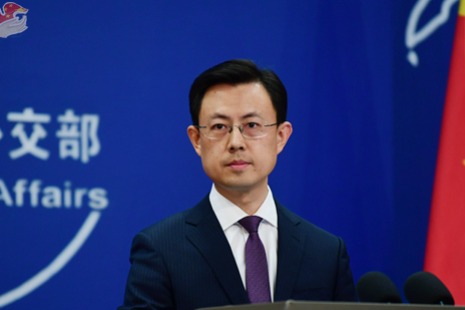
    In a firm diplomatic statement from Beijing, Chinese Foreign Ministry spokesman Guo Jiakun declared Japanese militarism a universal adversary to people worldwide. The spokesperson’s remarks came during a regular press briefing on Friday, December 12, 2025, emphasizing China’s commitment to collaborating with peace-loving nations and citizens to protect the achievements of the World War II victory and maintain the post-war international framework. Guo explicitly called upon Japan to engage in profound historical reflection, extract meaningful lessons from its past, and completely dissociate from militaristic ideologies. He further insisted that Japan must demonstrate tangible actions to eradicate the lingering effects of militarism, highlighting concerns about its persistent influence in contemporary times. The statement reflects ongoing tensions in East Asian relations and China’s persistent vigilance regarding Japan’s military posture and historical accountability. This diplomatic position aligns with China’s longstanding approach to regional security matters and its view on preserving the historical legacy of the Second World War in the Pacific theater. The spokesperson’s wording indicates China’s continued emphasis on historical issues as central to its bilateral relationship with Japan and its broader regional security strategy.