分类: politics

  • Belarus frees 123 prisoners as US lifts sanctions

    Belarus frees 123 prisoners as US lifts sanctions

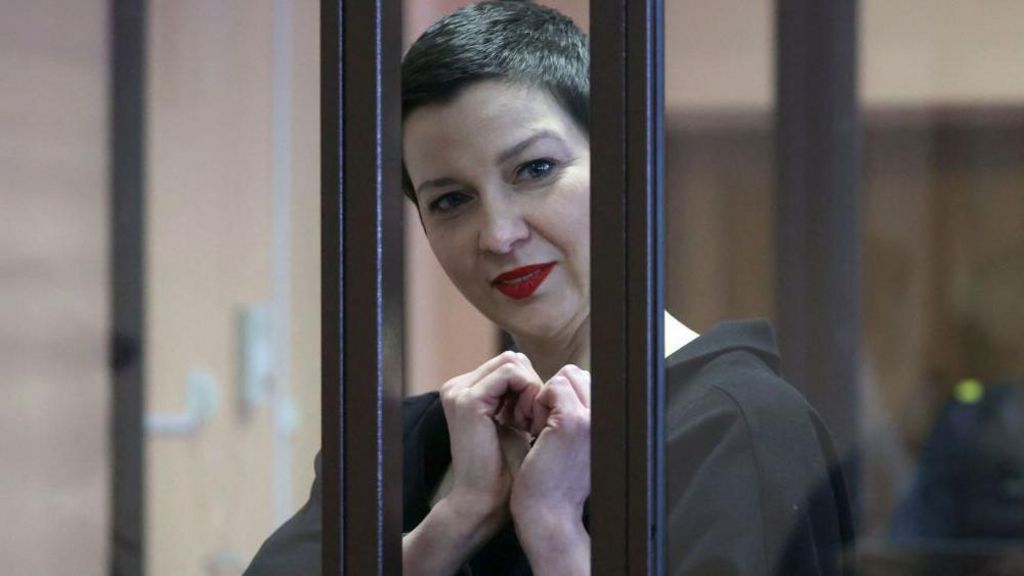
    In a significant diplomatic breakthrough, Belarusian authorities have released 123 political prisoners, including prominent opposition leader Maria Kolesnikova and Nobel Peace Prize recipient Ales Bialiatski. This prisoner amnesty follows successful negotiations between Minsk and U.S. Special Envoy John Coale, representing the Trump administration.

    The release arrangement coincides with Washington’s agreement to remove critical sanctions on Belarusian potash exports—a vital fertilizer component that constitutes a substantial portion of the nation’s economy. The sanctions relief marks a dramatic shift in U.S. policy toward the Eastern European country, which has maintained close ties with Russia.

    Belarusian state media confirmed the immediate lifting of potash restrictions, with Coale stating that additional sanctions would be gradually eliminated as bilateral relations normalize. The development represents a major victory for President Alexander Lukashenko, whose administration has faced international isolation since the controversial 2020 election that sparked widespread protests and brutal government crackdowns.

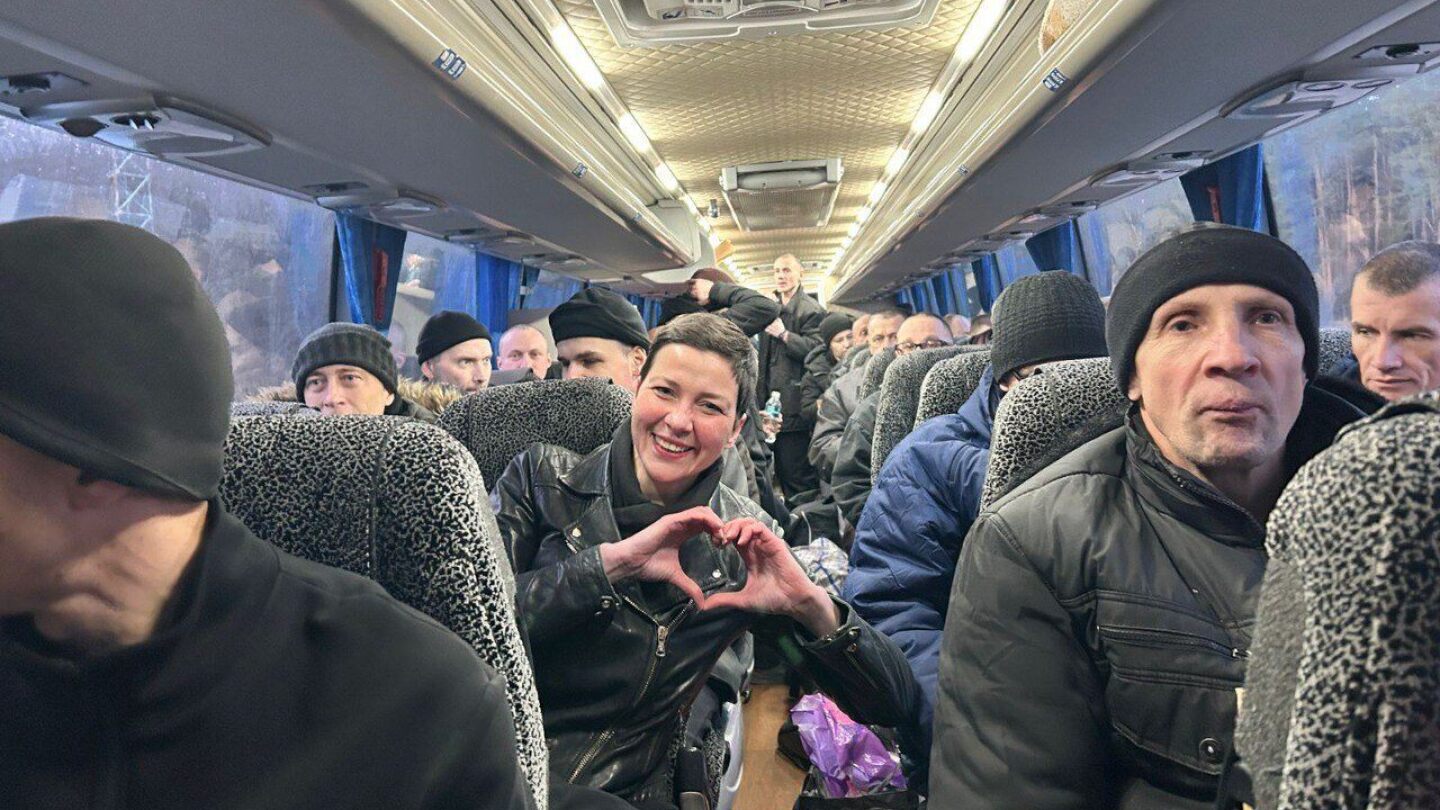
    Maria Kolesnikova, imprisoned since 2020 often under solitary confinement, was among the most high-profile releases. Her sister Tatiana Khomich, a relentless campaigner for her freedom, confirmed via video call that Kolesnikova appeared in good health following her release. Initial reports indicate that several freed individuals are expected to arrive shortly in Vilnius, Lithuania, where crowds have gathered outside the U.S. embassy.

    The diplomatic engagement extends beyond bilateral relations, with Coale reportedly discussing Ukraine-related matters with Lukashenko and exploring potential assistance from Minsk in negotiations with Russian President Vladimir Putin. This overture creates a notable policy divergence between the United States and European allies, who continue to maintain sanctions against Lukashenko’s government.

    The prisoner release occurs against the backdrop of Belarus’s involvement in Russia’s 2022 invasion of Ukraine, which prompted strengthened Western sanctions. Despite this complicating factor, the negotiations demonstrate the Trump administration’s willingness to pursue diplomatic channels with traditionally isolated governments.
  • As Trump slams Europe over migration, most leaders toughen their stance. Spain is an exception

    As Trump slams Europe over migration, most leaders toughen their stance. Spain is an exception

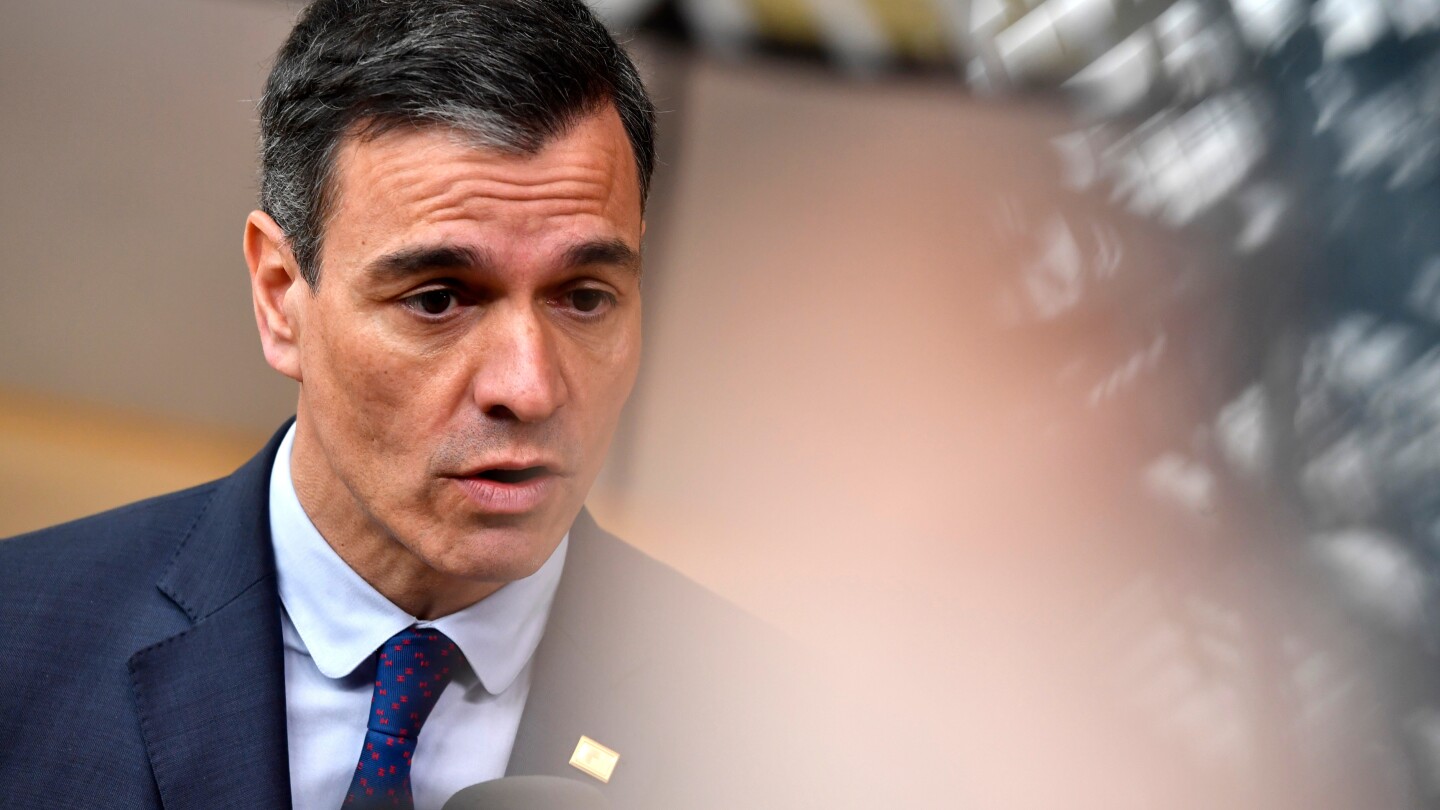
    While European leaders increasingly adopt restrictive immigration policies amid rising far-right influence and warnings of “civilizational erasure” from Trump-aligned voices, Spanish Prime Minister Pedro Sánchez champions a markedly different approach. Spain has welcomed millions from Latin America and Africa in recent years, with Sánchez consistently highlighting the substantial economic and social benefits these immigrants bring to Europe’s fourth-largest economy.

    The Iberian nation’s immigration strategy appears to be yielding significant dividends. Spain’s economy has outperformed all other EU members for two consecutive years, partially attributable to immigrants revitalizing its aging workforce. Sánchez frames Spain’s choice as fundamental: “being an open and prosperous country or a closed and poor one.”

    This stance distinguishes Spain within the Western political landscape. Unlike France’s Emmanuel Macron, who now references “the migration problem,” or Germany’s Friedrich Merz, who pledged migration policy toughening, Sánchez directly confronts anti-immigrant narratives. His government amended immigration laws to facilitate residency and work permits for hundreds of thousands of undocumented migrants, addressing critical labor shortages that threaten Spain’s social benefits system.

    Despite these progressive measures, Sánchez’s government faces political constraints. A more ambitious amnesty proposal stalled in Parliament due to contentious politics and European context. Simultaneously, Spain has implemented border control measures, collaborating with African nations and the EU to reduce irregular arrivals. Migrant arrivals to the Canary Islands have decreased 60% this year, though rights advocates criticize policies they associate with migrant deaths.

    Spain’s immigration landscape is uniquely shaped by its historical connections. Over 4 million legal residents from Latin America benefit from language sharedness and citizenship fast-tracking. However, rapid population growth has exacerbated housing affordability issues, prompting government pledges to increase construction and regulate foreign property purchases.

    The Spanish model demonstrates the complex balance between humanitarian values, economic necessities, and political realities in contemporary migration governance.

  • Belarus frees Nobel Prize laureate Bialiatski, opposition figure Kolesnikova as US lifts sanctions

    Belarus frees Nobel Prize laureate Bialiatski, opposition figure Kolesnikova as US lifts sanctions

    In a significant diplomatic breakthrough, Belarusian authorities have pardoned and released 123 political prisoners including Nobel Peace Prize laureate Ales Bialiatski and prominent opposition leader Maria Kolesnikova. The mass release on Saturday culminated two days of intensive negotiations between Minsk and Washington, resulting in the immediate lifting of U.S. sanctions on Belarus’s crucial potash fertilizer sector.

    President Alexander Lukashenko’s administration, which has maintained authoritarian control over the Eastern European nation for three decades, secured the sanctions relief through what U.S. Special Envoy John Coale characterized as “very productive” discussions. The diplomatic engagement represents a notable shift in relations between the two nations, which have been strained by Belarus’s human rights record and its support for Russia’s military operations in Ukraine.

    Among those freed were six citizens from U.S. allied nations and five Ukrainian citizens, according to a U.S. official who described the release as “a significant milestone in U.S.-Belarus engagement.” The official credited President Donald Trump’s administration with securing the release of over 200 political prisoners from Belarus since July 2024, including six previously detained U.S. citizens.

    Bialiatski, the founder of the Viasna human rights organization who was imprisoned when awarded the Nobel Prize in 2022, described his unexpected release after 1,613 days of detention as emerging from “icy water into a normal, warm room.” Despite his emaciated condition, the activist vowed to continue advocating for the estimated thousand political prisoners remaining in Belarusian custody.

    The prisoner exchange involved complex international coordination, with most freed individuals transported to Ukraine while others, including Bialiatski, were relocated to Lithuania. Ukrainian authorities confirmed receiving 114 civilians, including five of their nationals, while Belarusian officials suggested the arrangement involved reciprocal prisoner releases with Kyiv.

    While welcoming the releases, exiled opposition leader Sviatlana Tsikhanouskaya cautioned against premature optimism, noting that Lukashenko “hasn’t changed his policies, his crackdown continues and he keeps on supporting Russia’s war against Ukraine.”

    The sanctions relief particularly benefits Belarus’s potash industry, which previously accounted for approximately 20% of global exports before Western restrictions crippled production and export capabilities through Lithuanian ports. Analysts suggest Minsk hopes this initial U.S. concession will pave the way for easing more comprehensive European sanctions.

    The bilateral discussions also addressed regional security concerns, including Russia’s ongoing invasion of Ukraine and tensions between Belarus and NATO-member Lithuania, which recently declared a national emergency over security risks posed by Belarusian meteorological balloons disrupting air traffic.

  • Thai parliament dissolved for general elections

    Thai parliament dissolved for general elections

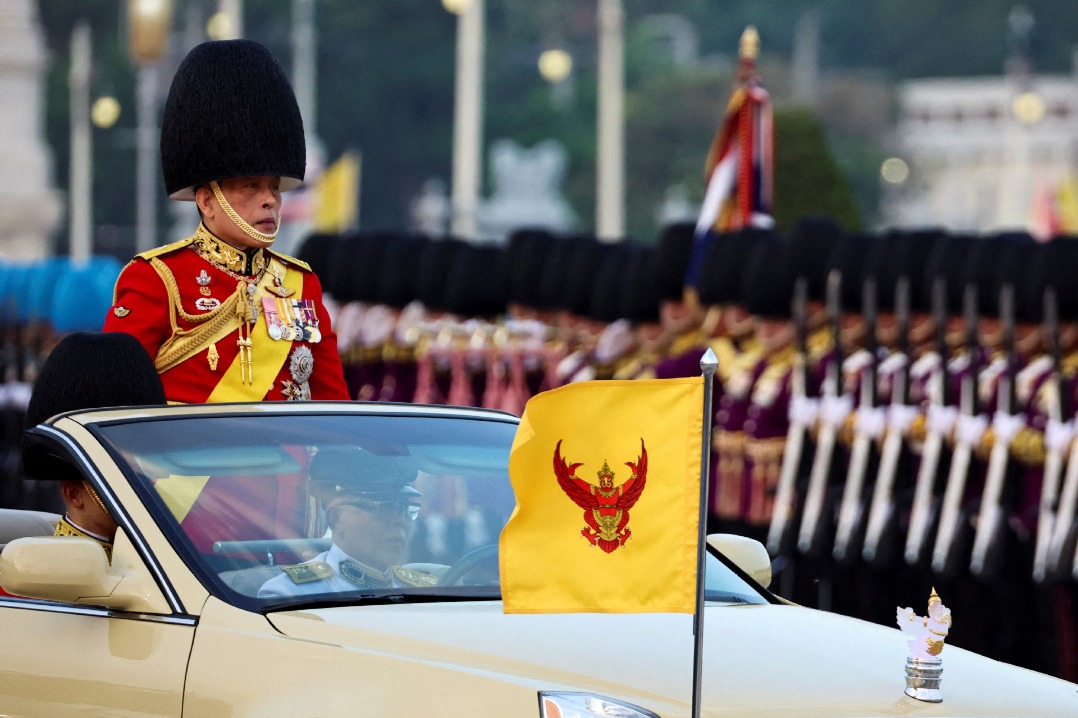
    Thailand’s political landscape has entered a pivotal phase following the official dissolution of the House of Representatives. King Maha Vajiralongkorn formally endorsed a Royal Decree on Friday, mandating an early general election to be conducted within the next 60 days. The announcement, published in the Royal Gazette, sets in motion constitutional procedures that will return political decision-making power to the Thai electorate.

    Prime Minister Anutin Charnvirakul initiated the dissolution process, submitting a formal proposal to the monarchy citing significant governance challenges. The 58-year-old Bhumjaithai Party leader, who assumed office in September, acknowledged his administration’s minority status in parliament and growing stability concerns. In a Thursday night Facebook address, Anutin declared: ‘I have returned power to the people,’ framing the dissolution as necessary for establishing stable national leadership.

    The outgoing coalition government faced mounting pressures on multiple fronts, including economic stagnation, constitutional amendment debates, and escalating border tensions with Cambodia. Anutin’s administration highlighted achievements in disaster response and economic revitalization efforts during its brief tenure but ultimately concluded that fresh elections represented the only path to sustainable governance.

    Constitutional provisions require the Election Commission to schedule polling within 45-60 days from the decree’s enactment. This timeline coincides with concerning economic forecasts from Thailand’s Kasikorn Research Center, which projects GDP growth slowing to 1.6% in 2025 amid weakened tourism recovery and constrained household consumption.

    Complicating the electoral landscape, recent border clashes with Cambodia have resulted in significant casualties, with nine Thai soldiers killed and over 120 injured. The security situation adds another layer of complexity to an election that will determine Thailand’s political direction amid regional tensions and economic uncertainty.

  • Japan exhorted to face wartime history ahead of Nanjing Massacre National Memorial Day

    Japan exhorted to face wartime history ahead of Nanjing Massacre National Memorial Day

    On the eve of China’s 12th National Memorial Day for Victims of the Nanjing Massacre, Beijing issued a forceful appeal to Tokyo to confront its historical wartime actions with genuine introspection. Foreign Ministry spokesman Guo Jiakun emphasized the necessity for Japan to extract meaningful lessons from history, unequivocally renounce militarism, and implement tangible measures to address its enduring legacy.

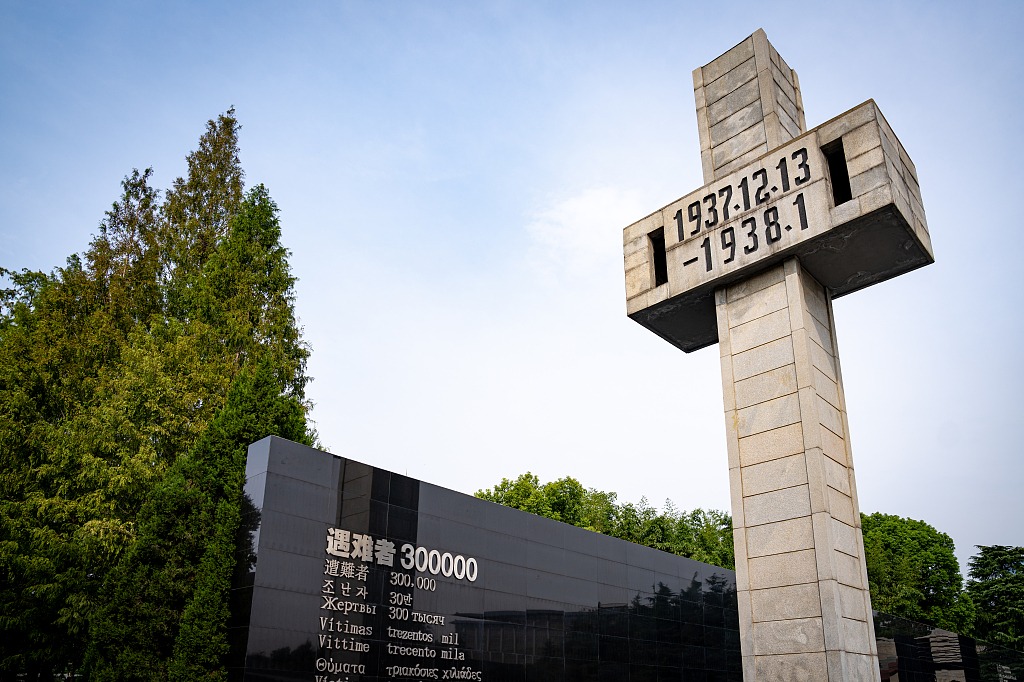
    The commemorative event, scheduled to mark the 88th anniversary of the horrific 1937 incident, will be conducted in accordance with the formal decision adopted by China’s National People’s Congress. The Nanjing Massacre represents one of World War II’s most brutal chapters, during which Japanese military forces systematically slaughtered over 300,000 Chinese civilians and disarmed soldiers over six weeks following their capture of the Jiangsu province capital.

    Guo presented a comprehensive critique of Japan’s historical revisionism, noting that contemporary Japanese leadership has consistently enabled right-wing factions that contradict historical accountability. The spokesman highlighted concerning patterns including repeated visits by Japanese officials to the controversial Yasukuni Shrine, public questioning of the seminal 1995 Murayama Statement expressing remorse for wartime aggression, and systematic textbook revisions that whitewash imperial invasion history.

    “These egregious moves constitute a blatant challenge to the post-war international order and an affront to human conscience,” Guo stated, indicating these actions have provoked substantial international concern and vigilance.

    The diplomatic exchange further addressed contemporary tensions regarding Taiwan, with Guo criticizing Japan’s ambiguous stance on its commitments outlined in bilateral political documents. The spokesman condemned Taiwan’s Democratic Progressive Party authorities for aligning with Japan’s problematic positions, including recent moves to lift restrictions on Japanese aquatic imports and organize delegation visits.

    Guo reminded that Japan imposed half-century colonial rule on Taiwan, committing innumerable crimes that current Taiwan authorities allegedly ignore or even glorify. The spokesman concluded with a firm declaration that China would never permit historical regression, external interference in Taiwan, or any resurgence of militarism, vowing to collaborate with peace-loving nations to safeguard postwar international order.

  • Taiwan’s character of the year a vote against confrontation

    Taiwan’s character of the year a vote against confrontation

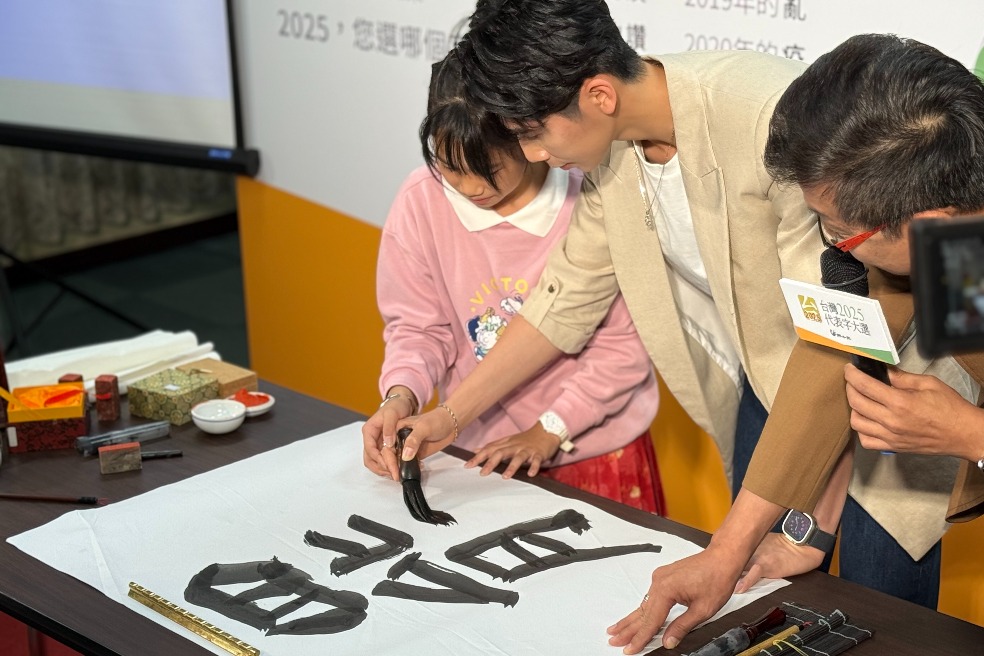
    In a revealing cultural barometer of public sentiment, Taiwan’s annual character selection for 2025 has delivered a powerful message against political confrontation and division. The character ‘ba’ (罷), meaning ‘dismiss’ or ‘recall,’ emerged victorious with over 15,000 votes from nearly 78,000 cast in the eighteen-year-old poll organized by Taiwan’s United Daily News.

    The selection reflects widespread public dissatisfaction with recent recall campaigns initiated by the Democratic Progressive Party authorities targeting opposition figures. These efforts, which targeted 31 Kuomintang legislators and the suspended mayor of Hsinchu during July and August, ultimately failed but exposed deep societal fractures.

    Ko Chih-en, a Kuomintang member who nominated the character, characterized the recall movement as having ‘pushed Taiwan into deeper division,’ expressing hope that ‘hatred-driven mobilization will no longer destroy Taiwan’s future.’ The sentiment was echoed by Ou Kuei-chih, a high school teacher who noted the campaigns had ‘torn Taiwan society apart’ while giving voice to those traditionally suppressed by pro-independence forces.

    Simultaneously, the cross-strait character of the year, ‘shi’ (勢), meaning ‘trend’ or ‘momentum,’ captured the broader regional perspective. Selected through an online poll organized by Taiwan’s Want Want China Times Media Group and Fujian’s Xiamen Daily, ‘shi’ received an overwhelming 1.28 million votes from 15.82 million total cast.

    Professor Xie Qingguo of Xiamen University’s School of Journalism and Communication articulated the significance, stating in a video message that ‘promoting peaceful cross-strait development is an unstoppable trend and the prevailing momentum.’ Organizers noted the character accurately represents both the direction of historical development and the collective consciousness surrounding evolving cross-strait relations.

    The character selections coincide with official statements from Beijing emphasizing reunification as the only path forward. Chen Binhua, spokesman for the State Council Taiwan Affairs Office, reiterated that peace remains the shared aspiration across the strait while criticizing current island leader Lai Ching-te as ‘the instigator of tensions and turbulence in the Taiwan Strait’ and ‘the primary source of division within Taiwan society.’

    These parallel character selections, occurring through separate democratic processes on both sides of the strait, collectively signal a public desire for reduced confrontation and recognition of inevitable historical trends toward peaceful development.

  • In a first, Pakistan sentences its former spy chief to 14 years in prison

    In a first, Pakistan sentences its former spy chief to 14 years in prison

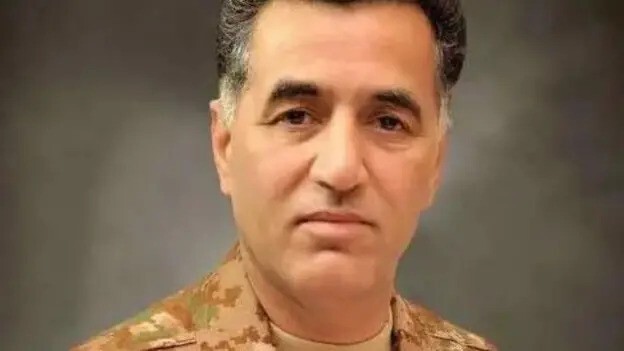
    In an extraordinary development within Pakistan’s military establishment, Lieutenant General Faiz Hameed, former director of the Inter-Services Intelligence (ISI) agency, has been sentenced to 14 years of rigorous imprisonment following a controversial military tribunal. The conviction represents the first instance in Pakistani history where a former intelligence chief has faced such severe judicial consequences.

    The military court found Hameed guilty on four distinct charges: unlawful engagement in political activities, violation of the Official Secrets Act, misappropriation of government resources, and causing significant financial losses to the state. The sentencing marks a dramatic downfall for the once-powerful military figure who was previously regarded as the second-most influential official within Pakistan’s armed forces hierarchy.

    Legal representatives for Hameed have characterized the proceedings as a ‘sham’ trial, alleging numerous procedural irregularities. Defense attorney Ali Ashfaq revealed to international media that his client was denied proper legal representation throughout the judicial process. According to Ashfaq, neither Hameed’s legal team nor family members received advance notification of the December 11th hearing, resulting in the defendant appearing without counsel.

    The Pakistani military’s public relations wing (ISPR) confirmed that court-martial proceedings against Hameed commenced on August 12, 2024, under specific provisions of the Pakistani Army Act. While acknowledging Hameed’s right to appeal, the military statement provided limited details regarding the specific evidence presented during the closed-door proceedings.

    Political analysts interpret this development as part of broader tensions between Pakistan’s military establishment and former Prime Minister Imran Khan, who personally appointed Hameed as ISI chief in 2019. A separate investigation is currently examining allegations that Hameed participated in protests following Khan’s arrest in May 2023.

    Khan, who was democratically elected in 2018 but removed through a parliamentary no-confidence vote in 2022, remains imprisoned since August 2023. The former prime minister maintains that his political downfall was orchestrated by military leadership and has faced multiple legal challenges, including charges under the Official Secrets Act.

    Recent social media communications from Khan’s family and supporters allege harsh prison conditions, including solitary confinement and restricted access to legal representation despite court orders permitting visits. Khan has publicly accused current military leadership of constitutional violations and systematic erosion of fundamental rights in Pakistan.

    The appeal process for Hameed’s case will initially proceed through military channels, with the army chief serving as the first appellate authority. Legal representatives express confidence that higher judicial forums will address what they characterize as fundamental procedural deficiencies in the original trial.

  • US lifts sanctions against Brazilian judge in Bolsonaro case

    US lifts sanctions against Brazilian judge in Bolsonaro case

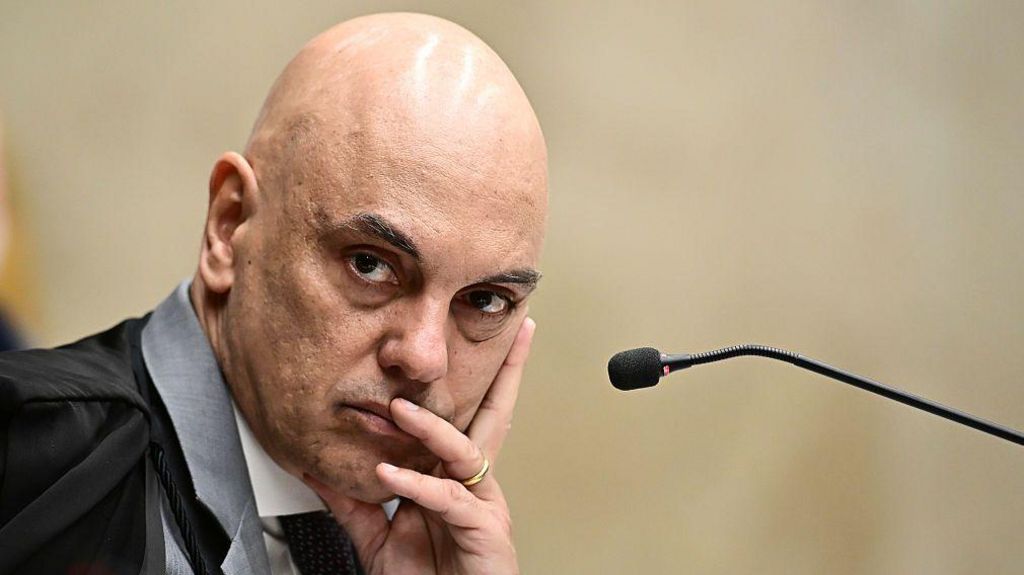
    In a significant diplomatic shift, the United States has removed Brazilian Supreme Court Justice Alexandre de Moraes from its sanctions list, signaling warming relations between the two nations. This development comes shortly after Brazil’s lower house approved legislation that could substantially reduce former President Jair Bolsonaro’s 27-year prison sentence for alleged coup plotting.

    The sanctions reversal, enacted Friday, aligns with the Trump administration’s endorsement of the prospective sentence reduction for Bolsonaro. The controversial legislative proposal, which would shorten the former leader’s term to under three years, now advances to Brazil’s Senate for consideration. Ultimately, it would require ratification by President Luiz Inácio Lula da Silva, Bolsonaro’s political rival, potentially creating a tense political confrontation.

    US Deputy Secretary of State Christopher Landau characterized the development as ‘the beginning of a path to improve our relations’ in a social media statement. The Trump administration had previously imposed sanctions in July, alleging Justice de Moraes had ‘abused his judicial authority to target political opponents’ in his investigation of Bolsonaro’s alleged election interference efforts.

    Brazil’s Minister of Institutional Relations Gleisi Hoffmann hailed the sanctions removal as a victory for both Brazil and the Lula administration. The diplomatic thaw follows recent indications of easing tensions between Presidents Trump and Lula, including what Trump described as a ‘great’ trade discussion earlier this month.

  • Bolivian court orders ex-president jailed for 5 months on corruption charges

    Bolivian court orders ex-president jailed for 5 months on corruption charges

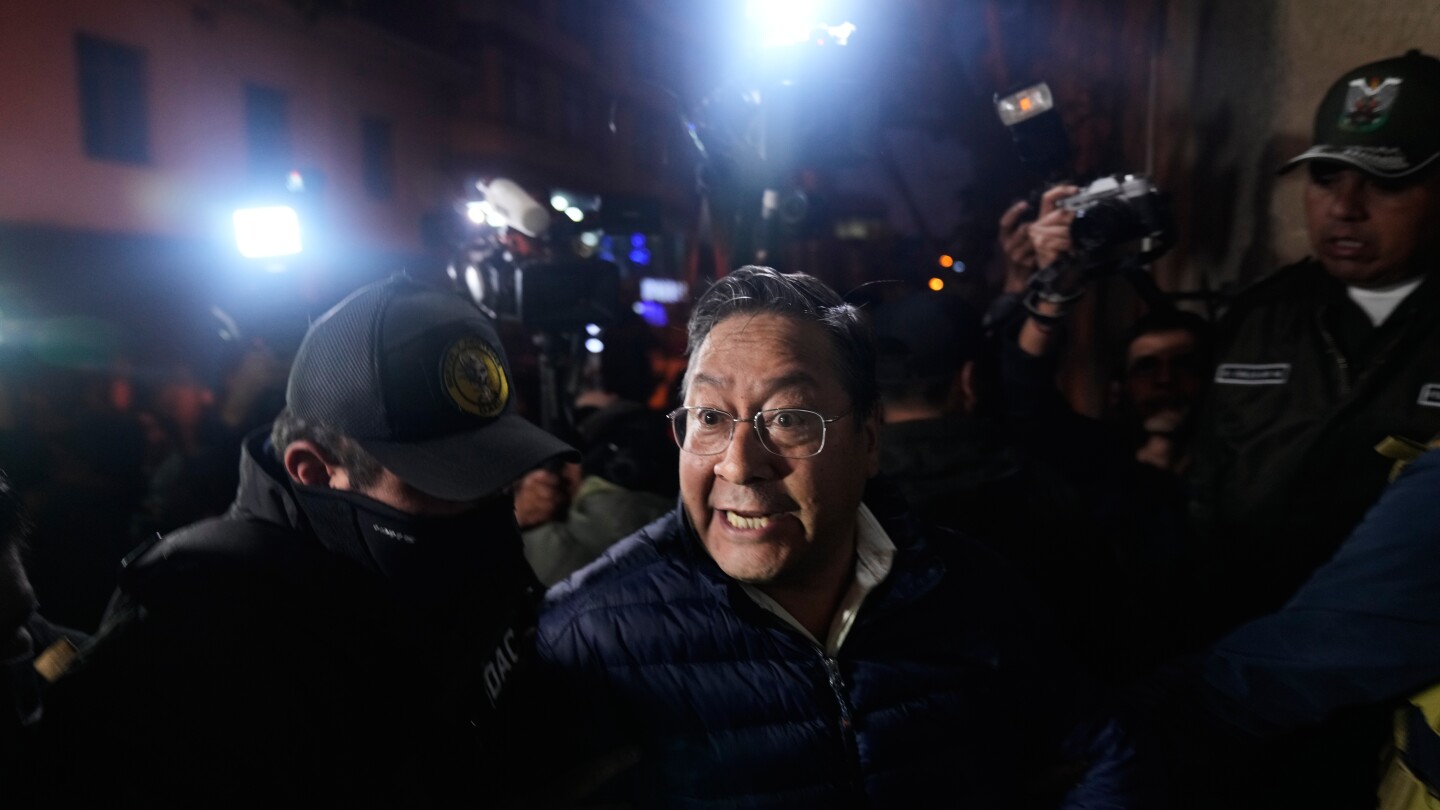
    In a dramatic development shaking Bolivia’s political landscape, a court has mandated the detention of former President Luis Arce for five months as he awaits trial on corruption allegations. The ruling came during a virtual hearing on Friday, just two days after Arce’s unexpected arrest on the streets of La Paz.

    The 62-year-old former leader, who left office merely a month ago following the election of Bolivia’s first conservative president in nearly twenty years, faces charges of breach of duty and financial misconduct. These accusations center on the alleged diversion of millions of dollars from state funds into private accounts during Arce’s tenure as economy minister under former President Evo Morales between 2006 and 2017.

    Despite the initial emergence of these allegations in 2017, investigations remained stagnant during Morales’ presidency, with courts appearing deferential to the ruling political power. The case gained renewed momentum when conservative President Rodrigo Paz assumed office last month, ending the prolonged dominance of the Movement Toward Socialism (MAS) party.

    Arce has vehemently denied all charges, characterizing them as politically motivated persecution. “I’m a scapegoat,” he asserted during the hearing, maintaining that he had no personal involvement in the management of the government fund under scrutiny—a fund designated to support Indigenous communities and peasant farmers who constituted the core base of MAS support.

    Prosecutors allege that Arce orchestrated the siphoning of money from rural development projects to secure loyalty from MAS-allied union and Indigenous leaders during election campaigns. If convicted, the former president could face up to six years imprisonment.

    Arce’s legal team petitioned for his release pending trial, citing his previous battle with kidney cancer, but Judge Elmer Laura rejected the appeal. The judge exceeded the prosecution’s request for three months in a juvenile detention center by ordering five months in a state prison, emphasizing that the alleged crimes “directly affect state assets and resources that were allocated to vulnerable sectors.”

    The case represents a significant test for Bolivia’s judicial independence and threatens to deepen the country’s political divisions as it grapples with its most severe economic crisis in four decades.

  • UN investigators file report on misconduct allegations against ICC prosecutor

    UN investigators file report on misconduct allegations against ICC prosecutor

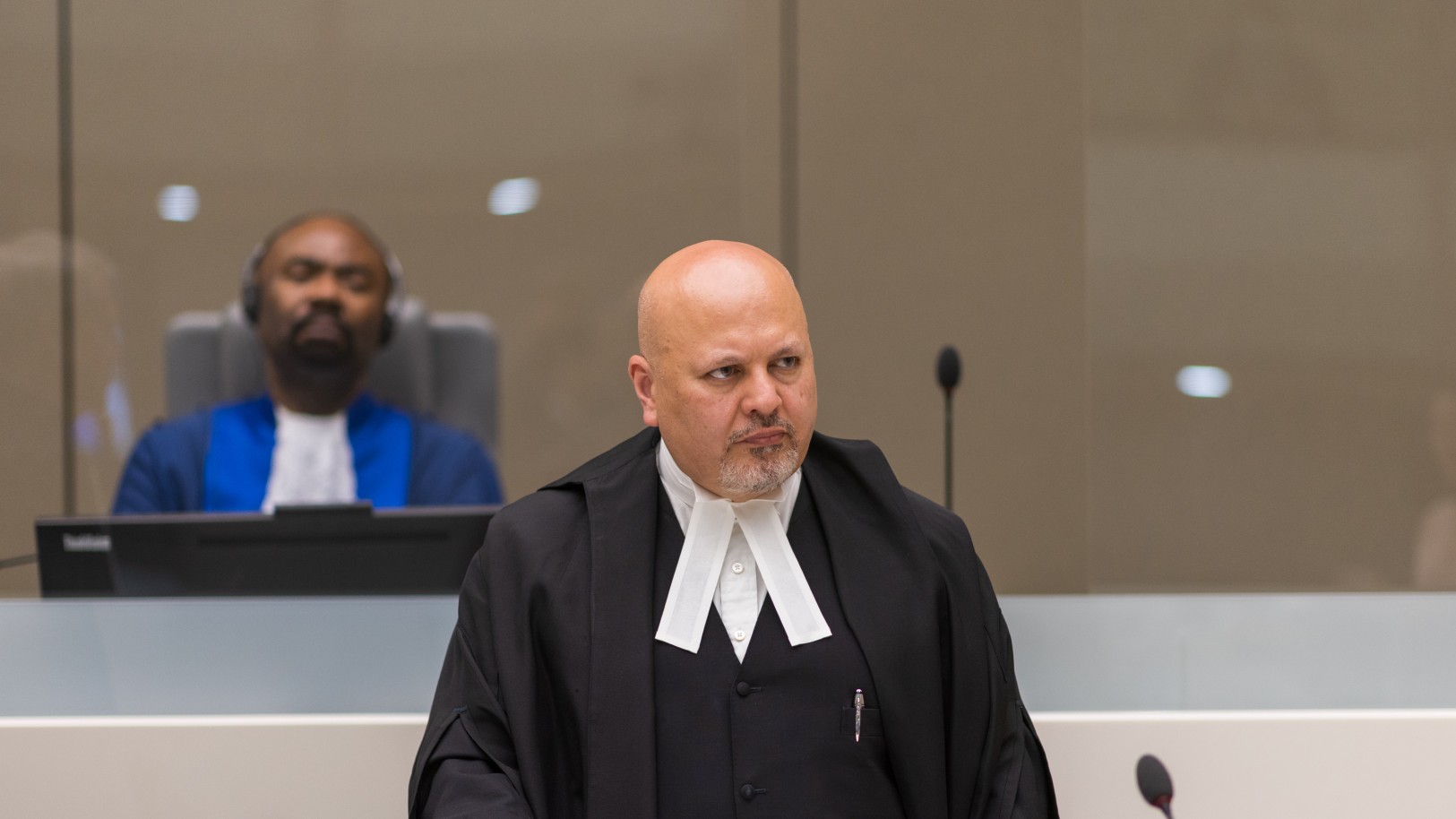
    A landmark United Nations investigation into allegations against International Criminal Court Prosecutor Karim Khan has reached a critical juncture, with findings now submitted to a specialized judicial panel for evaluation. The UN Office of Internal Oversight Services (OIOS) delivered its comprehensive report to the ICC’s governing Assembly of States Parties (ASP) on December 11, initiating a formal review process that could determine Khan’s professional future.

    The ASP Presidency confirmed the transfer of the fact-finding document to an ad hoc panel of judicial experts commissioned by the Assembly’s Bureau. These independent jurists will assess whether the evidence substantiates misconduct allegations and determine their severity classification. Their advisory opinion, while non-binding, will inform the ASP leadership’s subsequent decisions regarding potential disciplinary measures.

    According to internal ASP documentation reviewed by Middle East Eye, the Bureau possesses authority to suspend Prosecutor Khan pending final determination should the panel identify either serious misconduct or violations of lesser gravity. Any permanent removal would necessitate an absolute majority vote among the ASP’s 125 member states.

    The judicial panel will conduct its evaluation within the legal parameters established by the Rome Statute, ICC procedural regulations, and relevant administrative guidelines. ASP officials estimate approximately 30 days for completion, though complexity may extend this timeline.

    This prolonged investigation has generated significant operational uncertainty within the court’s leadership structure. Khan voluntarily stepped aside in May pending the investigation’s outcome, with deputy prosecutors assuming interim responsibilities. Multiple diplomatic sources and ICC staff have expressed concerns regarding the institution’s capacity to fulfill its mandate during this period of administrative limbo.

    The development follows recent procedural reforms adopted during the ASP’s annual conference in The Hague, where members ratified resolutions enhancing due process protections for both complainants and officials facing misconduct allegations. However, these amendments may not apply retroactively to Khan’s case.

    International justice expert Sergey Vasiliev acknowledged the significance of concluding the fact-finding phase while noting persistent challenges: ‘The judicial experts operate under considerable pressure given the investigation’s duration and must address mounting frustration among member states through expeditious yet thorough deliberation.’

    The ASP Presidency has emphatically urged all stakeholders to respect confidentiality protocols and maintain the integrity of the ongoing judicial process.