分类: politics

  • S. Korea’s special counsel finalizes investigation into ex-president Yoon’s insurrection charges

    S. Korea’s special counsel finalizes investigation into ex-president Yoon’s insurrection charges

    In a landmark development for South Korea’s political landscape, the special counsel investigation into former President Yoon Suk-yeol has reached its conclusion. Led by Special Prosecutor Cho Eun-suk, the probe has resulted in criminal charges against 24 high-ranking officials from the previous administration.

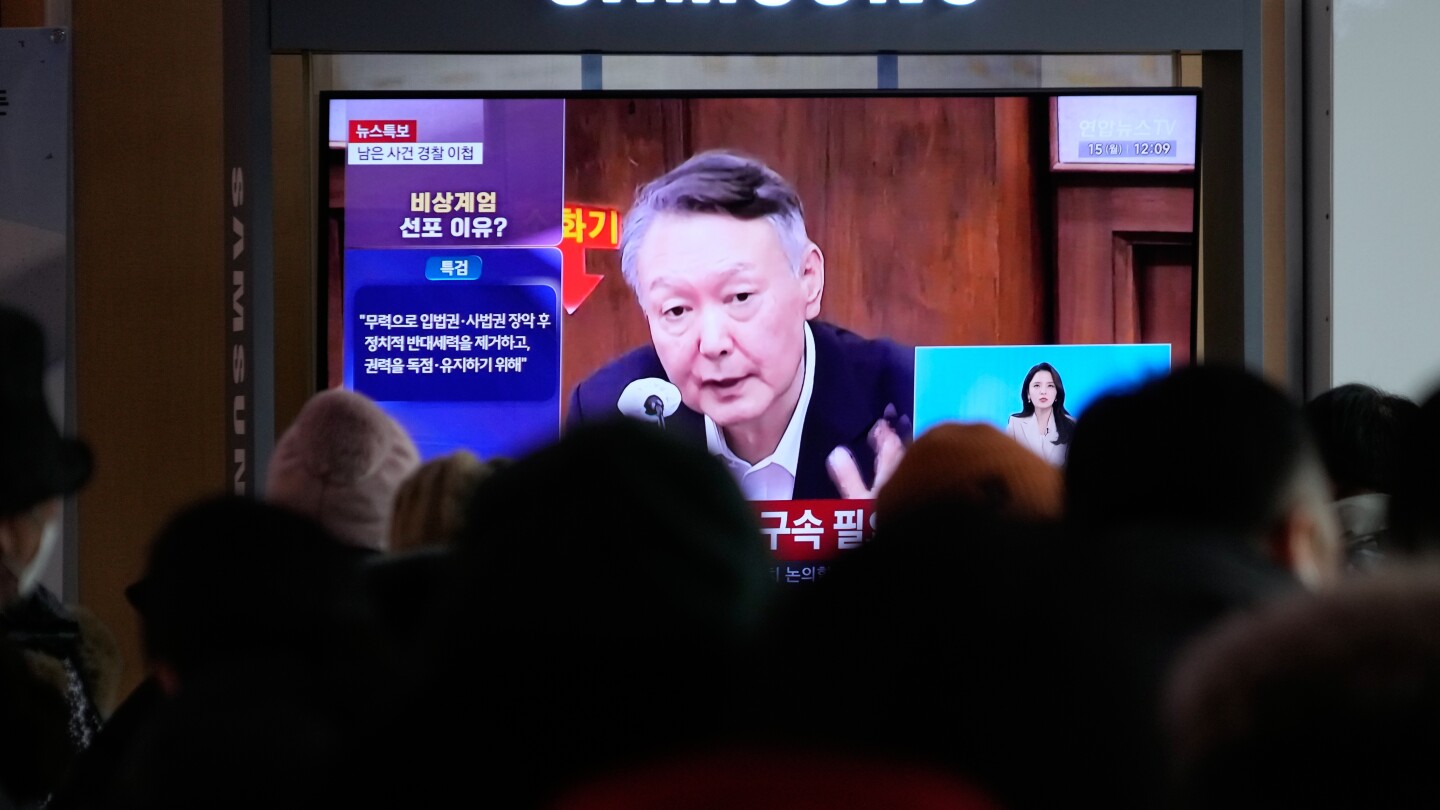
    At a nationally televised press conference in Seoul, Prosecutor Cho revealed that the investigation substantiated allegations that Yoon, who assumed office in May 2022, had orchestrated preparations for martial law declaration before October 2023. The primary objective, according to the special counsel, was to consolidate and perpetuate presidential power through extraordinary measures.

    The investigation further uncovered that Yoon’s administration allegedly attempted to provoke a military response from the Democratic People’s Republic of Korea (DPRK) through unconventional military operations. This calculated provocation, the counsel asserted, was intended to create a pretext for implementing martial law. However, the strategy ultimately failed as DPRK forces did not engage militarily.

    This conclusive investigation follows Yoon’s dramatic impeachment by the Constitutional Court on April 4, 2025, which centered on his unsuccessful martial law initiative from December of the previous year. The impeachment proceedings formally removed Yoon from office, making him the latest South Korean leader to face serious legal consequences after leaving power.

    The former president, currently detained, was formally charged on January 26 as the alleged mastermind behind the insurrection plot. The comprehensive indictment includes former Prime Minister, former Deputy Prime Minister for Economic Affairs, multiple ministers, and presidential secretaries, marking one of the most significant political corruption cases in recent South Korean history.
  • Czech president swears in new coalition government of populist billionaire Andrej Babiš

    Czech president swears in new coalition government of populist billionaire Andrej Babiš

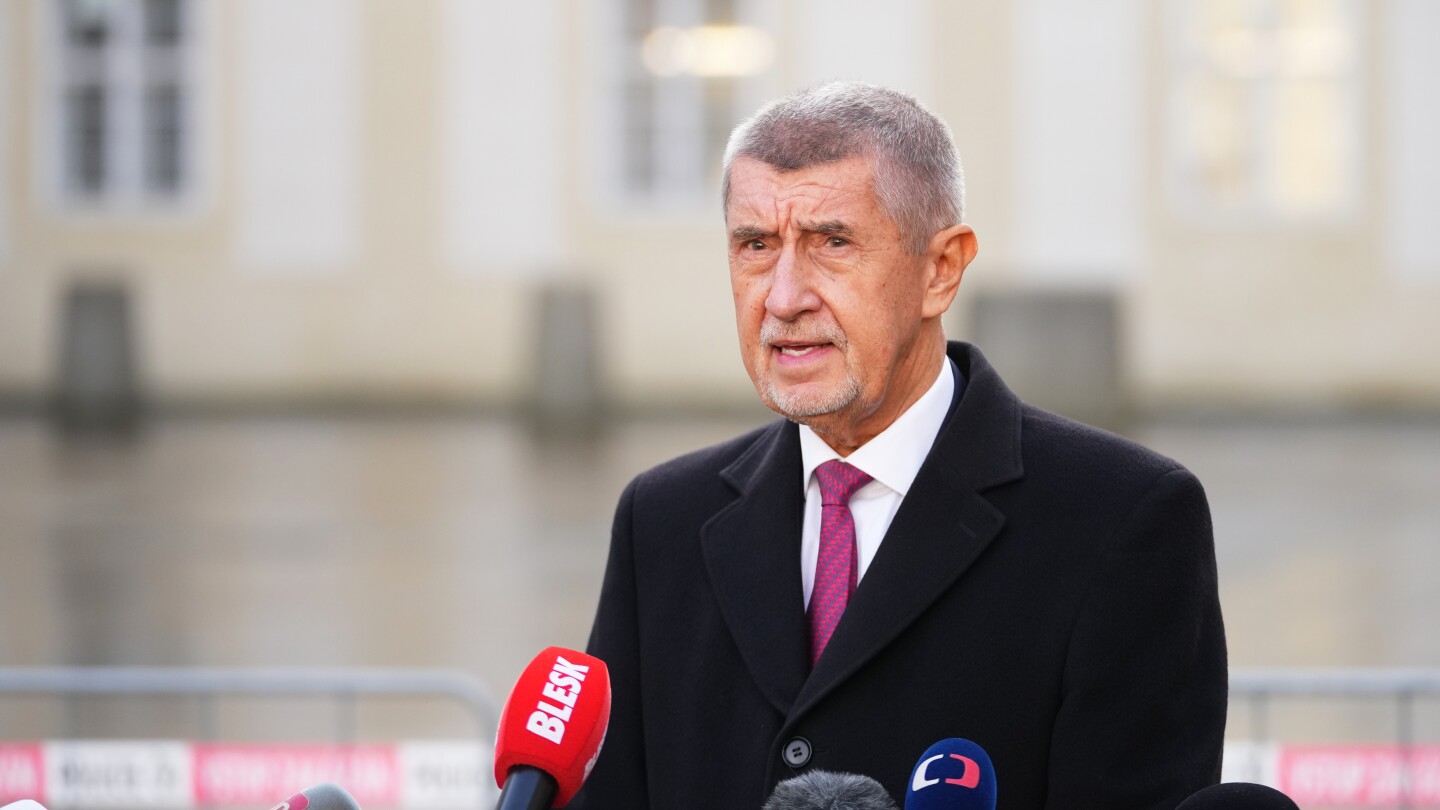
    PRAGUE — The Czech Republic witnessed a significant political transformation on Monday as populist billionaire Andrej Babiš assumed leadership of a new coalition government, marking a dramatic departure from the nation’s previous pro-Western orientation. President Petr Pavel formally swore in the 16-member Cabinet at Prague Castle, concluding the tenure of former Prime Minister Petr Fiala’s administration that had established the country as a steadfast supporter of Ukraine and a sanctuary for hundreds of thousands of Ukrainian refugees.

    Babiš, who previously served as prime minister from 2017-2021, orchestrated a remarkable political comeback following his ANO (YES) movement’s substantial victory in the October elections. The newly formed majority coalition unites his centrist-populist party with two smaller political entities: the anti-immigrant Freedom and Direct Democracy party and the right-wing Motorists for Themselves group. This alliance signals a fundamental reorientation of Czech foreign and domestic policies.

    The emerging government structure allocates eight ministerial positions, including the prime minister’s office, to ANO, while the Motorists secure four portfolios and the Freedom party obtains three. These parties share notable admiration for former U.S. President Donald Trump and are poised to align the Czech Republic with the diplomatic approaches of Hungarian Prime Minister Viktor Orbán and Slovak Prime Minister Robert Fico.

    Foreign policy shifts include the anticipated abandonment of military assistance to Ukraine, opposition to European Union sanctions against Russia, and rejection of financial aid packages for Kyiv. Babiš has already collaborated with Orbán to establish the “Patriots for Europe” alliance within the European Parliament, representing hard-right factions across the continent.

    Domestically, the coalition partners advocate for controversial measures including the potential expulsion of most Ukrainian refugees, revocation of pension reforms, reduction of electricity prices, and restructuring of public broadcasting financing that critics argue may compromise editorial independence. The government also plans to challenge EU environmental policies, particularly the Green Deal, while seeking to revitalize regional partnerships through the Visegrád Group framework.

  • MI6 chief says UK faces threat from Russia’s desire to export chaos

    MI6 chief says UK faces threat from Russia’s desire to export chaos

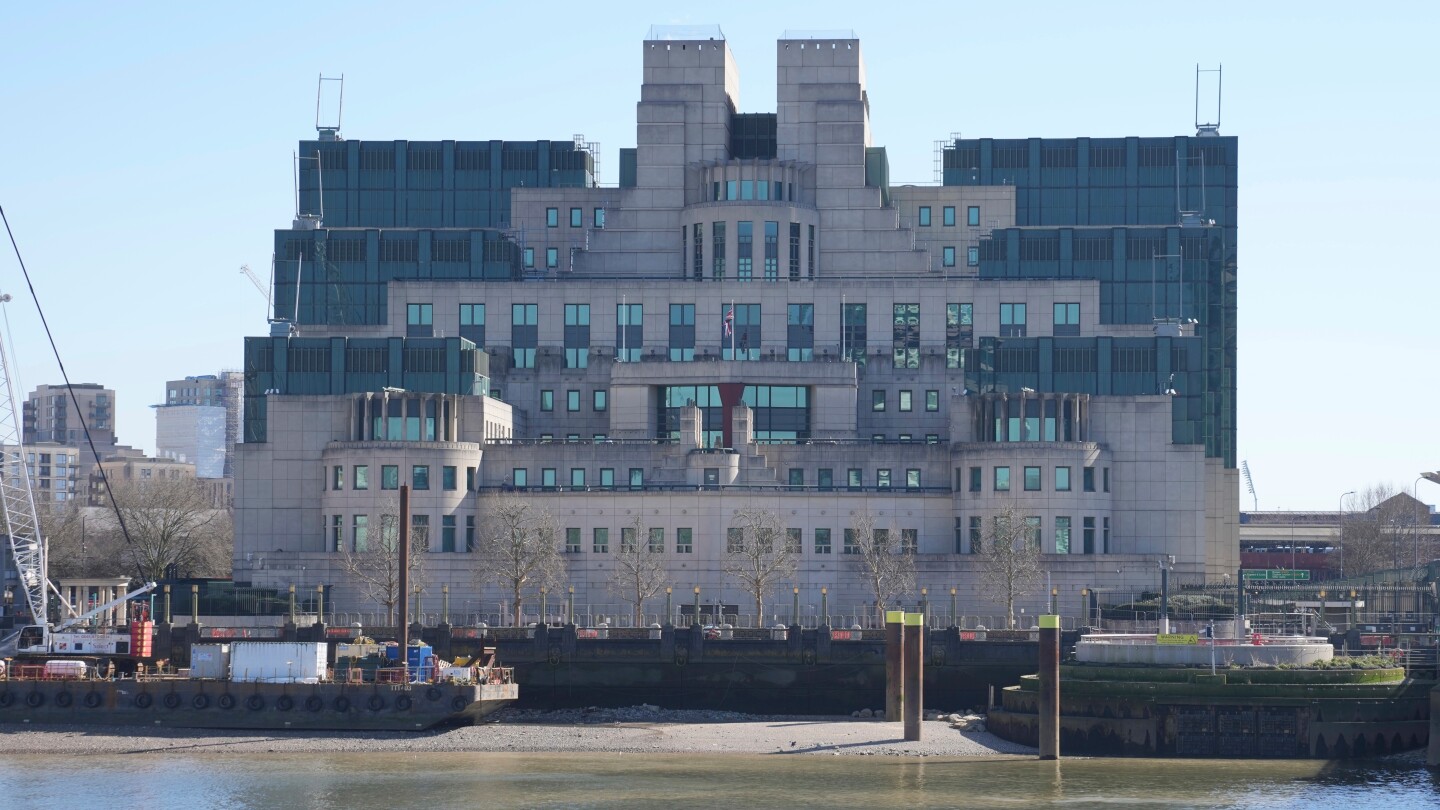
    LONDON — In her inaugural public address as director of the United Kingdom’s Secret Intelligence Service (MI6), chief Blaise Metreweli issued a stark warning regarding Russian President Vladimir Putin’s systematic campaign to export chaos worldwide, fundamentally altering conflict dynamics and presenting unprecedented security challenges.

    The newly appointed intelligence head, who assumed leadership in late September following Richard Moore’s tenure, characterized Russia’s approach as inherently “aggressive and expansionist.” According to speech excerpts released by the Foreign Office, Metreweli emphasized that “the export of chaos represents a deliberate feature rather than an accidental flaw in Russia’s international engagement strategy,” predicting this pattern will persist until Putin is compelled to reconsider his strategic calculations.

    Metreweli brings unique qualifications to her historic appointment as MI6’s first female chief since the agency’s 1909 establishment. Previously serving as the service’s director of technology and innovation—a position analogous to the fictional Q character in James Bond lore—she brings dual expertise in both technological and human intelligence operations.

    Her address underscores the increasingly interconnected and unpredictable nature of modern threats, advocating for intelligence officers to achieve fluency in both digital and traditional espionage techniques. “Our operatives must demonstrate equal comfort with code lines and human sources, achieving proficiency in programming languages like Python alongside multiple spoken languages,” she asserted.

    This warning aligns with broader Western security concerns regarding hybrid warfare tactics employed by Russia, Iran, and China. These nations increasingly utilize cyber operations, espionage, and influence campaigns that threaten global stability, as demonstrated by recent UK sanctions against Russian media outlets for alleged information warfare and Chinese technology firms for extensive cyber activities.

    Metreweli’s appointment marks a significant milestone in intelligence leadership diversity, following similar breakthroughs at MI5—the domestic security service led by Stella Rimington (1992-1996) and Eliza Manningham-Buller (2002-2007)—and GCHQ, where Anne Keast-Butler assumed leadership in 2023.

  • South Korea’s ousted president Yoon plotted martial law to eliminate rivals, probe finds

    South Korea’s ousted president Yoon plotted martial law to eliminate rivals, probe finds

    A comprehensive six-month investigation has revealed that former South Korean President Yoon Suk Yeol orchestrated an elaborate year-long scheme to impose martial law and eliminate political opposition, according to findings announced Monday by independent counsel Cho Eun-suk.

    The probe determined that Yoon and his military allies systematically planned to provoke North Korea into military confrontations to justify declaring martial law since October 2023. The conspirators allegedly reshuffled top military officials to install compliant associates while removing Defense Minister Kim Yong Hyun, who opposed the plan. Investigators documented how Yoon’s administration hosted dinner parties to build consensus among military leaders for their unprecedented power grab.

    Despite failing to elicit any substantial response from North Korea—which investigators attribute to Pyongyang’s preoccupation with supporting Russia’s war in Ukraine—Yoon proceeded with his martial law declaration in December 2024. He branded the liberal-controlled legislature as ‘anti-state forces’ requiring urgent removal. The decree lasted mere hours before collapsing under massive public protests and legislative resistance.

    The investigation uncovered disturbing evidence of Yoon’s hostility toward political rivals, including recordings where he referred to main opposition figure Han Dong-hun as ‘a commie’ and threatened to ‘shoot him to death’ during meetings with military generals. The hostility stemmed from conflicts over scandals involving Yoon’s wife.

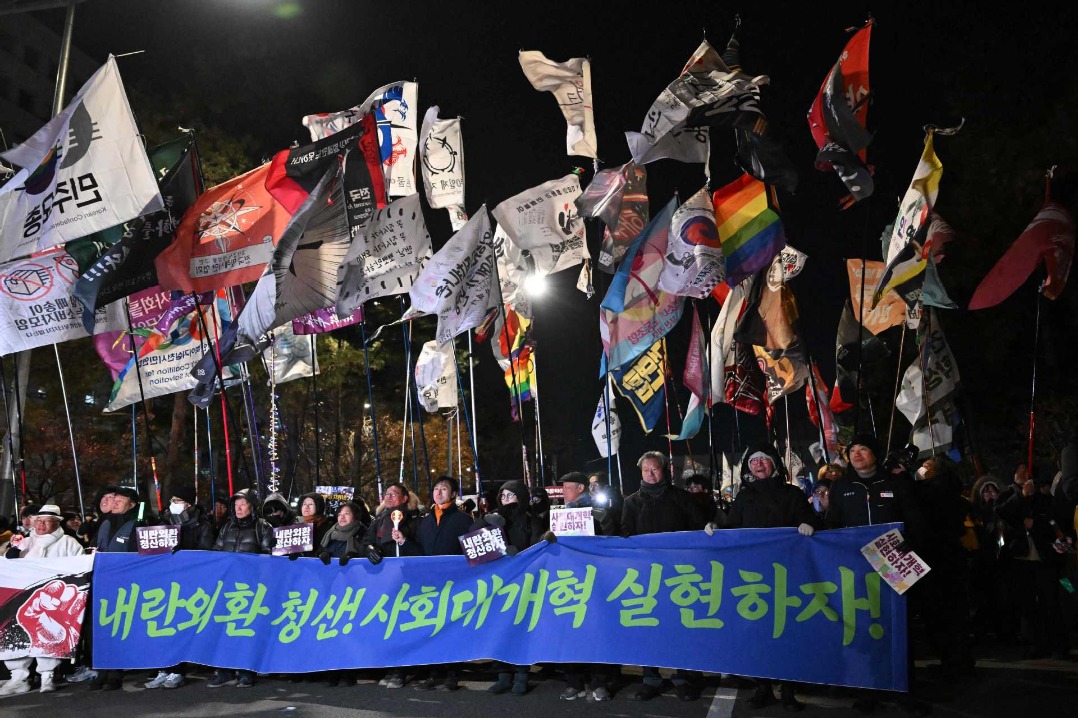
    Hundreds of troops temporarily encircled parliament buildings during the brief martial law period, triggering massive public demonstrations that ultimately led to Yoon’s impeachment by lawmakers. The Constitutional Court formally ousted Yoon in April, followed by snap elections that brought Democratic Party candidate Lee Jae Myung to power in June.

    Yoon currently remains jailed while facing rebellion charges, maintaining that his actions represented a legitimate attempt to gain public support against political obstruction. Alongside Yoon, 23 associates—including former Defense Minister Kim, Prime Minister Han Duck-soo, and Deputy Prime Minister Choi Sang-mok—have been indicted for their roles in the martial law scheme.

    In a related development, police raided Unification Church headquarters in Seoul as part of a separate bribery investigation involving numerous politicians. The ongoing probe includes allegations against Yoon’s wife, Kim Keon Hee, who stands accused of receiving bribes from church officials seeking business favors. Investigations have expanded to include potential corruption among both conservative and liberal politicians, prompting President Lee to call for a thorough examination of questionable ties between religious groups and political figures.

  • What does the Jimmy Lai verdict mean for Hong Kong?

    What does the Jimmy Lai verdict mean for Hong Kong?

    Hong Kong’s judiciary has delivered a landmark verdict in one of the city’s most scrutinized national security cases, finding media magnate Jimmy Lai guilty of conspiring with foreign forces. The conviction represents a critical juncture for Hong Kong’s legal landscape under the sweeping National Security Law imposed by Beijing in 2020.

    The high-profile trial, conducted without a jury per national security protocols, centered on allegations that Lai’s pro-democracy activism and international lobbying efforts constituted collusion with external actors. Prosecutors presented evidence showing Lai’s extensive communications with Western politicians and his public endorsements of international sanctions against Hong Kong officials.

    Legal experts indicate this verdict establishes a formidable precedent for interpreting the National Security Law’s provisions on foreign interference. The ruling demonstrates Hong Kong’s judicial system will aggressively pursue cases perceived as threatening China’s sovereignty, regardless of the defendant’s public profile or international attention.

    The international community has responded with sharp criticism, with multiple Western governments condemning the verdict as politically motivated and warning of deteriorating freedoms in Hong Kong. Chinese authorities have praised the decision as a legitimate exercise of legal sovereignty and necessary protection against external interference.

    This case signals Hong Kong’s continuing transformation from its former status as an international business hub with protected civil liberties to a territory where national security considerations dominate legal and political discourse. The conviction likely foreshadows increased judicial scrutiny of activities involving foreign contacts for Hong Kong activists, journalists, and business leaders.

  • Far-right candidate Jose Antonio Kast wins Chilean presidential runoff election: preliminary results

    Far-right candidate Jose Antonio Kast wins Chilean presidential runoff election: preliminary results

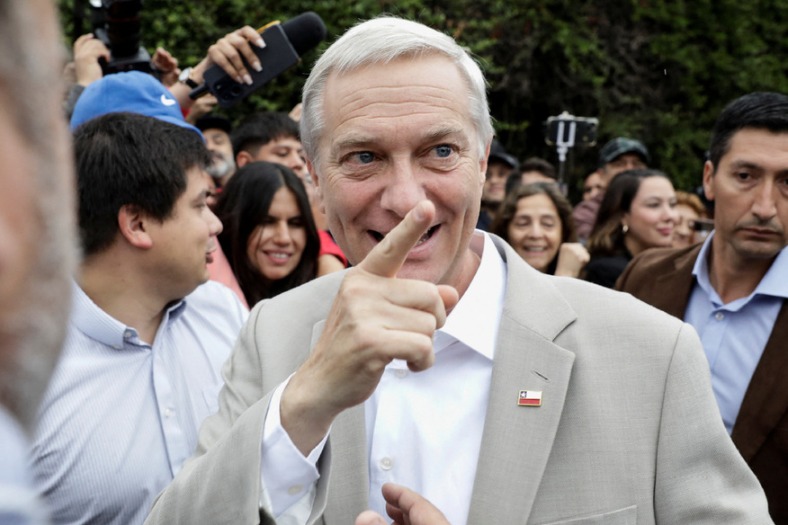
    Chilean politics has entered a new era following the decisive victory of far-right candidate José Antonio Kast in the nation’s presidential runoff election. Preliminary results from Sunday’s voting confirm Kast’s ascension to power, marking a significant ideological shift for a country that has recently been governed by center-left administrations.

    The Republican Party leader delivered a triumphant address to his supporters in Santiago, acknowledging their steadfast support throughout a contentious campaign period. Kast’s platform, which emphasizes law and order, economic liberalism, and conservative social values, resonated with voters seeking change amid growing concerns about crime, immigration, and economic instability.

    International observers have closely monitored Chile’s electoral process, recognizing its importance not just for the nation but for regional political dynamics across Latin America. Kast’s victory represents the latest in a series of right-wing gains throughout the continent, potentially altering diplomatic and economic relationships in the Western Hemisphere.

    The election outcome follows a period of intense political polarization in Chile, including widespread social protests in 2019 that led to a constitutional reform process. Kast’s success suggests a rejection of the proposed constitutional changes and a desire for more traditional governance approaches among a substantial portion of the electorate.

    As president-elect, Kast will face immediate challenges including economic recovery, addressing social inequality, and unifying a politically divided nation. His administration’s policies on business regulation, environmental standards, and international relations will be closely scrutinized by both domestic and international stakeholders.

  • European leaders expected to cement support for Ukraine amid Washington pressure to accept deal

    European leaders expected to cement support for Ukraine amid Washington pressure to accept deal

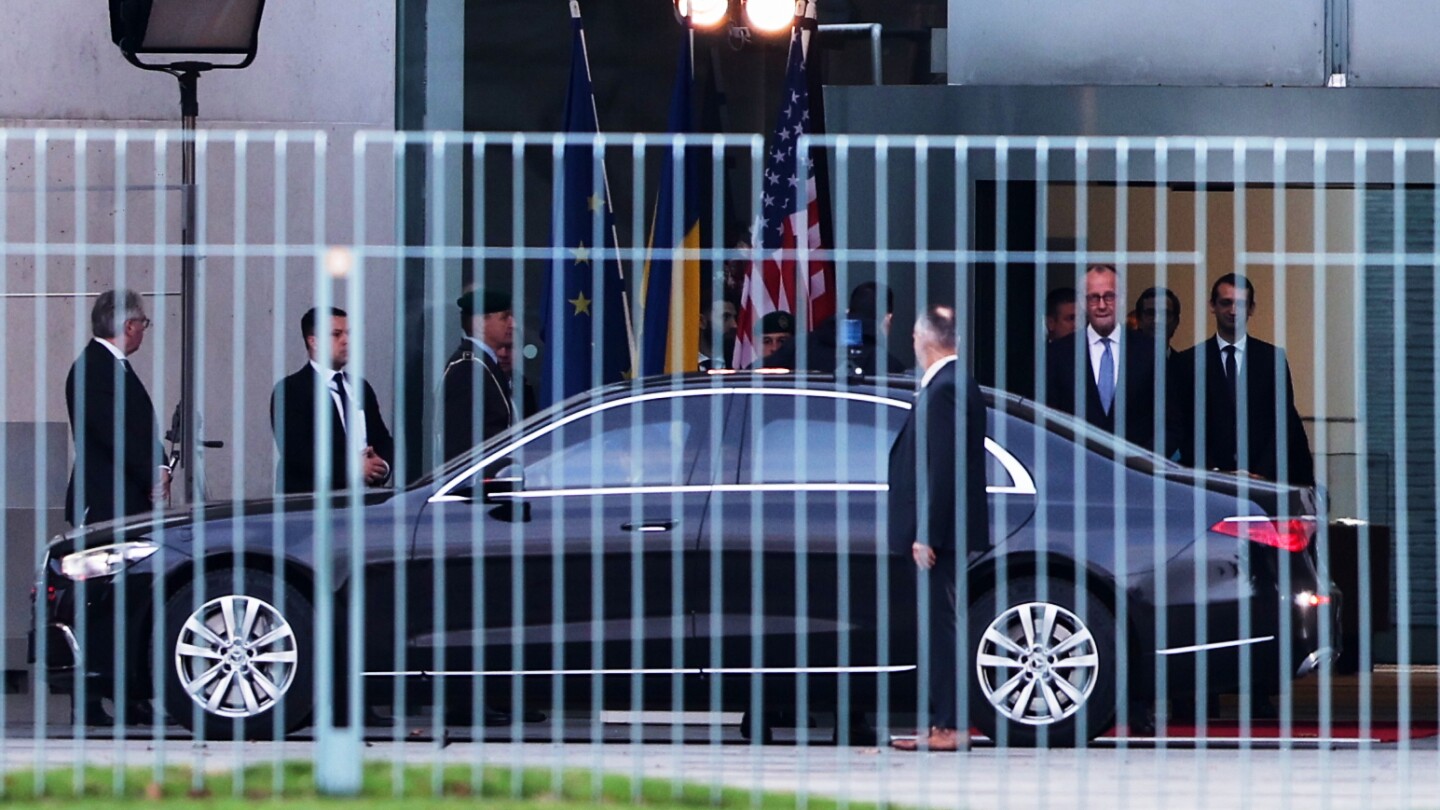
    European leaders are convening in Berlin to reinforce their commitment to Ukraine as the nation faces mounting pressure from Washington to accept a U.S.-brokered peace agreement. The diplomatic engagements follow Sunday’s crucial discussions between Ukrainian President Volodymyr Zelenskyy and U.S. envoys, including President Trump’s special envoy Steve Witkoff and senior advisor Jared Kushner, held at the German federal chancellery.

    The negotiations occur against the backdrop of increasing U.S. frustration with the protracted conflict duration. Washington has intensified efforts to mediate between the warring parties, though significant obstacles persist. Primary sticking points include territorial control over Ukraine’s eastern Donetsk region, currently predominantly occupied by Russian forces, and Ukraine’s potential NATO membership status.

    In a significant strategic shift, President Zelenskyy indicated willingness to abandon Ukraine’s NATO membership aspirations if Western nations provide equivalent security guarantees. However, he maintained firm opposition to territorial concessions demanded by Russian President Vladimir Putin, who insists on Ukrainian withdrawal from remaining Donetsk territories under its control.

    The geopolitical landscape has been further complicated by German Chancellor Friedrich Merz’s declaration that the era of ‘Pax Americana’ has concluded for Europe. Merz cautioned that Putin’s ultimate objective involves fundamental border alterations across Europe and potential restoration of the former Soviet Union’s boundaries. Concurrently, French President Emmanuel Macron reaffirmed France’s unwavering support for Ukraine’s sovereignty and European security through robust, lasting peace arrangements.

    President Putin has consistently denied expansionist ambitions toward European allies while maintaining that Ukraine’s NATO integration pursuits represent an existential threat to Russian security—the primary justification cited for the February 2022 invasion.

  • Australian Prime Minister Albanese proposes tougher national gun laws after mass shooting in Sydney

    Australian Prime Minister Albanese proposes tougher national gun laws after mass shooting in Sydney

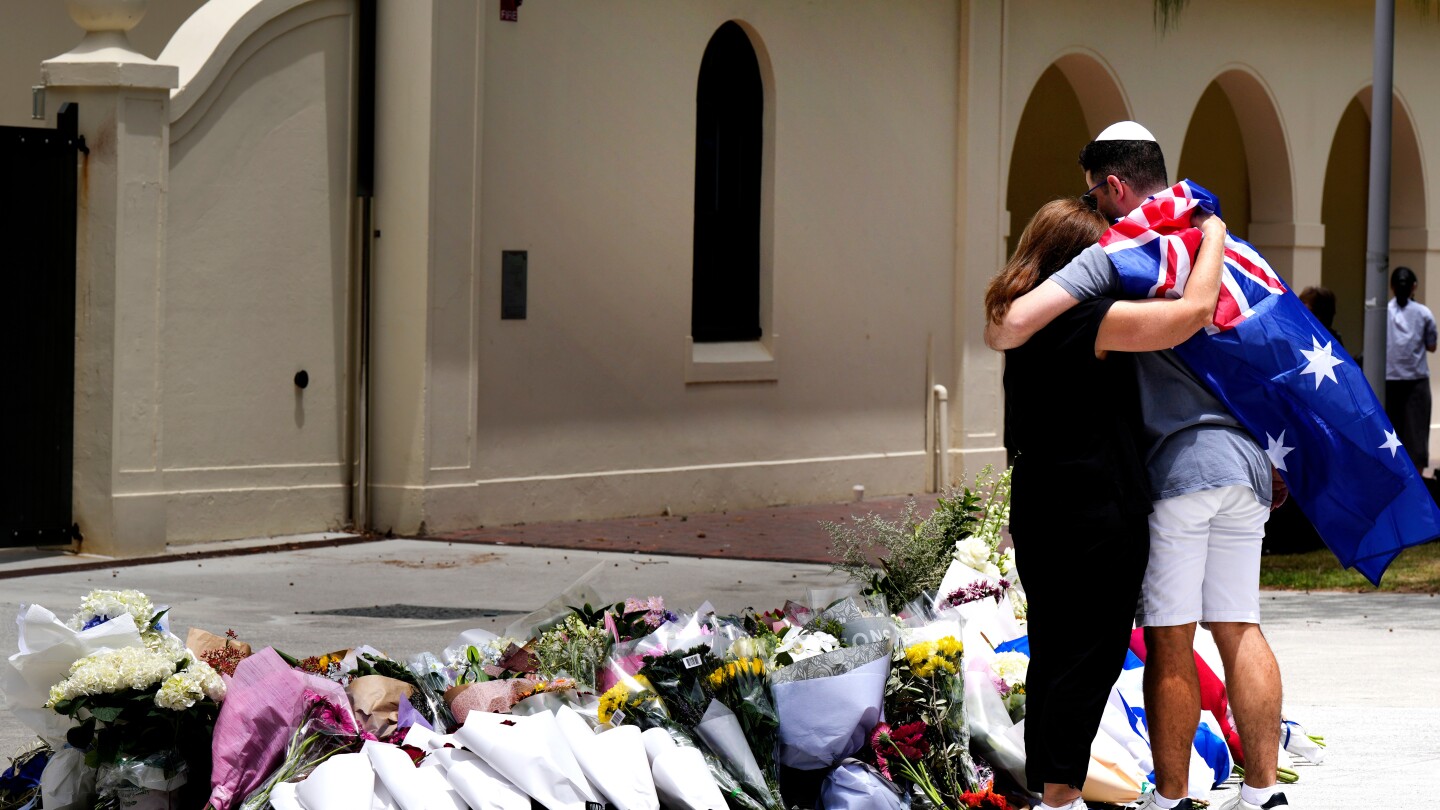
    In response to Australia’s deadliest mass shooting in nearly three decades, Prime Minister Anthony Albanese has announced plans to strengthen national firearm regulations. The proposed reforms come after a father-son duo armed with six legally acquired weapons opened fire on a Hanukkah celebration at Sydney’s iconic Bondi Beach, resulting in 15 fatalities and 38 hospitalizations.

    The attack, which Albanese characterized as a terrorist incident, has triggered intense scrutiny of Australia’s gun licensing system. The prime minister revealed that new restrictions would include limiting the number of firearms a licensed owner can possess and implementing periodic license reviews rather than perpetual approvals. ‘People’s circumstances can change. People can be radicalized over a period of time,’ Albanese emphasized during a press conference.

    Investigations indicate the 50-year-old shooter, who was killed during the incident, legally accumulated his arsenal through a license obtained for target shooting or hunting purposes. His 24-year-old son, wounded in the attack, remains hospitalized and may face criminal charges.

    The victims spanned generations, including a 10-year-old girl, Rabbi Eli Schlanger (an event organizer), Holocaust survivors, and citizens of Israel and France. The tragedy has ignited fierce criticism from Jewish community leaders who question governmental inaction regarding rising antisemitism and security failures.

    Amid the grief, stories of heroism emerged, particularly concerning Ahmed al Ahmed, a fruit shop owner who confronted and disarmed one shooter despite being shot in the shoulder. As floral tributes accumulate at Bondi Beach, the nation grapples with balancing civil liberties with public safety in a country previously proud of its strict gun control legacy.

  • They were almost American – then Trump cancelled their citizenship ceremonies

    They were almost American – then Trump cancelled their citizenship ceremonies

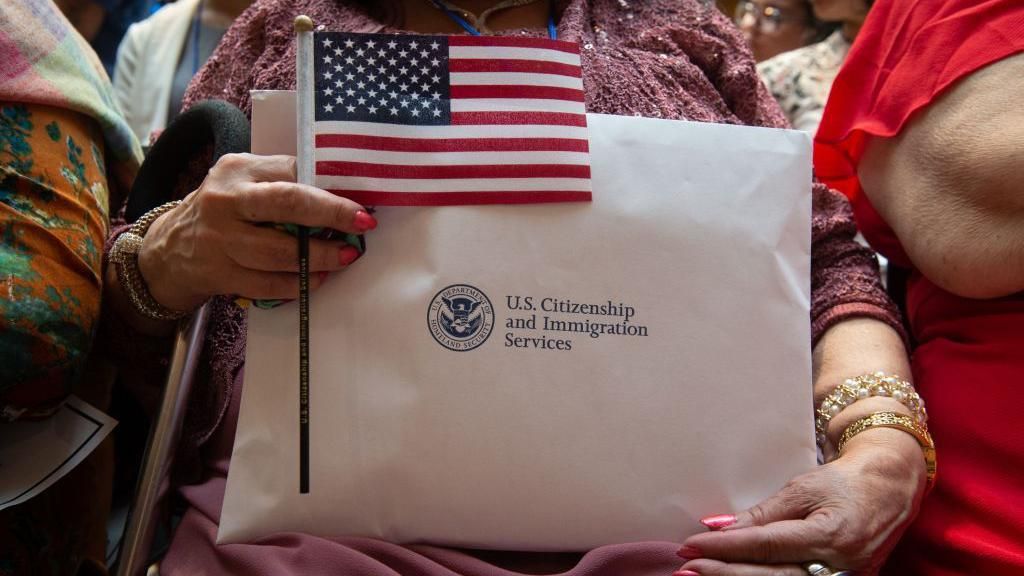
    In a sudden policy shift following recent security incidents, the Trump administration has abruptly canceled naturalization ceremonies for immigrants from 19 countries previously subject to travel restrictions. This move has created profound uncertainty for thousands of legal permanent residents who had completed all requirements for citizenship.

    Sanam, an Iranian immigrant residing in Oregon with her American husband, exemplifies this disruption. After a decade-long immigration process involving extensive paperwork, security vetting, and testing, her December 3rd oath ceremony was canceled without explanation just 48 hours beforehand. Later learning her birthplace in Iran triggered the cancellation, she described the experience as ‘heartbreaking’ and ‘draining,’ causing her to reconsider remaining in the United States.

    The policy change emerged following the November 26th shooting incident in Washington DC, where an Afghan national attacked National Guard members. Administration officials cite national security concerns as justification for the intensified immigration measures, which include halting processing for applicants from affected countries at all stages—not just those awaiting final ceremonies.

    Mario Bruzzone of the New York Immigration Coalition criticized the measures as effectively constituting an indefinite ban, arguing the administration is exploiting recent tragedies to escalate attacks on immigrant communities. He emphasized that affected individuals like Sanam had already undergone multi-layered security and health vetting processes spanning years.

    The human impact extends beyond single cases. Jorge, a Venezuelan professional who obtained permanent residency through extraordinary ability criteria, faced similar last-minute ceremony cancellation. While supporting stricter immigration reviews generally, he expressed concern about law-abiding residents being ‘generalized’ alongside potentially problematic cases.

    With approximately 132,000 Venezuelan-born residents in New York state alone according to coalition data, the policy affects substantial immigrant populations. The cancellations have created what Sanam’s husband characterized as ‘limbo state’ existence, where lives remain ‘at the mercy of government decisions’ based on rapidly implemented policy changes.

  • Former Hong Kong pro-democracy media mogul Jimmy Lai convicted in landmark national security trial

    Former Hong Kong pro-democracy media mogul Jimmy Lai convicted in landmark national security trial

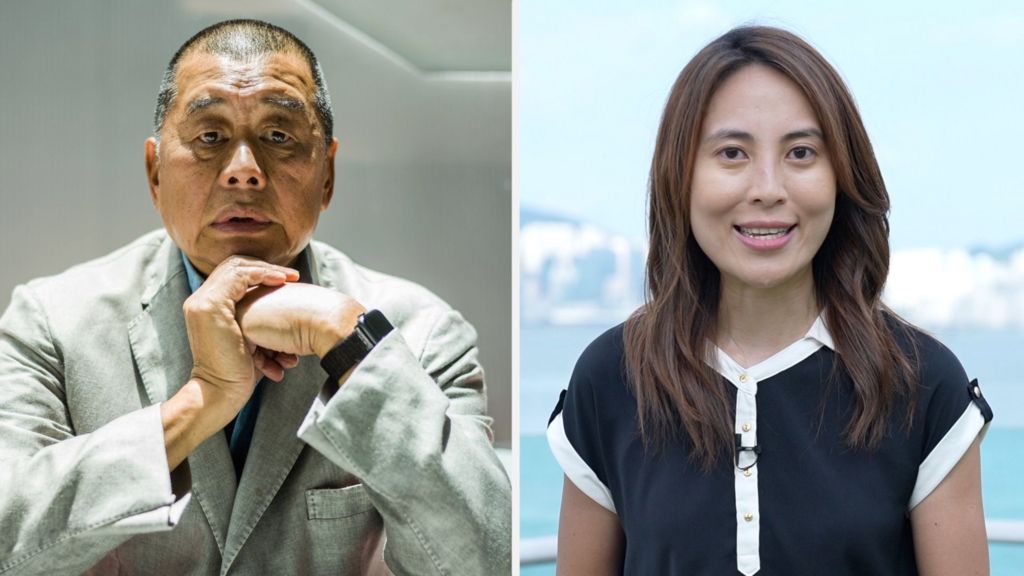
    In a watershed verdict with profound implications for Hong Kong’s legal landscape, pro-democracy publisher Jimmy Lai was found guilty on multiple national security charges Monday following an extensively monitored trial. The 78-year-old media magnate, a longstanding critic of Beijing, faces potential life imprisonment after three government-approved judges determined he conspired with foreign forces and published seditious materials.

    The High Court judgment, delivered by Judge Esther Toh across an 855-page verdict, characterized Lai as the ‘mastermind’ behind systematic efforts to undermine Chinese governance. Evidence presented during the 156-day proceedings revealed Lai’s sustained campaign inviting U.S. intervention against China’s government, with the court asserting his actions demonstrated willingness to sacrifice Chinese and Hong Kong citizens’ interests for political objectives.

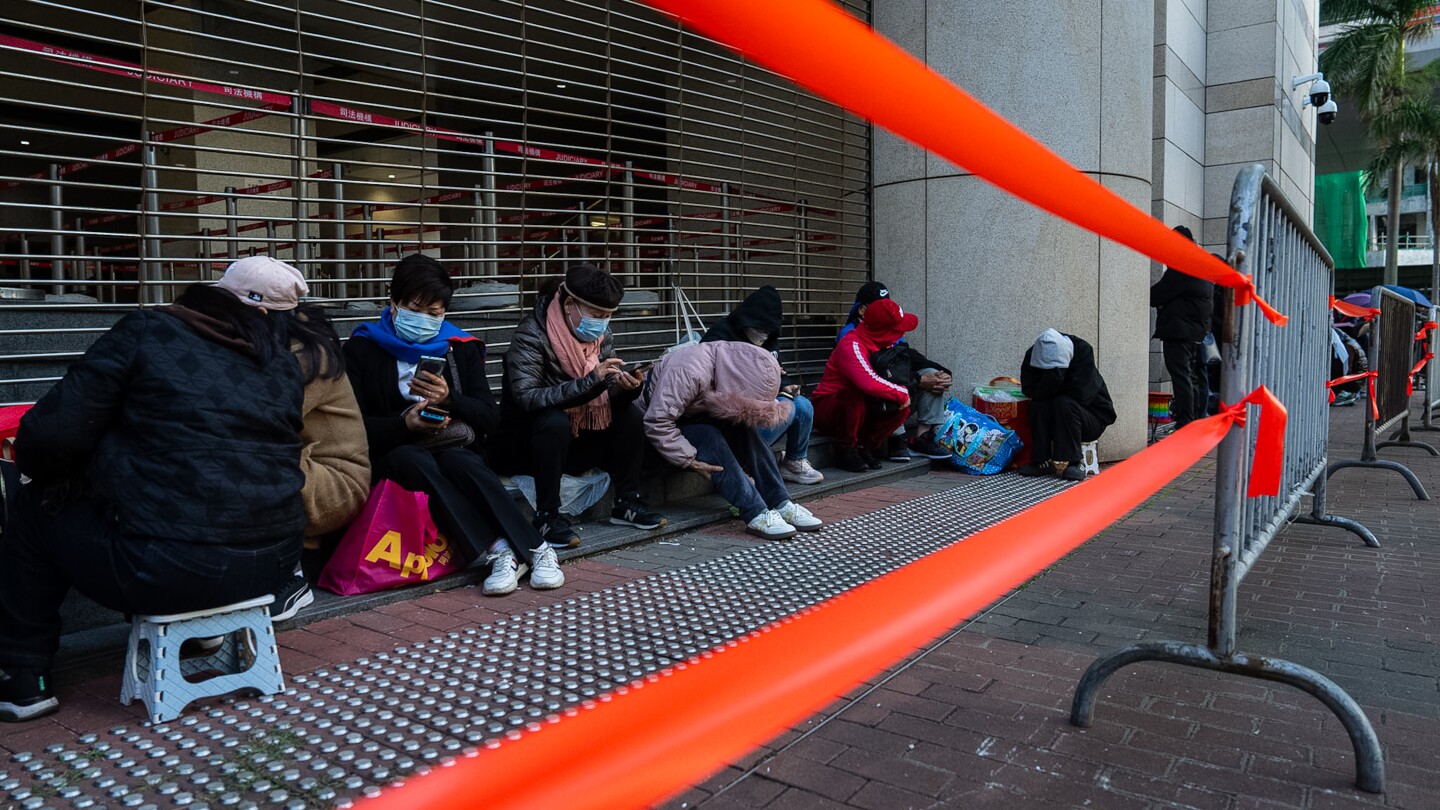
    Lai’s trial proceeded without jury under the National Security Law imposed by Beijing in 2020 following mass protests. The judicial process attracted international scrutiny from Western governments and human rights organizations concerned about judicial independence and media freedoms in the semi-autonomous territory. Among trial attendees were Lai’s family members and Hong Kong’s Roman Catholic Cardinal Joseph Zen, with the defendant acknowledging relatives before being escorted from court.

    The conviction carries significant diplomatic ramifications as Lai holds British citizenship. Both U.S. and U.K. leadership have previously intervened in his case, with Prime Minister Keir Starmer identifying Lai’s release as a governmental priority. Sentencing considerations will commence January 12, with the collusion charge carrying possible life imprisonment and sedition counts permitting up to two years’ incarceration.

    Health concerns shadowed the marathon proceedings as Lai’s defense team reported deteriorating physical condition including cardiac issues, dental problems, and significant weight loss. Prison authorities maintained medical care remained ‘adequate and comprehensive’ despite family reports of declining health.

    Lai previously received nearly six years’ imprisonment for fraud charges related to his shuttered Apple Daily newspaper, which authorities shuttered in 2021 after asset freezes and journalist arrests. The publication had operated as a persistent critic of Hong Kong’s administration and China’s Communist Party leadership.