分类: politics

  • US contractor behind ‘Alligator Alcatraz’ was frontrunner for Gaza aid project: Report

    US contractor behind ‘Alligator Alcatraz’ was frontrunner for Gaza aid project: Report

    A Florida-based contractor previously responsible for constructing a migrant detention facility nicknamed ‘Alligator Alcatraz’ had been positioned to oversee a massive $1.7 billion aid distribution operation in Gaza, according to investigative reporting. Gotham LLC, the company behind the controversial Everglades detention center, held an advantageous position in the bidding process to become the ‘Master Contractor’ for humanitarian and commercial shipments into the Palestinian territory.

    The proposal, orchestrated by political appointees within an initiative led by Jared Kushner and his Gaza liaison Rabbi Aryeh Lightstone, envisioned supplying 600 truckloads of aid daily. The contractor would have charged substantial fees—$2,000 per humanitarian load and $12,000 for commercial shipments—though the funding source remained unspecified in project documents.

    Gotham’s owner, Matt Michelsen, who has extensively profited from government contracts including COVID-19 lockdown initiatives, abruptly withdrew from the bidding process following media inquiries. The company’s detention facility in Florida’s Big Cypress National Preserve, constructed in just eight days amidst python and alligator-inhabited marshlands, featured rows of bunk beds enclosed by chain-link fencing before being ordered shut by a federal judge in August.

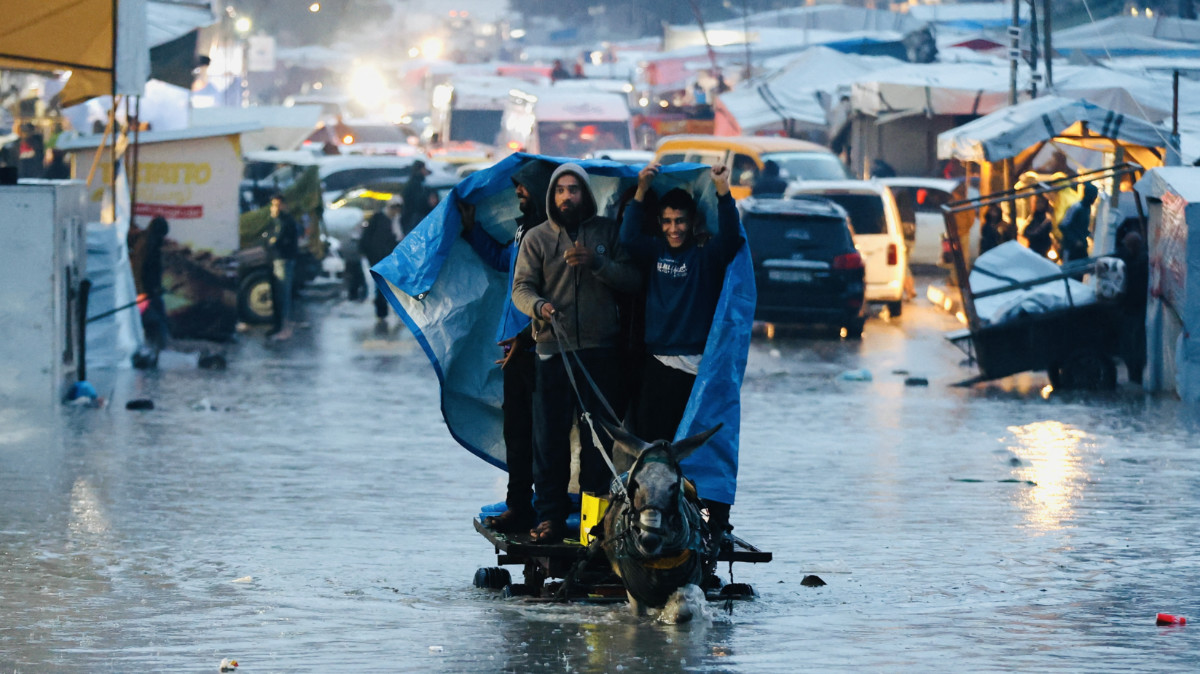
    The aid management plan notably excluded career diplomats and humanitarian experts, instead relying on former members of Elon Musk’s ‘Department of Government Efficiency’ (Doge) team. These officials, including a 25-year-old Princeton graduate and conservative Jewish-American activist, operated from luxury beachfront hotels in Tel Aviv while developing plans for Gaza housing compounds termed ‘Alternative Safe Communities.’

    This approach echoes previous US intervention models in Iraq and Afghanistan, relying on private contractors funded by taxpayer dollars to execute large-scale international initiatives.
  • Trump sues BBC for defamation over Panorama speech edit

    Trump sues BBC for defamation over Panorama speech edit

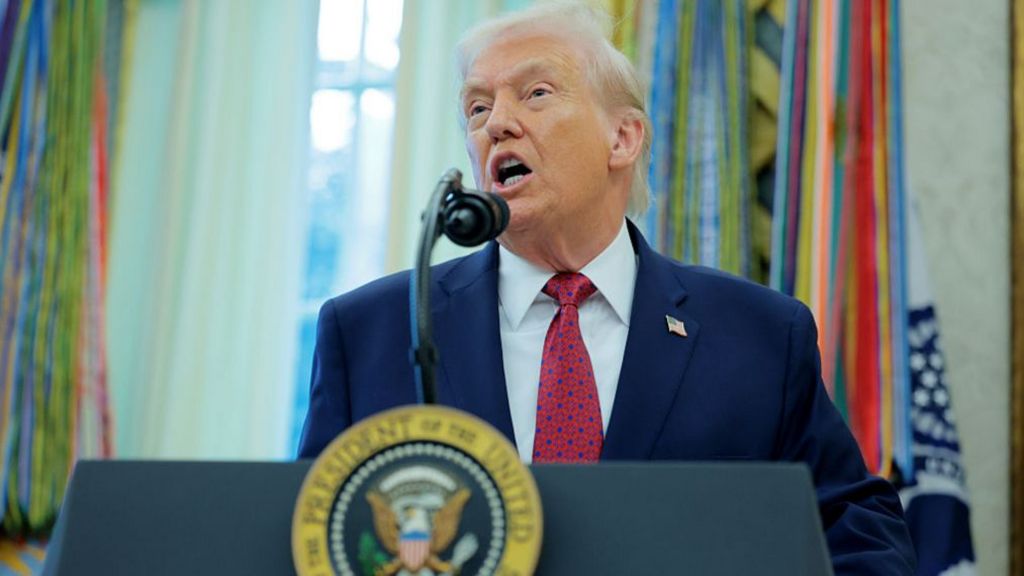
    Former U.S. President Donald Trump has initiated a high-stakes legal battle against the British Broadcasting Corporation (BBC), filing a defamation lawsuit in Florida federal court. The lawsuit centers on the broadcaster’s editing of Trump’s January 6, 2021 address in a Panorama documentary, which Trump alleges deliberately misrepresented his statements to suggest he incited violence.

    The legal filing asserts two distinct claims: one for defamation and another for violation of trade practices laws, with Trump seeking $5 billion in damages for each count, totaling $10 billion. The former president’s legal team contends the BBC “intentionally, maliciously, and deceptively doctored” his speech with specific editorial decisions that created false implications about his conduct preceding the Capitol riot.

    While the BBC issued an apology in November 2023 acknowledging the edited sequence had created “the mistaken impression” that Trump had directly called for violent action, the broadcaster has firmly rejected compensation demands and any legal basis for the defamation claim. The controversial documentary aired in the United Kingdom shortly before the 2024 U.S. presidential election, timing that Trump’s legal team suggests was strategically motivated.

    In public statements last month, Trump characterized the editing as deliberate deception, telling reporters: “They cheated. They changed the words coming out of my mouth.” The original speech contained the phrases “We’re going to walk down to the Capitol, and we’re going to cheer on our brave senators and congressmen and women” and, approximately 50 minutes later, “And we fight. We fight like hell.” The Panorama program edited these segments to appear consecutively, creating the impression of immediate incitement.

    The BBC has not yet issued a formal response to the specific lawsuit filing, which represents one of the largest defamation claims ever brought against a media organization. This case intersects significant legal questions about media editing practices, political speech protection, and international jurisdiction in defamation cases involving foreign media entities and U.S. political figures.

  • China announces countermeasures against former Japanese senior official

    China announces countermeasures against former Japanese senior official

    China has enacted comprehensive sanctions against Shigeru Iwasaki, former chief of Japan’s Self-Defense Forces Joint Staff, for his alleged collaboration with Taiwanese separatist elements. The measures, effective immediately as of December 15, 2025, were formally announced by China’s Foreign Ministry through an official decree.

    The sanctions package includes the freezing of all movable and immovable assets that Iwasaki holds within Chinese territory. Additionally, Chinese organizations and individuals are prohibited from engaging in any transactions or cooperative activities with the former Japanese official. Iwasaki has been barred from entering China, including its Hong Kong and Macao Special Administrative Regions, and will be denied Chinese visas indefinitely.

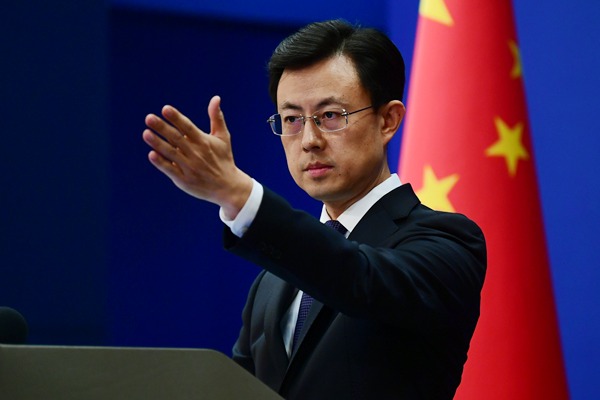
    Foreign Ministry spokesman Guo Jiakun emphasized during a press briefing in Beijing that “the Taiwan question represents the core of China’s core interests and constitutes a fundamental red line that must not be crossed.” The ministry’s decree cited China’s Anti-Foreign Sanctions Law as the legal basis for these measures, asserting that Iwasaki’s actions constituted serious violations of the one-China principle and the four foundational China-Japan political agreements.

    The diplomatic confrontation stems from Iwasaki’s acceptance of a position as political consultant to Taiwan’s authorities, which China first protested in March 2025. According to spokesman Guo, despite multiple diplomatic protests, the former Japanese official continued his provocations rather than rectifying his behavior.

    This development occurs against the backdrop of escalating Sino-Japanese tensions, particularly following recent controversial remarks by Japanese Prime Minister Sanae Takaichi that suggested potential military intervention in Taiwan scenarios. Regional analysts, including Da Zhigang of Heilongjiang Provincial Academy of Social Sciences, interpret these events as indicative of Japan’s attempts to gradually erode the one-China principle, thereby creating significant risks for cross-strait stability.

  • Australia set to further tighten gun control laws

    Australia set to further tighten gun control laws

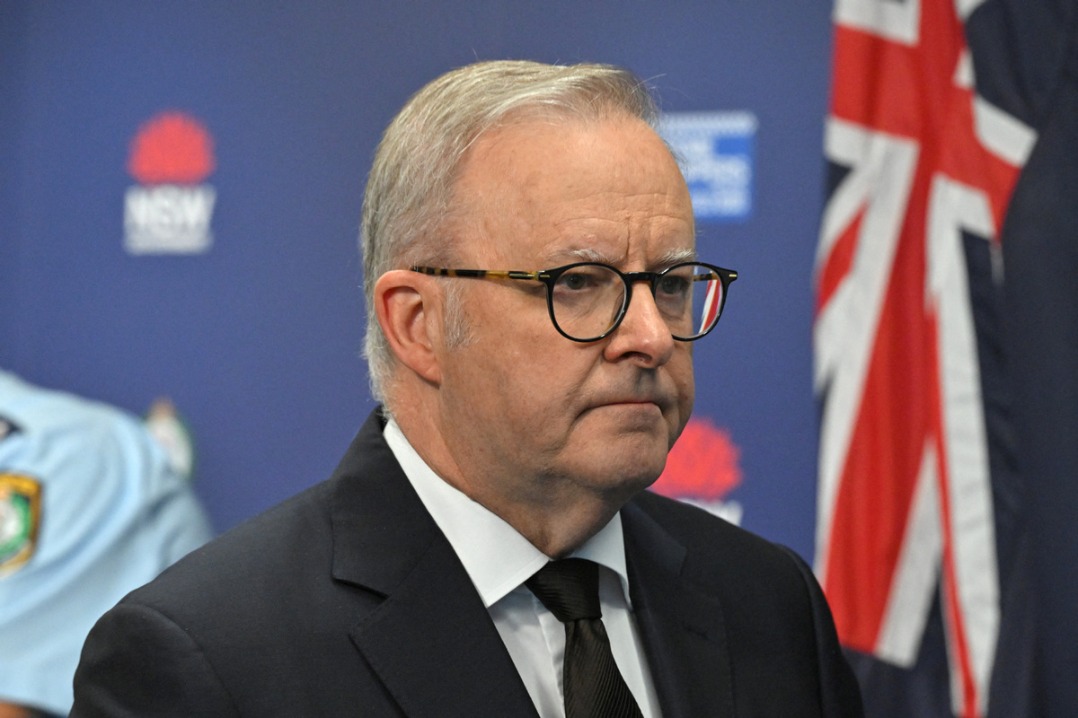
    In the wake of Australia’s deadliest mass shooting in nearly three decades, Prime Minister Anthony Albanese has declared an immediate and comprehensive overhaul of the nation’s firearm regulations. The December 15th terrorist attack at Bondi Beach, which claimed 15 lives and injured over 40 during a Hanukkah celebration, has prompted what the government describes as “strong, decisive and focused action” on gun control.

    Addressing the nation from Sydney, Prime Minister Albanese characterized the shooting as an act of “pure evil” and declared Monday a day of national mourning with flags flown at half-staff. Following an emergency Cabinet meeting, authorities commissioned police ministers and attorneys-general to develop reform options that will significantly tighten existing measures.

    The proposed legislative changes include limiting individual firearm ownership quantities, restricting open-ended licensing arrangements, narrowing categories of legal firearms, and enhancing the use of criminal intelligence in administrative licensing decisions. As an immediate priority, the government will implement stricter customs restrictions on firearm and weapon imports.

    New South Wales police have identified the perpetrators as a 50-year-old man and his 24-year-old son, the latter previously investigated by Australian Security Intelligence for suspected ties to an Islamic State terrorist cell. During the confrontation, police fatally shot the father and hospitalized the son, recovering six firearms and three improvised explosive devices from the scene.

    The international community has responded with widespread condemnation, with China extending official condolences through Foreign Minister Wang Yi. United Nations Secretary-General Antonio Guterres described the attack as “heinous,” while U.S. President Donald Trump explicitly condemned it as antisemitic violence. Multiple world leaders have expressed solidarity with Australia and the Jewish community.

    This tragedy represents the most significant gun violence incident since the 1996 Port Arthur massacre that originally prompted Australia’s stringent firearm reforms, including establishment of the National Firearms Register. New South Wales Police Commissioner Mal Lanyon has deployed over 300 officers and vowed continued protection for Jewish communities, stating: “We will not tolerate the types of violence or antisemitic behaviour we have seen.”

  • Israel diverts Palestinian citizens’ development funds to police

    Israel diverts Palestinian citizens’ development funds to police

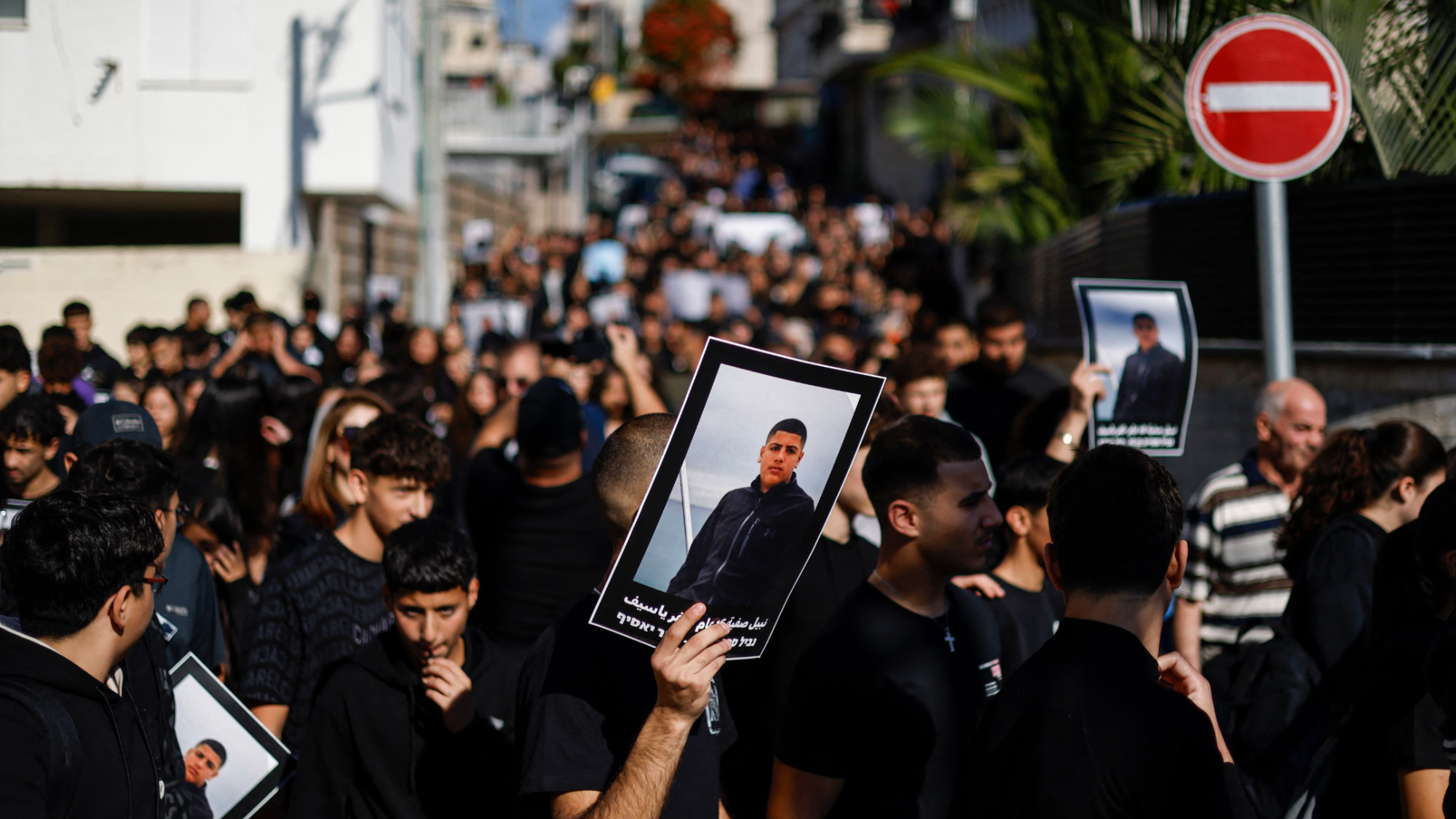
    In a controversial budgetary shift, Israel’s government has authorized the reallocation of approximately 220 million shekels ($68.6 million) from civil development programs for Palestinian citizens to police and internal security services. The Sunday decision, proposed by National Security Minister Itamar Ben Gvir and Social Equality Minister May Golan, will redirect funds originally designated for social programs addressing economic disparities within the Arab-Israeli community.

    The transferred budget will now enhance law enforcement capabilities, intelligence operations, and security activities in Palestinian communities across Israel. This move occurs against a backdrop of escalating violent crime, with local media reporting 245 crime-related fatalities in 2025 alone—surpassing last year’s total of approximately 230 deaths.

    Government officials defended the reallocation as necessary for addressing urgent security concerns. Minister Golan characterized cultural and sports facilities as ineffective solutions, stating the funds would instead support a “groundbreaking programme” against criminal elements. Minister Ben Gvir framed the measure as implementing “zero tolerance towards criminals.”

    However, the decision has faced substantial criticism from community leaders and rights organizations. Talal al-Qrinawi, mayor of Rahat, denounced the move as “purely political and unjustified,” noting that security agencies already possess adequate budgets if properly utilized. Human rights attorney Abeer Baker warned that reducing long-term social investments would undermine crime prevention efforts, emphasizing that “crime cannot be addressed solely through immediate deterrence.”

    The Abraham Initiatives, a joint Jewish-Arab advocacy organization, condemned the budgetary transfer as logically bereft and potentially devastating to addressing root causes of violence. The group announced potential legal action through Israel’s High Court of Justice, arguing the cuts would severely harm developmental programs specifically designed to combat crime through education, youth initiatives, and local authority development.

  • Conservative Kast’s victory in Chile suggests a hard-right, pro-Trump surge across Latin America

    Conservative Kast’s victory in Chile suggests a hard-right, pro-Trump surge across Latin America

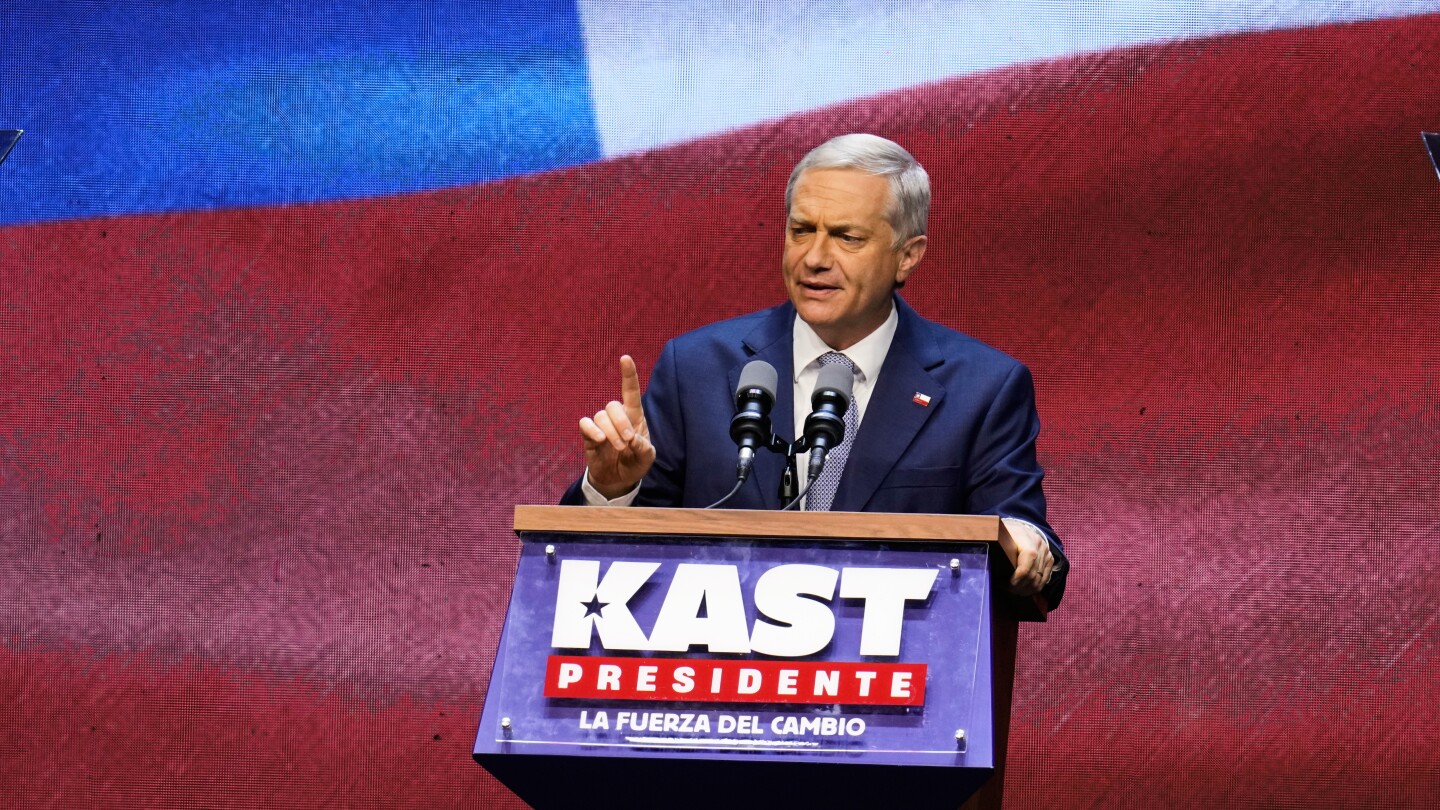
    SANTIAGO, Chile — Chile has dramatically pivoted toward conservative governance with the election of José Antonio Kast, a veteran politician whose hardline stance on crime, immigration, and social policy has drawn comparisons to Donald Trump. This outcome marks a significant departure from the country’s recent liberal trajectory and reflects a broader regional realignment toward right-wing leadership across South America.

    Kast, a 59-year-old conservative stalwart, secured a decisive electoral victory by capitalizing on widespread public discontent over rising organized crime, economic stagnation, and uncontrolled migration. His success represents a remarkable political comeback, given his previous failed presidential bids in an increasingly progressive nation. Kast has expressed admiration for Chile’s Pinochet-era military dictatorship, opposed same-sex marriage, and advocated for constitutional bans on abortion—positions that previously limited his appeal but now resonate with voters seeking strong leadership.

    This electoral shift occurs against a backdrop of regional transformation. Across South America, voters are rejecting left-wing incumbents and embracing conservative alternatives. Argentina’s anarcho-capitalist President Javier Milei, Ecuador’s iron-fisted leader Daniel Noboa, and Bolivia’s right-wing President Rodrigo Paz exemplify this trend, which has effectively ended nearly two decades of socialist dominance in several nations.

    Harvard political scientist Steven Levitsky observes, ‘The last decade has been rough. Those in power—predominantly left-wing governments—are being blamed for stagnant economies, rising crime perceptions, and not insignificant corruption.’

    The defeat of Kast’s communist rival, Jeannette Jara from the center-left governing coalition, underscores the depth of public frustration with President Gabriel Boric’s administration. Despite initial promise, Boric’s government faced legislative defeats, corruption scandals, and escalating crime that derailed his transformative agenda.

    Kast’s victory celebration featured symbolic displays of alignment with global conservatism, including American flags, ‘Make Chile Great Again’ caps, and banners supporting Milei’s ideological movement. Like Milei and Brazil’s former President Jair Bolsonaro, Kast has been a featured speaker at the Conservative Political Action Conference, where he has denounced socialism, criticized ‘gender ideology,’ and promised mass deportations.

    Despite his hardline reputation, Kast positioned himself as a moderate during the runoff election, promising to preserve social benefits and maintain Chile’s free-market institutions. His campaign focused primarily on crime and immigration, successfully appealing to middle-class voters who viewed him as the candidate most likely to deliver tangible results.

    In his first address as president-elect, Kast struck a conciliatory tone, promising to ‘be the president of all Chileans’ and surprising critics with his commitment to unity. This victory represents not just a political change but a fundamental reorientation of Chilean politics with potentially far-reaching implications for the region’s geopolitical landscape.

  • Watch: What to know about the growing US military presence in Puerto Rico

    Watch: What to know about the growing US military presence in Puerto Rico

    A significant strategic military enhancement is underway in the Caribbean as the United States substantially increases its defense assets in Puerto Rico. This buildup, analyzed by a retired U.S. vice admiral, involves the deployment of advanced military hardware and personnel to the island territory over recent months.

    The expansion includes sophisticated defense systems, surveillance technology, and logistical support units designed to bolster regional security. Military analysts interpret this move as a strategic response to multifaceted challenges, including transnational criminal operations, potential adversarial activities in the Western Hemisphere, and natural disaster response preparedness.

    Puerto Rico’s geographical position makes it a crucial hub for U.S. Southern Command operations, serving as a strategic vantage point for monitoring maritime routes and airspace. The military official elaborated that this reinforcement enhances rapid response capabilities while strengthening deterrence measures in the region.

    This development occurs amid evolving global security dynamics that have increased the Caribbean’s strategic importance. The infrastructure improvements and personnel deployments represent one of the most substantial military enhancements in the territory in recent decades, signaling a renewed focus on Caribbean security as part of broader national defense strategy.

  • Australia PM rejects links between recognition of Palestine and Bondi attack

    Australia PM rejects links between recognition of Palestine and Bondi attack

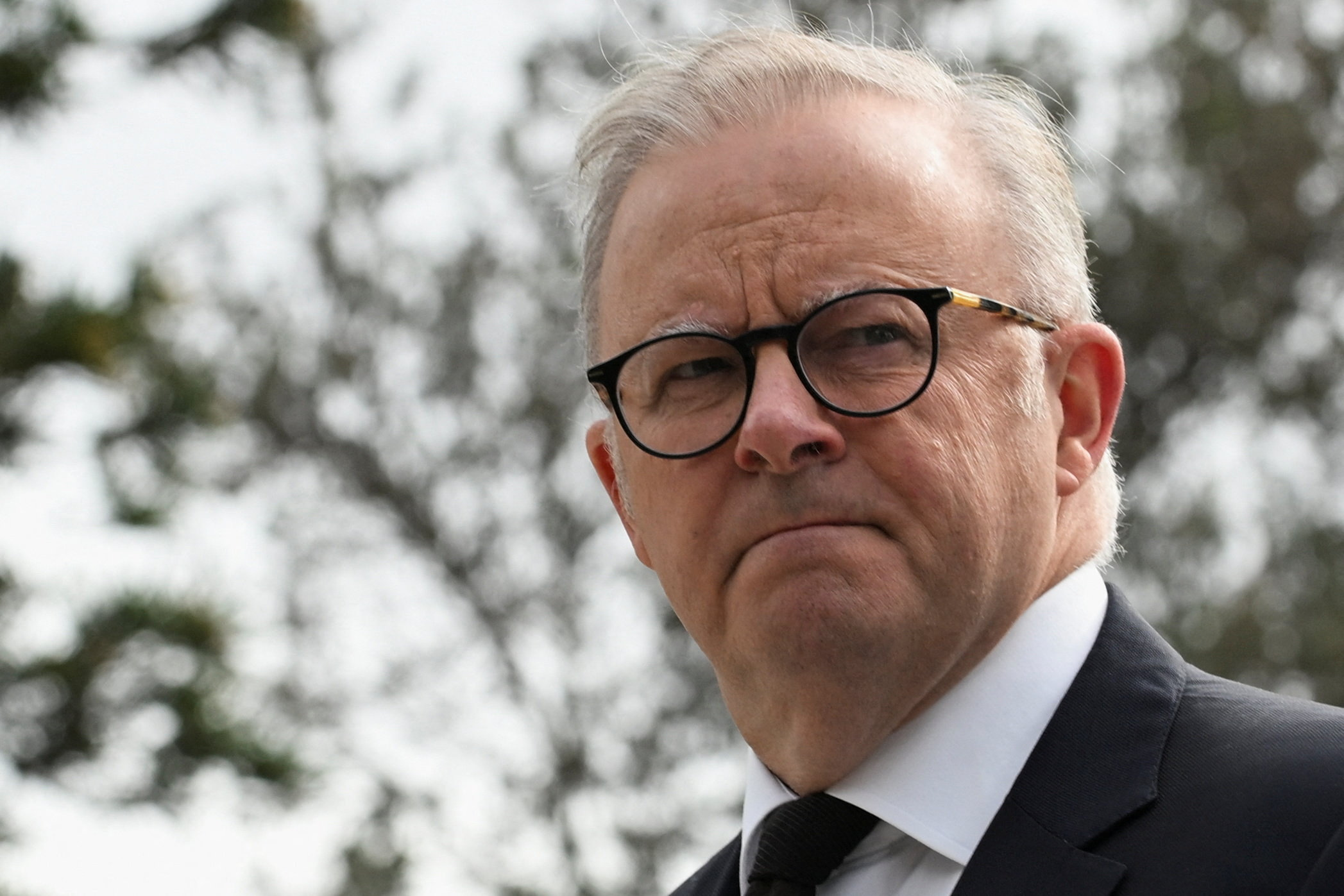
    Australian Prime Minister Anthony Albanese has forcefully rejected Israeli Prime Minister Benjamin Netanyahu’s assertion that Australia’s recognition of Palestinian statehood fueled the antisemitic massacre at Bondi Beach. The attack during Hanukkah celebrations left 15 dead and 40 wounded, marking one of Australia’s deadliest terrorist incidents.

    Netanyahu claimed in a statement that Australia’s diplomatic move to recognize Palestine, made in September 2025 alongside Canada and the United Kingdom, had “promoted and encouraged antisemitism.” Albanese countered this narrative during a live ABC interview, stating: “No, I don’t perceive such a link, and overwhelmingly, most of the world recognizes a two-state solution as being the way forward in the Middle East.”

    The attack unfolded when two armed assailants opened fire on Jewish community gatherings. Bystander footage captured fruit shop owner Ahmed Al Ahmed, a Muslim Australian of Syrian descent, disarming one shooter despite being wounded. His bravery earned international recognition, including from Albanese and former US President Donald Trump, though Netanyahu erroneously identified him as Jewish in his praise.

    The incident has triggered widespread condemnation of Netanyahu’s remarks. UN Special Rapporteur Ben Saul expressed disgust at the Israeli leader’s attempt to connect Australia’s principled diplomatic stance with terrorism. Meanwhile, Australia’s Palestine Advocacy Network and the Palestinian Foreign Ministry both issued unequivocal condemnations of the antisemitic violence.

    In response to the tragedy, Australia’s National Cabinet has initiated a comprehensive overhaul of gun laws. Investigations revealed the perpetrators—father and son Sajid and Naveed Akram—utilized legally owned firearms. Sajid held a gun license with six registered weapons, while Naveed had previously been investigated for connections to an Islamic State cell, with IS flags discovered in their vehicle.

    The victims, ranging from 10 to 87 years old, included prominent Rabbi Eli Schlanger. The attack has also sparked concerning rhetoric in international media, with publications like The New York Times and The Atlantic drawing inflammatory connections to Palestinian solidarity movements, while Australian opposition leader Sussan Ley criticized the government’s security measures.

  • Mainland warns Taiwan leader against provoking conflict

    Mainland warns Taiwan leader against provoking conflict

    The Chinese mainland has delivered a forceful condemnation of Taiwan’s leadership, characterizing their recent actions as dangerously provocative moves toward independence. Defense Ministry spokesperson Jiang Bin articulated Beijing’s position on Monday, December 15, 2025, directly addressing what he termed the “most dangerous poison” threatening Taiwan’s stability.

    The remarks came in response to statements by Taiwan leader Lai Ching-te, who had previously suggested that mainland China might attempt to forcibly take Taiwan by 2027. Lai had emphasized the necessity for Taiwan to prepare for worst-case scenarios while maintaining hope for peaceful resolutions.

    Jiang systematically refuted these claims, asserting that Lai has consistently exaggerated mainland military capabilities and intentionally heightened tensions across the Taiwan Strait. The spokesperson characterized Lai’s rhetoric about preparedness as a calculated strategy to foster war anxiety among Taiwan residents, thereby creating justification for pursuing independence agendas and provoking conflict.

    “The Lai authorities’ provocations for ‘independence’ represent the most toxic element currently endangering and potentially destroying Taiwan,” Jiang stated during the briefing. He emphasized that peaceful reunification with mainland China remains the optimal pathway to ensure Taiwan’s lasting stability and security.

    The defense spokesperson called upon Taiwanese compatriots to recognize the extreme dangers inherent in their leadership’s push toward independence and military preparation. He urged firm opposition to separatist activities and advocated for collective efforts to maintain cross-strait peace and stability, which he directly linked to the security and welfare of Taiwan’s citizens.

  • Former senior official of Shenzhen under investigation

    Former senior official of Shenzhen under investigation

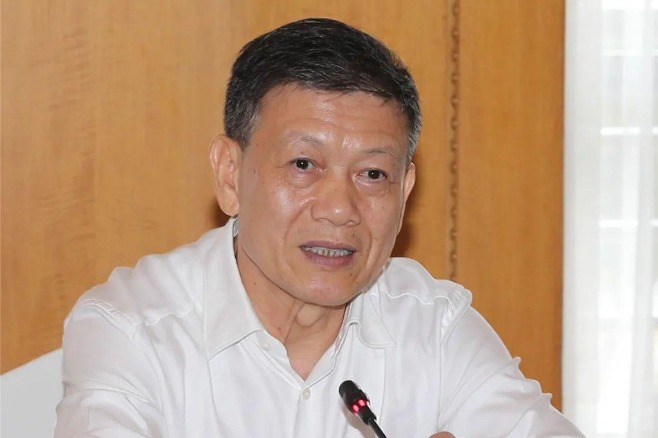
    In a significant anti-corruption development, Chinese disciplinary authorities have launched a comprehensive investigation into Dai Beifang, the former chairman of Shenzhen’s Political Advisory Body. The Central Commission for Discipline Inspection (CCDI) and National Supervisory Commission jointly announced on Monday that the 69-year-old veteran official is under scrutiny for suspected severe breaches of Party discipline and national laws.

    Dai Beifang, whose entire 52-year career unfolded within Shenzhen’s political apparatus, occupied numerous influential positions throughout his tenure. His extensive portfolio included leadership roles as Secretary of the Shenzhen Municipal Communist Youth League Committee, Party Chief of Yantian District, and membership on the Standing Committee of the CPC Shenzhen Municipal Committee. He further headed several critical municipal departments including Publicity, General Office, and Organization.

    The Guangdong native ascended to the position of Shenzhen’s Deputy Party Chief in November 2012 and subsequently chaired the Chinese People’s Political Consultative Conference (CPPCC) Shenzhen Municipal Committee from June 2015 until his retirement in September 2020. Following his departure from official government service, Dai transitioned to a leadership role in the philanthropic sector as president of the Shenzhen Charity Federation.

    This investigation represents the latest development in China’s ongoing anti-corruption campaign, particularly highlighting the scrutiny of retired officials who previously held substantial regional power. Dai’s case demonstrates the authorities’ continued commitment to investigating alleged misconduct regardless of an official’s retirement status or previous contributions.

    The probe follows established procedures for disciplinary reviews conducted by the CCDI, which typically involve thorough examination of potential ethical and legal violations. Such investigations can lead to various outcomes including internal Party disciplinary measures or formal legal proceedings depending on the severity of findings.