分类: politics

  • Taiwan Affairs spokesperson warns against aggression toward mainland fisherman

    Taiwan Affairs spokesperson warns against aggression toward mainland fisherman

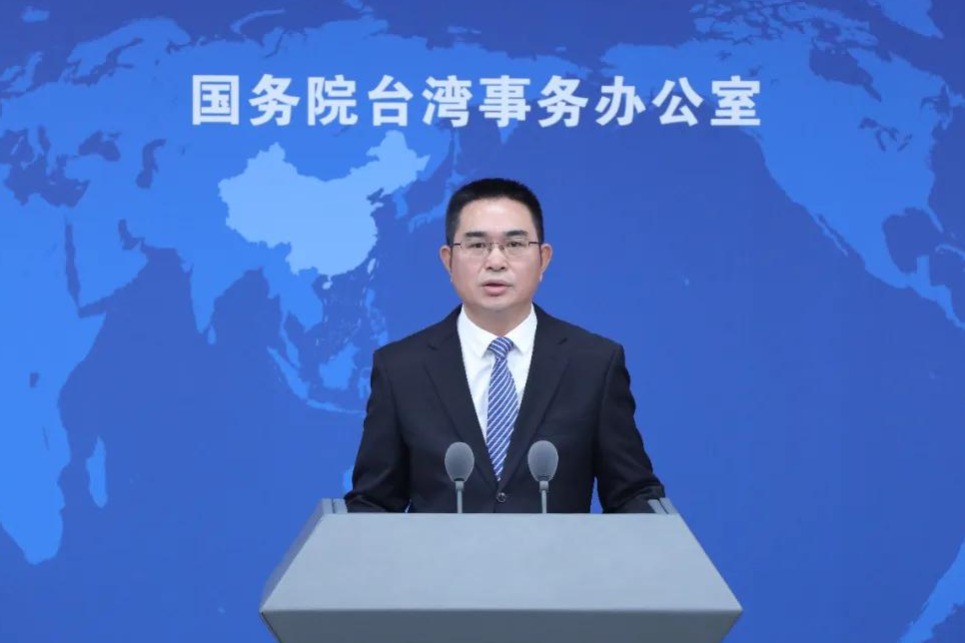
    China’s Taiwan Affairs Office has issued a firm rebuttal against Taiwan’s maritime jurisdiction claims while warning against continued aggression toward mainland fishermen. Spokesperson Chen Binhua stated unequivocally that no “prohibited or restricted waters” exist in the sea area between Xiamen and Jinmen, emphasizing that these traditional fishing grounds have long been shared by fishermen from both sides of the Taiwan Strait.

    During a Saturday briefing, Chen reinforced China’s territorial sovereignty, asserting that Taiwan along with its surrounding islands of Penghu, Jinmen, and Matsu are inseparable parts of Chinese territory. The spokesperson highlighted the historical context of these waters serving as common fishing grounds for decades, facilitating the livelihoods of fishing communities across the strait.

    Chen defended the Chinese coast guard’s routine patrols as essential measures for maintaining maritime order and ensuring the safety of all fishermen operating in the area. The spokesperson called on Taiwan’s Democratic Progressive Party authorities to respect the established historical and factual realities of these shared fishing zones.

    The warning came with a serious diplomatic message: Taiwan’s DPP administration must immediately cease what Beijing characterizes as unjustified detentions and aggressive actions against mainland fishermen. Chen concluded with a stern admonition that the DPP authorities would bear full responsibility for any consequences resulting from continued provocative measures in the contested waters.
  • Bangladesh tightens security after youth leader’s killing, mob attacks on media

    Bangladesh tightens security after youth leader’s killing, mob attacks on media

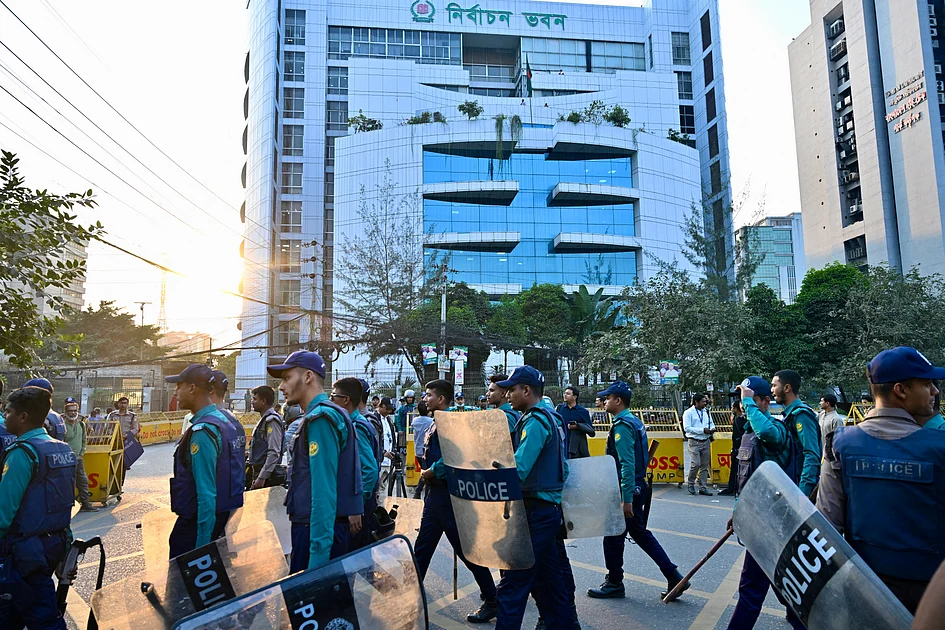
    Bangladesh has intensified security measures across the capital Dhaka following the assassination of prominent youth leader Sharif Osman Hadi, whose death has triggered widespread violence and targeted attacks on media institutions. The interim government of Nobel laureate Muhammad Yunus declared Saturday a day of state mourning while appealing for public resistance against “mob violence by fringe elements.

    Hadi, a central figure in the 2024 student-led uprising that ousted long-serving Prime Minister Sheikh Hasina, was fatally shot by masked assailants during his campaign launch last week. The 32-year-old activist succumbed to his injuries Thursday night in Singapore after six days on life support, sparking coordinated attacks on major newspapers and cultural organizations.

    The ongoing turmoil presents significant challenges to Bangladesh’s fragile democratic transition ahead of February 12 parliamentary elections. The violence has exposed governance limitations within Yunus’s interim administration and threatens to undermine the nation’s recovery from nearly two years of political instability.

    International human rights organizations have condemned both the assassination and subsequent attacks on press freedom. Human Rights Watch described Hadi’s killing as a “terrible act” and called for urgent government action to curb the violence that has persisted since Hasina’s ouster in August 2024. Amnesty International has demanded independent investigations into both the assassination and the systematic targeting of media institutions.

    The unrest has extended beyond Dhaka, with protesters attacking the Indian Assistant High Commission in Chittagong—reflecting growing anti-India sentiments since Hasina sought refuge in New Delhi. The banned Awami League party has threatened further unrest, raising concerns about potential election disruption in the world’s second-largest apparel manufacturing nation.

  • Egypt’s el-Sissi urges UN Security Council reforms for Africa’s larger role

    Egypt’s el-Sissi urges UN Security Council reforms for Africa’s larger role

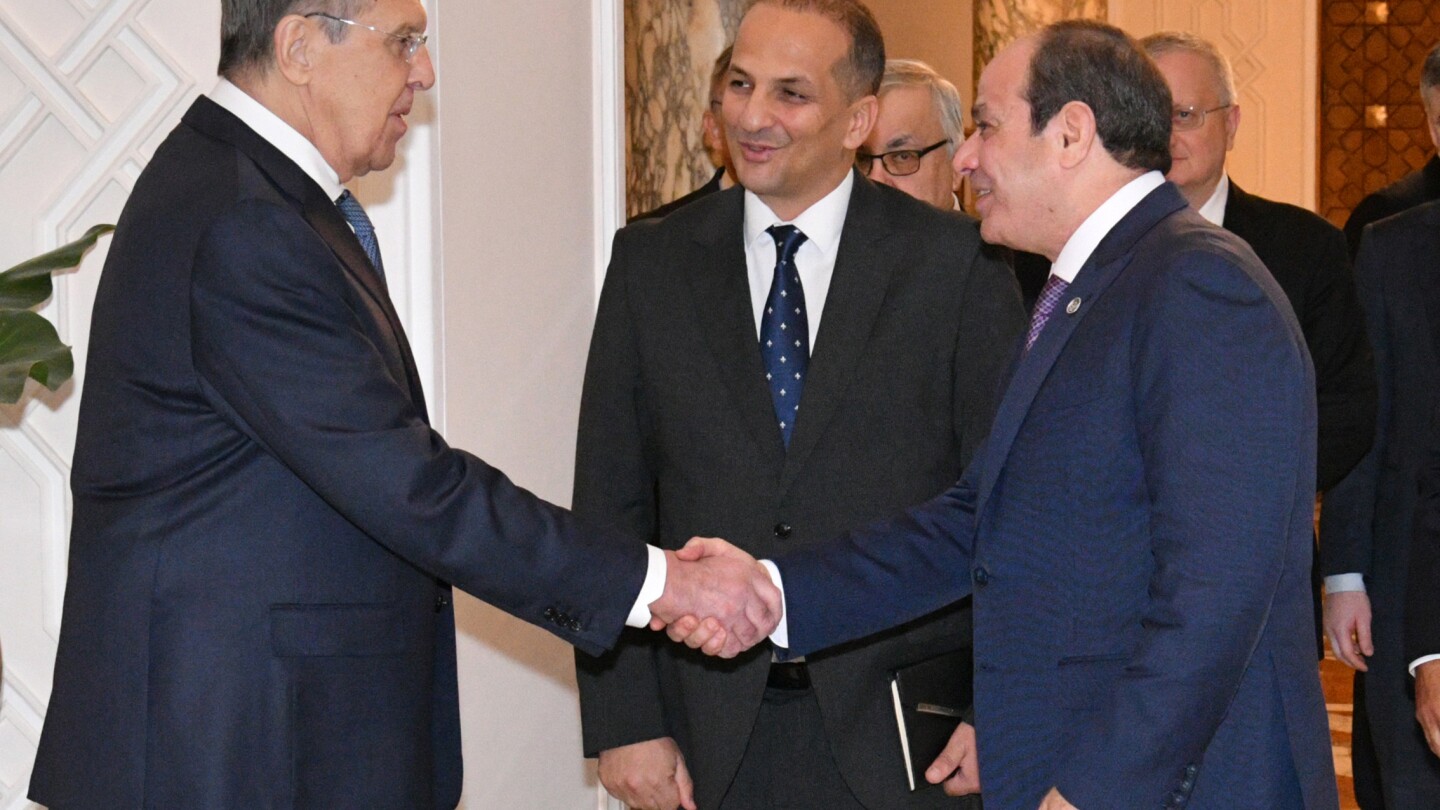
    CAIRO — Egyptian President Abdel-Fattah el-Sissi has intensified diplomatic efforts to reform the United Nations Security Council, advocating for substantial African representation during the Russia-Africa partnership conference in Cairo. The high-level gathering witnessed participation from Russian Foreign Minister Sergey Lavrov, ministerial delegates from over 50 African nations, and representatives from multiple regional organizations.

    El-Sissi, through a statement delivered by his foreign minister, emphasized the necessity of establishing ‘a more pluralistic global governance framework’ that acknowledges Africa’s growing demographic, economic, and political influence. The president argued that the continent’s substantial global weight warrants meaningful participation in international decision-making processes.

    The African Union’s longstanding proposal, initially presented in 2005, seeks two permanent Security Council seats endowed with veto authority for African nations. Proponents maintain that such structural adjustments would enhance peace and stability across a continent historically plagued by prolonged conflicts.

    Concurrently, el-Sissi highlighted parallel demands for restructuring international financial institutions to achieve equitable African representation, addressing systemic imbalances in global economic governance.

    The current Security Council architecture, unchanged since its 1945 establishment, comprises five permanent members with veto power (the United States, Russia, China, Britain, and France) alongside ten non-permanent members elected to two-year terms without veto capabilities.

    The Cairo conference aims to formulate a comprehensive strategy for strengthening Russia-Africa cooperation ahead of next year’s heads-of-state summit. Lavrov reiterated Moscow’s commitment to being ‘a reliable partner for African states in strengthening their national sovereignty,’ emphasizing Russia’s dedication to expanding practical cooperation across multiple domains.

    This diplomatic forum has gained significance following the 2023 St. Petersburg summit, where President Vladimir Putin sought to counter Western isolation through enhanced African partnerships. Russia has concurrently expanded its military presence across sub-Saharan Africa, deploying advanced weaponry and replacing the Wagner Group with Kremlin-controlled security units in various conflict zones.

  • Brazil’s Lula hopes EU-Mercosur trade deal will be signed in January

    Brazil’s Lula hopes EU-Mercosur trade deal will be signed in January

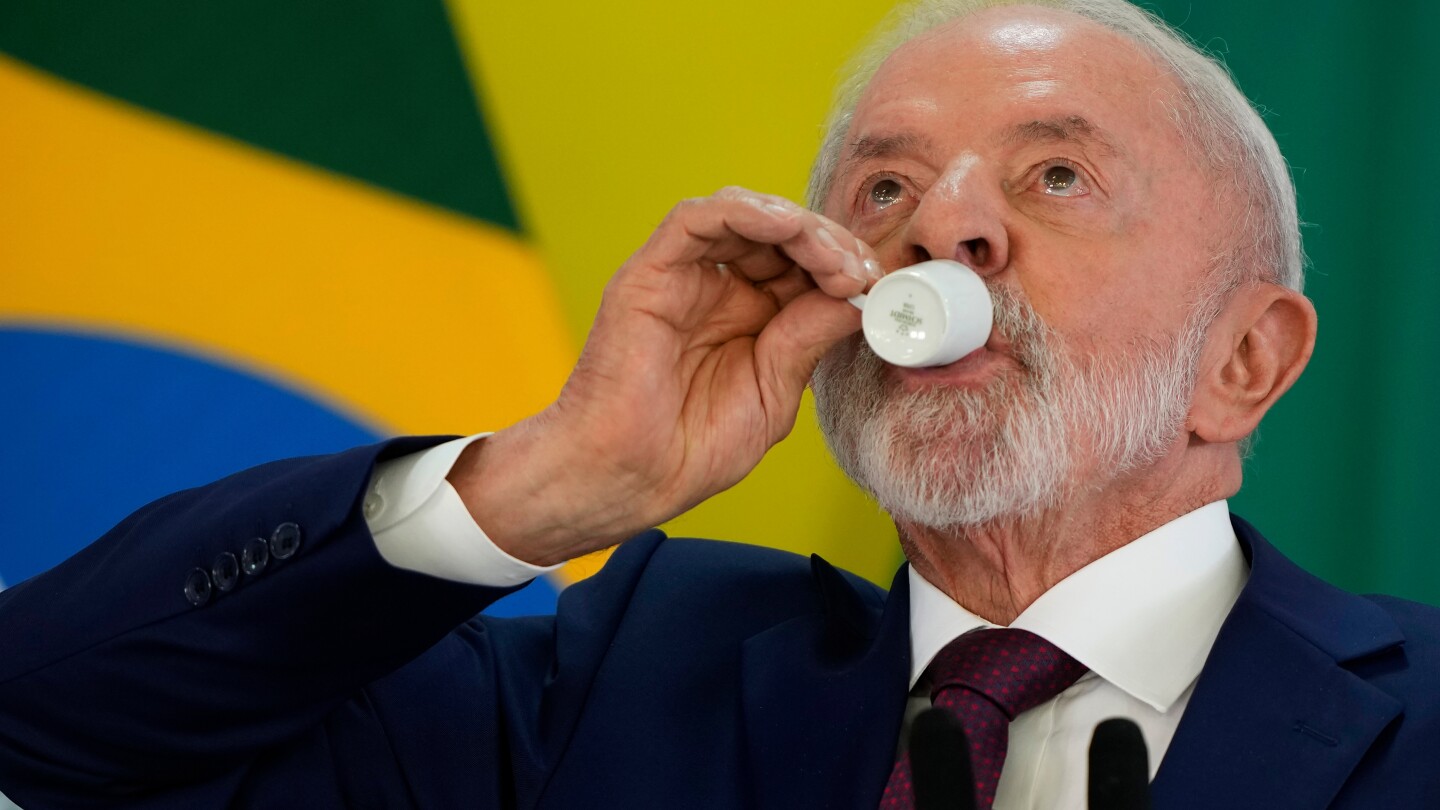
    Brazilian President Luiz Inácio Lula da Silva expressed cautious optimism on Saturday that the landmark free-trade agreement between South America’s Mercosur bloc and the European Union could be finalized by January. This development follows a significant postponement announced by European Commission President Ursula von der Leyen, who cited the need for additional weeks to resolve outstanding concerns among member states.

    The delay emerged amidst substantial opposition from France and Italy, compounded by widespread protests from European farmers who fear market disruption. President Lula revealed that Italian Premier Giorgia Meloni specifically requested additional time for consideration, contributing to the stalled negotiations during what was anticipated to be a signing ceremony at the EU summit.

    Von der Leyen requires approval from at least two-thirds of EU nations to ratify the agreement. Italy’s opposition provides France with sufficient voting power to potentially veto the deal, creating a significant diplomatic hurdle for the European Commission president.

    President Lula emphasized the critical need for political determination to conclude negotiations that have spanned 26 years. Speaking at a Mercosur summit in Foz do Iguacu, Brazil, the president noted that while European negotiators had previously indicated willingness to sign, the anticipated completion did not materialize. He confirmed receiving communication from EU leadership targeting January for finalization.

    The Brazilian leader maintained that Mercosur would continue pursuing alternative international partnerships regardless of the EU outcome. “The world is eager to make deals with Mercosur,” Lula stated, highlighting the bloc’s attractiveness to global trading partners.

    French President Emmanuel Macron has emerged as a primary opponent of the agreement, expressing reservations about supporting the pact next month. Macron has coordinated with counterparts from Italy, Poland, Belgium, Austria, and Ireland to address agricultural sector concerns. However, Lula countered that France alone cannot obstruct the agreement’s progression.

    The prospective trade deal would create one of the world’s largest free-trade zones, encompassing 780 million consumers and representing a quarter of global GDP. The agreement would progressively eliminate tariffs on nearly all goods exchanged between the economic blocs, fundamentally reshaping transatlantic trade dynamics.

  • Former Pakistan PM Imran Khan, wife sentenced to 17 years in another corruption case

    Former Pakistan PM Imran Khan, wife sentenced to 17 years in another corruption case

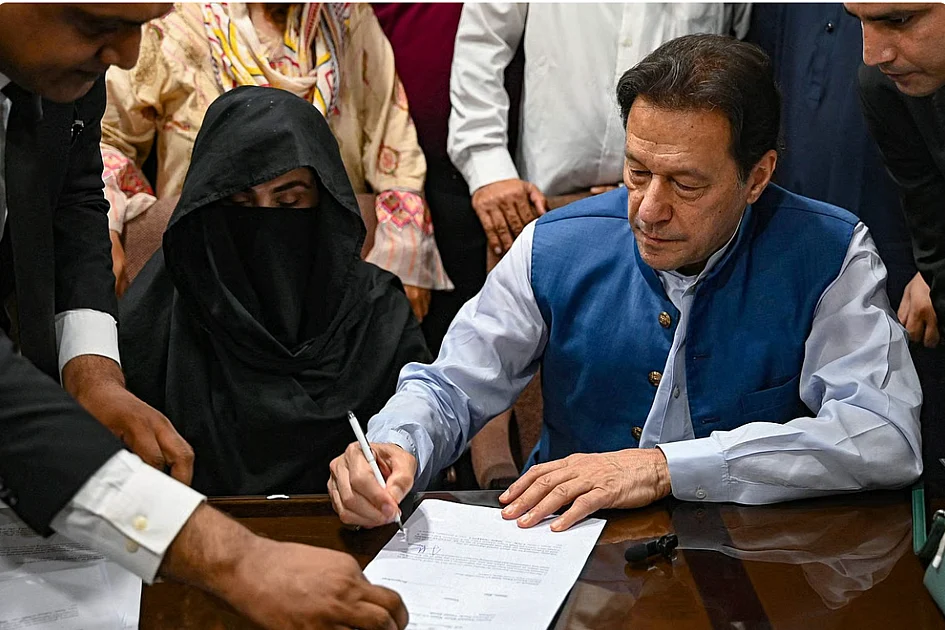
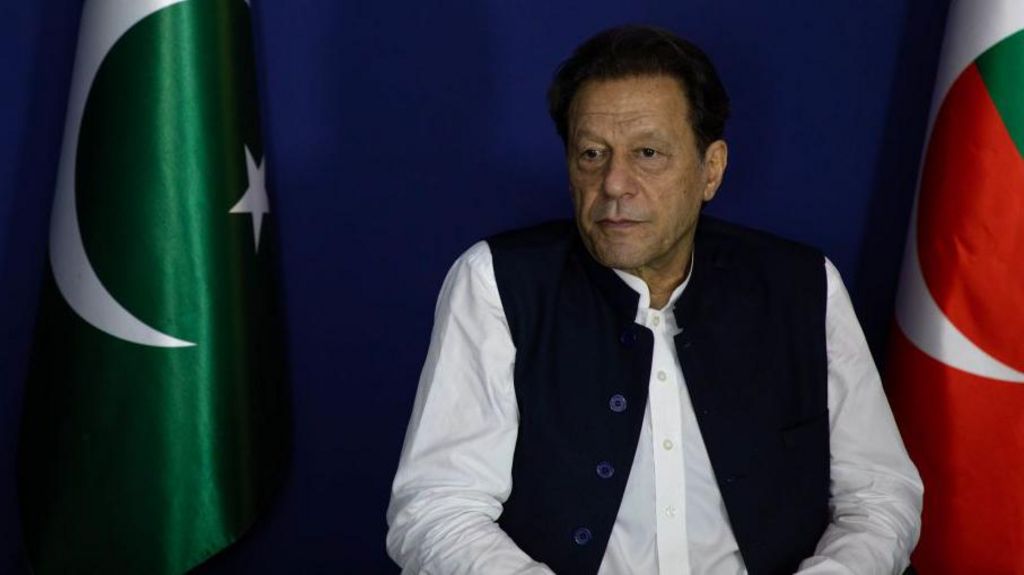
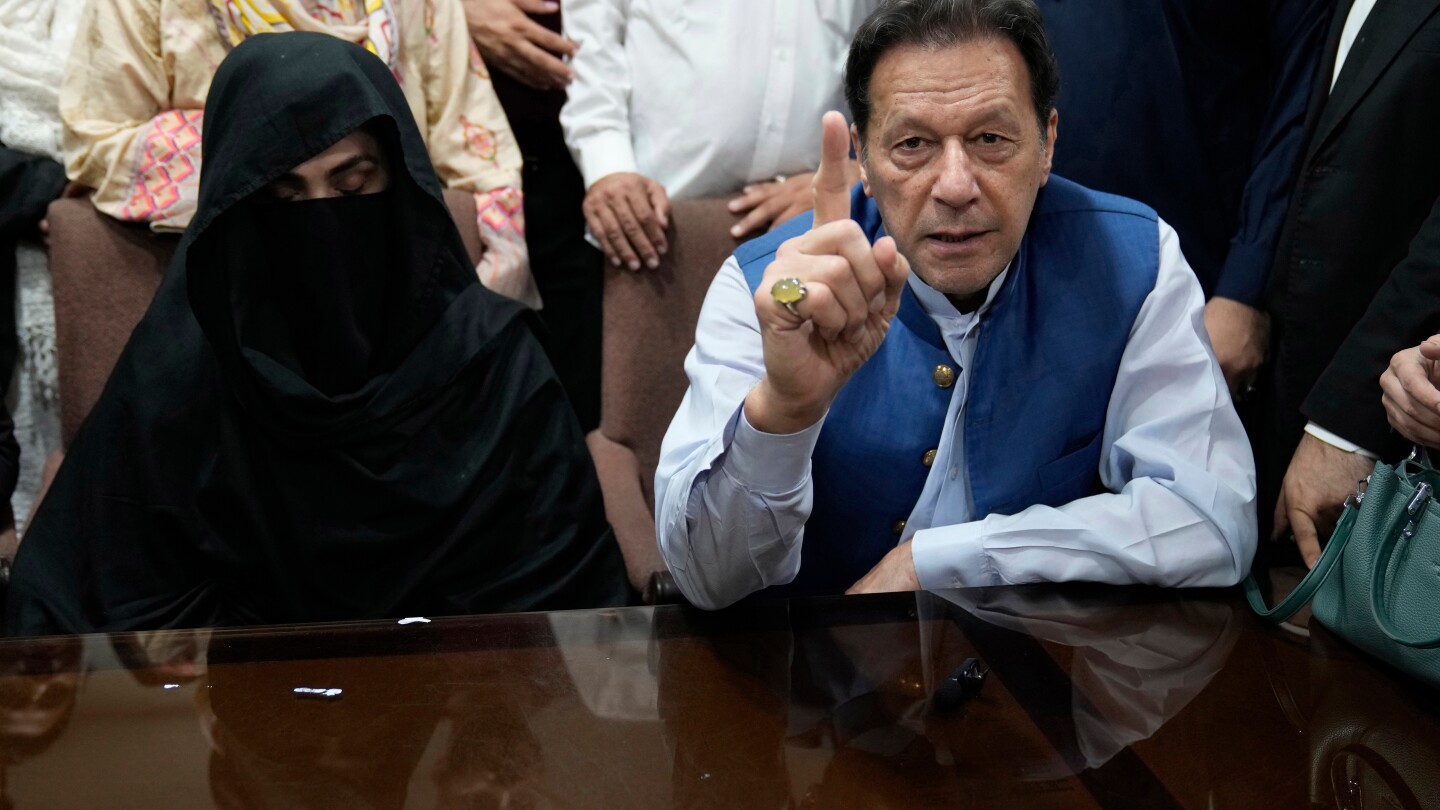
    In a significant judicial development, a Pakistani court has imposed 17-year prison sentences on former Prime Minister Imran Khan and his spouse Bushra Bibi in the high-profile Toshakhana corruption case. The verdict, delivered on December 20, 2025, centers on allegations that the couple illicitly acquired and sold luxury state gifts during Khan’s premiership from 2018 to 2022.

    The prosecution successfully argued that Khan and his wife obtained valuable assets from the state treasury, including diamond jewelry and a collection of premium watches—six Rolexes among them—with the most expensive timepiece valued at approximately $305,000. The total value of the allegedly misappropriated gifts exceeded 140 million Pakistani rupees ($501,000).

    This ruling represents the third conviction for the former cricket-star-turned-politician, who previously received a 14-year sentence and a separate 3-year jail term in related cases concerning state gifts. Notably, both prior sentences had been suspended by higher courts pending appeal proceedings.

    Legal experts highlight the complex judicial landscape surrounding Khan’s cases. Despite being incarcerated since August 2023 and facing four convictions ahead of the February 2024 national elections, all previous sentences have been either overturned or suspended through appellate processes. The former leader and his wife maintain their innocence regarding all corruption allegations.

    The Toshakhana case has emerged as a focal point in Pakistan’s ongoing political turbulence, reflecting deeper tensions between the military establishment and Khan’s populist movement. This latest development occurs amidst continuing political instability in the nuclear-armed nation, raising questions about judicial independence and the future of political reconciliation.

  • Australian state plans tougher laws against displaying extremist flags after Bondi shooting

    Australian state plans tougher laws against displaying extremist flags after Bondi shooting

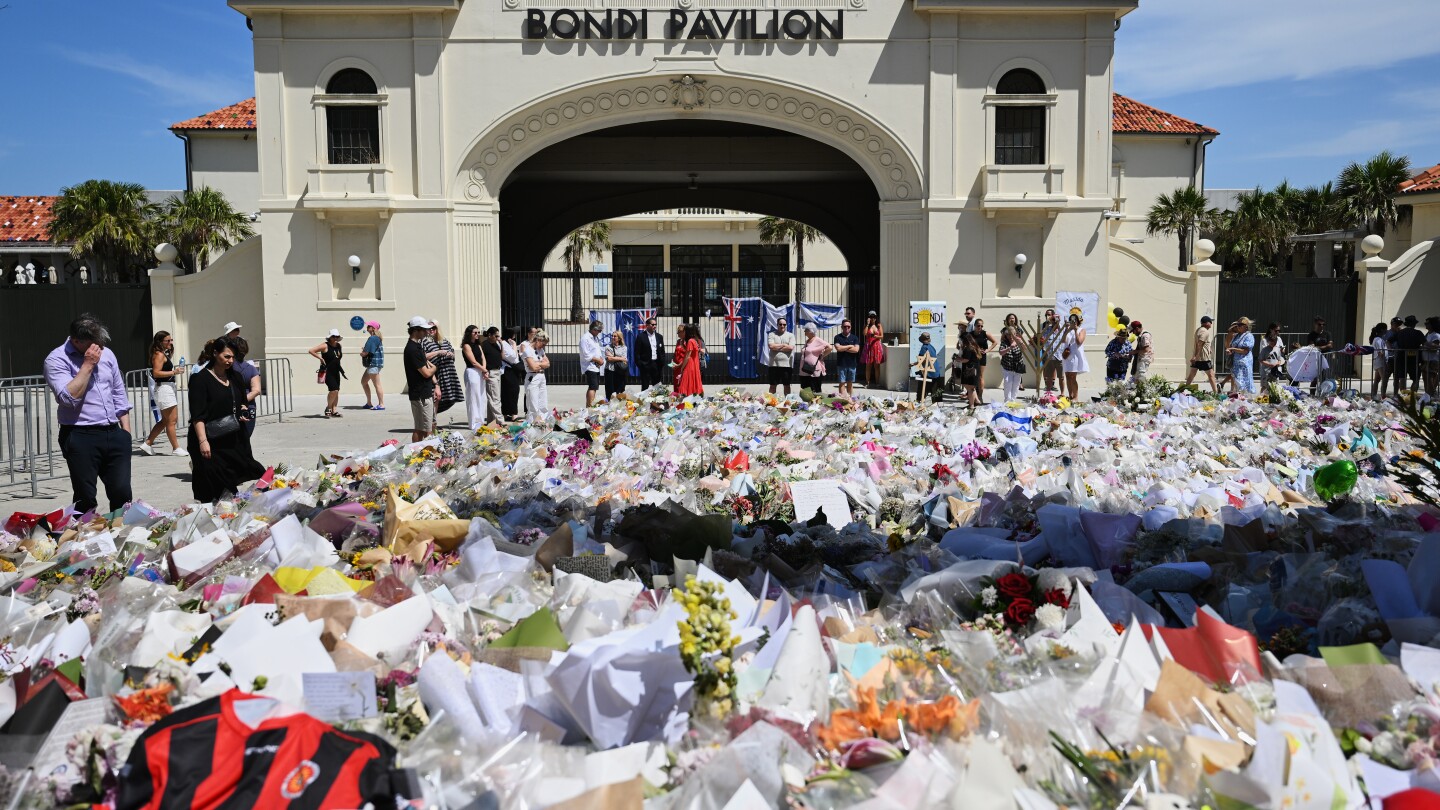
    SYDNEY — In response to the recent mass shooting at Sydney’s Bondi Beach that claimed 15 lives, the Australian state of New South Wales is advancing stringent legislative measures to prohibit public displays of extremist symbolism. The proposed laws specifically target Islamic State group flags and related paraphernalia, with violations carrying penalties of up to two years imprisonment and substantial fines.

    State Premier Chris Minns announced the comprehensive security reforms, which additionally ban the chant “globalize the intifada” and empower law enforcement to demand the removal of facial coverings during public demonstrations. “Hate speech or incitement of hatred has no place in our society,” Minns declared, emphasizing that recent events demonstrate how such rhetoric promotes community violence.

    The legislative action follows police confirmation that Sunday’s attack targeting a Hanukkah celebration constituted “a terrorist attack inspired by the Islamic State.” Authorities discovered two homemade IS flags in the perpetrators’ vehicle, directly linking the violence to extremist ideology.

    Prime Minister Anthony Albanese concurrently announced federal initiatives to combat radicalization, including expanded definitions of hate speech offenses for religious leaders promoting violence, enhanced penalties for such crimes, and judicial consideration of hate as an aggravating factor in online threat cases. The government will also designate specific organizations as hate groups and reinforce Australia’s already rigorous firearm regulations.

    Addressing the nation’s Jewish community at Sydney’s Great Synagogue, Albanese affirmed that “the spirit of our Jewish Australian community is completely unbreakable” and vowed that Australia would not allow “these evil antisemitic terrorists to divide us.”

    The government will observe a National Day of Reflection on Sunday, coinciding with Hanukkah’s conclusion, with flags at half-mast nationwide and a moment of silence at 6:47 p.m.—the exact time police first received reports of gunfire. One suspect, Sajid Akram, was killed during the incident, while his son Naveed Akram faces 59 charges including murder and committing a terrorist act.

    These developments occur amid a documented threefold surge in antisemitic incidents across Australia following the October 2023 Hamas-Israel conflict, raising critical questions about protection for the nation’s 117,000 Jewish citizens.

  • Bangladesh mourns slain activist as tensions rise ahead of elections

    Bangladesh mourns slain activist as tensions rise ahead of elections

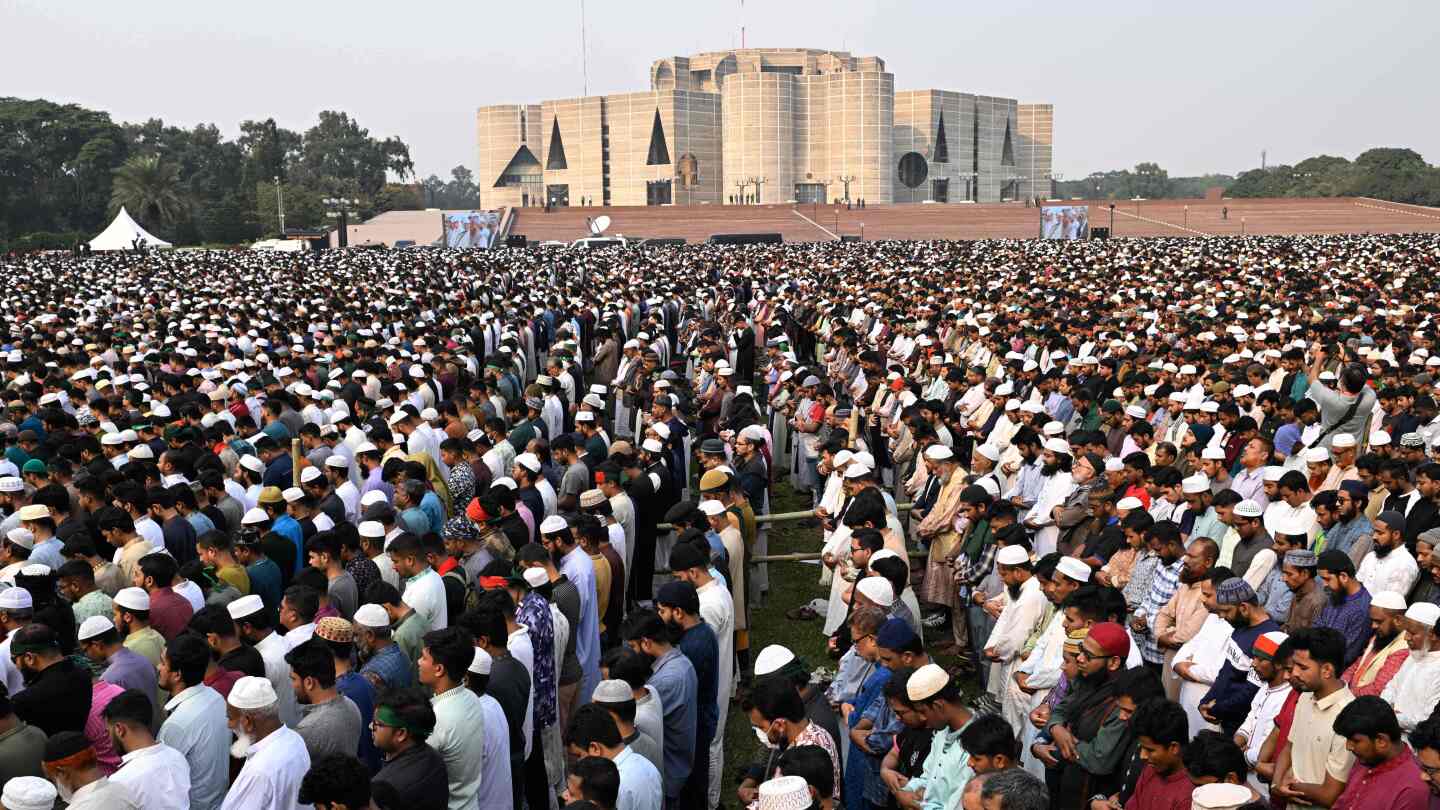
    DHAKA, Bangladesh — Bangladesh witnessed massive funeral processions on Saturday for prominent political activist Sharif Osman Hadi, whose death has intensified the nation’s political instability ahead of crucial February elections. Hundreds of thousands of mourners gathered in Dhaka under tight security measures as the country observed a national day of mourning.

    Hadi, a key figure in the 2024 political uprising that ended former Prime Minister Sheikh Hasina’s 15-year administration, succumbed to gunshot wounds on Thursday in a Singapore hospital. The initial attack occurred on December 12 in Dhaka, with police indicating the primary suspect has likely fled to India—a development that has sparked diplomatic tensions between the neighboring nations.

    The funeral proceedings took place outside Bangladesh’s Parliament complex, where mourners carried national flags and chanted slogans vowing to continue Hadi’s political legacy. As spokesperson for the Inqilab Moncho cultural organization, Hadi will be laid to rest at Dhaka University campus beside national poet Kazi Nazrul Islam.

    The activist’s death has triggered violent responses, with protesters attacking and setting fire to offices of two major national newspapers. Interim leader and Nobel Peace laureate Muhammad Yunus has appealed for calm amid the escalating tensions.

    Hadi, known for his criticism of both India and the exiled former leader Hasina, had planned to run as an independent candidate in Dhaka during the upcoming elections. Bangladesh currently navigates a delicate political transition under Yunus’s interim government, with the absence of Hasina’s Awami League party creating a complex power dynamic.

    The political landscape now features Hasina’s rival Bangladesh Nationalist Party led by former Prime Minister Khaleda Zia, alongside the Jamaat-e-Islami party—the country’s largest Islamist organization—which seeks expanded political influence following Hasina’s departure. India has remained unresponsive to Bangladesh’s requests for extraditing Hasina, who faces death sentencing for crimes against humanity.

  • Imran Khan and wife given further jail terms after state gift fraud case

    Imran Khan and wife given further jail terms after state gift fraud case

    In a significant legal development, Pakistan’s former Prime Minister Imran Khan and his spouse Bushra Bibi have been handed additional prison sentences in a high-profile fraud case concerning state gifts. The conviction centers on a luxury Bulgari jewelry set received from Saudi Crown Prince Mohammed bin Salman during an official 2021 visit.

    The Islamabad court delivered sentences of 10 years for criminal breach of trust and 7 years for criminal misconduct, accompanied by a fine exceeding 16 million Pakistani rupees (£42,600). These terms will run concurrently with their existing prison sentences. Notably, the defendants were absent during sentencing, with their legal team receiving notification after standard court hours concluded.

    This case, colloquially termed ‘Toshakhana 2’ in Pakistani media, alleges that Khan orchestrated the undervaluation of the jewelry through a private firm before repurchasing it at a substantially reduced price—a direct violation of Pakistan’s regulations requiring state gifts to be deposited with the Toshakhana treasury.

    Khan’s defense team, led by attorney Salman Safdar, has characterized the charges as politically motivated and plans to appeal the verdict in Pakistan’s high court. This judgment represents the latest in over 100 legal cases brought against the former cricket icon since his removal from office via no-confidence vote in April 2022.

    The sentencing occurs against a backdrop of heightened political tensions. Khan’s social media channels continue to operate despite his incarceration, posting content sharply critical of current military leadership. Recent months have seen restricted visitation rights, with family access severely limited following controversial posts attributed to Khan.

    Correctional authorities confirmed both defendants were present during the verdict announcement, though media observation was prohibited. The court documentation notably referenced leniency in sentencing due to Khan’s ‘advanced age.’

  • Pakistani court sentences former Prime Minister Imran Khan and wife to 17 years in graft case

    Pakistani court sentences former Prime Minister Imran Khan and wife to 17 years in graft case

    A Pakistani court has delivered a significant verdict against imprisoned former Prime Minister Imran Khan and his spouse Bushra Bibi, sentencing both to 17 years imprisonment for illicitly retaining and selling state gifts. The ruling, announced Saturday at Adiala prison in Rawalpindi, marks another legal setback for the ousted leader.

    The conviction centers on allegations that the couple substantially undervalued precious gifts received from foreign dignitaries—including jewelry from Saudi Arabia’s government—during Khan’s premiership. Prosecutors demonstrated that Khan and Bibi declared the gifts’ worth at slightly over $10,000, enabling their purchase at reduced prices, despite their actual market valuation exceeding $285,000.

    Pakistani legislation explicitly mandates that government officials must acquire gifts from foreign dignitaries at fair market value if they wish to retain them, with any subsequent sales proceeds requiring declaration. The court found the couple violated these regulations through systematic undervaluation.

    Khan’s political party, Pakistan Tehreek-e-Insaf, immediately condemned the decision as “a black chapter in history,” while his spokesperson Zulfiquar Bukhari criticized the verdict for imposing “criminal liability without proof of intent, gain, or loss.” Bukhari further alleged the judgment relied on “retrospective reinterpretation of rules” and raised concerns about judicial impartiality.

    The sentencing adds to multiple corruption convictions Khan has accumulated since his 2022 ouster via parliamentary no-confidence vote. The former cricket superstar maintains that all charges against him constitute politically motivated attempts to derail his continuing influence and potential return to power.

  • US Justice Department starts releasing Epstein files

    US Justice Department starts releasing Epstein files

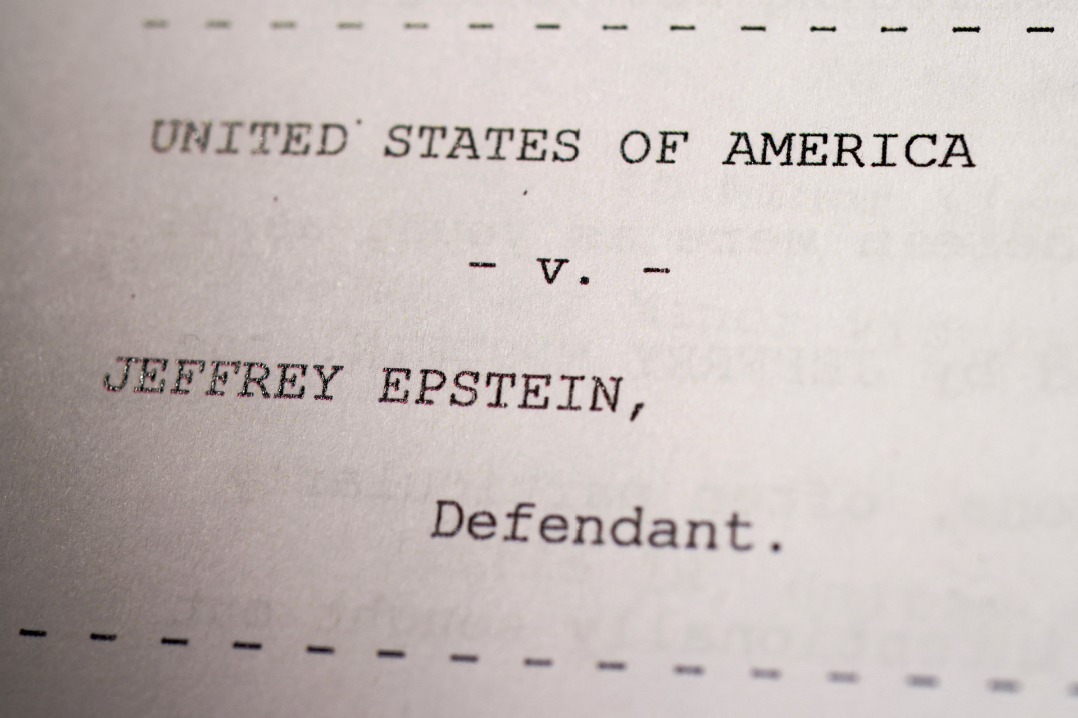
    WASHINGTON — In a significant transparency move, the U.S. Department of Justice commenced the disclosure of extensive records pertaining to the late financier and convicted sex offender Jeffrey Epstein on Friday. This action follows the near-unanimous congressional passage of the Epstein Files Transparency Act last month, which mandated the release by December 19, 2025.

    Deputy Attorney General Todd Blanche confirmed the initial disclosure encompasses ‘several hundred thousand’ documents, with additional records scheduled for publication in the coming weeks. The released materials include investigative documents, communications, and court records related to federal investigations and prosecutions of Epstein, who maintained associations with numerous high-profile figures in American politics and business before his death in prison in August 2019.

    The legislation required the Justice Department to publish all unclassified materials in its possession, with limited exemptions for protecting victim identities through redaction of personally identifiable information and safeguarding active federal investigations. Epstein’s death while in federal custody was officially ruled a suicide, though it has generated ongoing speculation and conspiracy theories.

    The document release represents the culmination of years of public pressure and legal battles for transparency regarding Epstein’s extensive network and the handling of his case. President Donald Trump had previously committed during his 2024 campaign to authorize the disclosure of Epstein-related documents if reelected.