分类: politics

  • Coast Guard is pursuing another tanker helping Venezuela skirt sanctions, US official says

    Coast Guard is pursuing another tanker helping Venezuela skirt sanctions, US official says

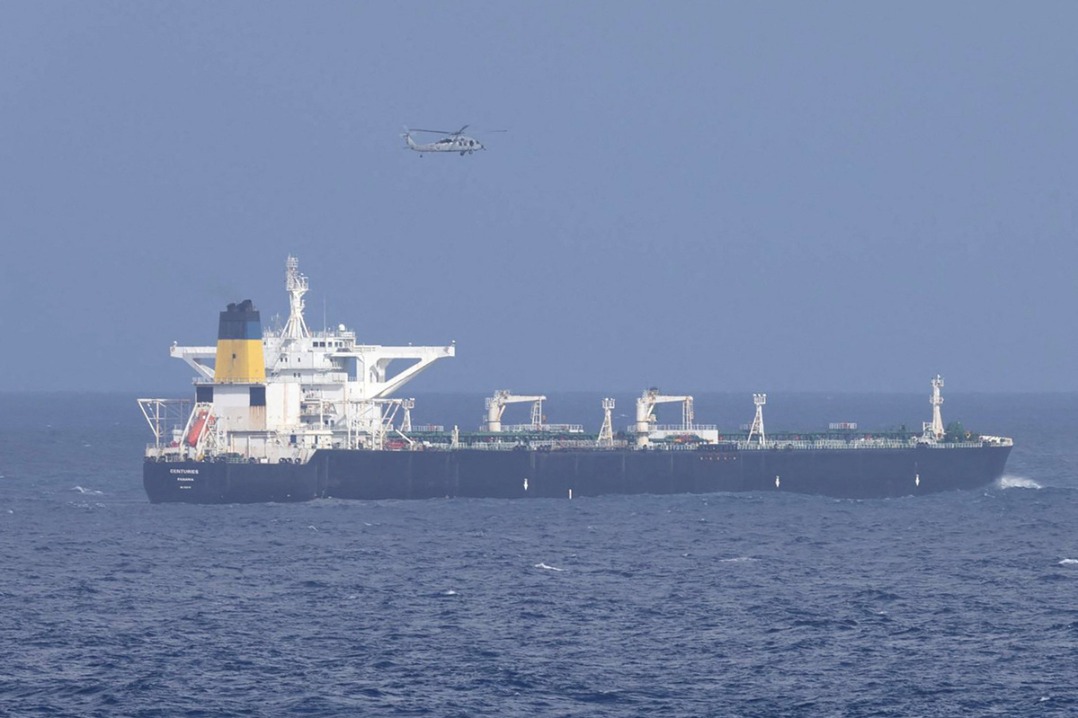
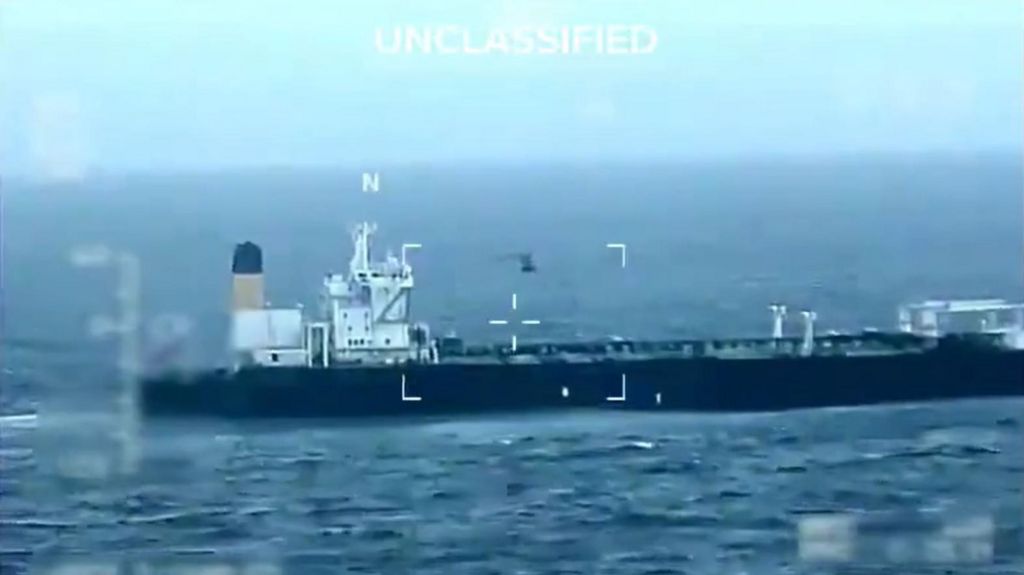
    The United States Coast Guard has initiated pursuit operations against another sanctioned oil tanker in Caribbean waters, marking the latest escalation in the Trump administration’s intensified campaign targeting Venezuelan energy shipments. This development follows Saturday’s predawn seizure of the Panama-flagged tanker ‘Centuries,’ which authorities identified as operating under false registration as part of Venezuela’s shadow fleet for illicit oil transportation.

    According to a U.S. official familiar with the ongoing operation, Sunday’s pursuit involves a sanctioned vessel from the ‘dark fleet’ that facilitates Venezuela’s sanctions evasion efforts. The official, speaking anonymously due to operational sensitivities, confirmed the target vessel was flying false colors and subject to a judicial seizure order. This represents the third such action in under two weeks, following the December 10th interception of the unflagged tanker ‘Skipper’ with U.S. Navy support.

    The maritime enforcement surge coincides with President Trump’s increasingly confrontational rhetoric toward Venezuelan leader Nicolás Maduro. Trump has vowed to implement a full naval ‘blockade’ against Venezuela and warned that Maduro’s tenure faces imminent conclusion. Administration officials justify these measures as necessary to recover assets seized from American oil companies during Venezuela’s industry nationalization, citing a 2014 international arbitration ruling that ordered $1.6 billion in compensation to ExxonMobil.

    These interdiction operations form part of broader regional security initiatives that include narcotics enforcement. Since September, the Defense Department has conducted at least 28 documented strikes against vessels suspected of smuggling fentanyl and other illegal drugs through Caribbean and Eastern Pacific corridors, resulting in over 100 casualties. The coordinated maritime strategy reflects the administration’s multi-front approach to pressuring Venezuela’s socialist government while combating transnational narcotics trafficking.
  • Trump did shock and awe in 2025. Reality may bite in 2026

    Trump did shock and awe in 2025. Reality may bite in 2026

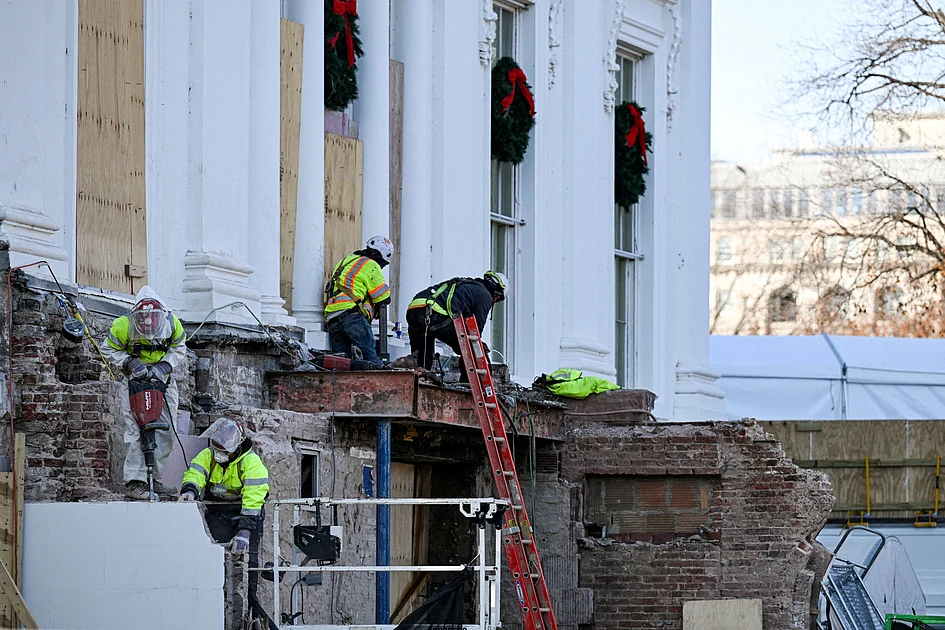
    As President Donald Trump concludes his first year back in the Oval Office, his administration confronts mounting political challenges that threaten to undermine his disruptive agenda. The 79-year-old leader’s unconventional approach—symbolized by the physical demolition of part of the White House to construct a grand ballroom—has defined a presidency that began with what observers describe as a “political wrecking ball” strategy.

    Following an aggressive initial nine months marked by sweeping executive actions, immigration crackdowns, and confrontations with domestic institutions, the administration now faces the reality of governing beyond the shock-and-awe phase. Senior Fellow William Galston of the Brookings Institution notes that while Trump’s tactics initially sent opponents reeling, the effect appears to be diminishing as practical governing demands take precedence.

    The upcoming midterm elections in November 2026 represent a critical juncture for the Trump presidency, with Democrats poised to capitalize on growing discontent over cost-of-living pressures and the president’s declining approval ratings. White House officials indicate Trump is shifting focus toward economic concerns, planning increased domestic travel and campaign-style events to address voter anxieties about affordability and healthcare.

    Internationally, Trump continues his disruptive diplomacy, implementing tariffs that have created global economic uncertainty, engaging unpredictably with Russian and Chinese leaders, and achieving fragile peace in Gaza while potentially escalating tensions with Venezuela. The Supreme Court’s upcoming rulings on tariff legality and internal Republican tensions over the Jeffrey Epstein scandal further complicate the administration’s trajectory.

    Adding to the political landscape is the emerging battle for succession within the Republican Party, with Vice President JD Vance and MAGA figure Marjorie Taylor Greene positioning themselves for a post-Trump era. Speculation persists that Trump might test constitutional limits by hinting at a third-term bid despite explicit prohibitions, setting the stage for what experts predict could be an “explosive” political confrontation following the midterms.

  • President Trump: A year of ruling by executive order

    President Trump: A year of ruling by executive order

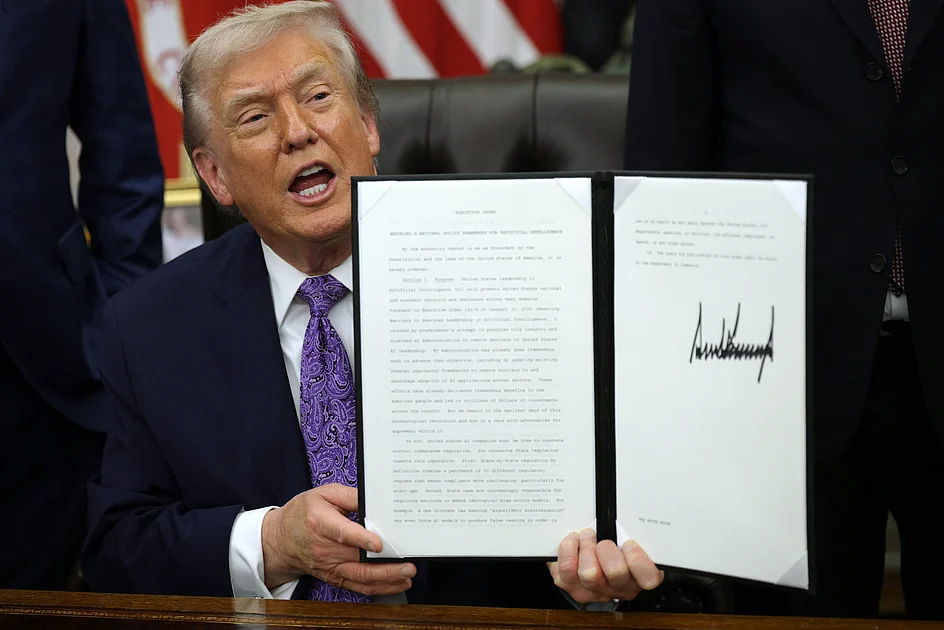
    In an extraordinary demonstration of presidential authority, Donald Trump has now signed more executive orders during his current term’s first year than throughout his entire previous presidency. The 221st executive order, designating fentanyl as a weapon of mass destruction, marks the latest in a rapid succession of presidential directives that analysts describe as one of the most significant displays of executive power in modern American history.

    According to Federal Register data analyzed by AFP, Trump’s current pace of executive actions exceeds the annual averages of his immediate predecessors—Joe Biden, Barack Obama, and George W. Bush—by approximately five to seven times. Only Franklin D. Roosevelt, who governed during the Great Depression and World War II, maintained a comparable rate of executive orders across his four terms.

    Political science professor John Woolley of the University of California, Santa Barbara, characterizes these orders as strategic communication tools. “They serve as signals to crucial constituent groups that the administration is actively advancing their causes,” noted Woolley, who co-directs the American Presidency Project.

    An analysis of the orders reveals distinctive patterns: nearly 60% address domestic matters, while fewer than 10% focus exclusively on foreign policy. Social issues—encompassing culture, civil rights, education, and health—constitute approximately 30% of all orders, surpassing economic matters (20%) and government reform (18%). Immigration and security, central to Trump’s 2024 campaign, account for roughly 10%.

    The content frequently reflects ideological positions, including an July directive prohibiting AI models that emphasize diversity and inclusion, and an August order establishing classical architecture as the preferred style for federal buildings.

    However, the efficiency of governing through executive orders remains questionable. Just Security, a legal analysis website affiliated with New York University, reports that over 20% of Trump’s orders have faced legal challenges, with more than 20 being partially or fully blocked by courts. Recent appellate rulings have deemed significant portions of Trump’s tariff policies illegal, and the Supreme Court has shown skepticism regarding the legality of certain trade measures during November hearings.

    Despite these challenges, Woolley suggests Trump is deliberately testing legal boundaries: “He’s wagering that the Supreme Court, with its conservative majority strengthened during his first term, will largely endorse his interpretation of executive power.”

    The language within these orders also distinguishes Trump’s approach. Analysis reveals he employs the verb “impose” five times more frequently than his predecessors and references the “nation” and “American people” at notably higher rates. Additionally, over 15% of orders contain elements of political retaliation, explicitly criticizing previous administrations and opponents—a departure from historical norms according to presidential scholars.

  • Victims, lawmakers criticize partial release of Epstein files; Trump seen nowhere

    Victims, lawmakers criticize partial release of Epstein files; Trump seen nowhere

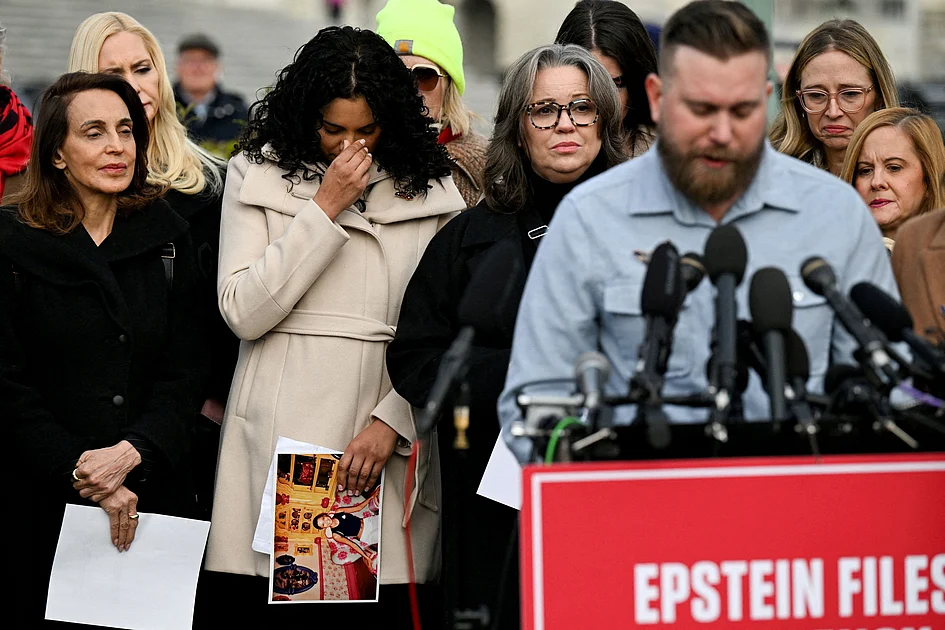
    A heavily redacted release of court documents pertaining to the Jeffrey Epstein case has ignited fierce criticism from victims and lawmakers, raising serious questions about transparency within the Trump administration. The long-anticipated cache, made public by the U.S. Justice Department, contained numerous blacked-out pages and censored photographs, fueling allegations of an orchestrated high-level cover-up.

    The document trove included previously unseen images featuring prominent figures within Epstein’s social orbit, such as former President Bill Clinton, musician Mick Jagger, and the late Michael Jackson. Notably absent, however, were photographs of former President Donald Trump that had been referenced in prior investigations. This selective redaction prompted immediate condemnation from Democratic leaders, with Senator Chuck Schumer characterizing the situation as potentially “one of the biggest cover ups in American history.”

    Epstein survivors expressed profound disappointment with the release. Victim Jess Michaels reported being unable to locate her original statements and communications with FBI tip lines within the documents. “Is this the best that the government can do? Even an act of Congress isn’t getting us justice,” Michaels stated in a CNN interview.

    The materials did reveal some new details about Epstein’s connections to powerful figures, including dozens of censored images depicting nude or scantily clad individuals. Among these were photographs of disgraced Prince Andrew lying across the legs of five women, and images showing Bill Clinton lounging in a hot tub alongside Ghislaine Maxwell, Epstein’s accomplice who is currently serving a 20-year sentence.

    The release complied with recent legislation mandating public disclosure of case files, though officials cited legal constraints and victim privacy concerns as justification for extensive redactions. Deputy Attorney General Todd Blanche denied any intentional withholding of information to protect Trump, despite the former president’s months-long effort to block the documents’ disclosure. Trump ultimately signed the legislation compelling publication under mounting pressure from Congress, including members of his own party.

  • Brazilian president warns armed intervention in Venezuela would be ‘humanitarian catastrophe’

    Brazilian president warns armed intervention in Venezuela would be ‘humanitarian catastrophe’

    Brazilian President Luiz Inacio Lula da Silva issued a stark warning against potential armed intervention in Venezuela during his address at the 67th Summit of Heads of State of Mercosur and Associated States on Saturday. The Latin American leader characterized military action as potentially triggering “a humanitarian catastrophe” for the hemisphere while establishing a dangerous global precedent.

    President Lula directly referenced recent United States military maneuvers and economic sanctions against Venezuela, including the naval blockade operations intercepting oil tankers bound for Venezuelan ports. The Brazilian leader expressed profound concern over what he described as “the military presence of an extra-regional power” in Latin American affairs, emphasizing that regional prosperity and peace constitute the only acceptable doctrine for South American nations.

    Lula revealed details of a recent diplomatic exchange with US President Donald Trump, during which he advocated for negotiated solutions as fundamentally “more effective and less costly” than military confrontation. This diplomatic overture occurs alongside the Trump administration’s formal designation of Venezuelan President Nicolas Maduro’s government as “a foreign terrorist organization” and its enforcement of comprehensive oil embargo measures.

    The Brazilian president’s statements reflect growing regional unease, with multiple Latin American nations and regional blocs voicing opposition to unilateral actions against Venezuela. These entities have increasingly called upon the United Nations and broader international community to facilitate diplomatic dialogue and peaceful conflict resolution, challenging the current escalation of military and economic pressure tactics.

  • Russia says talks on US peace plan for Ukraine ‘are proceeding constructively’

    Russia says talks on US peace plan for Ukraine ‘are proceeding constructively’

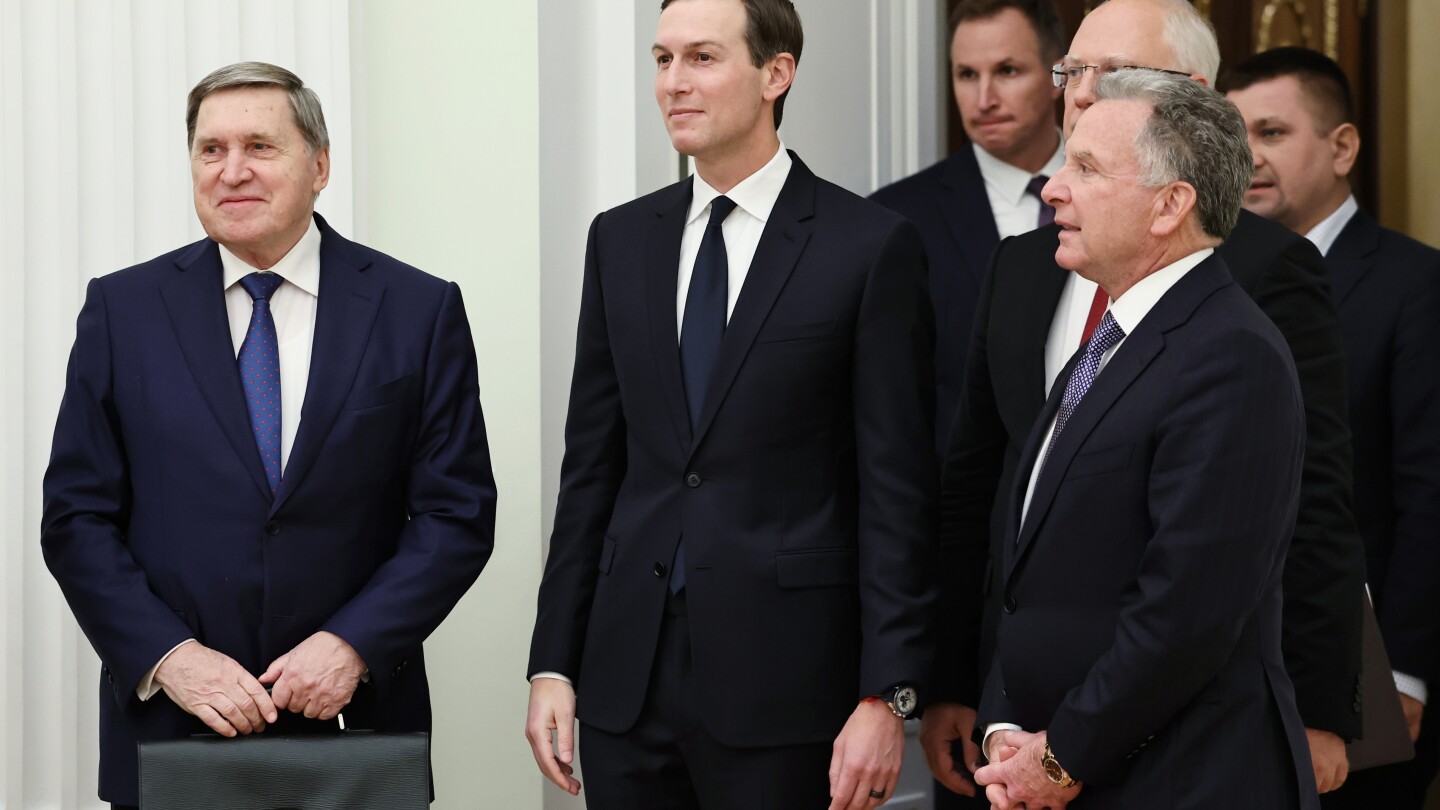
    Diplomatic efforts to resolve the protracted conflict in Ukraine are advancing constructively, according to a senior Kremlin envoy participating in U.S.-brokered peace negotiations. Kirill Dmitriev, representing Russian interests, confirmed that discussions with Trump administration officials—including presidential envoy Steve Witkoff and senior advisor Jared Kushner—are ongoing in Florida, following earlier consultations with Ukrainian and European representatives in Berlin.

    Ukrainian President Volodymyr Zelenskyy emphasized the critical importance of the United States’ diplomatic stance following these engagements with Russian counterparts. This development comes shortly after Ukraine’s negotiation team concluded parallel meetings with American and European partners in the United States.

    Despite the Trump administration’s intensive diplomatic campaign to broker peace, significant obstacles remain due to fundamentally incompatible positions between Moscow and Kyiv. Russian President Vladimir Putin has recently reinforced his maximalist demands regarding Ukraine, even as Russian forces continue incremental territorial advances despite substantial military casualties.

    Putin reiterated confidence on Friday that the Kremlin would ultimately accomplish its military objectives should Ukraine refuse to accept Russia’s terms in peace negotiations. Meanwhile, European Union leaders demonstrated continued support for Ukraine by approving €90 billion ($106 billion) in funding to address the nation’s military and economic requirements over the next two years. While initially considering utilizing frozen Russian assets, the EU ultimately secured these funds through capital market borrowing after failing to resolve legal complications with Belgium.

  • Neither Russia nor France: One West African country walks a diplomatic tightrope

    Neither Russia nor France: One West African country walks a diplomatic tightrope

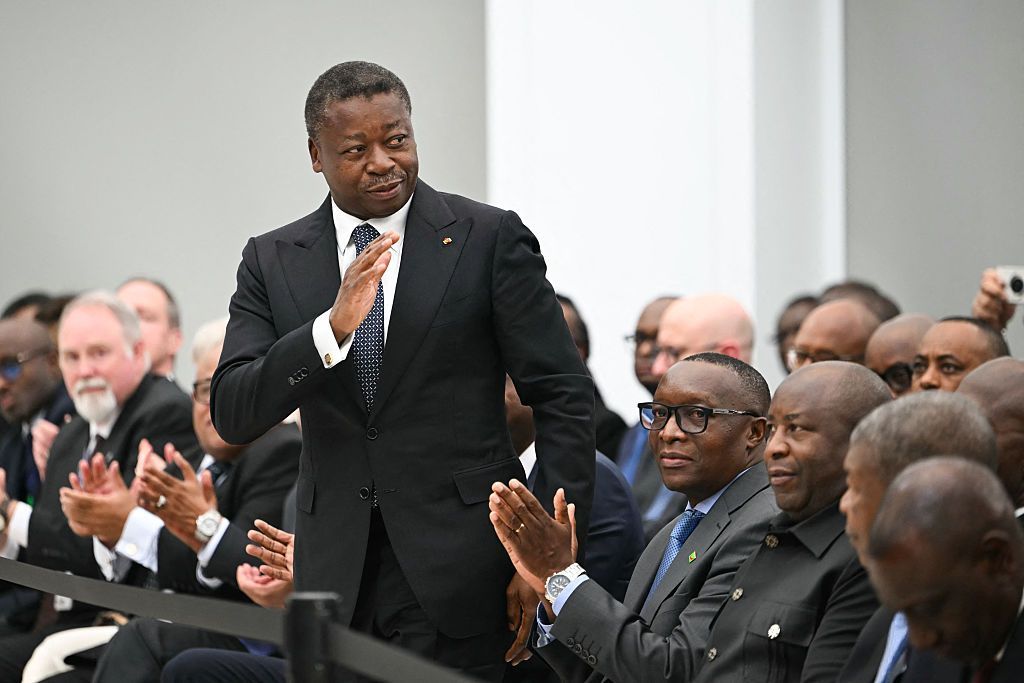
    In a region increasingly polarized between traditional Western alliances and emerging Russian partnerships, Togo under President Faure Gnassingbé has carved a unique path of diplomatic pragmatism. While neighboring West African nations align decisively with either France or Russia, Togo’s leadership has masterfully cultivated relationships with both competing power blocs simultaneously.

    The recent failed military coup in Benin on December 7th revealed Togo’s strategic positioning. When rebel leader Lieutenant Colonel Pascal Tigri reportedly escaped across the border into Togo before potentially receiving asylum in Burkina Faso or Niger, Lomé maintained deliberate ambiguity about its involvement. This calculated opacity exemplifies Togo’s approach under Gnassingbé: maximizing diplomatic leverage through unconventional relationship-building with competing international partners.

    Togo maintains membership in the Economic Community of West African States (ECOWAS) while simultaneously nurturing supportive relations with the breakaway Sahelian military governments of Burkina Faso, Niger, and Mali—all three of which exited ECOWAS in January. This dual-track regional approach complements Gnassingbé’s sophisticated international diplomacy.

    In late October, the Togolese leader was warmly received at Paris’ Élysée Palace by President Emmanuel Macron for bilateral talks. Mere weeks later, he engaged in a high-profile Moscow meeting with Russian President Vladimir Putin that yielded significant agreements: a defense partnership granting Russian vessels access to Lomé’s strategic deepwater port, plans for joint military exercises and intelligence sharing, economic cooperation frameworks, and the reopening of embassies closed since the 1990s.

    Togolese officials present this diplomatic diversification as a natural evolution rather than an intentional break with Western partners. The country previously demonstrated this approach by joining the Commonwealth despite being Francophone, while English-speaking Ghana simultaneously joined the Francophonie organization.

    This foreign policy strategy intersects with Gnassingbé’s domestic political maneuvering. Following controversial constitutional changes implemented this year that transformed the presidency into a ceremonial role and created a powerful, term-free prime minister position (now held by Gnassingbé himself), the government has faced internal dissent. Critics including rapper Aamron and former defense minister Marguerite Gnakadè have faced legal threats, while the European Parliament has demanded the release of political prisoners.

    Through his diverse international alliances, Gnassingbé signals to Western critics that he possesses alternative options and need not concede to external pressure. However, recent hints about possible prisoner releases suggest even adept international networking cannot fully alleviate domestic political tensions in a nation that remains at the heart of West Africa’s economic and diplomatic landscape.

  • This billionaire tested China’s limits. It cost him his freedom

    This billionaire tested China’s limits. It cost him his freedom

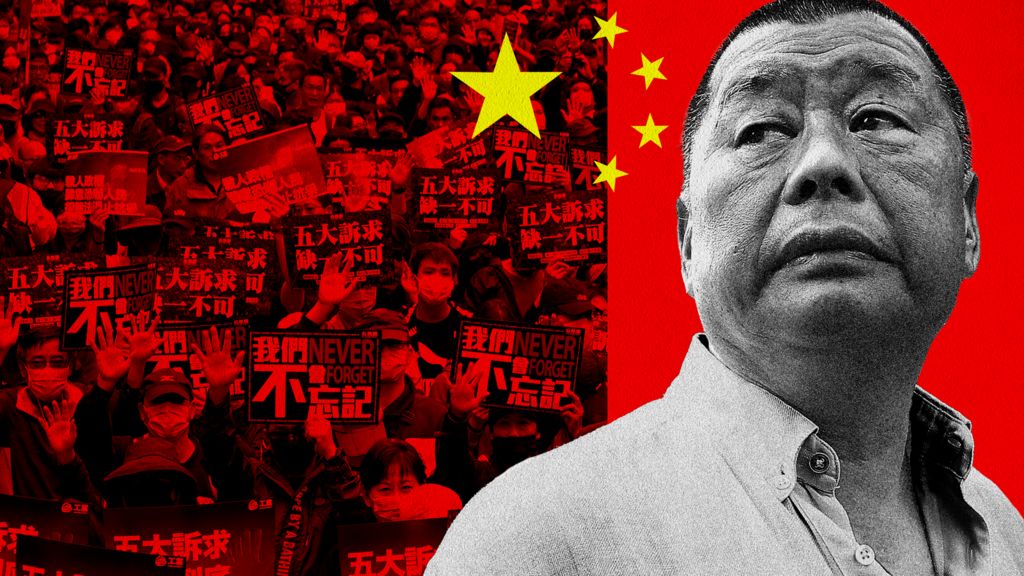
    Hong Kong’s High Court has delivered a landmark verdict in the national security case against Jimmy Lai, the 78-year-old British citizen and founder of the now-defunct Apple Daily newspaper. The court found Lai guilty on all charges, including collusion with foreign forces, which carries a maximum penalty of life imprisonment.

    The ruling concluded that Lai harbored “a rabid hatred” of the Chinese Communist Party and pursued an “obsession to change the Party’s values to those of the Western world.” The court determined that Lai had actively worked to oust the Party or remove its leader Xi Jinping from power through his media operations and political activities.

    Lai’s journey from a Chinese refugee to a Hong Kong business magnate forms the backdrop to this case. Arriving in Hong Kong in 1959 at age 12, Lai built a commercial empire that included the Giordano clothing chain before venturing into media with the establishment of Apple Daily in 1995. The newspaper revolutionized Hong Kong’s media landscape with its innovative layout and controversial content mix that ranged from investigative journalism to adult entertainment guides.

    The prosecution built its case around Lai’s use of Apple Daily as a platform for anti-government sentiment during the 2019 protests. Evidence presented during the 156-day trial included testimony from former associates indicating Lai instructed editorial staff to “urge people to take to the streets.” The court particularly noted Lai’s meetings with U.S. officials, including then-Vice President Mike Pence, and his campaign urging readers to write to President Donald Trump to “save Hong Kong” as evidence of colluding with foreign forces.

    Hong Kong Chief Executive John Lee welcomed the verdict, stating that Lai had used his newspaper to “wantonly create social conflicts” and “glorify violence.” Lee emphasized that the national security law does not permit anyone to harm the country “under the guise of human rights, democracy and freedom.”

    The case has drawn international attention as a bellwether for Hong Kong’s legal environment under the national security law imposed by Beijing in 2020. Supporters of Lai, including family members and former colleagues, maintain that he was merely advocating for Hong Kong’s traditional values of rule of law and freedom of expression.

    Lai’s defense argued throughout the trial that his actions constituted legitimate political expression rather than criminal activity. The media tycoon testified that he had only advocated for what he believed were Hong Kong’s core values: “rule of law, freedom, pursuit of democracy, freedom of speech, freedom of religion, freedom of assembly.”

    The verdict comes amid broader changes in Hong Kong’s political landscape, with authorities stating the city has moved from “chaos to governance” while critics point to an exodus of residents and diminished freedoms. The case represents one of the highest-profile applications of the national security law that Beijing says was necessary to restore stability after prolonged protests.

  • US seizes second oil tanker off Venezuela’s coast

    US seizes second oil tanker off Venezuela’s coast

    In a significant escalation of maritime enforcement operations, United States authorities have intercepted and seized an oil tanker that recently departed from Venezuelan waters. The Department of Homeland Security confirmed the seizure, marking the second such operation this month targeting vessels carrying Venezuelan petroleum.

    The tactical operation, conducted before dawn on December 20th, involved US Coast Guard special teams boarding the Panamanian-flagged crude carrier ‘Centuries’ in international waters. Department of Homeland Security Secretary Kristi Noem publicly shared video evidence of the operation on social media platform X, showing US military helicopters landing on the vessel’s deck.

    This enforcement action directly implements President Donald Trump’s recently announced ‘blockade’ directive against sanctioned oil tankers operating in Venezuelan maritime territory. Secretary Noem justified the seizure by stating the vessel was involved in ‘illicit movement of sanctioned oil that is used to fund narco terrorism in the region,’ adding the unequivocal warning: ‘We will find you, and we will stop you.’

    The operation occurs amidst a substantial increase in US military presence throughout the Caribbean region. Recent weeks have witnessed deadly strikes by US forces against alleged Venezuelan drug-smuggling vessels, resulting in approximately 100 casualties, though no public evidence has been provided regarding drug trafficking allegations.

    Washington has accused Venezuelan President Nicolás Maduro of leading a designated terrorist organization called ‘Cartel de los Soles,’ allegedly financed through illegal oil exports. The Trump administration maintains these oil revenues fund various criminal activities including drug terrorism, human trafficking, and kidnapping.

    Venezuela, which possesses the world’s largest proven oil reserves, remains critically dependent on petroleum exports for government financing. The Maduro administration has previously characterized similar seizures as acts of ‘kidnapping’ crews and ‘stealing’ national resources, though no immediate response has been issued regarding this latest incident.

    This seizure follows the earlier December capture of the tanker ‘Skipper,’ which US authorities identified as part of a ‘ghost fleet’ allegedly using concealment strategies to evade sanctions. Both vessels are being redirected to US ports for further investigation.

  • Taiwan Affairs spokesperson warns against aggression toward mainland fisherman

    Taiwan Affairs spokesperson warns against aggression toward mainland fisherman

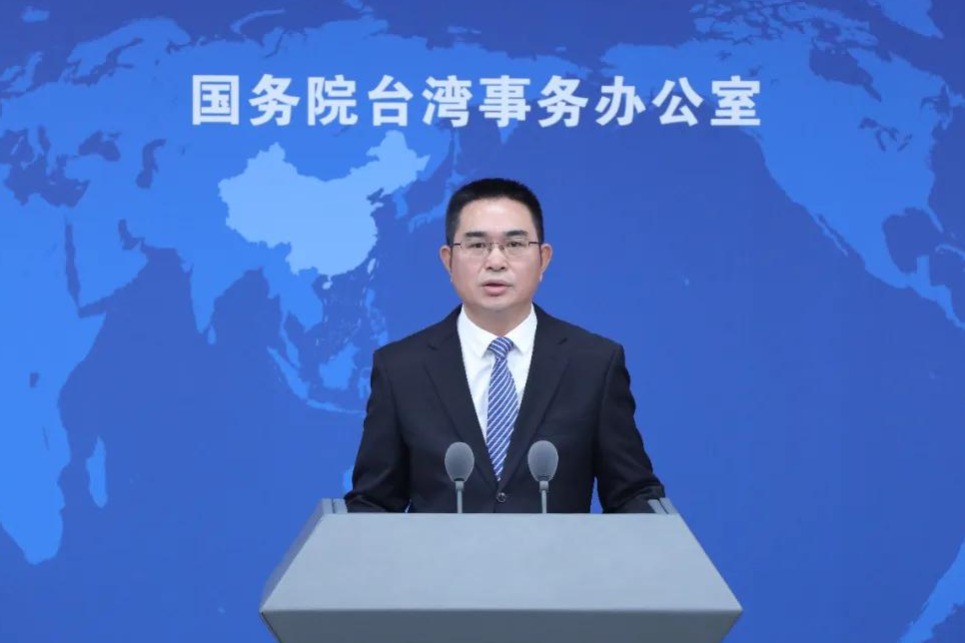
    China’s Taiwan Affairs Office has issued a firm rebuttal against Taiwan’s maritime jurisdiction claims while warning against continued aggression toward mainland fishermen. Spokesperson Chen Binhua stated unequivocally that no “prohibited or restricted waters” exist in the sea area between Xiamen and Jinmen, emphasizing that these traditional fishing grounds have long been shared by fishermen from both sides of the Taiwan Strait.

    During a Saturday briefing, Chen reinforced China’s territorial sovereignty, asserting that Taiwan along with its surrounding islands of Penghu, Jinmen, and Matsu are inseparable parts of Chinese territory. The spokesperson highlighted the historical context of these waters serving as common fishing grounds for decades, facilitating the livelihoods of fishing communities across the strait.

    Chen defended the Chinese coast guard’s routine patrols as essential measures for maintaining maritime order and ensuring the safety of all fishermen operating in the area. The spokesperson called on Taiwan’s Democratic Progressive Party authorities to respect the established historical and factual realities of these shared fishing zones.

    The warning came with a serious diplomatic message: Taiwan’s DPP administration must immediately cease what Beijing characterizes as unjustified detentions and aggressive actions against mainland fishermen. Chen concluded with a stern admonition that the DPP authorities would bear full responsibility for any consequences resulting from continued provocative measures in the contested waters.