分类: politics

  • UAE: Macron announces new French aircraft carrier

    UAE: Macron announces new French aircraft carrier

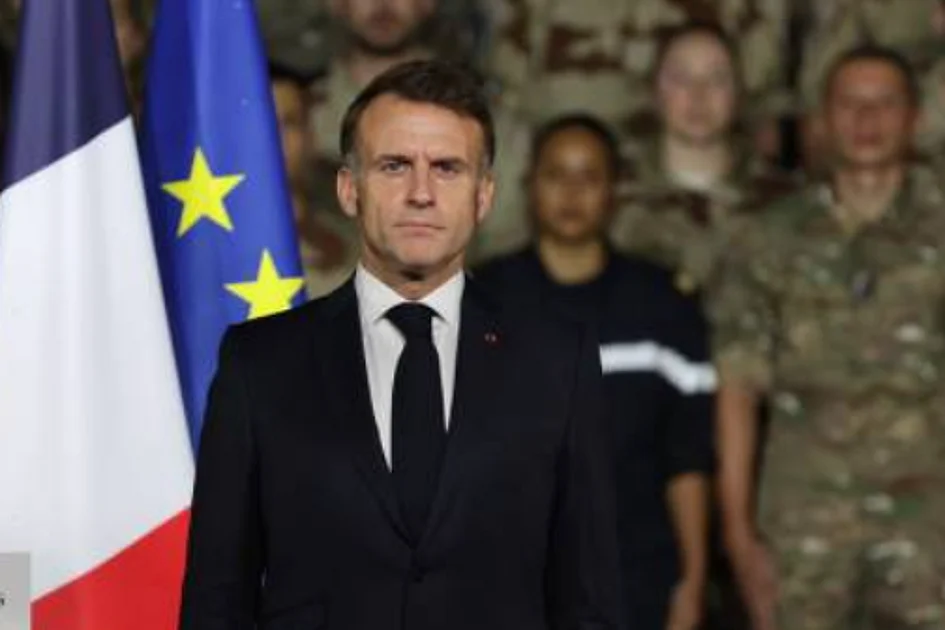
    French President Emmanuel Macron has officially authorized the construction of France’s next-generation nuclear-powered aircraft carrier during his visit to French troops in the United Arab Emirates on Sunday. This strategic decision comes despite significant budgetary challenges facing the European Union’s second-largest economy.

    The new vessel will replace France’s current flagship, the nuclear-powered Charles de Gaulle, which entered service in 2001 after more than a decade of construction. The Charles de Gaulle remains the only nuclear-powered aircraft carrier outside the US Navy.

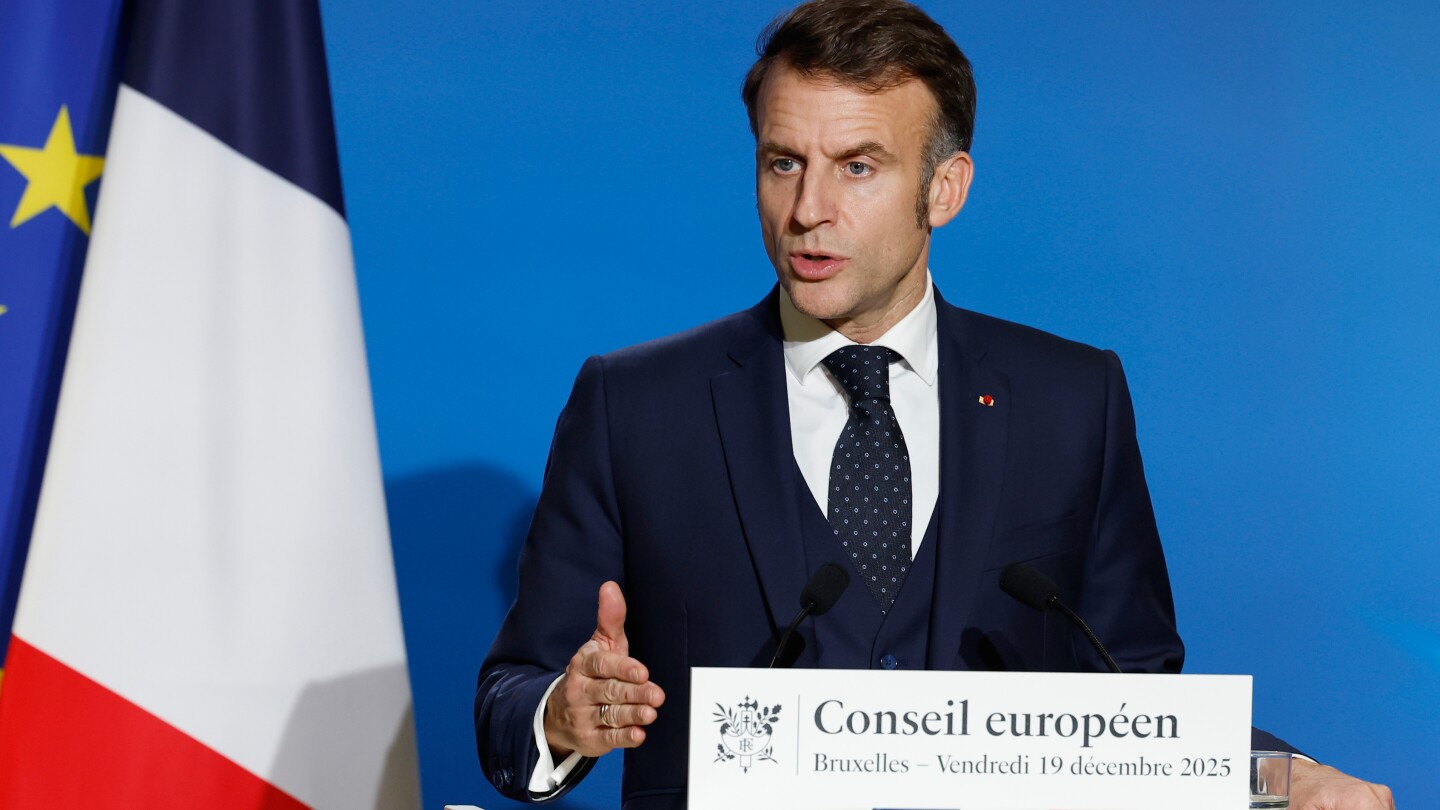
    Macron announced the move during his Christmas visit with French forces stationed in the UAE, stating, ‘In line with the last two military programming laws, and after a thorough and comprehensive review, I have decided to equip France with a new aircraft carrier.’ He emphasized the geopolitical necessity of the project, adding, ‘In an age of predators, we must be strong in order to be feared.’

    The new carrier represents a substantial upgrade in capabilities, displacing nearly 80,000 tonnes and measuring approximately 310 meters in length—significantly larger than the Charles de Gaulle’s 42,000 tonnes and 261-meter frame. It will accommodate a crew of 2,000 and carry up to 30 fighter jets.

    The announcement comes amid criticism from French military officials, including General Fabien Mandon, who questioned whether resources should be prioritized toward more immediate concerns given rising tensions with Russia. The project’s launch will enable the signing of all necessary contracts to advance construction.

    While the French carrier will still be smaller than the US Navy’s 11 supercarriers (each displacing over 100,000 tons), it will join an elite group of large carriers operated only by China and Britain’s Royal Navy, though both nations use conventional power sources.

    Macron’s UAE visit also focused on strengthening bilateral ties, particularly regarding cooperation against drug trafficking. The French president met with UAE President Mohamed bin Zayed Al Nahyan to discuss enhancing their strategic partnership, especially concerning ‘stability in the Middle East.’ The UAE remains a significant purchaser of French military equipment, and Paris is reportedly considering Abu Dhabi’s potential involvement in its troubled future fighter jet program following Germany’s anticipated withdrawal.
  • India denounces ‘misleading propaganda’ over Bangladeshi media reports after Delhi protests

    India denounces ‘misleading propaganda’ over Bangladeshi media reports after Delhi protests

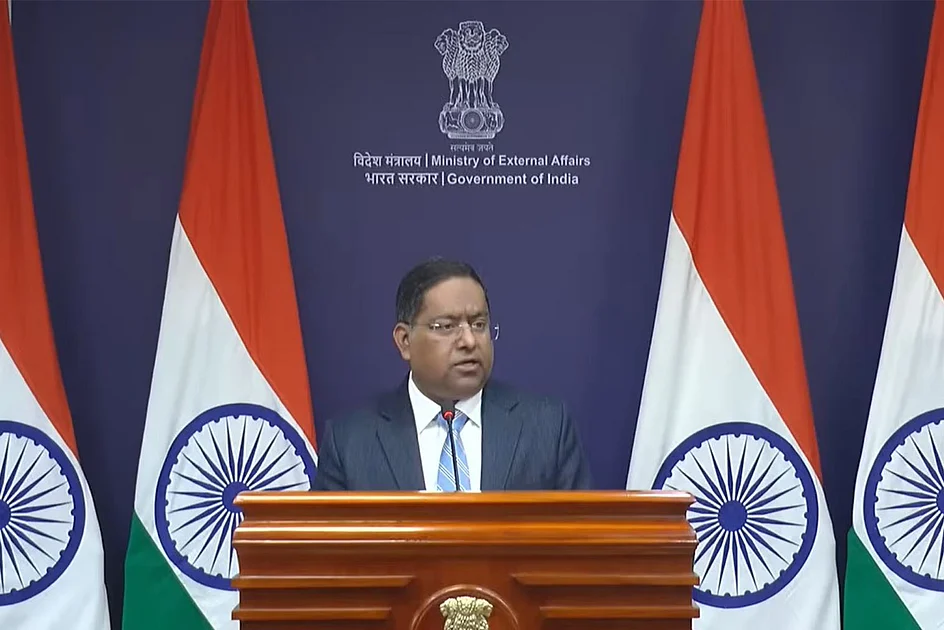
    The Indian Ministry of External Affairs has formally addressed what it characterizes as misleading propaganda circulating within certain Bangladeshi media outlets regarding recent demonstrations outside the Bangladesh High Commission in New Delhi. The protests emerged in response to the brutal killing of Dipu Chandra Das, a youth in Mymensingh, Bangladesh, who was allegedly beaten to death by a mob over blasphemy accusations on December 18, with his body subsequently set ablaze.

    Official spokesperson Randhir Jaiswal clarified the nature of the gathering, stating that approximately 20-25 individuals assembled briefly on December 20 to voice their condemnation of the horrific incident and to advocate for the protection of minority communities in Bangladesh. The ministry emphasized that the demonstration posed no security threat to the diplomatic mission at any point, with local police dispersing the group within minutes without any attempts to breach the compound’s security perimeter.

    Reaffirming India’s dedication to international diplomatic protocols, the ministry highlighted its unwavering commitment to the Vienna Convention, which mandates the protection of foreign missions and diplomats. Jaiswal further noted that Indian authorities maintain ongoing communication with Bangladeshi officials, expressing serious concerns regarding the attacks on minorities and urging expedited justice for the perpetrators responsible for Das’s killing. The statement concluded with India’s intention to continue monitoring the situation closely as it develops.

  • Israel’s Ben Gvir proposes prison ‘encircled by crocodiles’ for Palestinians

    Israel’s Ben Gvir proposes prison ‘encircled by crocodiles’ for Palestinians

    Israel’s far-right National Security Minister Itamar Ben Gvir has sparked international controversy with an extraordinary proposal to construct a detention facility surrounded by crocodiles for Palestinian prisoners. Israeli media outlet Channel 13 reported the unusual concept, which is currently under review by the Israel Prison Service as a potential deterrent against jailbreak attempts.

    The proposed facility would reportedly be situated near Hamat Gader, a hot springs resort in northern Israel’s occupied Syrian Golan Heights. The location already maintains a controlled alligator habitat, with plans to introduce additional crocodiles within a securely fenced enclosure to prevent escapes.

    Human rights advocates have condemned the proposal as extreme and dehumanizing. Orly Noy, chair of Israeli human rights organization B’Tselem, described the plan as “another grotesque example of the cannibal stage in which Israel is at right now.” Noy expressed concern about escalating security measures, noting that despite decades of physical barriers, public sense of security continues to deteriorate.

    The controversial proposal emerges alongside legislative efforts by Ben Gvir to implement capital punishment for Palestinian prisoners. The death penalty bill, currently advancing through the Knesset, would mandate execution for Palestinians convicted of planning or carrying out attacks, particularly those involved in the October 7, 2023 incidents. Notably, the legislation contains provisions that would exempt Israelis who kill Palestinians under similar circumstances.

    The bill requires two additional parliamentary readings before becoming law, with one scheduled for the coming week. These developments reflect increasingly hardline approaches to security and detention within Israel’s current political landscape, drawing criticism from human rights organizations and raising concerns about the treatment of Palestinian detainees.

  • US reportedly pursuing third oil tanker linked to Venezuela

    US reportedly pursuing third oil tanker linked to Venezuela

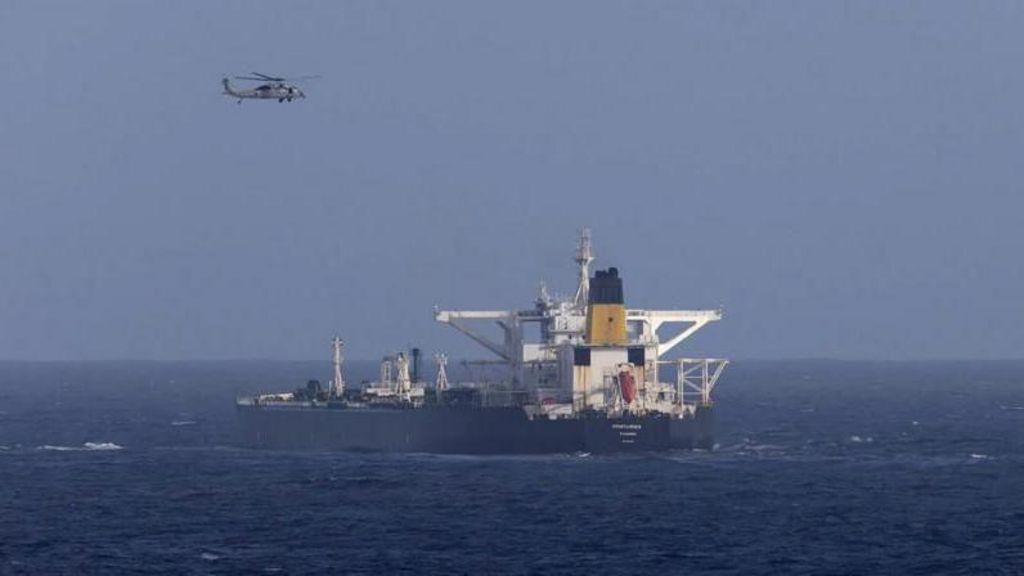
    The United States Coast Guard initiated an active pursuit of another oil tanker in international waters near Venezuela on Sunday, marking the latest escalation in a series of maritime confrontations between the two nations. This development follows Saturday’s seizure of a Panamanian-flagged vessel by U.S. authorities—the second such intervention this month—as part of Washington’s intensified enforcement of sanctions against Venezuela’s state oil company PDVSA.

    According to U.S. officials speaking to CBS News, the targeted vessel represents a ‘sanctioned dark fleet vessel’ engaged in Venezuela’s ‘illegal sanctions evasion’ operations, allegedly flying false flags while under judicial seizure orders. The Trump administration has justified these actions by accusing Venezuela of utilizing oil revenues to fund drug-related criminal activities, though no public evidence has been provided regarding alleged drug smuggling operations.

    Venezuela’s government, presiding over the world’s largest proven oil reserves, has vehemently denounced these interdictions as ‘theft and kidnapping’ of national resources. In response to Saturday’s incident, Caracas announced intentions to file formal complaints with the UN Security Council and various multilateral agencies, warning that ‘these acts will not go unpunished.’

    Maritime monitoring data from TankerTrackers.com reveals the scale of this confrontation: as of last week, more than 30 of the 80 ships in Venezuelan waters or approaching the country were under U.S. sanctions. The vessel seized on Saturday, while not explicitly listed on the U.S. Treasury’s sanctioned vessels list, was reportedly carrying ‘sanctioned PDVSA oil’ and had previously sailed under Greek and Liberian flags according to shipping records reviewed by BBC Verify.

    This maritime crisis unfolds alongside increased U.S. military presence in the Caribbean Sea, where American forces have conducted deadly strikes on alleged Venezuelan drug-smuggling boats resulting in approximately 100 casualties. These military actions face growing congressional scrutiny due to the absence of publicly disclosed evidence connecting targeted vessels to drug trafficking.

    The Trump administration has further escalated tensions by accusing Venezuelan President Nicolás Maduro of leading a designated terrorist organization called Cartel de los Soles—an allegation Maduro consistently denies. With Venezuela’s government heavily dependent on oil export revenues for public financing, these maritime interdictions strike at the core of the nation’s economic stability amid ongoing political and humanitarian crises.

  • At least 13 photos removed from justice department Epstein files website

    At least 13 photos removed from justice department Epstein files website

    The U.S. Department of Justice (DOJ) has temporarily removed several images from the recently released Jeffrey Epstein case files, triggering political scrutiny and raising questions about transparency. Deputy Attorney General Todd Blanche confirmed on Sunday that at least 13 files had been taken down from the official DOJ website, including one photograph featuring former President Donald Trump.

    The removal decision followed concerns raised by victims’ rights groups regarding unredacted images of women appearing alongside public figures. Blanche emphasized that the temporary withdrawal was strictly related to victim protection protocols rather than political considerations. ‘The suggestion that the photo was removed due to President Trump is laughable,’ Blanche told NBC News. ‘There are dozens of photos of President Trump already released to the public with Mr. Epstein.’

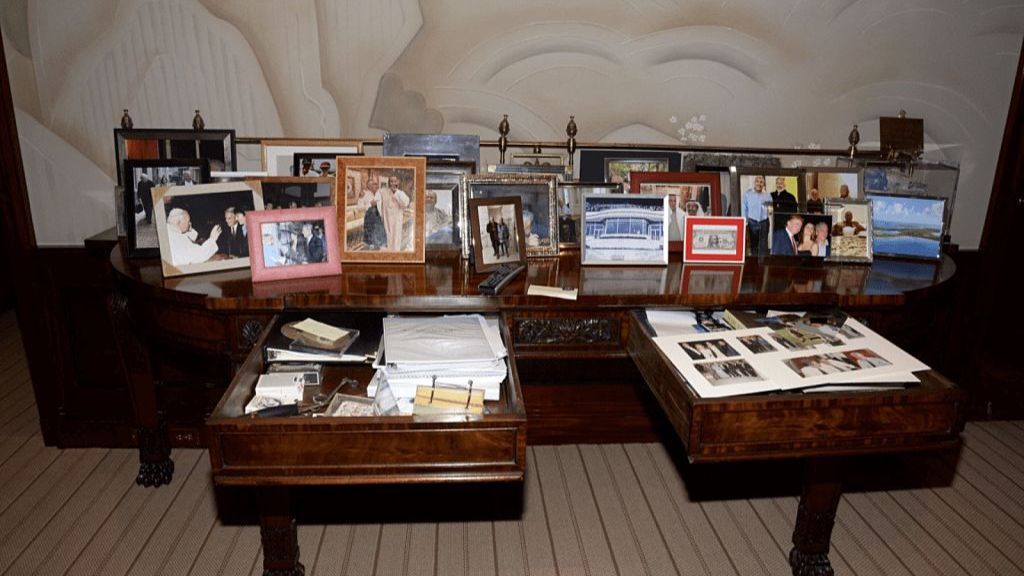
    Among the removed materials was an image showing Epstein’s credenza desk with an open drawer containing multiple photographs, including one depicting Trump, Epstein, First Lady Melania Trump, and convicted associate Ghislaine Maxwell. Other removed files displayed images of a massage parlor with nude artwork and photographs on the walls, where some women’s faces remained visible despite redaction attempts.

    The DOJ stated on social media platform X that the Trump-inclusive image was flagged by the Southern District of New York ‘for potential further action to protect victims’ and was removed ‘out of an abundance of caution.’ After review, the department determined no Epstein victims were depicted and restored the image without alterations by Sunday morning.

    The document release itself has faced criticism for missing Friday’s legal deadline and containing heavy redactions. Congressman Thomas Massie (R-KY), who led the push for disclosure, expressed frustration with the administration’s response and announced plans to draft inherent contempt charges against Attorney General Pam Bondi. Meanwhile, Democrats on the House Oversight Committee questioned the removals publicly, posting on social media: ‘What else is being covered up? We need transparency for the American public.’

    The newly released files, mandated by congressional action, excluded materials depicting child sexual abuse, physical abuse, active investigation details, and classified documents. Notably absent were internal DOJ memos regarding charging decisions, leaving limited new information about Epstein’s crimes despite the highly anticipated disclosure.

  • Egypt lifts travel ban on activist Alaa Abd el-Fattah

    Egypt lifts travel ban on activist Alaa Abd el-Fattah

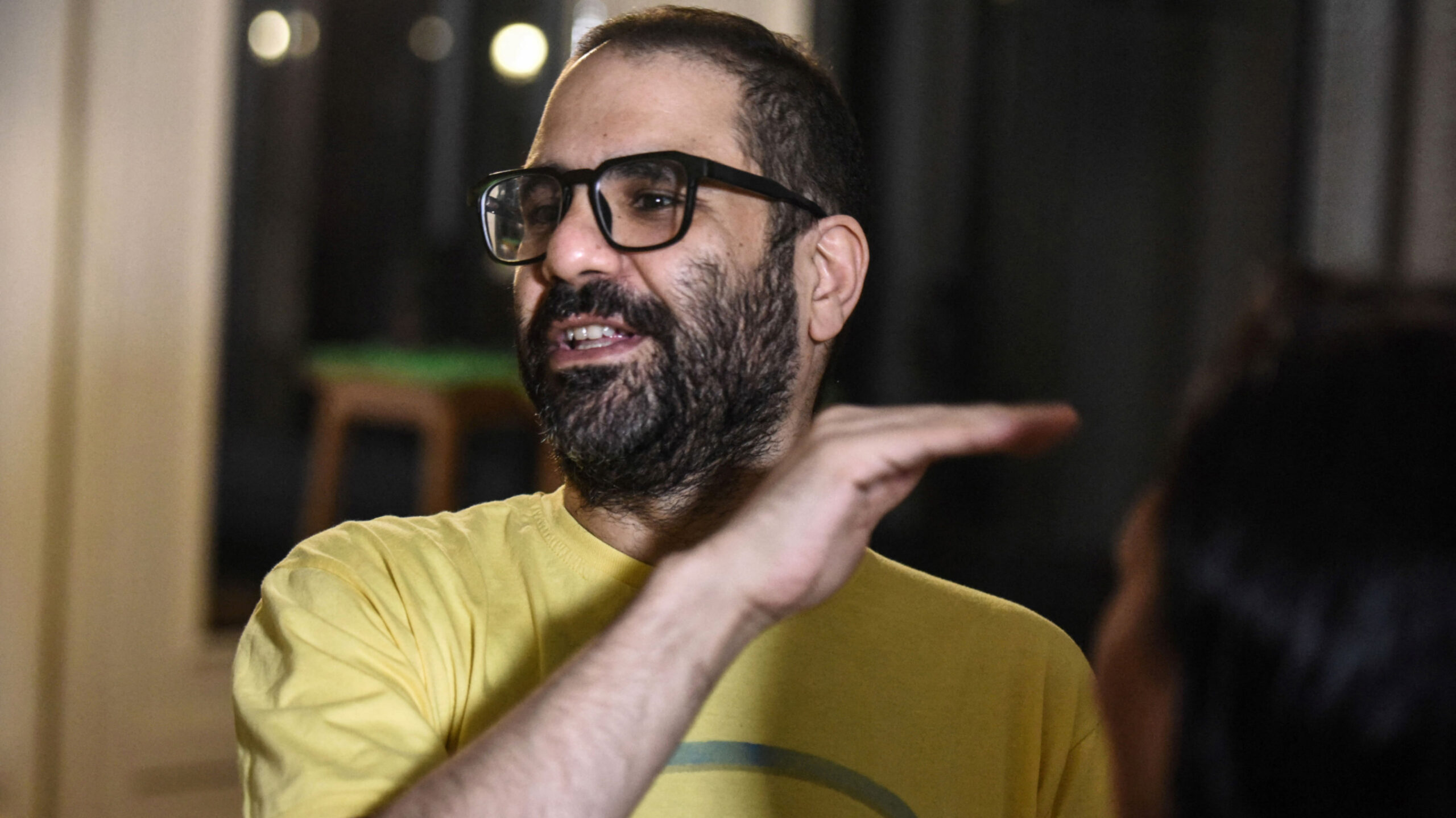
    Egyptian authorities have officially removed travel restrictions against prominent Egyptian-British political activist Alaa Abd el-Fattah, enabling his international movement following years of imprisonment. The development occurred after his legal representative, Khaled Ali, formally petitioned for the ban’s revocation.

    This decision follows President Abdel Fattah el-Sisi’s September 22 presidential pardon that secured Abd el-Fattah’s release from Wadi el-Natrun prison, a facility notorious for housing political detainees. The activist had endured nearly ten years of incarceration across multiple sentences.

    The 43-year-old dissident rose to prominence as a symbolic figure during the 2011 Arab Spring revolution that reshaped Egypt’s political landscape. His imprisonment commenced following the 2013 military coup that brought President el-Sisi to power.

    Despite the presidential pardon, Egyptian border officials previously prevented Abd el-Fattah from departing Cairo International Airport last month as he attempted to travel to Britain. The activist had been scheduled to accept the 2025 Courage Under Fire award at the Magnitsky Human Rights Awards ceremony in London.

    Abd el-Fattah’s history of opposition spans two decades, beginning in the early 2000s when Egyptian activists pioneered digital dissent through social media platforms. His legal troubles intensified in 2014 when he received a 15-year sentence for organizing unauthorized protests, later reduced to five years upon appeal.

    Following his 2019 release, Abd el-Fattah remained under state supervision until his re-arrest later that year on charges of disseminating false information—a common accusation against government critics in Egypt. He received an additional five-year sentence for these allegations.

    Two months prior to his release, a Cairo criminal court formally removed Abd el-Fattah from Egypt’s terrorism watchlist after investigations concluded he maintained no connections to the banned Muslim Brotherhood organization.

    This case occurs against the backdrop of Egypt’s extensive political detention system, where human rights organizations estimate over 60,000 political prisoners remain incarcerated under deteriorating conditions. According to Freedom House’s 2025 global index, Egypt ranks 18th among 100 nations evaluated for political rights and civil liberties, with higher numerical rankings indicating greater restrictions on freedom.

    Human Rights Watch has consistently characterized Egypt’s governance approach as employing “wholesale repression” that systematically detains and penalizes peaceful activists while effectively criminalizing dissent. The organization’s latest world report documented thousands of detainees held in prolonged pretrial detention or serving sentences from unjust judicial proceedings.

  • France will build a new aircraft carrier as it increases defense spending

    France will build a new aircraft carrier as it increases defense spending

    French President Emmanuel Macron has unveiled ambitious plans for a next-generation nuclear aircraft carrier during his address to French troops stationed in Abu Dhabi on Sunday. The monumental defense project represents France’s strategic response to evolving global security challenges and reinforces its commitment to maritime superiority.

    The new vessel, scheduled for completion by 2038, will serve as the replacement for France’s current flagship, the Charles de Gaulle aircraft carrier that entered service in 2001. With specifications showcasing significant technological advancement, the future carrier will displace approximately 78,000 tons and extend 310 meters (1,017 feet) in length—marking a substantial increase from the Charles de Gaulle’s 42,000-ton displacement and 261-meter frame.

    While the French carrier will remain smaller than the United States’ USS Gerald Ford—the world’s largest warship at over 100,000 tons—it will maintain France’s distinctive nuclear propulsion capability and deploy advanced Rafale M fighter jets. The vessel is designed to accommodate up to 30 aircraft and support a crew of 2,000 personnel, enabling extended operational deployments with enhanced combat readiness.

    President Macron characterized the initiative as ‘the display of our nation’s power in the service of freedom on the seas,’ emphasizing that ‘in an age of predators, we must be strong in order to be feared, and especially strong at sea.’ The project aligns with France’s broader military modernization strategy, which includes increasing defense spending to 64 billion euros by 2027—doubling the budget from Macron’s initial term in 2017.

    The defense ministry confirms the carrier will provide rapid response capabilities for heavily armed, long-range missions with minimal preparation time. Economically, the program is expected to benefit hundreds of suppliers, predominantly small- and medium-sized enterprises, with Macron personally committing to oversee industrial partnerships during a scheduled shipyard visit in February.

    Financial projections from former Defense Minister Sébastien Lecornu (now Prime Minister) estimated the project cost at approximately 10 billion euros ($11.7 billion). This investment occurs alongside Macron’s announcement of an additional 6.5 billion euros ($7.6 billion) in military expenditures over the next two years, reinforcing France’s position as the European Union’s second-largest military force behind Poland.

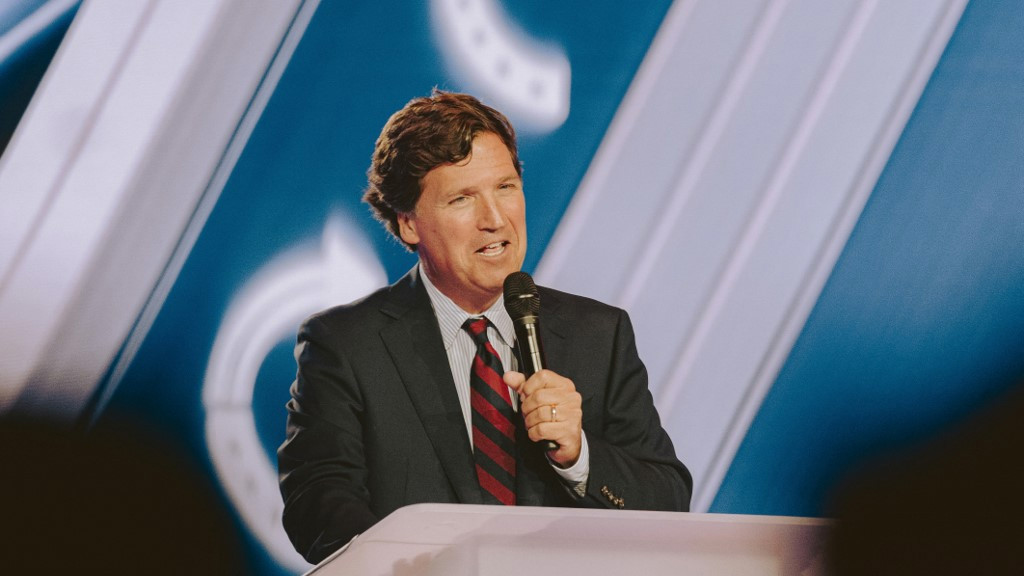
  • Tucker Carlson and Steve Bannon blast ‘Israel First’ at fractious Maga conference

    Tucker Carlson and Steve Bannon blast ‘Israel First’ at fractious Maga conference

    A prominent conservative convention in the United States has erupted in internal conflict as leading figures within the Make America Great Again movement clash sharply over American foreign policy toward Israel.

    The Turning Point USA organization is currently hosting its America Fest event, marking its first major assembly since the passing of founder Charlie Kirk earlier this year. The gathering has become a stage for increasingly public divisions among right-wing commentators regarding the extent of U.S. support for Israel.

    During his address, conservative commentator Ben Shapiro launched a vehement attack against former Fox News host Tucker Carlson for his recent interview with right-wing influencer Nick Fuentes. Shapiro characterized Fuentes as ‘a Hitler apologist, Nazi-loving, anti-American piece of refuse’ and condemned Carlson’s decision to platform him as ‘an act of moral imbecility.’

    Carlson responded forcefully in his own speech, criticizing what he described as attempts to suppress legitimate criticism of Israel. ‘Most Americans have more in common with each other than they disagree on,’ Carlson asserted. ‘And almost everybody agrees on that. And almost everybody is willing to tolerate a good-faith argument about how to get there.’

    The former television host directly challenged Israel’s military actions, stating: ‘If a man commits a crime, do we kill his kids? I don’t care if it’s in Minneapolis or Gaza City. No, we don’t.’ He further emphasized that ‘God is not on any country’s side’ and condemned anti-Muslim bigotry as ‘disgusting.’

    Adding to the controversy, former White House strategist Steve Bannon declared that the late Charlie Kirk had opposed ‘this concept of greater Israel and Israel first.’ Bannon launched his own attack against Shapiro, describing him as ‘like a cancer, and that cancer spreads.’ In remarks that drew cheers from the audience, Bannon controversially claimed that ‘the number one enemy to the people in Israel are American Jews that do not support Israel and do not support Maga.’

    Broadcaster Megan Kelly observed that ‘there was a rift within the Maga movement even before we lost Charlie… and it revolves around Israel,’ indicating these divisions predate the current conflict.

    The event also featured political endorsements, with Charlie Kirk’s widow Erica Kirk, now leading Turning Point USA, publicly supporting US Vice President JD Vance for a potential 2028 presidential run.

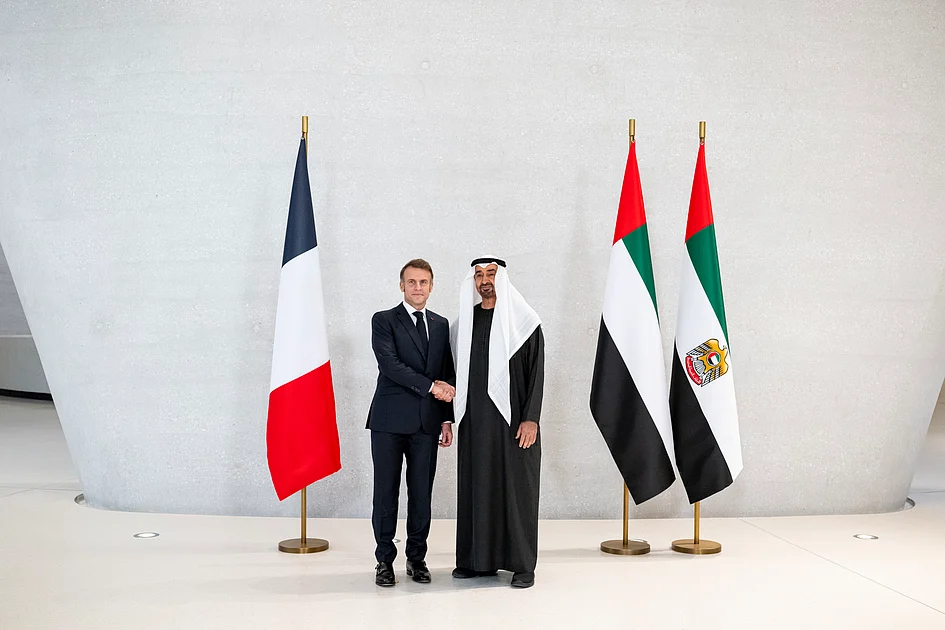
  • Look: UAE President receives French counterpart in Zayed National Museum for working visit

    Look: UAE President receives French counterpart in Zayed National Museum for working visit

    In a significant diplomatic engagement, UAE President Sheikh Mohamed bin Zayed Al Nahyan welcomed French President Emmanuel Macron to the Zayed National Museum in Abu Dhabi on Sunday for a comprehensive working visit. The meeting marked a strengthening of bilateral relations between the two nations, with both leaders exchanging New Year greetings and expressing mutual wishes for continued progress and prosperity.

    The high-level discussions focused on enhancing the historical and strategic partnership between the UAE and France, with particular emphasis on expanding cooperation across multiple sectors. Key areas of mutual interest included economic development, investment opportunities, cultural exchange, renewable energy initiatives, advanced technology integration, artificial intelligence development, and sustainability projects. These collaborative efforts align with both countries’ shared vision for long-term development and prosperity.

    The diplomatic gathering was attended by prominent UAE officials including Sheikh Khaled bin Mohamed bin Zayed Al Nahyan, Crown Prince of Abu Dhabi; Sheikh Abdullah bin Zayed Al Nahyan, Deputy Prime Minister and Minister of Foreign Affairs; and Sheikh Hamdan bin Mohamed bin Zayed Al Nahyan, Deputy Chairman of the Presidential Court for Special Affairs. The French delegation included multiple ministers and senior officials, reflecting the importance both nations place on this strategic partnership.

    President Sheikh Mohamed hosted an official luncheon in honor of President Macron and his accompanying delegation, following the productive working discussions. Macron’s arrival earlier in the day at the Presidential Flight in Abu Dhabi was formally received by Sheikh Khaled bin Mohamed bin Zayed Al Nahyan alongside several senior UAE officials, demonstrating the high protocol extended to the visiting French leader.

  • Vice-chairman of CPPCC Jiangxi Provincial Committee placed under investigation

    Vice-chairman of CPPCC Jiangxi Provincial Committee placed under investigation

    The Central Commission for Discipline Inspection (CCDI) and National Supervisory Commission announced on Sunday the initiation of a disciplinary probe into Yin Jianye, Vice-Chairman of the Chinese People’s Political Consultative Conference (CPPCC) Jiangxi Provincial Committee. The investigation concerns alleged serious violations of Party discipline and laws, marking another high-profile case in China’s ongoing anti-corruption campaign.

    Yin Jianye, 62, a member of the Bai ethnic group and native of Yunnan province, has maintained a long political career since joining the Communist Party of China in 1985. His professional journey began in 1986, culminating in his transfer to Jiangxi province in October 2015 after extensive service in Yunnan.

    During his tenure in Yunnan, Yin held several significant positions including Director of the Provincial Audit Department, Party Chief of Dali Bai Autonomous Prefecture, and Vice Governor of Yunnan. Following his relocation to Jiangxi, he ascended through provincial leadership roles serving as Vice Governor, Member of the Standing Committee of the CPC Jiangxi Provincial Committee, and Head of the Commission for Political and Legal Affairs. He assumed his current position as CPPCC Vice-Chairman in 2022.

    This investigation continues a pattern of disciplinary actions against senior Jiangxi political figures. In June 2025, former CPPCC Jiangxi Vice-Chairman Hu Youtao faced similar scrutiny, resulting in his expulsion from the Party by December of that year, with his bribery case subsequently transferred to judicial authorities.

    Another former vice-chairman, Hu Qiang, underwent investigation in February 2024, leading to his expulsion from the Party in August that year. By September 2025, he received a 13-year prison sentence for bribery in his first trial, demonstrating the serious consequences for such violations.