分类: politics

  • Top political advisor meets Chinese Buddhist delegates

    Top political advisor meets Chinese Buddhist delegates

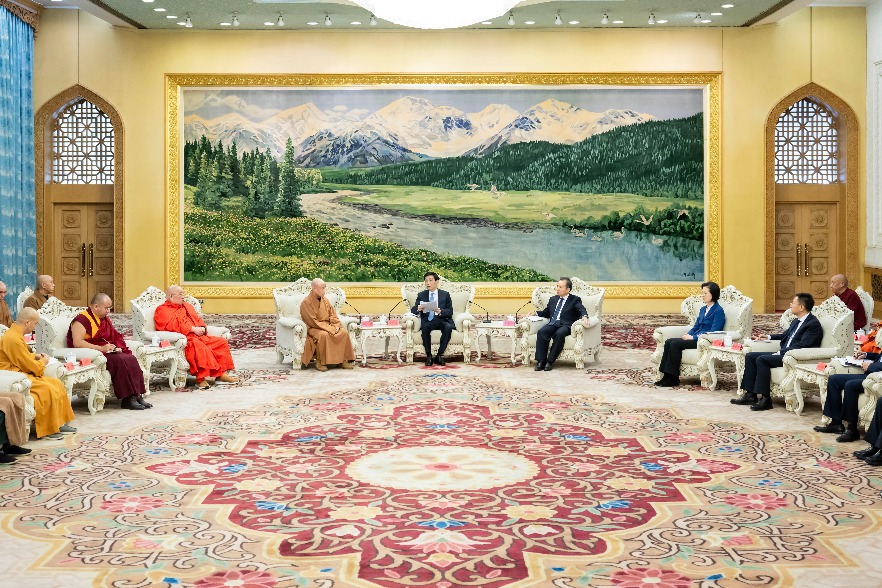
    BEIJING – Wang Huning, Chairman of the Chinese People’s Political Consultative Conference (CPPCC) National Committee, convened with delegates from the Buddhist Association of China during their 11th national congress in Beijing this week. The high-level meeting emphasized the strategic alignment of religious practices with national development objectives.

    As a senior member of the Communist Party of China Central Committee’s Political Bureau Standing Committee, Wang articulated the necessity of implementing the Party’s fundamental religious policies. He called upon Buddhist leaders and adherents to actively contribute to China’s comprehensive modernization initiatives, highlighting the role of religious communities in national progress.

    Wang directed the association to strengthen internal governance through rigorous oversight and enhanced legal awareness. He emphasized the imperative for clerical personnel to maintain strict adherence to both national laws and traditional monastic disciplines, ensuring proper faith practices and conduct.

    The political advisor further encouraged the Buddhist community to develop talent well-versed in both religious teachings and China’s rich cultural heritage. He advocated for expanded international exchanges on Buddhist matters, promoting cultural diplomacy through religious channels.

    The congress itself marked a significant organizational milestone, featuring the adoption of revised constitutional documents and updated religious regulations. Delegates elected a new leadership team to guide the association’s activities in coming years, signaling a fresh chapter for organized Buddhism in China.


  • Southern California newspapers call Trump’s trade policies ‘disaster’

    Southern California newspapers call Trump’s trade policies ‘disaster’

    In a scathing editorial published Sunday, the Southern California News Group (SCNG) characterized former President Donald Trump’s trade policies as economically disastrous, citing his administration’s $12 billion agricultural bailout as evidence of fundamental policy failure.

    The editorial board’s piece, titled “$12 billion payout to farmers is a tariff-based disaster,” presented a rigorous critique of protectionist trade measures, arguing they function as hidden taxes on American consumers. The analysis challenged the rationale behind the substantial financial relief package for farmers, framing it as an admission that tariff wars inevitably harm domestic industries.

    Citing economic expert Jay Shambaugh of the Brookings Institution, the editorial warned that such trade conflicts would inflict multidimensional damage—harming consumers, undermining productive enterprises, slowing economic growth, and weakening international relationships. The piece particularly emphasized how previously stable agricultural exports, especially soybeans and other row crops, faced sudden market disruption due to retaliatory tariffs from trading partners.

    The criticism extended beyond crop growers to agricultural machinery manufacturers, noting that industry giant John Deere anticipated $600 million in losses for 2025 directly attributable to tariff policies. This comprehensive assessment portrayed the bailout as an inadequate solution to problems created by the administration’s own trade strategy.

    The Southern California News Group, representing 11 daily publications across five counties in the greater Los Angeles region, positioned its editorial as a substantive challenge to protectionist economic theory in an era of globalized commerce.

  • Court orders release of prominent Turkish journalist from prison pending appeal

    Court orders release of prominent Turkish journalist from prison pending appeal

    A Turkish appellate court has mandated the provisional release of prominent journalist Fatih Altayli while his appeal against a conviction for allegedly threatening President Recep Tayyip Erdogan undergoes judicial review. The 63-year-old columnist, whose YouTube commentary programs attracted substantial daily viewership, had been incarcerated since June following his sentencing to four years and two months imprisonment last month.

    The regional appeals court justified its decision by citing three primary factors: the absence of flight risk concerns, the complete collection of evidentiary materials, and the duration Altayli had already served in detention. This development was formally reported by Turkey’s state-operated Anadolu Agency.

    The case originated from Altayli’s remarks during his program ‘Fatih Altayli Comments,’ where he analyzed survey results indicating over 70% public opposition to Erdogan’s potential lifetime presidency. The journalist expressed unsurprise at these findings, contextualizing them within historical patterns of Turkish resistance to prolonged authority. He referenced historical precedents where Ottoman sultans faced assassination, strangulation, or suspicious deaths when public favor waned.

    Altayli has consistently maintained that his commentary constituted political analysis rather than personal threats against the president. During his detention, he continued disseminating perspectives through legal correspondence channels before ultimately suspending his program.

    This case occurs against the backdrop of Turkey’s media landscape transformation, where numerous independent journalists have migrated to digital platforms like YouTube as traditional media outlets face increasing government influence or state control. The situation highlights ongoing tensions between press freedom and governmental authority in contemporary Turkey.

  • China-Cambodia-Thailand foreign ministers’ meeting held, press communique issued

    China-Cambodia-Thailand foreign ministers’ meeting held, press communique issued

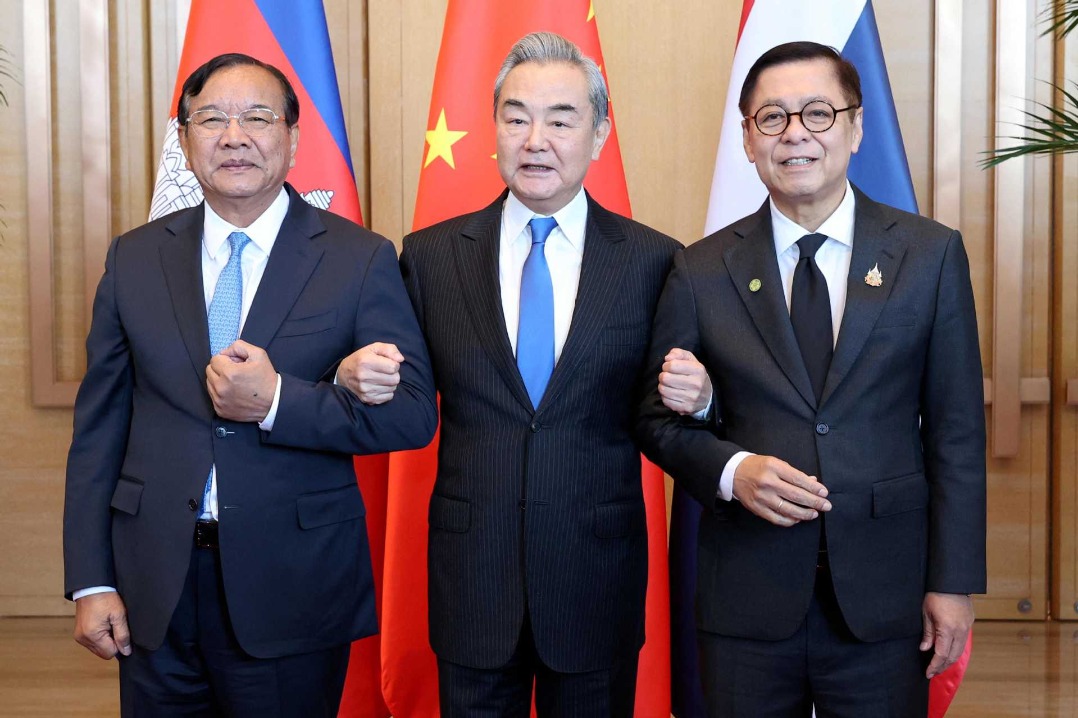
    In a significant diplomatic development, the foreign ministers of China, Cambodia, and Thailand convened in Yuxi, Yunnan province on December 29, 2025, marking a crucial step toward regional stabilization. The trilateral meeting, hosted by Chinese Foreign Minister Wang Yi, resulted in a comprehensive press communique outlining a five-point roadmap for conflict resolution between Cambodia and Thailand.

    The joint communique establishes a clear framework for the neighboring nations to enhance communication channels, deepen mutual understanding, and systematically consolidate the current ceasefire arrangement. The agreement specifically addresses the gradual restoration of bilateral exchanges, the rebuilding of political trust, and ultimately achieving a fundamental turnaround in diplomatic relations.

    This diplomatic breakthrough follows the recent signing of a joint ceasefire statement between Cambodia and Thailand, with both nations’ delegations meeting in China’s Yunnan province from December 28-29 at Wang Yi’s invitation. The successful mediation effort underscores China’s growing role as a regional peace broker and demonstrates Beijing’s commitment to fostering stability in Southeast Asia.

    The meeting in Yuxi represents a concrete implementation of China’s broader foreign policy approach that emphasizes dialogue and consultation in resolving international disputes. The participation of all three foreign ministers at this high-level gathering signals strong political commitment to the peace process from each government involved.

  • Trump, Netanyahu to discuss second phase of Gaza truce plan

    Trump, Netanyahu to discuss second phase of Gaza truce plan

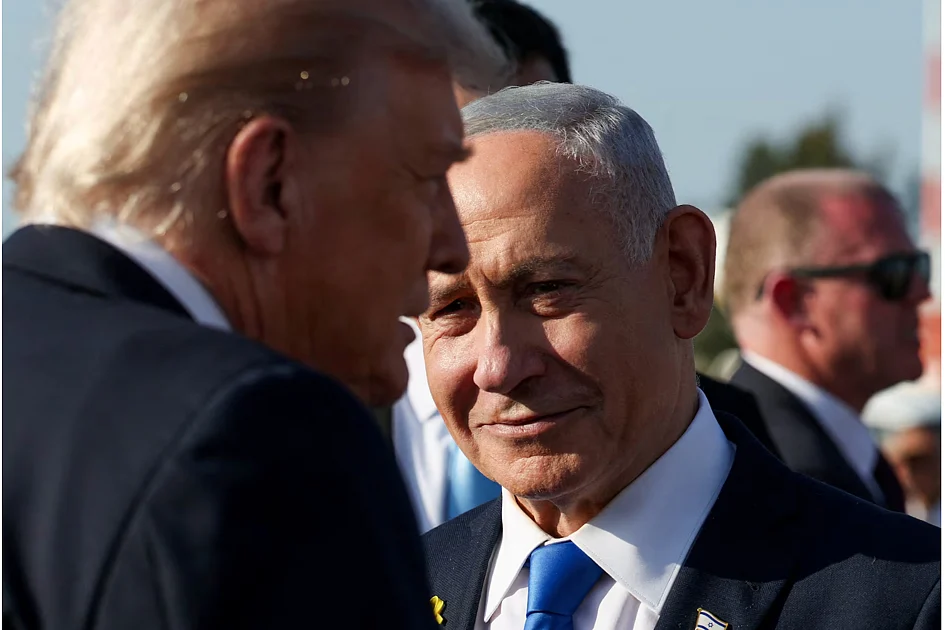
    Israeli Prime Minister Benjamin Netanyahu and U.S. President Donald Trump are scheduled for a high-stakes meeting at the Mar-a-Lago resort in Florida on Monday, December 29th, to address the implementation challenges of the second phase of the Gaza ceasefire agreement. This diplomatic engagement occurs amid growing White House concerns that both Israeli and Hamas authorities are deliberately delaying progress.

    The Trump administration is reportedly preparing to announce by January the establishment of a technocratic Palestinian government to oversee Gaza, accompanied by an international stabilization force. This initiative aims to create transitional governance structures while ensuring regional security. Israeli government spokeswoman Shosh Bedrosian confirmed that discussions would focus on Hamas disarmament and Gaza demilitarization requirements.

    Netanyahu’s agenda extends beyond Gaza, with plans to address Iran’s nuclear program and regional influence. The Israeli leader intends to advocate for increased U.S. military strikes against Tehran’s nuclear facilities, highlighting concerns about Iran’s accelerated nuclear reconstitution since June’s joint strikes.

    This meeting concludes several days of intensive diplomacy in Palm Beach, following Trump’s Sunday discussions with Ukrainian President Volodymyr Zelensky regarding Russia’s ongoing invasion. The Gaza ceasefire remains one of the Trump administration’s significant first-year accomplishments, though implementation has encountered substantial obstacles.

    According to Middle East expert Yossi Mekelberg of Chatham House, ‘There are increasing indications of American administration frustration with Netanyahu. The fundamental question remains what actionable measures will be taken, as the second phase currently shows minimal progress.’

    The initial truce phase successfully secured the release of nearly all hostages from Hamas’s October 2023 attack, while the subsequent stage requires Israeli troop withdrawals from Gaza positions and Hamas’s complete disarmament—a persistent negotiation hurdle. Concurrently, plans advance for an interim governance authority and international security deployment.

    Political analysts suggest Netanyahu’s emphasis on Iran may represent a strategic diversion from Gaza challenges as Israel approaches election season, with Mekelberg noting ‘all decisions connect to maintaining political power.’

  • PLA drills around Taiwan a necessary response, expert says

    PLA drills around Taiwan a necessary response, expert says

    In a significant escalation of regional tensions, the People’s Liberation Army has initiated comprehensive military exercises surrounding Taiwan, which Chinese military experts characterize as an essential countermeasure to recent US-Taiwan defense collaborations. The drills come as a direct response to Washington’s unprecedented approval of over $11.1 billion in advanced weaponry to Taiwan, marking the largest arms package in the history of US-Taiwan relations.

    Fu Zhengnan, a prominent researcher at the PLA’s Academy of Military Science, emphasized that the latest American arms transfer represents a substantial escalation in both scale and strategic nature. The package notably shifts from previous defensive systems to explicitly offensive capabilities, fundamentally altering the regional security landscape.

    This development, according to Fu, constitutes a severe violation of the foundational principles established in the three China-US joint communiques, particularly the August 17 Communique. The inclusion of integrated systems such as the Taiwan Tactical Network and Team Awareness Kit effectively transforms Taiwan’s regional forces into an extension of the US combat infrastructure, dramatically increasing the potential for direct confrontation between major powers.

    Despite repeated diplomatic warnings from Beijing, the continued US-Taiwan military collaboration has compelled China to undertake these necessary and lawful defensive measures. Fu underscored that protecting national sovereignty and territorial integrity represents the unanimous will of China’s 1.4 billion citizens, including patriotic compatriots in Taiwan.

    The military scholar concluded with a stark warning to separatist elements, stating that regardless of external support, acquired weaponry, or political disguises, the pursuit of Taiwan independence remains fundamentally doomed to failure.

  • Nepal’s former rapper to run for PM months after Gen Z protests against corruption

    Nepal’s former rapper to run for PM months after Gen Z protests against corruption

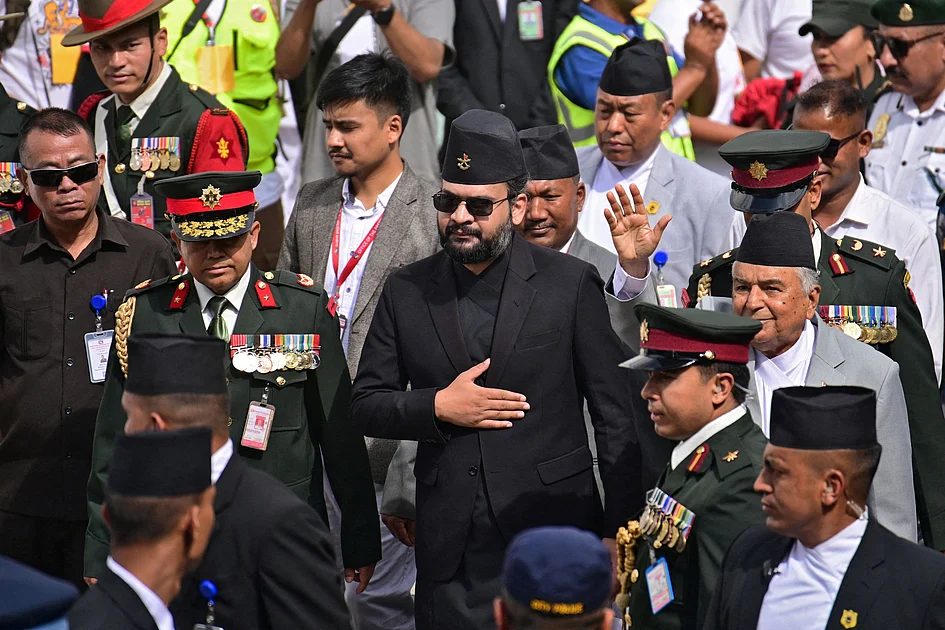
    In a dramatic shift within Nepal’s political landscape, two prominent youth-oriented figures have formed a strategic alliance that threatens to disrupt the country’s established political order. Balendra Shah, the 35-year-old rapper-turned-Mayor of Kathmandu popularly known as Balen, has officially joined the Rastriya Swatantra Party (RSP), led by former television host Rabi Lamichhane.

    The partnership, announced Sunday, positions Balen as the prime ministerial candidate should the RSP secure victory in the upcoming March 5 parliamentary elections, while Lamichhane will maintain his role as party chairman. This development comes just months after widespread youth-led protests against systemic corruption resulted in 77 fatalities and ultimately forced Prime Minister K.P. Sharma Oli to resign in September.

    Political analysts view this alliance as a calculated maneuver that capitalizes on the growing discontent among Nepal’s younger generation. ‘This represents an exceptionally astute strategic move by the RSP to incorporate Balen and his substantial youth following into their political framework,’ noted analyst Bipin Adhikari. ‘Traditional political parties are experiencing significant anxiety about losing their young voter base to the RSP.’

    The election commission reports that approximately 19 million of Nepal’s 30 million citizens are eligible to participate in the March elections, with nearly one million new voters—predominantly youth—added to the rolls following the recent protests. Balen emerged as an unofficial leader during the September demonstrations and subsequently played a role in establishing the interim government under former Chief Justice Sushila Karki to supervise the electoral process.

    This new political force now presents a substantial challenge to the Communist Party of Nepal (Unified Marxist-Leninist) and the centrist Nepali Congress party, which have dominated the Himalayan nation’s governance for most of the past three decades.

  • UK opposition leaders demand human rights activist be stripped of citizenship for past tweets

    UK opposition leaders demand human rights activist be stripped of citizenship for past tweets

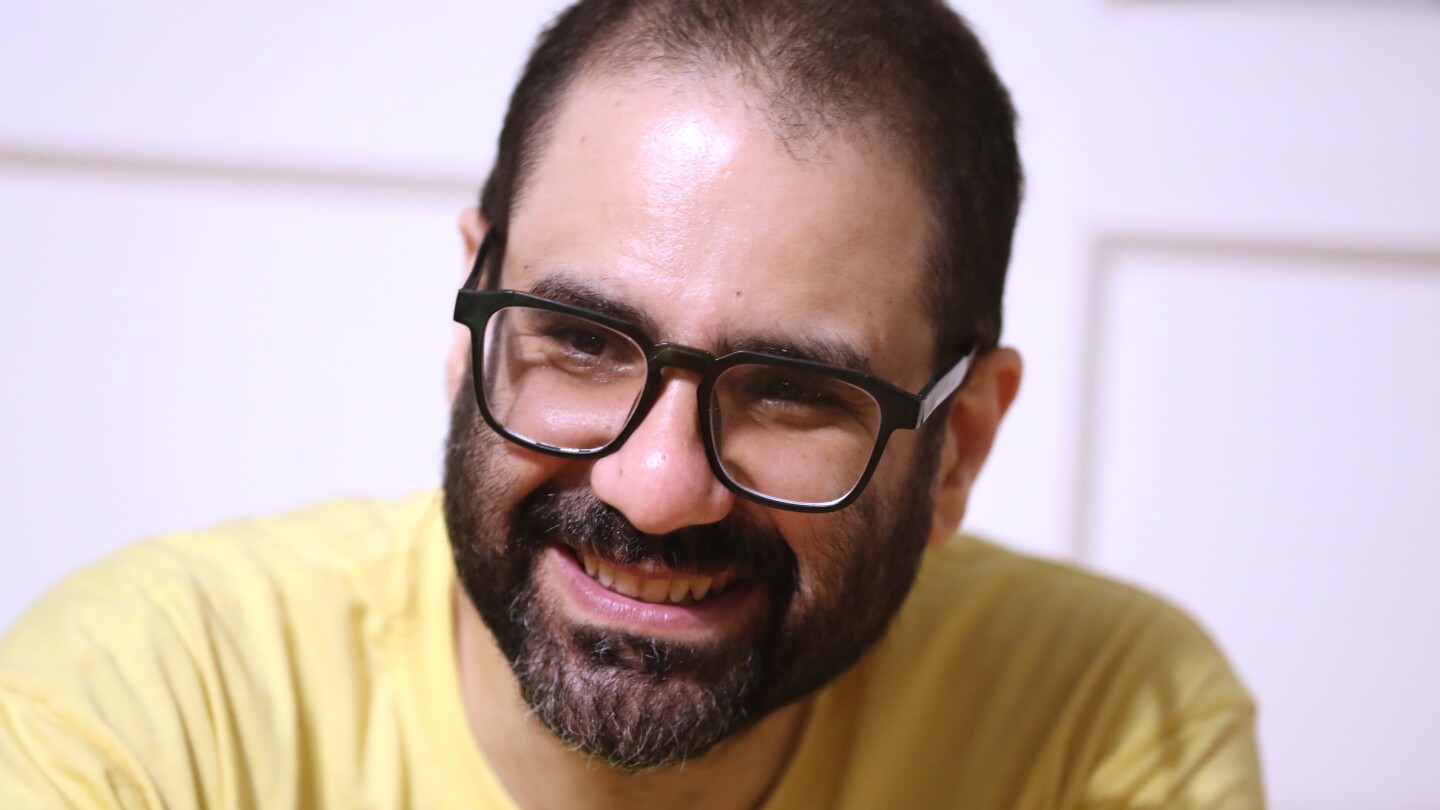
    LONDON — British political leaders have ignited a fierce controversy by demanding the revocation of citizenship and deportation of Egyptian-British human rights activist Alaa Abd el-Fattah, following the resurfacing of social media posts from over a decade ago containing allegedly violent and antisemitic language. The demands emerged just days after the activist returned to the United Kingdom following years of imprisonment in Egypt.

    Conservative Party leader Kemi Badenoch and Reform Party leader Nigel Farage have spearheaded the campaign against Abd el-Fattah, citing historical tweets from approximately twelve years ago in which the activist allegedly endorsed violence against ‘Zionists’ and law enforcement personnel. Badenoch characterized the posts as ‘disgusting and abhorrent’ in a commentary published by the Daily Mail, while Farage asserted the views expressed were ‘completely opposed to our British way of life.’

    The controversy erupted after Prime Minister Keir Starmer expressed delight about Abd el-Fattah’s return and reunion with his family, triggering renewed scrutiny of the activist’s digital history. The tweets in question, originally posted during regional conflicts in Iraq, Lebanon, and Gaza, along with periods of heightened police brutality in Egypt, have been described as containing antisemitic, homophobic, and anti-British sentiments.

    Abd el-Fattah, who recently returned to Britain after Egyptian authorities lifted a travel ban that had confined him to the country since his September release, issued an extensive apology on Monday. While acknowledging the offensive nature of the posts, he maintained that some had been ‘taken out of context and misrepresented,’ characterizing them as expressions of ‘a young man’s anger and frustrations’ during tumultuous times.

    The activist’s imprisonment history includes multiple detentions by Egyptian authorities, most recently on charges of spreading false information about President Abdel Fattah el-Sisi’s government. His case has drawn international attention from human rights organizations concerned about political repression in Egypt.

    Despite Abd el-Fattah’s apology, political pressure continues to mount, with Reform Party leader Farage formally requesting Home Secretary Shabana Mahmood to review the activist’s immigration status and suitability for British citizenship.

  • Washington at odds over insurance

    Washington at odds over insurance

    A critical healthcare crisis is looming for millions of Americans as enhanced Affordable Care Act subsidies approach expiration at year’s end, exposing deep political divisions in Washington. The premium assistance measures, initially implemented as COVID-19 relief in 2021 and extended through 2025, face almost certain termination without Congressional intervention.

    Current nonpartisan estimates indicate approximately 22 million citizens—representing over 90% of ACA marketplace enrollees—benefit from these enhanced subsidies. Their expiration would trigger average premium increases of more than 100%, disproportionately affecting low-income families, small business owners, and self-employed workers who rely on marketplace coverage as their primary insurance option.

    The Kaiser Family Foundation reveals nearly half of adults under 65 enrolled in marketplace plans are either self-employed, small business owners, or employees of firms with fewer than 25 workers. This demographic now faces impossible choices as projected monthly premium hikes of $1,000-$2,000 threaten to make coverage unaffordable.

    The return of the ‘subsidy cliff’ would particularly impact households earning just above the federal poverty threshold (approximately $63,000 for individuals). Under current enhanced rules, premiums are capped at 8.5% of income, but expiration would eliminate all subsidy support for these borderline earners.

    Age compounds the challenge significantly. Cornell University health policy expert Nick Fabrizio notes that early retirees ineligible for Medicare face disproportionate burdens, with 60-year-olds potentially seeing premiums jump from 8.5% to over 20% of income.

    The political landscape offers little optimism. Despite bipartisan efforts in the House of Representatives, similar legislation has already failed in the Senate. Emma Wager, KFF senior policy analyst, states, ‘It’s virtually guaranteed at this point the subsidies will expire,’ highlighting the uncertainty of January legislative actions.

    Geographic and demographic disparities exacerbate the situation. Southern states that voted for Donald Trump in 2024 have experienced the most significant ACA enrollment growth since 2020, with larger Black and Latino populations that achieved notable coverage gains through the enhanced subsidies.

    The potential coverage loss arrives as households already struggle with inflated costs for housing, food, and energy. Small business owners like Kathy Many of Vermont express fears that being uninsured could lead to financial ruin from a single medical emergency.

    This impending crisis raises fundamental questions about the US healthcare system’s ability to provide stable, affordable coverage to the small business and self-employed sectors that form the backbone of local economies and communities.

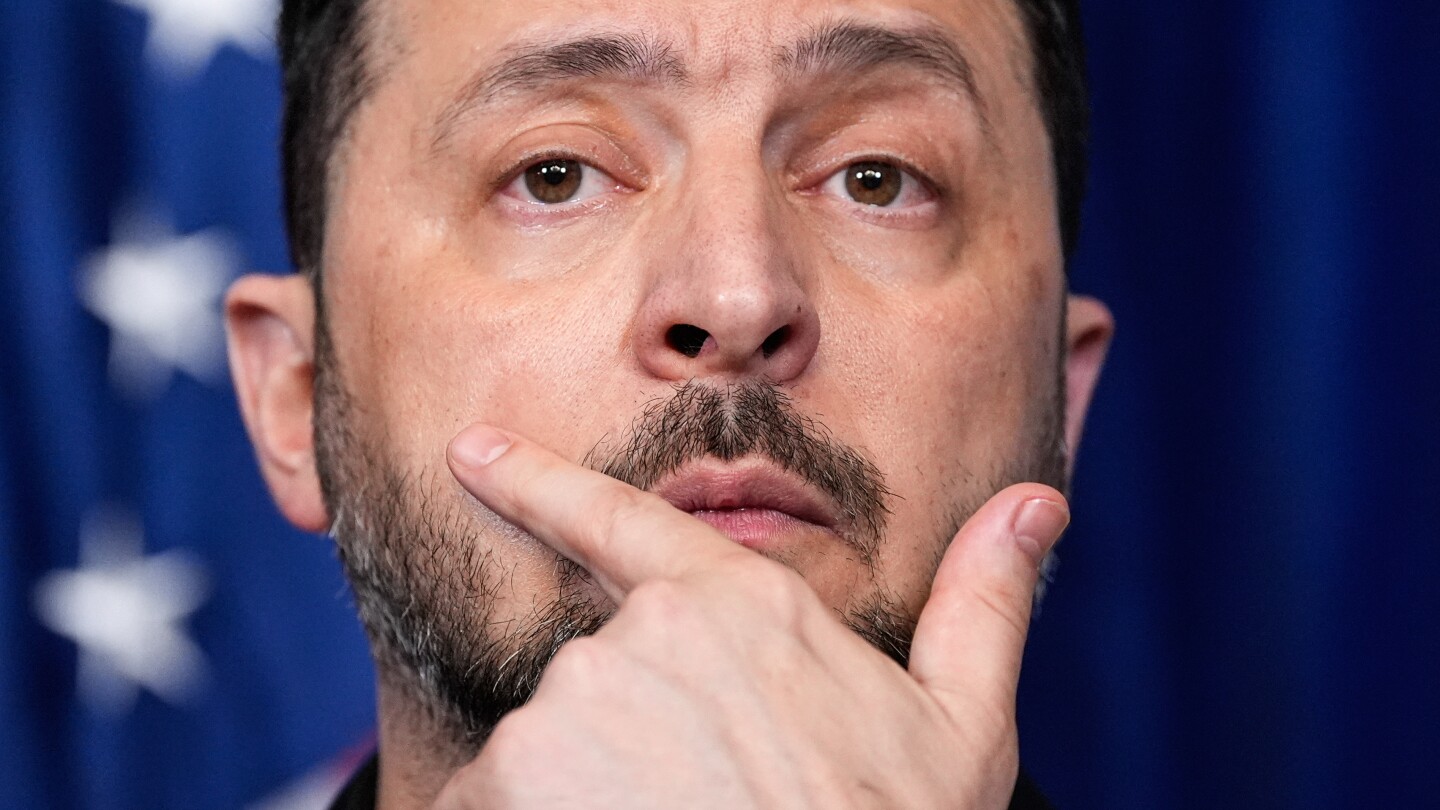
  • US offers Ukraine 15-year security guarantee as part of peace plan, Zelenskyy says

    US offers Ukraine 15-year security guarantee as part of peace plan, Zelenskyy says

    Ukrainian President Volodymyr Zelenskyy disclosed on Monday that the United States has put forward a proposition to extend security assurances to Ukraine spanning 15 years within the context of a prospective peace arrangement. Despite this development, Zelenskyy articulated a preference for a more prolonged American commitment extending up to half a century, asserting that such a long-term deterrent is essential to prevent future Russian aggression and territorial encroachment.

    The announcement follows a consequential meeting between Zelenskyy and U.S. President Donald Trump at the latter’s Florida estate on Sunday. President Trump subsequently characterized the peace negotiations as having reached an unprecedented juncture, remarking that Ukraine and Russia appear ‘closer than ever before’ to achieving a diplomatic resolution. Nonetheless, he concurrently acknowledged the fragile nature of these talks, cautioning that the U.S.-mediated discussions remain susceptible to potential collapse.

    Critical obstacles continue to impede a final agreement. Negotiators are grappling with complex issues including the delineation of military withdrawal zones and determining the future operational control of the strategically vital Zaporizhzhia nuclear facility—one of the world’s largest atomic power stations, currently under Russian occupation.

    President Zelenskyy emphasized the indispensable role of security guarantees, stating unequivocally that ‘without security guarantees, realistically, this war will not end.’ While specific details of the proposed American security package remain confidential, Zelenskyy indicated it encompasses provisions for international monitoring mechanisms and a defined ‘presence’ of partner nations. This latter element has already drawn opposition from Moscow, which has explicitly rejected the possibility of NATO troop deployments on Ukrainian soil.

    The geopolitical dimensions continue to evolve, with Kremlin spokesperson Dmitry Peskov confirming anticipated communications between Presidents Putin and Trump in the near future, while simultaneously noting no planned dialogue between the Russian and Ukrainian leaders.

    In a coordinated allied effort, French President Emmanuel Macron announced that Ukraine’s international partners will convene in Paris during early January to solidify individual national contributions to these security arrangements. Any final American guarantee would require legislative approval from the U.S. Congress, with parallel ratification processes necessary in other participating nations.

    Complicating the diplomatic landscape further, Zelenskyy revealed intentions to submit the comprehensive 20-point peace proposal for national referendum in Ukraine. However, this democratic process necessitates a minimum 60-day ceasefire—a condition currently unattainable given Moscow’s steadfast refusal to implement any truce absent a comprehensive settlement.