Poland’s Foreign Minister Radek Sikorski announced on Monday that he was summoning the Israeli ambassador following a contentious post by Yad Vashem, Israel’s Holocaust memorial institution. The post, published on X (formerly Twitter) on Sunday, stated that ‘Poland was the first country where Jews were forced to wear a distinctive yellow badge to isolate them from the surrounding population.’ Sikorski urged Yad Vashem to revise the post to clarify that the order was issued in ‘German-occupied’ Poland, emphasizing that Poland itself was not responsible for the Nazi-imposed measures. Polish officials have long opposed language that could inaccurately attribute Nazi crimes to Poland. The previous nationalist government even considered criminal penalties for those suggesting Polish complicity in Nazi atrocities. Yad Vashem’s post detailed how Hans Frank, the governor of the Generalgouvernement, ordered Jews aged 10 and above to wear armbands marked with a blue Star of David on November 23, 1939. Poland was occupied by Nazi Germany in September 1939, marking the start of World War II. During the Holocaust, six million Jews and others were killed, many in Nazi death camps located on occupied Polish soil. Beyond Sikorski, Polish Prime Minister Donald Tusk and others criticized Yad Vashem’s wording. Yad Vashem responded on social media, clarifying that the order was issued by German authorities but did not amend the original post. Sikorski’s decision to summon the Israeli ambassador underscores the sensitivity of historical narratives in Polish-Israeli relations.
分类: politics
-

Daughter of ex-South African leader Zuma is accused of luring men to fight in Russia-Ukraine war
South African authorities are investigating serious allegations against Duduzile Zuma-Sambudla, daughter of former President Jacob Zuma, for allegedly deceiving 17 men into fighting in Russia’s war with Ukraine. According to a police affidavit filed by her sister, Nkosazana Bonganini Zuma-Mncube, Zuma-Sambudla and two others allegedly lured the men under the false pretense of providing security training in Russia. The affidavit claims the men were handed over to a Russian mercenary group and forced into combat, with eight of the victims reportedly being family members of the sisters. Police spokesperson Athlenda Mathe stated that charges are pending a thorough investigation. South Africa’s Foreign Minister, Ronald Lamola, confirmed diplomatic efforts are underway to repatriate the men, who are reportedly trapped in Ukraine’s Donbas region. The government earlier revealed it had received distress calls from the men, aged 20 to 39, who were allegedly recruited under the guise of lucrative employment contracts. This case highlights broader accusations against Russia for recruiting foreign nationals, including women from South Africa and other African countries, through deceptive job offers. Under South African law, it is illegal for citizens to provide military assistance to foreign governments without authorization. Zuma-Sambudla, a member of parliament for the MK Party founded by her father, is already on trial for unrelated charges linked to the 2021 riots in South Africa. Neither she nor the MK Party responded to requests for comment.
-

Zelensky warns against giving away territory as latest Ukraine talks end
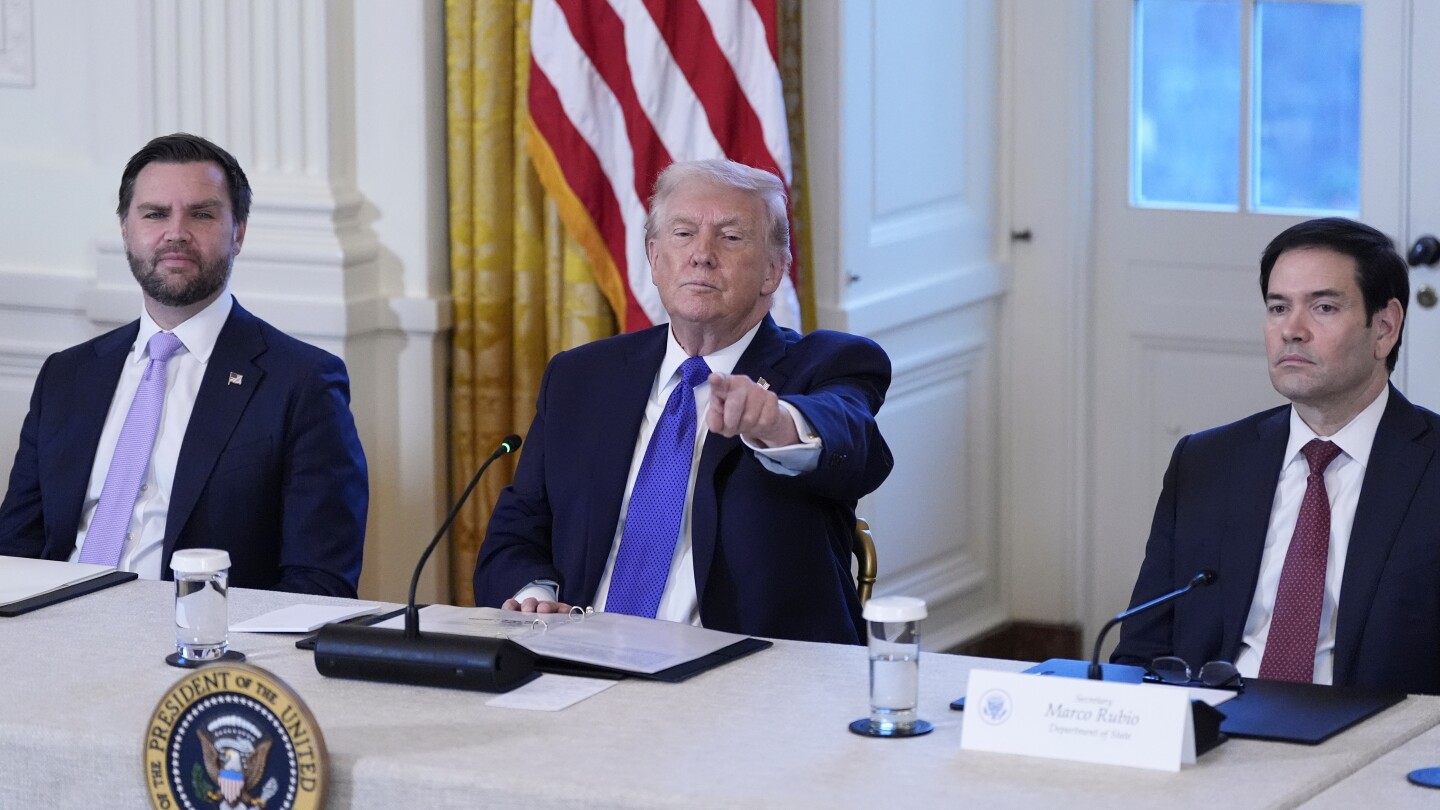
Recent negotiations in Geneva between the United States and Ukraine, aimed at ending the ongoing conflict with Russia, have concluded with both sides reporting “progress” and a commitment to continue discussions. However, significant challenges remain, particularly regarding territorial disputes and security guarantees for Ukraine. Ukrainian President Volodymyr Zelensky acknowledged the “important steps” taken but emphasized that the primary obstacle to peace talks is Russian President Vladimir Putin’s demand for legal recognition of Russian-occupied territories in eastern Ukraine. Zelensky warned that such recognition would undermine the principles of territorial integrity and sovereignty, potentially rewarding Russia for its aggression. Meanwhile, former US President Donald Trump expressed cautious optimism on social media, stating, “Something good just may be happening,” while advising skepticism until concrete results are seen. The Geneva talks did not include Russian representatives, and the Kremlin stated it had not received any information on the outcomes. Kremlin spokesman Dmitri Peskov noted that Moscow was aware of “adjustments” to a peace plan previously welcomed by Putin. The 28-point peace plan, drafted by US and Russian officials and presented to Ukraine last week, appeared to favor Moscow’s demands, causing concern in Kyiv and among European allies. Trump’s comments suggesting Ukraine had a deadline to accept the deal or face reduced US support added urgency to the discussions. US Secretary of State Marco Rubio described the talks as making “tremendous” progress, expressing confidence in reaching a resolution. However, European leaders, including Polish Prime Minister Donald Tusk and German Chancellor Friedrich Merz, remained cautious, with Merz describing the process as “lengthy” and unlikely to yield immediate breakthroughs. European nations, caught off guard by the US draft peace plan, proposed a counter-proposal excluding recognition of Russian-held territories, increasing Ukraine’s allowed army size, and leaving open the possibility of Ukraine joining NATO. Rubio claimed unawareness of this plan, while Kremlin foreign policy aide Yuri Ushakov dismissed it as “completely unconstructive.” Since Russia’s full-scale invasion of Ukraine in 2022, Moscow has demanded Ukrainian withdrawal from the Donbas region, a condition Kyiv and its European partners reject due to concerns over territorial integrity and sovereignty. Despite recent diplomatic efforts, the next steps remain unclear. Zelensky is expected to speak with Trump soon, after which a revised peace plan may be presented to Moscow. British Prime Minister Sir Keir Starmer emphasized the need for further work to achieve a “just and lasting peace” in Ukraine, with a virtual “coalition of the willing” meeting scheduled to discuss developments.
-

BBC leaders to face lawmakers’ grilling over its standards after Trump threatened to sue
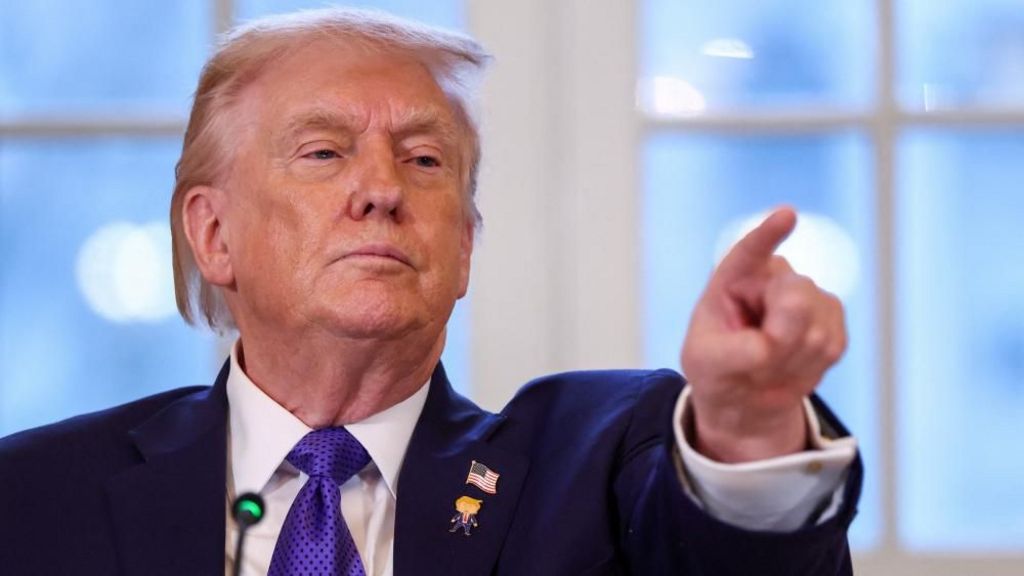
The BBC’s leadership is set to undergo intense scrutiny as its chairman, Samir Shah, along with board member Robbie Gibb and former editorial adviser Michael Prescott, face questioning from the UK Parliament’s Culture, Media and Sport Committee. This hearing comes in the wake of a controversy surrounding a misleading edit of former U.S. President Donald Trump’s speech in a BBC documentary titled ‘Trump: A Second Chance?’. The documentary, produced by a third-party company, spliced three quotes from Trump’s January 6, 2021 speech into a single statement, creating the impression that he directly incited the Capitol riot. Trump has threatened a billion-dollar lawsuit over the edit, which the BBC has apologized for but denies constitutes defamation. The broadcaster’s editorial standards have been further questioned following internal concerns raised by Prescott about alleged institutional bias in its coverage of issues like Gaza and transgender rights. The crisis has deepened with the recent resignations of the BBC’s director general and head of news, as well as board member Shumeet Banerji, citing governance issues.
-

Ex-Sichuan vice-governor expelled from Party, public office for corruption
Ye Hanbing, the former vice-governor of Sichuan Province and ex-director of the provincial public security department, has been expelled from the Communist Party of China and dismissed from public office due to severe violations of Party discipline and national laws. The Central Commission for Discipline Inspection and the National Commission of Supervision announced the decision on Monday, marking a significant step in China’s ongoing anti-corruption campaign.
-

Former deputy head of China’s medical products regulator prosecuted for bribery
Chen Shifei, the former deputy head of China’s National Medical Products Administration, has been formally prosecuted on charges of bribery. The Second Branch of the People’s Procuratorate in Shanghai recently filed the lawsuit with the Shanghai No. 2 Intermediate People’s Court, as confirmed by the Supreme People’s Procuratorate on Monday. This legal action follows a comprehensive investigation by the National Commission of Supervision into Chen’s alleged misconduct. Chen is accused of exploiting his official positions to grant undue advantages to others and accepting substantial bribes in the form of money and valuables. The case underscores China’s ongoing efforts to combat corruption within its regulatory bodies, reflecting the government’s commitment to maintaining integrity and accountability in public service.
-

Former senior discipline regulator expelled for serious Party violations
Wang Huimin, a former high-ranking official in China’s regulatory and disciplinary bodies, has been expelled from the Communist Party of China (CPC) following an investigation into severe violations of Party discipline and national laws. The Central Commission for Discipline Inspection (CCDI) and the National Supervisory Commission (NSC) announced the decision on Monday, citing multiple breaches of ethical and legal standards. Wang, who previously served as a member of the Party Committee of the China Securities Regulatory Commission (CSRC) and director of the CCDI and NSC’s inspection and supervision group stationed at the CSRC, was found to have abused his authority, deviated from the CPC’s poverty alleviation strategy, and engaged in corrupt practices. Investigations revealed that Wang accepted lavish banquets, failed to report personal matters as required, and allowed relatives and associates to exploit his position for personal gain. Additionally, he used his influence to facilitate benefits for others in areas such as recruitment, corporate listings, and promotions, accepting substantial bribes in return. The CCDI and NSC have stripped Wang of his official privileges, confiscated his illegal gains, and transferred his case to judicial authorities for prosecution. Wang, 66, began his career in 1975 and held various prominent positions, including president of China Construction Bank’s Xinjiang branch and vice-chairman of the Standing Committee of the People’s Congress of Xinjiang. His expulsion underscores the CPC’s ongoing efforts to enforce strict discipline and combat corruption within its ranks.
-

Australia senator condemned for burka stunt in parliament
An Australian senator has ignited widespread condemnation after donning a burka in parliament while advocating for a ban on the Muslim garment. Pauline Hanson, a member of the anti-immigration One Nation party, faced sharp criticism from her colleagues, with one labeling her actions as “blatant racism.” The senate proceedings were temporarily disrupted as Hanson refused to remove the burka, which she wore in protest after her proposed bill to ban full face coverings in public was rejected. This marks the second time Hanson has worn the garment in parliament, following a similar stunt in 2017. Her latest act has drawn ire from fellow lawmakers, including Muslim senators who denounced her behavior as “disgraceful” and “disrespectful.” Foreign Minister Penny Wong, the government leader in the senate, condemned Hanson’s actions, stating that she was “not worthy of a member of the Australian Senate” and moved to suspend her. Hanson defended her actions on Facebook, writing, “If they don’t want me wearing it – ban the burka.” This incident is the latest in a series of controversial statements and actions by Hanson, who has long been criticized for her anti-immigration and anti-Muslim rhetoric, including her 2016 maiden speech in which she claimed Australia was being “swamped by Muslims.”
-

European officials welcome progress in talks on US proposals to end Russia-Ukraine war
European officials expressed cautious optimism on Monday regarding the recent Geneva talks on a U.S.-proposed peace plan for Ukraine, acknowledging progress while emphasizing that significant challenges remain. The discussions, held in Switzerland, centered on a 28-point proposal presented by the United States, which has sparked concern in Kyiv and European capitals due to its perceived favoritism toward Russia. The plan reportedly urges Ukraine to cede territory to Moscow, reduce its military size, and abandon aspirations for NATO membership—a contentious point given NATO’s previous commitment to Ukraine’s eventual inclusion.
Finnish President Alexander Stubb described the negotiations as a ‘step forward’ but highlighted unresolved issues in a post on social media platform X. Ukrainian President Volodymyr Zelenskyy, facing mounting domestic and military pressures, welcomed the diplomatic efforts, calling them ‘very good.’ However, the path to peace remains fraught with uncertainty. Kremlin spokesperson Dmitry Peskov noted that Russian officials had yet to review the revised plan and confirmed no immediate plans for further U.S.-Russia talks, though Moscow remains open to dialogue.
German Foreign Minister Johannes Wadephul praised U.S. Secretary of State Marco Rubio’s role in the talks, particularly his efforts to address European and Ukrainian concerns. Rubio described the discussions as the most productive in ‘a very long time,’ expressing optimism about reaching a resolution. Meanwhile, Turkey continues to mediate between Russia and Ukraine, with President Recep Tayyip Erdogan set to discuss the 2022 Black Sea grain deal with Russian President Vladimir Putin. The agreement, which allowed Ukraine to export grain safely, collapsed last year after Moscow accused the West of failing to honor related commitments.
Despite diplomatic efforts, the war’s grim reality persists. Russian drone strikes on Kharkiv, Ukraine’s second-largest city, killed four people and injured 13, including children. The attacks damaged residential buildings, an educational facility, and power lines, underscoring the ongoing humanitarian crisis. Ukraine’s air force reported 162 Russian drones fired overnight, with Romania scrambling fighter jets in response to incursions near its border. The juxtaposition of diplomatic progress and relentless violence highlights the complex and fragile nature of the conflict.
-

‘No one will support it’: Ukraine’s soldiers react to US peace plan
Ukraine’s frontline soldiers have expressed a range of emotions—defiance, anger, and resignation—in response to the draft US peace proposals. The BBC gathered insights from several soldiers via social media and email, revealing a deeply divided reaction to the plan, details of which were leaked last week. American and Ukrainian negotiators have since been revising the proposals, with ongoing discussions about the ‘peace framework.’
Yaroslav, a soldier in eastern Ukraine, criticized the plan as ‘sucks… no one will support it,’ while an army medic with the call sign Shtutser labeled it an ‘absolutely disgraceful draft of a peace plan, unworthy of our attention.’ However, another soldier, Snake, argued that ‘it’s time to agree at least on something.’
The US proposal comes as Russia makes significant battlefield advances, with Ukraine losing 450 sq km in the past month alone. Kyiv still controls about 15% of the Donbas region, a key war goal for Russia. The US plan suggests Ukraine cede the entire region, including areas it has defended for nearly four years. Snake commented, ‘Let them take it… We’re not fighting for the people but for the land, while losing more people.’ Andrii, an officer in Ukraine’s general staff, acknowledged the proposal as ‘painful and difficult’ but suggested Ukraine may have no alternative.
Ukraine has defended the Donbas since 2014, when Russia annexed Crimea and its proxy forces seized parts of the region. Andrii noted, ‘We may not want to give it up, but we won’t be able to hold it by military force and resources.’ Matros, a soldier since 2018, argued that relinquishing the Donbas would ‘nullify everything—all the efforts of the armed forces’ and ‘disregard the lives of fallen soldiers and civilians.’
The US draft also proposes limiting Ukraine’s armed forces to 600,000, down from the current estimate of over 800,000. Snake questioned the need for such a large peacetime army, stating, ‘What’s the point of having so many people in the army if there will be security guarantees?’ Andrii agreed, emphasizing that Ukraine’s economy would struggle to sustain such forces post-war.
However, Shtutser and Matros opposed the reduction, with Shtutser calling the army ‘the only thing separating us from defeat and enslavement.’ The plan rules out Ukraine’s NATO membership but not EU membership, offering US security guarantees if Russia attacks again. Yevhen, a drone operator, supported the UK and France’s ‘Coalition of the Willing’ to provide a ‘reassurance force’ in Ukraine.
Andrii expressed skepticism about Europe’s ability to offer security guarantees, stating, ‘Europe has turned out to be completely spineless and divided.’ Shtutser also doubted US guarantees under the current administration. The draft proposes fresh elections within 100 days post-war, a move supported by soldiers like Snake, Marin, and Andrii, who called for a ‘complete reset of government.’
Despite some support for elections, the overall sentiment among soldiers is one of exhaustion and skepticism. Andrii concluded, ‘If it stops the war, then it works for me.’