分类: politics

  • Trump blasts Ukraine for ‘zero gratitude’ to US as talks start

    Trump blasts Ukraine for ‘zero gratitude’ to US as talks start

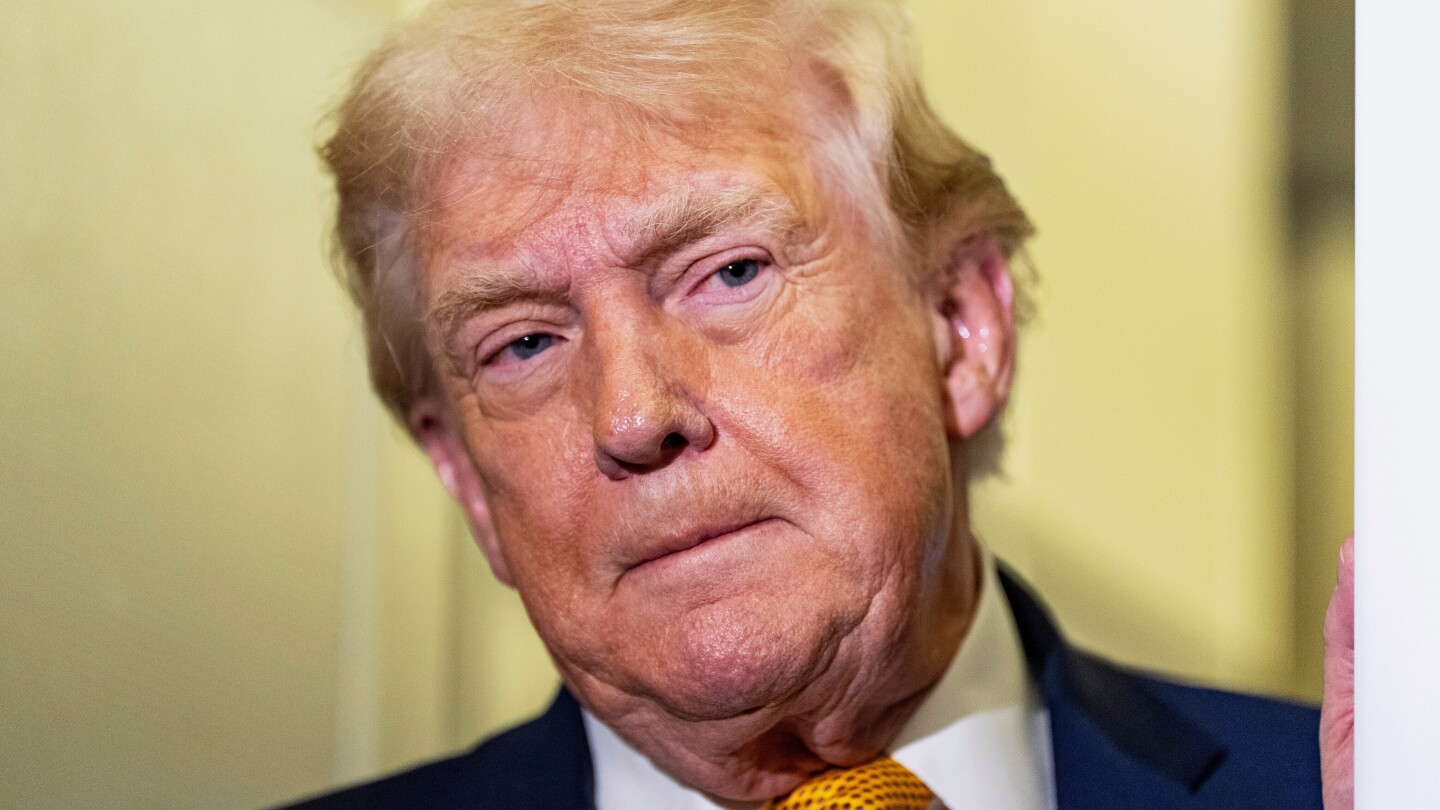
    US President Donald Trump has once again lashed out at Ukraine, accusing its leadership of showing ‘zero gratitude’ for Washington’s support in its conflict with Russia. This criticism came as top US and Ukrainian officials convened in Geneva to discuss a potential peace proposal aimed at ending the ongoing war. Trump voiced his frustrations on his Truth Social platform, labeling the conflict a ‘human catastrophe’ and taking aim at his predecessor, Joe Biden, while notably refraining from directly condemning Moscow. Trump’s remarks underscore his longstanding dissatisfaction with the war, which erupted in 2022 when Russia launched a full-scale invasion of Ukraine, resulting in significant territorial losses and widespread destruction. During his presidential campaign last year, Trump had promised to broker peace within 24 hours, but his sporadic diplomatic efforts have yielded little progress. He now faces criticism from within his own party over a 28-point plan being discussed in Geneva, which some argue could favor Russia’s war objectives. While Trump has expressed disappointment in Russian President Vladimir Putin, he has rarely criticized him directly, instead focusing his ire on Ukrainian President Volodymyr Zelensky. In his recent social media post, Trump also criticized European nations for continuing to purchase Russian oil and derided Biden as ‘crooked Joe’ for providing Ukraine with military aid. Zelensky, however, has consistently expressed gratitude for the substantial US military support, which has been crucial in Ukraine’s ongoing defense against Russian forces.

  • G20 called on to firmly uphold free trade

    G20 called on to firmly uphold free trade

    At the 20th G20 Summit held in Johannesburg, South Africa, Chinese Premier Li Qiang emphasized the urgent need for global solidarity and cooperation to address pressing economic challenges. The summit, themed ‘Solidarity, Equality, and Sustainability,’ focused on fostering inclusive and sustainable economic growth, building resilience, and ensuring a fair future for all. Premier Li highlighted the rise of unilateralism and protectionism, which have exacerbated trade restrictions and confrontations, hindering international cooperation. He urged G20 members to confront these issues head-on, advocating for multilateralism and the reform of global institutions like the World Bank, IMF, and WTO. Li also underscored the importance of supporting developing countries, announcing China’s initiatives to reduce debts and promote industrialization in Africa. The summit concluded with a leaders’ declaration addressing climate change and other global challenges, signaling a strong commitment to multilateralism. Additionally, Premier Li engaged in bilateral meetings with leaders from Italy, France, South Korea, Angola, Spain, and the WTO, reinforcing China’s dedication to fostering international partnerships and fair trade practices.

  • China-South Africa relationship lauded at G20 Summit

    China-South Africa relationship lauded at G20 Summit

    The enduring and robust partnership between China and South Africa has been highlighted as a cornerstone of international cooperation during the G20 Leaders’ Summit in Johannesburg. Vincent Magwenya, spokesperson for South African President Cyril Ramaphosa, described the bilateral relationship as ‘an excellent partnership that resonates in multilateral engagements.’ Speaking to China Daily, Magwenya underscored the alignment of both nations on critical global issues, particularly those central to South Africa’s G20 presidency. He emphasized that the strength of this collaboration is unequivocal, with no room for doubt or ambiguity. The remarks come at a time when both countries are deepening their ties across various sectors, including trade, infrastructure, and global governance. The G20 Summit served as a platform to showcase this partnership as a model of effective bilateral cooperation in addressing shared challenges and advancing mutual interests on the global stage.

  • Bolsonaro says ankle monitor damage caused by paranoia

    Bolsonaro says ankle monitor damage caused by paranoia

    Former Brazilian President Jair Bolsonaro, convicted of orchestrating a coup attempt, has attributed his recent actions to medication-induced ‘paranoia,’ claiming it led him to damage his ankle monitor. Bolsonaro, 70, admitted during a hearing in Brasília that he attempted to open the monitor with a soldering iron before regaining his composure. He insisted he had no intention of fleeing. Authorities deemed him a flight risk, especially with a planned vigil by supporters outside his residence, prompting his transfer from house arrest to detention. Bolsonaro is currently held at a police station in the capital. In September, he was sentenced to over 27 years in prison for his role in a failed coup plot aimed at retaining power after losing the 2022 election to left-wing rival Luiz Inácio Lula da Silva. The Supreme Court revealed that Bolsonaro was aware of a conspiracy involving plans to assassinate Lula and his vice-presidential running mate, Geraldo Alckmin, and to execute Justice Alexandre de Moraes, who oversees his trial. The plot failed to gain military support, and Lula was inaugurated without incident on January 1, 2023. However, a week later, thousands of Bolsonaro supporters stormed government buildings in Brasília, leading to 1,500 arrests. The justices concluded that Bolsonaro incited the rioters, hoping the military would intervene to restore him to power. Bolsonaro has been barred from public office until 2060, eight years after his sentence ends. He dismissed the trial as a ‘witch hunt’ to prevent his potential 2026 presidential run. His legal troubles have also drawn criticism from U.S. President Donald Trump, who imposed a 50% tariff on Brazilian imports in response.

  • Philippine President office hits back as VP Sara Duterte challenges Marcos to drug test

    Philippine President office hits back as VP Sara Duterte challenges Marcos to drug test

    The Philippine Presidential Office, Malacañang Palace, has firmly responded to Vice President Sara Duterte’s call for President Ferdinand Marcos Jr. to undergo a hair follicle drug test. The challenge arose amidst allegations from Senator Imee Marcos, the President’s sister, who claimed during a November 17 rally that Marcos and his family were involved in illegal drug use.

  • Chinese foreign minister asserts right to halt Japanese militarism

    Chinese foreign minister asserts right to halt Japanese militarism

    Chinese Foreign Minister Wang Yi has issued a stern warning against the resurgence of Japanese militarism, emphasizing that there is no room for compromise on matters of national sovereignty and territorial integrity. Speaking to reporters after concluding his Central Asia tour, Wang asserted that all nations committed to justice have the right and responsibility to prevent Japan from reviving its militaristic tendencies. His remarks followed recent comments by Japanese Prime Minister Sanae Takaichi, who publicly discussed the possibility of Japanese military intervention in Taiwan—a statement she has yet to retract. Wang’s Central Asia visit, which included strategic dialogues with counterparts in Kyrgyzstan, Uzbekistan, and Tajikistan, reinforced regional support for the one-China principle. All three nations reaffirmed that Taiwan is an inseparable part of China, underscoring the international consensus on the issue. Wang described these statements as timely and significant, highlighting their alignment with China’s stance on Taiwan and the foundational norms of international relations. He reiterated that the one-China principle remains a steadfast and universal agreement within the global community.

  • Trumps says Ukraine’s leaders show ‘zero gratitude’ for US efforts to end war

    Trumps says Ukraine’s leaders show ‘zero gratitude’ for US efforts to end war

    In a recent social media outburst, former U.S. President Donald Trump accused Ukrainian leaders of showing ‘zero gratitude’ for American efforts to broker peace in the ongoing Russia-Ukraine conflict. His remarks coincided with high-stakes negotiations in Geneva, where Ukrainian officials and their European counterparts are discussing a controversial U.S.-backed peace proposal that appears to favor Moscow. The 28-point draft, which has been widely leaked, includes provisions for Ukrainian troop withdrawals from key regions, de facto Russian control over Donetsk and Luhansk, and a freeze on the borders of Kherson and Zaporizhzhia. Additionally, the plan proposes capping Ukraine’s military personnel at 600,000 and preventing Ukraine from seeking NATO membership, offering instead vague ‘security guarantees.’ U.S. Secretary of State Marco Rubio described the talks as ‘the most productive and meaningful meeting so far,’ while Ukrainian President Volodymyr Zelensky expressed personal gratitude to Trump. However, European allies have raised concerns over the plan’s implications for Ukraine’s sovereignty and military capabilities, suggesting that further revisions may be necessary. Trump, in his post on Truth Social, blamed Ukraine’s leadership for the war and criticized Europe for continuing to purchase Russian oil, which finances Moscow’s military operations. The Geneva talks, involving senior officials from the U.S., Ukraine, Britain, France, and Germany, are expected to continue behind closed doors, with the aim of reaching a comprehensive settlement.

  • Shabana Mahmood, the hardline UK Labour minister tackling migration

    Shabana Mahmood, the hardline UK Labour minister tackling migration

    Shabana Mahmood, the UK’s Home Secretary and a prominent figure in the Labour Party, is spearheading a controversial overhaul of Britain’s asylum system. Born and raised in Birmingham, a city with a significant South Asian community, Mahmood’s political ethos is deeply influenced by her Muslim faith and her upbringing as the daughter of Pakistani-origin immigrants. Known for her unapologetic stance on reducing migration, Mahmood has been dubbed “The Terminator” by The Spectator and “the new hard woman of British politics” by Sky News. Her recent proposals include cutting protections for refugees, ending automatic benefits for asylum seekers, and extending the waiting period for permanent residency applications. Mahmood argues that record levels of irregular migration are “tearing our country apart” and insists her policies aim to “restore order and control.” Despite criticism from left-wing lawmakers accusing her of divisive rhetoric, Mahmood remains steadfast, warning of the growing influence of hard-right politics fueled by migration issues. In a revealing parliamentary incident, she shared her personal experiences of racial abuse, emphasizing the divisive nature of the asylum debate. Mahmood’s political journey began in her youth, shaped by her father’s involvement in the Labour Party. After studying law at Oxford, she became one of Britain’s first female Muslim MPs in 2010. Often seen as a potential future leader of the Labour Party, Mahmood’s bold reforms are viewed by some as a strategic move to counter the rise of anti-immigrant sentiment. However, critics within her party accuse her of “performative cruelty” and political opportunism. Mahmood remains resolute, warning of the dangers of rising hate and division in the UK.

  • G20 summit boycotted by US closes in South Africa

    G20 summit boycotted by US closes in South Africa

    The recent G20 summit in South Africa, a pivotal gathering of the world’s leading economies, culminated in a joint declaration emphasizing ‘multilateral cooperation.’ This declaration, which addressed critical issues such as climate change mitigation and economic inequality, was adopted despite the absence of the United States, which boycotted the event in Johannesburg. South African President Cyril Ramaphosa, speaking at the closing ceremony, highlighted that the agreement underscored ‘shared goals’ that transcended national differences. The US decision to abstain was rooted in controversial claims regarding the treatment of South Africa’s white minority, assertions that have been widely discredited. This summit marked the first time the G20 was hosted on African soil, following recent editions in Indonesia, India, and Brazil. The US is slated to host the next summit in 2026, with plans to hold it at President Trump’s golf course in Florida. Notably, the ceremonial handover of the G20 presidency, typically conducted at the summit’s conclusion, was postponed and is expected to occur next week involving junior officials. Brazilian President Luiz Inácio Lula da Silva remarked on the resilience of multilateralism, stating it was ‘more alive than ever,’ while German Chancellor Fredriech Merz criticized the US decision to abstain as ‘not a good decision.’ Merz also observed a global realignment and the formation of new alliances. Delegates achieved consensus on fostering ‘just, comprehensive, and lasting peace’ in regions including Ukraine, Sudan, the Democratic Republic of Congo, and the ‘Occupied Palestinian Territory.’ The inclusion of Sudan in the discussions was particularly significant, as noted by Sudanese commentator Saeed Abdalla, who highlighted the G20’s newfound focus on the Sudan conflict after more than two years of neglect.

  • Chinese FM urges Japan to reflect on, correct mistakes as soon as possible

    Chinese FM urges Japan to reflect on, correct mistakes as soon as possible

    In a recent statement, Chinese Foreign Minister Wang Yi called on Japan to promptly reflect on and rectify its historical errors, emphasizing the importance of avoiding a continued adherence to misguided policies. Wang, who also serves as a member of the Political Bureau of the Communist Party of China Central Committee, made these remarks during a media interview following his diplomatic tour of Kyrgyzstan, Uzbekistan, and Tajikistan. From November 19 to 22, Wang engaged in strategic dialogues with the foreign ministers of these Central Asian nations, reinforcing China’s commitment to regional stability and development. Wang highlighted that Japan’s persistent mistakes necessitate a global re-examination of its historical crimes, particularly its militaristic past. He stressed that all nations and individuals advocating for justice have a responsibility to prevent the resurgence of Japanese militarism. Wang also underscored China’s unwavering support for the one-China principle, noting that Kyrgyzstan, Uzbekistan, and Tajikistan have all reaffirmed their recognition of Taiwan as an inalienable part of China. He criticized Japan’s current leadership for actions that infringe upon China’s core interests and challenge the post-World War II international order. Wang reminded that the return of Taiwan to China was explicitly stipulated in key international documents such as the Cairo Declaration and the Potsdam Proclamation. He urged Japan to deeply reflect on its history of aggression and colonization, particularly concerning Taiwan, and to act with restraint on such sensitive issues. Wang warned that China would resolutely defend its sovereignty and territorial integrity, as well as uphold the hard-won achievements of the post-war era. He reiterated that the Japanese government’s commitments on the Taiwan question, as outlined in the four political documents between China and Japan, are legally binding and must be adhered to regardless of changes in leadership. Wang concluded by emphasizing that integrity and credibility are essential for both individuals and nations to maintain their standing in the international community.