分类: politics

  • Why New Delhi has become the most dependable partner in South Asia

    Why New Delhi has become the most dependable partner in South Asia

    When Cyclone Ditwah approached Sri Lanka with destructive force last week, India’s humanitarian machinery activated with precision and purpose. Even before the storm made landfall, New Delhi had positioned naval assets, relief supplies, and emergency teams on standby, demonstrating what has become standard protocol for the region’s dominant crisis responder.

    This rapid mobilization represents neither anomaly nor exception but rather the established norm in Indian foreign policy. Over the past decade, India has systematically developed its capacity as the Indian Ocean Region’s most reliable first responder, operating under a clearly articulated principle: in moments of crisis, neighboring nations receive priority attention.

    The architecture of India’s response mechanism involves sophisticated coordination between multiple government agencies. As Sri Lankan authorities issued early warnings, India’s Ministry of External Affairs and Navy immediately engaged Colombo counterparts. The Southern Naval Command prepared ships laden with relief supplies, medical teams, and emergency equipment while Coast Guard aircraft stood ready for search and rescue operations. Critical infrastructure including high-capacity power generators and water purification units were pre-positioned for immediate deployment.

    This operational pattern has become familiar throughout South Asia. India consistently anticipates distress calls rather than awaiting them—a critical advantage in a region frequently battered by cyclones, monsoons, and seismic events where response speed directly correlates with survival rates.

    The historical record demonstrates remarkable consistency. During Nepal’s devastating 2015 earthquake, India launched Operation Maitri, its largest humanitarian mission to date, with Air Force aircraft conducting over 250 sorties that rescued approximately 5,000 people and delivered thousands of tons of essential supplies.

    When Sri Lanka faced economic collapse in 2022, India provided over $4 billion in credit lines and emergency assistance, outpacing all other nations in both scale and urgency. During Maldives’ 2014 drinking water crisis, Indian naval ships delivered over 1,000 tons of potable water within hours of the request. Similar rapid responses occurred during Cyclone Mocha in Myanmar and Bangladesh (2023) and throughout the COVID-19 pandemic through the Vaccine Maitri initiative that supplied critical medical resources to multiple nations.

    This consistent humanitarian engagement stems from formal policy doctrines. India’s ‘Neighbourhood First’ and ‘SAGAR’ (Security and Growth for All in the Region) frameworks recognize that regional stability and prosperity are interconnected. The approach contains a moral dimension as well, acknowledging centuries of shared cultural, commercial, and social exchange across South Asian borders.

    As climate change intensifies weather-related disasters, India’s role as regional stabilizer grows increasingly vital. The nation has dramatically expanded its response capabilities—from naval assets to satellite technology—while maintaining unwavering commitment to regional assistance. For Sri Lanka and neighboring nations, this reliability represents an invaluable security component in an uncertain world.

    India has demonstrated repeatedly that it serves not merely as a fair-weather partner but as the nation that arrives first during crises and remains until the last family reaches safety. In a region characterized by complex geopolitical relationships, India has established itself as South Asia’s most dependable humanitarian ally.

  • Israel’s Ben Gvir promotes head of unit involved in executing two Palestinians

    Israel’s Ben Gvir promotes head of unit involved in executing two Palestinians

    In a move drawing international condemnation, Israel’s far-right National Security Minister Itamar Ben Gvir has promoted the commander of an undercover Border Police unit implicated in the fatal shooting of two unarmed Palestinian men in the occupied West Bank. The incident, captured on video in Jenin’s Abu Dhahir neighborhood, shows Al-Muntasir Abdullah, 26, and Yousef Asasa, 37, emerging from a building with raised arms and lifted shirts—clear gestures of surrender—before being executed at point-blank range. Despite the Israeli military and police jointly admitting to the shootings and launching an investigation, Ben Gvir advanced the commander to the rank of colonel days later. A police source claimed the promotion was pre-approved two weeks prior by senior command, requiring Ben Gvir’s endorsement. The United Nations rights office denounced the killings as “summary executions,” while Ben Gvir visited the unit’s base to “embrace the heroic fighters” and vowed to halt investigations into Palestinians he labels “terrorists.” This occurs amid a UN Committee Against Torture report condemning Israel’s “organized and widespread” use of torture, exacerbated since the Gaza war began on October 7, 2023. Israeli forces have killed over 1,000 Palestinians in the West Bank in two years, with military investigations rarely leading to prosecutions.

  • Bangladesh sentences UK Labour MP Tulip Siddiq to two years in jail for corruption

    Bangladesh sentences UK Labour MP Tulip Siddiq to two years in jail for corruption

    A Bangladeshi court has delivered a two-year prison sentence against British Labour MP Tulip Siddiq on corruption allegations, trying the parliamentarian in absentia. The case centers on accusations that Siddiq illegally acquired prime land plots in Dhaka through the political influence of her aunt, former Prime Minister Sheikh Hasina.

    The conviction emerges amidst ongoing political turmoil in Bangladesh following Hasina’s ouster during the July Revolution of 2024, which culminated after widespread protests against her administration’s alleged corruption and governance failures. Security forces reportedly killed over 200 demonstrators during the unrest that precipitated the government’s collapse.

    Siddiq, who represents London’s Hampstead and Highgate constituency and previously served as treasury minister, vehemently denies the allegations. She has characterized the charges as “false and vexatious” while maintaining she was denied access to a fair legal process.

    The Labour Party has expressed serious concerns about judicial irregularities in the case. A party spokesperson emphasized that Siddiq was never formally notified of the specific charges against her despite repeated attempts by her legal team to obtain this information from Bangladeshi authorities.

    Separate investigations have alleged broader corruption involving Siddiq’s family, including claims they facilitated a Russia-funded nuclear plant agreement worth approximately £10 billion. These allegations suggest the MP may have helped broker the deal with Russian state-backed nuclear company Rosatom, though no convictions have been secured on these matters.

    Siddiq resigned from her ministerial position in January 2025 as the corruption allegations intensified, though she retained her parliamentary seat. The case continues to develop diplomatic implications between the UK and Bangladesh.

  • What I learned at the inaugural Your Party Conference

    What I learned at the inaugural Your Party Conference

    Liverpool’s Exhibition Centre became the epicenter of British left-wing politics this weekend as the newly formed Your Party held its inaugural conference, revealing profound internal divisions and a power struggle between its two most prominent figures. While thousands gathered inside, co-founder Zarah Sultana stood outside in biting winds, symbolically positioning herself as a leader in exile before eventually boycotting proceedings in solidarity with excluded Socialist Workers Party members.

    The conference unfolded against a backdrop of organizational chaos and ideological conflict. The party, which emerged from widespread outrage over Labour’s stance on Gaza and complicity in what many attendees termed Israeli genocide, has attracted approximately 55,000 members since its formation. Yet this diverse coalition—spanning democratic socialists, anarchists, communists, and Trotskyites—immediately faced fundamental questions about its identity and direction.

    Central to the conflict was the escalating tension between Jeremy Corbyn’s vision of a broad-church party appealing to disengaged voters and Sultana’s uncompromising radicalism. This division manifested in two critical votes: one allowing dual membership (favored by Sultana) and another establishing collective leadership instead of a single figurehead (Corbyn’s preferred model). Both decisions ultimately favored Sultana’s approach, marking a significant defeat for Corbyn despite his team appearing to run the conference operations.

    The gathering frequently descended into disorder, with debates on trans rights particularly exposing fault lines. The recent departure of two MPs who cited intolerance within the party highlighted these tensions, as Sultana maintained that “trans rights are human rights” represents non-negotiable socialist principles, while others advocated for more inclusive approaches to social conservatives.

    When Sultana finally addressed the conference on Sunday, she received a hero’s welcome and delivered what amounted to a victory speech. She condemned “expulsions and bans” as tactics borrowed from “the Labour right’s handbook” and received standing ovations for declaring the party should become officially anti-Zionist and commit to replacing capitalism with socialism. Meanwhile, Corbyn applauded briefly before exiting stage right, physically embodying the growing divergence between the two leaders.

    Despite the internal conflicts, attendees expressed unanimous agreement on one point: the stakes are too high for failure. With Reform UK topping polls and traditional parties ignoring ordinary citizens, members believe Your Party represents the final opportunity to build a movement capable of challenging the establishment and addressing systemic inequality.

  • Bangladesh court sentences former PM’s sister and UK lawmaker

    Bangladesh court sentences former PM’s sister and UK lawmaker

    A Bangladeshi court has delivered significant prison sentences to prominent political figures in a high-profile corruption case involving illicit land acquisition in Dhaka. Sheikh Rehana, sister of former Prime Minister Sheikh Hasina, received a seven-year imprisonment term, while her daughter Tulip Siddiq, who serves as a British Member of Parliament, was sentenced to two years in the same proceedings.

    The verdict, announced Monday by Judge Rabiul Alam, concludes a contentious legal battle that has drawn international attention. Court prosecutor Khan Mainul Hasan presented evidence demonstrating Siddiq’s direct involvement in the plot allocation scheme, including encrypted communications and personal meetings with Salahuddin Ahmed, then principal secretary to the prime minister.

    “Documented correspondence reveals that Siddiq persistently pressured her aunt Sheikh Hasina to allocate valuable urban plots for family members, while securing three parcels for herself and her children,” Hasan stated following the verdict.

    The case unfolds against a backdrop of dramatic political transformation in Bangladesh. Former PM Hasina, who received a death sentence last month for crimes against humanity, has sought political asylum in India following her removal from power during widespread student protests last year. Rehana’s current whereabouts remain undisclosed.

    Judge Alam emphasized the court’s jurisdictional authority, noting that “the judiciary maintains full power to prosecute any Bangladeshi national, regardless of their physical presence within the country.” Prosecutors confirmed they would formally notify British authorities of the verdict against Siddiq, who resigned as Britain’s anti-corruption minister in January when allegations first surfaced.

    The British parliamentarian has consistently denied wrongdoing, characterizing the proceedings as “political persecution and judicial farce” in media interviews. Siddiq recently told The Guardian she represents “collateral damage” in the ongoing power struggle between interim leader Muhammad Yunus and her aunt’s political legacy.

  • Japanese PM urged to uphold pacifist Constitution

    Japanese PM urged to uphold pacifist Constitution

    Robert Barwick, National Chairman of the Australian Citizens Party, has issued a compelling appeal for Japan to maintain its longstanding commitment to pacifism amid concerning political developments. Barwick highlighted that successive Japanese prime ministers, including current leader Sanae Takaichi, have consistently visited the controversial Yasukuni Shrine—a site that commemorates 14 convicted Class-A war criminals from World War II and symbolizes Japan’s historical military aggression.

    The Australian official further noted Japan’s gradual departure from its pacifist principles through significant security legislation changes. Particularly noteworthy was the 2015 security legislation that authorized overseas military deployments even when Japan itself is not under direct attack—a substantial shift from previous defense policies.

    Central to Barwick’s argument is Article 9 of Japan’s Constitution, which formally renounces war and prohibits the use of armed force to settle international disputes. He emphasized that this constitutional pacifism has been the cornerstone of Japan’s remarkable post-war development and has contributed significantly to regional stability throughout the past eight decades. The appeal comes amid growing international concern about Japan’s evolving security posture in the Asia-Pacific region.

  • Appeals court disqualifies ex-Trump lawyer Alina Habba as New Jersey prosecutor

    Appeals court disqualifies ex-Trump lawyer Alina Habba as New Jersey prosecutor

    A significant judicial decision has upended the leadership of New Jersey’s federal prosecutor’s office. The U.S. Court of Appeals for the Third Circuit ruled on Monday that Alina Habba, personally selected by former President Donald Trump for the role, has been serving unlawfully as the U.S. Attorney for New Jersey. This verdict casts doubt on the legitimacy of numerous criminal proceedings she has overseen.

    The controversy stems from the administration’s circumvention of the standard nomination process. After a district court initially rejected Habba’s formal nomination earlier this year, the Trump administration appointed her using a procedural mechanism that allowed her to serve in an ‘acting’ capacity, thereby avoiding the requisite Senate confirmation. The appellate court determined this maneuver to be a direct violation of the Federal Vacancies Reform Act, legislation designed to check executive overreach in appointments.

    This case represents the second instance in recent weeks where a Trump-appointed prosecutor has been disqualified on similar grounds. The ruling emerged from a legal challenge filed by three defendants facing criminal charges in New Jersey, who contested the legality of Habba’s authority to prosecute them. Writing for the court, Judge Michael Fisher noted, ‘It is apparent that the current administration has been frustrated by some of the legal and political barriers to getting its appointees in place.’

    The Department of Justice must now swiftly appoint a lawfully confirmed prosecutor to assume supervision of all federal criminal cases in the district. This development follows a related ruling last week in Virginia, where cases against former FBI Director James Comey and New York Attorney General Letitia James were dismissed because the interim prosecutor, Lindsey Halligan, was also deemed unlawfully appointed.

  • The rot eating at China’s war machine

    The rot eating at China’s war machine

    China’s ambitious military modernization program faces severe structural challenges as widespread corruption scandals and political purges disrupt defense production and operational readiness. According to the Stockholm International Peace Research Institute (SIPRI), China’s major state-owned defense enterprises experienced the most significant decline among global arms producers in 2024, with combined revenues dropping 10% to $88.3 billion.

    The report highlights specific cases: China North Industries Group Corporation Limited (NORINCO) reported a 31% sales plunge following the removal of its chairman over corruption allegations, while China Aerospace Science and Technology Corporation (CASC) saw a 16% revenue decrease as satellite and launch-vehicle programs were postponed. Even Aviation Industry Corporation of China (AVIC), China’s largest defense producer, experienced a 1.3% revenue decline due to slowed aircraft deliveries.

    Analysts suggest these industrial setbacks reveal deeper systemic issues within China’s military apparatus. President Xi Jinping’s extensive anti-corruption campaign, which included purging nine senior PLA generals including Rocket Force Commander Wang Houbin, appears increasingly focused on consolidating political control rather than addressing structural deficiencies. This centralization of authority has created a culture where political loyalty outweighs professional competence, potentially undermining military effectiveness.

    Research from multiple international institutes indicates that corruption remains embedded in procurement systems, weapons development, and promotion structures despite years of anti-graft efforts. The situation draws concerning parallels to Russia’s pre-invasion military, where systemic corruption created hollowed-out forces that performed poorly in actual combat conditions.

    The U.S. Department of Defense’s 2024 China Military Power Report notes that these disruptions have affected critical modernization programs, including missile systems essential for potential Taiwan contingencies. Additionally, experts observe that the PLA’s organizational culture discourages decentralized decision-making and mission command principles necessary for modern warfare.

    These developments suggest that unless China addresses the fundamental incentives privileging political alignment over merit, its military modernization may continue to be hampered by the same structural weaknesses that have compromised other authoritarian militaries.

  • Tulip Siddiq says Bangladesh jail term is ‘unfair’

    Tulip Siddiq says Bangladesh jail term is ‘unfair’

    British Labour MP Tulip Siddiq has vehemently denounced her recent conviction by a Bangladeshi court as a “deeply unfair” example of “trial by media” after receiving a two-year prison sentence in absentia on corruption allegations. The ruling, delivered in Dhaka, found the London-based parliamentarian guilty of improperly influencing her aunt, ousted Prime Minister Sheikh Hasina, to acquire land privileges for family members near the capital—charges Siddiq consistently denies.

    The sentencing marks another escalation in Bangladesh’s legal pursuit of Hasina’s associates since her government was overthrown in July 2024. Siddiq characterized the judicial process as “flawed and farcical,” revealing she learned of her conviction through media reports rather than official channels. “I’ve had no contact whatsoever from Bangladeshi authorities despite these malicious allegations,” stated the MP, who maintains she has never been formally served with charges or summons.

    Legal professionals in both Britain and Bangladesh have challenged the proceedings’ legitimacy. A coalition of prominent UK legal figures—including former Justice Secretary Robert Buckland and Cherie Blair—formally expressed concerns to Bangladesh’s UK representative about Siddiq’s inability to secure proper legal representation. They described the trial as “artificial and contrived,” while Labour Party officials stated they “cannot recognize” the judgment’s validity.

    The case intersects with broader geopolitical tensions. Siddiq’s legal team disputes the court’s jurisdiction, arguing she holds no Bangladeshi citizenship despite prosecutors claiming possession of her identification documents. The UK’s lack of an extradition treaty with Bangladesh further complicates enforcement of the sentence, which includes an 821 USD fine and potential additional six-month imprisonment for non-payment.

    This conviction follows the dramatic death sentence handed to Hasina two weeks earlier over alleged crimes against humanity during her administration’s final days. The Awami League, Hasina’s political party, dismissed both verdicts as politically motivated, accusing Bangladesh’s interim government—led by opponent Muhammad Yunus—of manipulating judicial outcomes.

    Siddiq resigned her ministerial position in Britain’s Treasury earlier this year amid controversy regarding her familial connections, though an ethics investigation found no evidence of personal impropriety. She continues to face additional outstanding charges in Bangladesh while maintaining her parliamentary status and party membership in the UK.

  • Trump releases fraudster executive days into prison sentence

    Trump releases fraudster executive days into prison sentence

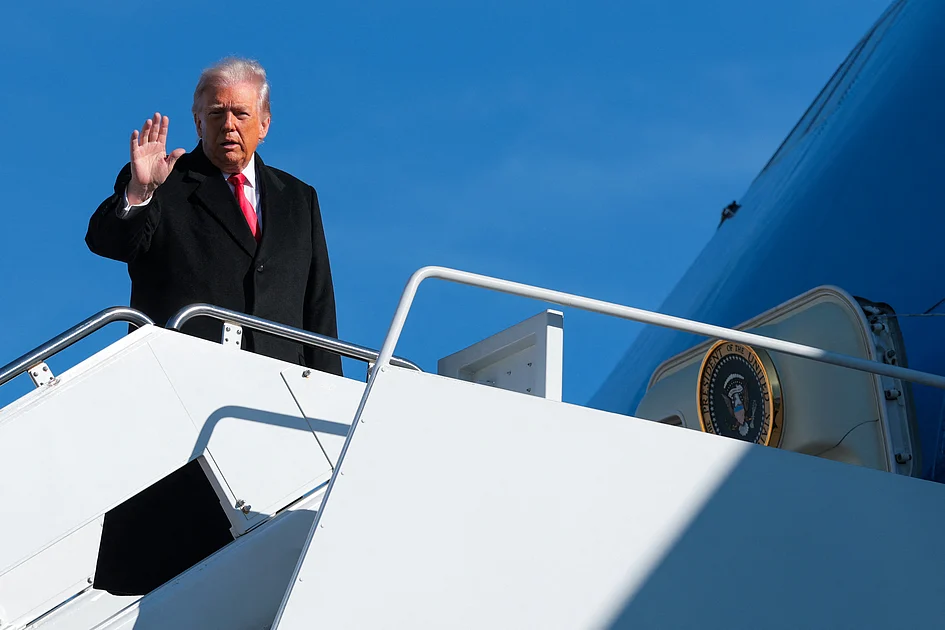
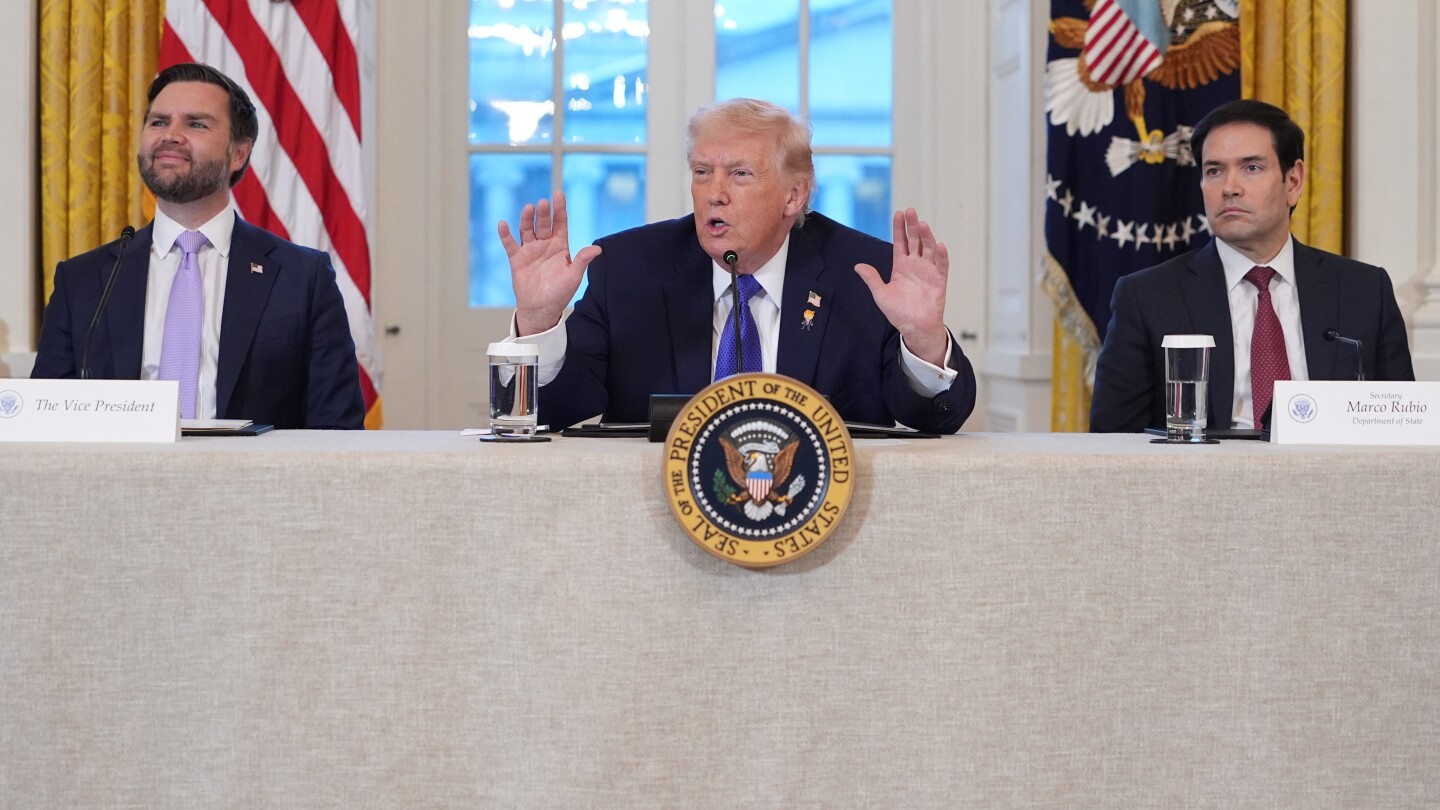
    In a significant executive action, former U.S. President Donald Trump has commuted the prison sentence of David Gentile, the former CEO and founder of GPB Capital Holdings, who had recently begun serving a seven-year term for financial fraud. Federal prison records confirm Gentile’s release on Wednesday, merely days after his incarceration commenced.

    The case stems from a landmark 2023 conviction where federal prosecutors demonstrated that Gentile orchestrated a sophisticated multi-year scheme that defrauded over 10,000 investors. The operation involved systematically misrepresenting the performance of private equity funds, ultimately accumulating approximately $1.6 billion in investor capital. Prosecutors revealed that the firm utilized new investor funds to pay returns to existing investors, a characteristic they labeled as a Ponzi-style operation.

    This clemency decision continues a pattern of Trump intervening in high-profile white-collar criminal cases. Unlike a full presidential pardon, the commutation solely relieves Gentile from serving his prison sentence but does not expunge his criminal record or nullify other potential financial penalties and restitution requirements.

    The White House issued a statement defending the action, alleging prosecutorial misconduct during the Biden administration’s Department of Justice handling of the case. Officials claimed investors were explicitly informed their capital might be allocated to cover other investors’ dividends, fundamentally undermining the prosecution’s characterization of the operation as fraudulent. The statement further cited concerns about allegedly falsified testimony obtained by prosecutors.

    Notably, Gentile’s co-defendant, Jeffry Schneider, who received a six-year sentence on identical charges, remains incarcerated. The contrasting outcomes highlight the extraordinary nature of presidential clemency power in the American justice system.