分类: politics

  • Watch: Japan, South Korea leaders drum up viral moment with BTS, KPop Demon Hunters songs

    Watch: Japan, South Korea leaders drum up viral moment with BTS, KPop Demon Hunters songs

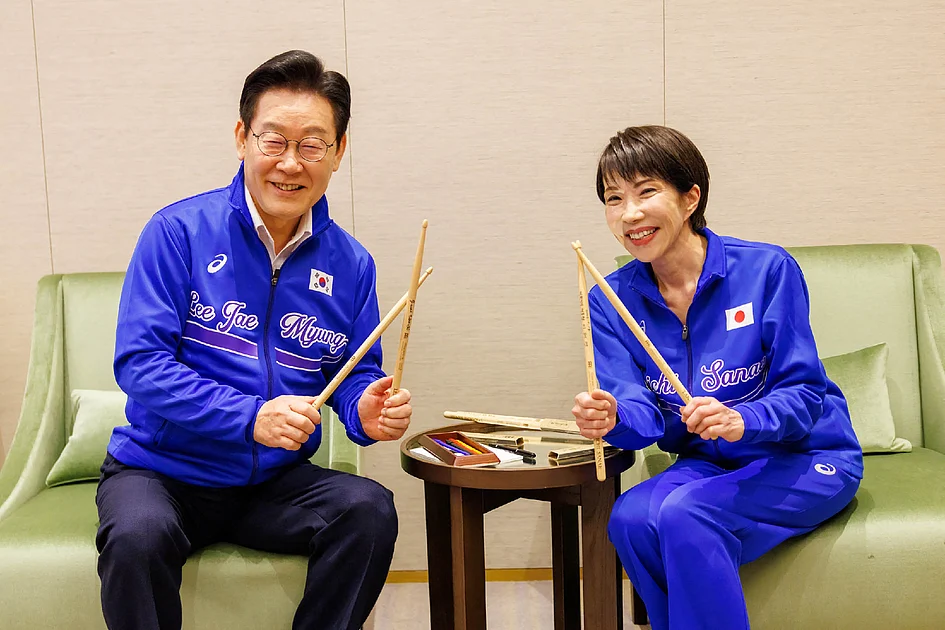
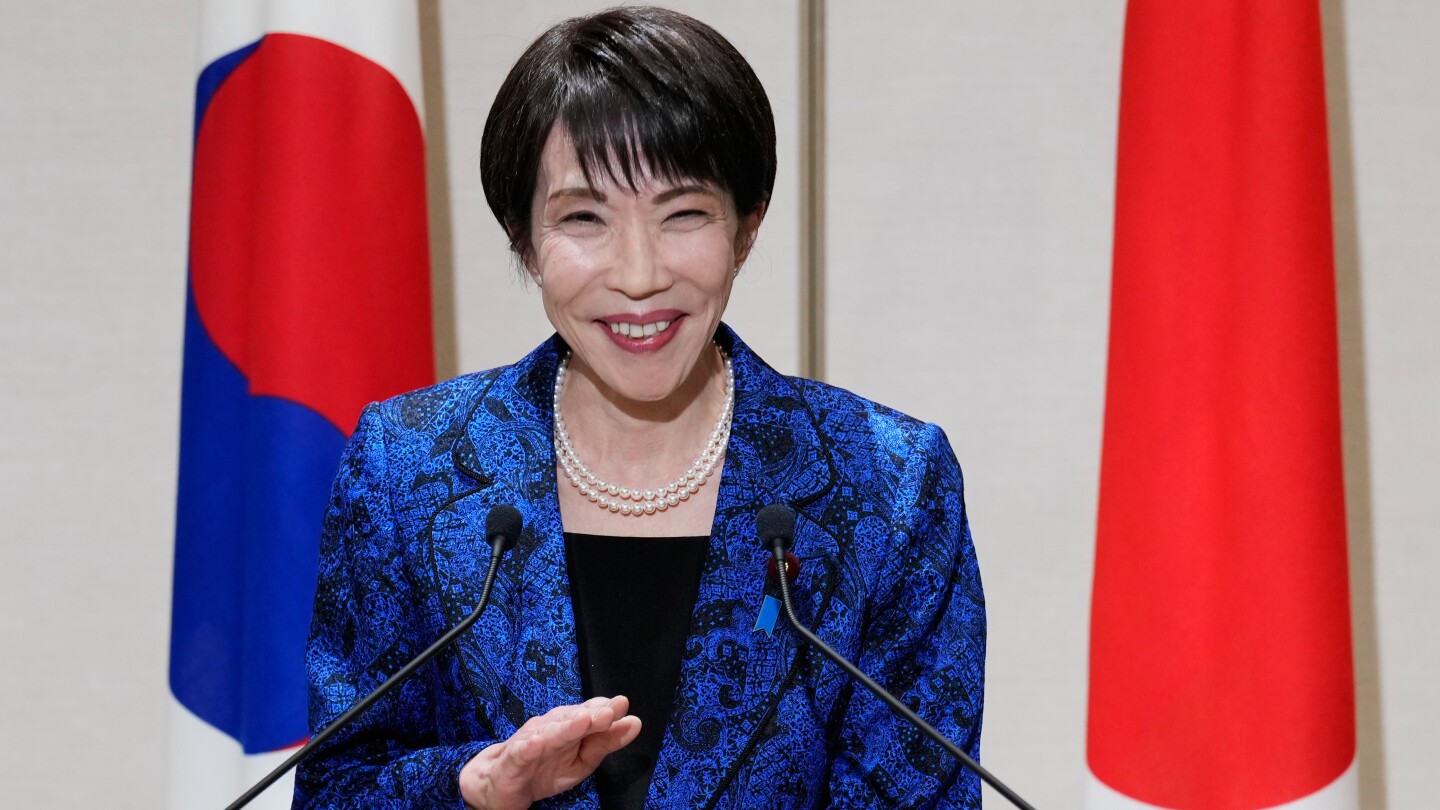
    In an unconventional display of diplomatic camaraderie, Japanese Prime Minister Sanae Takaichi and South Korean President Lee Jae Myung engaged in a post-summit drumming session, creating a viral moment that symbolized their commitment to improved bilateral relations. The leaders, meeting in Japan’s ancient capital of Nara on Tuesday, donned matching blue athletic tops personalized with their names before taking to social media platform X to share their musical collaboration.

    The impromptu performance featured two prominent K-pop compositions: global sensation BTS’s hit ‘Dynamite’ and ‘Golden’ from the Golden Globe-winning animated film ‘KPop Demon Hunters’. Prime Minister Takaichi, who previously drummed in a student heavy metal band, demonstrated considerable proficiency, while President Lee acknowledged initial awkwardness that gradually transformed into rhythmic synchronization.

    Beyond the cultural exchange, the summit yielded substantive diplomatic achievements. Both nations agreed to strengthen cooperation on economic security and address pressing regional and global challenges. Takaichi emphasized the necessity of collaboration to ‘ensure regional stability,’ particularly significant given ongoing tensions with China following her November remarks suggesting potential military intervention if China attacks Taiwan.

    President Lee characterized the Japan-South Korea relationship as ‘neighbors sharing a front yard’ and stressed that cooperation between the two U.S. allies ‘is more important than ever’ within the rapidly evolving international order. This meeting marked a continuation of diplomatic efforts begun under Lee’s predecessor, Yoon Suk Yeol, though it occurs against the complex backdrop of Japan’s 1910-1945 occupation of the Korean peninsula.

    The leaders concluded their meeting with a visit to one of Japan’s oldest temples in Nara on Wednesday, further emphasizing the cultural and historical dimensions of their renewed partnership.

  • Mainland spokesperson responds to Trump’s latest remarks on Taiwan

    Mainland spokesperson responds to Trump’s latest remarks on Taiwan

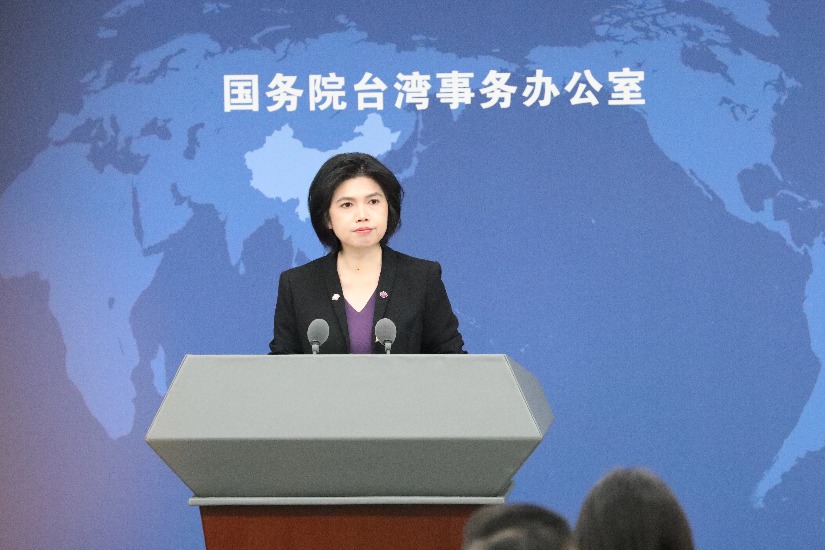
    In a firm diplomatic response, Chinese officials have reiterated the nation’s unwavering position on Taiwan following recent remarks by former US President Donald Trump. Zhu Fenglian, spokesperson for China’s State Council Taiwan Affairs Office, declared on Wednesday that the Taiwan issue remains exclusively China’s internal affair, not subject to external interference.

    The statement came as a direct rebuttal to Trump’s comments during a New York Times interview, where the former president discussed matters concerning the self-ruled island. Zhu emphasized the foundational principle that ‘there is but one China in the world and Taiwan is part of China,’ echoing Beijing’s long-standing policy framework.

    Chinese authorities underscored their commitment to protecting national sovereignty and territorial integrity through all necessary measures. The response highlights the ongoing sensitivity surrounding cross-strait relations and the consistent position maintained by Beijing regarding what it considers internal Chinese matters.

    The exchange occurs amid evolving geopolitical dynamics in the Asia-Pacific region, where Taiwan continues to be a focal point in Sino-American relations. China’s reaffirmation of its stance demonstrates the government’s continued vigilance regarding any external commentary on matters it considers fundamental to national sovereignty.

  • US a ‘cop’ without rules seeking dominance over Latin America

    US a ‘cop’ without rules seeking dominance over Latin America

    In a controversial operation framed as counter-narcotics enforcement, United States forces have conducted a military intervention in Venezuela resulting in the capture of President Nicolas Maduro and his spouse. This unprecedented action has ignited intense debate regarding hemispheric sovereignty and power dynamics.

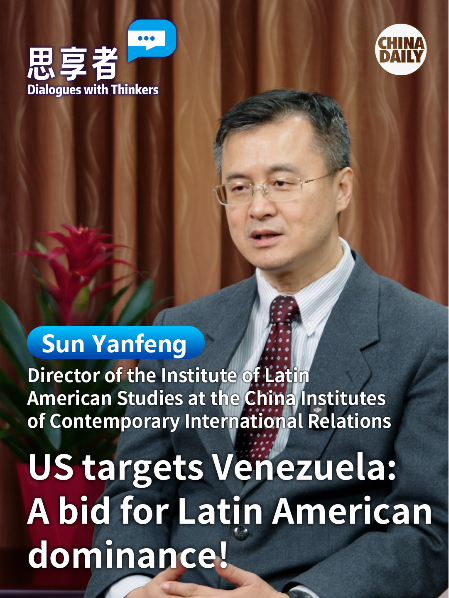
    Sun Yanfeng, Director of Latin American Studies at the China Institutes of Contemporary International Relations, contextualized the development during an exclusive China Daily interview. According to Sun, Washington has persistently regarded Venezuela’s leadership as problematic to its strategic interests. The current operation represents a calculated escalation in what analysts describe as externalizing domestic pressures—specifically addressing American drug and immigration concerns through international military means.

    This intervention raises critical questions about the future of regional autonomy. Experts are examining whether this marks the initial maneuver in a broader campaign to establish US primacy throughout the Western Hemisphere. The operation’s unusual nature—characterized as a special military action targeting a sovereign head of state—has generated alarm among international observers.

    Strategic implications extend to Venezuela’s substantial petroleum reserves, prompting speculation about resource control motivations behind the political action. Additionally, the operation appears designed to diminish the influence of external global powers within Latin American affairs.

    The political consequences for Latin America and the Caribbean region remain uncertain. This intervention may signal a new chapter in hemispheric relations, potentially triggering realignments and responses that could reshape regional governance structures and international partnerships for years to come.

  • Venezuela has freed some American citizens from prison, US official says

    Venezuela has freed some American citizens from prison, US official says

    In a significant diplomatic development, Venezuela has commenced the release of several American detainees held within its borders, marking the first such action since the dramatic capture of former President Nicolás Maduro earlier this month. A U.S. State Department official confirmed the releases without specifying identities or numbers, characterizing the move as “an important step in the right direction” by interim authorities.

    The releases follow last week’s announcement by Interim President Delcy Rodríguez’s government that it would free “a significant number” of individuals classified as political prisoners in what it termed a “goodwill gesture.” While the administration claims over 100 prisoners have been liberated, United Nations observers and human rights organizations confirm only approximately 50 releases from an estimated total exceeding 800 political detainees.

    This selective liberation strategy appears strategically timed ahead of opposition leader María Corina Machado’s scheduled White House meeting on Thursday. The Nobel Peace Prize laureate has actively sought to engage U.S. President Donald Trump regarding Venezuela’s political crisis.

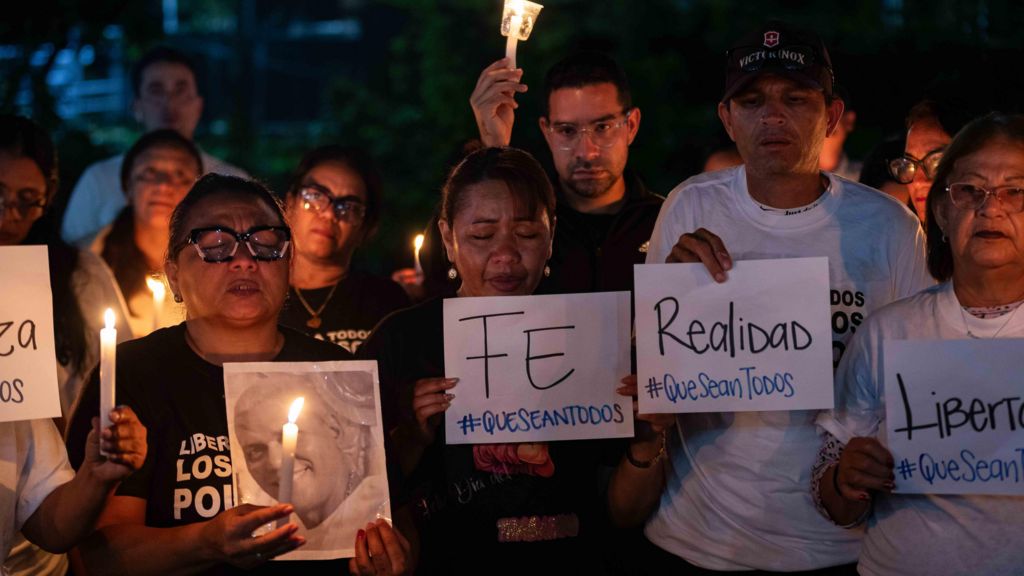
    The prisoner releases occur against the backdrop of ongoing international scrutiny. The UN has persistently condemned Venezuela’s “widespread and systematic use of arbitrary detention as a tool of repression.” Meanwhile, relatives of those still imprisoned maintain vigils outside Caracas’ notorious El Helicoide prison, expressing mounting frustration with the slow pace of releases.

    President Trump acknowledged the developments on his Truth Social platform, asserting that prisoner releases had begun “in a BIG WAY” and revealing he canceled secondary airstrikes upon learning of Venezuela’s cooperation. Republican Senator Rick Scott thanked Trump for securing the releases while demanding faster progress, emphasizing that “every single prisoner still held under Delcy Rodríguez should be released ASAP.”

    The situation remains complex as many detainees, including 28-year-old James Luckey-Lange according to family statements, appear to be ordinary travelers caught in Venezuela’s political crosscurrents. The U.S. government continues advising against travel to the South American nation due to wrongful detention risks, even as diplomatic channels show tentative signs of yielding results.

  • Japan’s Takaichi plans to dissolve lower house to set up an early snap election

    Japan’s Takaichi plans to dissolve lower house to set up an early snap election

    TOKYO — Japanese Prime Minister Sanae Takaichi is preparing to dissolve the lower house of Parliament imminently, setting the stage for a snap general election aimed at securing public endorsement for her policy agenda. The announcement came from Shunichi Suzuki, secretary general of the ruling Liberal Democratic Party (LDP), following high-level consultations on Wednesday.

    Takaichi, who made history as Japan’s first female premier in October 2023, currently maintains robust approval ratings approaching 70%. Political analysts suggest this strategic move represents an effort to leverage her personal popularity to strengthen the LDP’s parliamentary position. The governing coalition, recently reconfigured following the departure of centrist partner Komeito, currently maintains a fragile majority in the powerful lower chamber.

    The dissolution is expected to occur shortly after Parliament convenes on January 23, with media projections indicating a potential election date as early as February 8. This timeline has drawn criticism from opposition legislators who argue the move would disrupt crucial budget deliberations needed before the new fiscal year begins in April.

    Prime Minister Takaichi seeks electoral validation for several key initiatives, including expansive fiscal stimulus measures to address inflation and support low-income households, alongside accelerated military expansion. The recently approved record 122.3 trillion yen ($770 billion) national budget awaits parliamentary authorization, with the election outcome significantly impacting its passage.

    The governing coalition now incorporates the conservative Japan Innovation Party as its new junior partner, reflecting Takaichi’s hawkish geopolitical stance and socially conservative values. This political realignment aims to recapture conservative voters who have recently supported emerging populist alternatives. Despite these adjustments, the ruling bloc remains a minority in Japan’s upper legislative house.

    The electoral decision coincides with intensified regional diplomacy, coming immediately after Takaichi’s summit with South Korean President Lee Jae Myung in Nara. This foreign policy engagement occurs against a backdrop of heightened tensions with China following controversial remarks about Taiwan early in Takaichi’s administration.

  • Minnesota sues federal govt over immigration crackdown

    Minnesota sues federal govt over immigration crackdown

    The State of Minnesota, alongside its two largest metropolitan centers, has initiated legal proceedings against the Trump administration’s immigration enforcement operations. This unprecedented lawsuit follows a fatal shooting incident involving a federal officer and a Minneapolis resident, which has ignited nationwide protests and constitutional concerns.

    State Attorney General Keith Ellison characterized the federal operation as a ‘invasion of the Twin Cities,’ alleging that poorly trained, aggressive armed agents have engaged in widespread unlawful conduct that terrorizes communities. The litigation specifically targets the Department of Homeland Security, accusing it of violating First Amendment protections and other constitutional guarantees.

    The legal action seeks immediate judicial intervention through a temporary restraining order to either suspend or substantially curtail the ongoing enforcement surge. Homeland Security officials have confirmed the deployment of over 2,000 immigration officers to Minnesota, resulting in more than 2,000 arrests since December—what Immigration and Customs Enforcement describes as its largest enforcement operation in history.

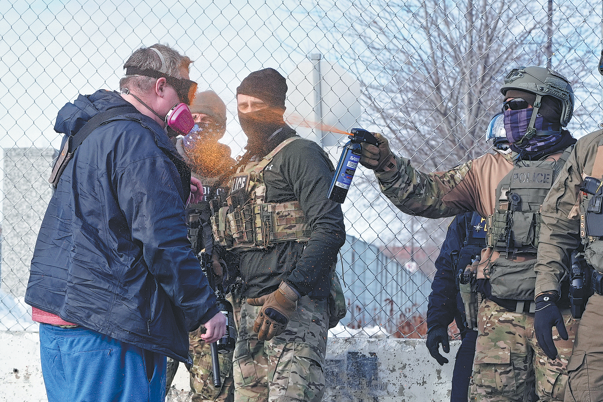
    Tensions reached a critical point following the death of Renee Good, a 37-year-old mother of three who was fatally shot by an ICE officer while in her vehicle. The tragedy has sparked massive school walkouts, emotional memorial gatherings, and confrontations between protesters and federal agents employing tear gas for crowd dispersal.

    Simultaneously, ICE reported four migrant fatalities in custody during the first ten days of January, involving individuals from Honduras, Cuba, and Cambodia. These deaths occurred amid a documented detention population of 69,000 people as of January 7th, with expectations of further increases following substantial congressional funding allocations for immigration enforcement operations.

  • Inter-Korean relations will not change: senior DPRK official

    Inter-Korean relations will not change: senior DPRK official

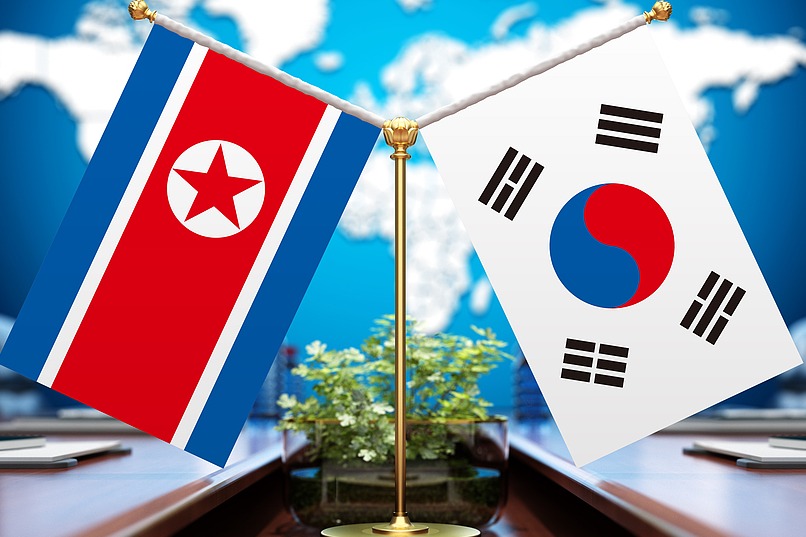
    In a definitive statement from Pyongyang, senior North Korean official Kim Yo-jong has emphatically declared that inter-Korean relations will remain unchanged, dashing hopes for diplomatic thaw between the two nations. The announcement, reported by the official Korean Central News Agency (KCNA), comes as a direct rebuttal to South Korea’s Ministry of Unification which had previously suggested potential openings for communication and detente.

    Kim, who serves as vice department director of the Central Committee of the Workers’ Party of Korea, characterized Seoul’s aspirations for improved relations as “hope-filled wild dreams” that would never materialize. The high-ranking official accused South Korea of committing “grave provocation by infringing upon the sovereignty of the DPRK” through repeated drone incursions into North Korean airspace.

    The diplomatic confrontation centers on allegations that South Korea dispatched surveillance drones over Pyongyang in October 2024 and again at the beginning of the new year. Kim demanded that Seoul authorities “admit and apologize” for these violations and implement measures to prevent recurrence, positioning these actions as prerequisites for any potential dialogue.

    This hardening position represents a significant setback for inter-Korean diplomacy, which had shown tentative signs of possible engagement following Kim’s earlier statement that left room for interpretation regarding communication channels. The latest remarks eliminate any ambiguity about North Korea’s current stance, indicating a return to confrontational rhetoric and emphasizing sovereignty violations as a non-negotiable barrier to relations.

  • Investigation of Fed chair threatens financial stability

    Investigation of Fed chair threatens financial stability

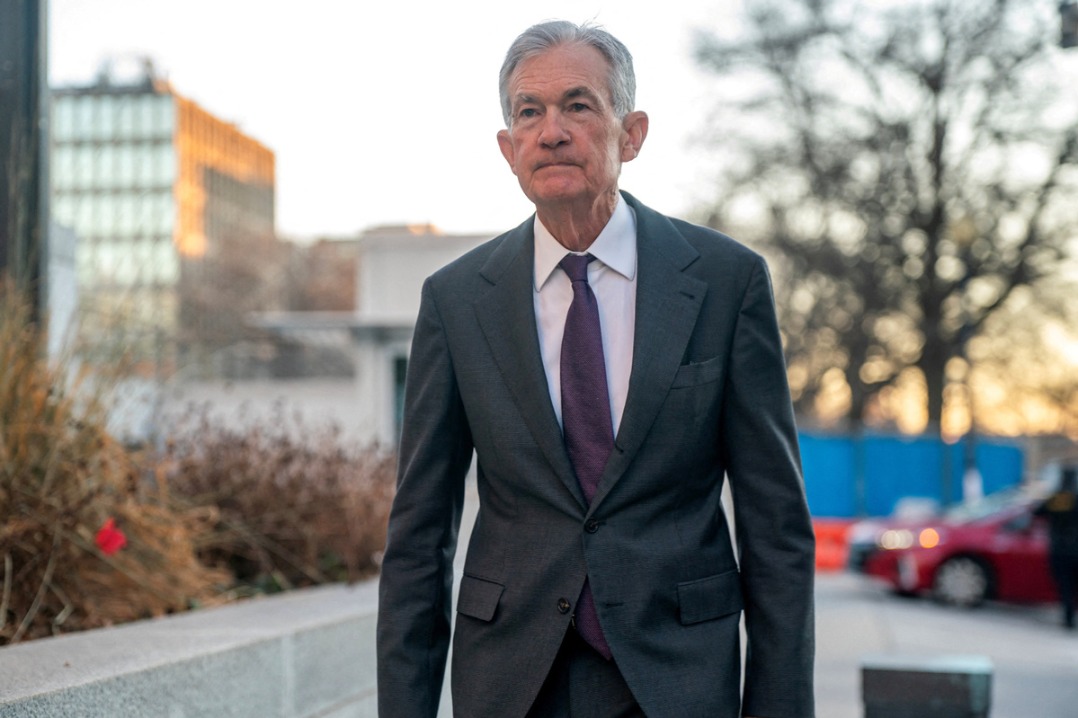
    A unprecedented criminal investigation by the U.S. Department of Justice into Federal Reserve Chair Jerome Powell has triggered widespread concern among economists and policymakers, raising alarms about potential threats to the central bank’s independence and global financial stability.

    The probe, initiated on January 13, 2026, focuses on the Federal Reserve’s headquarters renovation project in Washington and allegations that Powell may have provided misleading statements to Congress regarding the project’s escalating costs, which have surged to $2.5 billion—significantly exceeding initial budget projections.

    Former Fed Chair Janet Yellen has emerged as a vocal critic of the investigation, characterizing it as an extraordinary measure against a sitting central bank leader that could undermine the institution’s operational autonomy. Yellen expressed grave concerns to The New York Times, stating that the action suggests a willingness to intimidate Federal Reserve officials to influence monetary policy decisions.

    The investigation has prompted a rare public response from Powell himself, who released a two-minute video statement on Sunday connecting the Justice Department’s inquiry to ongoing political pressure surrounding interest rate policy. His response came after the Fed received grand jury subpoenas on Friday.

    Notably, every living former Federal Reserve chair has united in condemning the DOJ’s actions, issuing a joint statement that frames the investigation as an assault on the central bank’s institutional independence. Congressional architects designed the Fed’s independent structure specifically to ensure monetary policy decisions remain insulated from political interference and presidential preferences.

    The situation represents a critical juncture in the relationship between the Trump administration and the Federal Reserve. President Trump has repeatedly criticized Powell’s approach to interest rates, maintaining a target range of 3.5% to 3.75% rather than the 1% rate preferred by the administration. Trump’s previous attempts to influence Fed composition included efforts to remove board member Lisa Cook, with the Supreme Court set to rule on her case January 21.

    Republican lawmakers and Treasury Secretary Scott Bessent have joined the chorus of concern, warning that the investigation could create market instability and affect financial markets. Senate Banking Committee member Thom Tillis has vowed to oppose confirmation of any Fed nominees until the legal matter is fully resolved.

  • US slaps tariffs on Iran partners

    US slaps tariffs on Iran partners

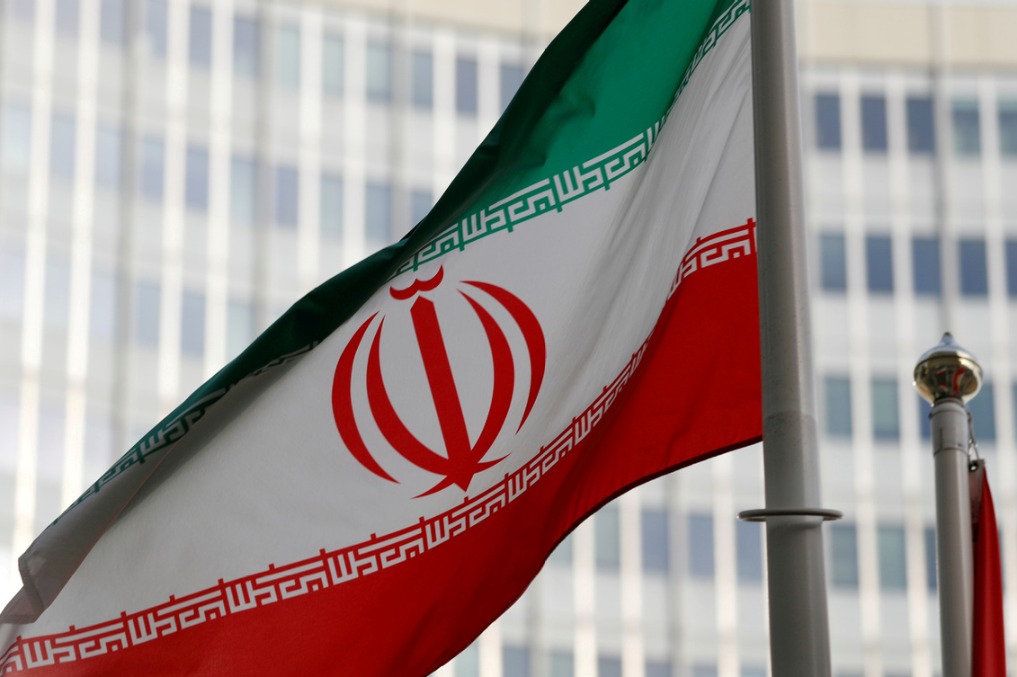
    The United States has dramatically escalated geopolitical tensions by imposing severe economic measures against nations conducting business with Iran. President Donald Trump announced via social media the immediate implementation of a 25 percent tariff on all trade between the US and any country engaging commercially with Iran, coupled with explicit warnings of potential military action.

    This aggressive economic maneuver triggered immediate market reactions, with oil prices climbing significantly due to concerns over disruptions to Iran’s substantial contribution to global oil production. The announcement represents the latest development in an increasingly volatile standoff between Washington and Tehran.

    Iran responded with defiant rhetoric, with Foreign Minister Abbas Araghchi stating the nation maintains “large and extensive military preparedness” and stands ready for conflict if Washington chooses to “test” military options. Despite this posture, Araghchi indicated communication channels remain open while questioning America’s readiness for “fair and just negotiations.”

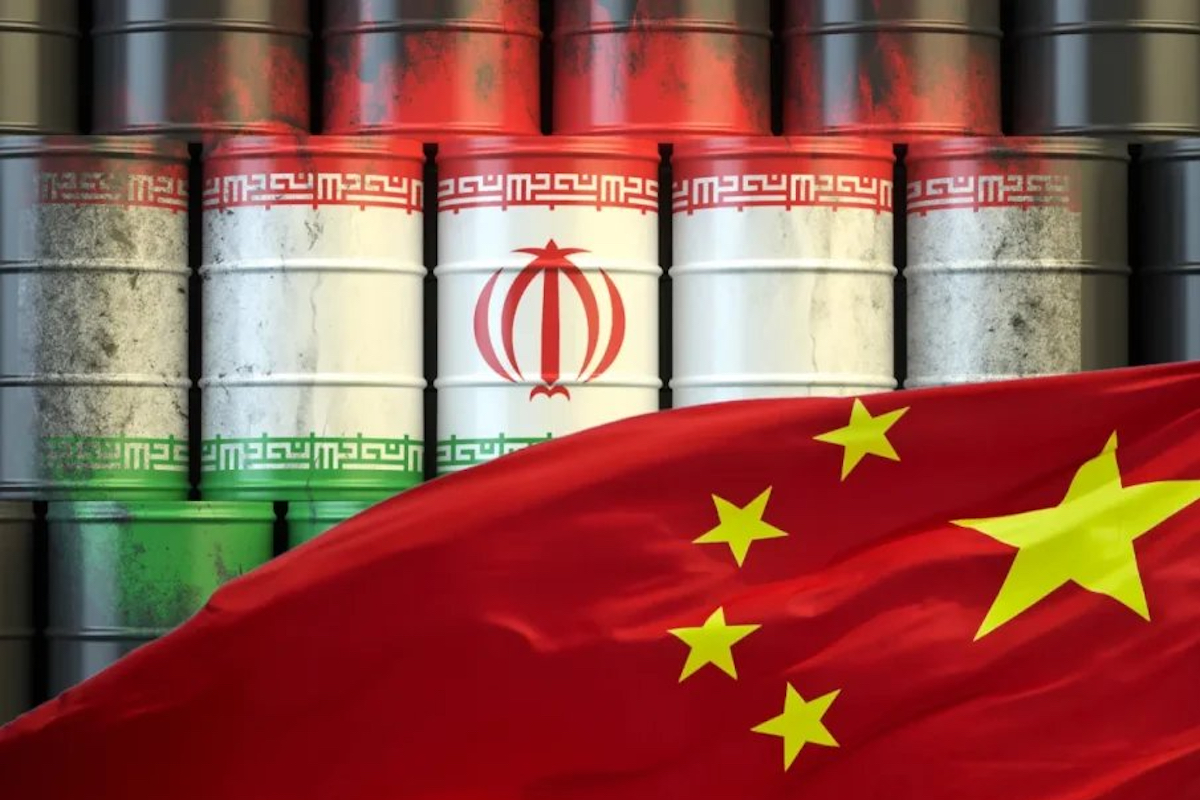
    China, a significant trading partner with Iran, swiftly condemned the US measures. Foreign Ministry spokeswoman Mao Ning articulated Beijing’s position, emphasizing that “there are no winners in a tariff war” while vowing to “take all necessary measures to safeguard its legitimate rights and interests.” Mao further expressed China’s opposition to interference in internal affairs and use of force in international relations.

    The Pentagon has reportedly presented President Trump with an expanded range of military options against Iran, including potential strikes on nuclear facilities and ballistic missile sites, though narrower options such as cyberattacks are considered more likely according to officials familiar with the planning.

    Meanwhile, the US virtual embassy in Iran urged American citizens to depart immediately via land routes to Armenia or Türkiye, reflecting growing concerns about potential conflict. Domestic unrest in Iran continues as well, with both anti-government protests and massive pro-government demonstrations filling Tehran’s streets, each side blaming external actors for the country’s instability.

  • Trump’s Iran tariff threat risks reigniting US-China trade war

    Trump’s Iran tariff threat risks reigniting US-China trade war

    Former President Donald Trump’s proposal to impose 25% tariffs on nations trading with Iran has triggered concerns about renewed economic confrontation between the United States and China. This policy initiative, while ostensibly targeting Tehran, directly challenges Beijing as China remains Iran’s largest trading partner.

    The emerging situation threatens to undermine the fragile diplomatic truce established between the two economic superpowers in late 2023. That interim understanding had temporarily halted years of escalating tariffs, export controls, and retaliatory measures, providing businesses with cautious optimism about stabilizing trade relations.

    Analysts suggest that a 25% tariff represents more than a technical adjustment—it signals a fundamental shift toward using trade policy as an instrument of confrontation rather than negotiation. Market observers recognize the pattern that typically follows such moves: initial warnings hardening into retaliation, ultimately reshaping the entire economic relationship landscape.

    Agricultural sectors would face immediate impact, with American soybean exports to China particularly vulnerable. Previous trade conflicts demonstrated how quickly market access evaporates when politics infiltrates supply chains. However, the implications extend far beyond agriculture, affecting technology, energy, manufacturing, and logistics—all industries dependent on predictable trade flows and stable policy frameworks.

    The maximum pressure strategy behind the tariff threat creates impossible choices for companies forced to balance commercial survival against compliance with shifting political demands. Such conditions discourage long-term investment, accelerate supply chain fragmentation, and weaken global growth foundations.

    Energy markets already reflect mounting tension, as Iran’s role in global oil supply amplifies every policy signal. Layering tariff threats atop existing sanctions raises risk premiums across commodities, potentially driving higher energy costs that filter into inflation and tighten financial conditions worldwide.

    Diplomacy historically provided buffers against such cycles, with trade agreements creating off-ramps and negotiations allowing cooling periods before disputes hardened into prolonged standoffs. Recent signals suggest movement in the opposite direction, with tariffs transitioning from bargaining chips to default responses.

    Both nations face difficult calculations: China must balance resisting external pressure against avoiding domestic perceptions of weakness, while Washington weighs appearing indecisive against reopening trade conflicts that previously inflicted deep damage on global growth.

    Investors recognize familiar patterns in these developments, recalling how earlier tariff escalation cycles began with measures framed as limited before yielding to retaliation rounds that raised barriers and deepened mistrust. The outcomes consistently delivered higher prices, fractured supply chains, and lasting erosion of confidence between major economies.

    Asia stands particularly exposed, with regional supply chains threading through Chinese factories, Southeast Asian ports, and energy corridors dependent on stable global trade rules. Any renewed confrontation sends immediate shockwaves through regional growth, currencies, and capital flows, with consequences extending far beyond the two primary nations involved.

    Political leaders often underestimate how rapidly confidence evaporates under such conditions. Markets move faster than diplomacy, and companies freeze investment plans long before negotiations resume, tightening financial conditions ahead of formal policy changes.

    The world learned painful lessons from earlier tariff escalation cycles. Those lessons now face a fresh decisive test as trade policy increasingly generates instability rather than leverage, potentially reopening wounds that global commerce spent years trying to heal.