分类: politics

  • Omani human rights advocate Talib al-Saedi ‘forcibly disappeared’, rights group says

    Omani human rights advocate Talib al-Saedi ‘forcibly disappeared’, rights group says

    Oman’s Internal Security Service faces serious allegations of forcibly disappearing prominent human rights defender Talib al-Saedi, according to documentation released by the Gulf Centre for Human Rights (GCHR). The organization reports that al-Saedi was summoned to the ISS Special Branch in Sohar on November 30 and has remained incommunicado since that date, with no access to legal representation or family contact.

    Al-Saedi’s recent advocacy focused on governmental accountability following the tragic carbon monoxide poisoning deaths of a six-member family in al-Amarat district, where he highlighted the absence of effective state assistance programs. His activism had previously drawn official scrutiny, resulting in two prior arrests—first in July 2014 for organizing a peaceful solidarity march with Palestine, and again in March 2015 for social media activities deemed critical of authorities.

    GCHR characterizes al-Saedi’s work as exclusively peaceful human rights advocacy and digital campaigning for political reforms. The organization demands his immediate release and guarantees of protection for all activists operating both online and offline, free from judicial harassment.

    The case emerges against Oman’s broader backdrop of constrained civil liberties, where increased state spending coexists with persistent repression. Despite gradual political openings, the country maintains stringent lese-majesty laws prohibiting criticism of Sultan Haitham bin Tariq and his administration, leading to numerous arrests of journalists and activists since 2011.

    Amnesty International has consistently documented Oman’s restrictive environment for free expression, noting ongoing prosecutions of online activists and journalists alongside persistent gender discrimination in legal frameworks and practical implementation.

  • US and Ukraine negotiators say ‘real progress’ toward peace depends on Russia

    US and Ukraine negotiators say ‘real progress’ toward peace depends on Russia

    Senior American and Ukrainian officials concluded a sixth round of high-level discussions on Friday, characterizing the dialogue as constructive while emphasizing that any sustainable peace resolution remains contingent on Russia’s genuine commitment to de-escalation. The bilateral meeting featured US Special Envoy Steve Witkoff and Jared Kushner, former senior advisor to President Donald Trump, engaging with Ukraine’s negotiation team led by National Security Secretary Rustem Umerov and Brigadier General Andriy Hnatov.

    The joint statement issued post-negotiations outlined significant progress in establishing security arrangement frameworks and deterrence mechanisms. Both delegations concurred that achieving ceasefire conditions and tension reduction are prerequisite to implementing Ukraine’s comprehensive redevelopment strategy, designed to rebuild the nation into a more prosperous state than its pre-war condition.

    Despite these advancements, the path toward resolution faces substantial hurdles. Tuesday’s five-hour Moscow negotiations between Witkoff and Russian President Vladimir Putin yielded no compromise, according to Kremlin assessments. Two primary contentious issues persist: the status of Russian-occupied Ukrainian territories and concrete security guarantees for Ukraine’s sovereignty.

    The discussions also addressed Ukraine’s post-conflict reconstruction and economic cooperation initiatives with the United States. Ukrainian representatives reiterated that any settlement must prioritize protecting national independence, ensuring citizen safety, and establishing foundations for a democratic future.

    The negotiating teams are scheduled to reconvene in Florida on Saturday for further deliberations, continuing the intensive diplomatic process that has now entered its sixth session within a fortnight.

  • Fifa awards Trump its first ever ‘peace prize’

    Fifa awards Trump its first ever ‘peace prize’

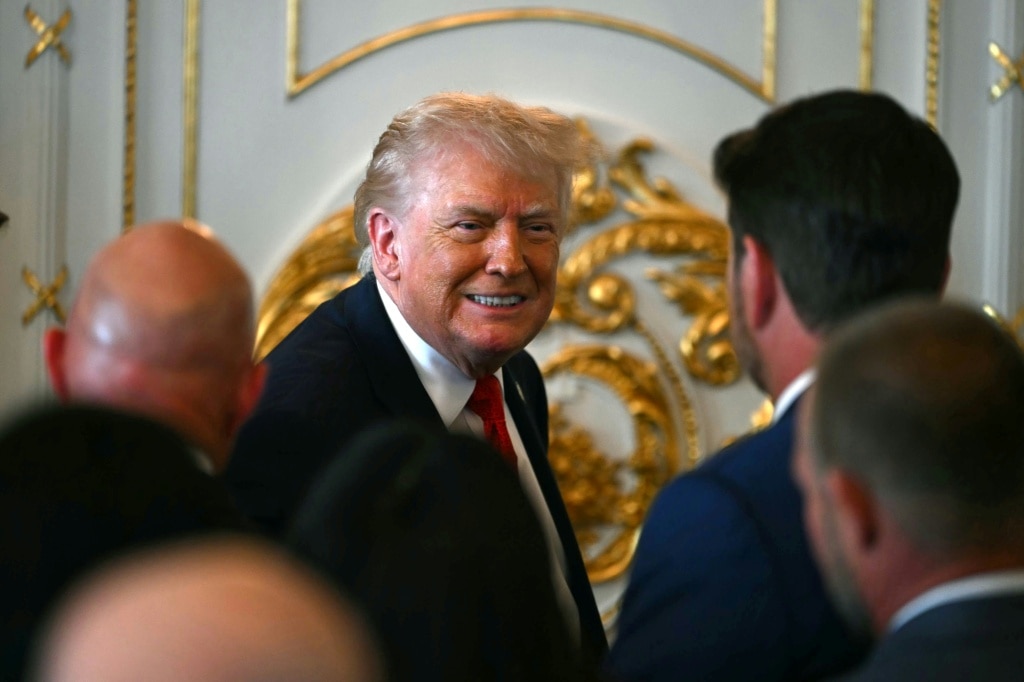
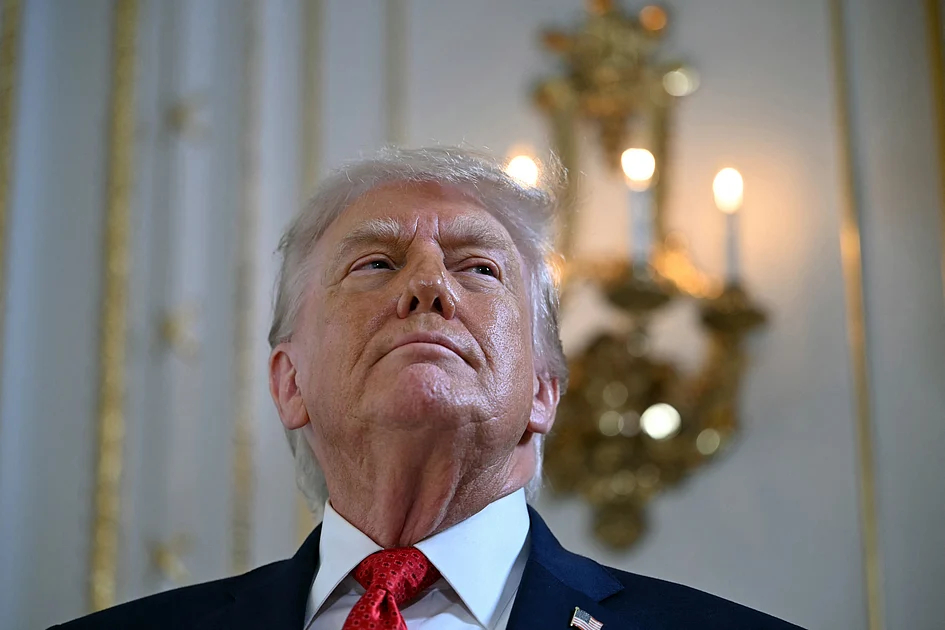
    The prestigious John F. Kennedy Center for the Performing Arts in Washington, DC, became the stage for a deeply political spectacle on a snowy Friday, where FIFA President Gianni Infantino presented Donald Trump with an inaugural peace prize during the 2026 World Cup draw ceremony. The event, attended by the president’s cabinet, family, and international delegates, featured Infantino praising Trump’s diplomatic achievements and presenting him with a gold medal and trophy larger than the World Cup itself.

    Trump accepted the honor without surprise, stating ‘This is truly one of the great honors of my life’ while claiming credit for saving ‘millions and millions of lives’ through his foreign policy. The ceremony included a video montage highlighting Trump’s meetings with world leaders and his claims of ‘ending eight wars.’

    The event raised serious ethical concerns regarding FIFA’s mandated political neutrality. Miguel Maduro, former chairman of FIFA’s governance committee, previously warned that Infantino had violated the organization’s ethics code by urging universal support for Trump’s policies. Meanwhile, protest groups gathered outside the Kennedy Center to demonstrate against Trump’s immigration policies and his transformation of the historically apolitical institution.

    Additional controversies emerged regarding immigration enforcement during the upcoming tournament. Andrew Giuliani, head of the White House World Cup Task Force, confirmed that ICE could not guarantee protection from raids at stadiums for non-US citizens. This follows a previous incident where a father was arrested by ICE at a FIFA Club World Cup game in New Jersey for flying a drone to take family photos.

    The Kennedy Center itself has undergone significant changes under Trump’s administration, with the president installing himself as chairman and appointing allies including former ambassador to Germany Richard Grenell to manage operations. These changes have prompted staff resignations and potential departures of cultural institutions like the Washington National Opera.

  • Former Assad loyalists ‘funnelling money’ to armed groups in Syria

    Former Assad loyalists ‘funnelling money’ to armed groups in Syria

    A Reuters investigation has uncovered that wealthy allies of ousted Syrian President Bashar al-Assad are systematically financing armed groups to incite rebellion against the interim government. Major-General Kamal Hassan, former military intelligence chief, and billionaire Rami Makhlouf are reportedly competing to establish militia networks among Syria’s Alawi minority, with both factions collectively bankrolling over 50,000 fighters to secure their allegiance.

    Despite Assad’s apparent disinterest in reclaiming power from his Moscow exile, according to four sources close to the former ruling family, his former associates are actively working to undermine President Ahmed al-Sharaa’s administration. Their objectives include seizing control of 14 underground command centers and weapons caches constructed along Syria’s coastal region during Assad’s final years in power.

    The report details how General Hassan regularly communicates with field commanders, expressing frustration over his diminished influence and ambitions to retake Latakia—the Alawi-majority homeland of the Assad family. This power struggle has exacerbated sectarian tensions, resulting in significant violence across regions including Latakia and Sweida, where clashes between Alawi and Druze communities have claimed numerous lives.

    Following Assad’s overthrow in December 2024, loyalist attacks in Latakia triggered violent retaliations against Alawis, with at least 1,500 fatalities documented—many allegedly traceable to officials in Damascus. The interim government faces skepticism from minority groups wary of President Sharaa’s past association with al-Nusra Front, though he has publicly renounced its extremist ideology.

    Syrian Foreign Minister Asaad al-Shaibani recently addressed these concerns at London’s Chatham House, emphasizing the government’s commitment to establishing a pluralistic, election-based state after 13 years of conflict. ‘We aspire that the Syrian state is one that Syrians believe in,’ Shaibani stated, asserting that Syria possesses no inherent sectarian problem despite its complex demographic landscape.

  • Lawmakers propose sweeping bill against Muslim Brotherhood after Trump letdown

    Lawmakers propose sweeping bill against Muslim Brotherhood after Trump letdown

    In a significant bipartisan move, the US House Foreign Affairs Committee has approved legislation that would formally designate all groups affiliated with the Muslim Brotherhood as terrorist organizations. The Wednesday vote saw six Democratic representatives—Cherfilus-McCormick, Stanton, Moskowitz, Costa, Latimer, and Schneider—join all Republican committee members in advancing the measure.

    The proposed legislation, which must still pass both the full House and Senate to become law, employs notably broader language than former President Donald Trump’s recent executive order on the same subject. While Trump’s order initiated a review process for designating Brotherhood affiliates in specific countries, this bill would implement a comprehensive designation across all affiliated groups.

    Committee Chairman Brian Mast, a strong Israel supporter who lost both legs in Afghanistan and later volunteered with the Israeli military, has been instrumental in pushing the legislation forward. The move has drawn criticism from various quarters, including ranking Democrat Gregory Meeks, who warned that such designation would severely hamper US diplomatic engagement with regional partners and distort understanding of the Brotherhood’s diverse functions.

    The Muslim Brotherhood itself condemned Trump’s earlier executive order as “politically motivated” and “detached from reality,” warning that designation would set a dangerous precedent while undermining US national security and regional stability. Experts like Rose Kelanic of Defense Priorities note that the Brotherhood poses no direct terror threat to the US, though some argue it could represent a threat to Israeli interests.

    This legislative effort revives an initiative first floated by Trump in 2017, during a period of regional turmoil following the Arab Spring. At that time, Middle Eastern powers were deeply divided in their response to populist Islamist movements, culminating in the Saudi-Emirati blockade of Qatar. However, regional dynamics have since evolved significantly, with key nations restoring diplomatic ties through the 2021 Al Ula agreement.

    According to Gulf expert Kristian Coates Ulrichsen, “The battles have been fought, and the region has moved on to a point,” suggesting the current push appears driven more by domestic political considerations than regional geopolitics.

  • Exclusive: ICC shuns US demands to drop Israel war crimes probe and amend treaty

    Exclusive: ICC shuns US demands to drop Israel war crimes probe and amend treaty

    The International Criminal Court’s (ICC) governing body has formally rejected a series of demands from the United States, including calls to terminate its investigation into alleged Israeli war crimes and to amend its foundational treaty. This development follows the annual meeting of the Assembly of States Parties (ASP) in The Hague, where member nations issued a collective statement expressing grave concern over coercive measures targeting the court’s officials and operations.

    The U.S. administration, through diplomatic channels, had reportedly conditioned the lifting of sanctions on the ICC’s abandonment of its probes in Palestine and Afghanistan. A further demand sought an amendment to the Rome Statute that would prohibit the prosecution of citizens from non-member states—a move that would effectively grant immunity to American and Israeli nationals and also impact the court’s investigation into alleged Russian war crimes in Ukraine.

    Diplomatic sources revealed that these demands were presented to member states by an EU diplomat last month. However, the final ASP declaration, adopted by consensus, emerged as a strengthened compromise that firmly upholds the court’s integrity. The statement denounced threats and coercive measures against court officials but included a single, carefully worded reference to dialogue with non-members, intended solely to encourage broader ratification of the treaty, not to negotiate its core principles.

    Multiple diplomats and ICC experts emphasized that capitulating to U.S. pressure by amending the Rome Statute would be more destructive to the court’s existence than the sanctions themselves. The prevailing sentiment was one of defiance, with one official stating, ‘Either we fight or we die. Either we swim or we sink.’

    The backdrop to this confrontation includes unprecedented U.S. sanctions imposed on ICC Chief Prosecutor Karim Khan, his deputies, several judges, and other officials, disrupting their personal lives and access to global financial systems. In response, the ICC has implemented confidential countermeasures to shield its operations. The court’s investigations, particularly the historic issuance of arrest warrants for Israeli leaders, continue unabated, with officials and judges vowing they will not be deterred.

  • North American leaders take stage together for the first time

    North American leaders take stage together for the first time

    In a display of diplomatic theater, the leaders of the United States, Mexico, and Canada shared the stage at Washington DC’s Kennedy Centre for the 2026 World Cup draw, projecting unity while navigating complex trade negotiations behind the scenes. President Donald Trump, Mexican President Claudia Sheinbaum, and Canadian Prime Minister Mark Carney participated in the ceremonial selection of tournament groups, marking their first trilateral appearance since their respective administrations began.

    The event facilitated the inaugural meeting between President Trump and President Sheinbaum, who leads Mexico as America’s largest trading partner. While Prime Minister Carney had previously engaged with Trump on multiple occasions, substantive trade discussions between the nations have remained suspended pending policy reviews.

    Beneath the cordial public interactions lies significant uncertainty regarding the future of the US-Mexico-Canada Agreement (USMCA), which faces a mandatory review in 2026. The Trump administration has signaled potential dramatic changes to North American trade architecture, including possibly separating the trilateral pact into distinct bilateral agreements. US Trade Representative Jamieson Greer publicly questioned the economic rationale behind maintaining a unified trade framework, noting the fundamentally different relationships America maintains with each neighbor.

    Despite these underlying tensions, the leaders maintained warm public decorum throughout the event. They collectively posed for photographs with FIFA President Gianni Infantino and engaged in limited sideline discussions about trade matters, particularly concerning steel, aluminum, and automobile tariffs. President Sheinbaum confirmed brief bilateral engagement with President Trump to address these specific trade issues.

    The event also featured President Trump receiving the inaugural FIFA Peace Prize, which he described as “one of the honours” of his life. Infantino presented the award in recognition of Trump’s “exceptional and extraordinary actions to promote peace and unity around the world.”

    Meanwhile, American business interests have overwhelmingly advocated for maintaining the current trade framework. During recent public hearings on the USMCA review, representatives from agricultural, business, and policy groups testified about the agreement’s critical role in facilitating access to Canadian and Mexican markets.

    The World Cup draw provided a temporary respite from trade negotiations, but the fundamental questions regarding North American economic integration remain unresolved as the 2026 review deadline approaches.

  • Marwan Barghouti brutally assaulted in Israeli prison, family told

    Marwan Barghouti brutally assaulted in Israeli prison, family told

    Marwan Barghouti, a senior Palestinian political figure imprisoned by Israel, has reportedly suffered a brutal assault by prison authorities, with his family receiving alarming details about his condition. According to accounts relayed through a recently released prisoner, Barghouti sustained severe injuries including a partially severed ear, broken ribs, fractured fingers, and dental damage during multiple beating sessions. His son, Arab Barghouti, described the conveyed information as indicating an “extremely difficult and very dangerous” state.

    This incident is not isolated. A confidential source close to the Barghouti family revealed that the Fatah leader has been physically assaulted at least five times over the past two years, characterizing these actions as “a slow, gradual assassination attempt.” The attacks coincide with increasing threats from senior Israeli officials, including National Security Minister Itamar Ben Gvir, who was filmed visiting Barghouti’s cell in August while warning Israel would “obliterate” its opponents.

    Barghouti, who has been incarcerated since 2004 and is serving five life sentences plus 40 years for his role in attacks that killed five Israelis during the Second Intifada, has long been held in solitary confinement. His treatment has intensified alongside other prominent Palestinian detainees since October 2023. Despite his imprisonment, opinion polls consistently show Barghouti would likely win the Palestinian presidency by a significant margin if elections were held.

    The Palestinian Authority’s Commission of Detainees’ Affairs has gathered information corroborating the assault reports, yet according to sources, neither the PA nor Fatah leadership has taken meaningful action to intervene. This perceived abandonment has left the family in “complete shock and desperation,” with one source questioning how a senior Fatah official could be “left to face his fate alone.”

    This case unfolds against the backdrop of a massive detention campaign across the West Bank following the Gaza conflict initiation in October 2023. Current estimates indicate at least 9,250 Palestinians are held in Israeli prisons, with nearly half detained without charge or trial under administrative detention orders. Documentation shows record levels of systemic abuse and torture in Israeli custody, with at least 100 prisoner deaths reported under these conditions.

    International efforts to secure Barghouti’s release, including attempted negotiations by Egypt, Qatar, and Hamas as part of Gaza ceasefire discussions, have thus far been unsuccessful, with Israel subsequently removing his name from prisoner exchange lists.

  • India announces free e-visa for Russian citizens, set to begin soon

    India announces free e-visa for Russian citizens, set to begin soon

    In a significant diplomatic move, Indian Prime Minister Narendra Modi announced the imminent launch of a complimentary e-visa program for Russian citizens during a joint press conference with Russian President Vladimir Putin on Friday. The landmark initiative, set to commence operations shortly, will eliminate all processing fees for both individual travelers and tourist groups seeking to visit India.

    The newly established electronic visa system promises expedited processing within a 30-day timeframe, substantially streamlining entry procedures for Russian nationals. This hospitality enhancement coincides with President Putin’s first state visit to New Delhi since Russia’s military engagement in Ukraine commenced in 2022, signaling strengthened bilateral relations despite international pressures.

    Both nations concurrently agreed to diversify their economic engagement beyond traditional sectors of oil and defense equipment. The announcement comes amid ongoing trade negotiations between India and the United States regarding punitive tariffs imposed during the Trump administration, partially motivated by New Delhi’s continued energy purchases from Moscow.

    Russia has expressed ambitions to rectify trade imbalances by increasing imports of Indian goods, targeting bilateral trade volumes reaching $100 billion by 2030. India remains the world’s largest purchaser of Russian seaborne oil and military equipment, demonstrating resilient economic ties that have persisted through geopolitical tensions. The visa facilitation program represents a strategic effort to deepen people-to-people connections while reinforcing diplomatic and economic cooperation between these historically allied nations.

  • Mainland says Taiwan’s Lai a ‘peace breaker’ and ‘troublemaker’

    Mainland says Taiwan’s Lai a ‘peace breaker’ and ‘troublemaker’

    The Chinese Foreign Ministry has formally characterized Taiwan’s leader Lai Ching-te as a ‘peace breaker’ and ‘troublemaker’ during a press briefing on Friday. Spokesperson Lin Jian issued the stern condemnation following Lai’s participation in The New York Times DealBook Summit, where he delivered pre-recorded remarks addressing the Taiwan Strait situation.

    Lin asserted that certain US media platforms have facilitated the dissemination of what he described as false ‘Taiwan independence’ narratives by providing a stage for Taiwanese authorities. This action, according to the ministry, constitutes a serious violation of both the one-China principle and the three foundational China-US joint communiques that have historically governed Sino-American relations.

    The spokesperson emphasized that such platforming sends dangerously misleading signals to separatist factions within Taiwan. Lin reiterated China’s firm opposition to these developments, characterizing Lai’s statements and actions as revealing his fundamental nature as an advocate for ‘Taiwan independence’ and his strategic attempts to pursue separation through American support.

    ‘Regardless of Lai’s rhetoric or maneuvers, these efforts represent futile attempts destined for failure,’ Lin stated categorically. The Foreign Ministry simultaneously called upon Washington to comprehensively honor commitments previously made by US leadership regarding the Taiwan question, highlighting the extremely sensitive nature of what China considers an internal matter.