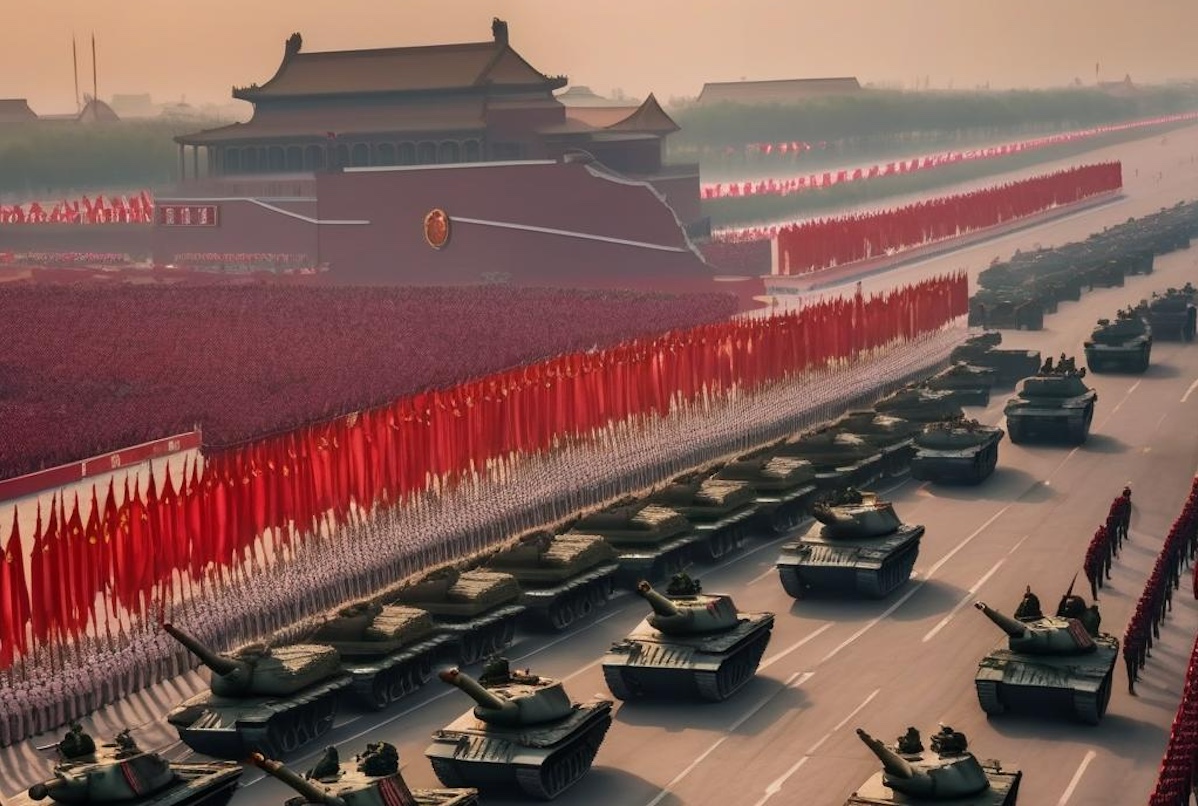
On September 3, Beijing witnessed a historic military parade where Chinese President Xi Jinping unveiled a defense system capable of countering the United States. This display marked a significant shift in global power dynamics, signaling that China is no longer a junior partner to the U.S. but a formidable global power ready to defend and expand its interests. This event, coupled with China’s growing alliances and its philosophy of non-interference in international politics, underscores its strategic rise on the world stage. The recent Shanghai Cooperation Organization (SCO) summit in Tianjin further highlighted China’s expanding influence, with India’s presence confirming Beijing’s ability to attract new allies while the U.S. struggles to maintain its traditional partnerships. China’s re-examination of history, particularly its role in World War II, and its emphasis on regional growth through initiatives like the $1.3 billion SCO development bank, further illustrate its comprehensive strategy to reshape global narratives and economic frameworks. Meanwhile, the U.S. faces challenges in maintaining its influence in Asia, with countries like Japan and Australia potentially hedging their security strategies and relying less on American support. This evolving landscape suggests a psychological and strategic decoupling between the U.S. and China, leading to a more tense bilateral atmosphere reminiscent of Cold War II. As China continues to capitalize on American missteps, it is crafting a new world order with its own rules, independent of Western standards. This shift has profound implications for global security, trade, and diplomacy, as nations reassess their alliances and strategies in response to China’s growing assertiveness.
分类: politics
-
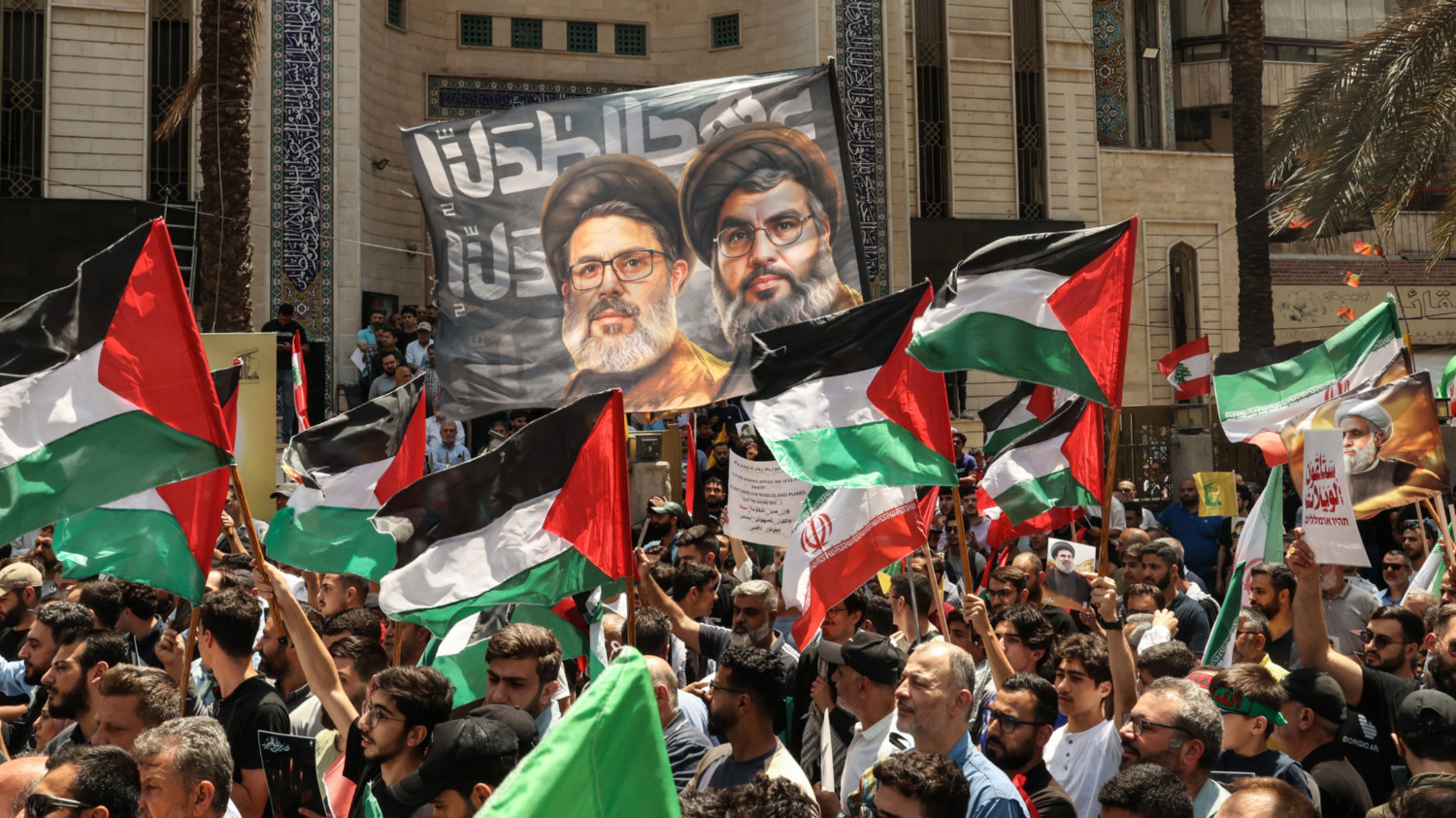
Lebanon: What will it take to disarm Hezbollah?
In a significant geopolitical shift, the Lebanese government, under mounting pressure from the United States, has escalated its efforts to disarm Hezbollah, the Shia political party and militant group often described as a ‘state within a state.’ Hezbollah, which emerged in 1982 as a resistance movement against the Israeli invasion, has maintained an armed presence in Lebanon for decades, often clashing with Israel. Tensions between the two factions reached a boiling point in September 2024, following an extensive Israeli bombing campaign in Lebanon. Despite a ceasefire agreement brokered in November 2024, Israel has continued to violate the terms with ongoing air strikes and the occupation of five Lebanese locations.
-
Australia-Israel relations have hit a low point. Behind the scenes, it’s business as usual
In recent weeks, the relationship between Australia and Israel has deteriorated to an unprecedented low, marked by escalating diplomatic tensions and public outcry over the humanitarian crisis in Gaza. The situation reached a boiling point following a series of large-scale pro-Palestinian protests across Australia, including a historic march across Sydney Harbour Bridge on August 3, which saw tens of thousands of demonstrators demanding stronger action against Israel’s military operations in Gaza.
-
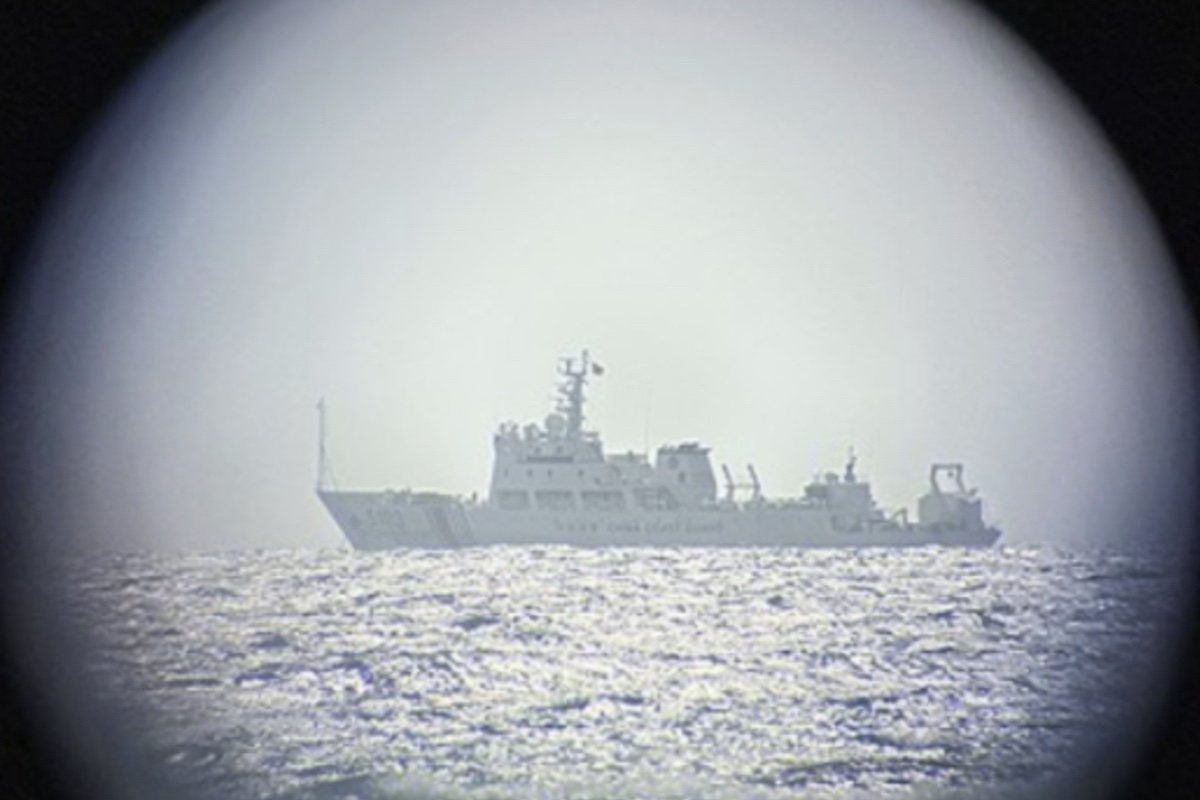
A China blockade of Taiwan may or may not work
US officials have indicated that Chinese President Xi Jinping has set a 2027 deadline for the People’s Liberation Army (PLA) to achieve the capability to invade Taiwan, coinciding with the centennial anniversary of the PLA’s founding. This revelation was highlighted by US Secretary of Defense Pete Hegseth during a security conference in Singapore in May, where he emphasized the “imminent threat” China poses to Taiwan. Over the past decade, the PLA has undergone significant modernization, building the world’s largest navy and coast guard. However, rather than outright invasion, China appears to be leaning towards a strategy of prolonged blockade to pressure Taiwan into submission. This approach, known as ‘lianhe fengkong’ (joint blockade), would involve cutting off Taiwan from external resources, leveraging coordinated air, sea, and land-based systems. A recent report by the Centre for Strategic and International Studies (CSIS) simulated 26 war game scenarios, predicting severe consequences for Taiwan, including depletion of natural gas within ten days, coal and oil shortages within weeks, and a halt in manufacturing if electricity levels drop to 20%. Taiwan’s vulnerability stems from its heavy reliance on port calls and limited emergency reserves. While blockades are not inherently illegal under international law, they must comply with war regulations, including effectiveness, notification, and impartial enforcement. China’s potential strategies range from kinetic blockades targeting merchant ships to non-kinetic measures like encircling the island with its naval forces. Counter-blockade strategies, such as those led by the US, could involve closing critical trade routes like the Malacca Strait, though such actions risk global economic disruption. The optimal response may lie in bolstering Taiwan’s resilience through increased stockpiles and infrastructure development, alongside US naval support to break potential blockades, albeit at significant risk of escalation.
-
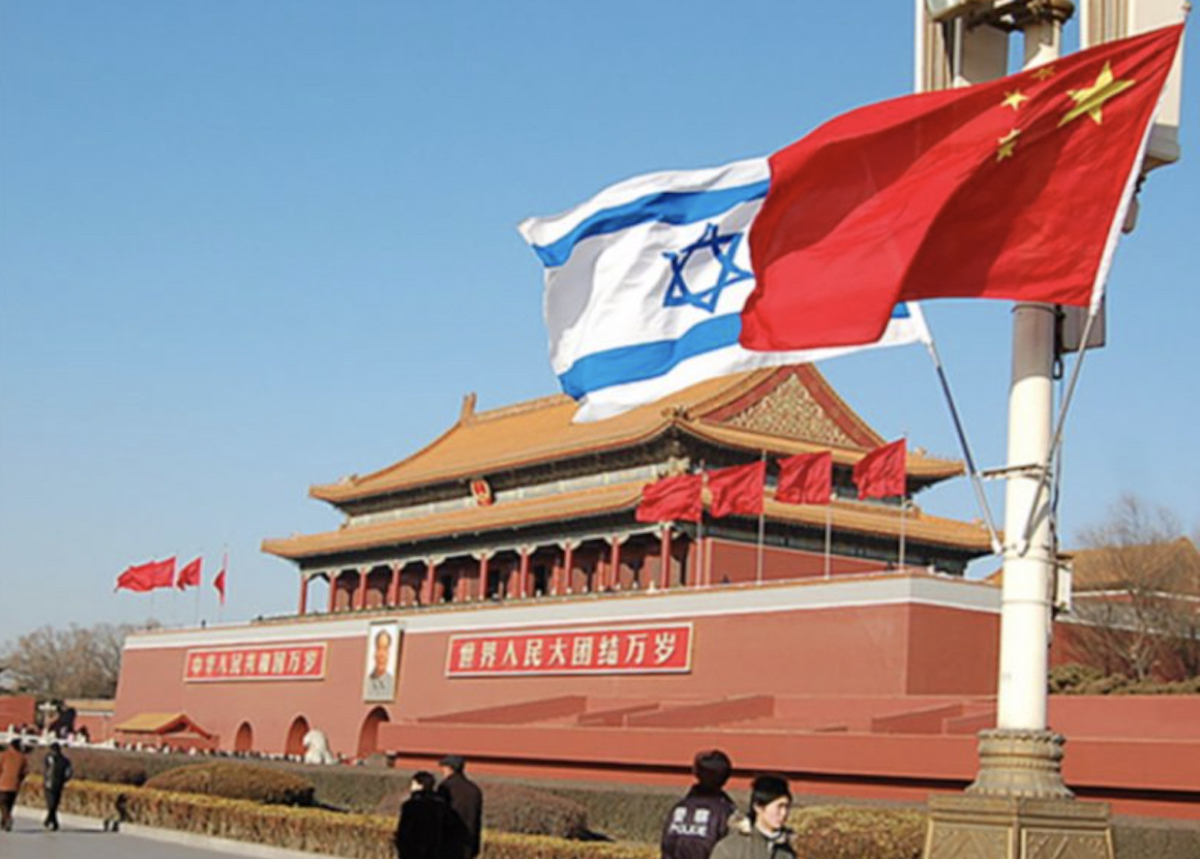
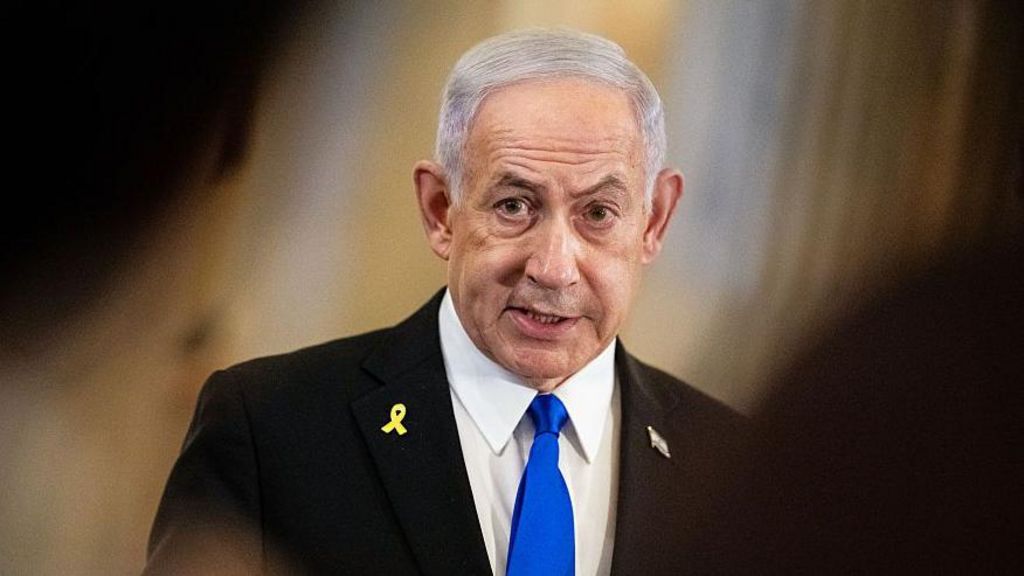
China-Israel relations in subtle but certain drift
The once-thriving diplomatic and economic partnership between China and Israel is facing unprecedented strain as escalating tensions between the United States and China force Israel into a delicate balancing act. What began as a pragmatic alliance centered on technological collaboration and trade has evolved into a complex geopolitical puzzle, with Israel caught between its most vital ally and one of its largest economic partners. Over the past three decades, China and Israel cultivated robust ties in technology, trade, and diplomacy, with Chinese investments fueling Israeli tech startups and bilateral trade flourishing in sectors like semiconductors and agricultural innovation. However, recent geopolitical shifts have disrupted this dynamic, creating unforeseen challenges for both nations. The turning point came after Hamas’s October 2023 attacks on Israel and the subsequent military response. China, previously neutral, adopted a pro-Palestinian stance, condemning Israeli actions and supporting UN resolutions critical of Israel’s policies. This marked a significant departure from its earlier balanced approach. The US-China rivalry has further complicated matters, particularly in the technology sector. Washington has pressured Israel to restrict technology transfers to China, especially in sensitive areas like semiconductors, artificial intelligence, and defense technologies. This pressure has yielded tangible results, with Israeli semiconductor exports to China halving from $21 million in 2020 to $11 million in 2022. Israeli companies have been forced to reevaluate their Chinese partnerships, with some deals canceled under American scrutiny. Despite these challenges, economic ties between China and Israel remain resilient, with bilateral trade reaching $16.3 billion in 2024. However, this interdependence also exposes vulnerabilities. China’s reliance on Middle Eastern oil, particularly from Iran, complicates its relationship with Israel, given Iran’s adversarial stance. The October 2023 conflict also reshaped Chinese perceptions of Israel, with Beijing increasingly critical of Israeli military actions. This shift has eroded trust, as evidenced by 2024 polls showing a majority of Israelis now view China as unfriendly. The crisis underscores broader strategic realignments in the Middle East, where the US and China vie for influence. While the US remains Israel’s primary security guarantor, China’s alignment with Iran and Palestine has limited its role as a regional mediator. US concerns over Chinese access to Israeli technology have intensified, leading to enhanced investment screening and restricted cooperation. The future of China-Israel relations hinges on several factors, including the trajectory of US-China competition, regional stability, and global technology governance. Israel must navigate these pressures while balancing its economic interests and security concerns. This evolving relationship serves as a microcosm of how great power competition impacts smaller states, offering insights into the challenges of navigating a multipolar world.
-

Trump move to oust Fed governor shakes US market credibility
The ongoing battle over Lisa Cook’s position on the Federal Reserve’s Board of Governors, amid President Donald Trump’s efforts to remove her, has ignited a critical discussion on the independence of central banks. This struggle underscores a broader power conflict between political leaders and public institutions tasked with managing monetary policy. Central banks, which regulate a nation’s currency and monetary flow, wield significant influence over economic growth, inflation, employment, and financial stability. Politicians often seek to control or manipulate these levers, especially during pivotal moments like elections or periods of declining popularity. However, such politically motivated interventions can jeopardize long-term economic health, leading to future economic challenges. Since the 1990s, data-driven and technocratic monetary policymaking has been regarded as the gold standard for national financial governance, effectively maintaining low and stable inflation. Despite this, central banks have faced mounting political pressure over the past decade. Trump’s administration exemplifies this trend, with the president openly criticizing Federal Reserve Chair Jerome Powell and demanding lower interest rates. Unable to remove Powell, Trump has shifted focus to Cook, alleging misconduct in a mortgage application—a claim Cook disputes, asserting the president lacks the authority to dismiss her. This confrontation highlights the fragile balance between political influence and central bank autonomy, a dynamic that has global implications for economic stability. While laws protect central banks from political interference, recent trends suggest a gradual erosion of this independence. As political economists note, the tug-of-war over monetary policy reflects the tension between short-term political gains and long-term economic well-being.
-
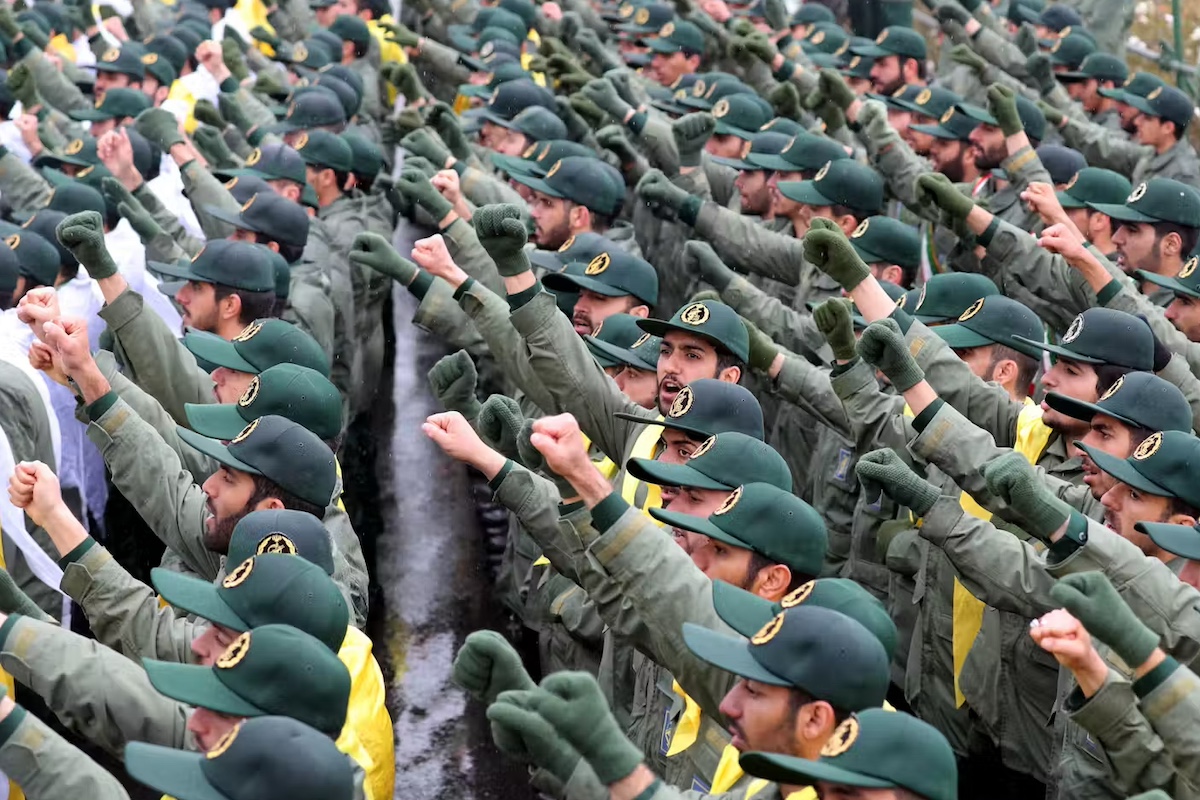
Iran’s IRGC listed terror group for antisemitic attacks in Australia
In a dramatic move, Australian Prime Minister Anthony Albanese has accused Iran of directing at least two antisemitic attacks on Australian soil, including the firebombing of a synagogue. These actions, Albanese claims, were intended to sow discord and undermine social cohesion in the country. In response, Australia has expelled Iran’s ambassador, suspended operations of its embassy in Tehran, and announced plans to designate Iran’s Islamic Revolutionary Guard Corps (IRGC) as a terrorist organization, aligning with similar actions by the United States and Canada. The IRGC, a branch of Iran’s armed forces, has been implicated in various destabilizing activities globally, including coordinating support for groups like Hezbollah and Hamas. Western intelligence agencies have long accused the IRGC of involvement in covert operations, with the UK recently revealing it had thwarted 20 Iranian-linked plots since 2022. Australia’s decision marks a significant escalation in its stance toward Iran, with officials noting this is the first time since World War II that Canberra has expelled an ambassador. Tehran is expected to reject the allegations, dismissing them as politically motivated. This development comes amid broader tensions over Iran’s nuclear program, with Western powers demanding a halt to uranium enrichment activities and preparing to reimpose sanctions. Australia’s actions may further isolate Iran internationally, adding momentum to Western efforts to counter its influence.
-
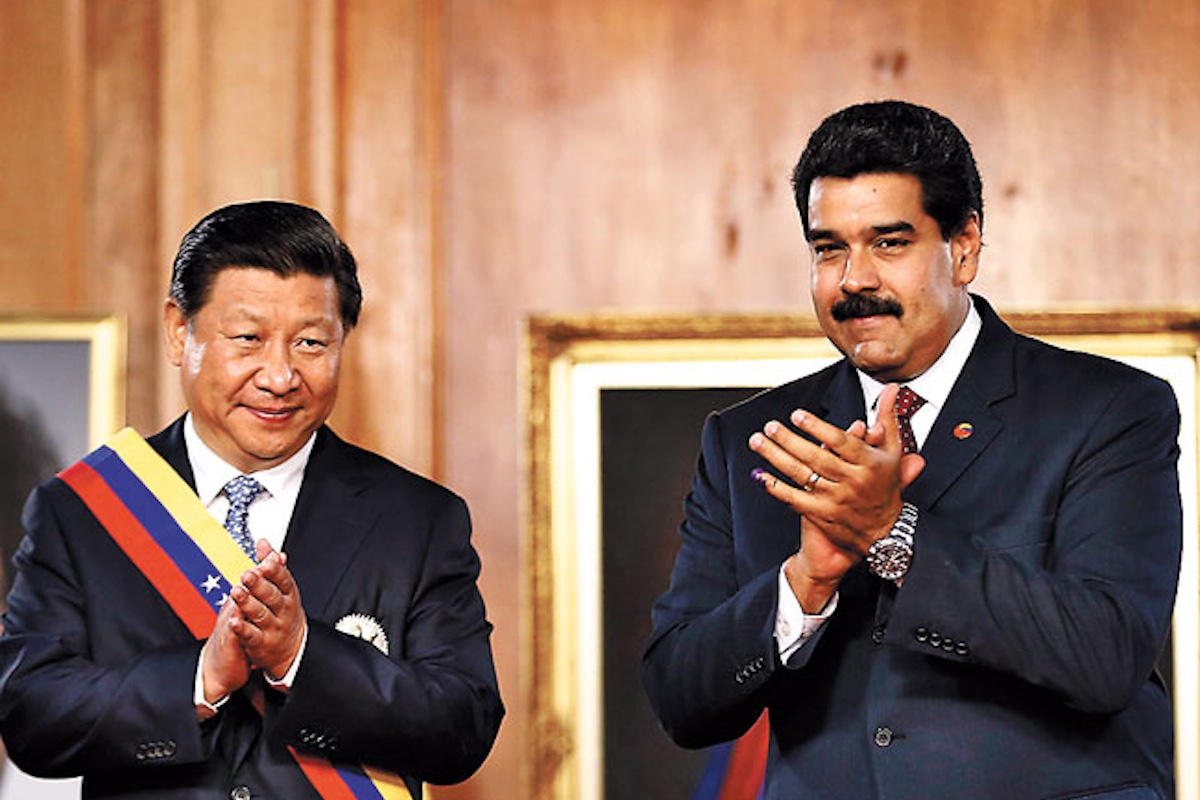
Trump, Venezuela and China’s Latin America advance
The Trump administration’s Venezuela policy, largely continued by the Biden administration, serves as a cautionary tale of how ideological rigidity can undermine strategic interests, particularly in the context of geopolitical competition with China. While Washington focused on maximum pressure tactics—sanctions, diplomatic isolation, and threats of military intervention—Beijing quietly positioned itself as Venezuela’s economic lifeline, deepening its influence in America’s backyard. This outcome was predictable: cutting off a regime’s traditional economic ties inevitably drives it toward alternative partners. China, with its non-interference policy and hunger for energy resources, emerged as the obvious choice, reaping significant strategic benefits at Washington’s expense. The US approach, rooted in the flawed assumption that economic pressure alone would trigger regime change, has proven counterproductive. Instead of weakening President Maduro’s grip, sanctions fostered a dependency on China, further entrenching Beijing’s foothold in the region. China’s strategy, characterized by ‘authoritarian pragmatism,’ has secured access to Venezuela’s oil reserves, expanded its economic presence in Latin America, and positioned itself as a counterbalance to US hegemony. This case highlights a broader issue in US foreign policy: prioritizing moral satisfaction over strategic calculation. By framing Venezuela policy around democracy promotion rather than managing great power competition, Washington inadvertently handed Beijing a strategic victory. A more effective approach would involve selective engagement with the Maduro government, economic competition with China, and multilateral coordination with regional partners. The lesson is clear: in an era of great power competition, ideological foreign policy is a luxury the US can no longer afford.
-
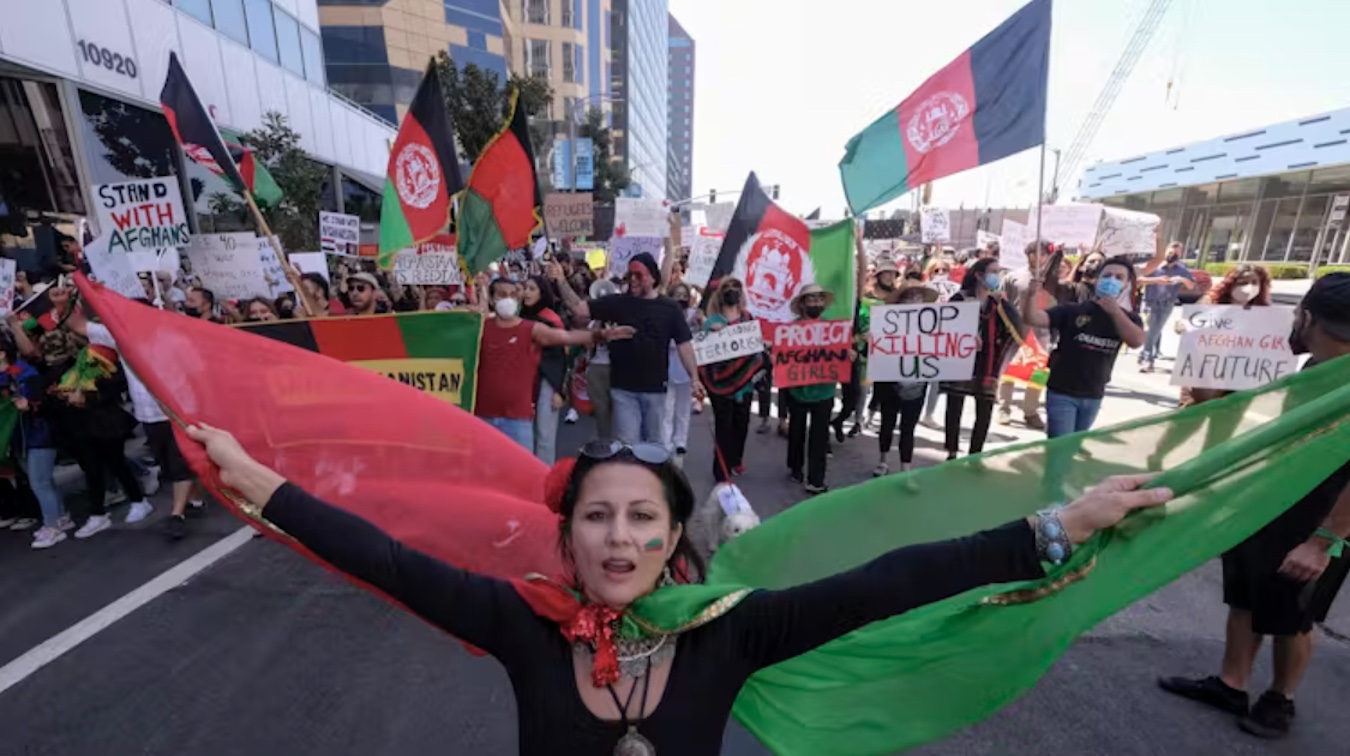
Trump slams door on Afghan asylum seekers fleeing Taliban
Thousands of Afghan nationals residing in the United States are grappling with an uncertain future following a federal appeals court ruling on July 21, 2025, which upheld the Trump administration’s decision to terminate the Temporary Protected Status (TPS) program for Afghans. This program, which provided work permits and protection from deportation, was initially granted in 2022 after the Taliban regained control of Afghanistan in late 2021. The Taliban’s oppressive regime, which enforces a strict interpretation of Islamic law, has banned women and girls from education and employment, creating a humanitarian crisis that justified the TPS designation. However, in May 2025, Homeland Security Secretary Kristi Noem announced the termination of TPS for Afghans, citing improved security and economic stability in Afghanistan. This decision affects approximately 8,000 Afghan TPS holders, many of whom fled due to fears of persecution by the Taliban, including former government employees, women’s rights advocates, and those who collaborated with the U.S. military. Experts argue that the termination is unlikely to result in voluntary repatriation, as the threat of persecution remains a significant concern. Instead, it may force thousands into unlawful residency, limiting their access to employment, healthcare, and financial stability. Many Afghans are expected to seek asylum, but the U.S. asylum system is already overwhelmed, with a backlog of 1.5 million applications and wait times of up to six years. This situation leaves Afghan TPS holders in a precarious position, with limited legal pathways to remain in the U.S. and support their families both in the U.S. and Afghanistan.
-
Chinese FM urges Japan to face history squarely to earn respect
On the 80th anniversary of Japan’s unconditional surrender in World War II, Chinese Foreign Minister Wang Yi emphasized the importance of Japan confronting its historical actions to earn global respect. Speaking at a press briefing following the tenth Lancang-Mekong Cooperation (LMC) Foreign Ministers’ Meeting in Kunming, Wang, who is also a member of the Political Bureau of the Communist Party of China Central Committee, reiterated China’s stance on historical issues. He highlighted that 80 years ago, Japan accepted the Potsdam Proclamation and surrendered unconditionally, marking the end of its aggressive war that caused immense suffering across Asia, including in China and Japan itself. Wang pointed out that international agreements like the Cairo Declaration and the Potsdam Proclamation clearly outlined Japan’s war responsibilities and mandated the return of territories, including Taiwan, to China. Despite this, Wang criticized certain factions in Japan for continuing to glorify their past invasions and distort historical facts, actions he described as contemptible and detrimental to the post-war international order. Wang concluded by urging Japan to learn from its history to avoid repeating past mistakes and to choose a path that leads to a better future.