分类: politics

  • Trump abandons attack mode as Minneapolis shooting backlash grows

    Trump abandons attack mode as Minneapolis shooting backlash grows

    The Trump administration has executed a notable strategic pivot in its response to the fatal shooting of Alex Pretti by federal agents in Minneapolis, moving from its characteristic confrontational stance to a more measured approach as political tensions escalate.

    Initially, officials deployed aggressive rhetoric characterizing the 37-year-old nurse as a ‘domestic terrorist’ and ‘would-be assassin.’ Homeland Security Secretary Kristi Noem claimed Pretti intended to ‘inflict harm’ while Border Patrol Commander Gregory Bovino described the incident as an attempt to ‘massacre law enforcement.’

    However, as multiple video recordings surfaced contradicting the official narrative—showing Pretti filming agents with his phone and assisting a knocked-down woman before being pepper-sprayed—the administration’s position became untenable. The footage clearly showed Pretti unarmed when wrestled to the ground, though authorities later confirmed he legally carried a concealed firearm.

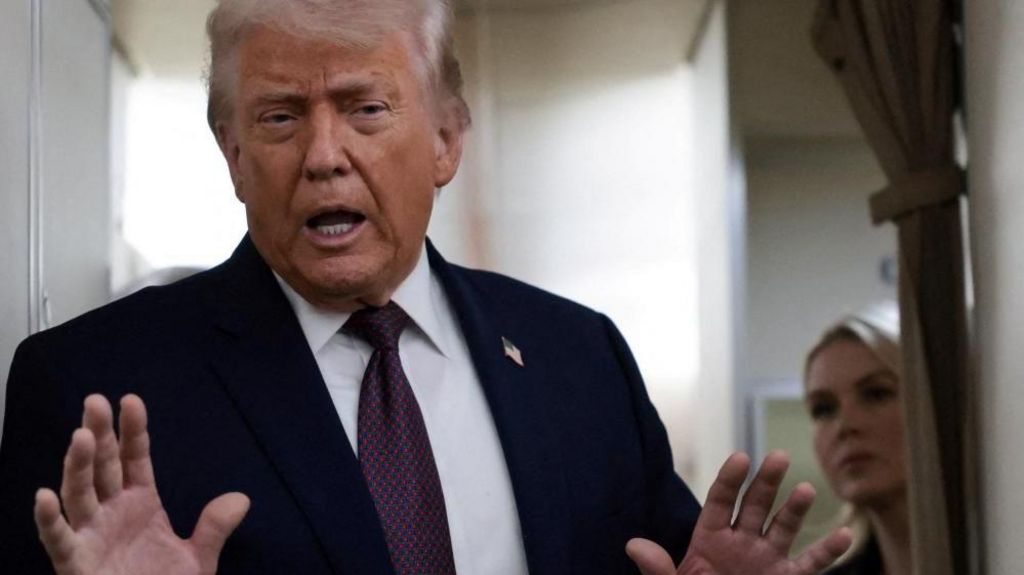
    Facing mounting criticism from both political parties and deteriorating public opinion, the White House altered its communication strategy. President Trump labeled the incident ‘tragic’ on Truth Social while blaming ‘Democrat-ensued chaos,’ and dispatched former Obama administration official Tom Homan—considered a more moderate figure—to oversee operations in Minnesota.

    The political ramifications continue to intensify as Senate Democrats now threaten to block Department of Homeland Security funding, potentially triggering a partial government shutdown. Republicans meanwhile express growing unease, with Vermont Governor Phil Scott condemning the federal response as ‘a complete failure of coordination’ at best and ‘deliberate intimidation’ at worst.

    With recent polls indicating 61% of Americans believe ICE operates ‘too tough’ in detainments, and 58% disapproving of Trump’s immigration handling overall, the administration faces mounting pressure to recalibrate its approach while maintaining its enforcement priorities.
  • Nigerian military says officers will be tried after a probe found they carried out a coup plot

    Nigerian military says officers will be tried after a probe found they carried out a coup plot

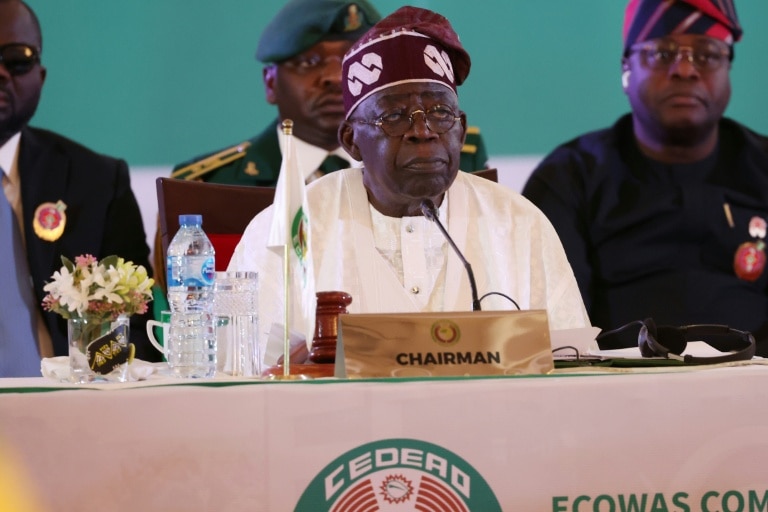
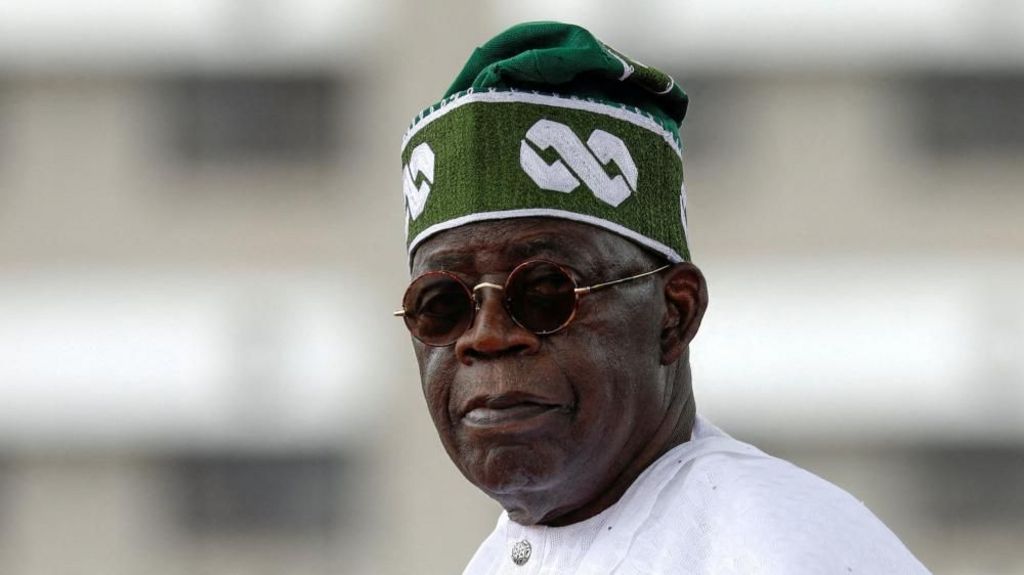
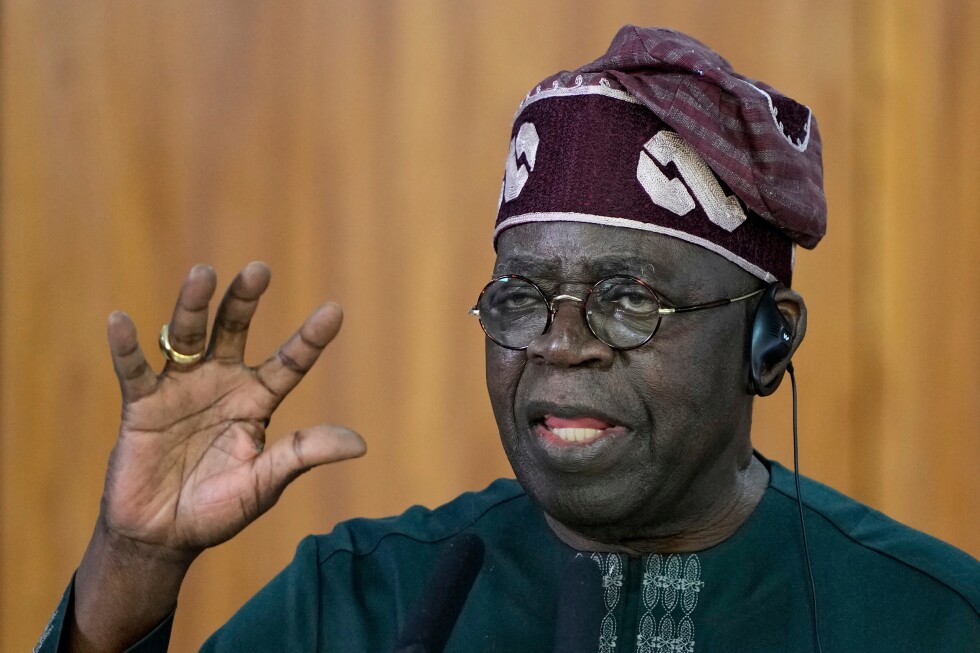
    ABUJA, Nigeria — The Nigerian Defense Headquarters announced Monday that multiple military officers will face court-martial proceedings for their alleged involvement in a plot to overthrow the democratically elected government of President Bola Tinubu. This development follows the conclusion of a comprehensive investigation into suspicious activities within the armed forces.

    Military spokesperson Samaila Uba revealed in an official statement that the investigative panel uncovered evidence of a coordinated conspiracy against the government that violated fundamental military principles. “The findings have identified a number of the officers with allegations of plotting to overthrow the government which is inconsistent with the ethics, values and professional standards required of members of the Armed Forces of Nigeria,” Uba stated.

    The case originated in October when at least 16 officers were detained on charges of “acts of indiscipline and breaches of service regulations.” While authorities have not disclosed how many of the originally arrested personnel will ultimately face trial, nor provided their identities, they confirmed that those found culpable will be arraigned before a military judicial panel in accordance with established procedures.

    This alleged conspiracy emerges against a troubling backdrop of increasing military interventions across West and Central Africa. The region has witnessed a surge in successful coups and attempted power grabs, with recent incidents reported in Benin and Guinea-Bissau. Political analysts attribute this pattern to multiple factors including contested elections, constitutional instability, security challenges, and widespread youth dissatisfaction.

    Nigeria itself has experienced significant political turbulence throughout its history, with multiple successful coups occurring between 1966 and 1993. Current economic difficulties, exacerbated by government austerity measures, have heightened social tensions and raised concerns about potential instability. The military spokesman emphasized that additional measures are being implemented to maintain order, discipline, and operational effectiveness within the armed forces.

  • Hungary’s Orbán accuses Ukraine of election interference and summons ambassador

    Hungary’s Orbán accuses Ukraine of election interference and summons ambassador

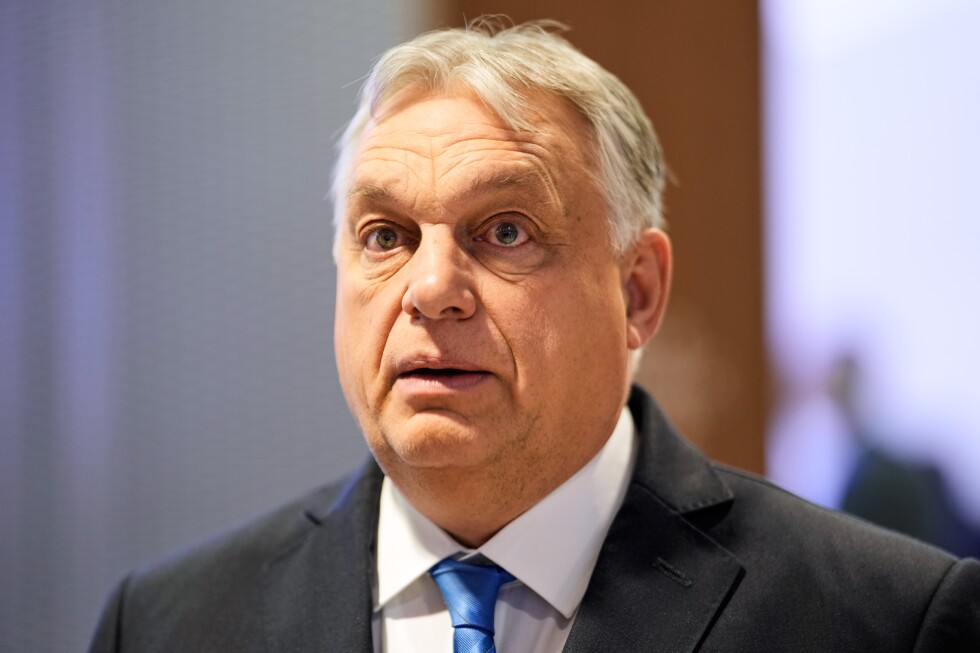
    BUDAPEST, Hungary — Hungarian Prime Minister Viktor Orbán has dramatically escalated diplomatic tensions with Ukraine by accusing Kyiv of attempting to interfere in Hungary’s upcoming parliamentary elections. In a striking move on Monday, Orbán ordered the summoning of Ukraine’s ambassador to the Hungarian foreign ministry following what he characterized as “grossly offensive and threatening statements” from Ukrainian leadership.

    The nationalist leader, who faces his most significant electoral challenge in sixteen years this April, has intensified his longstanding anti-Ukraine campaign strategy. Orbán claims Ukrainian officials, including President Volodymyr Zelenskyy, have launched coordinated efforts to undermine Hungary’s sovereignty and influence the election outcome. Without presenting specific evidence, the prime minister asserted that national security assessments confirmed Ukrainian interference attempts.

    This diplomatic confrontation emerges as Orbán’s right-wing Fidesz party trails opposition parties by double digits in most pre-election polls. The prime minister has centered his campaign on unverified claims that Hungarian citizens could face forced conscription to fight in Ukraine if his government loses power. Orbán has additionally accused his primary political rival, Péter Magyar, of conspiring with Kyiv to install a pro-Western administration in Budapest.

    Hungary has consistently opposed European Union military and financial assistance to Ukraine throughout Russia’s ongoing invasion, maintaining Orbán’s unique position as the EU leader with closest ties to Moscow. The government has vowed to veto Ukraine’s EU membership aspirations and recently launched a national petition campaign against continued European support for Kyiv.

    The diplomatic rift widened last week when President Zelenskyy criticized Orbán at the World Economic Forum in Davos, suggesting the Hungarian leader “lives off European money while trying to sell out European interests” and comfortable relations with Moscow shouldn’t dictate European policy.

  • Nigerian military officers to face trial over 2025 coup plot

    Nigerian military officers to face trial over 2025 coup plot

    Nigeria’s military command has announced it will formally prosecute several officers for their alleged involvement in a foiled 2025 plot to overthrow President Bola Tinubu’s government. The Defense Headquarters confirmed the conclusion of investigations on Monday, reversing the administration’s initial denial of the conspiracy. Major General Samaila Uba, speaking for the military, stated that investigators had identified specific officers with connections to the plot and that those with established cases would face a military judicial panel. While no trial date has been set, legal experts indicate the accused could potentially face capital punishment if convicted.

    The affair first surfaced in October when military authorities announced the arrest of 16 personnel for ‘issues of indiscipline,’ though multiple government and military sources independently confirmed to AFP the detentions were coup-related. Despite official statements downplaying the incident, President Tinubu subsequently executed a significant reshuffle of the nation’s top military leadership—a move characterized by a senior administration official as addressing ‘a gap in intelligence.’ Notably, General Christopher Musa was initially removed as chief of defence staff but later reappointed as defence minister.

    This alleged conspiracy threatened to disrupt a quarter-century of uninterrupted democracy in Africa’s most populous nation, which transitioned to civilian rule in 1999 after prolonged periods of military junta governance post-independence from Britain. The initial reports of a thwarted coup emerged in Nigerian media before being overshadowed by diplomatic tensions with the United States regarding religious violence and counterterrorism efforts.

    The development occurs against a backdrop of significant security challenges for Nigeria’s military, which is engaged in multifront conflicts against Boko Haram and Islamic State affiliates in the northeast, rampant banditry in the northwest, and separatist movements in the southeast. These operations have stretched military resources thin, with analysts noting rising violence projections for 2025 and periodic reports of troop grievances over unpaid wages and operational conditions. The United States has recently enhanced security cooperation with Nigeria, conducting joint strikes against insurgents and expanding intelligence sharing to support aerial campaigns in northern regions.

  • Minister claims ‘sabotage’ behind Chagos debate delay

    Minister claims ‘sabotage’ behind Chagos debate delay

    The UK government is vigorously defending its controversial agreement to transfer sovereignty of the Chagos Islands to Mauritius despite mounting criticism from US President Donald Trump and opposition within Parliament. Foreign Office minister Stephen Doughty asserted the government “remains confident” the arrangement represents the “best way forward” while accusing Conservative peers of employing “parliamentary stunts” to sabotage the legislation.

    The diplomatic tension escalated dramatically last week when President Trump denounced the agreement as a “great act of stupidity,” despite his administration having previously accepted the terms. The criticism has injected new complexity into the already contentious parliamentary process, where the Diego Garcia Military Base and British Indian Ocean Territory Bill is currently engaged in legislative ‘ping-pong’ between the House of Commons and Lords.

    Conservative opposition, led by shadow foreign secretary Dame Priti Patel, has seized on Trump’s comments to demand a pause in proceedings, labeling the government’s approach as “Labour’s Chagos surrender humiliation.” The opposition contends that proceeding with the current legislation would violate a 1966 UK-US treaty governing the islands and has demanded renegotiation with American authorities before further parliamentary consideration.

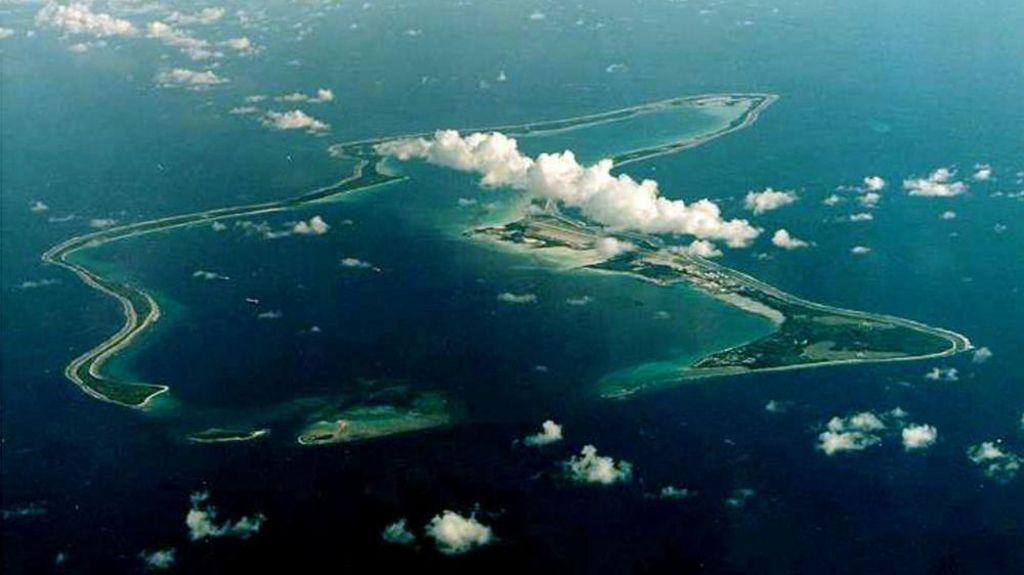
    At the heart of the agreement lies the future of Diego Garcia, which hosts a strategically critical joint US-UK military base. Under the proposed terms, the UK would transfer sovereignty to Mauritius while paying approximately £101 million annually for 99 years to lease back the military installation—a arrangement Prime Minister Sir Keir Starmer estimates will have a net cost of £3.4 billion after accounting for inflation.

    The government maintains that international legal rulings favoring Mauritius’ claim have necessitated the sovereignty transfer, while simultaneously emphasizing the commitment to preserve the military base’s operational security. Doughty confirmed ongoing daily engagement with US officials regarding national security matters and outlined prerequisites for ratification, including updating the 1966 agreement and implementing environmental and security arrangements.

    Parliamentary dissent has emerged from multiple fronts, with Labour MP Dan Carden questioning the abandonment of sovereignty and Liberal Democrats proposing amendments to pause proceedings until US positioning is clarified. The government has postponed further Lords debate following Conservative amendments citing “changing geopolitical circumstances,” setting the stage for continued political confrontation over this strategically significant territory.

  • Morocco and Senegal pledge to stay friends and boost trade after Africa Cup soccer tensions

    Morocco and Senegal pledge to stay friends and boost trade after Africa Cup soccer tensions

    In a significant demonstration of diplomatic resilience, Morocco and Senegal have reaffirmed their bilateral commitment through the signing of seventeen comprehensive agreements, effectively transcending recent tensions arising from a contentious soccer match. The signing ceremony, held in Rabat on Monday, witnessed both nations’ prime ministers formalizing enhanced cooperation across multiple economic sectors including agricultural development, infrastructure projects, fisheries management, and mineral resource extraction.

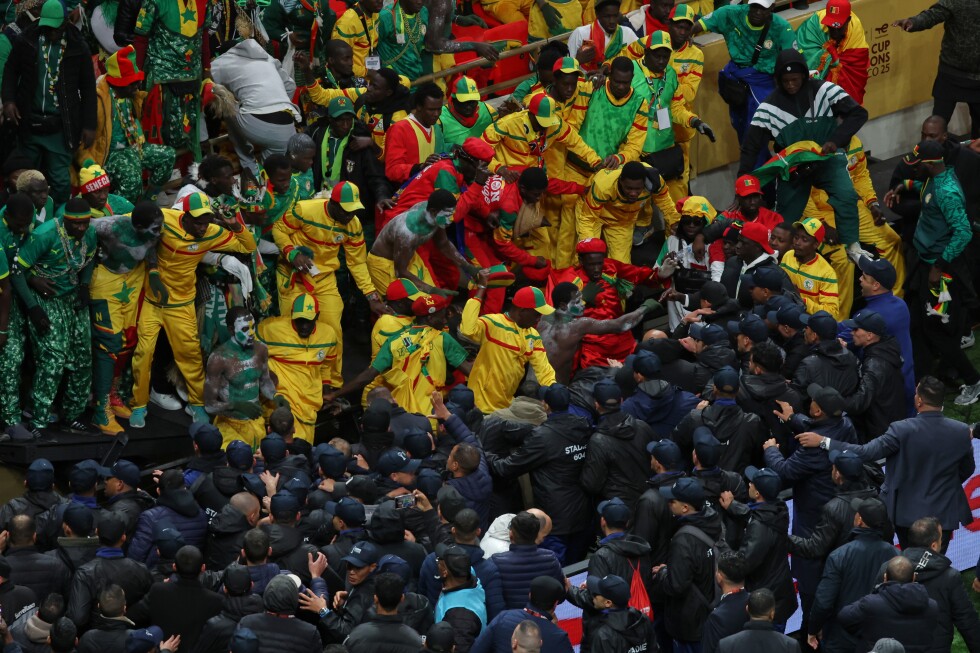
    This diplomatic initiative follows the turbulent Africa Cup of Nations final that previously strained relations between the two African nations. The match, won by Senegal 1-0, was marred by on-field protests from Senegalese players and attempted field invasions by spectators. Subsequent weeks saw Moroccan rights organizations documenting increased hate speech, which both governments have characterized as emotional reactions rather than substantive political divisions.

    Senegalese Prime Minister Ousmane Sonko emphasized the enduring nature of bilateral relations during the opening of the Moroccan-Senegalese joint commission, stating: ‘These excesses must be understood as emotional outbursts produced by fervor rather than political or cultural rifts. The friendship between Morocco and Senegal transcends temporary emotions.’

    The economic foundation of this relationship remains particularly robust. Senegal, as a heavily indebted West African nation, considers Morocco among its foremost African investors, with substantial Moroccan capital flowing into Senegalese banking institutions, energy infrastructure, and agricultural enterprises. Conversely, Senegal serves as a crucial export market for Moroccan goods, with trade volumes exceeding $200 million in 2024 alone.

    Moroccan Prime Minister Aziz Akhannouch highlighted the relationship’s ‘solid foundations,’ noting both nations remain ‘faithful to the spirit of brotherhood, solidarity and mutual respect.’ The agreements strategically align with Morocco’s broader continental expansion strategy while supporting Senegal’s foreign investment attraction objectives. Additionally, religious connections through the Tijaniyya Sufi order, which maintains significant Senegalese membership in Morocco, further strengthen cultural bonds between the two nations.

  • Nigerian officers to face trial over coup-plot allegations

    Nigerian officers to face trial over coup-plot allegations

    Sixteen Nigerian military officers will face court-martial proceedings over allegations of plotting to overthrow President Bola Tinubu’s government last year, according to an official armed forces statement. The officers, arrested in October following what authorities described as “acts of indiscipline and breaches of service regulations,” are now formally charged with attempting to subvert the constitutional order.

    While military officials initially dismissed rumors of an attempted coup, subsequent investigations have led to acknowledging that some of the detained officers will undergo trial before a military judicial panel. The armed forces emphasized that the judicial process would uphold principles of fairness and due process while ensuring accountability.

    This development occurs against Nigeria’s complex historical backdrop of military involvement in politics, which included multiple successful coups between 1966 and 1993. The sensitivity surrounding coup allegations reflects the nation’s transition to sustained civilian governance since 1999.

    The military statement explicitly condemned any attempts to unseat elected government as “inconsistent with the ethics, values and professional standards” of Nigeria’s armed forces. Recent years have seen occasional rumors about military dissent amid concerns over national instability, security challenges, and public frustration—all of which the military has consistently denied.

    Nigeria’s armed forces have repeatedly publicly reaffirmed their commitment to democratic governance and loyalty to civilian authority throughout the current period of uninterrupted civilian rule.

  • Russia, Ukraine say talks in UAE were ‘constructive’

    Russia, Ukraine say talks in UAE were ‘constructive’

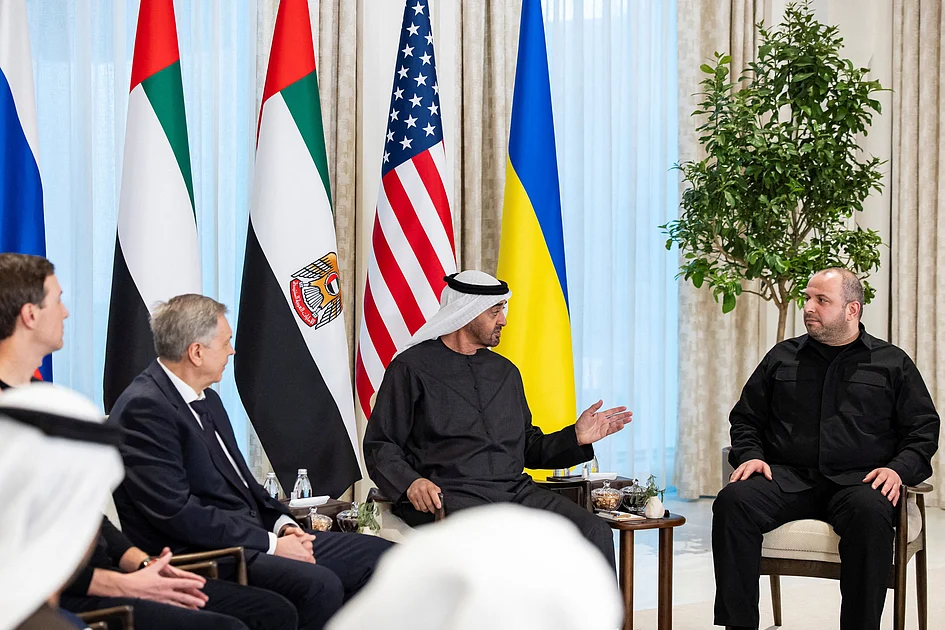
    In a significant diplomatic development, Russian and Ukrainian negotiators convened for trilateral talks in Abu Dhabi on Friday and Saturday, marking their first face-to-face discussions centered on a peace initiative promoted by former US President Donald Trump to resolve the nearly four-year conflict. Both Moscow and Kyiv characterized the preliminary negotiations as constructive despite acknowledging substantial challenges ahead.

    The Kremlin spokesperson Dmitry Peskov addressed journalists on Monday, emphasizing that while initial contacts should not be expected to yield immediate breakthroughs, the fact that discussions proceeded in a constructive manner represents a positive development. ‘It would be a mistake to expect any significant results from the initial contacts,’ Peskov stated. ‘But the very fact that these contacts have begun in a constructive spirit can be viewed positively. However, there is significant work ahead.’ He further clarified that while no atmosphere of friendliness existed given the circumstances, constructive dialogue remains essential for negotiation progress.

    Ukrainian President Volodymyr Zelensky echoed this sentiment, confirming that the Abu Dhabi meetings involved extensive discussions conducted in a constructive manner. This diplomatic effort occurred against a backdrop of continued military aggression, as Russian forces launched 138 drones overnight into Ukrainian territory, with impacts recorded at 11 locations according to Ukraine’s air force. These attacks, which disrupted electricity for millions amid sub-zero temperatures, prompted Kyiv to accuse Moscow of attempting to undermine the negotiation process.

    The talks, brokered by the United States, are scheduled to resume on February 1, according to US officials, indicating continued international engagement in seeking a resolution to the prolonged conflict that has devastated the region.

  • NATO chief wishes ‘good luck’ to those who think Europe can defend itself without US help

    NATO chief wishes ‘good luck’ to those who think Europe can defend itself without US help

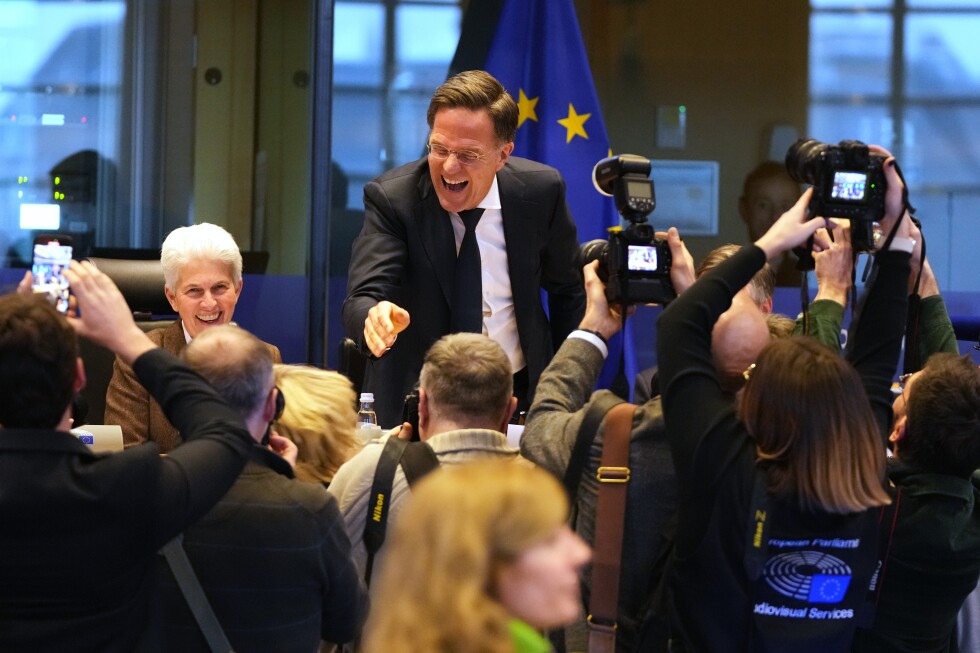
    BRUSSELS — NATO Secretary-General Mark Rutte delivered a stark warning to European Union legislators on Monday, asserting that European nations remain fundamentally incapable of autonomous self-defense without American military backing. Rutte emphasized that achieving true strategic independence would require more than doubling current defense spending targets and developing independent nuclear capabilities—a financially prohibitive endeavor.

    During his address at the EU parliamentary session, Rutte explicitly dismissed notions of European strategic autonomy as unrealistic. “Should anyone believe that the European Union or Europe collectively could defend itself absent American support, they are merely indulging in fantasy,” he stated. “The transatlantic partnership remains indispensable—we mutually depend on one another.”

    The Secretary-General’s remarks arrive amid escalating tensions within NATO following recent controversies involving former U.S. President Donald Trump. These included renewed threats to annex Greenland—a semi-autonomous Danish territory—and the imposition of tariffs against its European supporters. Although these threats were subsequently withdrawn following diplomatic intervention and a tentative agreement regarding the mineral-rich region, the incidents highlighted the alliance’s fragility.

    Rutte referenced the July NATO summit in The Hague, where European members (excluding Spain) and Canada committed to matching U.S. defense spending relative to economic output within ten years. The agreement stipulated elevating core defense expenditure to 3.5% of GDP, with an additional 1.5% allocated to security infrastructure—totaling 5% of GDP by 2035.

    However, Rutte cautioned that truly independent defense would necessitate expenditures approaching 10% of GDP, alongside the development of an independent nuclear deterrent costing “billions upon billions of euros.” He underscored Europe’s continued reliance on the U.S. nuclear umbrella as “the ultimate guarantor of our freedom.”

    These developments occur against growing French-led advocacy for European “strategic autonomy,” a movement that gained momentum after the Trump administration indicated shifted security priorities and suggested European nations should assume greater defense responsibility.

  • Guyanese businessman facing US extradition elected opposition leader

    Guyanese businessman facing US extradition elected opposition leader

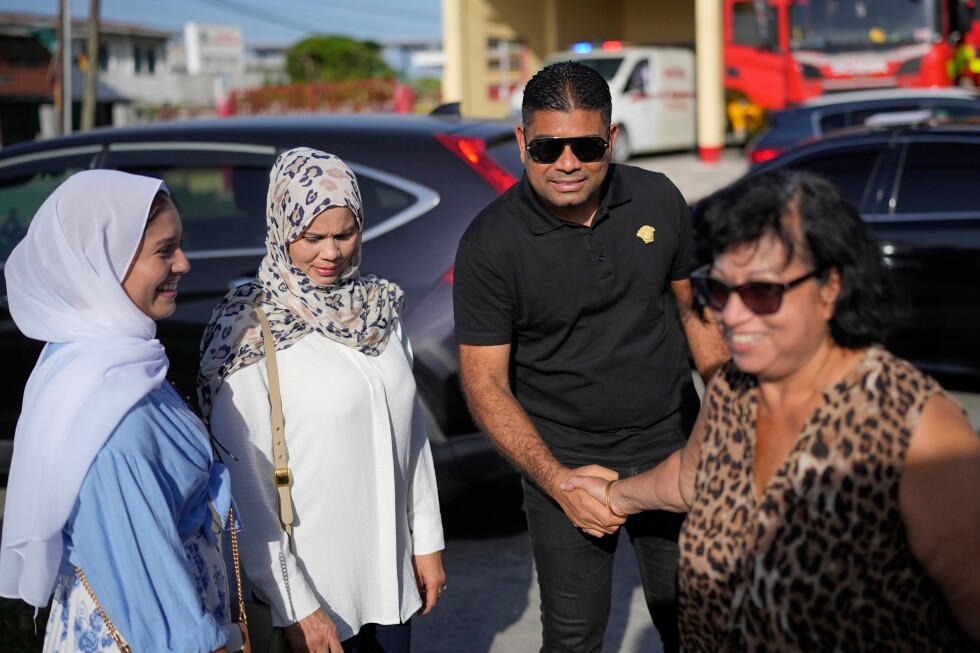
    GEORGETOWN, Guyana — In a remarkable political development, Azruddin Mohamed, a 38-year-old Guyanese businessman confronting serious U.S. criminal charges, has been formally elected as the nation’s official opposition leader. This unprecedented political ascension occurred Monday through a parliamentary vote held six months after Mohamed established his We Invest in Nationhood Party (WIN), which has rapidly emerged as Guyana’s second-largest political force.

    The parliamentary confirmation proceeded with 17 lawmakers—16 from WIN and one from a single-seat party—voting in Mohamed’s favor. This political milestone unfolds simultaneously as a magistrate’s court deliberates on state arguments for his extradition to the United States, where he and his father face federal indictments for gold smuggling and money laundering.

    Last year, Florida prosecutors unsealed indictments against the Mohamed family, alleging their involvement in smuggling over 10,000 kilograms of gold from Guyana to the United States while evading more than $50 million in taxes. These charges followed earlier sanctions imposed by the U.S. Treasury Department, which identified the Mohameds as significant players in Guyana’s gold industry through their extensive business operations, including foreign exchange outlets and substantial real estate holdings.

    The case has highlighted persistent governance challenges in the oil-rich South American nation, with authorities having shuttered all Mohamed family businesses and commercial bank accounts following the sanctions announcement.

    Monday’s parliamentary session, attended exclusively by opposition lawmakers, occurred amid mounting international pressure. Western nations and civil society groups had accused Guyanese authorities of deliberately delaying parliamentary proceedings to obstruct Mohamed’s election. Parliament had convened only once since its dissolution in July preceding September’s general elections.

    Addressing concerns about potential extradition, Mohamed asserted the fundamental legal principle that “a person is innocent until proven guilty.” He suggested political motivations behind the legal actions, contending that his prosecution relates directly to WIN’s successful opposition to the ruling People’s Progressive Party (PPP).

    “I announced my candidacy because of the people of this country,” Mohamed told reporters outside parliament. “The people asked me. I would not have had any court issues if I did not contest this election. I am ready to serve the people of this country.”

    House Speaker Manzoor Nadir acknowledged the unusual circumstances, describing himself as being in a “difficult position” for overseeing the appointment of an indicted individual as opposition leader. Despite these reservations, Nadir presided over the proceedings and formally congratulated Mohamed on his electoral victory.