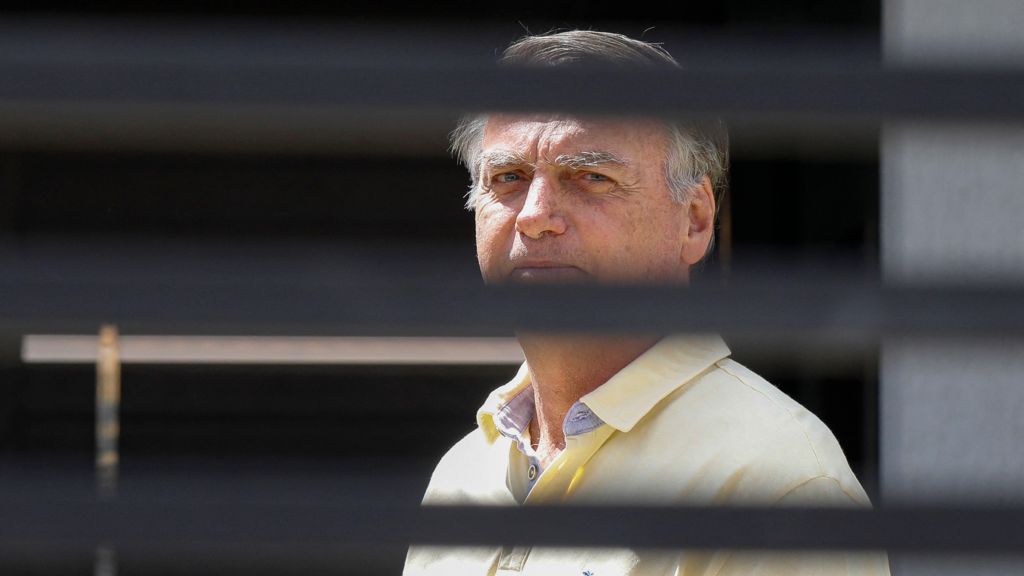
In a landmark ruling, Brazil’s Supreme Court has convicted former President Jair Bolsonaro of orchestrating a coup attempt, sentencing him to over 27 years in prison. The verdict marks a dramatic fall from grace for Bolsonaro, whose political career was once propelled by his outsider image and a shocking assassination attempt during his 2018 campaign. Despite his conviction, Bolsonaro remains a polarizing figure, with allies pushing for amnesty and his influence still looming over Brazil’s political landscape. Bolsonaro’s rise to power in 2018 was fueled by widespread disillusionment with Brazil’s political establishment, exacerbated by years of economic turmoil, corruption scandals, and the imprisonment of former President Luiz Inácio Lula da Silva. Bolsonaro capitalized on this discontent, rallying a coalition of conservative evangelicals, far-right militants, and frustrated middle-class voters. His presidency, marked by pro-business policies, environmental deregulation, and controversial handling of the COVID-19 pandemic, drew both domestic and international criticism. Bolsonaro’s relationship with Brazil’s Supreme Court was particularly contentious, culminating in his refusal to accept the 2022 election results, which saw Lula narrowly defeat him. In the aftermath, Bolsonaro’s supporters stormed government buildings in Brasília, echoing the U.S. Capitol attack. Investigations revealed plans to overturn the election and even assassinate Lula and Supreme Court Justice Alexandre de Moraes. Bolsonaro, now barred from public office until 2060, faces an uncertain future as his allies seek amnesty and potential pardons. The case underscores Brazil’s fragile democracy and the enduring divisions within its society.
分类: politics
-
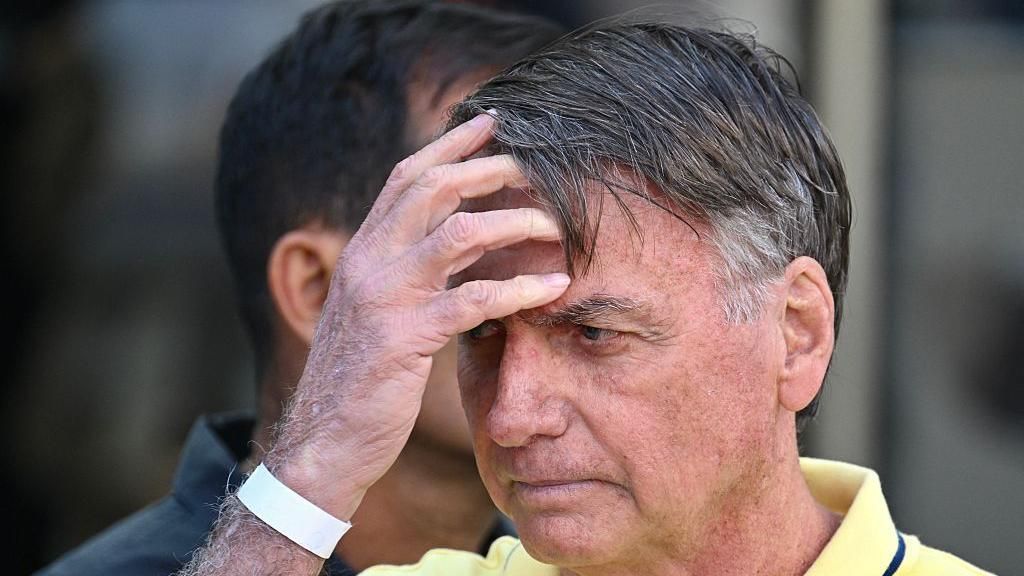
Bolsonaro sentenced to 27 years in prison for plotting Brazil coup
In a landmark ruling that has sent shockwaves through Brazil and beyond, former President Jair Bolsonaro has been sentenced to 27 years and three months in prison for orchestrating a military coup to retain power after his 2022 election defeat. The verdict, delivered by a panel of five Supreme Court justices, marks a pivotal moment in Brazil’s democratic history. Four justices found Bolsonaro guilty of leading a conspiracy to undermine the electoral process, while one dissented, calling the charges unfounded. Bolsonaro’s legal team has denounced the sentence as “absurdly excessive” and vowed to appeal, though legal experts suggest the odds are slim. The court also barred Bolsonaro from holding public office until 2060, effectively ending his political career. Bolsonaro, who was placed under house arrest prior to the trial, did not attend the proceedings but has repeatedly dismissed the case as a politically motivated “witch hunt.” His claims have found resonance with former U.S. President Donald Trump, who likened the trial to his own legal battles, calling the verdict “very surprising.” U.S. Secretary of State Marco Rubio criticized the ruling as unjust, prompting a swift rebuke from Brazil’s foreign ministry, which defended the independence of its judiciary. The trial revealed chilling details of Bolsonaro’s alleged plot, including attempts to assassinate his political rival, Luiz Inácio Lula da Silva, and a Supreme Court justice. While the coup attempt ultimately failed, it culminated in the storming of government buildings by Bolsonaro’s supporters in January 2023, a stark reminder of the fragility of Brazil’s democracy. Justice Alexandre de Moraes, who presided over the trial, warned that Brazil had narrowly avoided a return to authoritarianism, drawing parallels to the country’s 20-year military dictatorship. The case has reignited debates about the resilience of democratic institutions in the face of rising authoritarianism, with Justice Cármen Lúcia likening the coup plot to a “virus” that threatens societal stability. As Bolsonaro faces the prospect of spending the rest of his life in prison, the ruling underscores the enduring struggle to safeguard democracy in Brazil and beyond.
-
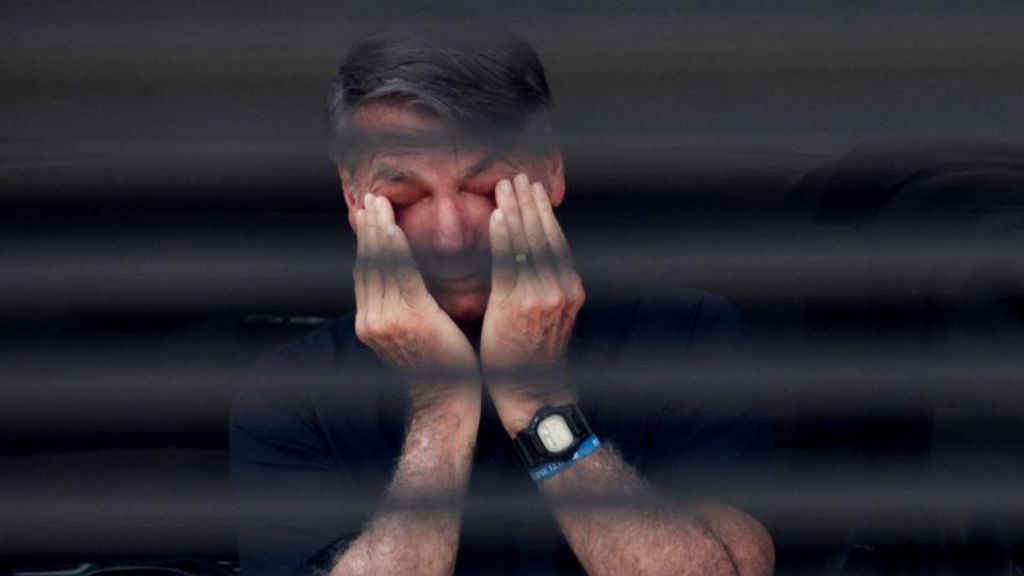
Bolsonaro sentenced to 27 years in jail – what you need to know
Former Brazilian President Jair Bolsonaro has been sentenced to 27 years and three months in prison after being found guilty of orchestrating a coup attempt to overturn his 2022 election loss to Luiz Inácio Lula da Silva. The verdict, delivered by Brazil’s Supreme Court, concluded that Bolsonaro led a conspiracy involving plans to assassinate Lula and his vice-presidential running mate, Geraldo Alckmin, as well as to arrest and execute Supreme Court Justice Alexandre de Moraes, who oversaw the trial. The plot failed due to lack of support from military leaders, allowing Lula to be inaugurated on January 1, 2023. However, a week later, Bolsonaro’s supporters stormed government buildings in Brasília, leading to over 1,500 arrests. The court found that Bolsonaro incited the rioters, hoping the military would intervene and restore him to power. Bolsonaro, who denies all charges, claims the trial is a politically motivated ‘witch hunt’ aimed at preventing his 2026 presidential run. He is currently under house arrest, pending appeals, and barred from public office until 2030. The case has drawn international attention, with former U.S. President Donald Trump comparing Bolsonaro’s legal battles to his own and criticizing the verdict. Seven of Bolsonaro’s allies were also convicted for their roles in the conspiracy. Bolsonaro’s presidency, marked by controversy over his handling of COVID-19 and environmental policies, continues to polarize Brazil.
-
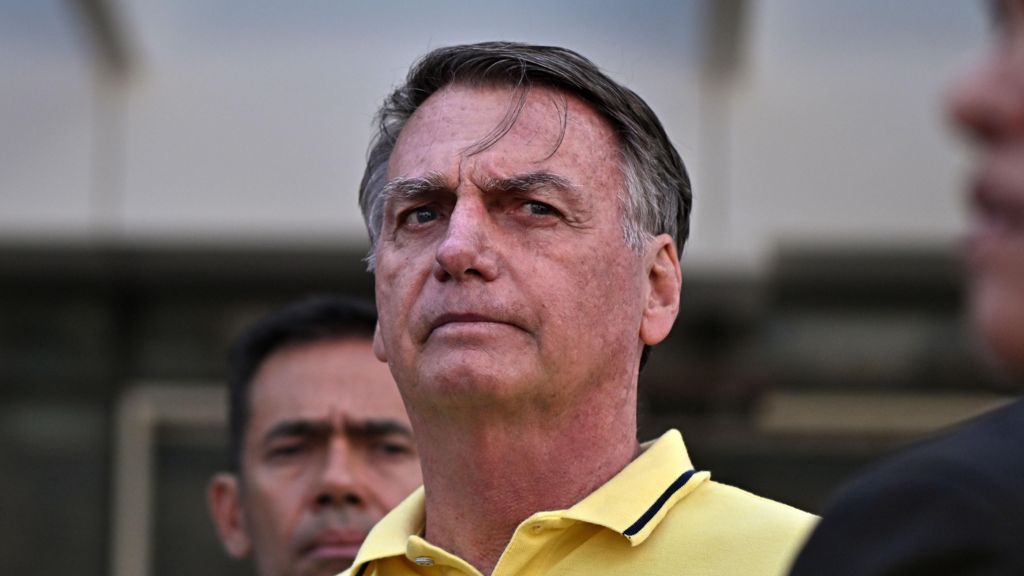
Bolsonaro’s coup trial gripped Brazil – and his conviction will divide the country
In a landmark ruling that has sent shockwaves across Brazil, former President Jair Bolsonaro has been found guilty of orchestrating a coup attempt and leading an armed criminal group following his defeat in the last election. The verdict, delivered by four out of five Supreme Court justices, sentences Bolsonaro to 27 years in prison. This decision marks a pivotal moment in Brazil’s political history, as it addresses the violent aftermath of the 2022 election, which saw Bolsonaro’s supporters storm government buildings in a manner reminiscent of the U.S. Capitol riots on January 6, 2021. The trial, which captivated the nation through live broadcasts, revealed chilling details, including a plan drafted by Bolsonaro’s allies to assassinate President-elect Luiz Inacio ‘Lula’ da Silva and Supreme Court Judge Alexandre de Moraes. Despite Bolsonaro’s absence from the courtroom, citing health issues, his lawyer vehemently denied his involvement in the plot and the riots. The ruling has further polarized the country, with Bolsonaro’s supporters decrying it as political persecution and his critics hailing it as a necessary step to safeguard democracy. As Bolsonaro contemplates an appeal and potential house arrest, the future of his punishment remains uncertain, with his party in Congress pushing for amnesty legislation.
-
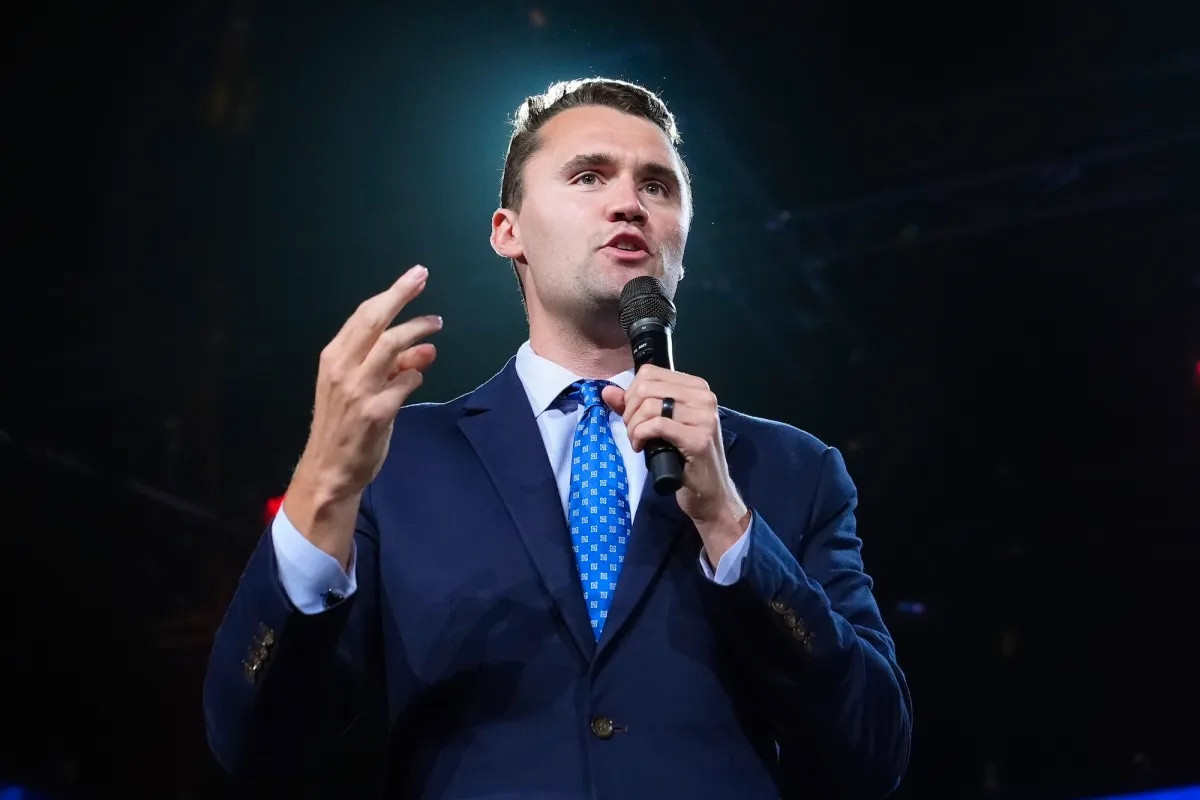
Charlie Kirk killing no cause for a US civil war
Charlie Kirk, the prominent conservative commentator and founder of Turning Point USA, was tragically assassinated during a live debate in Utah. The shocking incident has sent ripples across the political landscape, with the perpetrator still at large. FBI Director Kash Patel initially announced the suspect’s apprehension but later retracted the statement, confirming that the investigation remains ongoing. The motive behind the assassination remains unclear, fueling widespread speculation and division. Potential motives range from political extremism to personal vendettas, with Kirk having faced criticism from both the far-left and far-right factions. His conservative stance had drawn ire from progressive groups, while white supremacist factions, known as ‘groypers,’ had also targeted him for not being sufficiently aligned with their ideologies. The lack of clarity has not stopped political figures from attributing the act to their ideological opponents, with some right-wing influencers calling for extreme measures, including a violent purge of the Democratic Party. This rhetoric has drawn comparisons to historical events like the Reichstag fire, which Hitler used to justify fascism in Germany. Social media has amplified the chaos, with anonymous users on both sides of the political spectrum celebrating or condemning the assassination. Platforms like X and Bluesky have become breeding grounds for divisive content, with bots and foreign actors exacerbating tensions. Despite calls for unity from prominent politicians, the online discourse remains toxic, with many fearing that the incident could escalate into broader political violence. The assassination has highlighted the dangers of unchecked extremism and the role of social media in polarizing society. As the investigation continues, the nation grapples with the implications of this tragic event and the potential for further unrest.
-
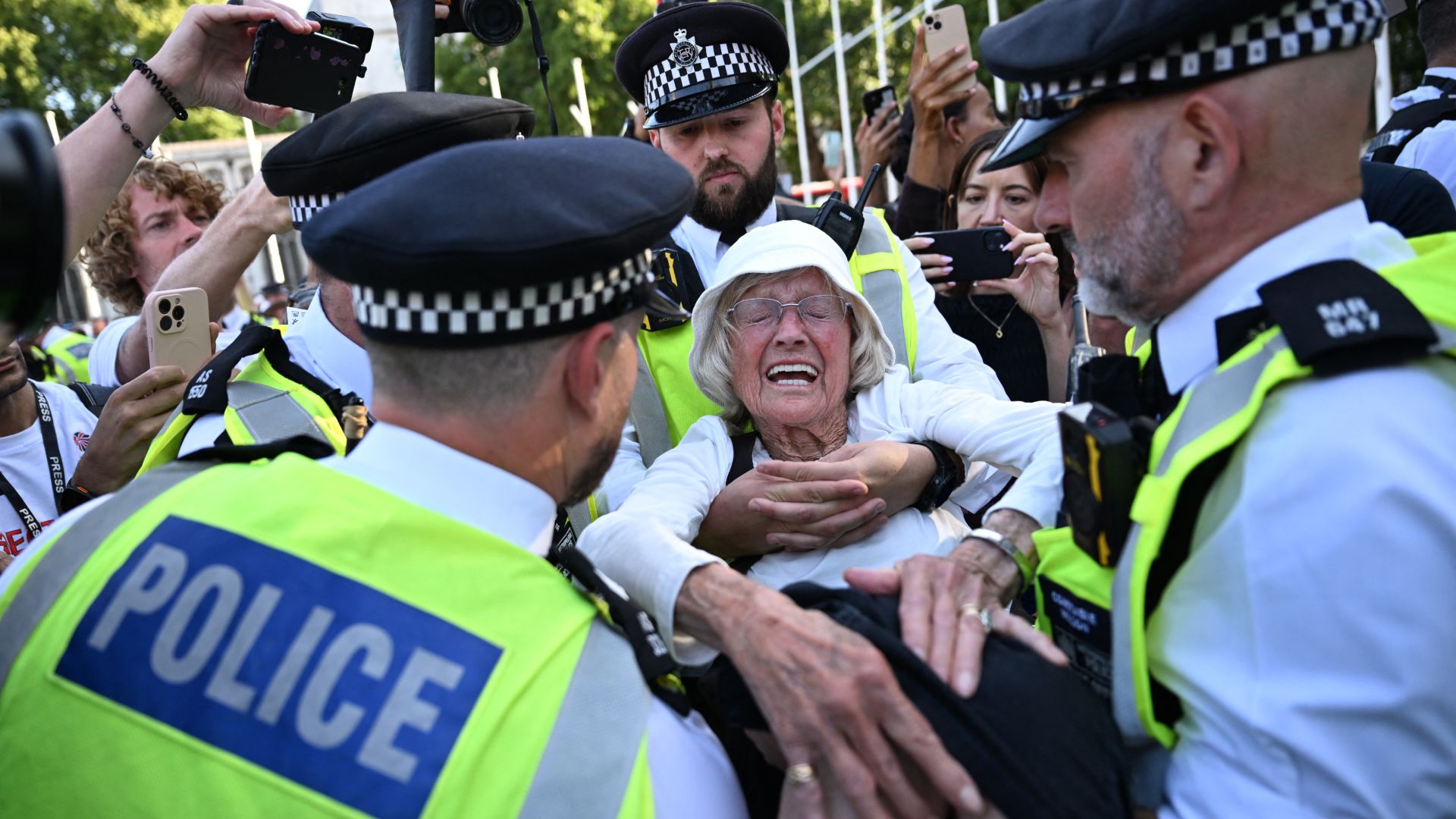
Revealed: More people charged since Palestine Action ban than during entire ‘war on terror’
The United Kingdom has witnessed an unprecedented surge in counter-terrorism arrests since the proscription of direct-action network Palestine Action in July 2025, with official statistics revealing a 400% increase in charges under Section 13 terrorism powers compared to the entire period since 9/11.
According to Home Office data analyzed by Middle East Eye, authorities have charged 138 individuals under Section 13 of the Terrorism Act 2000 in the weeks following the ban—quadruple the 34 charges brought between 2001 and June 2025. The legislation, which prohibits displaying symbols supporting proscribed organizations, has become the primary tool used by London’s Metropolitan Police against protesters demonstrating outside Parliament.
The dramatic escalation follows weeks of sustained protests across British cities, where police have made over 1,500 arrests related to opposition to the ban. Those detained have included religious leaders, elderly citizens, and disabled individuals holding signs stating: ‘I oppose genocide. I support Palestine Action.’
Human rights organizations including Amnesty International and Liberty have condemned the government’s approach as disproportionate, warning that terrorism charges—even without conviction—carry severe lifelong consequences including employment restrictions, travel limitations, and social stigma. United Nations Human Rights Commissioner Volker Türk characterized the ban as ‘disproportionate and unnecessary’ and potentially violating international human rights law.
The government maintains that the proscription remains ‘necessary and proportionate,’ with Security Minister Dan Jarvis asserting that similar measures would be applied to organizations motivated by Islamist extremism or right-wing ideology. New Home Secretary Shabana Mahmood has publicly endorsed police handling of the protests.
Meanwhile, the legal battle continues as Palestine Action co-founder Huda Ammori pursues a judicial review of the ban, while six organizers from campaign group Defend Our Juries face more serious Section 12 charges carrying potential nine-year sentences for organizing Zoom briefings about protests.
The developments have sparked unusual parliamentary dissent, with MPs across party lines—including some government supporters—questioning the enforcement approach against peaceful protesters expressing concerns about Palestinian rights and free speech.
-
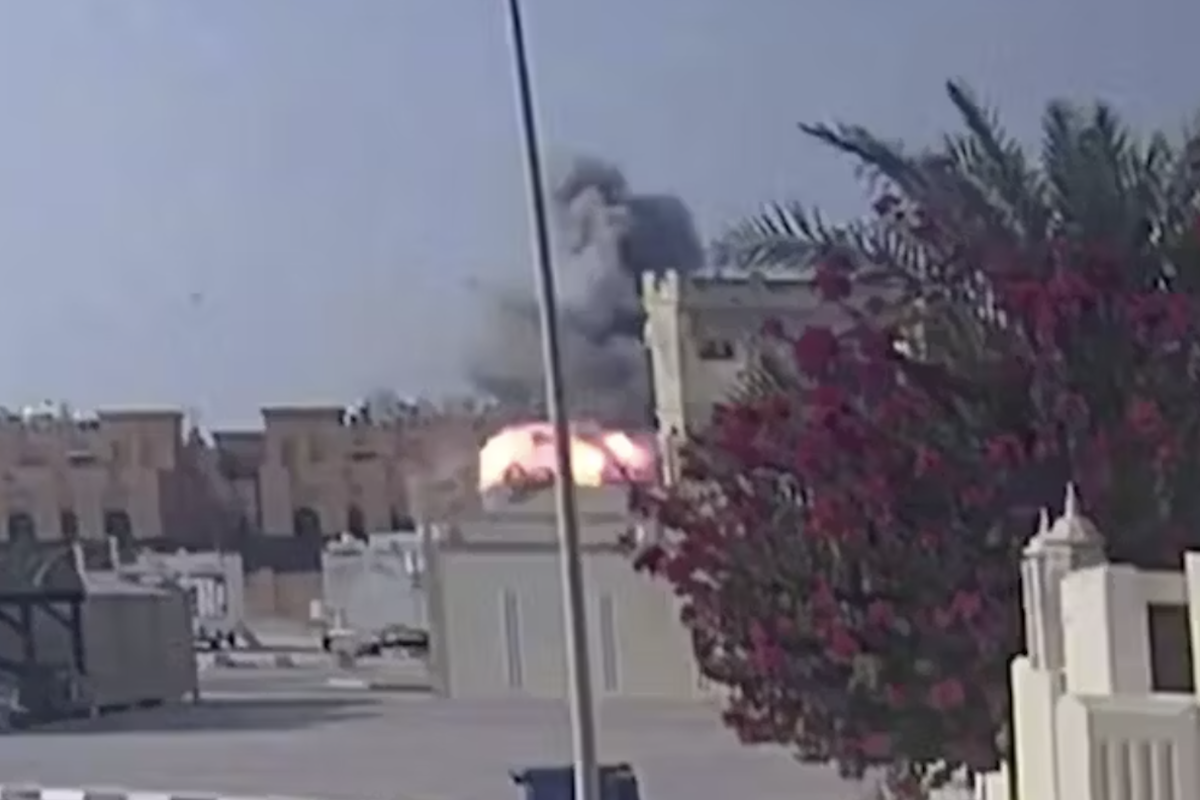
Gulf states seeking growth still hostage to regional chaos
The oil-rich Gulf states of Qatar, Saudi Arabia, and the United Arab Emirates (UAE) have long enjoyed significant advantages, including immense wealth, domestic stability, and growing global influence. In recent months, these nations have moved closer to securing robust and uncritical support from the United States, a development that coincides with the decline of Iranian power in the region. Under President Donald Trump, Gulf monarchs found an ally in Washington who prioritized strategic interests over concerns for democracy and human rights. Trump’s first international trip of his second term to Saudi Arabia, Qatar, and the UAE underscored their rising international clout. The overthrow of the Assad government in Syria and Israel’s military actions against Iran and its allies in Lebanon and Yemen have further weakened Tehran’s regional threat. However, Gulf Arab states face a precarious political landscape, as evidenced by Israel’s targeted strike on Hamas leaders in Qatar in September 2025. This incident highlights the unpredictable nature of regional dynamics and the challenges Gulf leaders must navigate. Four key uncertainties will shape their future: managing post-civil war Syria, balancing regional politics, monitoring Iran’s trajectory, and addressing Israel’s military assertiveness. In Syria, Gulf states have shifted from opposing the Assad regime to supporting new President Ahmed al-Sharaa, lobbying the US to lift sanctions and seeking stability to address the refugee crisis. Yet, ongoing Israeli attacks and internal conflicts in Syria underscore the region’s fragility. Regionally, Gulf states face the dilemma of supporting authoritarian governments while avoiding the risks of popular unrest and civil wars, as seen in Yemen and Sudan. Iran remains a central concern, with its diminished power potentially leading to instability or a shift in its political system, both of which could disrupt Gulf interests. Meanwhile, Gulf leaders must balance their strategic alignment with Israel against domestic and regional pressures to support Palestinian rights. The Gulf Cooperation Council (GCC) remains a critical platform for regional unity, though internal rivalries persist. As Gulf states strive to expand their influence, they remain vulnerable to external events that could derail their plans.
-
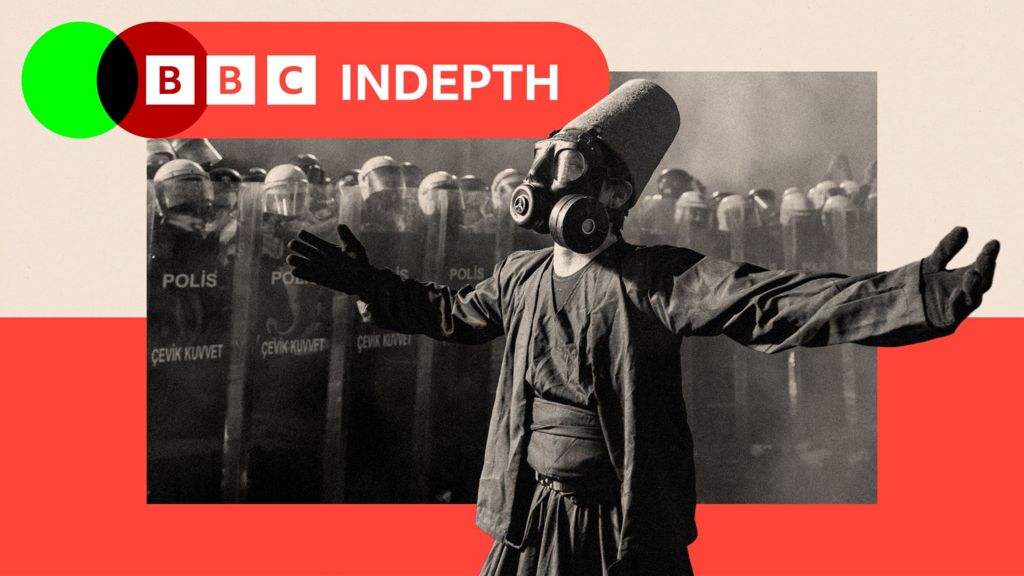
This ‘tough guy’ president says he’s tackling corruption. Rivals say he’s silencing opposition
On April 23, 2025, Istanbul was struck by a 6.2 magnitude earthquake, causing panic and injuries but no fatalities. Amid the chaos, Mayor Ekrem Imamoglu, a prominent opposition figure, was unable to assist his city. Instead, he was incarcerated in Silivri Prison, accused of corruption charges he vehemently denies. His supporters argue that his imprisonment is politically motivated, aimed at neutralizing his potential challenge to President Recep Tayyip Erdogan in the 2028 elections. Imamoglu’s arrest has sparked widespread protests, particularly among the youth, who view it as an assault on democracy. Erdogan’s government has responded with a heavy-handed crackdown, detaining over 2,000 protesters and journalists. Critics accuse Erdogan of transforming Turkey into an autocracy, leveraging his geopolitical influence to avoid international scrutiny. Despite the turmoil, Erdogan remains a dominant figure, with a loyal base that credits him for economic development and the promotion of Islam in a secular republic. However, the erosion of democratic principles under his leadership has raised concerns about the future of Turkish democracy.
-
Refuseniks: More Israelis rejecting Gaza war orders
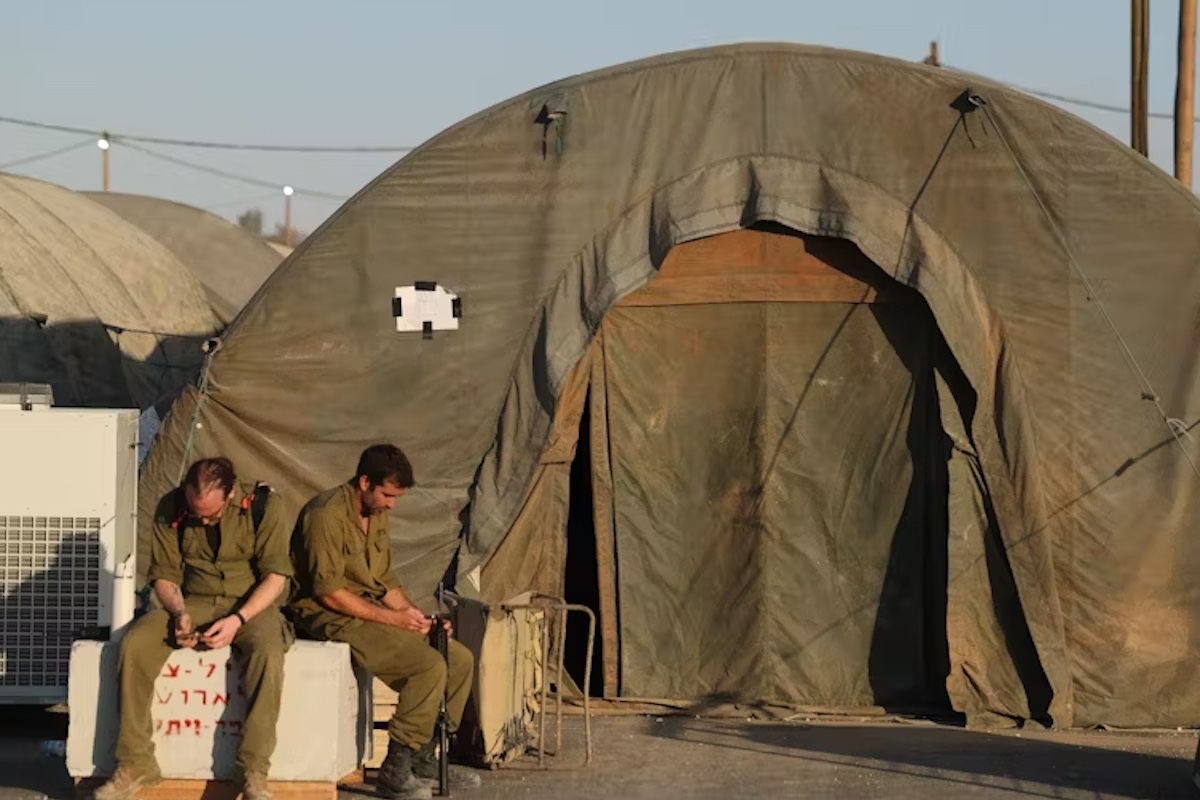
Israeli Prime Minister Benjamin Netanyahu has escalated military operations in Gaza City, despite mounting domestic and international criticism. This decision comes as the International Association of Genocide Scholars accuses Israel of committing genocide, further fueling global condemnation. On August 2, approximately 40,000 reservists were summoned, with an additional 90,000 expected to be mobilized by early 2026. However, reports indicate a significant decline in the number of reservists willing to serve, with some estimates suggesting a 30% to 50% drop in participation. Israel’s mandatory conscription policy requires high school graduates to serve 18 to 36 months, followed by reserve duty until age 40. Following the October 7, 2023, Hamas attacks, Israel mobilized 360,000 reservists alongside 100,000 active-duty soldiers, marking one of the largest call-ups in the nation’s history. Initially, the response rate exceeded 100%, but after nearly two years of conflict, fatigue and disillusionment have set in. Many reservists cite exhaustion and the failure to achieve key objectives, such as securing the release of Israeli hostages, as reasons for refusing to serve. This growing reluctance poses a strategic challenge for Netanyahu, as the Israel Defense Forces (IDF) rely heavily on reservists for sustained operations. Historically, refusal to serve has been a form of political protest in Israel, with movements like Yesh Gvul emerging during the Lebanon War in 1982 and gaining traction during the Palestinian uprisings. Recent protests against judicial reforms in 2023 also saw elite combat pilots refusing to serve, highlighting the intersection of military service and political dissent. Despite these challenges, Netanyahu shows no signs of altering his course, even as domestic and international pressure mounts.
-
‘Skull Chart’ math behind Trump’s climbdown on all things China
The latest National Defense Strategy, delivered to Secretary of War Pete Hegseth, marks a significant shift in U.S. military priorities. The document, reportedly crafted by Under Secretary of War for Policy Elbridge Colby, advocates for a refocus on domestic and regional missions, moving away from global adversaries like China and Russia. This pivot overturns decades of interventionist policies and signals a more restrained approach to international engagements.
Colby, previously known for his advocacy of a robust ‘Strategy of Denial’ to counter China, has surprised many with this pragmatic stance. During his confirmation hearings, he emphasized that Taiwan, while important, is not an existential interest for the U.S. This shift raises questions about whether it stems from a realistic assessment of U.S. military capabilities or the influence of a mercurial administration.
Meanwhile, China continues to demonstrate its military prowess, showcasing advanced weaponry in a recent parade. The rapid development of China’s defense industry, paralleling its dominance in the electric vehicle sector, underscores its technological and industrial might. With Chinese universities producing 6.7 times more engineers than their U.S. counterparts annually, the pace of innovation in China’s military sector appears unstoppable.
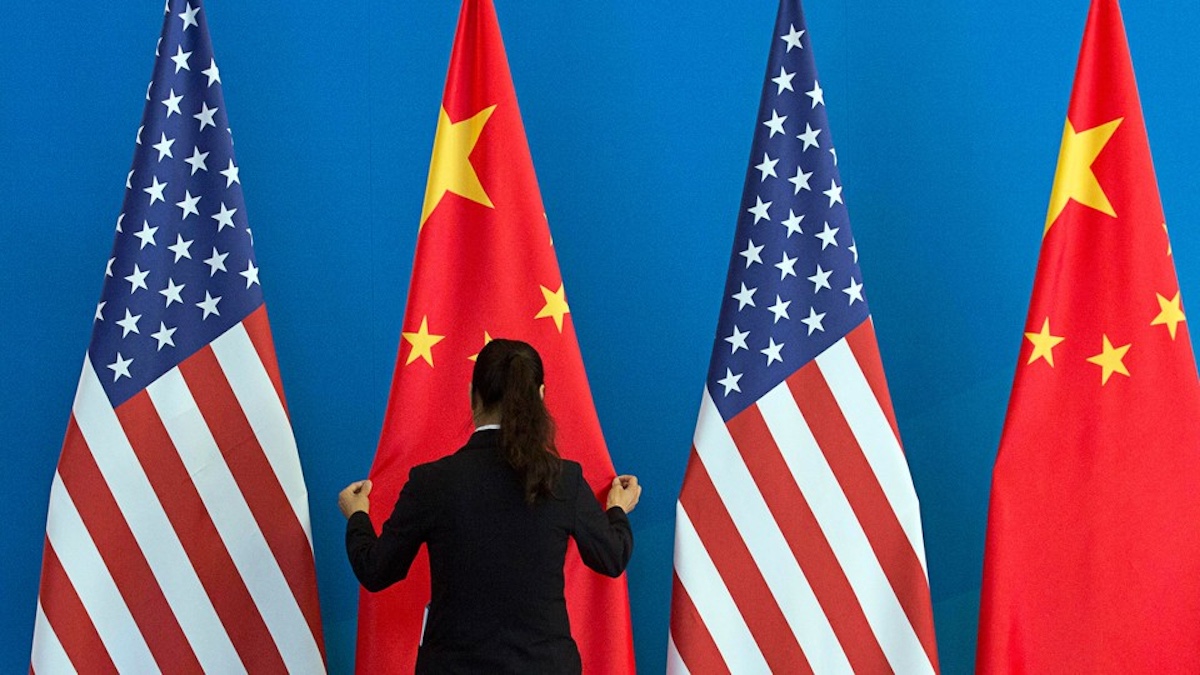
In parallel, the Trump administration has extended tariff negotiations with China for another 90 days, following previous concessions in trade disputes. This ongoing economic tug-of-war highlights the complexities of U.S.-China relations and the challenges of addressing China’s growing economic and military influence.
The new National Defense Strategy reflects a broader reckoning with the limits of U.S. power. As America grapples with domestic issues and overstretched military commitments, the strategy suggests a need to prioritize internal stability over global dominance. This shift, while controversial, may be a necessary step in adapting to a rapidly changing geopolitical landscape.