分类: politics

  • This army chief threatened to castrate opposition leader and claimed descent from Jesus

    This army chief threatened to castrate opposition leader and claimed descent from Jesus

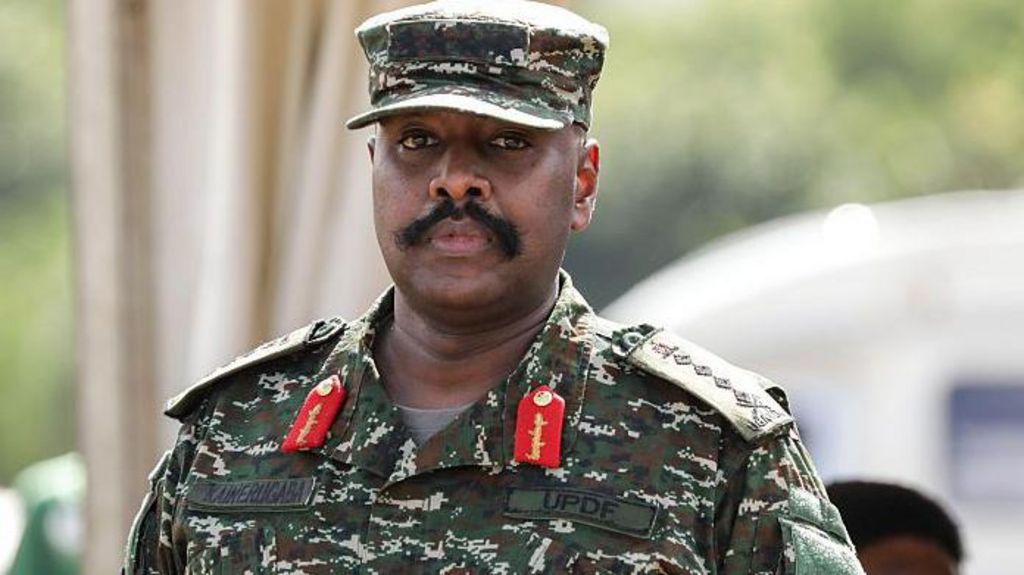
    Uganda’s military leadership finds itself at the center of both political and digital controversy as General Muhoozi Kainerugaba, son of long-serving President Yoweri Museveni, continues to generate international attention through his provocative social media presence. The general’s recent posts on platform X, including threats against opposition figures and claims of divine right to rule, have sparked concerns about Uganda’s democratic processes and the apparent consolidation of power within a single family dynasty.

    Following the January presidential election that granted President Museveni a seventh term with over 70% of votes, General Kainerugaba engaged in a series of inflammatory online statements. These included threats to physically harm defeated opposition candidate Bobi Wine and declarations about his supposed bloodline connection to Jesus Christ. While many posts were subsequently deleted, they revealed the increasingly blurred lines between state authority and personal political ambition in the East African nation.

    Analysts identify what they term an ‘unholy trinity’ of power comprising President Museveni, his son General Kainerugaba, and the president’s influential brother Salim Saleh. This power structure appears designed to ensure dynastic continuity, with the general being groomed as successor to his 81-year-old father. Security expert Nicodemus Minde of the Institute for Security Studies notes that while Kainerugaba’s statements often appear ‘wild,’ they must be understood within the context of Uganda’s succession politics.

    The general’s online behavior has occasionally strained international relations, most notably in 2022 when he threatened to invade neighboring Kenya, requiring presidential intervention to repair diplomatic damage. His supporters describe him as ‘incredibly loyal’ and compare his communication style to that of former US President Donald Trump, while critics point to human rights abuses and the suppression of opposition voices.

    Uganda’s security apparatus, particularly the Special Forces Command (SFC) which Kainerugaba helped establish, has been accused of systematic repression including abductions, torture, and election interference. The recent election occurred amid internet blackouts and reports of widespread intimidation, with the UN noting an ‘environment marked by widespread repression.’

    As the Museveni dynasty potentially extends to a third generation with the general’s son joining the military, Uganda faces continuing questions about democratic governance, military influence in politics, and the consequences of concentrated family power.
  • Pakistan’s arms deals position it squarely within growing Saudi-UAE rift

    Pakistan’s arms deals position it squarely within growing Saudi-UAE rift

    Pakistan’s burgeoning defense exports, particularly its JF-17 Thunder multirole fighter jets, are becoming increasingly entangled in the geopolitical rivalry between Saudi Arabia and the United Arab Emirates across conflict zones in Libya and Sudan. This complex situation presents Islamabad with significant diplomatic and strategic challenges as it seeks to balance its military partnerships.

    Recent reports indicate Pakistan has negotiated multi-billion dollar defense packages with both the Libyan National Army (LNA) and Sudan, though these agreements remain shrouded in complexity. A $4 billion agreement with the Benghazi-based LNA, reportedly backed by Emirati financing, would supply JF-17 fighters and Super Mushshak trainers. Simultaneously, a potential deal with Sudan appears connected to Saudi Arabia’s offer to convert $2 billion in Pakistani loans in exchange for military equipment.

    The JF-17 Thunder, a joint venture between Pakistan’s Aeronautical Complex and China’s Chengdu Aircraft Corporation, has gained market traction as an affordable alternative to Western fighters. With unit costs ranging from $25-42 million compared to $70-130 million for competitors like the F-16 Block 70 or Dassault Rafale, the platform appeals to budget-conscious militaries in Southeast Asia and Africa. The aircraft’s performance during the limited India-Pakistan conflict of May 2025 reportedly enhanced its combat credibility.

    However, Pakistan faces substantial constraints in fulfilling these orders. Production capacity appears limited to approximately 25 aircraft annually, with the supply chain dependent on Chinese strategic systems and Russian engines. Furthermore, deliveries to conflict zones under UN embargo raise legal and diplomatic complications. The Saudi-backed Sudanese government and Emirati-supported Rapid Support Forces represent opposing sides in Sudan’s civil war, while in Libya, the LNA opposes the UN-recognized Tripoli government.

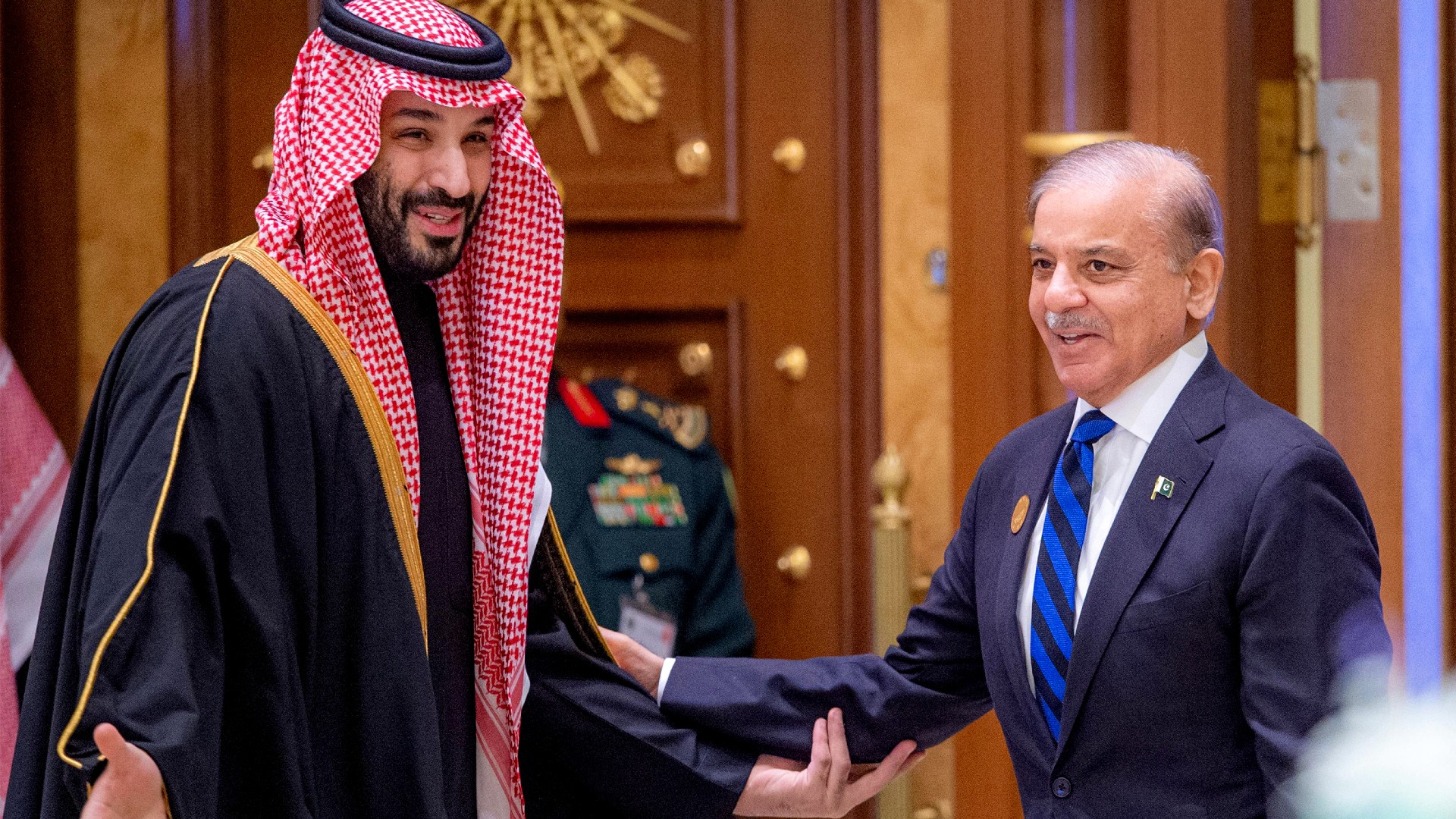
    Pakistan’s historical relationships with Gulf Cooperation Council countries add layers of complexity. While maintaining military ties across the Arab world, including pilot training programs dating to 1967, Islamabad’s recent “strategic mutual defense agreement” with Saudi Arabia and its “Three Brothers Alliance” with Turkey and Azerbaijan suggest Riyadh would receive priority if Pakistan were forced to choose. Additionally, Turkey’s role as a key defense partner and major client for joint programs further influences Pakistan’s strategic calculations.

    Industry analysts suggest Pakistan will likely avoid direct arms sales to embargoed regions, prioritizing instead more stable clients like Azerbaijan, with which deliveries are already underway. Prospective deals with Indonesia and Bangladesh offer more reliable financial frameworks than the precarious agreements linked to Gulf rivalries. As defense industrial partnerships grow increasingly interconnected with great power competition, Pakistan’s careful navigation of these murky waters will test its diplomatic acumen and industrial capabilities.

  • Chile’s far-right president-elect visits El Salvador mega-prison, plans to talk security with Bukele

    Chile’s far-right president-elect visits El Salvador mega-prison, plans to talk security with Bukele

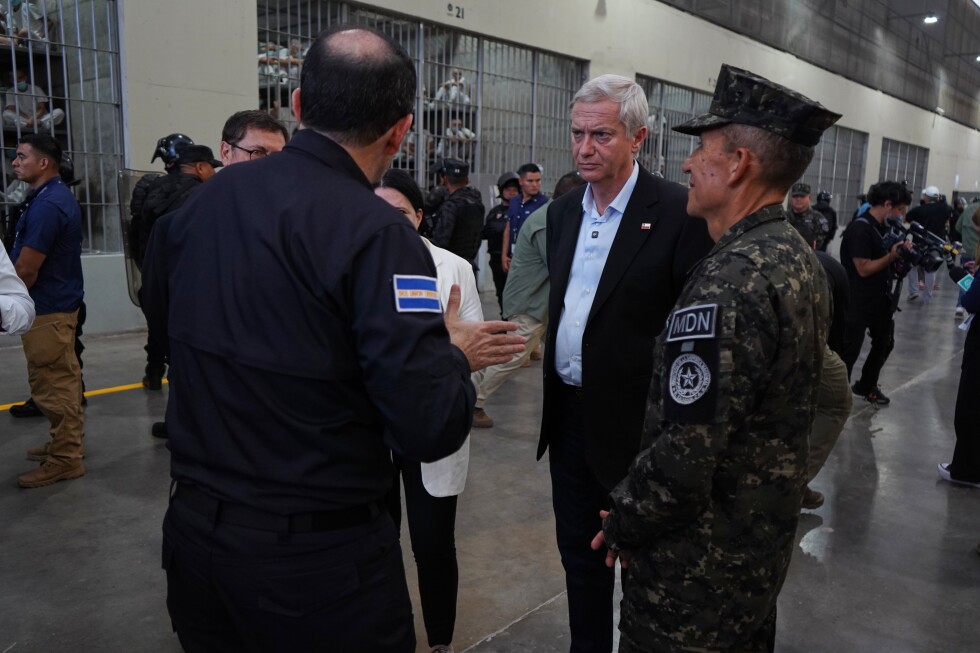
    Chilean President-elect José Antonio Kast conducted a high-profile inspection of El Salvador’s Terrorism Confinement Center (CECOT) on Friday, signaling a potential shift in regional security strategies. The far-right leader, accompanied by his security minister, traveled by helicopter to the massive detention facility that has become both a symbol of effective crime suppression and a subject of intense human rights criticism.

    During his visit, Kast emphasized Chile’s need to “import good ideas and proposals” for combating organized crime, drug trafficking, and terrorism. His tour included meetings with El Salvador’s security Cabinet and observation of cellblocks housing alleged gang members under conditions of total isolation. The Chilean delegation examined how El Salvador’s government has implemented its security framework, though Kast noted that any adaptation would need to consider Chile’s distinct legal and social context.

    The CECOT facility, with capacity for 40,000 inmates, represents the extreme end of President Nayib Bukele’s anti-gang measures. Inmates are held in cells containing 65-70 prisoners each, without visitors, outdoor access, or rehabilitation programs. This approach has drawn condemnation from human rights organizations, with Socorro Juridico documenting 480 detention-related deaths since Bukele’s 2022 state of emergency declaration.

    The visit reflects a growing trend among Latin American leaders facing security challenges. Costa Rica recently broke ground on a CECOT-inspired maximum security prison, while Honduras proposed building a gang prison on a remote island. Ecuador and Guatemala have also implemented aggressive anti-gang measures. Kast’s meeting with Bukele at the presidential palace concluded a day that highlighted the complex balance between security effectiveness and human rights protections in regional crime-fighting strategies.

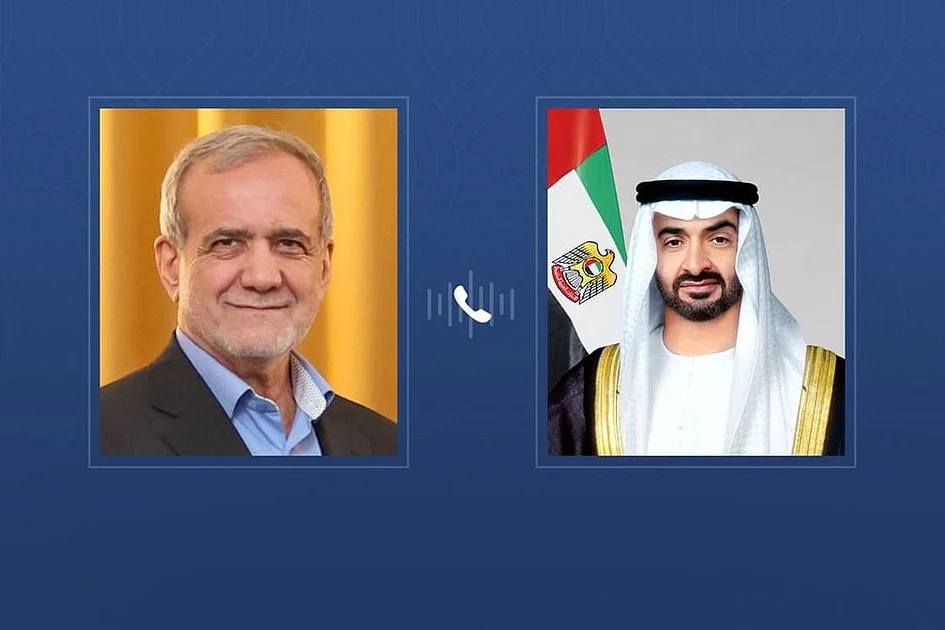
  • Sheikh Mohamed discusses UAE-Iran relations, regional issues in phone call with Pezeshkian

    Sheikh Mohamed discusses UAE-Iran relations, regional issues in phone call with Pezeshkian

    In a significant diplomatic engagement, UAE President Sheikh Mohamed bin Zayed Al Nahyan conducted a substantive telephone conversation with Iranian President Dr. Masoud Pezeshkian on January 30, 2026. The high-level discourse centered on enhancing bilateral relations between the Gulf neighbors and addressing pressing regional security concerns.

    The leaders engaged in comprehensive discussions regarding the advancement of UAE-Iran ties, emphasizing the mutual benefits of strengthened cooperation across various sectors. Both parties expressed commitment to developing relations that serve their national interests and contribute to the welfare of their citizens.

    Beyond bilateral matters, the conversation addressed critical regional and international developments, with particular attention to ongoing efforts to stabilize the region. President Sheikh Mohamed reaffirmed the Emirates’ dedication to supporting all initiatives aimed at establishing lasting security and stability throughout the Middle East.

    A key consensus emerged regarding the necessity of diplomatic engagement, with both leaders underscoring the importance of dialogue and peaceful solutions in resolving regional challenges. This emphasis on diplomatic channels reflects a shared commitment to de-escalation and constructive engagement in a complex geopolitical landscape.

    The timing of this exchange is particularly noteworthy given current regional tensions, suggesting both nations are pursuing avenues for reduced friction and enhanced cooperation. This dialogue represents a continuation of ongoing efforts to normalize and strengthen relations between the UAE and Iran following years of regional strain.

  • Millions of new Epstein files released by US justice department

    Millions of new Epstein files released by US justice department

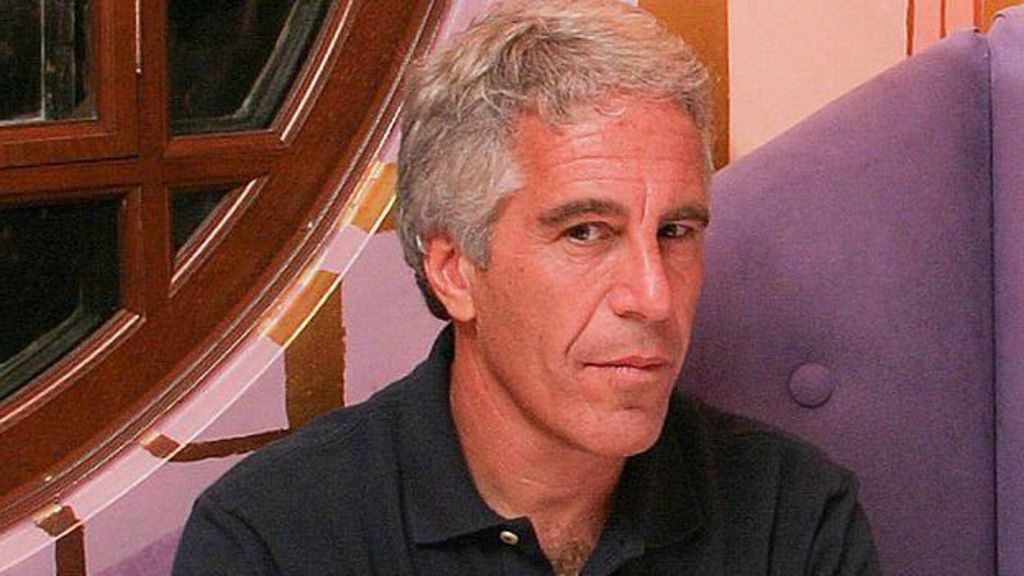
    The U.S. Department of Justice has publicly released an unprecedented trove of documents related to convicted sex offender Jeffrey Epstein, marking the largest disclosure since the enactment of the Epstein Files Transparency Act. The release comprises approximately 3 million pages, 180,000 images, and 2,000 videos, providing extensive insight into Epstein’s network and operations.

    This disclosure follows a six-week delay past the legal deadline established by the legislation signed into law during the Trump administration. Deputy Attorney General Todd Blanche characterized the release as the culmination of an exhaustive document review process designed to ensure governmental transparency and legal compliance.

    The newly public records include psychological evaluations of Epstein during his incarceration, detailed communications involving his associate Ghislaine Maxwell—currently imprisoned for trafficking minors—and correspondence with prominent figures. Among these documents is an email exchange with Lord Peter Mandelson, former UK ambassador to the United States, discussing accommodations at Epstein’s properties. Mandelson has previously characterized his association with Epstein as a ‘terrible mistake’ in BBC interviews.

    Particular attention has focused on messages referencing ‘The Duke’—understood to be Prince Andrew—including discussions about private dinners at Buckingham Palace and Epstein’s offer to introduce him to a 26-year-old Russian woman. Prince Andrew has consistently denied any knowledge or involvement in Epstein’s criminal activities.

    Hundreds of Justice Department personnel dedicated approximately 75 days to manually reviewing the documents, working extended hours to meet legal requirements. The department implemented redactions to protect victim identities, exclude child sexual abuse imagery, and preserve active investigations. All women appearing in visual materials except Maxwell were anonymized.

    Despite these measures, the release has drawn criticism from lawmakers including Democratic Congressman Roh Khanna, who co-sponsored the transparency legislation. Khanna has questioned why only 3.5 million of the 6 million identified pages were ultimately released, promising continued scrutiny of the disclosure process.

    The documents released to date have revealed Epstein’s connections to powerful figures across politics, business, and royalty, though officials maintain they contain no evidence implicating previously unknown individuals in abuse crimes.

  • Iran wants to make deal rather than face military action, Trump says

    Iran wants to make deal rather than face military action, Trump says

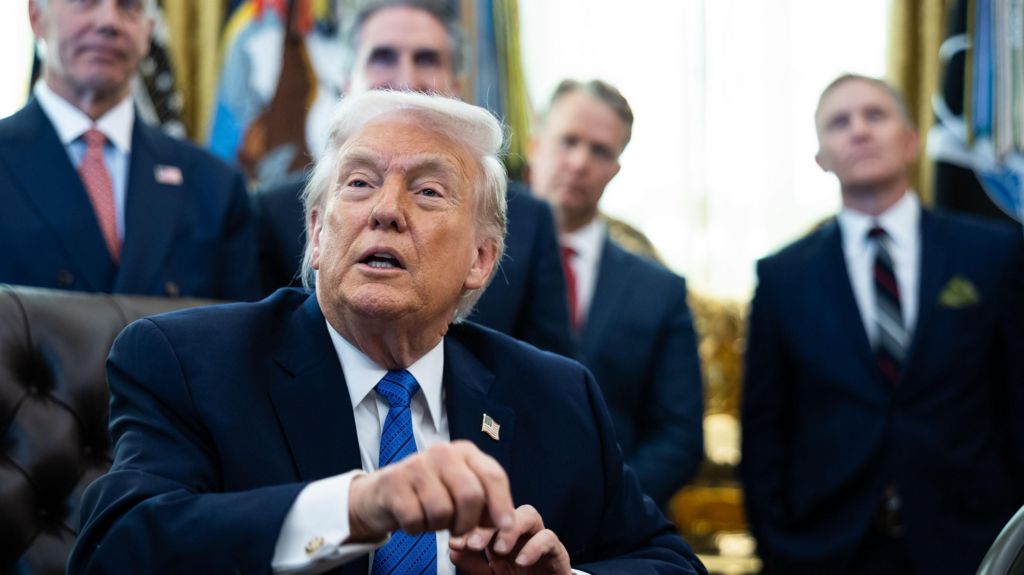
    In a tense geopolitical standoff, U.S. President Donald Trump has declared that Iran ultimately desires a negotiated settlement to avoid potential U.S. military action. This assertion, made during a White House press briefing on Friday, directly contradicts Tehran’s firm position that its missile defense systems are “never” to be included in any negotiations.

    When questioned about the significant buildup of U.S. naval forces in the Persian Gulf, President Trump stated, “I can say this, they do want to make a deal,” though he provided no specific evidence or details to support this claim. This follows his Wednesday warning to Iranian leadership that time is “running out” to reach a new agreement concerning its nuclear program, a threat underscored by the deployment of a major naval armada to regional waters.

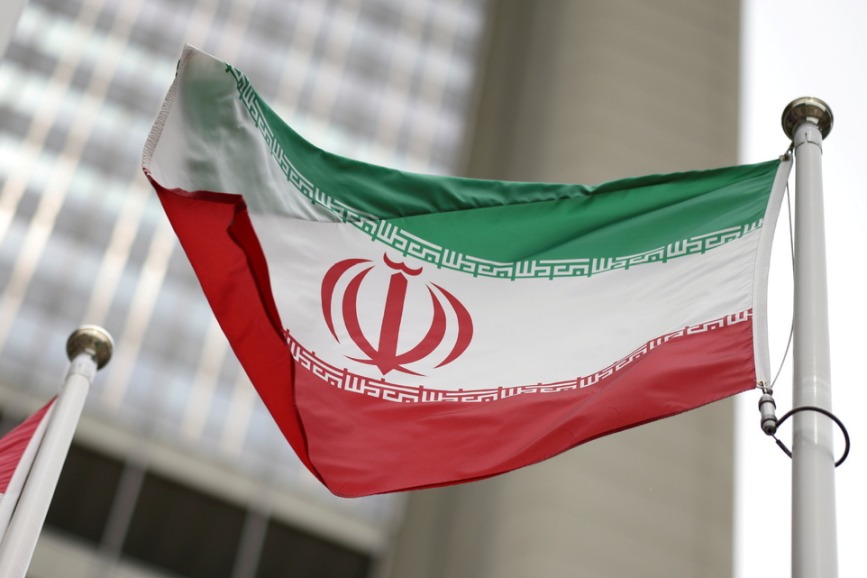
    The Iranian government maintains a starkly different public stance. Foreign Minister Abbas Araghchi reiterated that the country’s missile systems are non-negotiable and repeated official assertions that Iran’s nuclear ambitions are purely peaceful. He did, however, leave the door open for talks predicated on “mutual respect” and trust, while noting no current discussions are scheduled with American officials.

    Amidst this diplomatic friction, Iran’s top security official, Ali Larijani, met with Russian President Vladimir Putin in Moscow. The Kremlin confirmed the meeting, stating the leaders discussed pressing “Middle Eastern and international issues,” signaling Russia’s continued engagement in the regional power dynamic.

    President Trump explicitly outlined two primary conditions for Iran to avoid a military confrontation: complete abandonment of its nuclear weapons ambitions and an immediate cessation of violence against domestic protesters. This comes in the wake of widespread anti-government demonstrations that began in late December, which have been met with a severe crackdown. Independent monitoring groups, including the U.S.-based HRANA, report a confirmed death toll exceeding 6,300, with the Norway-based Iran Human Rights organization warning the final figure could surpass 25,000 casualties.

    Refusing to commit to a withdrawal timeline for the U.S. fleet, President Trump remarked with characteristic ambiguity, “We’ll see how it all works out. They have to float someplace, so they might as well float near Iran,” keeping military pressure as a central component of his negotiation strategy.

  • Iran will not negotiate under threat: Iranian FM

    Iran will not negotiate under threat: Iranian FM

    Iranian Foreign Minister Seyed Abbas Araghchi delivered a firm stance on diplomatic engagement during his appearance in Istanbul on Friday, asserting that while Tehran remains open to dialogue, it will not enter negotiations while facing external threats.

    Addressing international relations in the region, Araghchi clarified Iran’s position: “The Islamic Republic has no inherent objection to diplomatic discussions and actively seeks peaceful resolution through dialogue. However, the foundation of any meaningful negotiation must be built on mutual respect and sovereign equality, not under the shadow of ultimatums or coercive measures.”

    The minister’s remarks come amid ongoing regional tensions and reflect Tehran’s consistent foreign policy approach that prioritizes national dignity in international dealings. Araphchi’s statement reinforces Iran’s long-standing position that productive diplomacy cannot occur when one party attempts to dictate terms through pressure tactics.

    This declaration from a senior Iranian diplomat signals the country’s continued resistance to what it perceives as Western attempts to force concessions through economic and political pressure. The Istanbul appearance provided a significant platform for Iran to communicate its diplomatic red lines to the international community.

    The foreign minister’s comments arrive at a time of complex geopolitical dynamics in the Middle East, where multiple nations are navigating delicate power balances and alliance structures. Iran’s insistence on threat-free negotiations establishes clear parameters for any future diplomatic engagements with Western powers.

  • Turkey FM calls on US, Iran to come to negotiating table, says talks are ‘vital’

    Turkey FM calls on US, Iran to come to negotiating table, says talks are ‘vital’

    Turkish Foreign Minister Hakan Fidan has issued a compelling appeal for renewed diplomatic engagement between the United States and Iran during a high-level meeting with Iranian counterpart Abbas Araqchi in Istanbul on Friday. The top diplomat emphasized the critical importance of restarting nuclear negotiations between the two nations to alleviate mounting regional tensions.

    Fidan articulated Turkey’s firm opposition to foreign intervention in Iran while specifically addressing concerns about potential military action. The minister revealed intelligence indicating Israeli efforts to persuade Washington to launch strikes against Iranian facilities, warning that such actions would inflict ‘great harm’ on an already fragile region.

    ‘We observe Israel actively lobbying the US administration to authorize military operations against Iran,’ Fidan stated during a joint press conference. ‘We strongly hope American leadership will exercise prudent judgment and prevent this dangerous escalation from materializing.’

    The diplomatic intervention comes amid heightened tensions in the Middle East, with Turkey positioning itself as a regional mediator advocating for peaceful conflict resolution. Fidan’s remarks underscore Ankara’s strategic interest in stabilizing the region and preventing further military confrontations that could disrupt regional security and economic stability.

    This development follows recent cross-border attacks between Iran and Israel, and increasing international concern about Iran’s nuclear program. Turkey’s mediation attempt represents a significant diplomatic initiative to bridge the gap between the longstanding adversaries through dialogue rather than military action.

  • What military assets does the US have in the Middle East?

    What military assets does the US have in the Middle East?

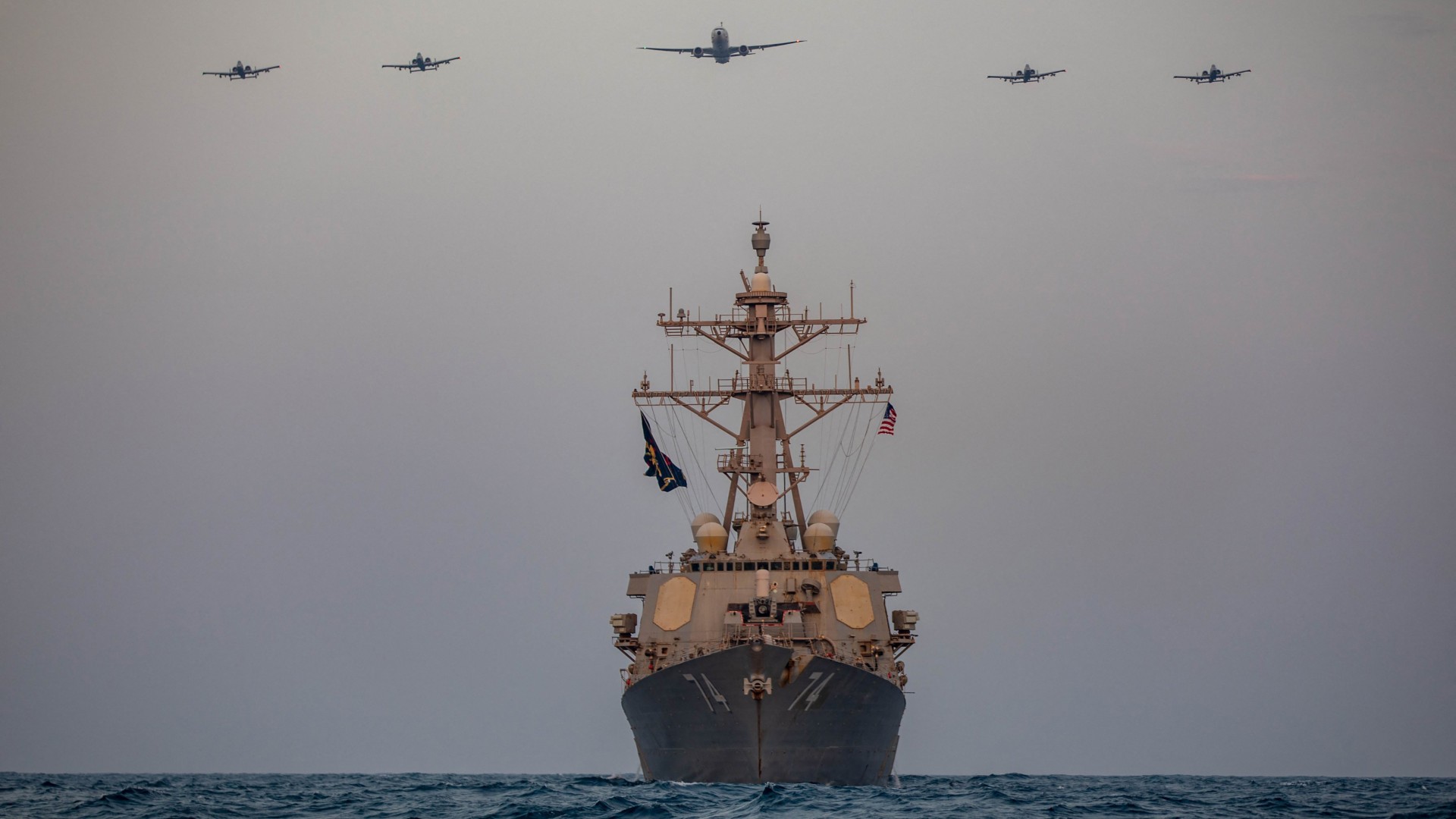
    The United States is significantly enhancing its military posture across the Middle East as diplomatic rhetoric intensifies between Washington and Tehran. Recent declarations from the Trump administration regarding a ‘massive armada’ movement toward Iranian waters have catalyzed preparations for potential regional conflict.

    According to defense analyses, approximately 40,000 American troops are currently stationed throughout the region, distributed across at least 19 military installations. The strategic al-Udeid Air Base in Qatar serves as the tactical headquarters for US Central Command (Centcom), hosting nearly 10,000 personnel and extensive aerial assets. Bahrain maintains the US Navy’s Fifth Fleet headquarters with 9,000 troops, while Kuwait stations around 13,500 soldiers across multiple facilities including Camp Arifjan and Ali al-Salem Air Base.

    The naval reinforcement centerpiece involves the nuclear-powered USS Abraham Lincoln carrier strike group, which has redirected from the South China Sea to the Arabian Sea. This formidable force includes Arleigh Burke-class destroyers equipped with Tomahawk cruise missiles capable of reaching deep into Iranian territory, accompanied by 5,680 crew members and multiple aircraft squadrons.

    Electronic warfare capabilities are being augmented with the deployment of RC-135W Rivet Joint surveillance aircraft to Qatar and EA-18G Growler jets transiting toward the region. Additional reinforcements include F-15 fighter squadrons at Jordan’s Muwaffaq Salti Air Base and anticipated THAAD missile defense systems.

    Regional allies exhibit cautious positioning, with both the UAE and Saudi Arabia publicly refusing permission for their territories to be used for offensive operations against Iran. Qatar, Oman, and Turkey have similarly advocated against military action, reflecting concerns about potential retaliatory measures. Iranian-aligned groups including Yemen’s Houthis and Iraqi paramilitaries have threatened counterstrikes against US bases should hostilities escalate.

    The complex geopolitical landscape underscores the delicate balance of power, where military preparedness intersects with diplomatic maneuvering across one of the world’s most volatile regions.

  • Civil rights investigation opened into Alex Pretti shooting

    Civil rights investigation opened into Alex Pretti shooting

    The U.S. Department of Justice has initiated a civil rights investigation into the fatal shooting of Alex Pretti, a 37-year-old intensive care nurse, by federal immigration agents in Minneapolis. Deputy Attorney General Todd Blanche characterized the move as a standard procedural response to such incidents, though he emphasized the investigation would thoroughly examine all circumstances surrounding the shooting.

    The Federal Bureau of Investigation will lead the probe with support from the DOJ’s Civil Rights Division, according to Department of Homeland Security officials. This development follows the earlier handling of the case by Homeland Security Investigations within Immigration and Customs Enforcement (ICE).

    Pretti, a U.S. citizen working at the Minneapolis Veterans Affairs hospital, was killed during an altercation with federal officers. A preliminary DHS report submitted to Congress indicates that two officers discharged their weapons during the confrontation, contradicting initial accounts that alleged Pretti had brandished a firearm.

    The shooting occurred just weeks after another fatal incident in Minneapolis on January 7, when Renee Good was shot dead by an ICE agent. Both deaths have ignited widespread protests across Minnesota and drawn bipartisan criticism from lawmakers. Minnesota Governor Tim Walz and Minneapolis Mayor Jacob Frey have jointly called for the complete withdrawal of federal agents from the state’s capital region.

    In response to the escalating tensions, the state has petitioned a federal judge to halt Operation Metro Surge, a DHS immigration enforcement initiative involving approximately 3,000 officers that commenced on December 1.

    The Trump administration has signaled potential de-escalation, with President Trump stating his administration would ‘de-escalate a little bit’ in Minnesota. Border policy advisor Tom Homan clarified that any drawdown of federal forces would be contingent on cooperation from local officials, emphasizing that the administration was ‘not surrendering our mission at all, we’re just doing it smarter.’

    Two agents involved in Pretti’s shooting have been placed on administrative leave pending investigation, according to U.S. Customs and Border Protection.