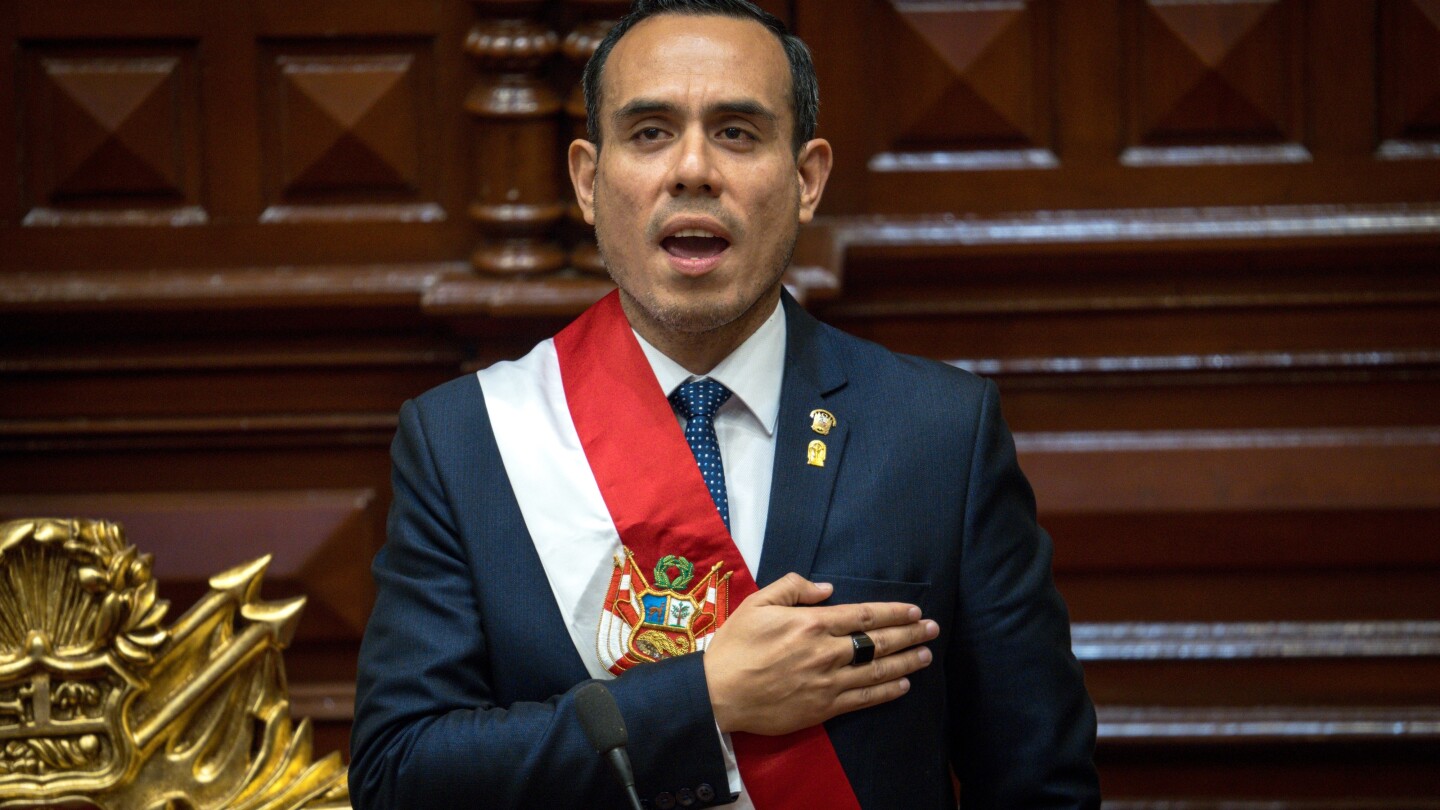
In a dramatic turn of events, Peru’s Congress voted early Friday to remove President Dina Boluarte from office, citing her administration’s failure to address a surging crime wave that has gripped the nation. The 130-member unicameral legislature swiftly replaced Boluarte with 38-year-old lawyer José Jerí, the president of Congress, who was sworn in as interim leader shortly after the vote. The decision came just hours after a shooting at a concert in Lima further inflamed public anger over the country’s escalating violence. Lawmakers had convened a late-night debate and impeachment trial on Thursday, voting to accept four requests for Boluarte’s removal. Despite being summoned to defend herself, Boluarte did not appear before Congress, prompting lawmakers to vote unanimously—124 in favor, with no opposition—to impeach her. This marked the ninth attempt to remove Boluarte from office, but unlike previous efforts, it garnered widespread support across legislative factions. Boluarte, Peru’s first female president, assumed office in December 2022 after her predecessor, Pedro Castillo, was impeached for attempting to dissolve Congress. Her tenure was marred by over 500 protests in her first three months and an inability to curb rising crime rates. Official statistics reveal a record 6,041 homicides between January and mid-August, alongside a 28% spike in extortion cases. Boluarte partially attributed the crisis to illegal immigration, claiming past administrations had failed to secure borders. Despite Prime Minister Eduardo Arana’s defense of her during a parliamentary hearing, lawmakers remained resolute in their decision. Jerí, now interim president, pledged to uphold Peru’s sovereignty and oversee the transition to a new government following elections scheduled for April 2025.
分类: politics
-
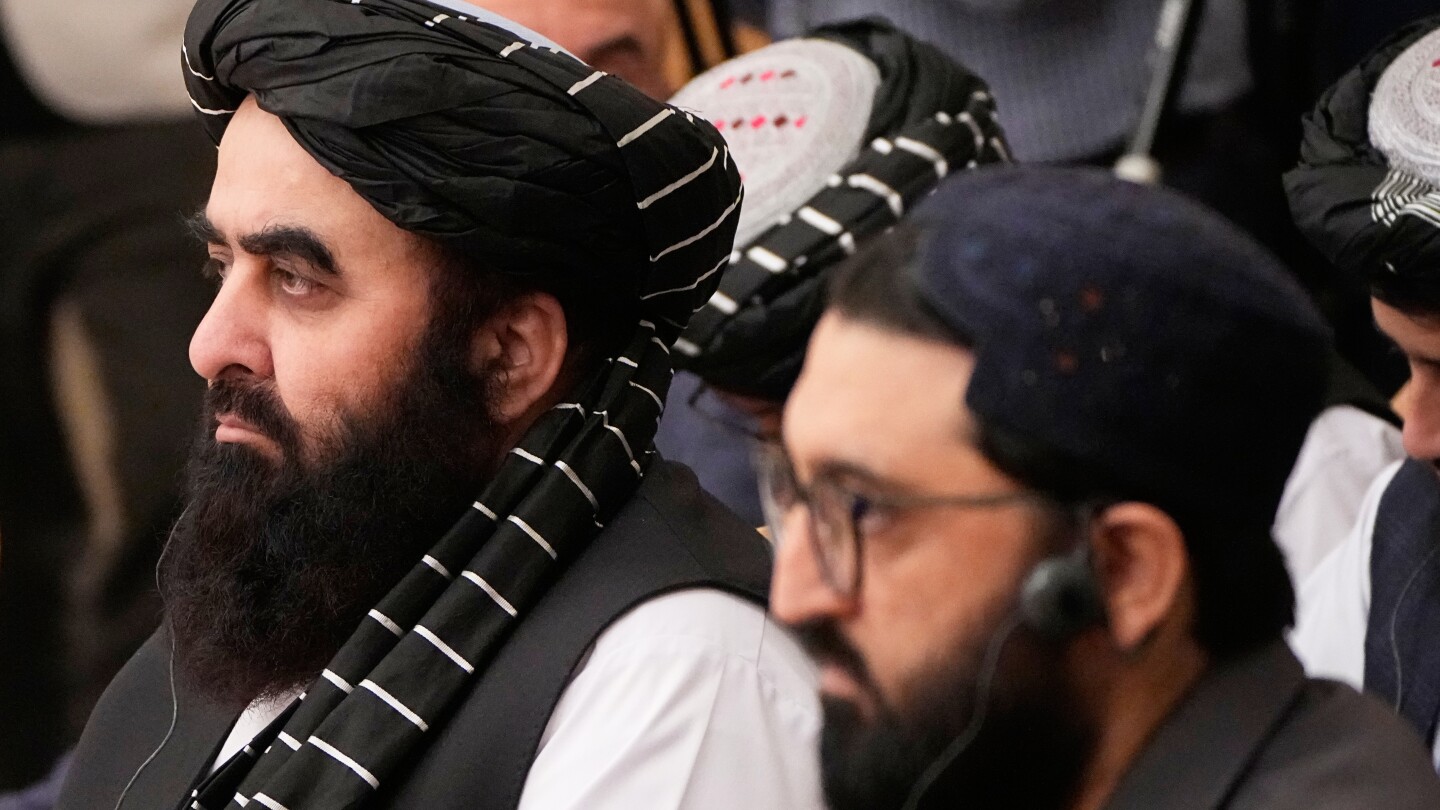
India to upgrade Kabul mission to full embassy, signaling deeper ties with Taliban
In a significant diplomatic move, India has announced the upgrade of its technical mission in Kabul to a full embassy, signaling a deepening engagement with Taliban-ruled Afghanistan. Indian Foreign Minister Subrahmanyam Jaishankar made the announcement on Friday following a meeting with his Afghan counterpart, Amir Khan Muttaqi, in New Delhi. This marks the first high-level diplomatic interaction since the Taliban’s return to power in 2021, ending two decades of U.S. military presence in the region. Jaishankar emphasized India’s commitment to Afghanistan’s sovereignty, development, and stability, pledging support in trade, health, and education sectors. He stated that closer cooperation between the two nations would foster regional resilience and stability. Muttaqi, who arrived in India after receiving a temporary travel exemption from U.N. sanctions, expressed Kabul’s desire for strong relations with India. His visit follows participation in an international meeting on Afghanistan in Russia, which included representatives from China, Pakistan, and Central Asian nations. India’s pragmatic outreach to the Taliban reflects a strategic recalibration aimed at countering regional rivals, particularly Pakistan and China, both of whom have significant influence in Afghanistan. Experts suggest that India’s engagement is driven by the need to avoid strategic isolation and to establish a foothold in a region where geopolitical rivalries are intensifying. Despite historical tensions and concerns over the Taliban’s governance, India has maintained steady contact with the group, focusing on humanitarian aid and development support. The move underscores India’s evolving foreign policy priorities and its bid to strengthen its position as a regional power.
-
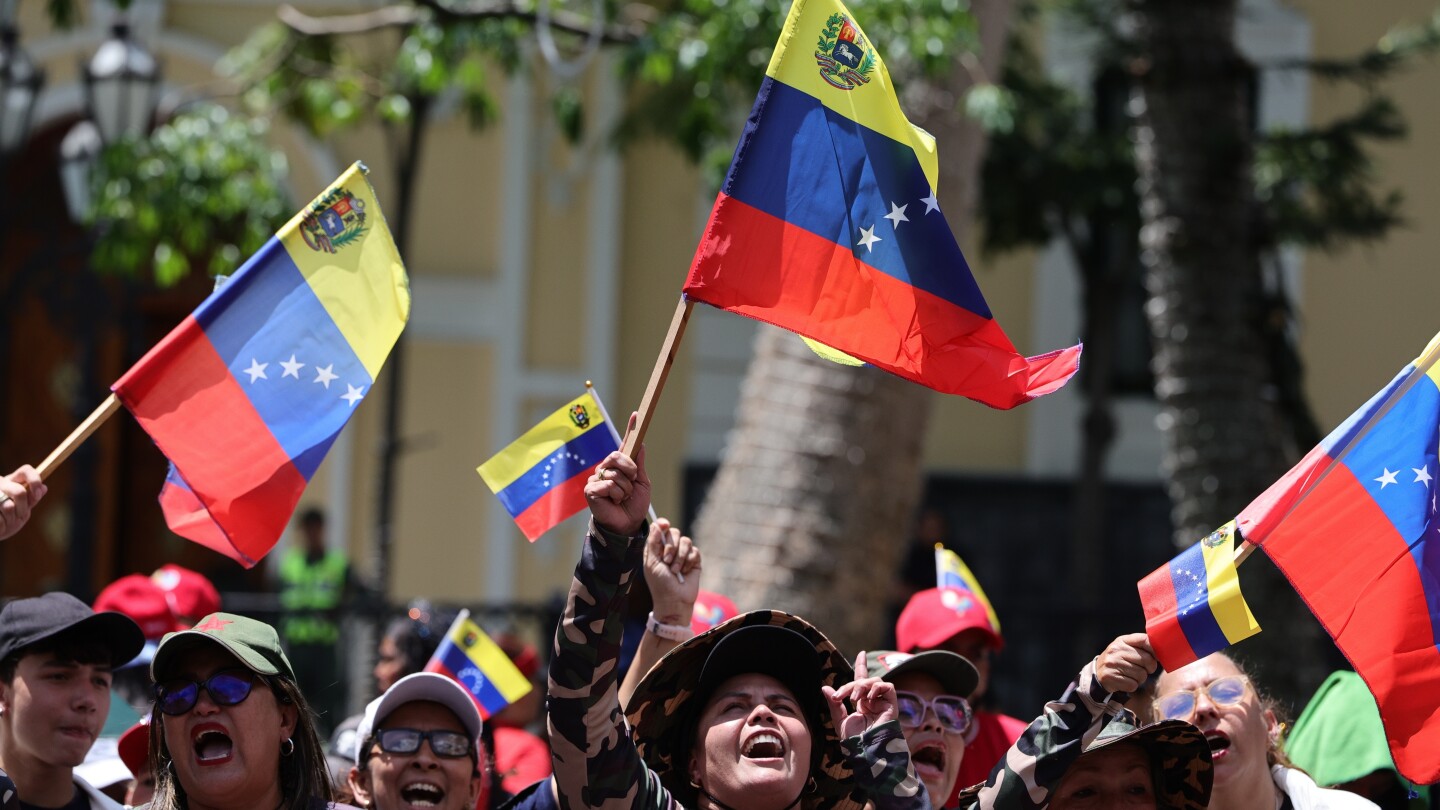
US clashes with Venezuela and allies at emergency UN meeting on US strikes in Caribbean
Tensions between the United States and Venezuela escalated dramatically during an emergency session of the U.N. Security Council on Friday. The Trump administration defended its recent military strikes against alleged drug cartels, vowing to use its “full might” to combat narcoterrorism. Meanwhile, Venezuela accused the U.S. of preparing for an armed attack, citing the deadly strikes on four boats that Washington claims were involved in drug trafficking. Venezuela’s U.N. Ambassador, Samuel Moncada, warned that the U.S. actions threatened regional and international peace, security, and stability. The U.S. justified the strikes, which reportedly killed 21 people, as a necessary act of self-defense against well-armed and organized cartels. Venezuela’s request for the emergency meeting followed a significant buildup of U.S. maritime forces in the Caribbean, a move described as unprecedented in recent years. While Venezuela received backing from allies Russia and China, other Security Council members urged de-escalation and adherence to the U.N. Charter, which emphasizes respect for sovereignty and peaceful dispute resolution. The U.S. delegation, led by Political Counselor John Kelley, reiterated President Trump’s stance that the military operations were consistent with international law. However, the council is unlikely to take action against the U.S. due to its veto power. France and Russia expressed concerns over unilateral military actions and the potential threat to international peace, with Russia describing the situation as increasingly acute. The meeting occurred just a day after U.S. Senate Republicans blocked legislation aimed at limiting Trump’s authority to use military force against drug traffickers.
-

Israel approves Trumpâs plan for Gaza ceasefire and hostage release
A multinational force comprising approximately 200 troops, supervised by the US military, has been tasked with overseeing the Gaza ceasefire, as confirmed by a senior US official. The contingent is expected to include personnel from Egypt, Qatar, Turkey, and the UAE. Their primary responsibility will be to monitor, observe, and ensure compliance with the ceasefire agreement, preventing any violations or incursions in Gaza.
-
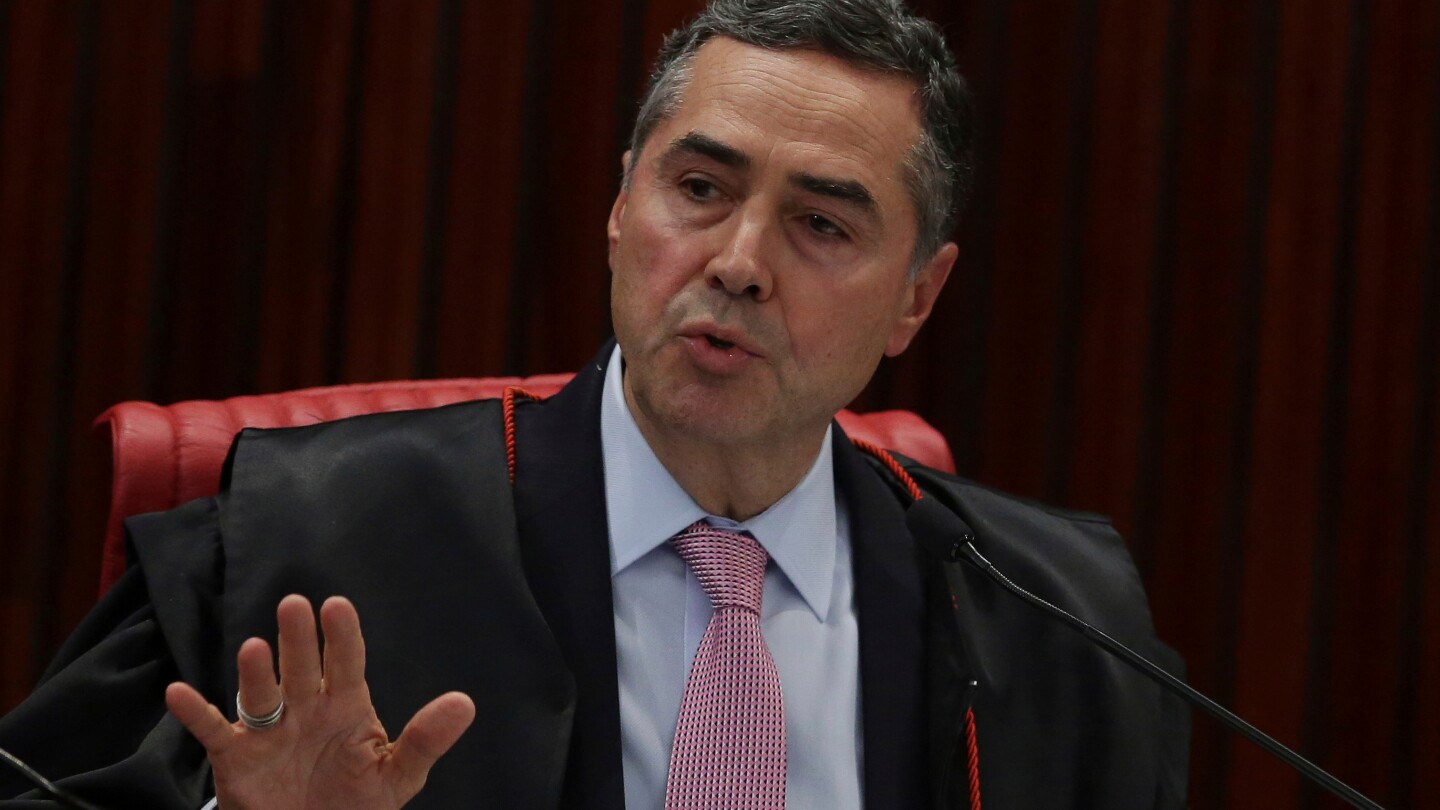
Brazilian justice announces retirement from Supreme Court, opens path for another Lula nominee
In a significant development within Brazil’s judicial landscape, Supreme Court Justice Luís Roberto Barroso announced his early retirement, eight years before the mandatory retirement age of 75. The 67-year-old former chief justice, who stepped down from his leadership role in September, revealed his decision at the conclusion of Thursday’s court session, citing a desire to pursue personal interests and a quieter life. Barroso’s departure creates a pivotal opportunity for President Luiz Inácio Lula da Silva to appoint a successor ahead of next year’s general elections, potentially shaping the court’s future direction. Barroso, appointed in 2013 by former President Dilma Rousseff, has been a central figure in high-profile cases, including the conviction of ex-President Jair Bolsonaro for coup-related charges. Bolsonaro, currently under house arrest, faces a 27-year prison sentence for his alleged role in orchestrating the January 8, 2023, riots at the Supreme Court building. Barroso emphasized that his retirement decision predates the current political climate, having informed President Lula of his intentions two years prior. Lula has already nominated two justices to the court this year, signaling his influence over its composition. The 11-member court, which has faced intense scrutiny and pressure since the 2023 riots, remains a critical institution in Brazil’s political and judicial framework.
-
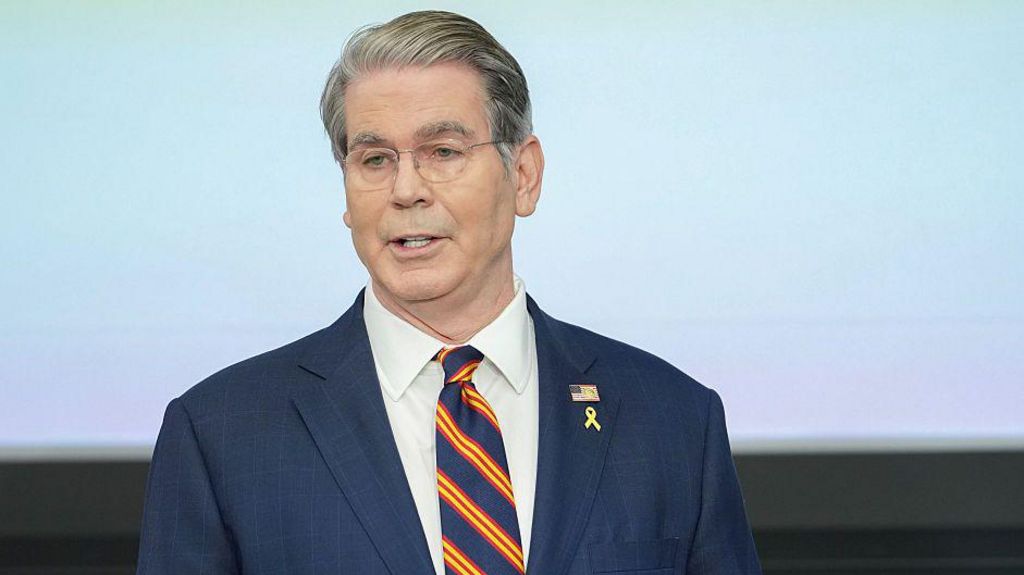
US makes peso purchase in controversial $20bn Argentina rescue plan
In a bold move to stabilize Argentina’s faltering economy, the United States has announced the purchase of Argentine pesos and finalized a $20 billion financial rescue package. Treasury Secretary Scott Bessent confirmed the decision on social media, emphasizing the US commitment to supporting Argentina’s reform agenda. ‘The US Treasury is prepared to take whatever exceptional measures are warranted,’ Bessent stated, underscoring the strategic importance of a stable Argentina for the Western Hemisphere. The announcement has bolstered the peso and Argentine debt in financial markets, though it has reignited domestic debate in the US, where critics argue the funds could be better spent addressing domestic issues like healthcare. Democratic Senator Elizabeth Warren voiced her opposition, questioning the decision to aid Argentina while the US faces its own fiscal challenges. Argentina, grappling with a sharp decline in the peso’s value and dwindling reserves, is set to hold midterm elections on October 26, which will test public support for President Javier Milei’s austerity measures. Milei, a Trump ally, has implemented sweeping deregulation and spending cuts to curb inflation, earning praise from international investors but sparking domestic backlash. The US support has also drawn criticism from American farmers, who fear losing their soybean market to Argentina. Despite the controversy, Bessent defended the move as a bipartisan priority, highlighting the need for a prosperous and stable Argentina. Milei expressed gratitude for the US support, vowing to strengthen economic ties between the two nations.
-
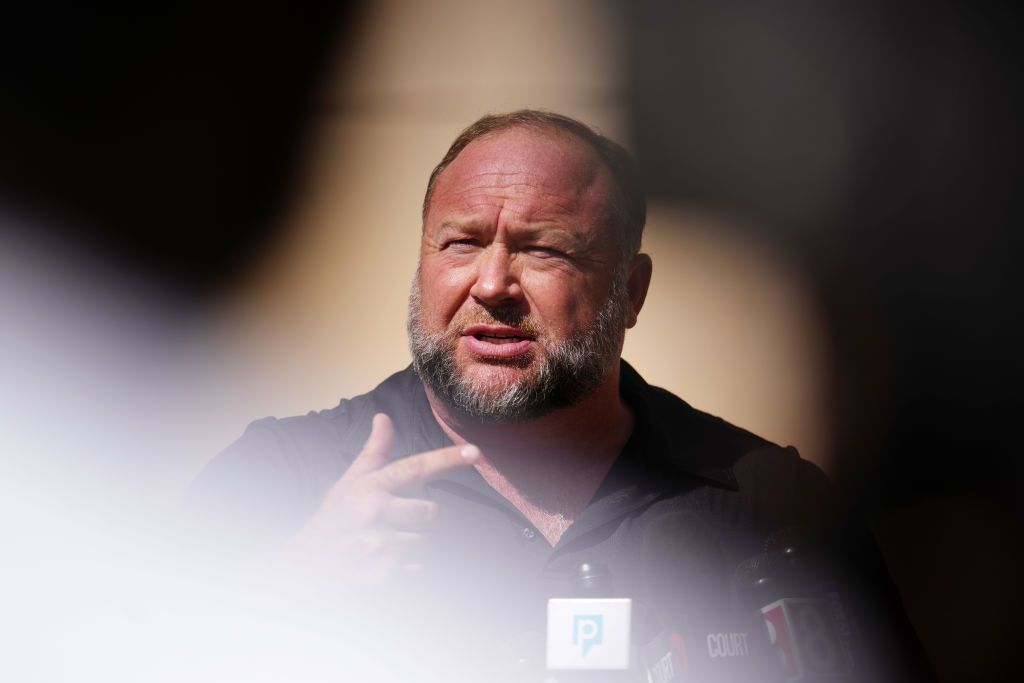
Alex Jones asks US Supreme Court to block billion-dollar defamation ruling against him
Controversial right-wing figure Alex Jones has petitioned the US Supreme Court to temporarily suspend a staggering $1.5 billion defamation judgment against him, which threatens the forced sale of his media company, Infowars. The judgment stems from Jones’ repeated false claims that the 2012 Sandy Hook Elementary School shooting was a hoax. Jones argues that selling Infowars to satirical news site The Onion, backed by the victims’ families, would cause irreparable harm to him and his 30 million followers. The sale was previously rejected in a bankruptcy auction last year. Jones is now seeking to pause the judgment while his appeal is considered, with the Supreme Court expected to review his application privately on Friday. His legal team contends that Jones, as a media defendant, should be protected under the First Amendment, warning that the judgment could set a dangerous precedent for journalists, stifling free speech. Jones’ attorneys also claim the bankruptcy auction was marred by collusion, a claim dismissed by the court. In his application, Jones warned of “irreparable injury” if Infowars is sold to its “ideological nemesis” and dismantled. The Sandy Hook shooting, which claimed the lives of 20 children and six adults, remains one of the deadliest school massacres in US history. Jones, who has since acknowledged the attack as “100% real,” previously propagated baseless conspiracy theories, accusing victims’ families of being “crisis actors” and claiming the tragedy was staged to restrict gun rights.
-
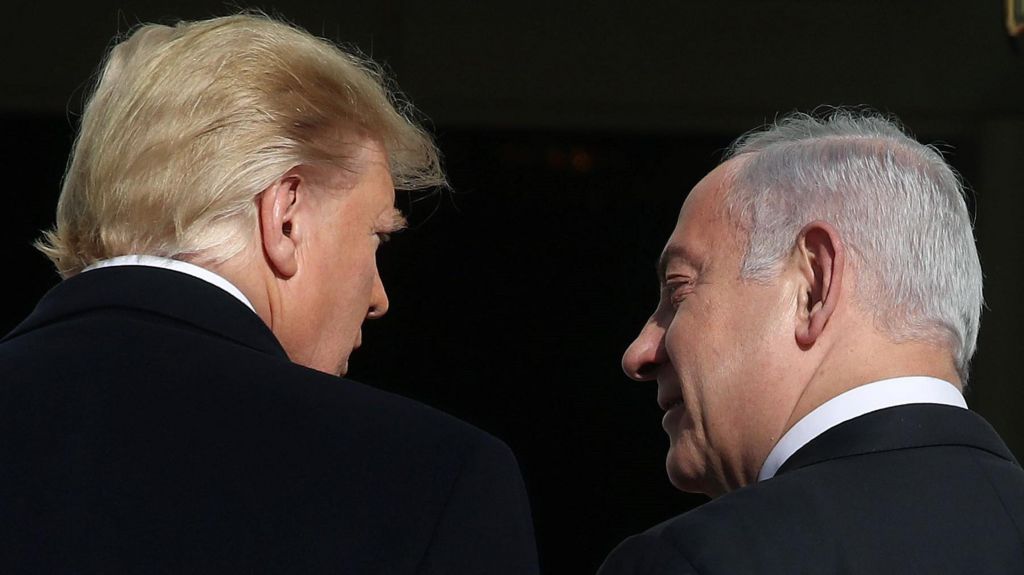
How Trump secured a Gaza breakthrough which eluded Biden
In a surprising turn of events, President Donald Trump has announced a landmark agreement to release all remaining hostages held by Hamas, marking a significant step toward a more durable peace in the Gaza region. This achievement, which eluded his predecessor Joe Biden, underscores Trump’s unique diplomatic approach and his strong relationships with both Israel and the Arab world. The deal, announced on 9 September, follows an Israeli air strike in Qatar that initially seemed to derail peace prospects but ultimately became a catalyst for negotiations. The agreement includes plans for Hamas disarmament, Gaza governance, and a partial Israeli withdrawal, though many details remain to be finalized. Trump’s ability to exert unprecedented pressure on Israeli Prime Minister Benjamin Netanyahu, coupled with his rapport with Gulf states, played a pivotal role in securing the deal. The global reaction has been mixed, with some celebrating the ceasefire while others remain cautious about the long-term implications. This breakthrough could become a defining moment of Trump’s second term, potentially reshaping the trajectory of Middle East diplomacy.
-
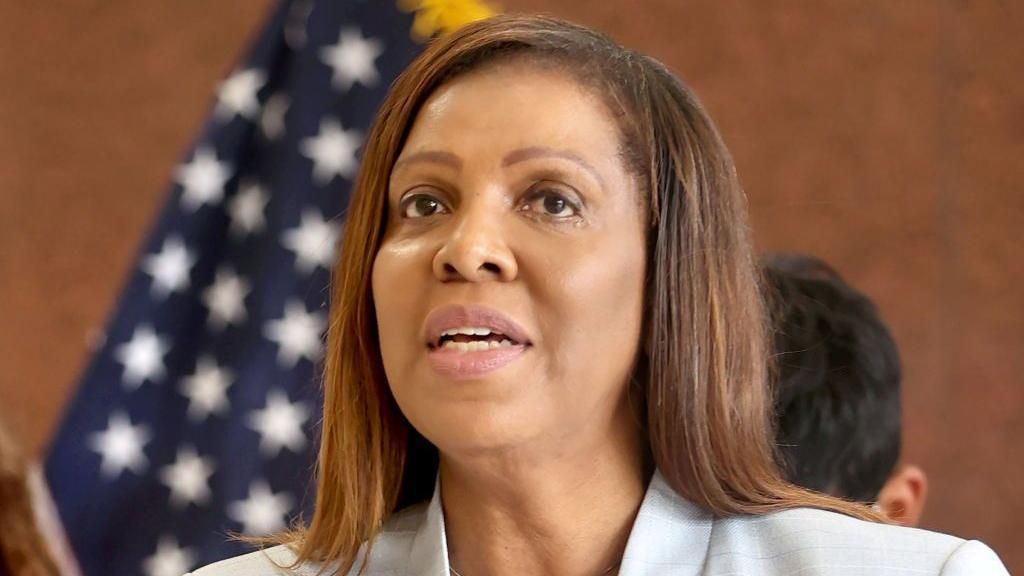
New York Attorney General Letitia James criminally indicted
New York Attorney General Letitia James has been indicted on federal charges by a grand jury, marking a significant development in a case that has drawn national attention. The indictment, issued in Alexandria, Virginia, stems from allegations of mortgage fraud, though specific charges remain undisclosed. This comes after the Justice Department previously investigated James for allegedly falsifying bank and property records to secure favorable loan terms. Officials from the Federal Housing Finance Agency accused James of misrepresenting a property in Norfolk, Virginia, as her primary residence in 2023, while she served as New York’s top prosecutor, to obtain a lower interest rate on a loan. Mortgages for primary residences typically offer more advantageous terms. The indictment follows a contentious legal history involving James, who led a high-profile civil fraud investigation against former President Donald Trump in 2023. In that case, Trump was found liable for falsifying records to secure better loan deals, resulting in a $500 million fine, though the penalty was later overturned by an appeals court as excessive. Trump has since publicly called for the prosecution of his political opponents, including James, citing concerns over credibility and reputation. The BBC has reached out to James’ office for comment, and further updates are expected as the story develops.
-
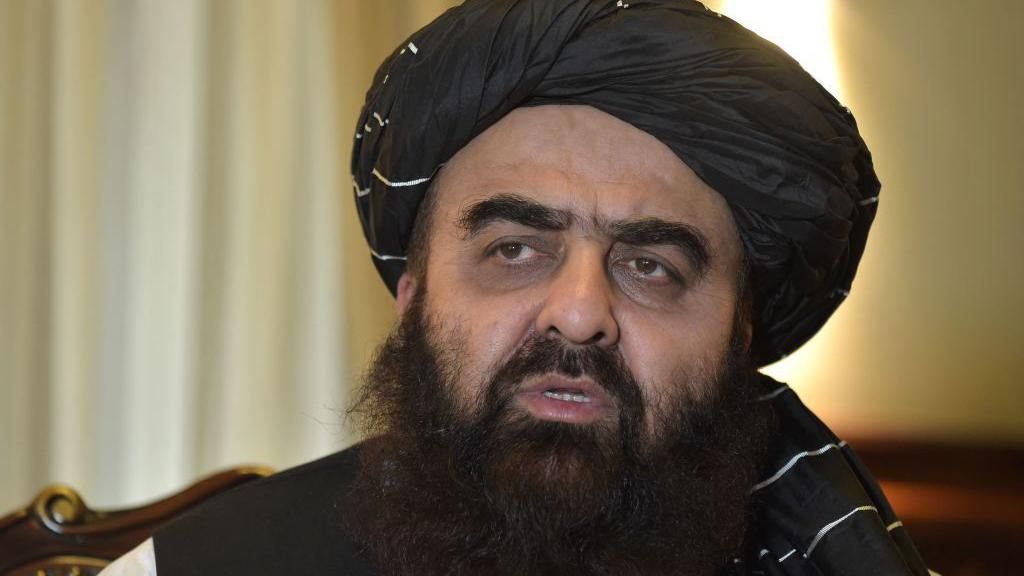
Why Taliban minister’s visit to India is so groundbreaking
In a significant diplomatic development, Afghan Taliban Foreign Minister Amir Khan Muttaqi arrived in India on Thursday for a week-long visit, marking the highest-level engagement between the Taliban and India since the group seized power in 2021. Muttaqi, accompanied by Afghan trade and foreign ministry officials, is set to hold discussions with India’s Foreign Minister S Jaishankar and other officials, focusing on enhancing diplomatic, trade, and economic ties. This visit underscores a pragmatic shift in India’s Afghan policy, as it seeks to deepen engagement with the Taliban-led government in Kabul. The trip is particularly notable given the historically strained relations between India and the Taliban, as well as the deteriorating ties between the Taliban and Pakistan, their traditional ally. Muttaqi’s visit, facilitated by a temporary exemption from UN sanctions, comes amid growing regional realignments. India, which once supported the Western-backed Afghan government ousted by the Taliban, has cautiously re-engaged with the new regime, re-establishing its diplomatic presence and providing humanitarian aid. Analysts view this visit as a strategic move by both sides to advance their interests, with the Taliban seeking legitimacy and India aiming to counterbalance Pakistan and China’s influence in the region. Despite the cautious optimism, the relationship remains tactical, shaped by past conflicts and domestic considerations.