
In September 2023, Buenos Aires witnessed a dramatic election rally as hundreds gathered to support Javier Milei, a presidential candidate known for his unconventional tactics. Brandishing a chainsaw, Milei symbolized his intent to slash Argentina’s bloated state apparatus, which he criticized for its excessive public spending and reliance on debt. His campaign slogan, ‘afuera!’ (out!), resonated with voters frustrated by years of economic mismanagement, including inflation that soared to 211% annually and a poverty rate affecting 40% of the population. Milei’s promise of radical austerity measures, including cutting ministries, subsidies, and public jobs, struck a chord with those desperate for change. By December 2023, Milei assumed office and implemented his ‘chainsaw’ reforms, achieving Argentina’s first fiscal surplus in 14 years and reducing inflation to 36%. However, these gains came at a cost. Public protests erupted as pensioners, hospitals, and the working class bore the brunt of the cuts. Critics argue that Milei’s reforms have led to recession, job losses, and weakened public services, with some economists warning of an impending economic downturn. Despite international praise from figures like Donald Trump and Kemi Badenoch, Milei’s domestic support has waned, raising questions about the sustainability of his economic project. As midterm elections approach, Argentina faces a critical juncture: will Milei’s reforms be seen as a necessary sacrifice or a misguided experiment?
分类: politics
-
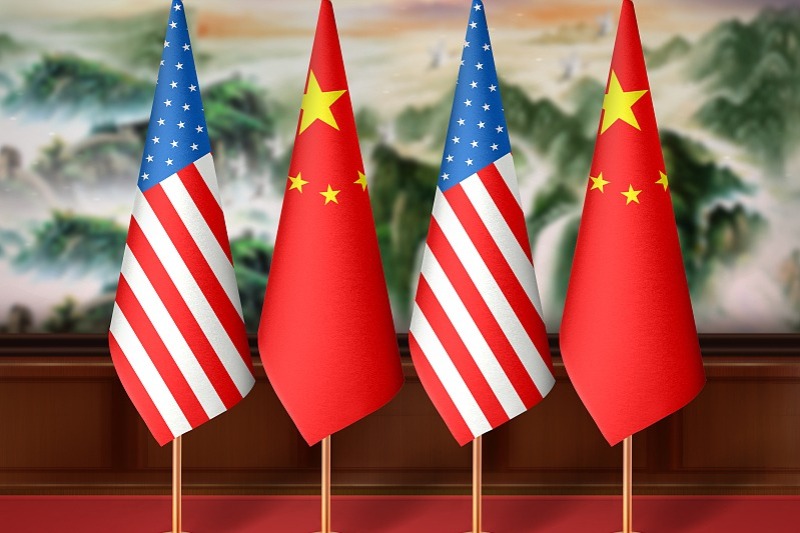
China unveils detailed measures for charging special port fees on US ships
In a significant move amid ongoing trade tensions, China’s Ministry of Transport has released a comprehensive document outlining the implementation of special port fees on ships owned or operated by US entities. The 10-article document, unveiled on October 14, 2025, specifies the scope, standards, and collection procedures for these fees, as well as exemptions for certain vessels, such as those built in China or entering for repair purposes. The measures, which took immediate effect, are a direct response to the US imposition of additional port fees on Chinese ships following a Section 301 investigation. The ministry emphasized that the US actions violate WTO rules and the China-US maritime transport agreement, undermining bilateral maritime trade. China’s decision is framed as a justified step to protect its industries and ensure fair competition in international shipping. The document also indicates that the fee structure will be dynamically adjusted based on future developments.
-
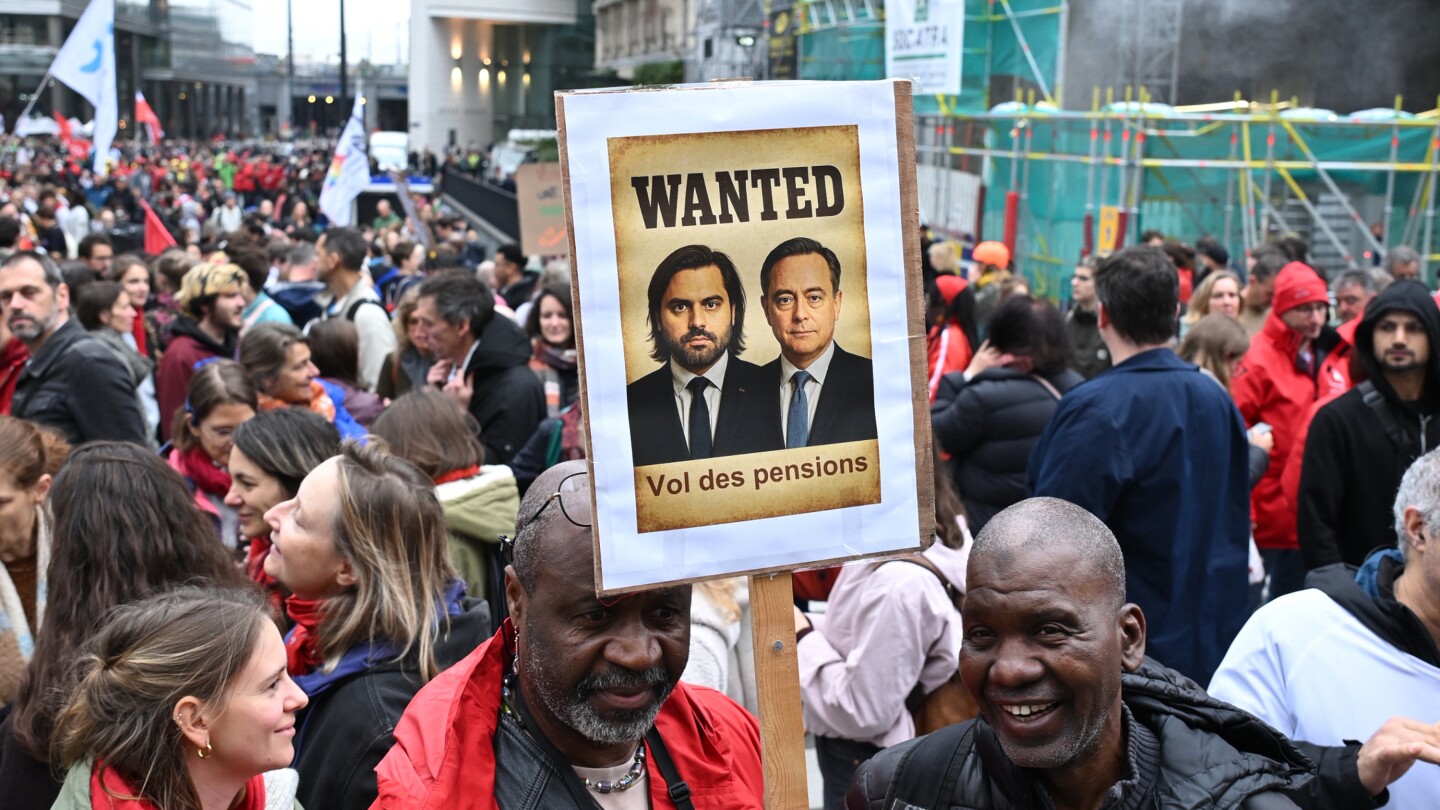
Police fire tear gas at Brussels protest against austerity measures
BRUSSELS — Tens of thousands of demonstrators descended upon Brussels on Tuesday to voice their opposition to Prime Minister Bart de Wever’s proposed austerity measures, leading to clashes with police and widespread disruptions. Belgian authorities resorted to tear gas to disperse the crowds, as minor skirmishes erupted between law enforcement and protesters. The demonstrators, armed with drums, horns, flares, and smoke bombs, chanted slogans against cuts to social welfare programs, crippling traffic in the capital and major transportation hubs. The protest, organized by Belgium’s three major trade unions, was accompanied by nationwide strikes targeting De Wever’s plans to reduce spending on pensions and healthcare. While organizers claimed over 150,000 participants, police estimated the crowd at 80,000. The Federal Planning Office of Belgium predicts the country’s budget deficit will surge to 6.5% of GDP by 2030, exacerbating economic challenges. De Wever, a Flemish nationalist who assumed office in February, has vowed to implement stringent fiscal measures to address these issues. The unrest underscores the growing public discontent with his administration’s policies.
-
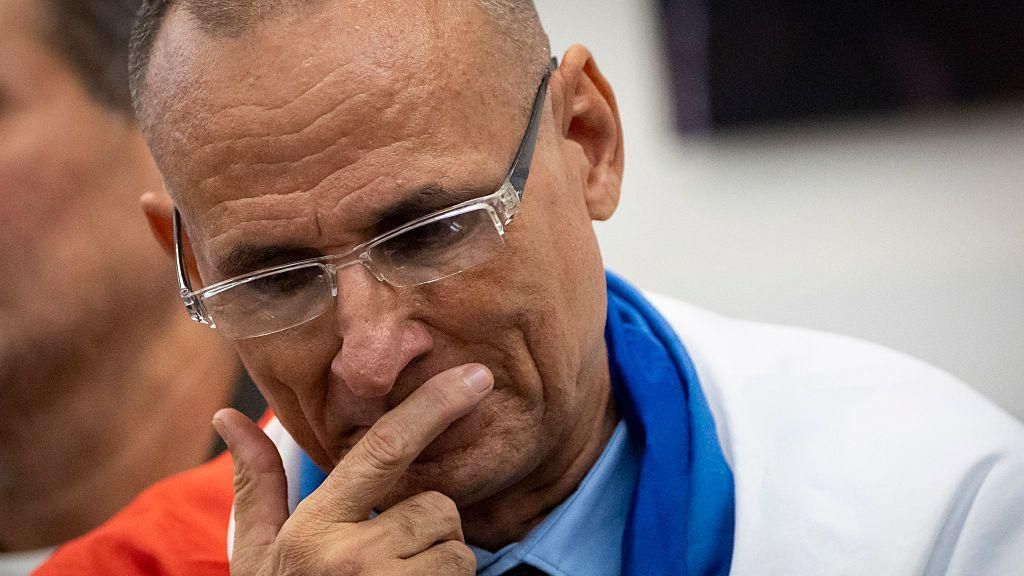
Cuban dissident begins US exile after release from jail
José Daniel Ferrer, a prominent Cuban dissident and vocal critic of the Communist government, has arrived in Miami following his release from a Cuban prison. Upon landing in the United States, Ferrer immediately called for the freedom of hundreds of political prisoners still detained in Cuba. The 55-year-old activist revealed earlier this month that he made the ‘difficult decision’ to go into exile after learning that his wife could face imprisonment and their son might be sent to a juvenile detention facility. The Cuban foreign ministry stated that Ferrer and his family left the country following a ‘formal request’ from the U.S. government, emphasizing that Ferrer had given his ‘explicit acceptance.’ Ferrer, the coordinator of the Patriotic Union of Cuba, a coalition of dissident organizations, has been a relentless advocate for democracy in a country where political opposition is banned. His activism has led to multiple imprisonments, including a brief release in January 2023 as part of a Vatican-negotiated deal that saw Cuba removed from the U.S. list of state sponsors of terrorism. However, Ferrer was re-arrested three months later for allegedly violating his parole terms. He has accused Cuban authorities of subjecting him to humiliation and torture, describing his treatment as ‘cruelty without bounds.’ Fellow dissidents have labeled his departure as a ‘forced exile.’ U.S. Secretary of State Marco Rubio praised Ferrer’s leadership and advocacy, stating that his efforts posed a significant threat to the Cuban regime. Rubio also urged the international community to hold Cuba accountable for its human rights abuses and demand the release of over 700 political prisoners.
-
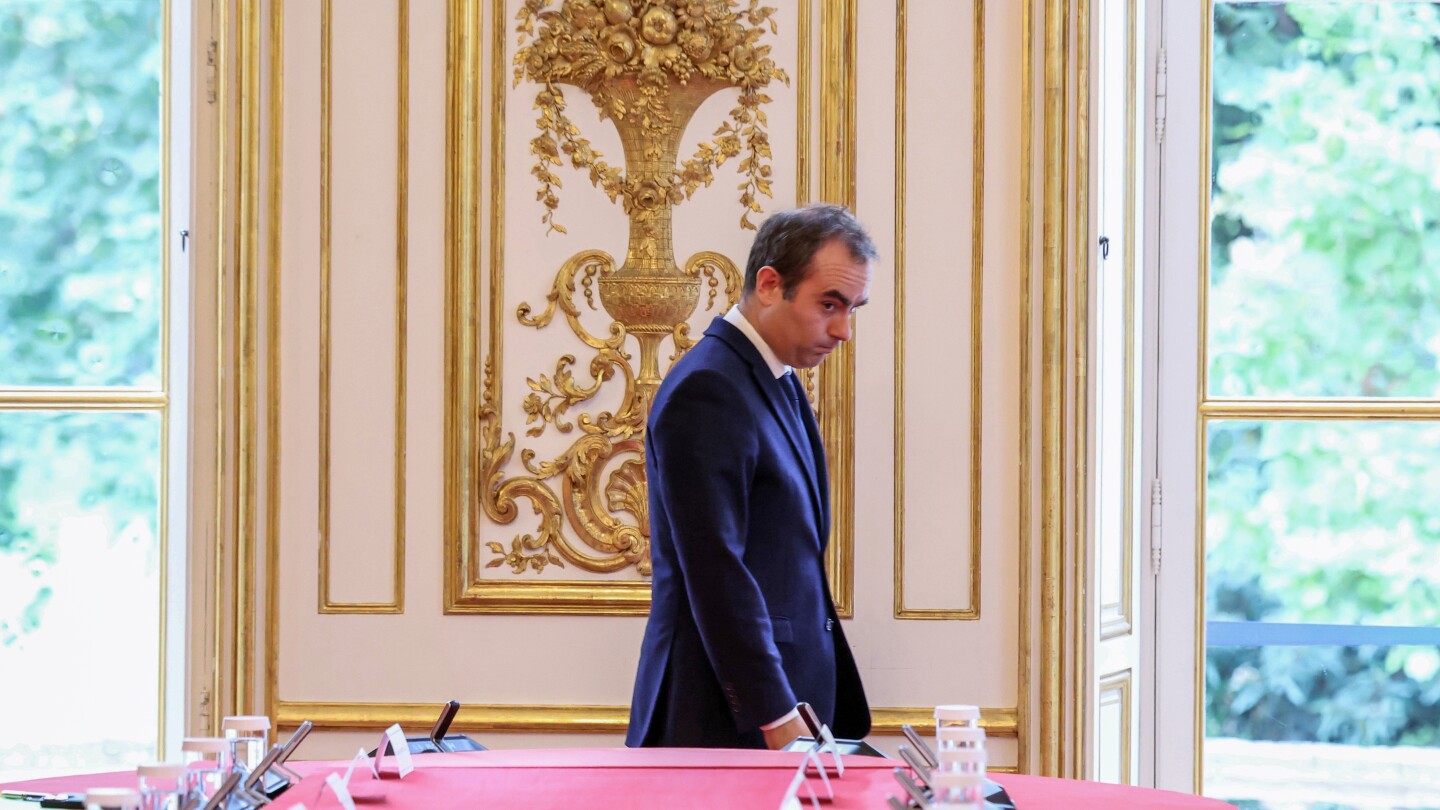
France’s political crisis drags on as PM faces no-confidence vote over pension reform
France’s political landscape remains turbulent as newly reappointed Prime Minister Sebastien Lecornu navigates a precarious path to avoid a no-confidence vote. The crisis stems from President Emmanuel Macron’s decision to reinstate Lecornu, a move that has drawn sharp criticism from both the far-right National Rally, led by Marine Le Pen, and the far-left France Unbowed. These parties have swiftly submitted censure motions, set for debate on Thursday, aiming to destabilize the government. While neither party holds sufficient seats to unseat Lecornu independently, their alliance with the Socialist Party and Green lawmakers could spell trouble for the prime minister. Lecornu’s immediate challenge is to secure approval for the 2026 budget, a task complicated by widespread opposition to Macron’s controversial pension reform, which raised the retirement age from 62 to 64. Nobel Prize-winning economist Philippe Aghion has joined calls to suspend the reform until the 2027 presidential election, arguing it would help calm the political climate. Macron’s centrist camp, lacking a majority in the National Assembly, faces mounting criticism and internal dissent. The president’s decision to dissolve the National Assembly last year led to a hung parliament and prolonged political paralysis, exacerbating France’s economic challenges, including rising poverty and a debt crisis that has alarmed EU partners and markets alike.
-
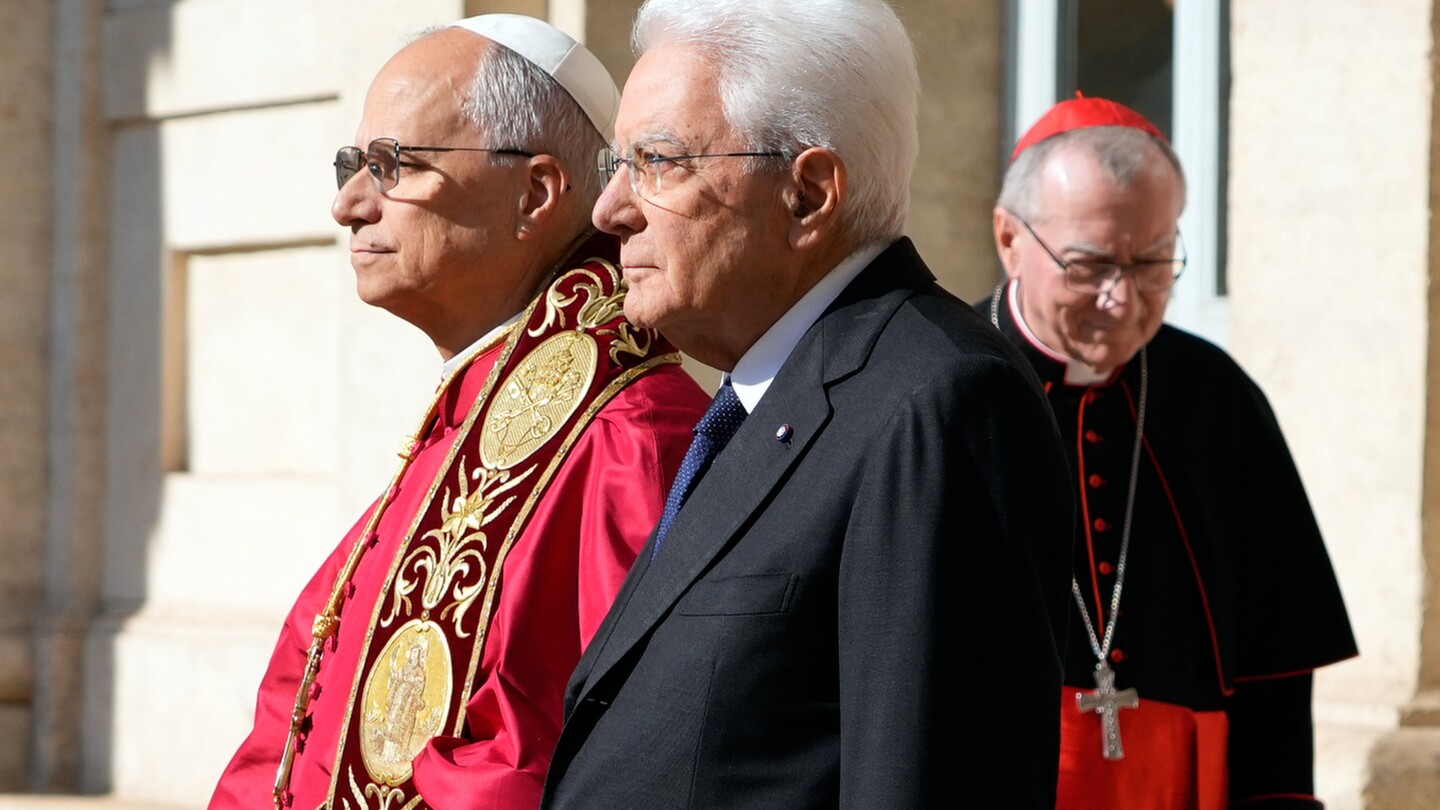
Pope urges Italy to remain open to migrants during rite of passage visit to presidential palace
In a ceremonial meeting at Rome’s Quirinale Palace on Tuesday, Pope Leo XIV expressed gratitude to Italy for its significant efforts in combating human trafficking and welcoming migrants. The event, marked by grandeur and tradition, saw the Pope escorted by the presidential horse honor guard as he met with Italian President Sergio Mattarella. Leo, adorned in his formal red cape and brocaded stole, praised Italy’s “generous assistance” to migrants, particularly during the 2025 Holy Year, which has drawn millions of pilgrims and tourists to the Eternal City. He urged Italy to maintain its spirit of openness and solidarity while emphasizing the importance of integrating newcomers into Italian society. This message resonates deeply in Italy, a key player in Europe’s migration debate due to its proximity to North Africa, where many smuggling operations originate. The Pope’s stance contrasts with the Italian government’s hard-line policies under Prime Minister Giorgia Meloni, which prioritize curbing illegal migration through measures such as deportations and prosecuting smugglers. Despite these differences, the meeting highlighted the enduring and unique relationship between Italy and the Vatican, rooted in centuries of shared history and formalized by the 1929 Lateran Treaty. The event underscored the Vatican’s ongoing advocacy for compassion and integration in migration policies, even as Italy navigates its complex role in the European migration crisis.
-
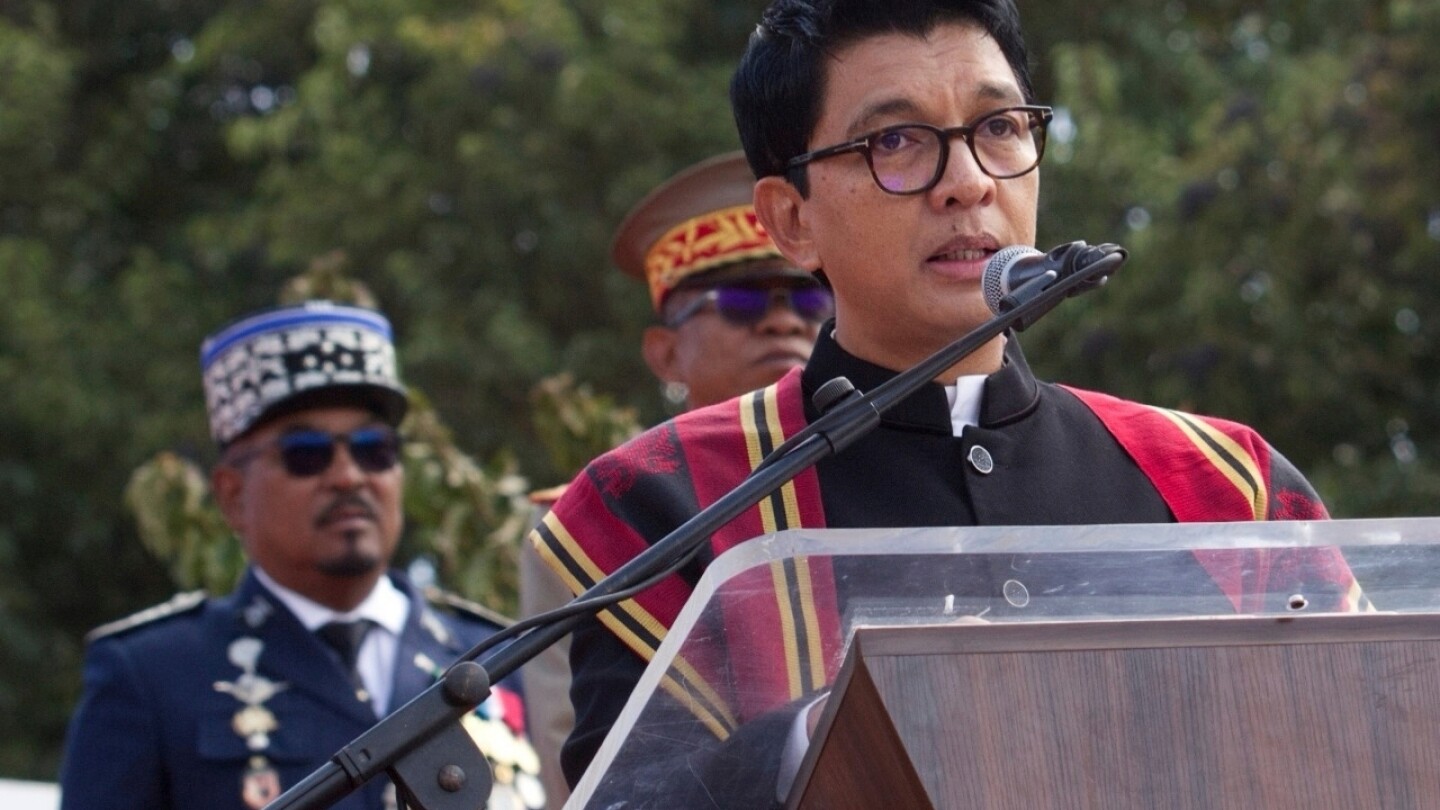
Madagascar’s president, hiding in an unknown location, dissolves parliament to deepen crisis
Madagascar is embroiled in a deepening political crisis as President Andry Rajoelina dissolved the National Assembly on Tuesday, a move that has escalated tensions in the Indian Ocean nation. The decision came amid a military rebellion and widespread anti-government protests, which forced Rajoelina to flee the country and seek refuge in an undisclosed location. In a statement released on the presidency’s Facebook page, Rajoelina declared the immediate dissolution of the lower house of parliament, effectively halting ongoing impeachment proceedings against him. The president’s abrupt departure followed an apparent coup attempt by an elite military unit, CAPSAT, which joined youth-led protests demanding his resignation. Rajoelina, in a late-night social media address on Monday, claimed he had relocated to a “safe place” due to fears for his life but did not disclose his whereabouts. This latest development marks the most severe political turmoil since 2009, when Rajoelina first assumed power following a military-backed coup. The current crisis stems from weeks of protests led by Gen Z groups, who have voiced grievances over chronic water and electricity shortages, widespread poverty, and alleged government corruption. Inspired by similar movements in Nepal and Sri Lanka, the protesters have called for systemic change. Rajoelina, who was reelected in 2023 amid an opposition boycott, has urged for dialogue and constitutional adherence, resisting calls for his resignation. Meanwhile, the military has undergone leadership changes, with new heads appointed for the armed forces and gendarmerie. The situation remains volatile as Madagascar grapples with its most significant political upheaval in over a decade.
-
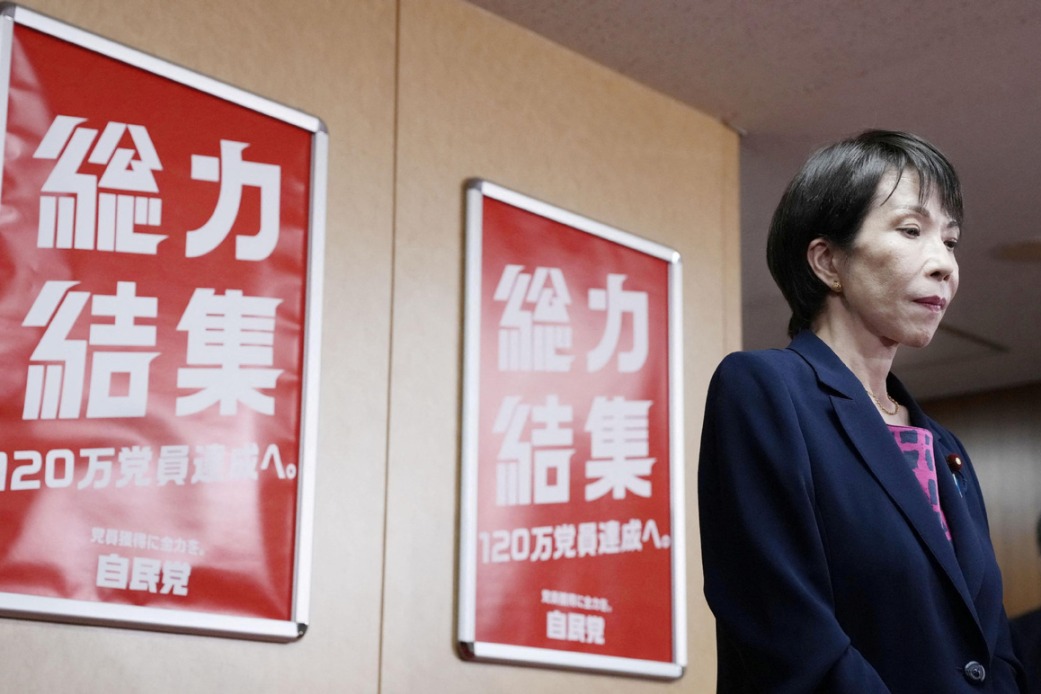
Japan’s LDP reels from trust crisis
Japan’s political landscape is in upheaval as the ruling Liberal Democratic Party (LDP) grapples with a deepening trust crisis fueled by ongoing political funding scandals. The fallout has not only eroded grassroots support but also led to the dissolution of its 26-year alliance with coalition partner Komeito, casting uncertainty over the nation’s governance. Analysts warn that the LDP’s traditional mechanisms for maintaining power are under severe strain, with the party’s ability to mobilize voters and secure funding significantly weakened. The recent appointment of lawmakers implicated in the scandal by LDP President Sanae Takaichi has further exacerbated tensions, prompting Komeito’s exit from the coalition. This development has delayed the selection of Japan’s next prime minister, originally scheduled for October 20, and raised concerns about the stability of future governance. Political experts suggest that the opposition parties may now have an opportunity to unite behind a single candidate, potentially leading to a shift in Japan’s political dynamics. However, the path forward remains uncertain, with complex negotiations and competing interests among opposition factions. The LDP’s diminished support base and the opposition’s growing influence could result in a minority coalition cabinet, leaving Japan’s policy agenda vulnerable to opposition influence and political drift.
-
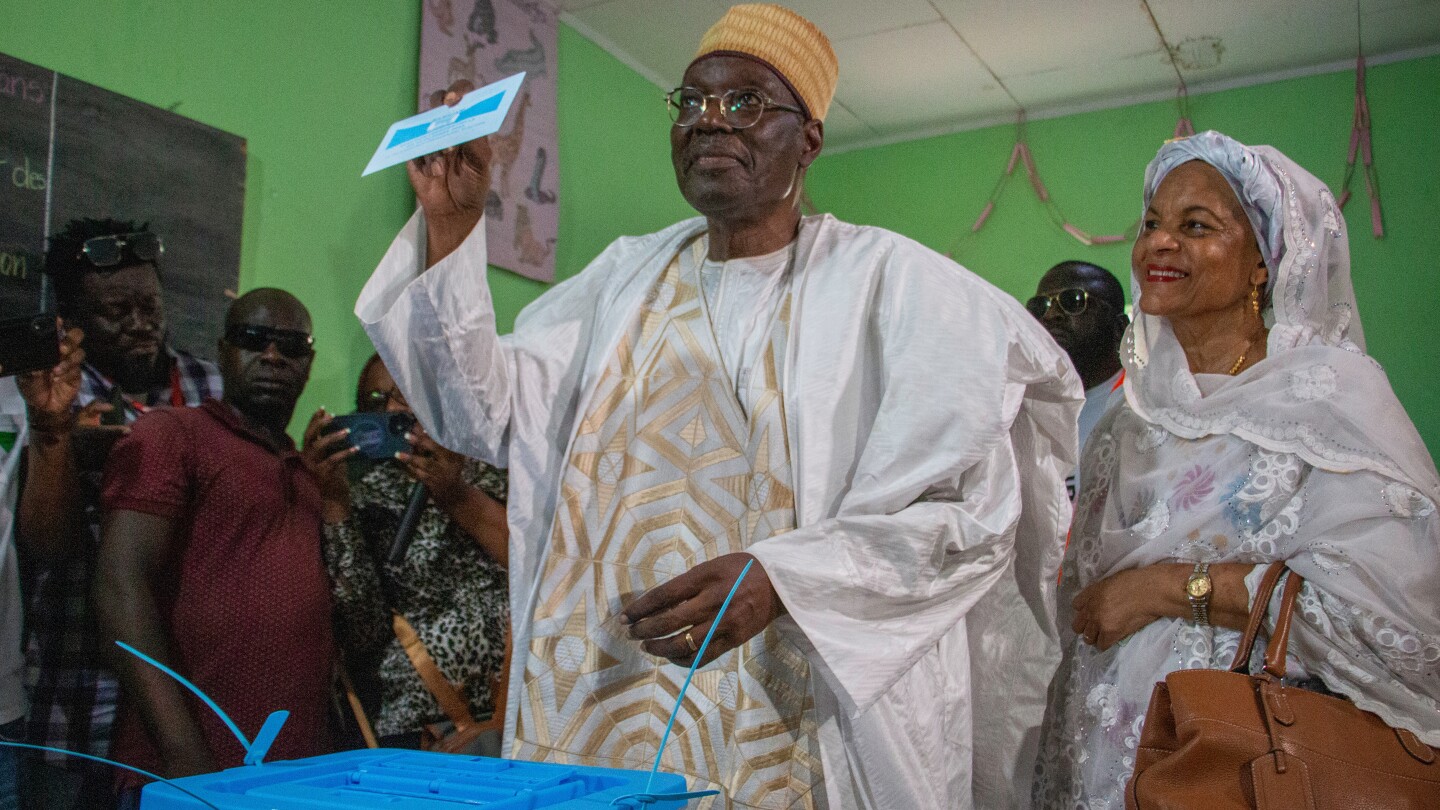
Cameroon opposition candidate Tchiroma claims victory in presidential election
In a dramatic turn of events, Cameroon’s opposition candidate Issa Tchiroma Bakary declared victory in the October 12 presidential election, challenging the long-standing rule of President Paul Biya, who has governed the nation for over four decades. Tchiroma, in a video statement on Facebook, asserted, ‘Our victory is clear, it must be respected,’ urging Biya to ‘accept the truth of the ballot box’ or risk plunging the country into chaos. However, neither Elections Cameroon, the independent body overseeing the poll, nor the constitutional court has released official results, which are expected by October 26 at the latest. Biya’s Cameroon People’s Democratic Movement (CPDM) swiftly dismissed Tchiroma’s claim, with Deputy Secretary-General Gregoire Owona stating that the opposition candidate lacks verified polling station results. Tchiroma pledged to share a detailed regional vote report in the coming days, while Minister of Territorial Administration Paul Atanga Nji warned that unauthorized result announcements would be considered ‘high treason.’ Tchiroma, a former government spokesperson and minister under Biya, garnered significant support from opposition parties and civic groups during his campaign. Analysts, however, predict a Biya victory, citing a divided opposition and the disqualification of his strongest rival in August. Biya, the world’s oldest president at 92, has ruled since 1982, facing challenges such as a deadly secessionist movement in the west and systemic corruption. Approximately 8 million voters participated in the single-round election, which awards the presidency to the candidate with the most votes. The 2018 election, marked by irregularities and low turnout, saw Biya secure over 70% of the vote, while opposition leader Maurice Kamto’s premature victory claim led to his arrest and widespread protests.
-
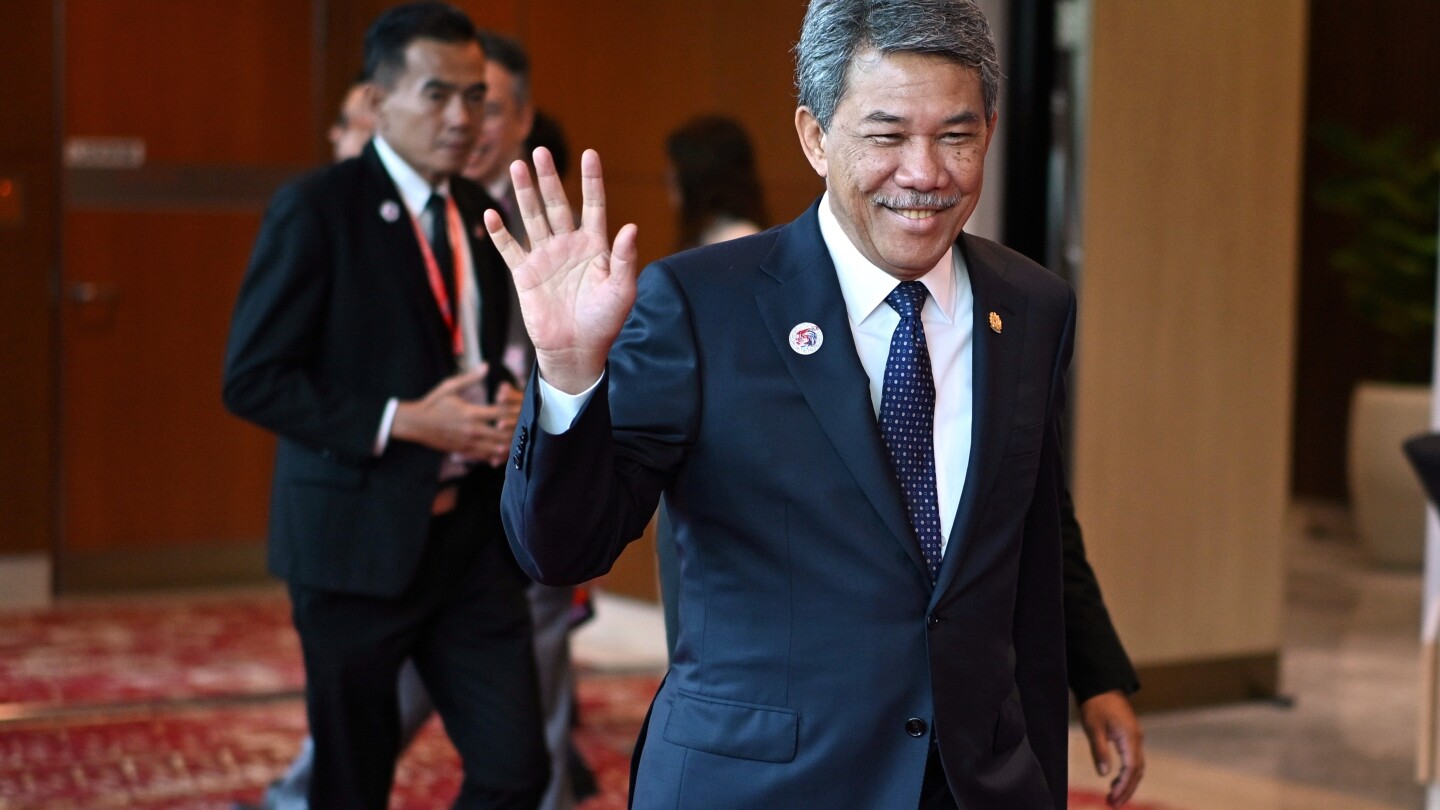
US and Malaysia work to expand Thailand-Cambodia ceasefire in advance of ASEAN summit
KUALA LUMPUR, Malaysia — Malaysia and the United States are spearheading efforts to secure an expanded ceasefire agreement between Thailand and Cambodia, with hopes of finalizing the deal during the upcoming Association of Southeast Asian Nations (ASEAN) summit later this month. Malaysian Foreign Minister Mohamad Hasan announced the initiative on Tuesday, emphasizing the urgency of de-escalating tensions between the two neighboring nations. The conflict, which erupted in late July, resulted in five days of intense combat, claiming dozens of lives and displacing over 260,000 people. A temporary ceasefire was brokered in August through the mediation of Malaysian Prime Minister Anwar Ibrahim and pressure from U.S. President Donald Trump, who threatened to withhold trade privileges unless both parties agreed to a truce. However, tensions have persisted, particularly after Thai soldiers were injured by land mines in August while patrolling a buffer zone. Thailand accused Cambodia of violating the ceasefire by laying new mines, a claim vehemently denied by Phnom Penh. Thailand’s Prime Minister Anutin Charnvirakul has outlined four conditions for a lasting peace, including the removal of heavy weapons from the border, land mine clearance, cooperation in curbing cross-border crime, and effective management of sensitive border zones. Mohamad revealed that ongoing negotiations aim to expand the ceasefire to address these issues, expressing optimism that the Kuala Lumpur Accord could be signed during the ASEAN summit, scheduled for October 26-28 in Kuala Lumpur. The summit is expected to attract over two dozen global leaders, including President Trump, who is slated to attend on October 26. ASEAN, comprising Brunei, Cambodia, Laos, Indonesia, Malaysia, Myanmar, the Philippines, Thailand, Vietnam, and Singapore, continues to play a pivotal role in fostering regional stability.