分类: politics

  • Turkey says location of Iran-US meeting still unknown

    Turkey says location of Iran-US meeting still unknown

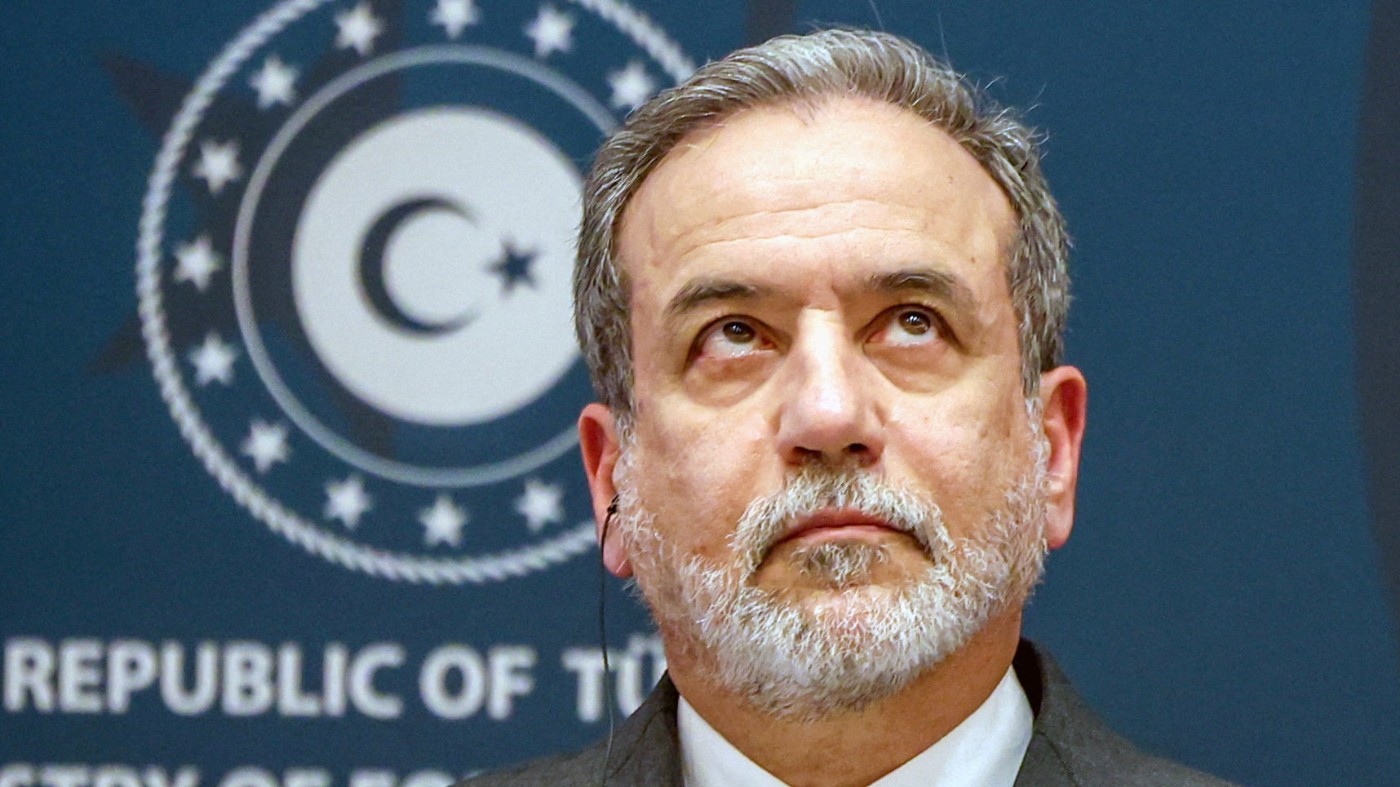
    A highly anticipated diplomatic meeting between Iranian Foreign Minister Abbas Araghchi and US negotiators Jared Kushner and Steve Witkoff faces uncertainty as Turkish officials indicate the venue may relocate from Istanbul. While initially planned for Friday in the Turkish metropolis, Ankara government sources now suggest alternative locations are under consideration.

    The potential shift follows cautious statements from Iranian officials who maintain a guarded stance toward the prospective negotiations. An Iranian diplomatic source characterized Tehran’s position as “neither optimistic nor pessimistic,” emphasizing that the meeting would demonstrate whether Washington intends to engage in “serious and result-orientated” discussions.

    Iranian President Masoud Pezeshkian confirmed his authorization for negotiations via social media, but established clear preconditions requiring “a suitable environment free from threats and unreasonable expectations.” The president emphasized that any talks must operate within Iran’s national interests framework, following requests from regional allies.

    The diplomatic engagement occurs against a backdrop of heightened military tensions. US President Donald Trump recently referenced a “massive armada” deployed toward Iran, warning of potential military action unless Tehran agrees to nuclear negotiations. Iranian officials responded by placing forces at “maximum defensive readiness” while Supreme Leader Ayatollah Ali Khamenei cautioned that any US strike would trigger regional conflict.

    Regional mediators including Qatar, Turkey, and Egypt have facilitated the diplomatic efforts to prevent open warfare between the US and Iran. The United Arab Emirates’ diplomatic adviser Anwar Gargash echoed the regional consensus that “the region does not need an Iran-US war,” while simultaneously urging Iran to pursue a negotiated settlement.

    The prospective talks would represent the first direct engagement since US airstrikes targeted Iranian nuclear facilities last summer, following Israel’s surprise attack on Iran in June 2025. Previous indirect nuclear negotiations between the parties occurred in April and May of 2025 before the military escalation.
  • Reform UK’s treasurer dined with Epstein associate, contacted Ghislaine Maxwell

    Reform UK’s treasurer dined with Epstein associate, contacted Ghislaine Maxwell

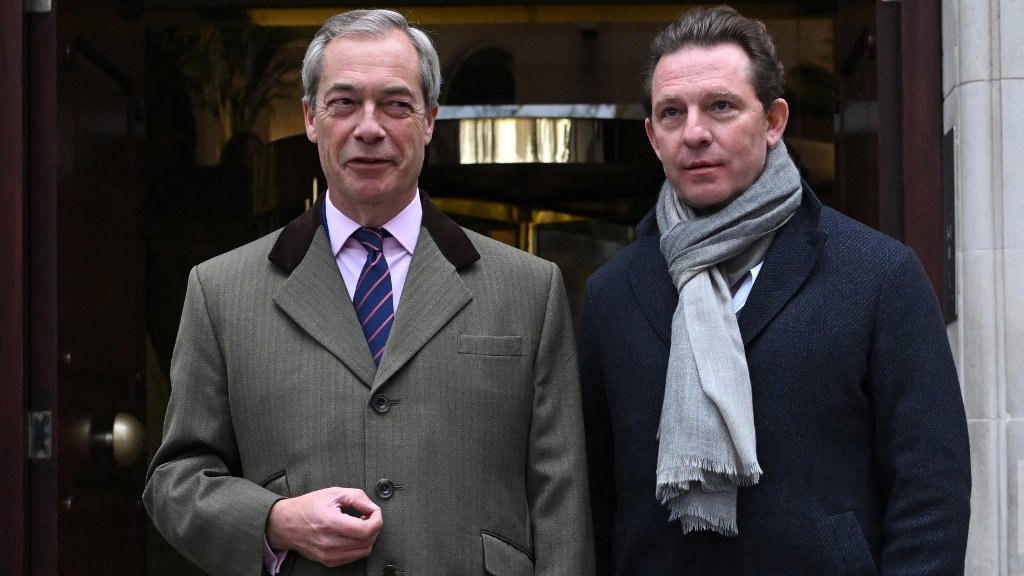
    Newly unsealed court documents have revealed connections between Reform UK’s honorary treasurer, billionaire property developer Nick Candy, and associates of the convicted sex offender Jeffrey Epstein. The records detail communications from 2004, showing Candy had contact with both Sarah Kellen, a named Epstein associate, and Ghislaine Maxwell, who is currently serving a 20-year sentence for child sex trafficking.

    The correspondence occurred years before Epstein’s 2008 conviction for child sex offenses and Maxwell’s 2021 conviction for recruiting and grooming underage girls. The documents include email exchanges where Candy discussed social plans with Kellen, who identified herself as Maxwell’s friend. In one message, Kellen expressed Maxwell’s disappointment that Candy hadn’t informed them of his travel plans.

    Candy, a former Conservative Party donor who joined Nigel Farage’s Reform UK party before the July 2024 election and contributed £1 million, inquired about Maxwell’s contact information during these exchanges. The emails show discussions about meeting in New York and reference social activities, including Kellen’s mention of time spent on Epstein’s private island.

    The documents reveal no allegations of wrongdoing by Candy. Middle East Eye, which published the findings, has reached out to both Reform UK and Candy for comment. The revelations emerge as Reform UK seeks to establish itself as a significant political force following the recent general election.

    These documents form part of the latest release of materials related to the Epstein case, continuing to shed light on the social networks connected to the financier before his criminal activities became public knowledge.

  • Tunisian opposition leader Rached Ghannouchi handed longer sentence

    Tunisian opposition leader Rached Ghannouchi handed longer sentence

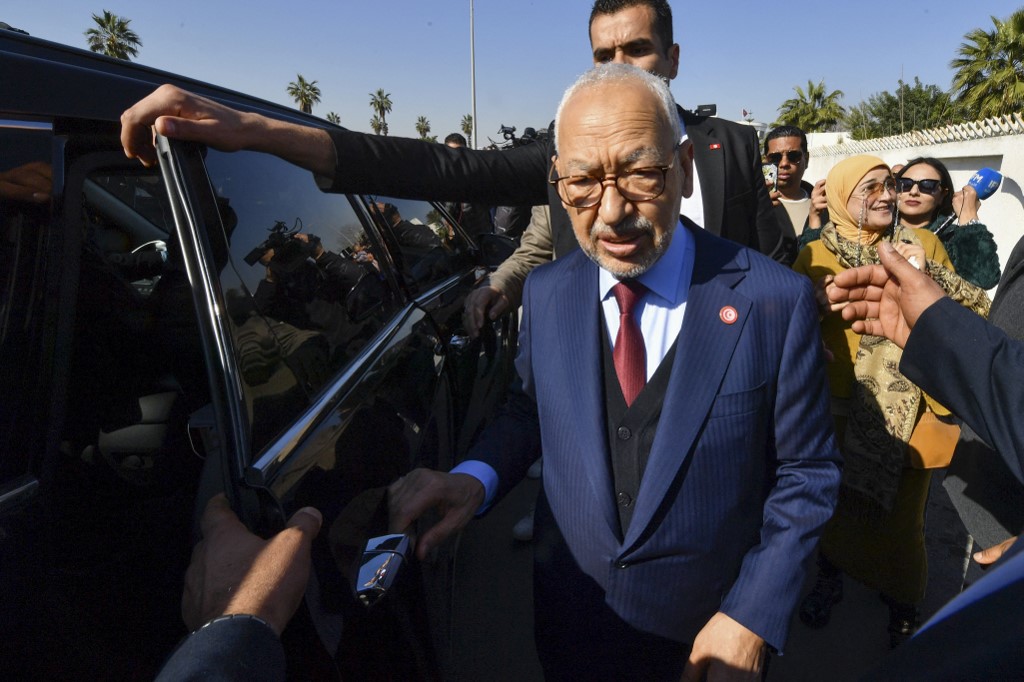
    In a significant escalation of Tunisia’s political crackdown, an appeals court has increased the prison sentence of prominent opposition leader Rached Ghannouchi to 20 years. The verdict, delivered Tuesday, centers on allegations of “conspiracy against the internal security of the state” in what authorities term the “Conspiracy 2” case targeting President Kais Saied’s opponents.

    Ghannouchi, who has been incarcerated since 2023, initially received a 14-year sentence. This latest judicial decision brings his cumulative prison term to over four decades. According to legal representatives, the 81-year-old intellectual has opted against appealing to the supreme court, citing profound concerns about judicial impartiality and what he characterizes as politically motivated proceedings.

    The case forms part of a broader pattern of suppression since President Saied’s consolidation of executive powers in July 2021. Approximately twenty individuals face similar charges, including Saied’s former chief of staff Nadia Akacha and ex-Prime Minister Youssef Chahed, who currently resides abroad. These defendants stand accused of establishing a “secret security apparatus” allegedly operating through Ghannouchi’s Ennahda party.

    Parallel sentencing developments include retired military officer Kamel Bedoui, whose punishment similarly increased from 14 to 20 years. Absentee defendants Akacha and Rafik Abdessalem (Ghannouchi’s son-in-law) received upheld sentences of 35 years imprisonment.

    This ruling follows a previous major conspiracy trial concluded in November, which resulted in prison terms ranging from 5 to 45 years for 34 political opponents. Until Saied’s power consolidation, Ghannouchi’s Ennahda movement—which emerged victorious following Tunisia’s 2011 revolution—played a dominant role in the nation’s political landscape. The former parliament speaker saw his institution dissolved when Saied dismissed the prime minister and suspended legislative operations.

    International and local human rights organizations have consistently condemned these proceedings as lacking due process guarantees, warning of significant democratic backsliding and erosion of civil liberties in the North African nation.

  • Israel’s Shin Bet ‘downgrades settler assault from terror attacks to serious incidents’

    Israel’s Shin Bet ‘downgrades settler assault from terror attacks to serious incidents’

    Israel’s domestic intelligence agency Shin Bet has systematically reclassified violent acts committed by settlers against Palestinians, downgrading numerous incidents from “terror attacks” to “serious incidents” according to reports from Israel’s Kan 11 public broadcaster. This policy shift, implemented approximately one year ago, has significantly altered how security forces prioritize cases and allocate investigative resources.

    Under the revised classification framework, only attacks demonstrating “clear intent to kill” Palestinians now qualify as terrorism according to the Shin Bet’s Jewish Division. Common violent acts including arson attacks against buildings and unmanned vehicles—frequent occurrences across the occupied West Bank—now typically receive the lower classification of “serious incidents.”

    Statistical evidence reveals the practical impact of this policy: of ten documented arson attacks by masked settlers during the past month, only three were designated as terror attacks while the remaining seven were recorded as serious incidents. This reclassification occurs alongside a documented surge in settler violence throughout the West Bank.

    Critics highlight concerning patterns of impunity, noting that perpetrators are rarely detained or questioned by Israeli security forces. Numerous reports document instances where soldiers either actively participated in assaults or remained passive observers during attacks on Palestinian communities.

    One recent incident in Masafer Yatta, south of Hebron, saw dozens of settlers attacking Palestinian communities while Israeli forces reportedly stood by. Witness accounts describe soldiers encouraging settlers during acts that included setting livestock on fire and stealing property.

    Official data indicates a 25% increase in what the Israeli army terms “Israeli-Jewish terror attacks” in 2025 compared to the previous year, with 845 documented attacks resulting in four fatalities and approximately 200 injuries. Israeli rights organization B’Tselem reported in November that settlers killed at least 21 Palestinians in the two years following the October 2023 attacks, with no documented cases resulting in accountability for the perpetrators.

  • Former Chinese Arts Academy president under investigation for alleged Party violations

    Former Chinese Arts Academy president under investigation for alleged Party violations

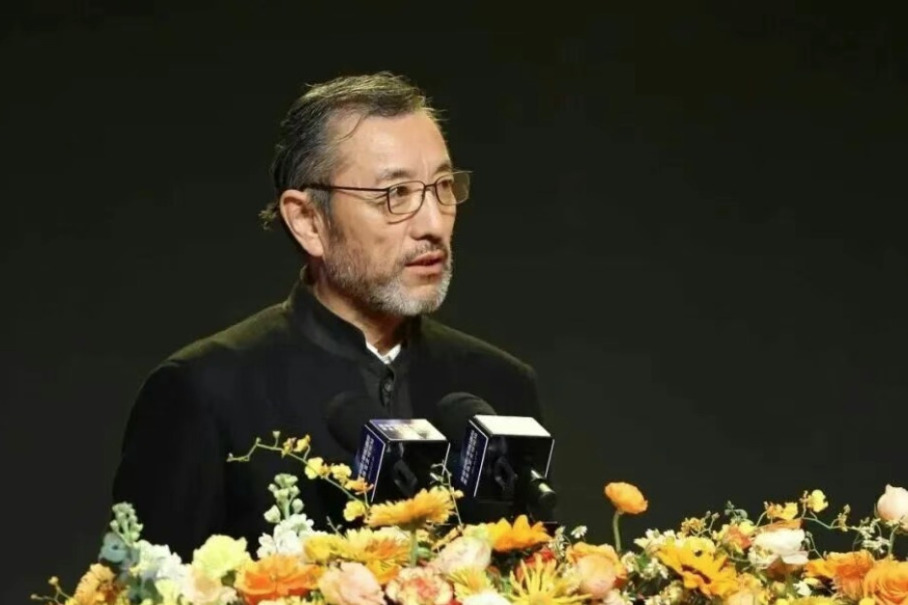
    China’s top anti-corruption authorities have initiated a comprehensive disciplinary review and supervisory investigation into Lian Ji, the former president of the Chinese National Academy of Arts. The Central Commission for Discipline Inspection (CCDI) and National Supervisory Commission formally announced the probe on Tuesday, citing suspicions of serious violations of Party discipline and national laws.

    Lian Ji, 70, whose career spans decades of public service, joined the Communist Party of China in 1975. The Shanxi native dedicated nearly thirty years of his professional life to administrative roles within the Inner Mongolia autonomous region, eventually ascending to the position of regional government vice chairman in 2003.

    His political trajectory continued with significant appointments, including his 2011 role as Standing Committee member of the CPC Gansu Provincial Committee and head of its publicity department. Lian assumed leadership of the prestigious Chinese National Academy of Arts in February 2016, overseeing the institution’s cultural and artistic development until his retirement in 2018.

    The investigation represents the latest development in China’s ongoing anti-corruption campaign, demonstrating the authorities’ continued commitment to maintaining disciplinary standards within Party ranks regardless of an individual’s retirement status or previous positions held. This case particularly highlights the scrutiny placed on cultural and educational institutions, which have recently faced increased oversight regarding compliance with Party regulations and ethical standards.

  • Ethiopia’s prime minister accuses Eritrea of mass killings during Tigray war

    Ethiopia’s prime minister accuses Eritrea of mass killings during Tigray war

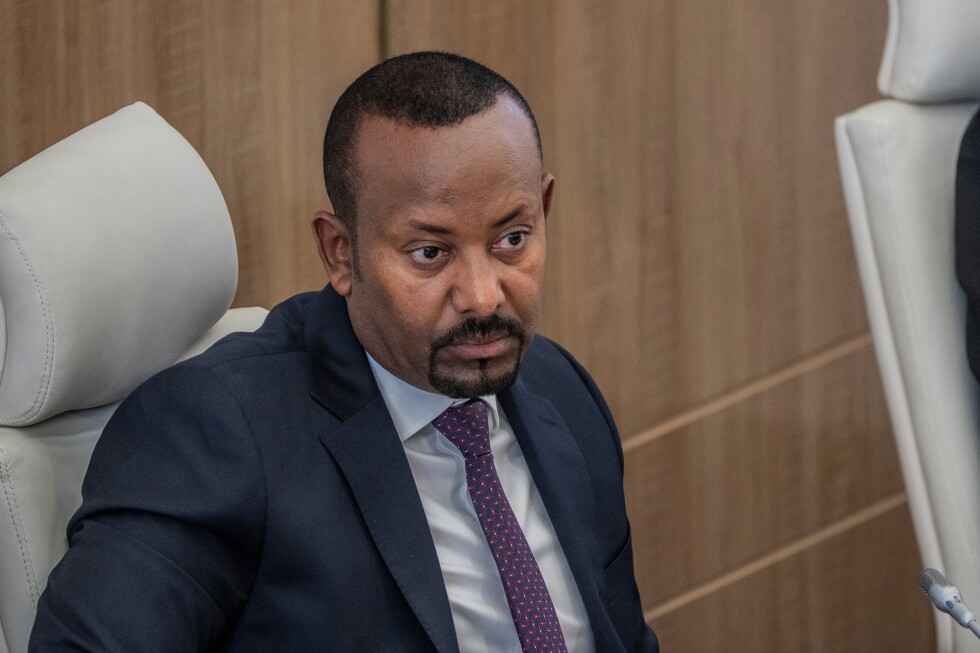
    ADDIS ABABA, Ethiopia — In a landmark parliamentary address on Tuesday, Ethiopian Prime Minister Abiy Ahmed formally acknowledged for the first time that Eritrean military forces participated extensively in the Tigray conflict, leveling serious allegations of mass killings and systematic destruction against them. This declaration marks a dramatic reversal from the government’s previous stance and significantly escalates diplomatic tensions between the neighboring nations.

    The two-year Tigray war, which concluded with a peace agreement in 2022, resulted in an estimated 400,000 fatalities according to international observers. Prime Minister Ahmed detailed specific atrocities, asserting that Eritrean troops “demolished houses in Shire, massacred our youth in Axum, and looted factories in Adwa” during joint operations with Ethiopian forces against Tigrayan regional fighters.

    Eritrea’s Information Minister Yemane Gebremeskel swiftly dismissed these allegations as “cheap and despicable lies” unworthy of formal response. This exchange occurs amidst reports of renewed hostilities in the Tigray region, prompting Ethiopia’s national carrier to suspend flights to the area last week due to security concerns.

    The underlying conflict extends beyond wartime allegations to fundamental geopolitical interests. Landlocked Ethiopia has increasingly expressed its need for sovereign access to sea ports, with Prime Minister Ahmed asserting that “The Red Sea and Ethiopia cannot remain separated forever.” Ethiopia lost its Red Sea coastline when Eritrea gained independence in 1993 following decades of armed struggle.

    Gebremeskel countered that Ahmed’s accusations represent a recent rhetorical shift motivated by maritime ambitions, noting that Ethiopian leadership had previously decorated Eritrean military officials with state medals. The minister characterized Ethiopia’s position as developing a “delusional malaise of ‘sovereignty access to the sea.’”

    The deteriorating relationship represents a stark reversal from the diplomatic breakthrough achieved in 2018, when Abiy received the Nobel Peace Prize for reconciling with Eritrea. Current intelligence assessments suggest Eritrea may be forming alliances with Tigrayan forces, while both nations accuse each other of preparing for renewed conflict. Regional analysts warn that these developments threaten to destabilize the entire Horn of Africa.

  • US in talks with Turkey to boost naval shipbuilding amid China rivalry

    US in talks with Turkey to boost naval shipbuilding amid China rivalry

    In a strategic shift reflecting the severity of America’s naval industrial challenges, the United States has initiated confidential talks with Turkey regarding potential collaboration in warship construction. These discussions, confirmed by officials to Middle East Eye, represent a remarkable diplomatic overture given the recent tensions between the NATO allies over Turkey’s acquisition of Russian defense systems.

    The dialogue emerges as the U.S. Navy confronts a critical shortage of shipbuilding capacity while attempting to expand its fleet to counter China’s growing naval power. American representatives have reportedly explored whether Turkish shipyards could supply vital vessel components or even assist in constructing additional frigates for the U.S. fleet.

    Turkey has transformed into a naval manufacturing powerhouse in recent years, with its advanced shipyards capable of simultaneously producing over 30 vessels for both domestic and international clients, including Pakistan. Through its indigenous Milgem warship program, Turkish defense firms have developed sophisticated domestic designs across multiple vessel categories.

    The Trump administration’s pursuit of foreign shipbuilding expertise marks a dramatic reversal from decades of U.S. naval supremacy. Previous efforts have focused on Asian allies, exemplified by South Korea’s Hanwha Group acquiring Philadelphia’s Philly Shipyard in 2024. However, the recent cancellation of the Constellation-class frigate program with Italian builder Fincantieri has intensified the urgency for alternative solutions.

    Despite legal prohibitions against building warships overseas, President Trump has signaled openness to utilizing allied nations’ capabilities, stating in January: ‘We used to build a ship a day. We don’t build ships anymore. We want to get that started. And maybe we’ll use allies also in terms of building ships.’

    Defense experts highlight Turkey’s distinct advantages, including geographically concentrated shipyards around Istanbul and Yalova that enable rapid adaptation to new projects. Kubilay Yildirim, a Turkish defense industry expert, noted: ‘The US lacks sufficient manpower, shipyards and dry docks. Turkey can help in terms of production volume, timelines, risk sharing and workload distribution.’

    Turkish shipyards boast innovative automated production processes, skilled welders, multiple steel suppliers, and a strong collaborative culture between military and civilian facilities. The Istanbul Naval Shipyard reportedly possesses spare capacity that could accommodate U.S. construction needs.

    However, any substantial defense cooperation faces significant political hurdles in Congress, which previously sanctioned Turkey over its Russian S-400 acquisition. Administration officials view shipbuilding collaboration as a potential pathway to strengthen ties while circumventing these sanctions.

    The recent visit of a U.S. Naval Sea Systems Command delegation to Istanbul Naval Shipyard Command underscores the seriousness of these exploratory talks, though both nations emphasize their longstanding NATO partnership rather than immediate contractual agreements.

  • Former Chinese advisory body official sentenced to life for bribery

    Former Chinese advisory body official sentenced to life for bribery

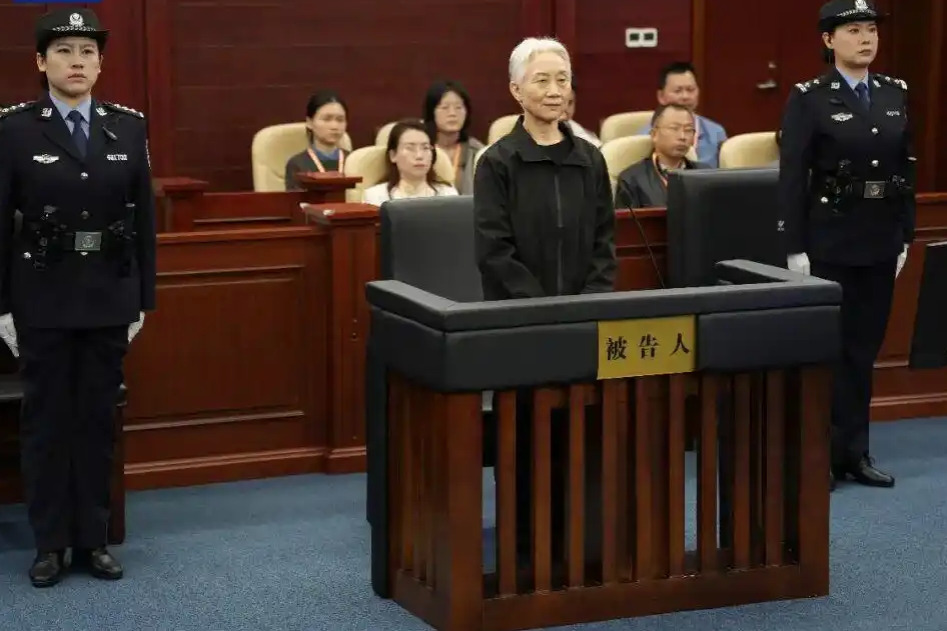
    In a landmark ruling demonstrating China’s intensified anti-corruption campaign, the First Intermediate People’s Court of Hainan Province has sentenced Li Weiwei, a former high-ranking official within China’s political advisory system, to life imprisonment for extensive bribery offenses. The court established that Li abused multiple official positions over a sixteen-year period from 2008 to 2024, amassing illicit gains exceeding 117 million yuan (approximately $16.87 million).

    During her extensive career, Li held several influential positions including membership on the Standing Committee of the Communist Party of China Hunan Provincial Committee, head of the United Front Work Department, and secretary of the Political and Legal Affairs Commission of the CPC Hunan Provincial Committee. Most recently, she served as deputy head of the Committee on Population, Resources and Environment under the 14th National Committee of the Chinese People’s Political Consultative Conference (CPPCC).

    The judicial investigation revealed that Li systematically exploited her authority to provide unlawful advantages to various entities in project contracting and business operations. The court characterized her actions as constituting particularly severe instances of bribery that inflicted substantial damage to national and public interests.

    In addition to the life sentence, the court imposed supplementary penalties including lifelong deprivation of political rights and comprehensive confiscation of all personal assets. All recovered illicit gains will be transferred to the state treasury, with ongoing efforts to reclaim any outstanding amounts.

    The sentencing acknowledged mitigating factors, including Li’s cooperation with investigators through truthful confession of previously unknown offenses, active return of illegal proceeds, and demonstrated remorse during judicial proceedings. These considerations contributed to the court’s decision to render a comparatively lighter punishment within statutory guidelines.

    Li’s case progressed through China’s legal system following her investigation initiation in July 2024 while still holding office, subsequent arrest in February 2025, and formal indictment in June 2025. The trial concluded on November 6, 2025, featuring comprehensive evidence presentation, cross-examinations by defense counsel, and final statements from the defendant.

  • Epstein told Ehud Barak to give Mandelson Israeli energy company role

    Epstein told Ehud Barak to give Mandelson Israeli energy company role

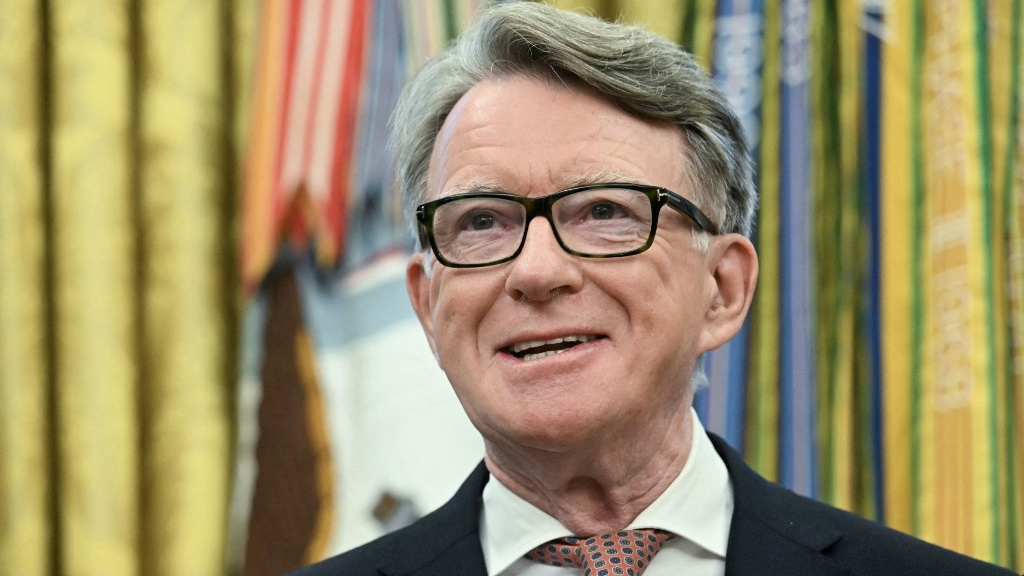
    Newly disclosed court documents have exposed extensive business communications between convicted sex offender Jeffrey Epstein and high-profile political figures, including former Israeli Prime Minister Ehud Barak and British politician Lord Peter Mandelson. The revelations detail Epstein’s involvement in attempted Middle Eastern energy deals and raise serious questions about inappropriate access to government information.

    According to the released correspondence, Epstein emailed Mandelson on August 2, 2013, stating he had instructed Barak to contact the British politician regarding the potential sale of Paz Oil Company, Israel’s largest fuel provider. At the time, Paz controlled approximately 30% of the Israeli fuel market and would later appear on a UN list of companies operating in illegal Israeli settlements.

    The email exchange occurred shortly after Barak concluded his term as Israel’s defense minister in March 2013. Epstein described Paz as “an Israeli oil business that will need to be sold” and explicitly told Mandelson “I told him to give you the task.” Mandelson expressed interest not only in Paz but also in Israel’s plans for transporting offshore gas to European markets.

    While the sale of Paz Oil didn’t materialize in 2013, controlling shareholder Zadik Bino did sell shares worth approximately $97 million that year due to regulatory requirements. The documents don’t clarify whether Barak ultimately contacted Mandelson about the potential deal.

    The correspondence further reveals that Mandelson, then chairman of lobbying firm Global Counsel, sought Epstein’s consultation in September 2013 regarding Israeli political consultant Asaf Eisin. Additional disclosures show that during his tenure as UK Business Secretary, Mandelson suggested to Epstein that JP Morgan’s head should “mildly threaten” the British chancellor regarding financial sector concerns.

    These revelations have prompted former Prime Minister Gordon Brown to call for an investigation into Mandelson’s apparent sharing of sensitive government information with Epstein. The controversy intensified with the release of a photograph allegedly showing Mandelson in his underwear at one of Epstein’s residences.

    Regarding his Israeli connections, the documents indicate Barak sought Epstein’s financial advisory services on multiple occasions. An FBI memo describes Epstein as “close to the former Prime Minister of Israel” and even suggests he “trained as a spy under him.” Barak visited Epstein’s New York townhouse more than 30 times between 2013 and 2017, and Epstein reportedly advised Barak on working with controversial technology company Palantir, which specializes in AI-powered military and surveillance technology.

    The ongoing release of Epstein-related documents continues to expose the extensive network of political and business connections maintained by the convicted financier, raising questions about the intersection of private business interests and government affairs.

  • Olympic officials from Africa quiz 2028 Los Angeles Summer Games leaders on visa concerns

    Olympic officials from Africa quiz 2028 Los Angeles Summer Games leaders on visa concerns

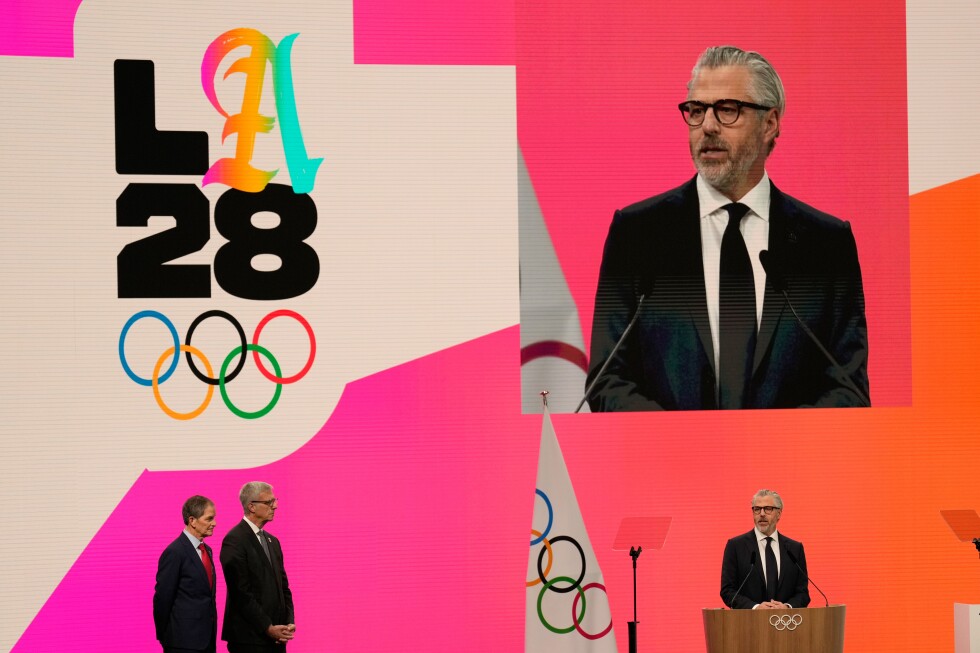
    MILAN — African representatives within the International Olympic Committee raised significant apprehensions regarding U.S. visa accessibility during discussions with Los Angeles 2028 organizers on Tuesday. The dialogue unfolded at an IOC conference where six future Olympic hosts presented progress updates, with the United States currently experiencing substantial domestic political tensions.

    IOC members from Ethiopia and Djibouti specifically questioned how the LA organizing committee would ensure “equal access” for international spectators and visitors attempting to enter the United States for the Summer Games in approximately two and a half years. The concerns were particularly relevant for residents from dozens of countries currently facing U.S. travel restrictions.

    Lydia Nsekera of Burundi, another African IOC member, later characterized the visa uncertainty as “a great worry for everybody,” including team officials. Although the Trump administration wasn’t explicitly mentioned during the Olympic meeting, the context of current U.S. immigration policies formed the subtext of discussions occurring just days before Vice President JD Vance’s scheduled appearance at the Winter Games opening ceremony.

    LA 2028 chairman Casey Wasserman addressed the assembly with prepared remarks acknowledging that “the world is complicated and unpredictable,” adding that organizers “are not naïve to this reality” and would “face it head on.” The concerns gained tangible dimension when Ethiopian IOC member Dagmawit Girmay Berhane revealed that people from 175 countries have already registered interest in purchasing tickets for the 2028 Summer Games.

    While the U.S. government has committed to visa exemptions for athletes and sports event participants, ordinary fans face standard visa application scrutiny. Berhane questioned how equal opportunity would be ensured for all ticket registrants seeking visa services. In response, U.S. Olympic Committee president Gene Sykes referenced a dedicated State Department office handling Games-related visa issues and noted that the upcoming men’s World Cup soccer tournament, co-hosted by the U.S., Canada and Mexico, would provide a practical test run for visa processing systems.

    Djibouti’s representative Aïcha Garad Ali suggested appointing a special “ambassador for visas” similar to Paris 2024’s successful initiative, which “facilitated life for us as African residents.” Sykes acknowledged this was “certainly something we can give consideration to.”

    Wasserman concluded by framing the Olympic Games as “the singular unifying force for the world” and urged focus on unity rather than division, describing Los Angeles as “not just a mirror of America, but a mirror of the world itself.” The chairman’s appearance occurred amidst unrelated personal scrutiny following the weekend release of government documents related to Jeffrey Epstein, containing flirtatious 2003 emails between Wasserman and Epstein associate Ghislaine Maxwell, for which Wasserman has expressed deep regret.