分类: politics

  • Israel ‘exploring opportunities’ to benefit economically from rebuilding Gaza

    Israel ‘exploring opportunities’ to benefit economically from rebuilding Gaza

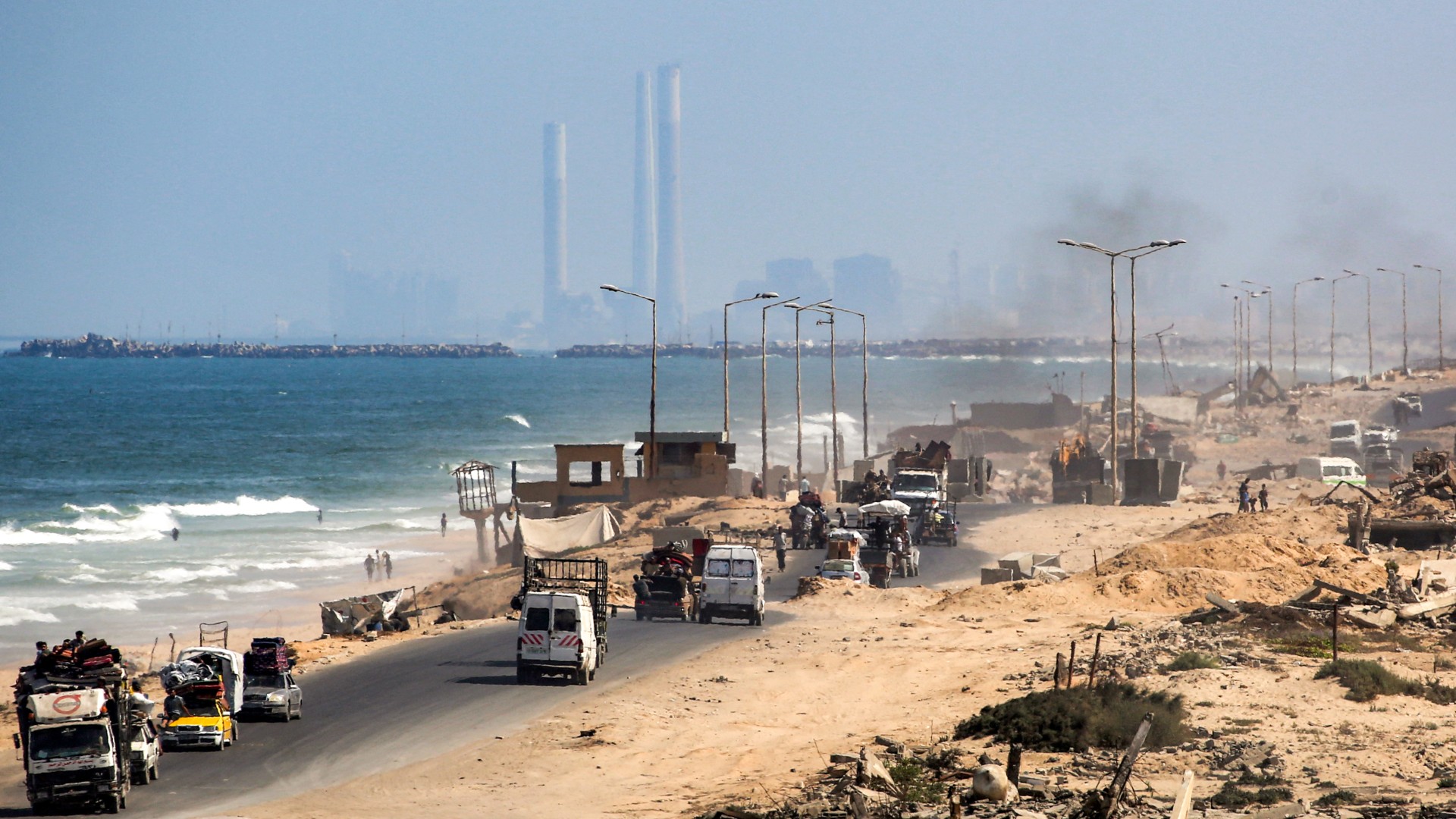
    Senior Israeli officials are actively formulating strategies to secure economic advantages from the impending reconstruction of Gaza, as revealed in a recent Haaretz report. High-level discussions between Finance Ministry representatives and military commanders have centered on infrastructure projects that would simultaneously benefit Israel while addressing Gaza’s humanitarian needs.

    One prominent proposal involves constructing an Israeli highway network with direct access points to Gaza, financed by nations seeking transit routes through Israeli territory. This plan specifically includes extending the southern Route 232 to improve Palestinian travel connectivity between Gaza and the West Bank.

    The energy sector presents another area of potential Israeli involvement. While international donors contemplate building power plants either within Gaza or in neighboring Egypt, Israel is advancing a third alternative: supplying electricity directly from its territory. This approach would require donor countries to fund the expansion of Israel’s Ashkelon power facility near the Gaza border, subsequently enhancing Israel’s own energy capacity.

    A dedicated international coordination center in Kiryat Gat has established at least six specialized working groups focusing on Gaza’s reconstruction. These teams—covering stabilization, security, intelligence, humanitarian aid, and engineering—include representatives from 28 nations, with Israeli participation in each committee.

    The reconstruction challenge remains monumental, with UN estimates projecting a $70 billion cost over decades following Israel’s bombardment that reduced Gaza’s economy by 87%. The territory’s current GDP per capita stands at a mere $161, among the world’s lowest.

    Controversial redevelopment visions have emerged, including Jared Kushner’s proposal to transform Gaza into a free-market hub featuring skyscrapers and commercial districts. Critics have condemned this approach as cultural erasure and profit-seeking from humanitarian catastrophe. Meanwhile, practical steps are underway, with UAE-funded construction approved for a new neighborhood in Rafah to house approximately 25,000 residents.
  • Saudi Arabia may invest in Turkish fighter jet Kaan ‘any moment’, Erdogan says

    Saudi Arabia may invest in Turkish fighter jet Kaan ‘any moment’, Erdogan says

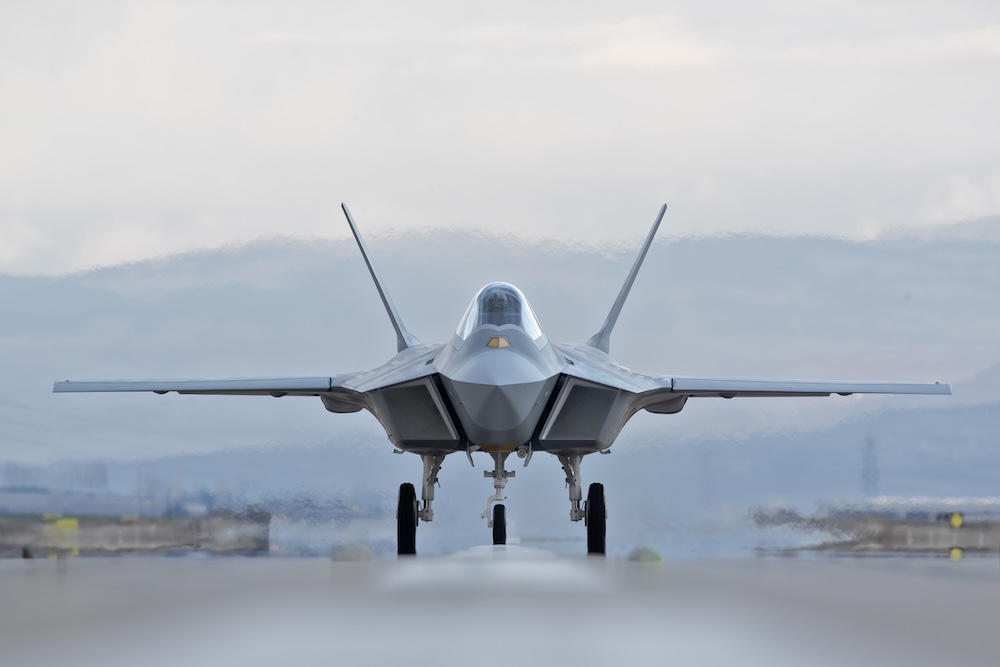
    Turkish President Recep Tayyip Erdogan has announced that Saudi Arabia is poised to become a strategic partner in Turkey’s ambitious fifth-generation Kaan fighter jet program. The revelation came during Erdogan’s return journey from diplomatic visits to Egypt and Saudi Arabia, where defense cooperation emerged as a cornerstone of bilateral discussions.

    “We are executing substantial defense industry collaboration agreements with Saudi Arabia and remain committed to enhancing these partnerships further,” Erdogan stated to accompanying journalists. He emphasized that a joint investment framework for the Kaan initiative is under active consideration, with implementation potentially imminent.

    Turkey’s pursuit of advanced aerial capabilities gained urgency following its 2019 expulsion from the U.S.-led F-35 program, a consequence of Ankara’s controversial acquisition of Russian S-400 missile defense systems that triggered Congressional sanctions. The Kaan project, while technologically ambitious, presents significant financial challenges that have prompted Turkey to seek international investment partners.

    The program recently secured a major endorsement through Indonesia’s commitment to acquire 48 Kaan aircraft in a landmark $10 billion agreement spanning ten years, which includes localized co-production components. Several nations including Qatar and Azerbaijan have additionally expressed procurement interest.

    Technologically, the Kaan prototype achieved its inaugural flight in February 2024 utilizing temporary General Electric F110-GE-129 engines—the same powerplants employed by Turkey’s F-16 fleet. Turkish Aerospace Industries (TAI), the program lead, is concurrently developing indigenous engine technology to achieve full operational independence.

    Delivery timelines project the first Kaan jet joining the Turkish Air Force by 2028, though analytical assessments suggest potential delays until 2030. Initial production models (Block-1 variants) are scheduled for deployment between 2030 and 2033, representing a critical milestone in Turkey’s defense industrialization strategy.

  • Republic of Congo’s president says he will run for reelection, possibly extending decades-long rule

    Republic of Congo’s president says he will run for reelection, possibly extending decades-long rule

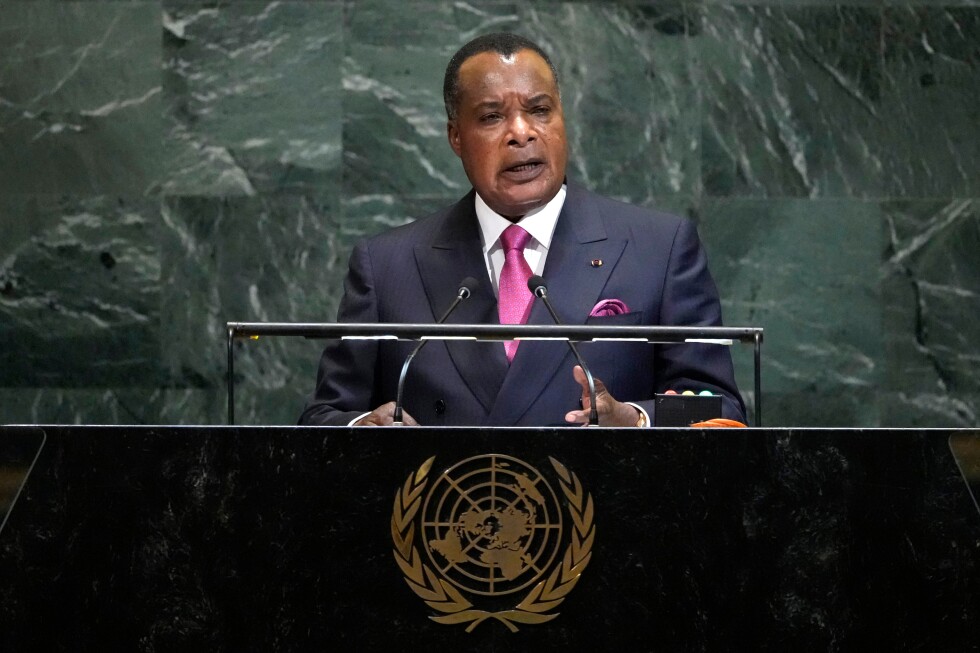
    BRAZZAVILLE, Republic of Congo — President Denis Sassou N’guesso, who has dominated Congolese politics for over four decades, formally declared his candidacy for the March 15 presidential election during an appearance at an agricultural exhibition in Bambou Mingali. The 82-year-old leader’s announcement sets the stage for what appears to be another extension of his prolonged tenure in the Central African nation.

    Sassou N’guesso’s political journey represents one of Africa’s most enduring leadership narratives. Initially assuming power in 1979, he governed until 1992 when electoral defeat temporarily removed him from office. His return to prominence occurred through military means following the 1997 civil conflict, after which he secured victory in four consecutive presidential contests against a divided opposition bloc.

    The constitutional landscape shifted significantly in 2015 when a national referendum eliminated presidential term limits and age restrictions, effectively removing legal barriers to Sassou N’guesso’s continued rule. The ruling Congolese Labor Party has officially endorsed his candidacy, while the primary opposition force, the Pan-African Union for Social Democracy, has withdrawn from the electoral process, citing fundamental concerns.

    Approximately twelve lesser-known contenders have entered the race, including independent candidate Alexis Bongo and former rebel commander Frederic Bintsamou, commonly referred to as Pastor Ntoumi. The government’s unexplained decision to advance the election date from March 22 to March 15 has added another layer of intrigue to the political proceedings.

    Despite the country’s status as an oil-producing nation, socioeconomic challenges persist dramatically. World Bank data indicates youth unemployment approaching 42%, while rural electrification remains accessible to merely 15% of the population outside urban centers, highlighting the development paradox facing the nation of 5.61 million people.

  • UAE eliminates 4,000 government procedures, unlocks Dh1 billion annually

    UAE eliminates 4,000 government procedures, unlocks Dh1 billion annually

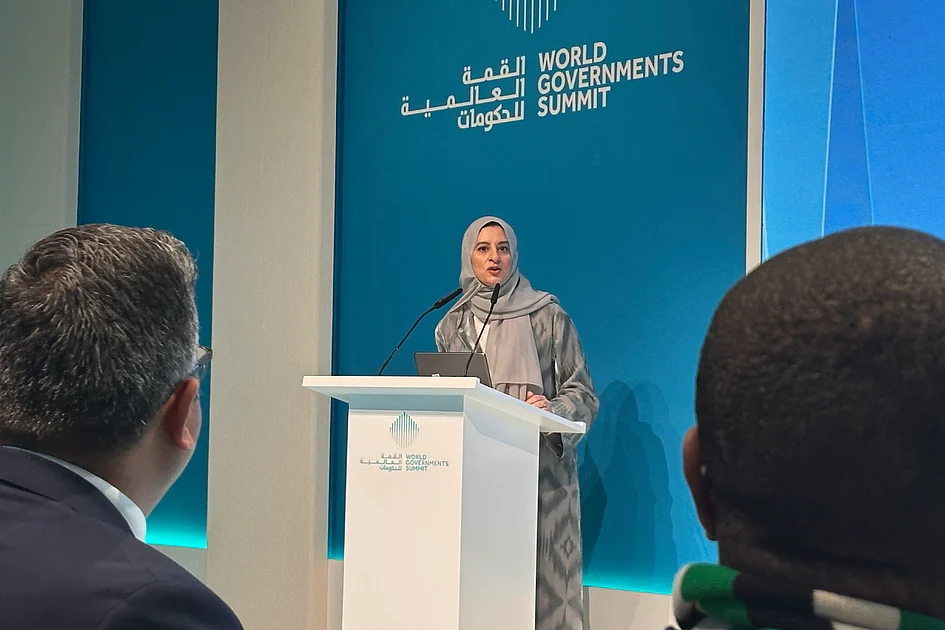
    In a radical transformation of its governance model, the United Arab Emirates has achieved unprecedented success through its Zero Government Bureaucracy Programme, eliminating more than 4,000 administrative procedures and reducing service delivery times by over 70%. The comprehensive reform has yielded extraordinary results: saving 12 million work hours annually and unlocking approximately Dh1 billion in economic value each year.

    Huda Al Hashimi, UAE Deputy Minister of Cabinet Affairs for Strategic Affairs, revealed these groundbreaking achievements during her address at the World Government Summit in Dubai. She presented bureaucracy not as a peripheral administrative concern but as a fundamental economic variable that directly impacts national competitiveness. “Every unnecessary procedure is a hidden tax on entrepreneurship,” Al Hashimi asserted. “Every fragmented approval process represents a significant barrier to investment.”

    The Zero Government Bureaucracy Programme stands as the central pillar of the UAE’s innovative governance framework, designed specifically to enable economies to “design forward” rather than merely playing catch-up with global standards. Al Hashimi emphasized that ambitious national strategies frequently fail because “the machinery of implementation was too heavy,” warning that “you cannot outgrow your own friction.”

    The UAE’s approach is built upon a sophisticated four-pillar strategy for economic resilience and competitiveness:

    First, the principle of ‘Know Your Competitive Advantage’ encourages economies to concentrate on their unique strengths rather than attempting excellence across all sectors. For the UAE, this strategic focus on openness, private sector development, and financial system strength has produced remarkable results, including achieving 95% of non-oil foreign trade targets five years ahead of schedule.

    Second, ‘Clarity as an Economic Asset’ demonstrates how well-defined national visions like the ‘We the UAE 2031’ plan generate market confidence and direct investment flows toward strategic objectives. Al Hashimi explained that clarity actively removes economic friction, contrasting it with the confusion that undermines confidence when governments pursue multiple competing strategies simultaneously.

    Third, ‘Data and Strategic Intelligence’ addresses the challenges of radical uncertainty through substantial investments in artificial intelligence and data analytics. The UAE’s commitment of over Dh180 billion in AI since 2024 represents a strategic effort to enable superior intelligence, enhanced services, and improved outcomes across all sectors.

    Fourth, ‘Simplicity as a Growth Strategy’ forms the cornerstone of the entire approach, where treating bureaucracy as a core economic problem has directly empowered entrepreneurship and facilitated investment. By embedding simplicity into its governance DNA, the UAE has created an environment where operational speed generates opportunity, and opportunity drives sustainable growth.

    Al Hashimi concluded with a powerful statement on modern economic competitiveness: “The old advantages—natural resources, geography, population—still matter, but they are no longer decisive. What is decisive is the ability to see clearly, adapt quickly and execute with discipline.”

  • US and Russia agree to resume regular military contact

    US and Russia agree to resume regular military contact

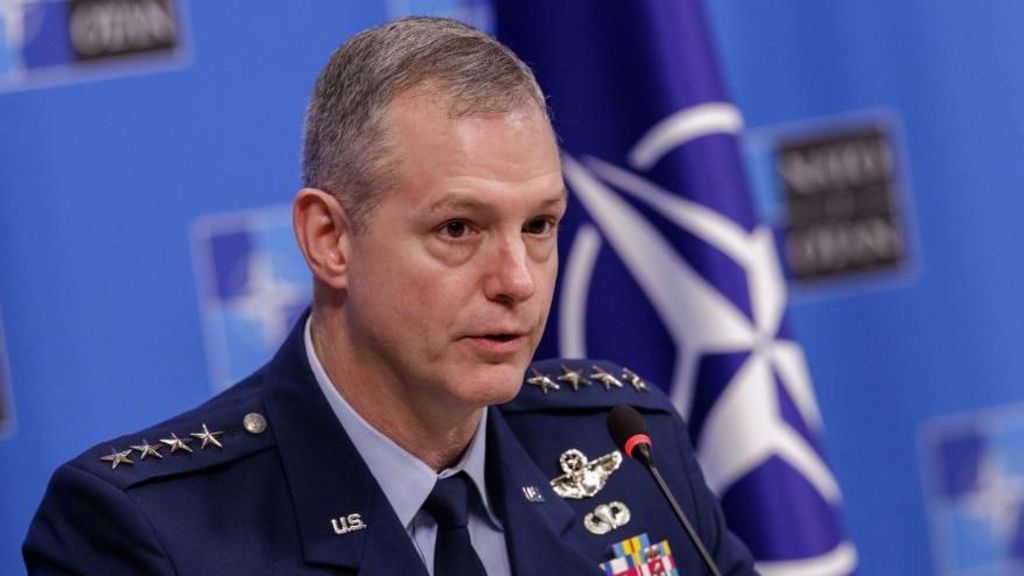
    In a significant diplomatic breakthrough, the United States and Russia have agreed to restore high-level military communications following a crucial meeting in Abu Dhabi. The discussions occurred alongside broader talks addressing the ongoing conflict in Ukraine, marking a notable step toward de-escalation between the world’s two foremost nuclear powers.

    U.S. European Command confirmed the development in an official statement, emphasizing that the reestablished dialogue aims to foster “consistent military-to-military contact” as both nations work toward achieving a durable peace. This move aligns with former President Donald Trump’s repeatedly stated objective of normalizing U.S.-Russia relations.

    The timing of this announcement is particularly critical, coinciding with reports that both countries are negotiating an extension of the New START nuclear arms reduction treaty, which is set to expire imminently. Historically, even during periods of intense confrontation, Washington and Moscow have maintained open channels between their armed forces to prevent misunderstandings and reduce escalation risks. However, these communications were severed in 2021, just prior to Russia’s full-scale invasion of Ukraine.

    Since the suspension, several incidents have heightened tensions, including Russian drones and warplanes entering NATO airspace, and U.S. unmanned aircraft operating over Syria and the Black Sea. The new agreement was finalized during talks in the United Arab Emirates, involving U.S. General Alexus Grynkewich—America’s and NATO’s top general in Europe—along with senior Russian and Ukrainian military officials.

    U.S. European Command underscored the importance of this renewed engagement, stating, “Maintaining dialogue between militaries is an important factor in global stability and peace, which can only be achieved through strength, and provides a means for increased transparency and de-escalation.” The primary objective is to minimize miscalculation and prevent unintended escalation by either side.

    While limited contact between U.S., NATO, and Russian military officers has occurred in recent years, this agreement institutionalizes a regular, high-level dialogue. Meanwhile, Russia expressed regret over the impending expiration of New START but affirmed its readiness to engage in discussions. The Kremlin has proposed extending the treaty, and spokesman Dmitry Peskov indicated that Russia would respond positively to U.S. cooperation.

    According to Axios, negotiations intensified over the past 24 hours in Abu Dhabi, with both countries nearing an agreement to uphold key provisions of New START. The treaty, originally signed in 2010, limits each side to 1,550 strategic nuclear warheads and 700 bombers or missiles. Its expiration would mark the first time in half a century that no legal framework exists to curtail the nuclear ambitions of either nation.

  • Russia and Ukraine exchange prisoners as peace talks end without breakthrough

    Russia and Ukraine exchange prisoners as peace talks end without breakthrough

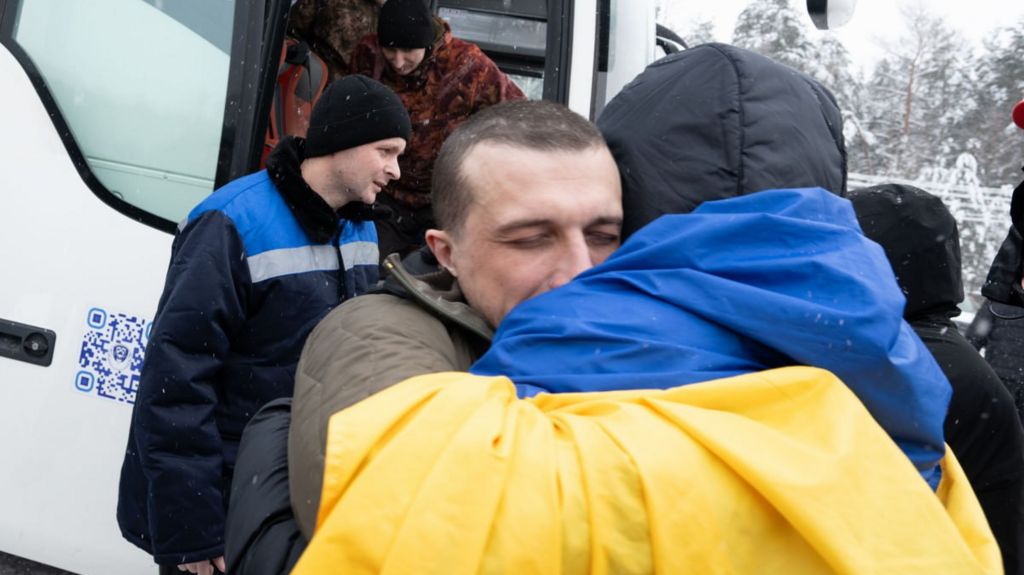
    In a significant diplomatic development, Ukraine and Russia have executed their first prisoner exchange in four months, swapping 157 captives from each side following U.S.-mediated negotiations in Abu Dhabi. The carefully coordinated operation returned Ukrainian military personnel and civilians alongside Russian soldiers, marking a rare moment of cooperation amid ongoing hostilities.

    The exchange follows intensive trilateral discussions involving Russian, Ukrainian, and American delegations in the United Arab Emirates capital. According to Ukrainian President Volodymyr Zelensky, many of the repatriated Ukrainians had endured captivity since 2022, with seven civilians included among those returning to Ukrainian territory. Simultaneously, Russian defense officials confirmed their received personnel were temporarily stationed in Belarus.

    While the prisoner swap represents a humanitarian breakthrough, broader peace negotiations remain gridlocked on fundamental issues. The most contentious points involve territorial sovereignty over the eastern Donbas region, where Russia continues to demand Ukrainian concessions, and Kyiv’s insistence on binding security guarantees from Western allies to prevent future aggression.

    The Abu Dhabi talks, orchestrated by the Trump administration as part of its renewed diplomatic push, featured Special Envoy Steve Witkoff and Senior Advisor Jared Kushner. Despite characterizing discussions as “detailed and productive,” Witkoff acknowledged substantial obstacles remain before any comprehensive settlement can be achieved.

    The negotiations proceeded against a backdrop of renewed military action, with Russia resuming attacks on Ukrainian energy infrastructure after a brief humanitarian pause requested by President Trump during extreme winter conditions. These assaults have exacerbated the humanitarian crisis, leaving thousands without essential services in freezing temperatures.

    President Zelensky, while welcoming the return of captured citizens, emphasized the challenging nature of the talks and expressed desire for accelerated progress. The Ukrainian government maintains its commitment to securing the release of all remaining prisoners despite the complex diplomatic landscape.

  • Queen Máxima starts training to become a Dutch army reservist

    Queen Máxima starts training to become a Dutch army reservist

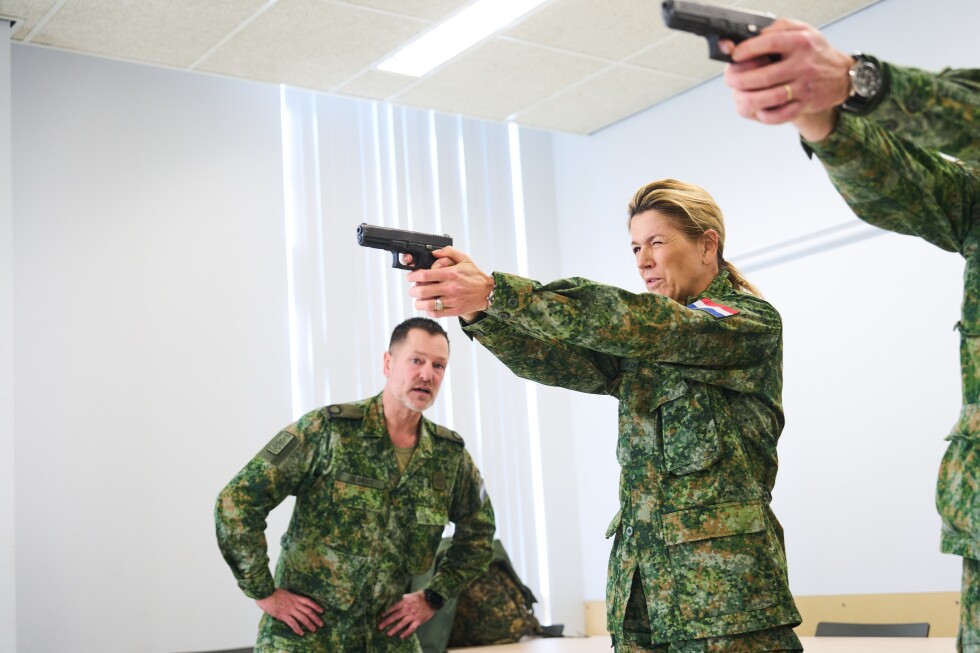
    In a striking demonstration of royal commitment to national defense, Queen Máxima of the Netherlands has commenced military training to become an army reservist. The 54-year-old monarch, born in Argentina, began her preparatory program this week at a military academy in Breda, following in the footsteps of her daughter Crown Princess Amalia who recently completed basic training.

    The Dutch Ministry of Defense confirmed the Queen’s voluntary enrollment, stating that her decision reflects growing concerns about European security in the wake of Russia’s ongoing conflict in Ukraine. ‘Because the security of the Netherlands can no longer be taken for granted, Máxima has decided to become a reservist,’ the ministry announced in an official communiqué.

    Her comprehensive training regimen will encompass practical and theoretical components including marksmanship, physical endurance exercises, self-defense techniques, topographic navigation, and military jurisprudence. Photographs released by the Royal House show the Queen actively participating in combat simulations, firearms training, and aquatic obstacle courses.

    Upon completion, Queen Máxima will receive the rank of lieutenant-colonel and will be deployed according to operational requirements. While reservists typically serve within national borders, overseas assignments remain possible on a voluntary basis.

    This royal initiative coincides with broader European efforts to strengthen military capabilities. The incoming Dutch coalition government plans to expand armed forces to 122,000 personnel from the current 80,000, while Germany, France, Denmark, and Belgium have implemented parallel recruitment strategies. These measures respond to heightened security apprehensions across the continent and align with NATO’s revised defense spending targets established during the 2023 summit.

    Defense officials express optimism that the Queen’s participation will inspire broader civic engagement with military service, potentially addressing recruitment challenges that have persisted for years.

  • Mainland spokesman: Taiwan-US trade deal sells out Taiwan

    Mainland spokesman: Taiwan-US trade deal sells out Taiwan

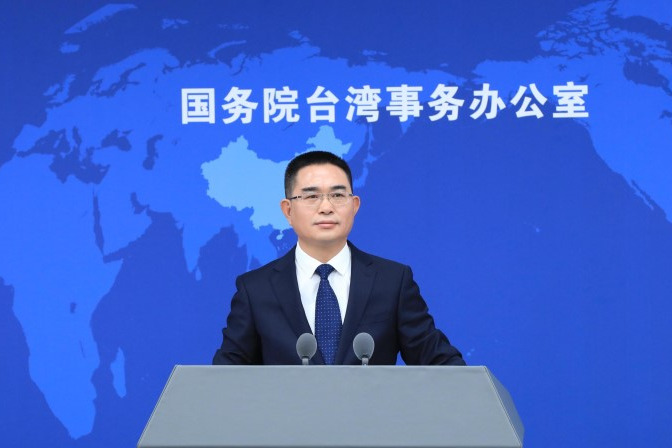
    A senior Chinese official has vehemently denounced the recently negotiated trade agreement between Taiwan and the United States, characterizing it as a detrimental arrangement that compromises Taiwan’s economic sovereignty. Chen Binhua, spokesperson for China’s State Council Taiwan Affairs Office, delivered sharp criticism during a press briefing on Thursday, asserting that the Democratic Progressive Party (DPP) authorities have engaged in what he described as foreign subservience.

    According to Chen, the trade pact essentially constitutes a ‘list of tributes’ that undermines Taiwan’s interests while disproportionately benefiting the United States. He accused the DPP leadership of pursuing independence agendas through external alliances, effectively facilitating the exploitation of Taiwan’s industrial sector and compromising the welfare of its citizens. The spokesman emphasized that such diplomatic and economic maneuvers reveal what he called a ‘servile and obsequious posture’ by Taiwan’s current administration.

    The controversial agreement, finalized on January 15, stipulates that the United States will reduce tariff rates on Taiwanese imports from 20% to 15%. In exchange, Taiwan has committed to investing a minimum of $250 billion in the U.S. while providing equivalent credit guarantees exceeding $250 billion. The arrangement currently awaits legislative ratification in Taiwan, where opposition lawmakers have raised transparency concerns regarding the negotiation process and its long-term implications.

    Chen’s remarks came in direct response to statements made by Taiwan leader Lai Ching-te, who previously advocated for cross-party support to safeguard the trade agreement during an ‘economic prosperity partnership dialogue’ conference. The escalating diplomatic rhetoric highlights continuing tensions in cross-strait relations and reflects Beijing’s firm opposition to any bilateral agreements that might suggest international recognition of Taiwan’s separate political status.

  • Panama will not be threatened by China over canal court ruling, leader says

    Panama will not be threatened by China over canal court ruling, leader says

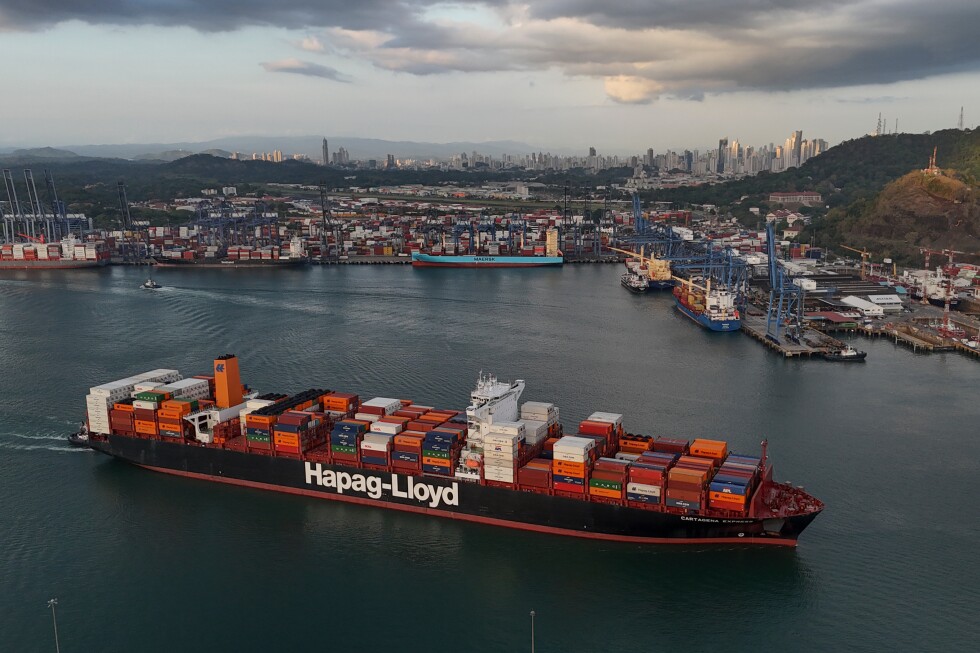
    Panamanian President José Raúl Mulino has adopted a resolute stance regarding the escalating legal dispute with Hong Kong-based CK Hutchison Holdings over port operations along the Panama Canal. During his Thursday morning press briefing, Mulino emphasized Panama’s sovereign dignity while responding to diplomatic pressure from China. “Panama is a dignified country and will not allow itself to be threatened by any country on earth,” Mulino declared, addressing Beijing’s warnings that Panama would face severe consequences if it upheld its Supreme Court’s recent ruling.

    The controversy stems from last week’s landmark decision by Panama’s Supreme Court, which declared unconstitutional the concession held by Hutchison Ports’ local subsidiary, Panama Ports Company. This judicial move has been interpreted as a strategic victory for U.S. interests seeking to counter Chinese influence over the critical maritime corridor, placing Panama at the center of intensifying geopolitical competition between Washington and Beijing.

    In response to the court’s decision, CK Hutchison Holdings has initiated formal arbitration proceedings against the Panamanian government, asserting strong disagreement with the ruling. Meanwhile, President Mulino has assured continuous port operations during the transition period, with Panama’s Maritime Authority coordinating with the current operator until the concession is formally terminated. Subsequently, Danish logistics giant A.P. Moller-Maersk’s local subsidiary will assume temporary operational control until a new concession can be competitively bid.

    The disputed ports constitute a significant portion of CK Hutchison’s $23 billion global port divestment to a consortium including U.S. investment firm BlackRock—a transaction initially announced in March 2023 that has encountered delays due to both legal complications in Panama and heightened Sino-American geopolitical tensions. Industry analysts suggest the Hong Kong conglomerate may employ prolonged legal maneuvers to buy time while exploring alternatives for its broader port portfolio restructuring.

  • A glimmer of hope for democracy in Venezuela as opponents test the limits of free speech

    A glimmer of hope for democracy in Venezuela as opponents test the limits of free speech

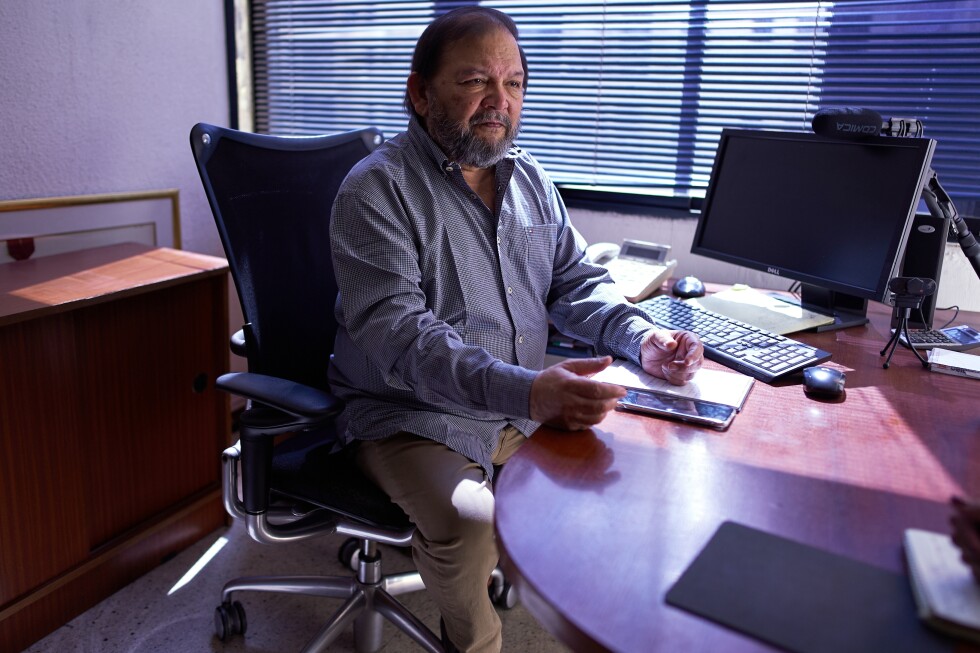
    CARACAS, Venezuela — In the wake of Nicolás Maduro’s U.S.-orchestrated overthrow, Venezuela is witnessing a tentative political renaissance as former dissidents cautiously emerge from hiding. Among them is Andrés Velásquez, a former governor who had grown a thick beard and sent his children into exile fearing reprisals after campaigning against Maduro in the disputed 2024 election.

    Velásquez’s January 19 video statement supporting Maduro’s removal marked a turning point—followed days later by a bold appearance outside Caracas’ notorious Helicoide prison demanding freedom for political prisoners. “We must dismantle the entire repressive apparatus in the hands of the state,” he declared. “Venezuela will be free!”

    This emerging openness, described by Velásquez as Venezuela’s ‘glasnost’ in reference to Soviet-era reforms, unfolds under the unusual stewardship of the Trump administration. Washington has employed financial incentives and threats of additional military strikes to advance its pledge to “run” Venezuela from afar, creating a paradoxical transition where political liberalization occurs under foreign tutelage.

    Acting President Delcy Rodríguez, a longtime Maduro ally, has announced surprising measures including a general amnesty that could free hundreds of opposition figures and the transformation of the infamous Helicoide prison into a cultural complex. “May this law serve to heal the wounds left by political confrontation,” she stated surrounded by ruling-party stalwarts.

    Yet skepticism persists among human rights experts. Pedro Vaca of the Inter-American Commission on Human Rights cautioned that “Venezuela’s civic space is still a desert,” describing emerging critical voices as “seeds breaking through hardened ground” rather than evidence of genuine democratic transformation.

    The landscape remains fraught with contradictions. While private media outlets like Venevision and Globovision have begun reintroducing critical voices, Rodríguez’s allies simultaneously resist meaningful liberalization. Interior Minister Diosdado Cabello recently accused media of participating in plots to sow chaos, and access to social media platform X remains restricted.

    For activists like journalist Carlos Julio Rojas, who endured 638 days of imprisonment and torture, the psychological barriers remain formidable. “For me, not speaking meant I still felt imprisoned,” said Rojas, who defied gag orders just days after his release. “The biggest obstacle we have to overcome is fear.”

    As Venezuela navigates this uncertain transition, the ultimate destination of Washington’s political experiment remains unclear—with both hope and apprehension marking this fragile moment of change.