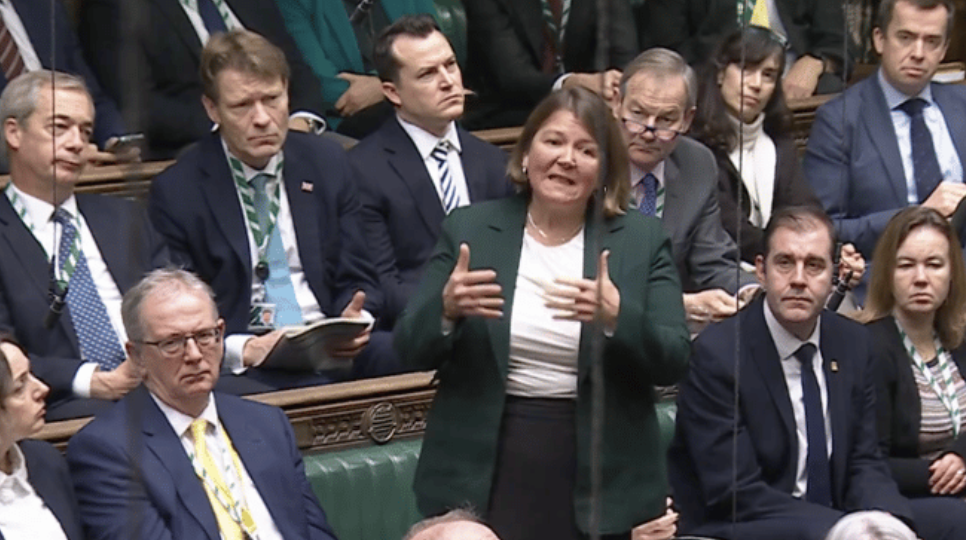
In a notable intervention in the British Parliament, Green Party MP Ellie Chowns has brought attention to the ongoing imprisonment of Marwan Barghouti, a prominent Palestinian political figure, by Israel. Describing Barghouti as “a unifying voice for Palestinian rights, dignity, and freedom,” Chowns questioned the UK government’s efforts to secure his release, particularly in light of his potential role in fostering lasting peace in the region. Barghouti, who has been incarcerated since 2004 and was recently in solitary confinement during Israel’s military operations in Gaza, was initially considered for release as part of a ceasefire agreement. However, Israeli Prime Minister Benjamin Netanyahu’s office reportedly removed his name from the prisoner exchange list at the last minute. Barghouti, a senior Fatah leader and a unifying figure among Palestinian factions, including Hamas, has been a symbol of resistance since his involvement in the Second Intifada (2000-2005). Despite his widespread popularity and the backing of regional powers like Egypt and Qatar for his release, senior Palestinian Authority (PA) officials reportedly opposed his inclusion in any exchange, fearing it could undermine President Mahmoud Abbas’s leadership. The UK government, while emphasizing support for a Palestinian-led recovery in Gaza, has maintained its stance that Hamas must disarm and play no role in governance. Meanwhile, the Trump administration has proposed a technocratic transitional authority for post-war Gaza, sidelining significant Palestinian involvement. Barghouti’s case has reignited debates on Palestinian leadership and the path to peace, with his recent public appearance during a visit by Israeli National Security Minister Itamar Ben Gvir highlighting his enduring significance.
分类: politics
-
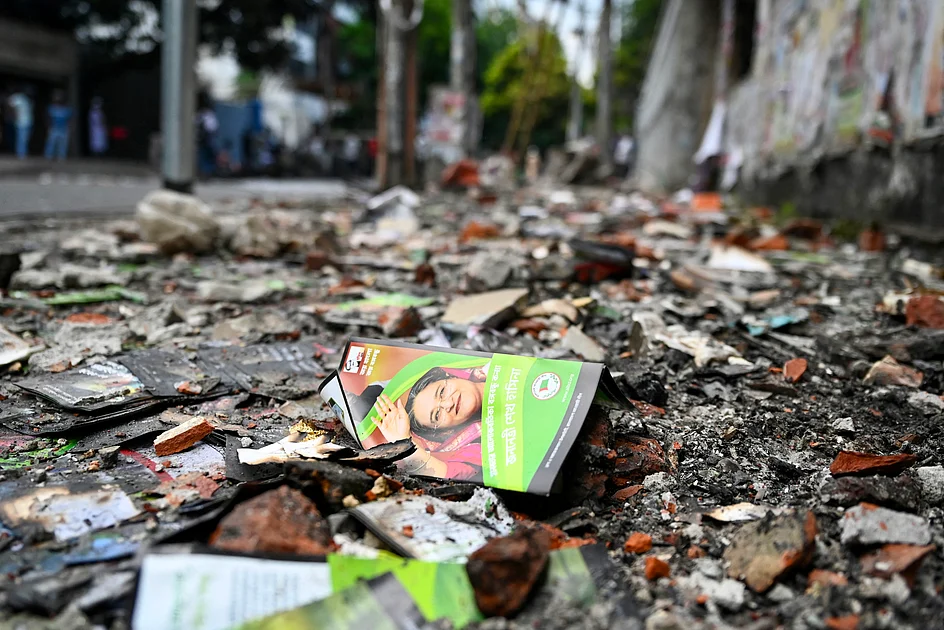
Bangladesh prosecution demands death penalty for former PM Hasina
In a dramatic legal development, Bangladeshi prosecutors have demanded the death penalty for former Prime Minister Sheikh Hasina, who is accused of orchestrating a brutal crackdown during a student-led uprising in 2024. Hasina, currently a fugitive in India, has defied court orders to return and face trial. The prosecution alleges that she was the central figure behind the violence, which resulted in the deaths of up to 1,400 people between July and August 2024. Chief Prosecutor Tajul Islam argued that Hasina should face the harshest punishment, stating, ‘For 1,400 murders, she should be sentenced 1,400 times—but since that is not humanly possible, we demand at least one.’ The trial, which began on June 1, has heard extensive testimony implicating Hasina in ordering or failing to prevent mass killings. Prosecutors have filed five charges, including crimes against humanity, under Bangladeshi law. Hasina, who denies all allegations, is being tried in absentia alongside two former senior officials. Her ex-interior minister, Asaduzzaman Khan Kamal, is also a fugitive, while former police chief Chowdhury Abdullah Al-Mamun is in custody and has pleaded guilty. The prosecution has presented evidence, including audio tapes allegedly featuring Hasina ordering security forces to ‘use lethal weapons’ against protesters. The trial is nearing its conclusion, with the interim government aiming to prepare the nation for elections in February. Hasina, already convicted of contempt of court in July, faces additional corruption charges, as do several of her relatives. Critics have long accused her government of rights abuses, including the murder of opposition activists and the suppression of press freedom.
-
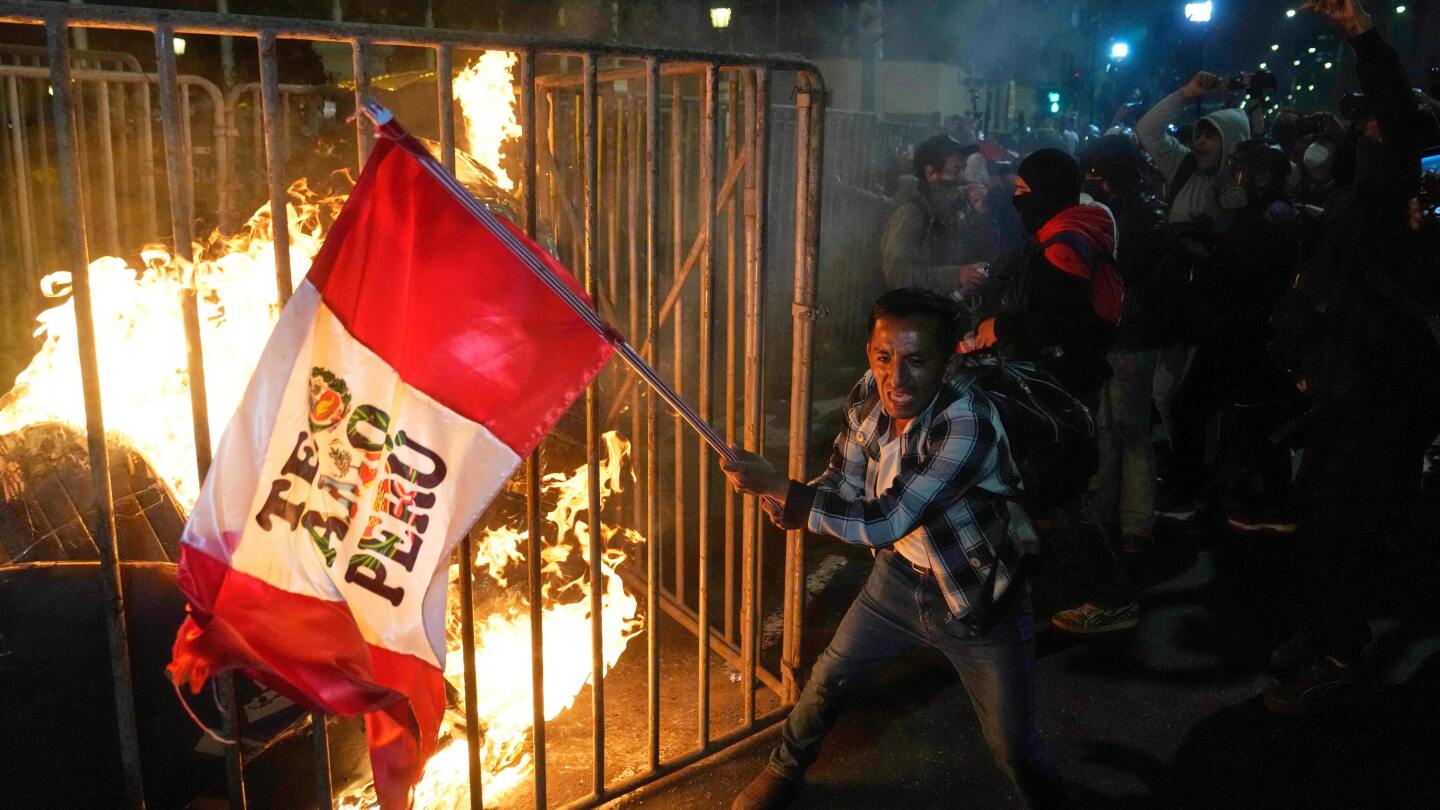
Gen Z protests in Peru leave at least 1 dead, 100 injured, prompting investigation
LIMA (AP) — Peru’s capital was engulfed in chaos as protests led by Generation Z activists turned violent overnight, resulting in at least one civilian death and over 100 injuries, including 80 police officers and 10 journalists. Authorities have launched investigations into the death of Eduardo Ruíz, a 32-year-old hip-hop singer and protester, who was reportedly shot during the mass demonstration. The incident has sparked outrage and accusations of human rights violations, with prosecutors ordering the collection of ballistic evidence and the removal of Ruíz’s body from a Lima hospital. The protests, which began a month ago over demands for better pensions and wages, have since expanded to address broader grievances, including rampant crime, corruption, and widespread disillusionment with the government. The unrest intensified following the swearing-in of Peru’s seventh president in less than a decade on October 10, with demonstrators calling for the resignation of the new president and several lawmakers. Witnesses claim the shooter responsible for Ruíz’s death was fleeing accusations of being a plainclothes police officer infiltrating the protests. The demonstrations reflect a global wave of generational discontent, with similar protests erupting in Nepal, the Philippines, Indonesia, Kenya, and Morocco. In Lima, 27-year-old electrician David Tafur joined the protests after learning about them on TikTok, expressing frustration over corruption and government violence. The protests also targeted José Jerí, the newly appointed president of Congress, who faces criticism for his alleged involvement in a rape case and his legislative support for laws perceived to weaken anti-crime efforts. The unrest underscores decades of frustration among Peruvians, who have grown increasingly cynical about their leaders’ inability to address systemic issues. Sociologist Omar Coronel noted that the protests have evolved from pension demands to encompass broader concerns about insecurity, state erosion, and corruption. The violent scenes evoke memories of earlier protests under former President Dina Boluarte, which resulted in 50 deaths. Protesters carried signs condemning abuse of power and corruption, with one woman holding a poster that read, “From a murderess to a rapist, the same filth.” Tafur summarized the sentiment, stating, “For me, it’s about outrage over abuse of power, corruption, and killings.”
-
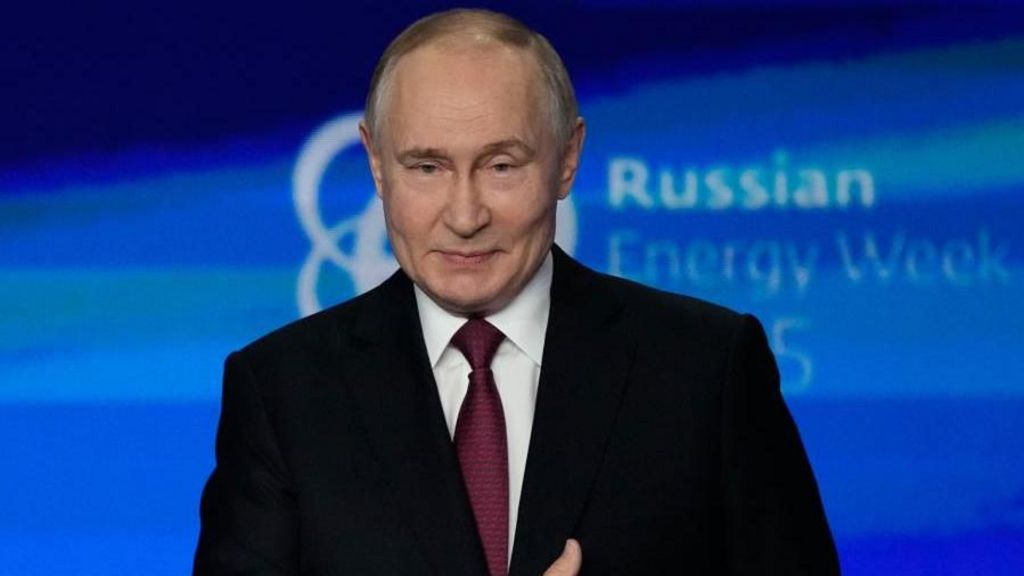
Trump and Putin holding first talks since August
U.S. President Donald Trump has confirmed his first phone conversation with Russian President Vladimir Putin since August, marking a significant diplomatic engagement amid ongoing tensions over the Ukraine war. The call, described by Trump as ‘lengthy,’ took place on Thursday, just a day before Trump is scheduled to meet Ukrainian President Volodymyr Zelensky at the White House. This development comes as Trump considers whether to supply Ukraine with Tomahawk missiles, a move that could escalate the conflict given their capability to strike deep within Russian territory. Trump shared details of the call on his Truth Social platform, stating, ‘I am speaking to President Putin now. The conversation is ongoing, a lengthy one, and I will report the contents, as will President Putin, at its conclusion.’ The Kremlin has yet to comment on the discussion. The two leaders last met in Alaska on August 15, where Trump hoped to persuade Putin to engage in comprehensive peace talks to end the war, which began with Russia’s full-scale invasion of Ukraine in February 2022. However, the summit failed to yield a decisive breakthrough. Trump’s stance on the conflict has evolved significantly since his presidential campaign, where he claimed he could resolve the war swiftly. Recently, he acknowledged the complexity of the situation, even as he expressed optimism about Ukraine’s potential to reclaim its territory. Zelensky’s upcoming visit to Washington, his third this year, is expected to focus heavily on the potential provision of Tomahawk missiles, which Ukraine has actively sought to bolster its defense capabilities.
-
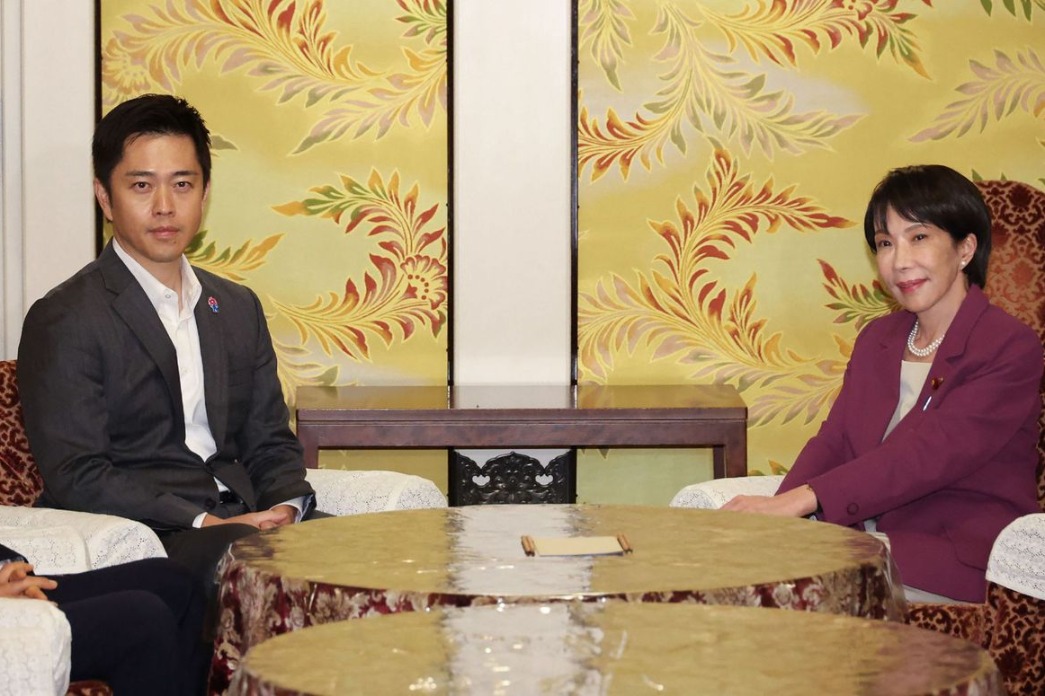
Japan’s LDP and JIP begin coalition talks
In a significant political development, Japan’s ruling Liberal Democratic Party (LDP) and the Japan Innovation Party (JIP) have commenced policy discussions to form a coalition government. This move follows the withdrawal of the Komeito Party from the long-standing LDP-led alliance, as reported by The Kyodo News. The talks aim to consolidate political support ahead of the upcoming prime ministerial vote. Sanae Takaichi, the newly elected LDP president, has been actively engaging with leaders of three opposition parties to secure their backing. Hirofumi Yoshimura, JIP leader and Osaka governor, expressed optimism after meeting Takaichi, stating, ‘I was convinced by her passion.’ A potential LDP-JIP coalition would hold 231 of the 465 seats in the lower house, just two short of a majority, bolstering Takaichi’s bid to become Japan’s first female prime minister. Meanwhile, opposition parties, including the Constitutional Democratic Party of Japan and the Democratic Party for the People, have yet to reach a consensus on policy issues, though their combined 210 seats could pose a challenge to the LDP’s dominance. The Diet has announced that the extraordinary parliamentary session to elect the new prime minister will now begin on October 21, 2025.
-
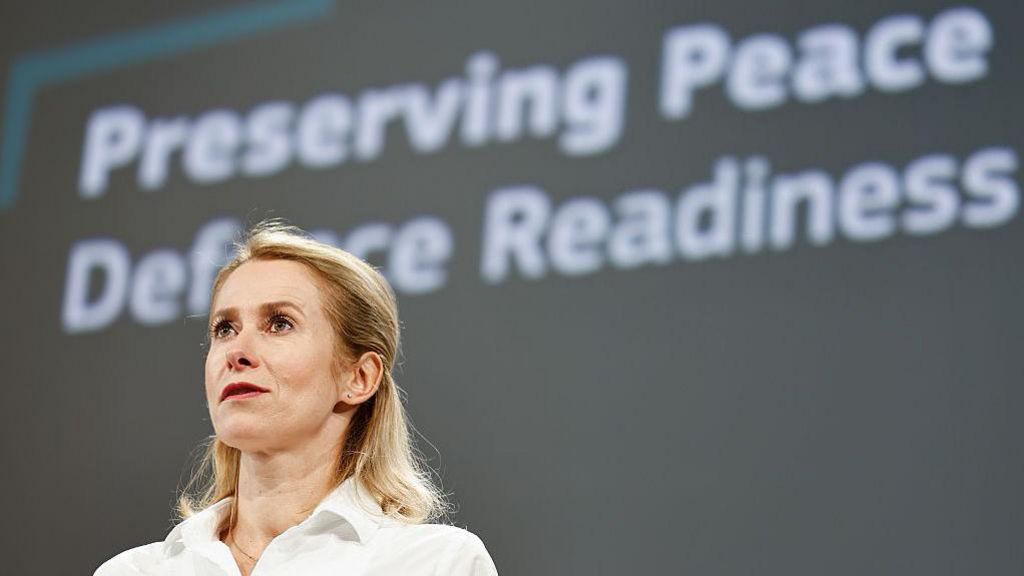
EU sets 2027 target for anti-drone system to defend against Russia
The European Union is ramping up its defence capabilities in response to escalating tensions with Russia, as outlined by EU foreign policy chief Kaja Kallas. Speaking in Brussels, Kallas emphasized that the threat to Europe would persist even after the conclusion of the war in Ukraine. The EU’s comprehensive ‘defence roadmap’ aims to establish a fully operational anti-drone system by the end of 2027 and achieve full defence readiness by 2030. This initiative includes strengthening the EU’s eastern borders and developing European air and space ‘shields’ to counter potential Russian aggression. Kallas highlighted the transformative role of drones in modern warfare, stating that robust drone defences are now essential for all nations. The plan also calls for closing critical capability gaps in air and missile defence through joint development and procurement among member states. European Defence Commissioner Andrius Kubilius underscored the roadmap’s milestones, which are designed to deter Russian aggression, prevent conflict, and maintain peace. The EU’s executive Commission stressed the need for the 27-member bloc to be prepared to respond to high-intensity crises by 2030. The proposal, which requires approval at an upcoming leaders’ summit, has already garnered support from several EU states for a multi-layered ‘drone wall’ to detect, track, and destroy Russian drones. Recent incursions into the airspace of NATO members Poland, Romania, and Estonia have further heightened tensions, with experts suggesting that Russia is testing NATO’s resolve and attempting to sow discord within the alliance. In response, NATO members have bolstered their eastern flank with troops, artillery, and air defence systems. While no cost estimates were provided, Kubilius assured that the investments would not reach ‘hundreds of billions.’ The EU’s defence projects will be closely coordinated with NATO to avoid duplication of efforts.
-
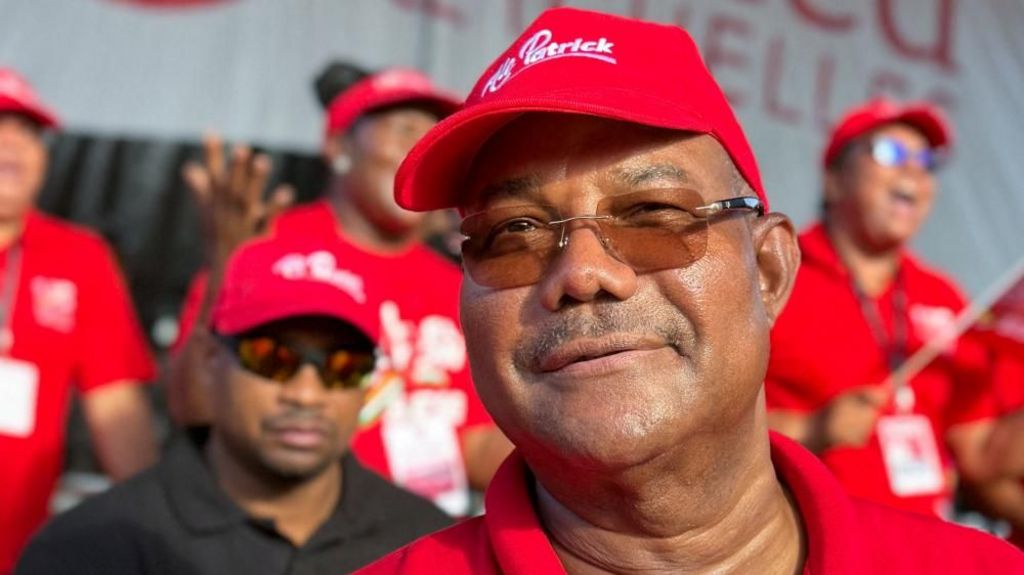
Seychelles’ president-elect set to halt tourist development on tiny island
Patrick Herminie, the president-elect of Seychelles, has pledged to suspend the construction of a contentious luxury resort funded by Qatar on Assumption Island, an ecologically sensitive area. In an interview with the BBC, Herminie, who is set to assume office on October 26, criticized the current agreement as ‘unacceptable,’ stating that Seychelles received minimal benefits from the deal. The resort project, managed by the Qatari investment firm Assets Group, includes 40 luxury villas and an upgraded airstrip for executive jets. Environmental activists have raised concerns over the potential ecological damage to Assumption Island, which serves as a gateway to the Aldabra atoll, a UNESCO World Heritage site renowned for its unique biodiversity. The issue became a focal point during last month’s presidential election, with Herminie defeating incumbent Wavel Ramkalawan in a runoff. Ramkalawan had defended the project, emphasizing the need for foreign investment. Herminie plans to halt the project, engage with investors, and address environmental concerns, ensuring that only existing structures remain.
-
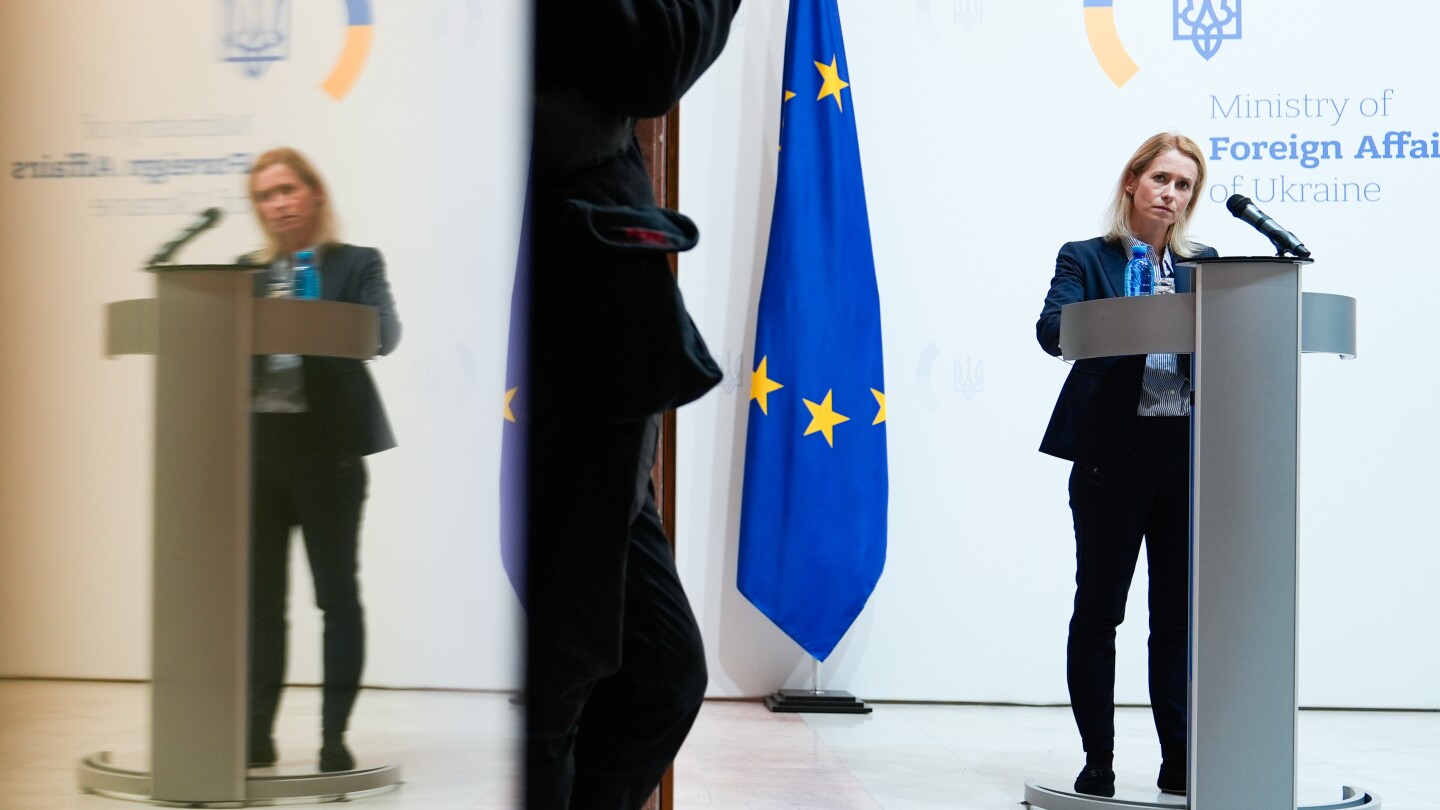
The EU unveils a plan to be ready within 5 years to fend off any Russian attack
In response to escalating concerns over potential security threats, the European Union has introduced a robust defense strategy aimed at fortifying the continent against external attacks by the end of the decade. The plan, announced on Thursday, comes amid growing apprehensions that Russia is actively testing Europe’s defenses. A central component of this initiative is the European Drone Defense Initiative, designed to detect, track, and neutralize unauthorized drones following a series of alarming airspace violations across Europe, particularly near borders with Russia, Belarus, and Ukraine. This initiative is part of a broader framework called Eastern Flank Watch, which seeks to enhance defenses along Europe’s eastern borders, including land, sea, and air domains, as well as counter hybrid threats. The drone defense system is expected to be fully operational by late 2027, with Eastern Flank Watch reaching full capacity by the end of 2028. Additionally, the EU plans to develop separate air and space defense shields. EU foreign policy chief Kaja Kallas emphasized the urgency of bolstering European defense capabilities, stating that while Russia currently lacks the capacity to attack the EU, the threat remains persistent even if the Ukraine conflict ends. The European Commission’s Defense Readiness Roadmap 2030, set to be presented to EU leaders next week, outlines a comprehensive checklist of equipment procurement and deadlines for member states. The plan calls for significant funding, with EU defense spending projected to reach 3.4 trillion euros ($4 trillion) over the next decade. A key aspect of the roadmap is fostering collaboration among member states, with at least 40% of military purchases to be conducted jointly by 2027. The EU also aims to provide security guarantees for Ukraine, recognizing its role as Europe’s first line of defense. Kallas highlighted the goal of establishing a drone alliance with Ukraine by early next year, underscoring the importance of a strong Ukrainian defense industry and military.
-
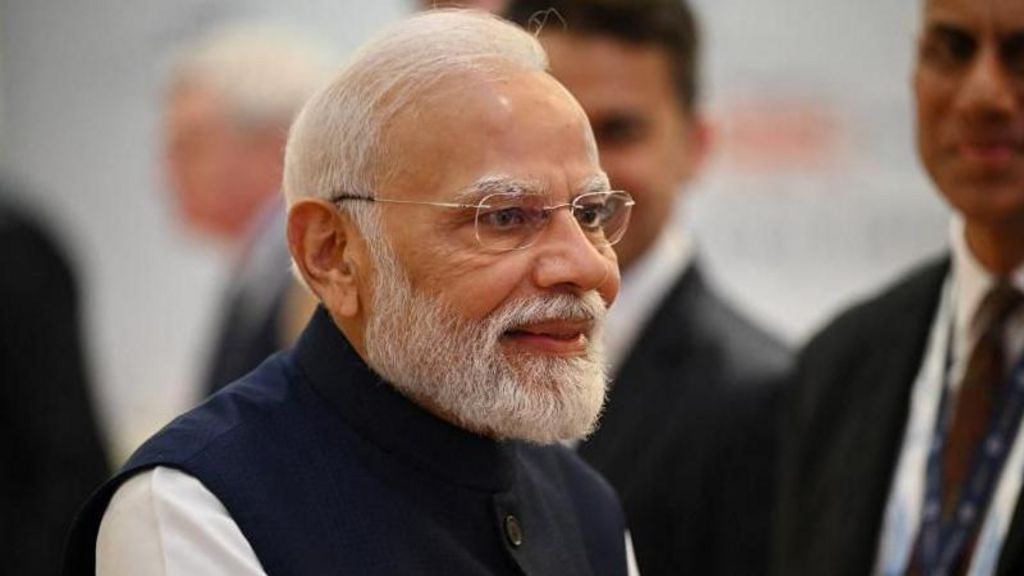
India casts doubt on Trump’s claim Modi will stop buying Russian oil
In a surprising turn of events, India has refuted claims made by former US President Donald Trump regarding a supposed agreement with Indian Prime Minister Narendra Modi to cease Russian oil imports. Trump asserted on Wednesday that Modi had ‘assured’ him of halting purchases of Russian oil, a move aimed at intensifying economic pressure on Russia to end the Ukraine conflict. However, India’s foreign ministry stated on Thursday that it was ‘not aware’ of any such conversation between the two leaders. This contradiction has cast doubt on the validity of Trump’s statement and raised questions about the status of ongoing discussions between the US and India on the matter. India has emerged as a significant buyer of Russian oil since the war began, providing Moscow with a crucial revenue stream despite Western sanctions. The Trump administration has been vocal in urging India to reduce its reliance on Russian energy, as part of broader efforts to isolate Russia economically. India, however, has defended its energy policies, emphasizing the need to protect its consumers in a volatile global energy market. The situation has further strained US-India relations, with the UK recently targeting an Indian oil refinery in its latest sanctions for facilitating Russian oil exports. The conflicting narratives highlight the complexities of international diplomacy and the challenges of aligning global energy policies amidst geopolitical tensions.
-
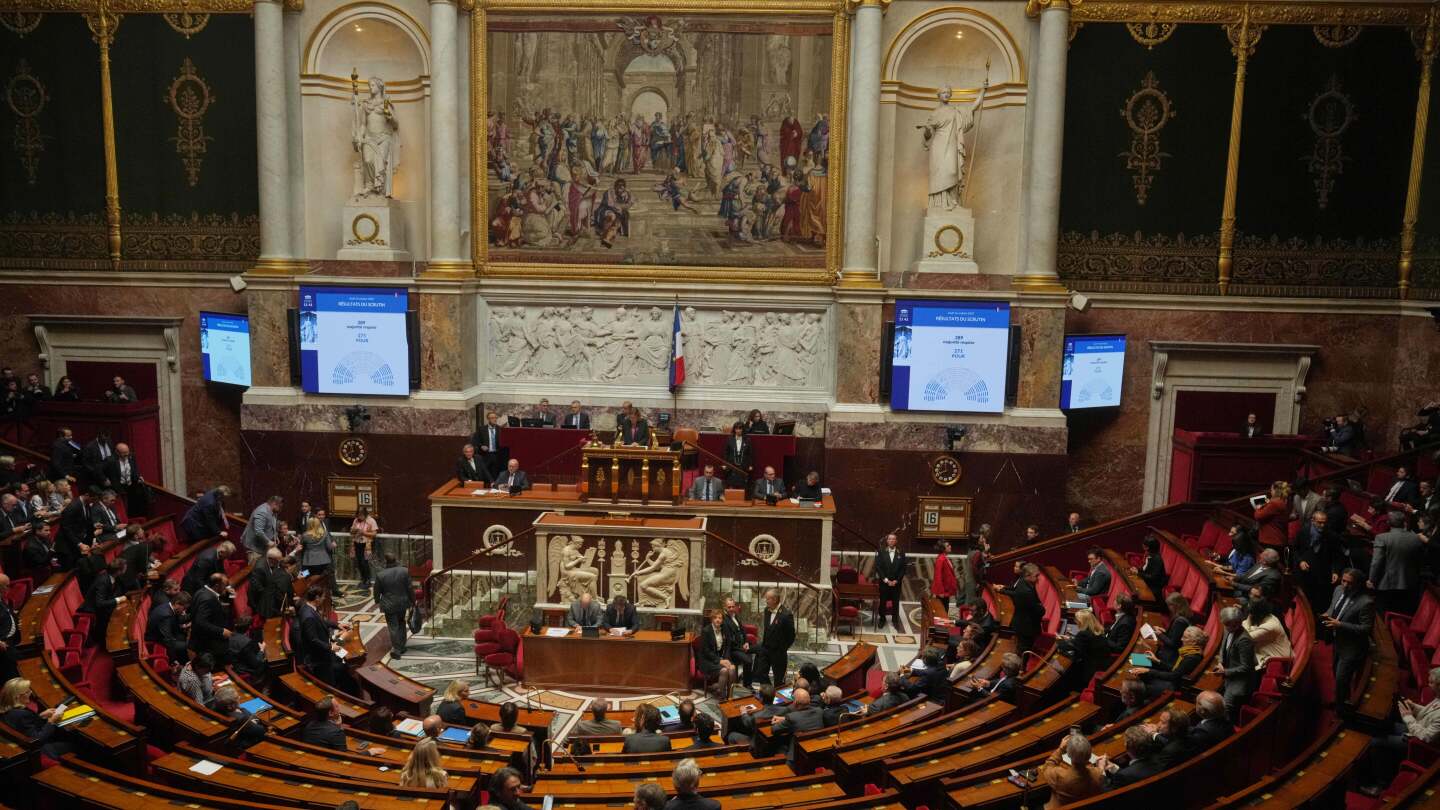
France steps back from the brink as parliament spares the prime minister. For now
France’s political landscape remains fraught with tension as Prime Minister Sébastien Lecornu narrowly survived two no-confidence votes on Thursday, temporarily averting a government collapse. The motions, filed by the hard-left France Unbowed party and the far-right National Rally, fell short of the required 289 votes, securing Lecornu’s position and providing President Emmanuel Macron with a brief respite. However, the underlying challenges persist, as Macron’s minority government continues to navigate a deeply divided parliament where no single bloc holds a majority. This fragmentation has turned every legislative decision into a high-stakes negotiation, with the upcoming budget debate poised to test the government’s resilience once again.