分类: politics

  • Polls close in Thailand election that pitted reformists against conservatives

    Polls close in Thailand election that pitted reformists against conservatives

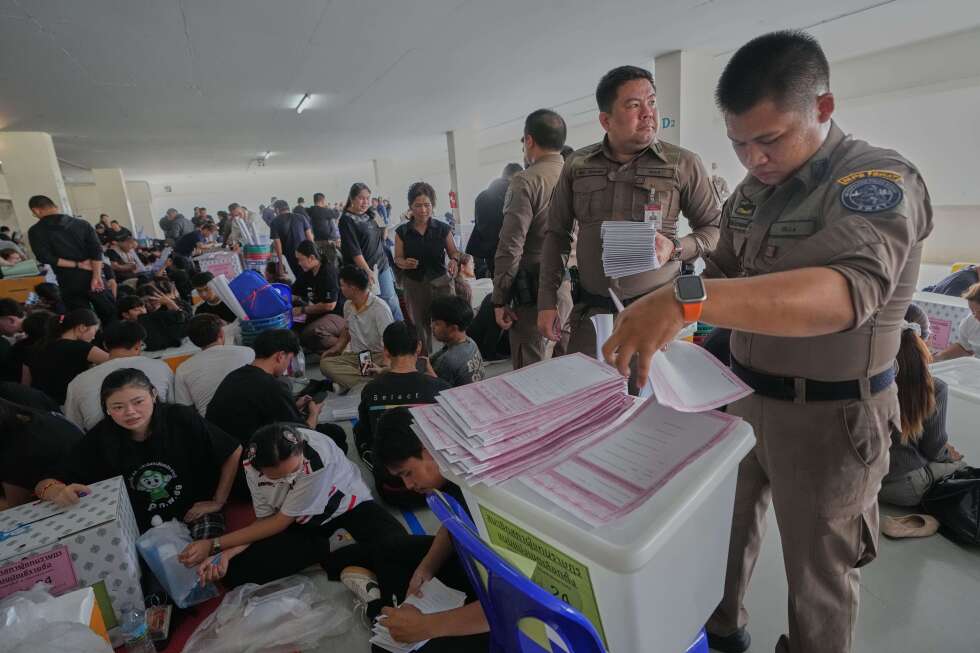
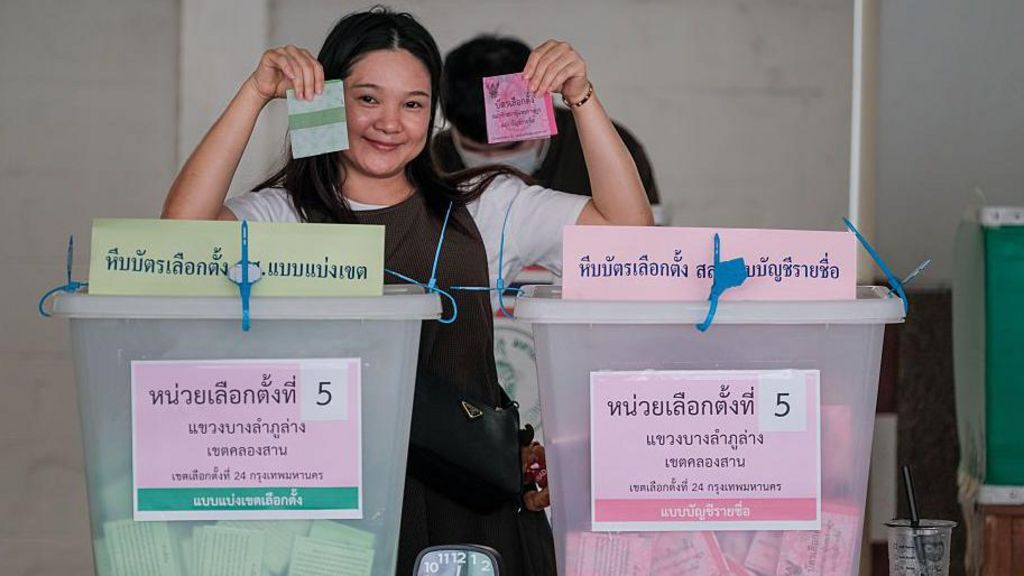
    Thailand stands at a critical political juncture as citizens cast their ballots in a snap election triggered by the collapse of successive coalition governments. This marks the nation’s third premiership transition within as many years, reflecting profound political instability.

    The electoral landscape mirrors the 2023 contest, pitting progressive reformers from the People’s Party against the conservative establishment led by incumbent Prime Minister Anutin Charnavirakul. Despite previous electoral victories, reformist factions have faced systematic barriers including parliamentary blockades by military-appointed senators and constitutional court interventions that dissolved predecessor parties.

    Prime Minister Anutin has transformed his formerly regional Bhumjaithai (Thai Pride) party into the dominant conservative vehicle, leveraging patriotic sentiment following recent border conflicts with Cambodia. His platform emphasizes preservation of traditional institutions including the monarchy and military.

    Complicating the political calculus, the Shinawatra family’s Pheu Thai (For Thais) party—historically dominant through populist policies—faces diminished prospects following accusations of mishandling foreign relations and the imprisonment of patriarch Thaksin Shinawatra. Both major parties have deployed substantial subsidy promises and cash handout proposals to attract voters.

    Beyond the immediate electoral contest, citizens simultaneously participate in a constitutional referendum addressing the 2017 charter drafted under military rule. Critics argue this document excessively empowers non-elected entities, particularly the senate, thereby constraining democratic governance.

    The economic backdrop remains concerning, with political uncertainty and structural stagnation causing foreign investment hesitation and rising living costs. Voters express particular concern about Thailand’s competitive decline relative to regional neighbors like Vietnam.

    Despite leading pre-election polls, the People’s Party faces institutional hurdles even if achieving electoral success. Historical precedent shows two previous reformist iterations dissolved by judicial intervention, with leaders barred from political participation. Similar interventions have affected five Pheu Thai premiers since 2008.

    Election results expected by 22:00 local time (15:00 GMT) will likely produce no outright majority, setting the stage for continued political maneuvering and potential extra-electoral interventions that could determine Thailand’s governance direction for years to come.
  • Nigeria’s president to make a state visit to the UK in March

    Nigeria’s president to make a state visit to the UK in March

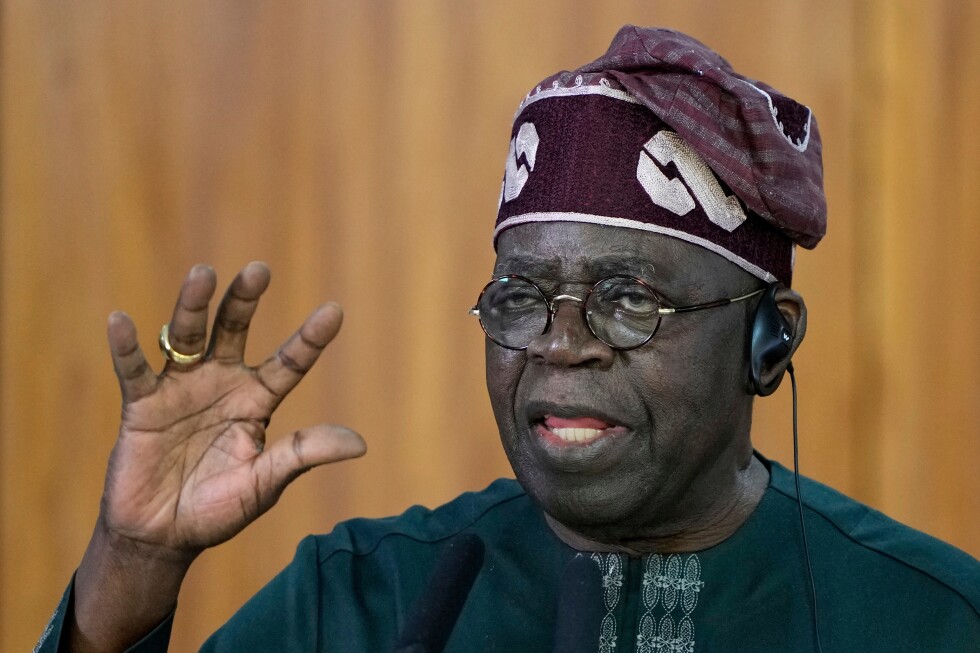
    Buckingham Palace announced on Sunday that Nigerian President Bola Tinubu will undertake an official state visit to the United Kingdom on March 18-19, 2025, marking the first such diplomatic engagement by a Nigerian head of state in nearly four decades. President Tinubu and First Lady Oluremi Tinubu will be formally hosted by King Charles III and Queen Camilla at Windsor Castle, with full itinerary details to be released subsequently.

    This visit represents a significant milestone in UK-Nigeria relations, as the last state visit by a Nigerian leader occurred in 1989. State visits typically feature ceremonial traditions including an official royal reception, carriage procession, and elaborate state banquet, symbolizing the highest level of diplomatic recognition.

    The upcoming engagement continues a longstanding relationship between the British monarchy and Nigeria, a Commonwealth member nation. King Charles has maintained consistent engagement with Nigeria, having visited four times between 1990 and 2018 during his tenure as Prince of Wales. Most recently, he received President Tinubu at Buckingham Palace in September 2024, establishing precedent for their upcoming Windsor Castle meeting.

    The visit places Nigeria among select nations honored with state visits during King Charles’s reign, following similar ceremonies for world leaders including U.S. President Donald Trump, French President Emmanuel Macron, and German President Frank-Walter Steinmeier in the past year.

  • Suspect in shooting of senior Russian general has been detained, Russia says

    Suspect in shooting of senior Russian general has been detained, Russia says

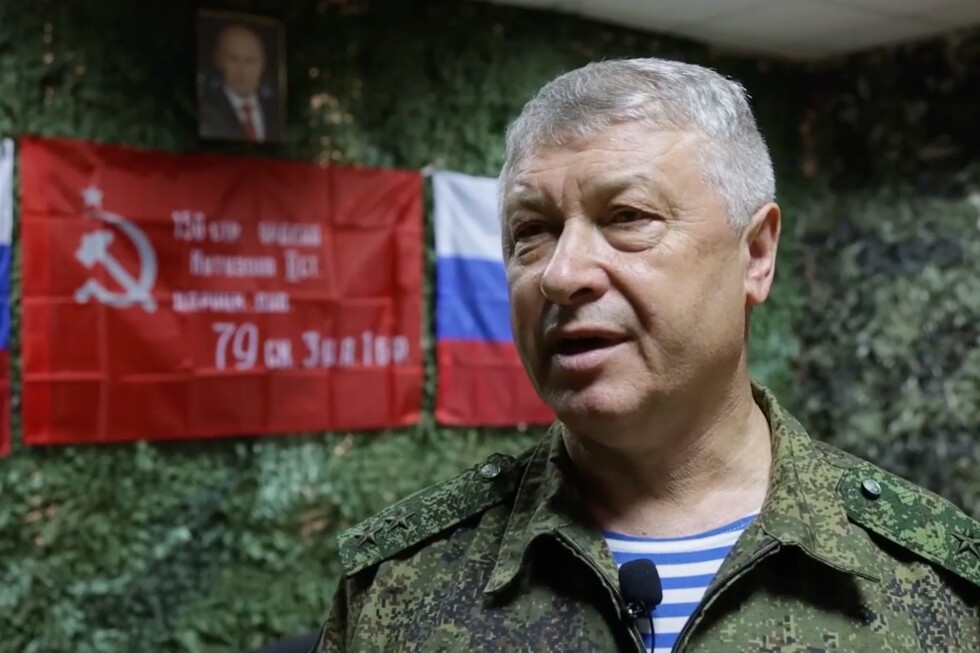
    Russian authorities have announced the detention of a suspect allegedly responsible for the shooting of Lieutenant General Vladimir Alekseyev, first deputy chief of Russia’s military intelligence agency (GRU). The Federal Security Service (FSB) identified the apprehended individual as Lyubomir Korba, a Russian citizen captured in Dubai and subsequently extradited to Moscow.

    The incident occurred Friday when an assailant shot General Alekseyev multiple times at an apartment complex in northwestern Moscow. The 64-year-old intelligence veteran, decorated as a Hero of Russia for his role in Syria operations, was hospitalized following the attack.

    FSB investigations have revealed two additional accomplices—one already detained in Moscow and another reportedly fled to Ukraine. Russian Foreign Minister Sergey Lavrov characterized the assault as a apparent ‘terrorist act’ orchestrated by Ukraine to undermine ongoing peace negotiations.

    This shooting follows a pattern of targeted attacks against Russian military leadership. Since the 2022 invasion of Ukraine, multiple high-ranking officers have been assassinated, including Lieutenant General Fanil Sarvarov (killed by car bomb in December), Lieutenant General Yaroslav Moskalik (car bomb assassination in April), and Lieutenant General Igor Kirillov (killed by explosive device in December 2024). Ukrainian intelligence has claimed responsibility for several of these operations.

    The timing is particularly significant as the attack occurred immediately following peace talks in Abu Dhabi involving Russian, Ukrainian, and U.S. negotiators. General Alekseyev’s superior, GRU chief Admiral Igor Kostyukov, led the Russian delegation in these discussions.

    Kyiv has not responded to Russia’s latest allegations regarding General Alekseyev’s shooting. President Zelenskyy previously acknowledged Ukraine’s ‘liquidation’ of top Russian military figures without specifying individual operations.

  • After Oman talks, Iran sees opening for diplomacy with US but rejects nuclear, missile curbs

    After Oman talks, Iran sees opening for diplomacy with US but rejects nuclear, missile curbs

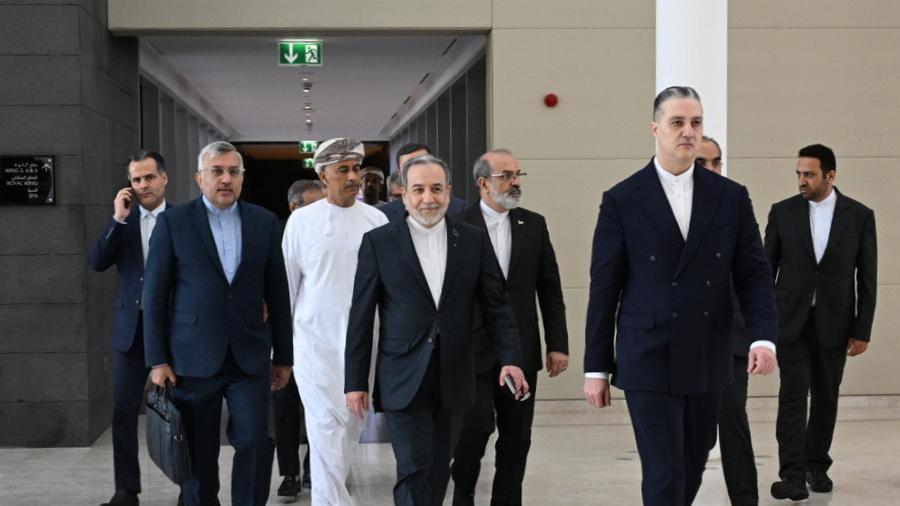
    Muscat has emerged as a critical diplomatic channel between longstanding adversaries Iran and the United States, following talks that revealed both potential openings for dialogue and significant obstacles to reconciliation. Iranian Foreign Minister Seyed Abbas Araghchi characterized the recent discussions in Oman as “a positive start” while emphasizing that rebuilding trust would require substantial time and effort.

    The negotiations, conducted through Omani mediators, nonetheless produced a notable moment of direct contact when members of both delegations briefly shook hands—a gesture Araghchi confirmed despite US reports of more extensive direct engagement. This symbolic interaction occurred between Araghchi and Steve Witkoff, President Trump’s special envoy, marking the highest-level contact between the two nations in recent years.

    However, Tehran immediately established clear red lines, declaring its nuclear enrichment program an “inalienable right” that remains non-negotiable. Araghchi explicitly rejected transferring uranium stocks abroad and dismissed US demands regarding Iran’s missile capabilities, stating defensive weapons are “never negotiable.” Instead, Iran proposed focusing on arrangements that would provide international reassurance while preserving its nuclear activities.

    Parallel to diplomatic efforts, both nations maintained military preparedness. Iran’s military chief of staff, Abdolrahim Mousavi, warned that any imposed conflict would rapidly spread throughout the Middle East, though he confirmed Iran would not initiate hostilities. Meanwhile, the US strengthened its regional military presence, creating a backdrop of heightened tension against which diplomacy unfolds.

    President Trump offered optimistic assessment from Air Force One, describing the talks as “very good” and suggesting Iran appeared eager to reach an agreement. He announced plans for subsequent meetings the following week, even as his administration signed an executive order threatening 25% tariffs on nations continuing trade with Iran.

    Regional responses reflected cautious support for the Omani mediation. Israel’s Prime Minister Benjamin Netanyahu prepared to visit Washington for consultations, maintaining that any agreement must address Iran’s missile program and support for militant groups. Saudi Arabia, Egypt, and the United Arab Emirates all welcomed the diplomatic initiative while emphasizing the need for comprehensive solutions that enhance regional security. Qatar, hosting Araghchi after the Oman talks, expressed hope for outcomes strengthening regional stability.

    The Muscat discussions represent the most significant diplomatic engagement between Washington and Tehran amid escalating tensions, with Oman continuing its traditional role as neutral mediator in Gulf conflicts.

  • Voting begins in Japan’s general election

    Voting begins in Japan’s general election

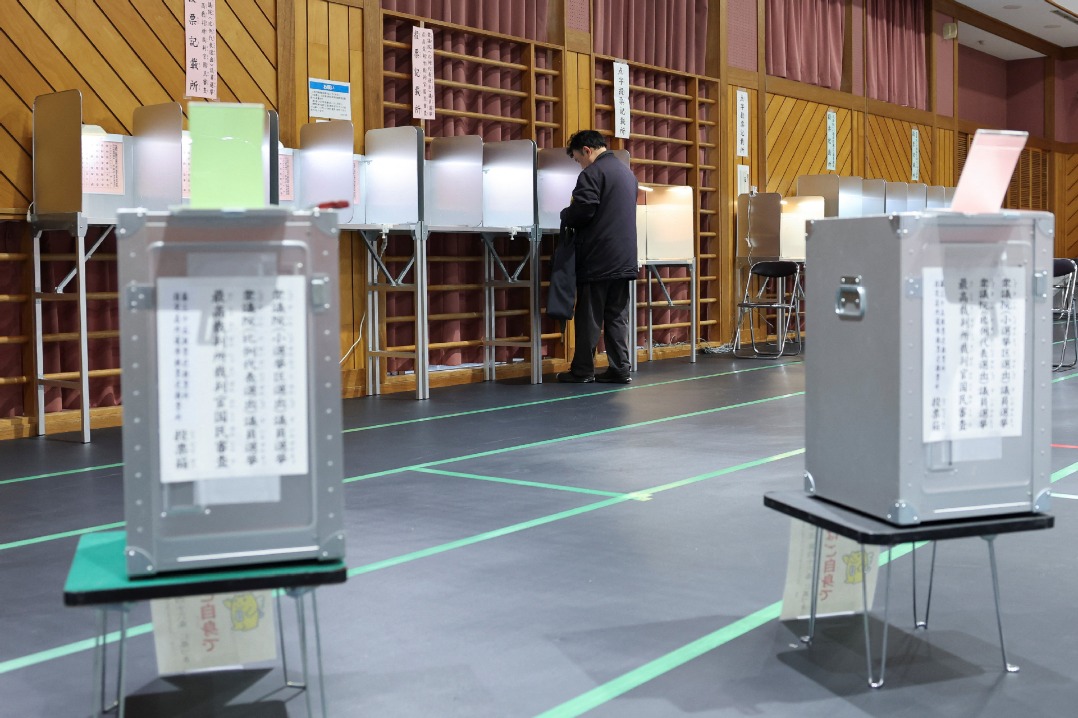
    TOKYO – Japanese voters commenced casting ballots on Sunday in a pivotal general election that will determine the political trajectory of the nation for the coming years. The electoral process, which opened nationwide this morning, features an intense competition with more than 1,200 candidates vying for all 465 seats in the House of Representatives, the dominant lower house of Japan’s parliament.

    The central question dominating this electoral contest is whether the incumbent coalition government, comprising Prime Minister Sanae Takaichi’s Liberal Democratic Party and their junior partner, the Japan Innovation Party, can maintain their legislative majority. This outcome would enable the continuation of the current administration’s policies and governance approach. Alternatively, opposition forces are positioned to potentially expand their parliamentary presence and disrupt the ruling bloc’s agenda.

    Electoral operations will continue until 8:00 PM local time, with polling stations across the archipelago remaining accessible to voters throughout the day. The ballot counting process is anticipated to extend well into the night, with preliminary results expected to emerge in the early hours of Monday.

    The electoral structure divides the 465 parliamentary seats into two distinct categories: 289 representatives will be elected through single-member district contests, while the remaining 176 seats will be allocated via proportional representation across eleven regional electoral blocs. This dual-system approach aims to balance local representation with broader proportional fairness in the composition of the legislative body.

  • Portugal chooses between a moderate and a populist in runoff presidential election

    Portugal chooses between a moderate and a populist in runoff presidential election

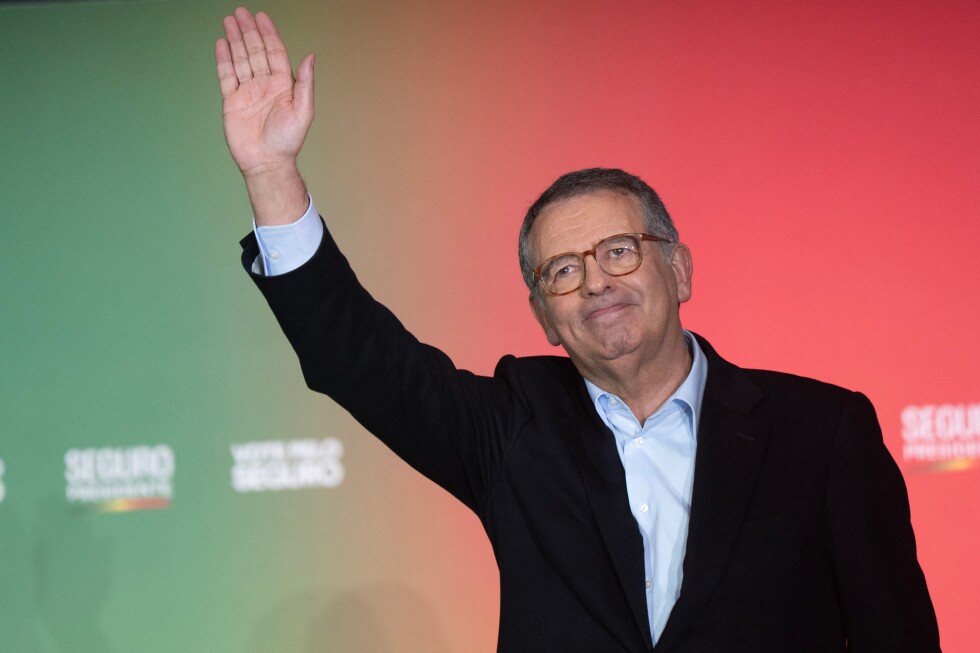
    LISBON, Portugal — Portugal’s presidential runoff election on Sunday presents a stark ideological choice between center-left stability and hard-right populism, with Socialist candidate António José Seguro positioned to defeat André Ventura’s surging Chega (Enough) party according to recent polling data.

    Opinion surveys indicate Seguro is likely to secure approximately twice the vote share of his far-right opponent in this decisive second round. The runoff became necessary after January’s initial voting failed to produce any candidate achieving the required 50% majority threshold.

    Ventura’s advancement to the final round marks a significant milestone for his anti-establishment movement, which has rapidly gained political influence amid Europe’s broader rightward shift. His campaign has centered on anti-immigrant rhetoric and confrontational politics, featuring provocative billboards stating “This isn’t Bangladesh” and criticizing welfare benefits for immigrants.

    By contrast, Seguro has campaigned as a moderate consensus-builder who would cooperate with Portugal’s center-right minority government while rejecting Ventura’s divisive rhetoric. The Socialist candidate brings decades of political experience to a race that tests the resilience of Portugal’s traditional political norms.

    Though largely ceremonial, the Portuguese presidency carries substantial influence through veto power over legislation and the authority to dissolve parliament—a capability known in local political jargon as the “atomic bomb” option. The election occurs amid significant political turbulence, with Portugal having held three general elections in three years due to ongoing governmental instability.

    The winner will succeed center-right President Marcelo Rebelo de Sousa, who concludes his maximum two-term limit in March. This transition comes at a critical juncture for Portuguese democracy as it confronts the challenge of populist movements gaining traction within established European political systems.

  • Australia’s opposition coalition reunites after row over hate-speech laws

    Australia’s opposition coalition reunites after row over hate-speech laws

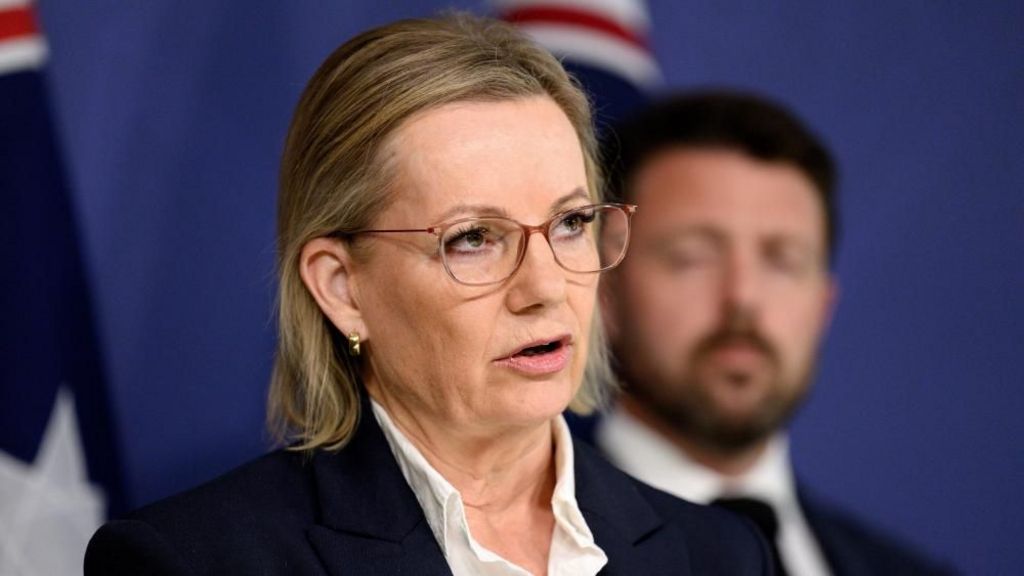
    Australia’s center-right political alliance has formally reconciled following a contentious three-week separation triggered by disagreements over proposed hate speech legislation. The Liberal-National Coalition, the nation’s primary opposition force, announced its reunification on Sunday with joint appearances by Liberal Leader Sussan Ley and Nationals Leader David Littleproud in the capital Canberra.

    The political fracture originated on January 22nd when the National Party, expressing constitutional concerns regarding free speech protections, declined to support government-proposed reforms. These legislative measures were introduced following December’s tragic Bondi Beach attack where two assailants targeted a Jewish festival, resulting in 15 fatalities.

    Ley characterized the reunion as forward-looking, stating: “The Coalition is back together and looking to the future, not to the past.” Littleproud acknowledged the substantive nature of the disagreement, noting: “It’s been disappointing, we’ve got to where we are but it was over a substantive issue.”

    This marks the coalition’s second separation within twelve months, following a May 2023 split primarily concerning climate and energy policy that was resolved within seven days. The current reconciliation includes a strengthened governance agreement establishing that neither party can unilaterally overturn decisions made by the coalition’s joint shadow cabinet.

    The controversial legislation at the heart of the dispute contains provisions authorizing the banning of organizations deemed to propagate hate speech and implementing enhanced penalties for religious leaders advocating violence. While Liberal parliamentarians ultimately supported the government’s position, National Party members abstained from voting in the lower house and opposed the measure in the senate, arguing the proposals were hastily constructed and threatened fundamental free speech rights.

    Dating to the 1940s, the coalition had maintained uninterrupted partnership since 1987 until last year’s ruptures. The alliance now confronts mounting pressure from populist movements including Senator Pauline Hanson’s anti-immigration One Nation party, which has gained significant polling traction while the Liberals suffered substantial seat losses in the most recent federal election.

  • Israel’s Netanyahu expected to meet Trump in US on Wednesday, discuss Iran

    Israel’s Netanyahu expected to meet Trump in US on Wednesday, discuss Iran

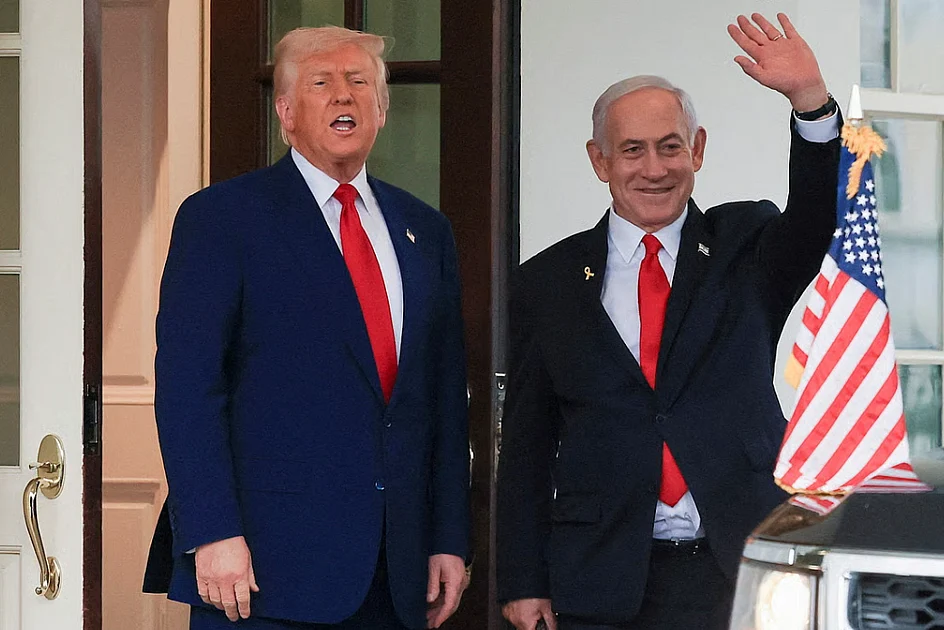
    Israeli Prime Minister Benjamin Netanyahu is scheduled to convene with U.S. President Donald Trump this Wednesday in Washington, D.C., for a high-stakes diplomatic meeting centered on Iran. The announcement, released by Netanyahu’s office on Saturday, February 7th, 2026, confirms the leaders will deliberate on the ongoing negotiations with the Islamic Republic.

    The official statement from the Prime Minister’s office outlined Israel’s non-negotiable prerequisites for any potential agreement. It emphasized that Prime Minister Netanyahu’s position is that substantive talks must explicitly encompass two critical pillars: the stringent limitation of Iran’s ballistic missile development programs and the complete cessation of Tehran’s support for its regional proxy networks, often referred to as the ‘axis of resistance’.

    This upcoming summit occurs amidst a complex geopolitical backdrop, with U.S.-Iran talks anticipated to resume in the near future. The meeting signifies a crucial moment for the two allies to synchronize their strategic approach, underscoring the enduring strength of the U.S.-Israel partnership on matters of regional security. The dialogue is expected to shape the Western diplomatic stance toward Iran, highlighting shared concerns over its military capabilities and influential reach across the Middle East.

  • Kim expected to issue major policy goals at North Korea party congress in late February

    Kim expected to issue major policy goals at North Korea party congress in late February

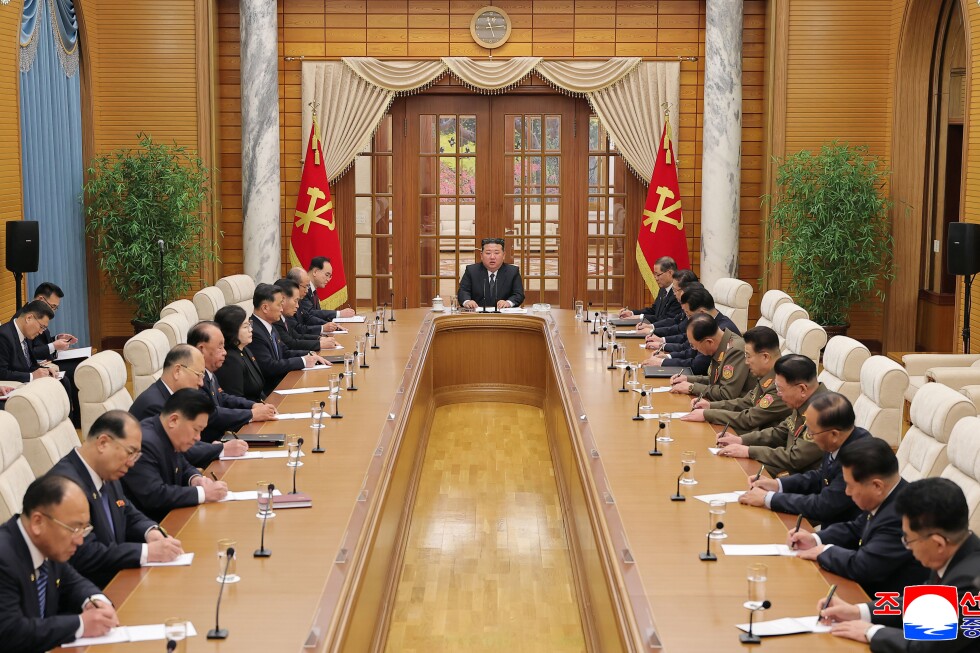
    SEOUL, South Korea — North Korea has announced plans to convene a significant Workers’ Party congress in late February, where Supreme Leader Kim Jong Un is anticipated to unveil his strategic vision for both domestic governance and international relations over the coming five-year period. This pivotal political gathering, confirmed by the Korean Central News Agency following a Politburo meeting supervised by Kim himself, marks the third such congress under his leadership since 2016.

    The upcoming congress occurs against a backdrop of dramatically heightened geopolitical tensions, characterized by Pyongyang’s accelerated nuclear weapons development and increasingly assertive military partnerships with Moscow. Observers anticipate this meticulously orchestrated event will serve as a platform for Kim to reinforce his authoritarian leadership while announcing ambitious plans to simultaneously strengthen nuclear capabilities and pursue economic development through mass mobilization strategies.

    Recent weeks have seen Kim conducting high-profile inspections of weapons testing facilities and military installations, with state media consistently attributing national advancements to his ‘immortal leadership.’ Analysts interpret these activities as preparatory moves setting the stage for congress announcements that will likely include plans to upgrade conventional weapons systems and further integrate them with nuclear forces.

    Kim’s foreign policy approach has undergone significant transformation since the 2021 congress, with Pyongyang forging deeper alliances with Russia and China while adopting increasingly adversarial stances toward South Korea and the United States. The leader has effectively leveraged global conflicts, particularly Russia’s invasion of Ukraine, to advance weapons testing programs and secure strategic partnerships—including substantial arms exports to Moscow that have reportedly provided economic benefits.

    Despite these geopolitical maneuvers, Kim has maintained a firm rejection of diplomatic overtures from the United States, insisting that Washington abandon demands for nuclear disarmament as a precondition for talks. As Kim enters his 15th year in power, he appears positioned more strongly than during the pandemic-challenged 2021 congress, with indications of economic improvement through resumed trade with China and military exports to Russia.

  • Thailand votes in early election with 3 main parties vying for power

    Thailand votes in early election with 3 main parties vying for power

    BANGKOK — Thailand stands at a political crossroads as millions of voters participate in Sunday’s snap general election, confronting a complex electoral landscape shaped by competing ideologies and power dynamics. The electoral contest emerges as a triangular struggle between progressive reformism, establishment conservatism, and traditional patronage politics.

    The electoral battlefield presents three dominant forces with distinct visions: the reform-oriented People’s Party, the establishment-backed Bhumjaithai Party led by incumbent Prime Minister Anutin Charnvirakul, and the populist Pheu Thai Party representing the political machinery of exiled billionaire Thaksin Shinawatra. This political trifecta operates within a nation grappling with economic stagnation and rising nationalist sentiments.

    Electoral projections indicate no single party will secure an outright parliamentary majority, necessitating complex coalition negotiations. The progressive People’s Party, successor to the dissolved Move Forward Party that triumphed in the 2023 elections, faces significant governing obstacles despite potential plurality victory. Its reform agenda targeting military, police, and judicial institutions faces resistance from conservative power structures.

    Prime Minister Anutin’s Bhumjaithai Party has leveraged recent border tensions with Cambodia to bolster its national security credentials, rebranding its leadership image following earlier challenges from natural disasters and financial controversies. The party employs sophisticated grassroots mobilization techniques and traditional patronage networks, particularly in the vote-rich northeastern regions.

    Meanwhile, the Pheu Thai Party continues its political resilience campaign, utilizing populist economic policies and the enduring influence of the Shinawatra political dynasty. The party has moderated its stance to gain acceptability within Thailand’s conservative establishment, nominating Thaksin’s nephew as its premier candidate while emphasizing economic revitalization and direct cash distribution programs.

    Adding constitutional significance to the election, voters simultaneously consider a referendum authorizing parliamentary proceedings to replace the 2017 military-drafted charter. This constitutional question highlights the fundamental divide between pro-democracy advocates seeking reduced military influence and conservatives prioritizing political stability.