分类: politics

  • Top Hamas leader rejects disarmament or ‘foreign rule’

    Top Hamas leader rejects disarmament or ‘foreign rule’

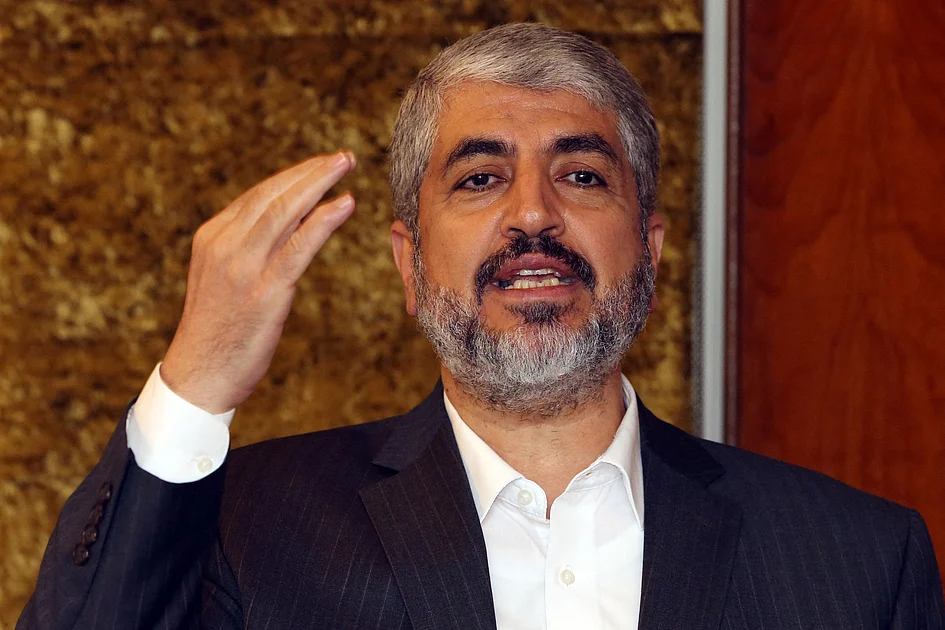
    In a definitive address delivered at a Doha conference on Sunday, senior Hamas leader Khaled Meshal emphatically declared the Palestinian Islamist movement’s refusal to surrender its weapons or accept foreign governance in Gaza. This stance directly challenges key demands from both Israeli and American authorities regarding the territory’s future.

    Meshal, a former head of the organization, stated that resistance remains an inherent right for occupied peoples. ‘Criminalising the resistance, its weapons, and those who carried it out is something we should not accept,’ he asserted before attendees. ‘As long as there is occupation, there is resistance. Resistance is a right of peoples under occupation… something nations take pride in.’

    The declaration comes during the second phase of a US-brokered ceasefire that envisions demilitarization of Gaza alongside a gradual Israeli military withdrawal. While Hamas has consistently maintained that disarmament represents an absolute ‘red line,’ the group has previously indicated potential willingness to transfer weapons to a future Palestinian governing authority.

    Current governance discussions center around a newly established Palestinian technocratic committee tasked with administering Gaza’s daily affairs. However, the critical question of how demilitarization might be implemented remains unresolved. This committee operates under the recently formed ‘Board of Peace’ initiative launched by US President Donald Trump during last month’s World Economic Forum in Davos.

    Originally conceived to oversee ceasefire implementation and reconstruction efforts, the Board’s expanding mandate has raised concerns among critics who fear it could potentially evolve into a rival institution to the United Nations. The accompanying Gaza Executive Board—an advisory panel featuring prominent international figures including US envoys Steve Witkoff and Jared Kushner, along with former British Prime Minister Tony Blair—provides additional oversight.

    Meshal specifically addressed the Board of Peace, urging adoption of a ‘balanced approach’ that facilitates reconstruction and humanitarian aid delivery for Gaza’s 2.2 million residents. Simultaneously, he issued a stark warning against foreign intervention: ‘We adhere to our national principles and reject the logic of guardianship, external intervention, or the return of a mandate in any form. Palestinians are to govern Palestinians. Gaza belongs to the people of Gaza and to Palestine. We will not accept foreign rule.’
  • Iran warns will not give up uranium enrichment despite US war threat

    Iran warns will not give up uranium enrichment despite US war threat

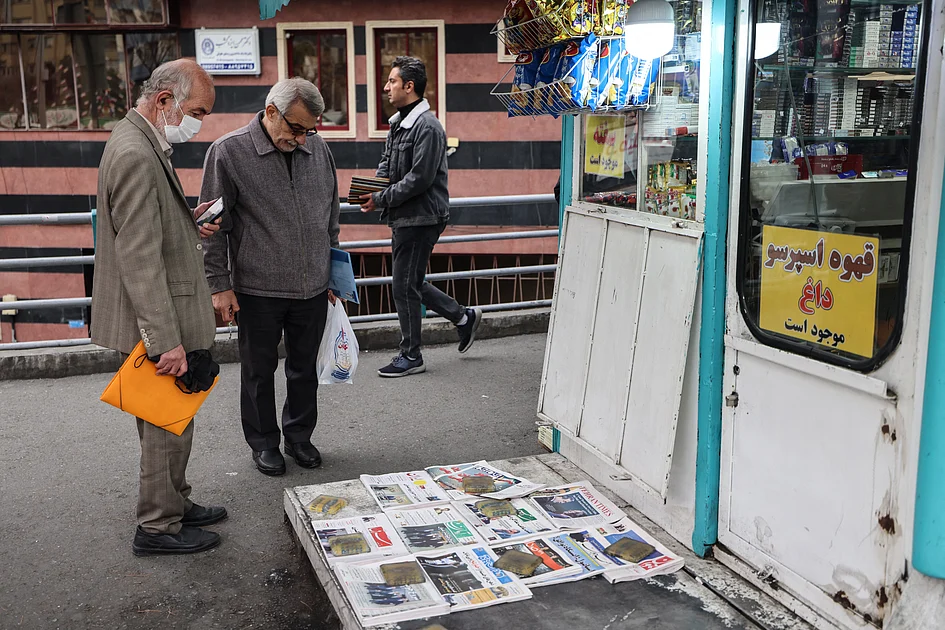
    Iran has issued a resolute declaration that it will never relinquish its uranium enrichment capabilities, even if faced with the prospect of military conflict with the United States. The stern warning came from Iranian Foreign Minister Abbas Araghchi during a public forum in Tehran on Sunday, just two days after holding diplomatic discussions with US envoy Steve Witkoff in Oman.

    ‘No nation possesses the authority to dictate our sovereign decisions,’ Araghchi asserted before the assembled audience. ‘Iran has made substantial sacrifices to develop its peaceful nuclear program and uranium enrichment capabilities. This is precisely why we remain steadfast in our position regarding enrichment, even if confronted with the imposition of warfare.’

    The minister’s remarks represent Tehran’s most unequivocal response to recent US diplomatic pressure and military posturing. The meeting in Oman marked the first high-level contact between the two nations amid escalating regional tensions and fears of potential confrontation.

    Araghchi emphasized that Iran considers uranium enrichment an inalienable right that forms the cornerstone of its nuclear energy program. His statements underscore the significant diplomatic chasm that persists between Washington and Tehran regarding Iran’s nuclear ambitions, despite the recent diplomatic engagement in Oman which officials described as a ‘productive beginning.’

    The development occurs against a backdrop of increased military preparedness in the region, with both nations maintaining robust military presences in the Persian Gulf. International observers continue to monitor the situation closely, concerned that miscalculations from either side could trigger broader regional conflict.

  • Meloni condemns anti-Olympics actions in Milan, calling demonstrators ‘enemies of Italy’

    Meloni condemns anti-Olympics actions in Milan, calling demonstrators ‘enemies of Italy’

    Italian Premier Giorgia Meloni has issued a forceful condemnation against perpetrators of coordinated railway sabotage and violent protests targeting the Winter Olympics in Milan, branding them as “enemies of Italy and Italians.” The statement came early Sunday following significant disruptions to Italy’s rail infrastructure during the Games’ opening day.

    The transport ministry has initiated a terrorism investigation into synchronized attacks on northern Italian railway lines that caused hours-long delays affecting thousands of passengers. According to ANSA news agency, the sabotage began around 6 a.m. Saturday at Bologna’s central rail hub—critical for north-south traffic—before striking coastal lines in the Pesaro area. Infrastructure was reportedly burned or cut in both incidents, though no group has claimed responsibility.

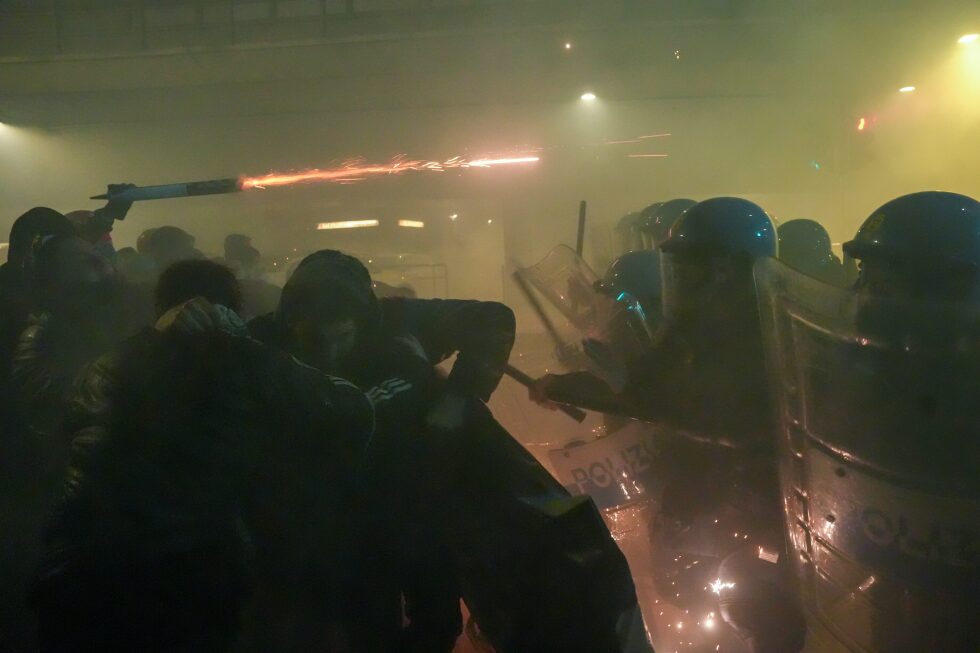
    Simultaneously, Milan witnessed violent clashes as police deployed tear gas and water cannons against dozens of protesters attempting to access a highway near Olympic venues. The confrontation concluded a larger peaceful demonstration involving approximately 10,000 participants opposing the Games’ environmental impact and the presence of U.S. Homeland Security agents.

    The protests featured symbolic displays including cardboard cutouts representing trees felled for Olympic construction and performances against U.S. Immigration and Customs Enforcement (ICE). A smaller masked faction set off smoke bombs and firecrackers near the Athletes’ Village before being contained by authorities.

    Meloni’s government recently implemented a security decree permitting 12-hour detentions for suspected protest agitators—a measure criticized by opposition lawmakers as restricting freedom of expression. The Premier emphasized solidarity with law enforcement and Olympic volunteers while vowing to seek millions in compensation from perpetrators.

    International Olympic Committee spokesperson Mark Adams distinguished between legitimate protest and violence, stating: “Peaceful protest is legitimate, but we draw a line at violence. That has no place at the Olympic Games.”

    The demonstrations coincided with U.S. Vice President JD Vance’s visit as head of the American delegation, though officials clarified that ICE personnel in Italy are from investigative units operating within diplomatic confines rather than immigration enforcement roles.

  • Thailand’s general election begins amid looming political turmoil

    Thailand’s general election begins amid looming political turmoil

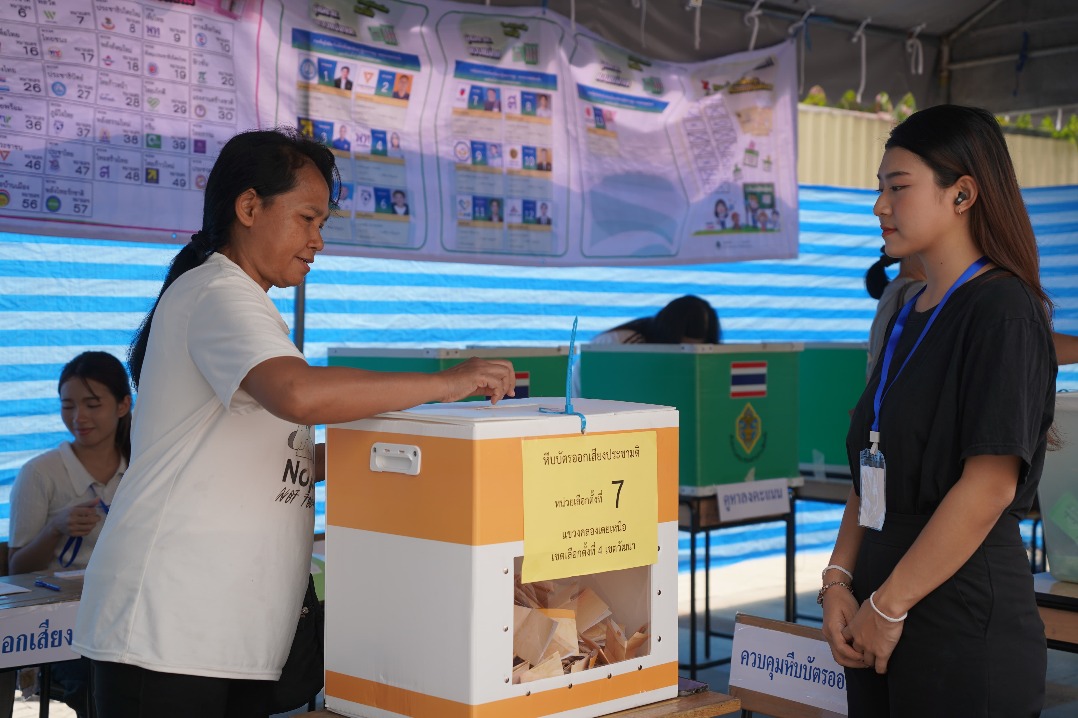
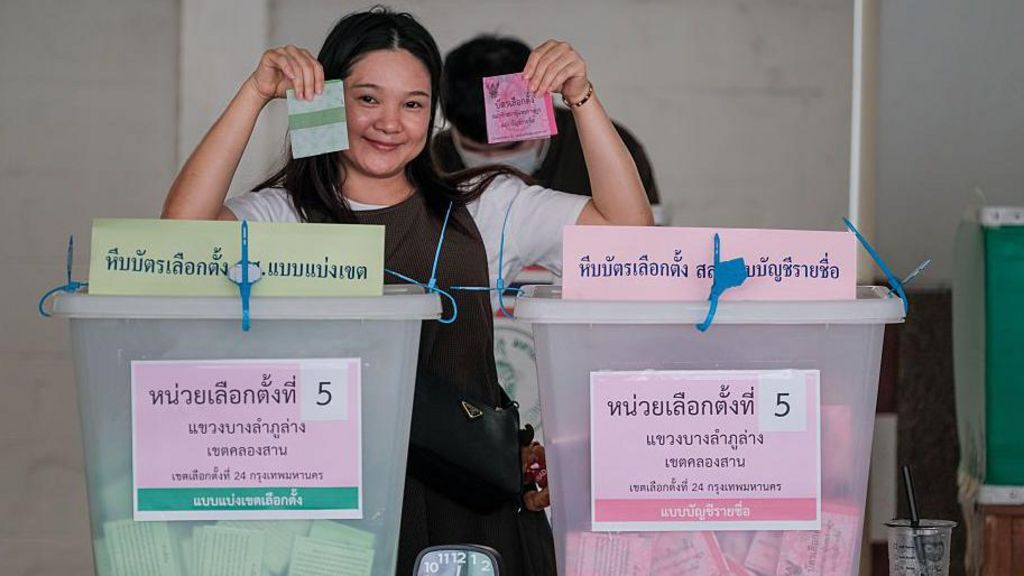
    Thailand commenced its highly anticipated general election today at 8:00 AM local time, marking a critical juncture in the nation’s prolonged political landscape. The electoral process, unfolding across 99,538 polling stations nationwide, will determine the country’s next prime minister and governing administration for the subsequent four-year term.

    With approximately 52.9 million eligible voters participating, substantial security measures have been implemented, including the deployment of over 126,000 police officers to ensure electoral integrity. The political arena features fierce competition among 57 parties fielding parliamentary candidates, while 43 parties have put forward 93 individuals vying for the prime ministerial position.

    Key contenders in this electoral contest include Prime Minister Anutin Charnvirakul’s Bhumjaithai Party, the progressive People’s Party led by Natthaphong Ruengpanyawut, and the Shinawatra family-backed Pheu Thai party, according to pre-election polling data.

    This election operates under a significantly transformed electoral system implemented in 2021, which enables qualified individuals without traditional political backing to secure parliamentary positions through party affiliations. Voters receive two ballot papers—one for selecting constituency members of parliament and another for choosing their preferred governing party—departing from the mixed-member proportional representation system used in the 2019 elections.

    The House of Representatives will comprise 500 members, with 400 elected from constituencies and 100 selected from party lists. Additionally, voters will consider a constitutional referendum regarding the potential creation of a new constitution through a separate yellow ballot form.

    A pivotal constitutional change eliminates Senate participation in prime ministerial selection, requiring the successful candidate to secure an absolute majority of at least 251 votes from the House of Representatives alone.

  • Ethiopia calls on Eritrea to pull its troops back to the border

    Ethiopia calls on Eritrea to pull its troops back to the border

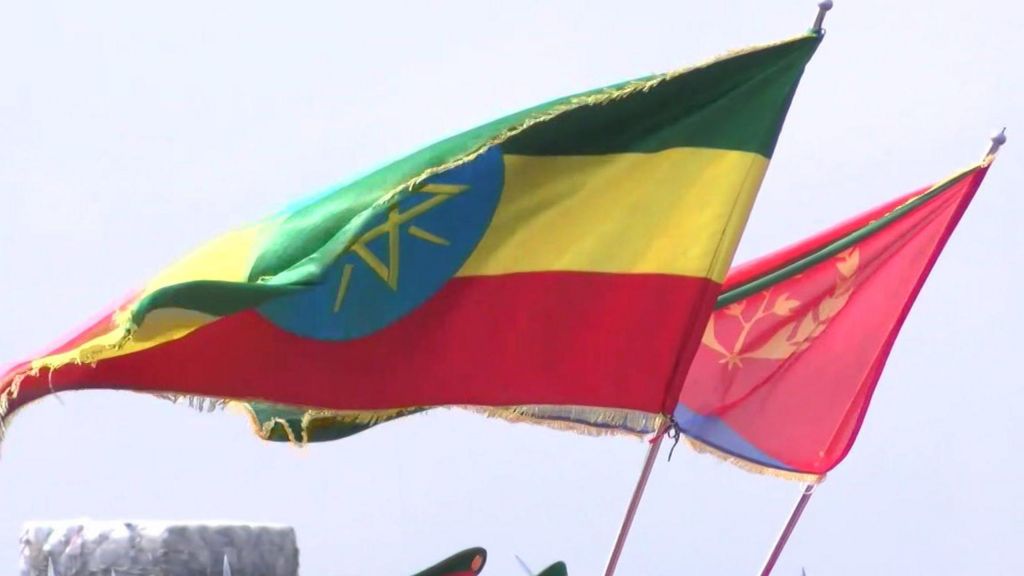
    Ethiopia has formally demanded the immediate withdrawal of Eritrean forces from its territory, escalating diplomatic tensions between the two historically adversarial nations. In a strongly-worded diplomatic letter, Ethiopian Foreign Minister Gedion Timothewos accused Eritrea of conducting joint military exercises with Ethiopian rebel factions along the northwestern border while supplying them with weapons—actions described as “outright aggression.

    The allegations emerge against a complex backdrop of shifting alliances. Despite previously collaborating during Ethiopia’s recent civil war, where Eritrean forces supported Ethiopian troops against Tigrayan rebels, relations have deteriorated significantly. Minister Timothewos stated that “developments over the last few days indicate that the Government of Eritrea has chosen the path of further escalation,” citing troop movements into northeastern Ethiopian territory.

    Eritrea has not responded to the latest accusations but has consistently denied previous claims of border incursions. The current tensions are further complicated by Ethiopia’s renewed emphasis on sea access, with Prime Minister Abiy Ahmed characterizing it as an existential priority. The foreign minister’s letter suggested that Eritrean withdrawal could facilitate negotiations regarding “access to the sea through the port of Assab.

    Adding to diplomatic strains, Prime Minister Abiy recently alleged for the first time that Eritrean troops committed massacres in the historic city of Aksum during the 2020-2022 Tigray conflict—claims Eritrea had previously denied. Meanwhile, Ethiopia now asserts that Eritrea supports Tigrayan rebels opposing the peace agreement that ended the civil war, with Ethiopian police reportedly intercepting thousands of rounds of Eritrean-supplied ammunition destined for rebels last month.

    Eritrea has countered such allegations by accusing Ethiopia of “floating false flags to justify the war that it has been itching to unleash for two long years.” The situation remains volatile, with observers concerned about potential renewed conflict between the nations that fought a devastating border war from 1998-2000 that claimed over 100,000 lives.

  • Japan votes in Lower House election

    Japan votes in Lower House election

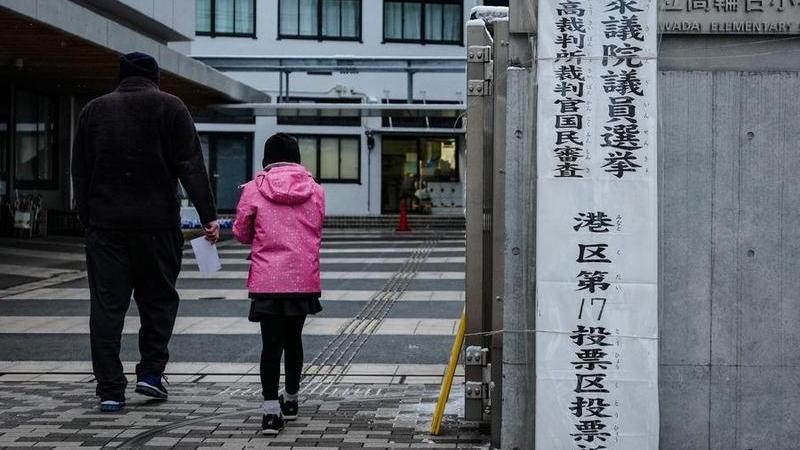
    Japanese citizens headed to polling stations across the nation on Sunday, February 8, 2026, to cast their votes in a pivotal general election that will determine the composition of the House of Representatives. The electoral contest features over 1,200 candidates vying for control of the 465-seat lower chamber of parliament, with the political stability of Prime Minister Sanae Takaichi’s administration hanging in the balance.

    The central question dominating this electoral battle is whether the ruling coalition—comprising the Liberal Democratic Party (LDP) and the Japan Innovation Party (JIP)—can maintain its parliamentary majority. Securing at least 233 seats would provide the government with greater legislative stability and facilitate smoother budget approvals. Even when facing opposition in the upper house, where the coalition lacks majority control, approved budgets can automatically take effect after certain procedural requirements are met.

    However, the ruling bloc’s minority status in the upper chamber remains unchanged regardless of the lower house outcome, meaning proposed legislation will still necessitate cross-party negotiations and opposition support. Prime Minister Takaichi has publicly committed to resigning if her coalition fails to achieve majority status, placing significant personal stakes on the election results.

    The political landscape has been reshaped by the emergence of the Centrist Reform Alliance, a new opposition bloc formed through an alliance between the Constitutional Democratic Party and Komeito, which previously collaborated with the LDP. The electoral system allocates 289 seats through single-member districts and 176 through proportional representation across 11 regional blocs.

    Voting concluded at 8:00 PM local time, though some polling stations closed earlier due to severe weather conditions including heavy snowfall. The Ministry of Internal Affairs and Communications anticipates complete vote counting by approximately noon on Monday, with the nation awaiting results that will shape Japan’s political trajectory for the coming years.

  • Three suspects in Russian general shooting named, including alleged gunman

    Three suspects in Russian general shooting named, including alleged gunman

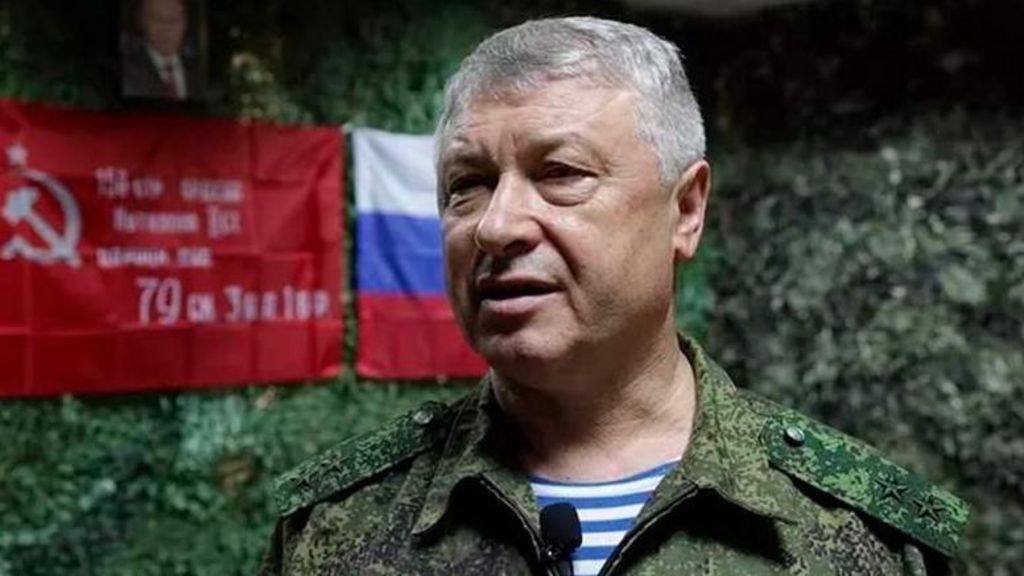
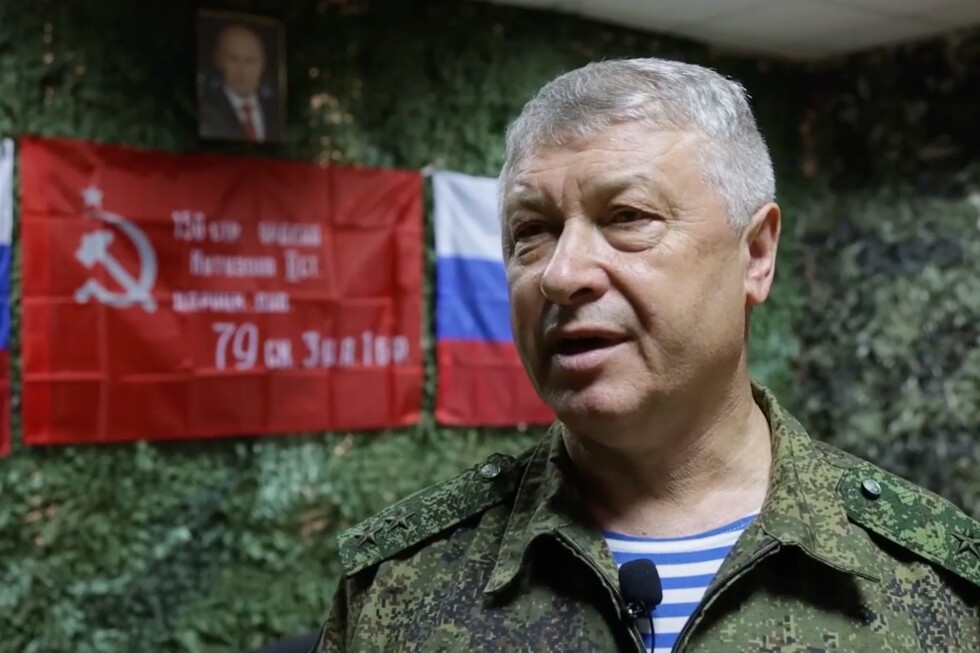
    Russian authorities have formally identified three individuals allegedly involved in the shooting of Lieutenant General Vladimir Alexeyev, the deputy head of Russia’s GRU military intelligence. The Investigative Committee (SK) has named Russian citizen Lyubomir Korba as the primary suspect who allegedly carried out the attack under directives from Ukrainian intelligence services.

    The incident occurred Friday in a residential complex in Moscow’s northwestern outskirts, where the 64-year-old general was shot three times before the assailant fled. After undergoing emergency surgery, Alexeyev has reportedly regained consciousness according to Russian media sources.

    Investigative Committee spokeswoman Svetlana Petrenko detailed that Korba traveled to the United Arab Emirates hours after the shooting but was subsequently arrested and extradited back to Russia. State television channel Ru-24 broadcast footage showing security personnel escorting Korba from an aircraft at an undisclosed location.

    Forensic examination revealed the weapon used was a Makarov pistol equipped with a silencer and three rounds of ammunition. Petrenko further indicated that at least two accomplices were involved—Viktor Vasin, who has been arrested in Moscow, and Zinaida Serebritskaya, believed to have fled to Ukraine.

    The attack represents the latest targeting of high-ranking Russian military officials since the commencement of full-scale hostilities in Ukraine in February 2022. Ukrainian Foreign Minister Andriy Sybiha has categorically denied Kyiv’s involvement, characterizing the incident as an internal Russian matter. Conversely, Russian Foreign Minister Sergei Lavrov has accused Ukraine of attempting to disrupt ongoing peace negotiations.

    The context is particularly sensitive given that Alexeyev’s superior, GRU head Admiral Igor Kostyukov, has been leading Russian delegations in trilateral talks with Ukraine and the United States in Abu Dhabi. This incident follows previous attacks on Russian military leadership, including the January 2024 killing of General Igor Kirillov and the December 2025 assassination of Lieutenant General Fanil Sarvarov, both of which Ukraine’s SBU intelligence service allegedly claimed responsibility for.

  • Polls close in Thailand election that pitted reformists against conservatives

    Polls close in Thailand election that pitted reformists against conservatives

    Thailand stands at a critical political juncture as citizens cast their ballots in a snap election triggered by the collapse of successive coalition governments. This marks the nation’s third premiership transition within as many years, reflecting profound political instability.

    The electoral landscape mirrors the 2023 contest, pitting progressive reformers from the People’s Party against the conservative establishment led by incumbent Prime Minister Anutin Charnavirakul. Despite previous electoral victories, reformist factions have faced systematic barriers including parliamentary blockades by military-appointed senators and constitutional court interventions that dissolved predecessor parties.

    Prime Minister Anutin has transformed his formerly regional Bhumjaithai (Thai Pride) party into the dominant conservative vehicle, leveraging patriotic sentiment following recent border conflicts with Cambodia. His platform emphasizes preservation of traditional institutions including the monarchy and military.

    Complicating the political calculus, the Shinawatra family’s Pheu Thai (For Thais) party—historically dominant through populist policies—faces diminished prospects following accusations of mishandling foreign relations and the imprisonment of patriarch Thaksin Shinawatra. Both major parties have deployed substantial subsidy promises and cash handout proposals to attract voters.

    Beyond the immediate electoral contest, citizens simultaneously participate in a constitutional referendum addressing the 2017 charter drafted under military rule. Critics argue this document excessively empowers non-elected entities, particularly the senate, thereby constraining democratic governance.

    The economic backdrop remains concerning, with political uncertainty and structural stagnation causing foreign investment hesitation and rising living costs. Voters express particular concern about Thailand’s competitive decline relative to regional neighbors like Vietnam.

    Despite leading pre-election polls, the People’s Party faces institutional hurdles even if achieving electoral success. Historical precedent shows two previous reformist iterations dissolved by judicial intervention, with leaders barred from political participation. Similar interventions have affected five Pheu Thai premiers since 2008.

    Election results expected by 22:00 local time (15:00 GMT) will likely produce no outright majority, setting the stage for continued political maneuvering and potential extra-electoral interventions that could determine Thailand’s governance direction for years to come.

  • Nigeria’s president to make a state visit to the UK in March

    Nigeria’s president to make a state visit to the UK in March

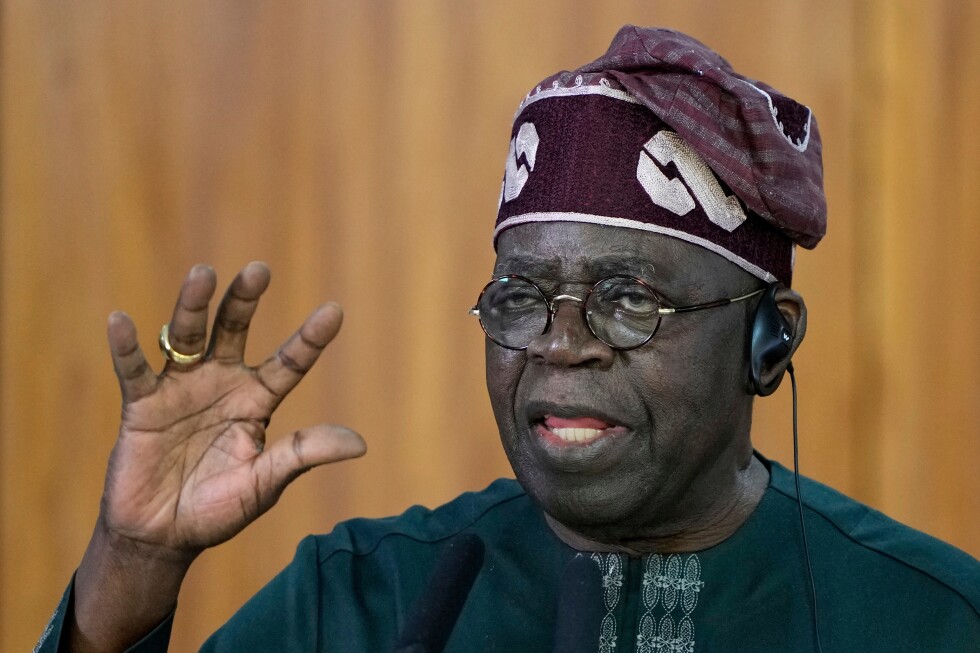
    Buckingham Palace announced on Sunday that Nigerian President Bola Tinubu will undertake an official state visit to the United Kingdom on March 18-19, 2025, marking the first such diplomatic engagement by a Nigerian head of state in nearly four decades. President Tinubu and First Lady Oluremi Tinubu will be formally hosted by King Charles III and Queen Camilla at Windsor Castle, with full itinerary details to be released subsequently.

    This visit represents a significant milestone in UK-Nigeria relations, as the last state visit by a Nigerian leader occurred in 1989. State visits typically feature ceremonial traditions including an official royal reception, carriage procession, and elaborate state banquet, symbolizing the highest level of diplomatic recognition.

    The upcoming engagement continues a longstanding relationship between the British monarchy and Nigeria, a Commonwealth member nation. King Charles has maintained consistent engagement with Nigeria, having visited four times between 1990 and 2018 during his tenure as Prince of Wales. Most recently, he received President Tinubu at Buckingham Palace in September 2024, establishing precedent for their upcoming Windsor Castle meeting.

    The visit places Nigeria among select nations honored with state visits during King Charles’s reign, following similar ceremonies for world leaders including U.S. President Donald Trump, French President Emmanuel Macron, and German President Frank-Walter Steinmeier in the past year.

  • Suspect in shooting of senior Russian general has been detained, Russia says

    Suspect in shooting of senior Russian general has been detained, Russia says

    Russian authorities have announced the detention of a suspect allegedly responsible for the shooting of Lieutenant General Vladimir Alekseyev, first deputy chief of Russia’s military intelligence agency (GRU). The Federal Security Service (FSB) identified the apprehended individual as Lyubomir Korba, a Russian citizen captured in Dubai and subsequently extradited to Moscow.

    The incident occurred Friday when an assailant shot General Alekseyev multiple times at an apartment complex in northwestern Moscow. The 64-year-old intelligence veteran, decorated as a Hero of Russia for his role in Syria operations, was hospitalized following the attack.

    FSB investigations have revealed two additional accomplices—one already detained in Moscow and another reportedly fled to Ukraine. Russian Foreign Minister Sergey Lavrov characterized the assault as a apparent ‘terrorist act’ orchestrated by Ukraine to undermine ongoing peace negotiations.

    This shooting follows a pattern of targeted attacks against Russian military leadership. Since the 2022 invasion of Ukraine, multiple high-ranking officers have been assassinated, including Lieutenant General Fanil Sarvarov (killed by car bomb in December), Lieutenant General Yaroslav Moskalik (car bomb assassination in April), and Lieutenant General Igor Kirillov (killed by explosive device in December 2024). Ukrainian intelligence has claimed responsibility for several of these operations.

    The timing is particularly significant as the attack occurred immediately following peace talks in Abu Dhabi involving Russian, Ukrainian, and U.S. negotiators. General Alekseyev’s superior, GRU chief Admiral Igor Kostyukov, led the Russian delegation in these discussions.

    Kyiv has not responded to Russia’s latest allegations regarding General Alekseyev’s shooting. President Zelenskyy previously acknowledged Ukraine’s ‘liquidation’ of top Russian military figures without specifying individual operations.