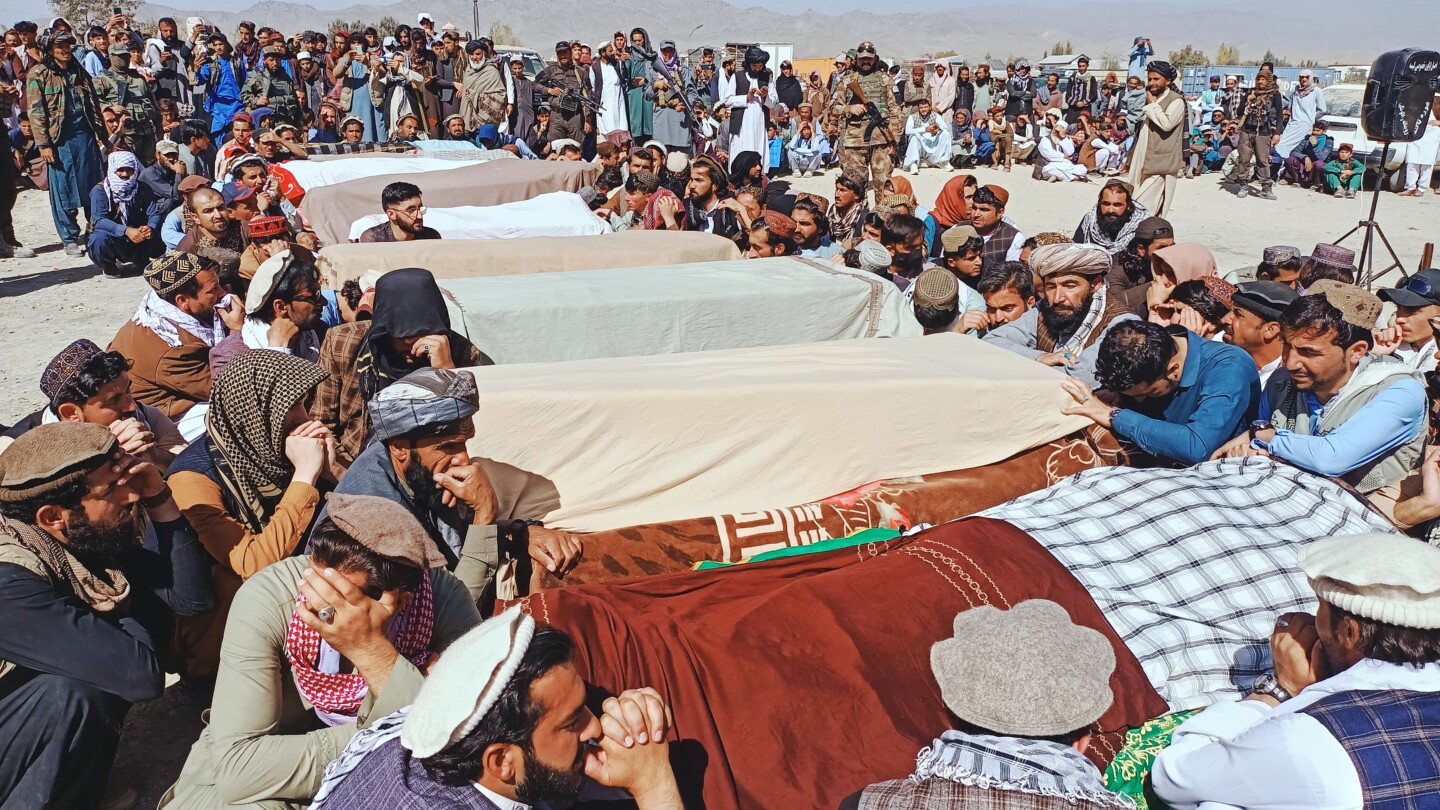
In a significant diplomatic breakthrough, Afghanistan and Pakistan have agreed to a ceasefire following weeks of escalating violence that resulted in numerous casualties and widespread injuries. The truce, mediated by Qatar and Turkey, took immediate effect on Sunday, aiming to halt hostilities between the two neighboring nations. The agreement was finalized during talks held in Doha, Qatar, a day earlier, with both sides committing to respect each other’s sovereignty and territorial integrity. The Taliban government’s chief spokesman, Zabihullah Mujahid, expressed optimism about the outcome, confirming that a bilateral agreement had been signed. Under the terms of the deal, neither country will engage in hostile actions against the other or support groups that carry out attacks. Additionally, both nations pledged to refrain from targeting each other’s security forces, civilians, or critical infrastructure. Pakistan’s Defense Minister Khawaja Asif emphasized that cross-border terrorism from Afghan territory would cease immediately. A follow-up meeting is scheduled for October 25 in Istanbul to discuss the implementation of the agreement and address bilateral claims. Both Mujahid and Asif acknowledged the crucial role played by Qatar and Turkey in facilitating the talks. The ceasefire comes amid heightened tensions, with Pakistan grappling with a surge in militancy since the Taliban’s return to power in Afghanistan in 2021. Afghanistan, meanwhile, has denied allegations of harboring militants responsible for attacks in border areas. The agreement marks a hopeful step toward de-escalation and regional stability.
分类: politics
-
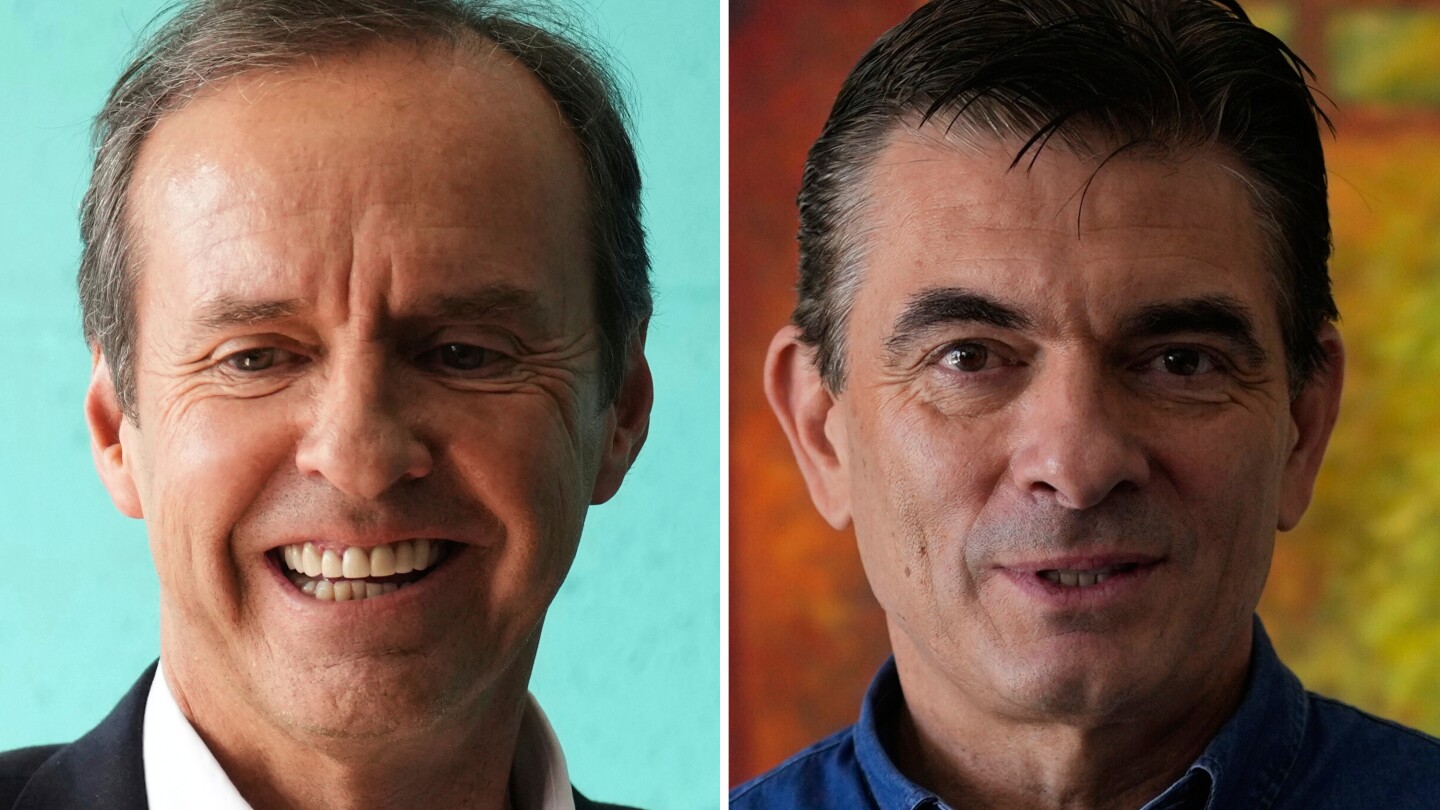
Bolivia heads to the polls in a tight runoff as voters seek a president to lift them from crisis
Bolivia is set to hold a crucial runoff presidential election on Sunday, with voters poised to choose between two conservative candidates who promise to steer the country away from nearly two decades of socialist rule under the Movement Toward Socialism (MAS) party. The election comes at a time when Bolivia is grappling with a severe economic crisis marked by a U.S. dollar shortage, skyrocketing inflation, and fuel shortages. The value of the boliviano has plummeted on the black market, and year-on-year inflation has surged to 23%, the highest since 1991. Both candidates, right-wing former President Jorge ‘Tuto’ Quiroga and centrist senator Rodrigo Paz, have positioned themselves as agents of change, vowing to dismantle the populist policies that have dominated Bolivia since Evo Morales, the country’s first Indigenous president, took office in 2006. Quiroga advocates for immediate economic reforms, including a rescue package from the International Monetary Fund (IMF) and drastic cuts in state spending. Paz, on the other hand, favors a more gradual approach, promising to phase out fuel subsidies while maintaining social protections for the poor. The election is compulsory, with approximately 7.9 million Bolivians eligible to vote. The outcome will not only determine Bolivia’s economic future but also signal a significant geopolitical shift, potentially moving the country closer to the United States and away from its current allies, China and Russia.
-
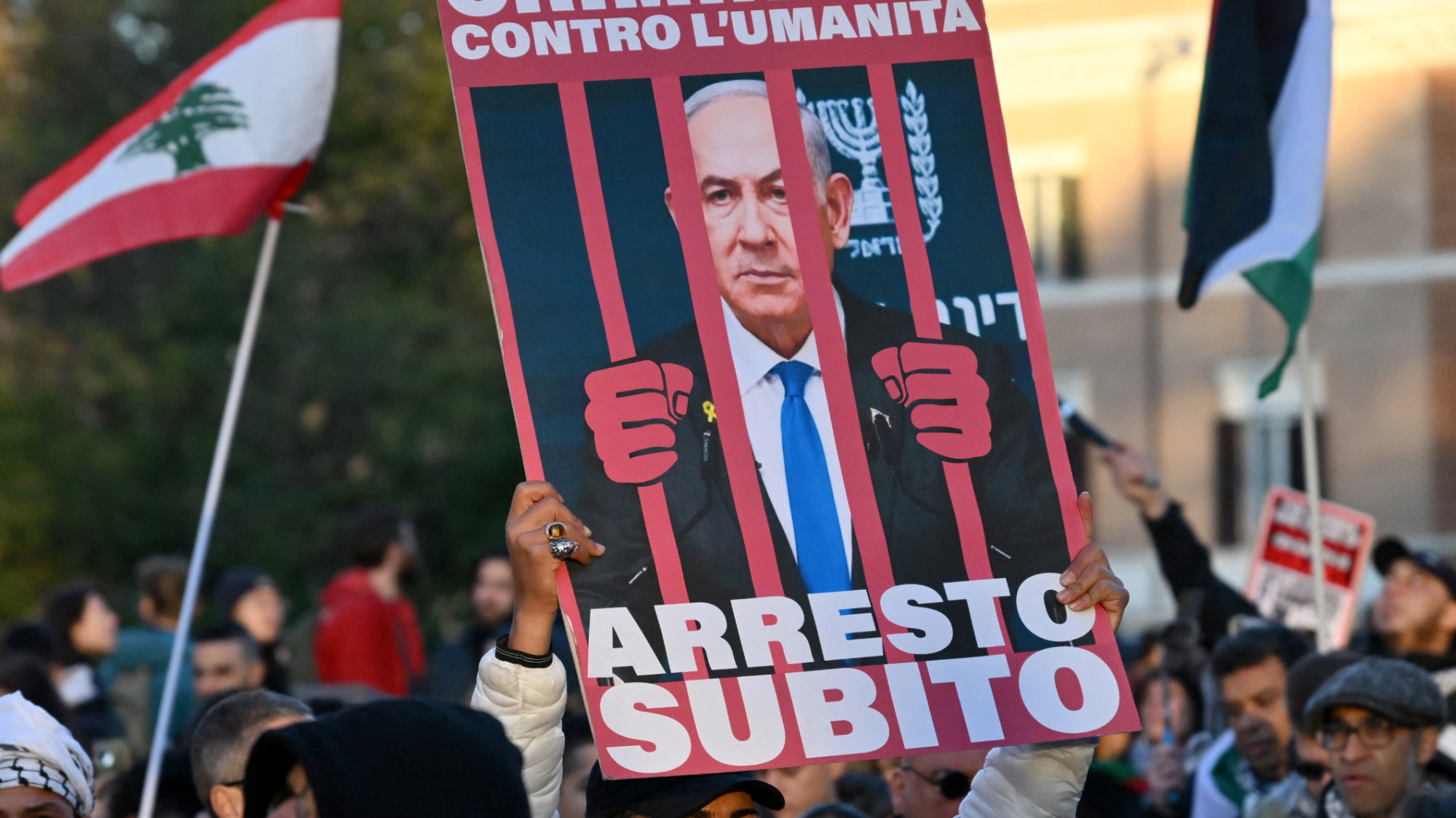
ICC rejects Israel’s appeal to cancel Netanyahu’s arrest warrant
The International Criminal Court (ICC) has firmly rejected Israel’s appeal to revoke arrest warrants issued for Prime Minister Benjamin Netanyahu and former Defence Minister Yoav Gallant. The warrants, issued in November 2024, accuse the Israeli leaders of war crimes and crimes against humanity allegedly committed in Gaza since October 2023. This marks the first time in the ICC’s 22-year history that arrest warrants have been issued against senior officials from a Western-allied nation. Israel, which is not a member of the ICC, had sought to cancel the warrants in May while a separate challenge over the court’s jurisdiction was still under review. However, the ICC dismissed the request on July 16, stating there was ‘no legal basis’ to withdraw the warrants while the jurisdiction issue remained unresolved. Israel attempted to appeal this decision a week later, but on Friday, ICC judges ruled that ‘the issue, as framed by Israel, is not subject to appeal.’ The court’s jurisdiction stems from Palestine’s 2015 membership in the ICC, allowing it to investigate crimes committed in occupied territories, including Gaza, the West Bank, and East Jerusalem. The warrants have sparked intense reactions globally. Palestinians hailed the decision as ‘historic,’ while Israeli officials condemned it as ‘antisemitic.’ The ICC has also faced criticism, threats, and punitive measures from Israel’s ally, the United States, which sanctioned several ICC judges and prosecutors, labeling the court ‘a national security threat.’ The ICC responded by calling the sanctions an attack on ‘the rules-based international order and, above all, millions of innocent victims across the world.’ Despite the warrants, the ICC lacks enforcement powers, and trials cannot proceed in absentia. The conflict in Gaza, which began on October 7, 2023, following a Hamas attack that killed approximately 1,180 Israelis, has resulted in over 68,000 Palestinian deaths, with 80% believed to be civilians. The war has also caused widespread famine and destroyed or damaged more than 83% of Gaza’s structures. Numerous international bodies and UN experts have classified Israel’s actions as acts of genocide. Recently, a ceasefire and prisoner exchange deal brokered in Egypt led U.S. President Donald Trump to declare the war over.
-

Watch: Aerials show thousands attending No Kings protests across the US
Thousands of demonstrators flooded the streets of major cities across the United States in a widespread display of dissent against President Donald Trump’s policies. The protests, organized under the banner of ‘No Kings,’ were captured in striking aerial footage, showcasing the sheer scale of the movement. Participants voiced their opposition to what they perceive as authoritarian tendencies and controversial decisions by the current administration. From New York to Los Angeles, the rallies drew a diverse crowd, including activists, students, and concerned citizens, all united in their call for accountability and change. The protests underscore the deep political divisions in the country and highlight the growing resistance to Trump’s leadership. Organizers emphasized the importance of peaceful demonstrations, urging participants to remain vigilant in their fight for democratic values. The events have sparked widespread media coverage and ignited debates about the future of American politics.
-
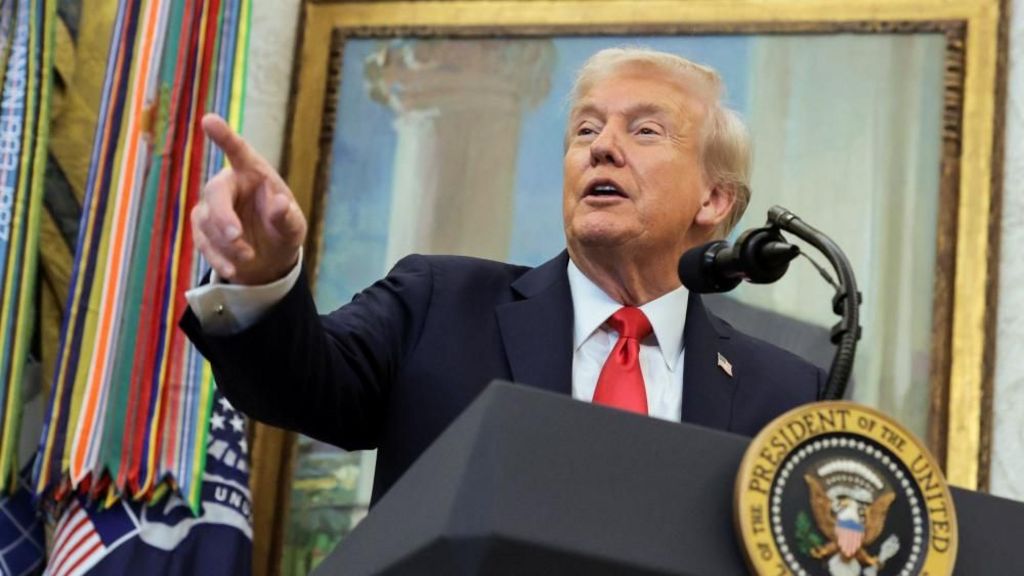
US to repatriate survivors of strike on ‘drug-carrying submarine’, Trump says
In a recent escalation of its anti-narcotics operations, the United States has conducted a targeted strike on a suspected drug-smuggling submarine in the Caribbean Sea, resulting in two fatalities and two survivors. President Donald Trump announced via social media that the vessel, allegedly laden with Fentanyl and other illegal narcotics, was intercepted on a known drug-trafficking route. The two survivors, identified as nationals of Ecuador and Colombia, were rescued by a US military helicopter and subsequently transferred to a US warship. They will be repatriated to their home countries for detention and prosecution. This marks the sixth such strike in recent weeks, with at least 27 individuals killed in prior operations off the coast of Venezuela. Trump defended the attacks as necessary to curb the flow of drugs from Latin America into the US, though his administration has yet to provide detailed evidence regarding the vessels or their occupants. UN-appointed human rights experts have criticized the strikes as ‘extrajudicial executions,’ while Venezuelan President Nicolás Maduro accused Trump of attempting to turn Venezuela into ‘an American colony.’ The incident underscores the ongoing tensions between the US and Venezuela, with Trump authorizing covert CIA operations in the region and considering further military actions. Narco-submarines, often homemade and difficult to detect, have become a favored method for drug traffickers, posing significant challenges for coastal nations.
-
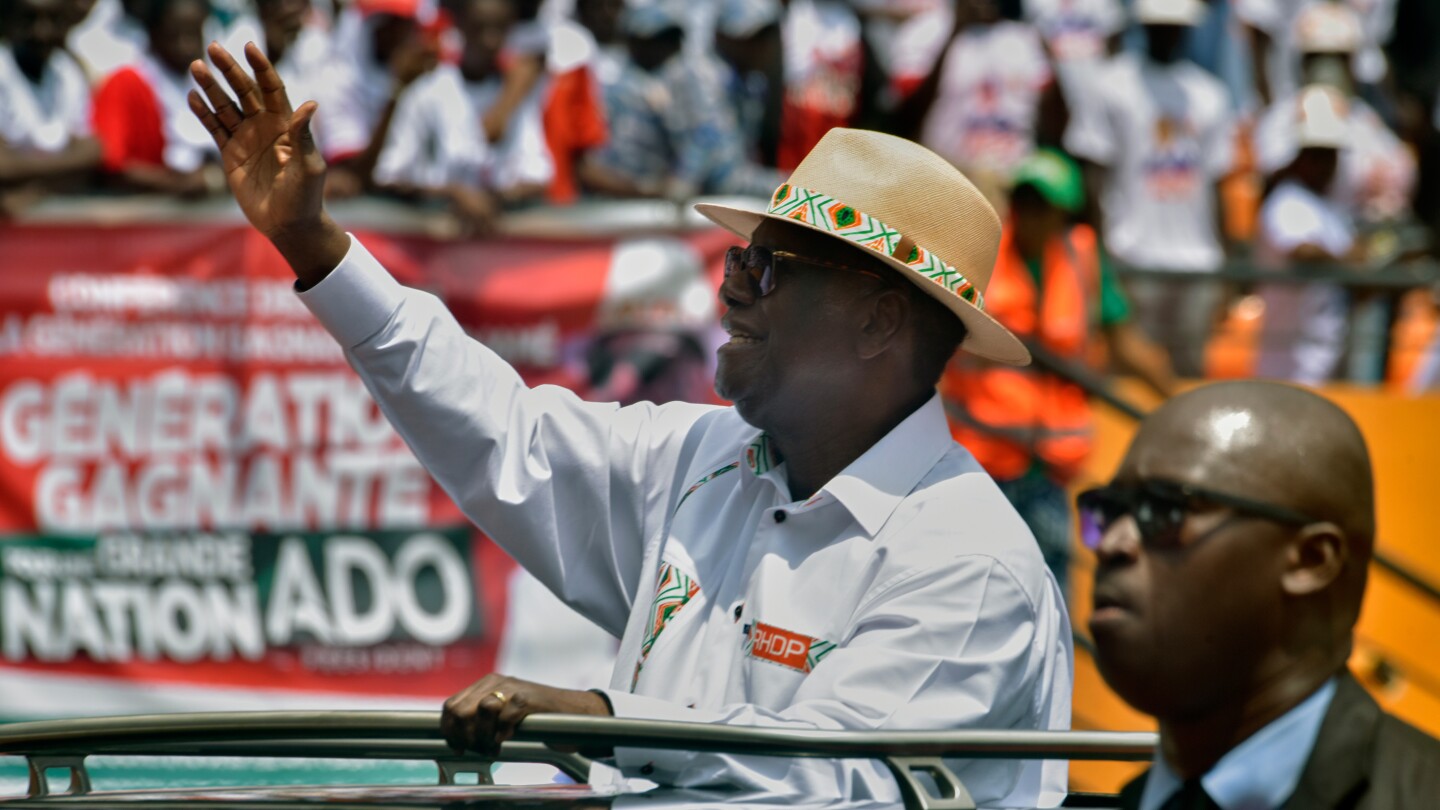
Ivory Coast’s leader urges youth to vote in key election, touting himself as best choice
In a fervent campaign rally held in Abidjan, Ivory Coast’s President Alassane Ouattara appealed to the nation’s youth to actively participate in the forthcoming presidential election scheduled for October 25. Addressing a large crowd, the 83-year-old leader emphasized his dedication to improving the lives of young Ivorians, positioning himself as the most committed candidate to their welfare. “I have always strived to provide the best opportunities for our youth, enabling them to start businesses, work, learn, and achieve independence,” Ouattara declared. The election, which sees Ouattara contesting against four other candidates, is unfolding against a backdrop of heightened political tensions. Key opposition figures, including former President Laurent Gbagbo and former Credit Suisse CEO Tidjane Thiam, have been disqualified from running, a move that has sparked widespread protests. Authorities have attempted to quell these demonstrations, resulting in hundreds of arrests and several jail sentences. Despite the controversy, analysts predict a strong likelihood of Ouattara securing a fourth term, especially after the 2016 constitutional amendment that removed presidential term limits. While Ouattara pledges to tackle the country’s security and economic challenges, opposition leaders argue that his administration has fallen short of expectations and accuse the government of manipulating the electoral process to ensure his victory. Florine-Auxane Loukou Bledja, a youth leader within the ruling party, echoed the sentiment of many supporters, stating, “He has done a lot for young people, and we want him to continue.”
-
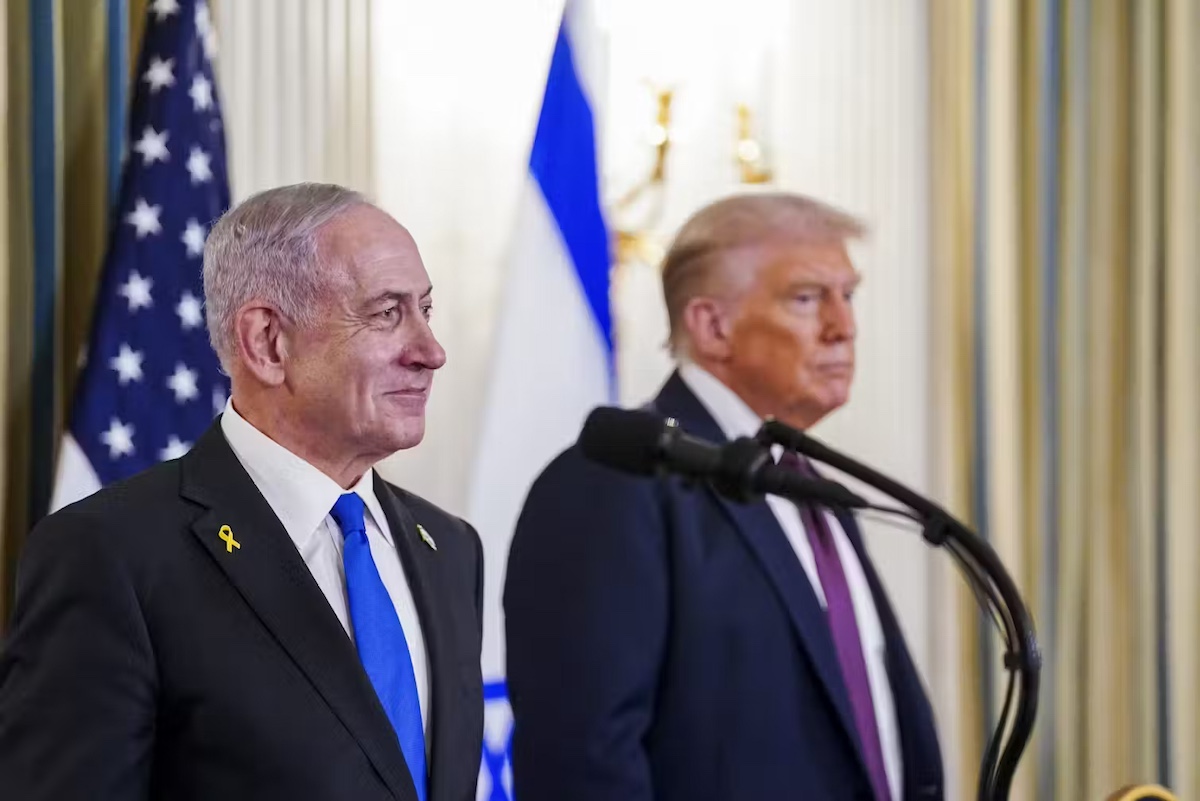
Can Netanyahu survive peace?
As a ceasefire takes hold in Gaza, Israeli Prime Minister Benjamin Netanyahu faces a critical juncture in his political career. With national elections mandated within the next year, Netanyahu must strategize his campaign amidst a complex political landscape. The recent Knesset meeting on October 13 saw Netanyahu and opposition leader Yair Lapid delivering speeches that effectively launched their election campaigns. Netanyahu portrayed himself as a war victor, while Lapid underscored the liberal values enshrined in Israel’s declaration of independence. U.S. President Donald Trump, addressing Israeli lawmakers, praised Netanyahu but cautioned that Israel cannot fight the world alone. This warning followed Netanyahu’s diplomatic misstep in attacking Qatar, where Hamas representatives were discussing peace plans, leading to a forced apology and pressure to endorse Trump’s 20-point peace plan, which includes Palestinian statehood—a contentious issue for Netanyahu’s base. Middle Eastern affairs expert Shira Efron argues that the Gaza deal signifies a defeat for Netanyahu’s government, contradicting his promise of total victory over Hamas. However, Netanyahu’s political acumen, demonstrated by his ability to turn challenges into opportunities, suggests he may yet leverage the situation to his advantage. Opinion polls indicate that while Netanyahu’s Likud party remains strong, his ruling coalition may struggle to retain power. The opposition, though fragmented, has begun coordinating more effectively. The election will occur against the backdrop of post-October 7 trauma and war fatigue, with civil society movements like the Hostages and Missing Family Forum potentially influencing voter behavior. The success of Trump’s peace plan and the decommissioning of Hamas will also play pivotal roles in shaping Netanyahu’s reelection prospects.
-
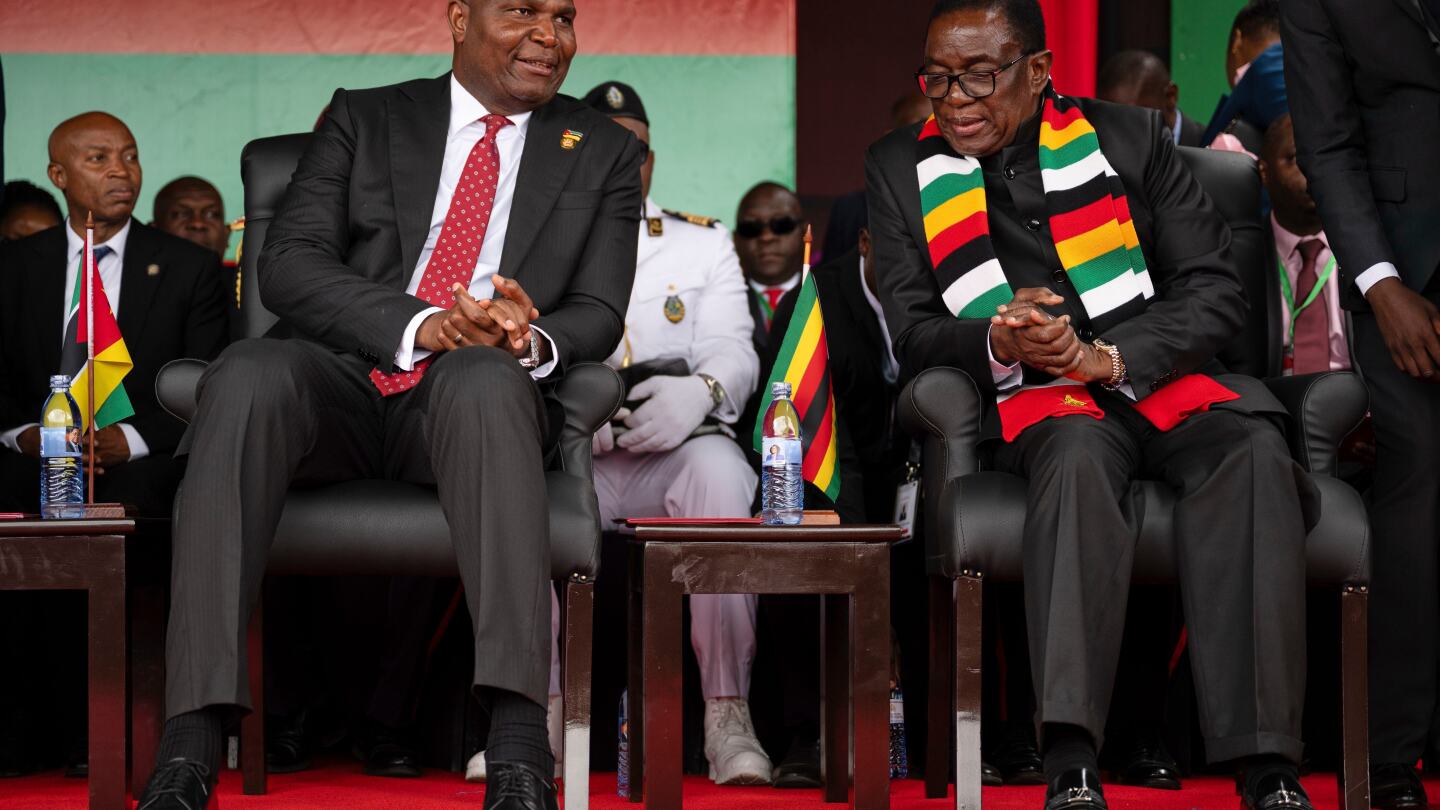
Zimbabwe’s ruling party moves to extend President Mnangagwa’s term until 2030
In a significant political development, Zimbabwe’s ruling ZANU-PF party announced on Saturday its intention to extend President Emmerson Mnangagwa’s term by two years, potentially keeping him in office until 2030. The decision, made during the party’s annual conference in Mutare, directs the government to initiate legislative amendments to alter the constitutional term limits. Currently, the constitution mandates that Mnangagwa step down in 2028 after completing two five-year terms. Justice Minister Ziyambi Ziyambi, who also serves as ZANU-PF’s legal secretary, confirmed the resolution, which was met with enthusiastic applause from hundreds of delegates. However, legal experts, including lecturer Lovemore Madhuku, argue that such a change might necessitate two referendums, adding complexity to the process. Mnangagwa, who has previously identified as a ‘constitutionalist,’ has not publicly endorsed the extension, though factions loyal to him have actively campaigned for it. Conversely, allies of Vice President Constantino Chiwenga, who played a pivotal role in the 2017 coup against former President Robert Mugabe, oppose the move. Chiwenga supporter Blessed Geza has used YouTube to criticize the campaign, garnering significant attention, though calls for protests have been subdued amid heightened police presence. The proposal echoes a broader trend in Africa, where constitutional amendments have been used to extend the rule of several leaders in recent years.
-
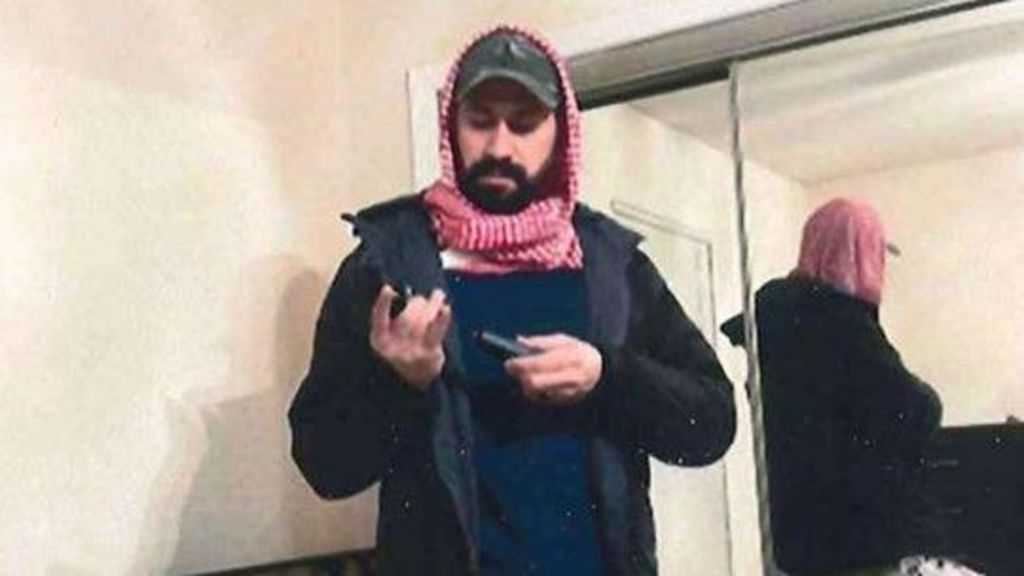
Louisiana resident assisted in Hamas 7 October attack, US says
A Louisiana resident, Mahmoud Amin Ya’qub al-Muhtadi, has been accused by US prosecutors of participating in the October 7, 2023, Hamas attack on Israel, according to recently unsealed court documents. The 33-year-old allegedly armed himself and joined a paramilitary group that fought alongside Hamas during the assault, which resulted in approximately 2,000 deaths and 251 hostages. Since the attack, Israeli strikes in Gaza have reportedly killed over 67,900 people, according to the Hamas-run health ministry, whose data is considered reliable by the UN.
A year after the attack, al-Muhtadi allegedly entered the US on a fraudulent visa and obtained permanent residency. He now faces charges of providing material support to a foreign terrorist organization, as well as visa fraud and document misuse. The FBI complaint identifies him as an operative of the National Resistance Brigades, the military wing of the Democratic Front for the Liberation of Palestine. Court documents reveal that al-Muhtadi allegedly coordinated a group of armed fighters to infiltrate Israel during the attack, requesting weapons and ammunition. His phone was reportedly traced to a cell tower near Kibbutz Kfar Aza, a site of a massacre, hours after the attack began.
Al-Muhtadi denied involvement in terrorist activities on his US visa application. After arriving in the US, he lived in several locations before settling in Lafayette, Louisiana, where he worked in a local restaurant. Arrested on Thursday, he appeared in court on Friday, where he claimed innocence, stating through an interpreter, ‘Yes, but there are a lot of things mentioned here that are so false, I’m innocent.’ While the documents do not accuse him of specific killings, federal prosecutors have previously charged senior Hamas members with the deaths of American citizens during the October 7 attack.
-
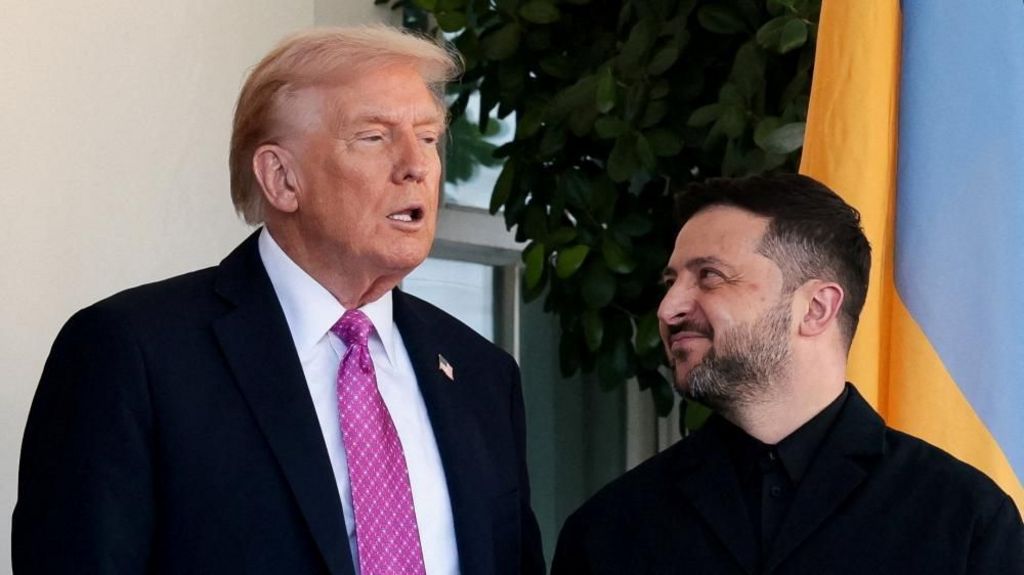
Deference and disappointment as Zelensky leaves White House empty-handed
Ukrainian President Volodymyr Zelensky’s high-stakes visit to the White House ended in disappointment as he failed to secure the much-needed American long-range Tomahawk missiles. The meeting, described by Zelensky as ‘pointed,’ starkly contrasted with the optimism his delegation had harbored before their arrival in Washington. Just hours before landing, news broke of a two-and-a-half-hour phone call between President Donald Trump and Russian President Vladimir Putin, followed by an announcement of an upcoming summit between the two leaders. This development cast a shadow over Zelensky’s visit, leaving Ukrainian hopes for decisive U.S. support unfulfilled.
Trump, who had previously expressed frustration with Putin, now appeared confident that the Russian leader was ready to negotiate. ‘I think he wants to make a deal,’ Trump stated, framing the conflict as a personal dispute rather than a geopolitical crisis. Zelensky, cautious not to challenge Trump directly, praised the U.S. president’s peacemaking efforts but made it clear that he did not share Trump’s trust in Putin’s intentions. ‘We understand that Putin is not ready,’ Zelensky said.
The meeting concluded with Trump suggesting that the war be frozen along existing battle lines, a proposal that falls short of Ukraine’s demands for security guarantees and military aid. For Ukraine and its allies, the conflict is not a personal grievance but a war of aggression by an authoritarian state with imperial ambitions. The absence of U.S. commitments leaves Ukraine to continue its fight against Russia, relying on its own resilience and determination.
In Kyiv, residents expressed mixed feelings about the outcome of the talks. Volodymyr Tsepovatenko, a shop owner repairing damage from recent missile strikes, warned that any peace deal now would only allow Russia to prepare for future aggression. Oleksandr Vilko, whose car was destroyed in the attacks, emphasized that Ukraine’s fate ultimately lies in the hands of its army. ‘With or without [Tomahawks], Ukrainians will fight on,’ he said. Despite the challenges, Ukraine remains steadfast in its resolve to defend its sovereignty and freedom.