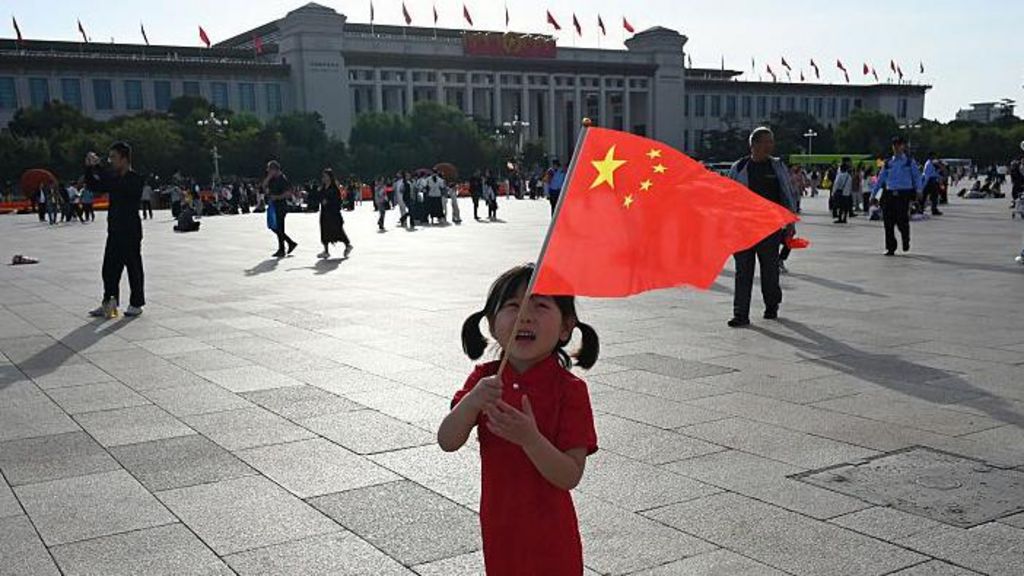
This week, Beijing hosts a pivotal gathering of China’s top leaders, as the Central Committee of the Chinese Communist Party convenes for its annual Plenum. The discussions will lay the groundwork for the next Five-Year Plan (2026-2030), a strategic blueprint guiding the world’s second-largest economy. While the full plan will be unveiled next year, key insights are expected to emerge shortly after the meetings. Neil Thomas of the Asia Society Policy Institute notes, ‘China’s policy-making operates on planning cycles, unlike the election-driven frameworks of the West. Five-Year Plans articulate national goals, signal leadership direction, and mobilize state resources toward predefined outcomes.’ Historically, these plans have had profound global repercussions, reshaping economies and industries worldwide. The 1978 ‘reform and opening up’ policy under Deng Xiaoping marked a turning point, transforming China into an economic powerhouse and altering global trade dynamics. Subsequent plans have focused on strategic emerging industries, such as green technology and high-tech innovation, positioning China as a leader in renewables, electric vehicles, and rare earth supply chains. Recent shifts emphasize ‘high-quality development’ and ‘new quality productive forces,’ aiming for technological self-sufficiency and reduced reliance on Western innovation. As China seeks to dominate sectors like AI and chip-making, its policies continue to influence global economic and geopolitical landscapes.
分类: politics
-
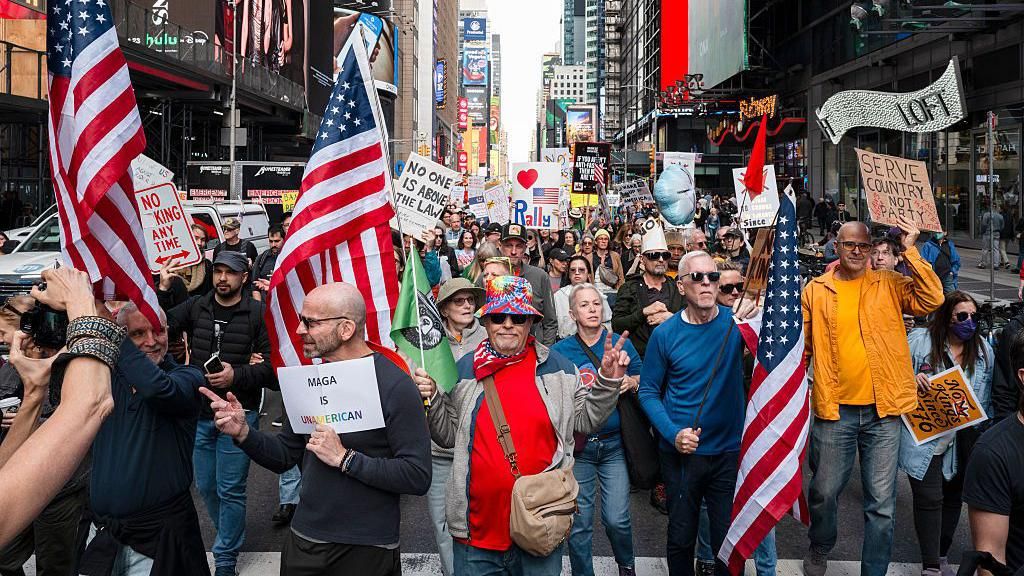
After ‘No Kings’ protests, where does Democratic resistance go next?
In an unprecedented display of dissent, millions of Americans took to the streets this weekend in the ‘No Kings’ protests, voicing their opposition to President Donald Trump’s policies and his expansive use of presidential authority. The demonstrations, which spanned major cities like New York, Chicago, Washington D.C., and Los Angeles, as well as hundreds of smaller towns, marked a significant moment of unity among Democrats, liberals, and even some anti-Trump Republicans. Despite warnings from Congressional Republicans that the protests would be ‘anti-American,’ the rallies remained peaceful, with no arrests reported in New York City and families participating in Washington D.C. Senator Chris Murphy of Connecticut addressed the crowd in the nation’s capital, declaring, ‘Americans are saying loudly and proudly that we are a free people, we are not a people that can be ruled.’ The White House, however, dismissed the protests with derision, with Deputy Press Secretary Abigail Jackson responding, ‘Who cares.’ Trump further mocked the demonstrators by sharing AI-generated videos on his Truth Social platform, including one where he appeared to dump waste on protesters from a jet. While Republicans downplayed the significance of the marches, the scale of the turnout, coupled with Trump’s negative approval ratings, suggests a potential opportunity for Democrats to rebound from recent electoral setbacks. However, the party remains divided and faces challenges in mounting an effective opposition, particularly as they no longer control either chamber of Congress. The protests highlighted widespread frustration with Trump’s immigration enforcement, tariff policies, government cuts, foreign policy, and deployment of the National Guard in U.S. cities. Some attendees also expressed discontent with Democratic leaders, urging them to take a more combative stance. The ongoing government shutdown, now entering its fourth week, has further complicated the political landscape, with Democrats refusing to approve a short-term spending extension without addressing health-insurance subsidies for low-income Americans. As the shutdown continues, federal workers face financial hardship, and low-income food support funding is expected to run out. The November elections, including key gubernatorial races in Virginia and New Jersey, will serve as a barometer for whether the anti-Trump sentiment seen at the protests can translate into electoral success for Democrats. However, internal party divisions and contentious primary battles could hinder their efforts to regain power. While the immediate focus of the protests was to unite against Trump, the long-term challenge for Democrats will be to present a cohesive and effective alternative to his administration.
-
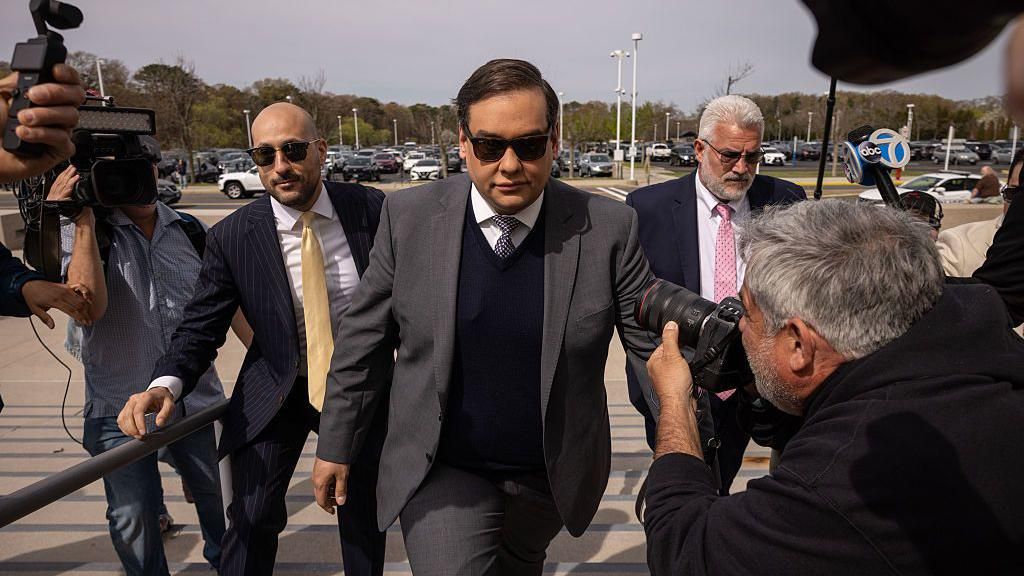
George Santos wants to use his newfound freedom to reform prisons
George Santos, the former Republican U.S. Representative from New York, has vowed to dedicate his life to prison reform following his release from federal prison. Santos was granted clemency by President Donald Trump, who commuted his seven-year sentence for wire fraud and identity theft. Santos, who was expelled from Congress in 2023 after an ethics scandal, described his prison experience as “dehumanising” and “humbling” in an interview with The Washington Post. He admitted to stealing the identities of 11 individuals, including family members, and was released on Friday night. During his 84-day incarceration, Santos authored several columns for The South Shore Press, detailing the dire conditions of the prison system. He highlighted issues such as rotting facilities, broken air conditioning, and thick black mold in the ceiling, describing the environment as unfit for long-term habitation. Santos revealed that he spoke with President Trump on Saturday, expressing his commitment to prison reform and offering his assistance to the administration. However, the specifics of his involvement remain unclear, and his lawyer has not yet commented on his plans. Santos also told CNN that he has no immediate plans to return to politics, stating, “I’m all politicked out.” The Bureau of Prisons declined to respond to media inquiries due to the ongoing government shutdown, and FCI Fairton, the New Jersey prison where Santos was held, has not addressed his allegations of poor conditions.
-
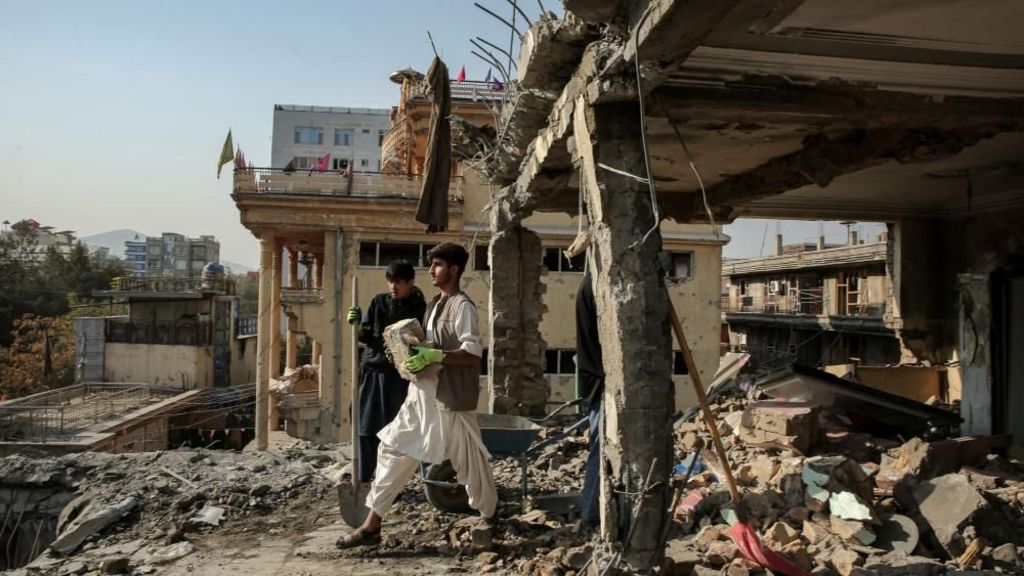
Taliban and Pakistan agree to ceasefire after days of deadly clashes
In a significant development, the Taliban-led government of Afghanistan and Pakistan have reached an ‘immediate ceasefire’ agreement following over a week of intense and deadly clashes along their shared border. The truce was brokered through mediation efforts by Qatar and Turkey, with both nations committing to establish mechanisms aimed at fostering long-term peace and stability. Zabihullah Mujahid, a Taliban spokesperson, emphasized the importance of ending ‘hostile actions,’ while Pakistan’s Foreign Minister hailed the agreement as a ‘first step in the right direction.’
The recent conflict, the most severe since the Taliban regained power in 2021, saw both sides claiming heavy casualties. Pakistan has long accused the Taliban of sheltering armed groups responsible for attacks on its soil, a charge the Taliban denies. Tensions escalated after the Taliban alleged that Pakistan carried out attacks on Kabul, the Afghan capital. Rumors suggested the strikes targeted Noor Wali Mehsud, leader of the Pakistan Taliban, but a voice note purportedly from Mehsud dismissed these claims.
In the ensuing days, Afghan forces targeted Pakistani border posts, prompting retaliatory mortar fire and drone strikes from Pakistan. The United Nations Assistance Mission in Afghanistan reported at least three dozen civilian deaths and hundreds injured. Despite a temporary truce declared during talks in Doha, cross-border strikes persisted, culminating in a Pakistani air strike that killed eight, including three local cricket players.
Under the new agreement, the Taliban pledged not to support groups attacking Pakistan, and both sides agreed to avoid targeting each other’s security forces, civilians, or critical infrastructure. Pakistan’s Defense Minister, Khawaja Asif, stated that the ceasefire would halt ‘terrorism from Afghanistan on Pakistan’s soil,’ with further talks scheduled in Istanbul next week.
The relationship between Pakistan and the Taliban has been fraught since the latter’s return to power. Pakistan, once a key supporter of the Taliban, has accused the group of harboring the Pakistan Taliban, which has launched over 600 attacks on Pakistani forces in the past year, according to the Armed Conflict Location & Event Data Project. This ceasefire marks a critical, albeit fragile, step toward de-escalation in a region long plagued by instability.
-
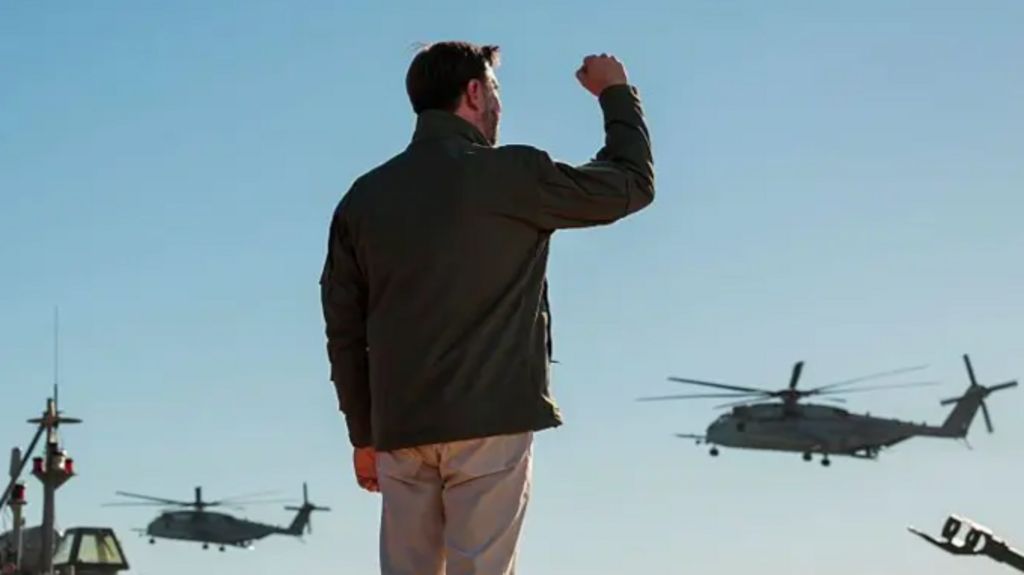
Vance celebrates US Marines 250th anniversary with live artillery demo
Vice President JD Vance marked the 250th anniversary of the US Marine Corps with a grand celebration at Camp Pendleton in Southern California, featuring a live artillery demonstration. The event, which included fighter jets, Navy vessels, helicopters, and live fire from a towed howitzer, was the largest of its kind in the continental US in a decade. However, the demonstration drew sharp criticism from California Governor Gavin Newsom, who condemned the exercise for closing a section of Interstate 5, citing extreme safety risks and distractions for drivers. Newsom, a Democrat, labeled the live fire over a busy highway as ‘dangerous.’ Vance’s office countered these claims, accusing Newsom of fear-mongering and emphasizing the importance of military training exercises. During his speech, Vance reflected on his own Marine Corps service, praised the military’s role in shaping his life, and criticized what he termed as ‘woke’ aspects of the military, aligning with the Trump administration’s focus on eliminating diversity initiatives. He also blamed Democrats, particularly Senate Minority Leader Chuck Schumer, for the recent government shutdown, assuring troops that President Trump is committed to ensuring they receive their due pay. Despite the political undertones, the event highlighted the Marine Corps’ legacy and its significance in American history.
-
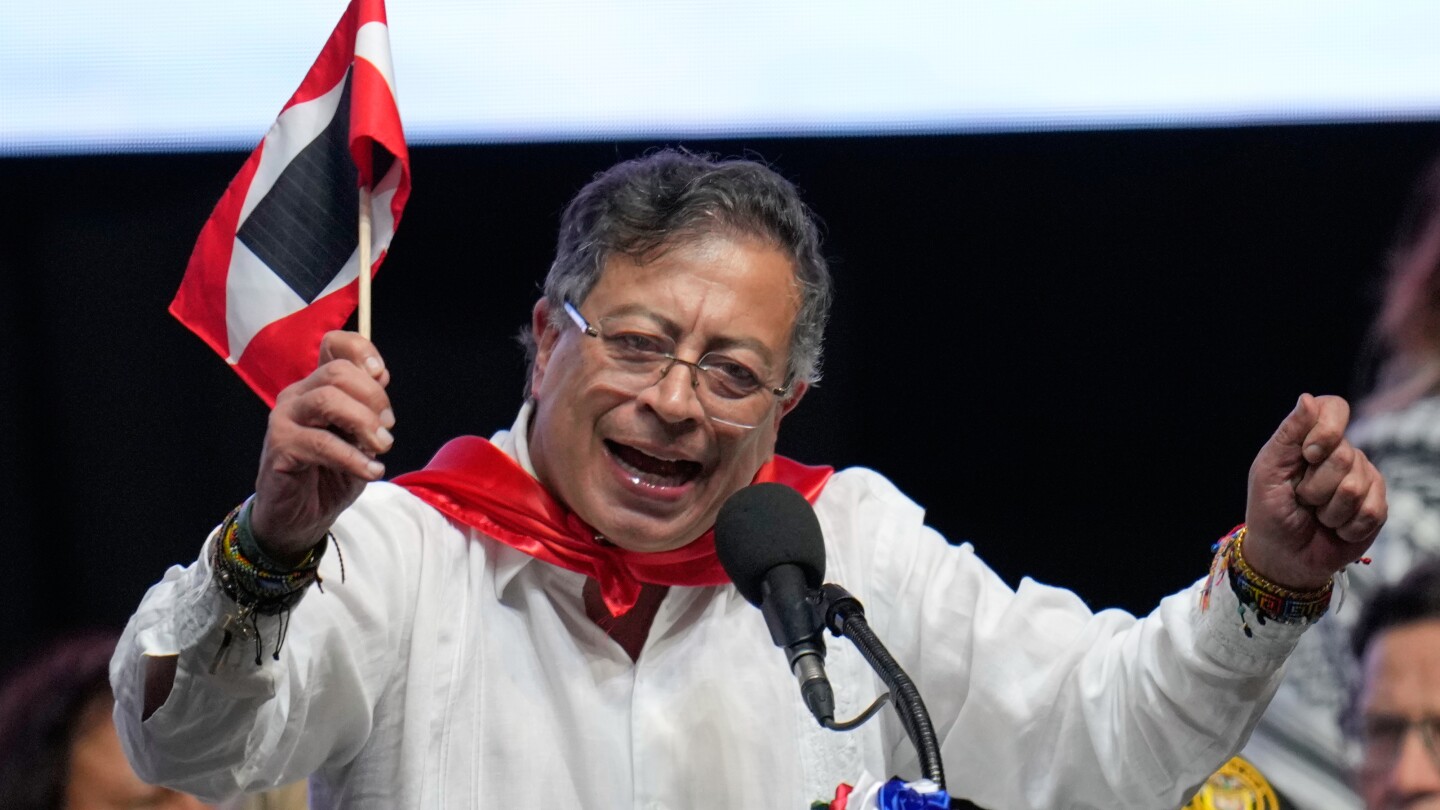
Trump calls Colombia’s Petro an ‘illegal drug dealer’ and announces an end to US aid to the country
In a sharp escalation of tensions between the United States and Colombia, former President Donald Trump announced on Sunday his intention to slash U.S. funding to the South American nation, accusing Colombian President Gustavo Petro of failing to curb drug production. Trump, in a post on his Truth Social platform, labeled Petro as “an illegal drug dealer” and criticized him as “low rated and very unpopular.” He warned that if Petro does not act to shut down drug operations, the U.S. would intervene, albeit in a manner that “won’t be done nicely.” Trump also misspelled Colombia as “Columbia” in his initial post, which he later corrected. Colombia’s Defense Minister Pedro Sánchez defended the country’s efforts, stating that Colombia has “used all its capabilities” and sacrificed lives in the fight against drug trafficking. Trump’s remarks come amid growing friction between the two nations, with the U.S. recently conducting military strikes targeting alleged drug traffickers in Colombian waters. Earlier, Petro accused the U.S. of assassination following a strike that killed a Colombian fisherman, Alejandro Carranza, whom Petro claimed had no ties to drug trafficking. The U.S. has repatriated survivors of recent strikes, including an Ecuadorian man, Andrés Fernando Tufiño Chila, who was found to be in good health. Meanwhile, Colombia remains the world’s largest exporter of cocaine, with coca cultivation reaching record levels last year, according to the United Nations.
-
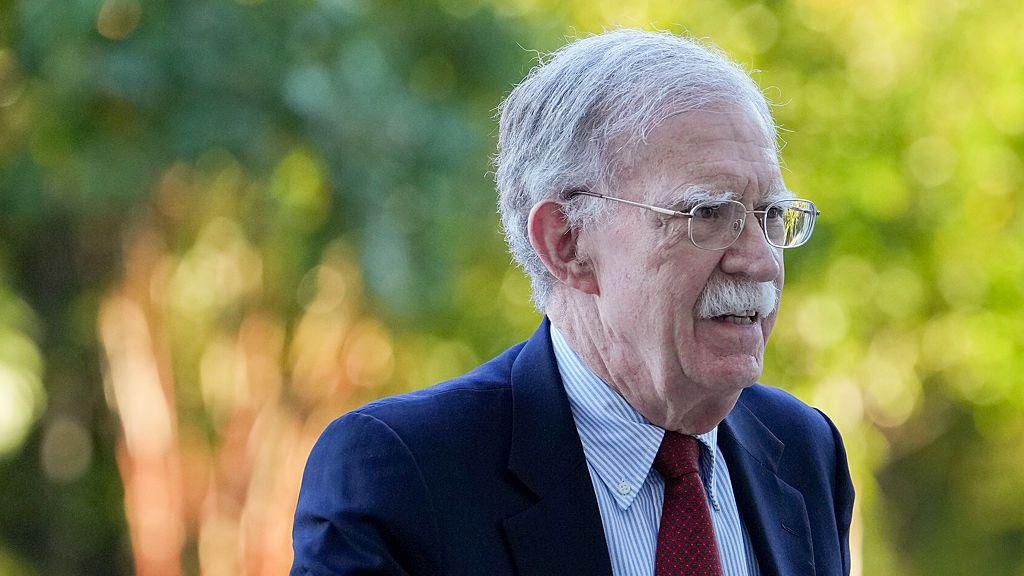
Why John Bolton case is more serious than those against other Trump critics
Former national security adviser John Bolton appeared in court on Friday, pleading not guilty to 18 federal charges related to the alleged mishandling of classified information. This indictment marks a significant development in a series of legal actions against critics of former President Donald Trump, raising questions about the intersection of justice and political motivations. Bolton, a vocal Trump critic, has been accused of improperly retaining and transmitting classified documents, including top-secret materials, to family members using insecure methods such as AOL. Prosecutors allege that his actions posed a national security risk, with one incident involving a hacker accessing his account and threatening to cause a major scandal. Legal experts note that while the charges against Bolton appear more substantial than those previously brought against other Trump critics, such as former FBI Director James Comey and New York Attorney General Letitia James, the timing of the indictment has fueled speculation about political influence. Trump has publicly expressed his desire to see his opponents prosecuted, and the Justice Department’s actions have drawn scrutiny. However, analysts emphasize that the case against Bolton follows established legal protocols, with the indictment providing detailed allegations. The outcome of this high-profile case could set a precedent for how classified information mishandling is addressed, particularly involving high-ranking officials. Bolton’s trial will be closely watched as it unfolds against the backdrop of ongoing political tensions in the United States.
-
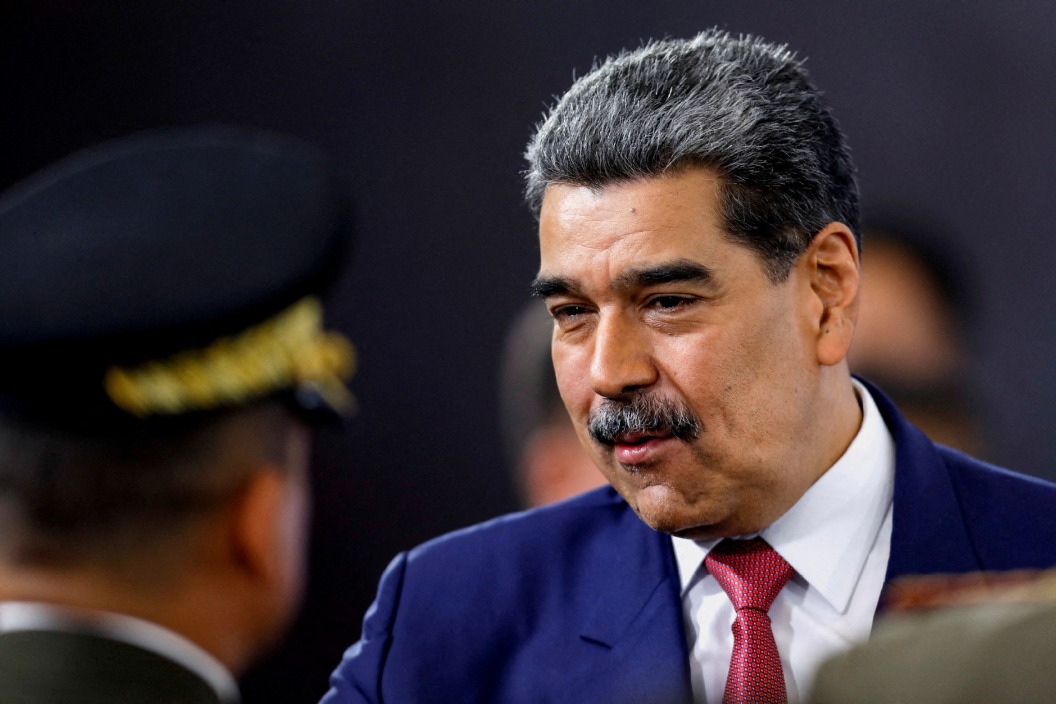
Venezuela launches defense drills amid US military threat
In a decisive move to bolster national security, Venezuelan President Nicolas Maduro unveiled the commencement of extensive military exercises on Saturday. Dubbed the ‘Great Corridor of the Venezuelan Plain,’ these drills are a pivotal component of the broader ‘Independence 200’ initiative, aimed at fortifying the nation’s defenses against perceived US military threats. The exercises, which span the central states of Barinas, Portuguesa, Cojedes, and Guarico, are part of a comprehensive nationwide mobilization designed to enhance Venezuela’s readiness for potential external aggression. Maduro emphasized the activation of all integral defense zones across the country, stating that 27 fundamental defense tasks have been successfully completed. The president underscored the seamless coordination among civilian, police, and military sectors, describing it as ‘a perfect and organized fusion’ to protect national sovereignty and internal stability. Maduro reiterated Venezuela’s commitment to peace, pointing to what he termed as a US military buildup in the Caribbean near Venezuelan waters. The drills aim to achieve ‘the optimal level of readiness’ through widespread civic participation and territorial coordination, ensuring the nation’s preparedness in the face of escalating tensions.
-
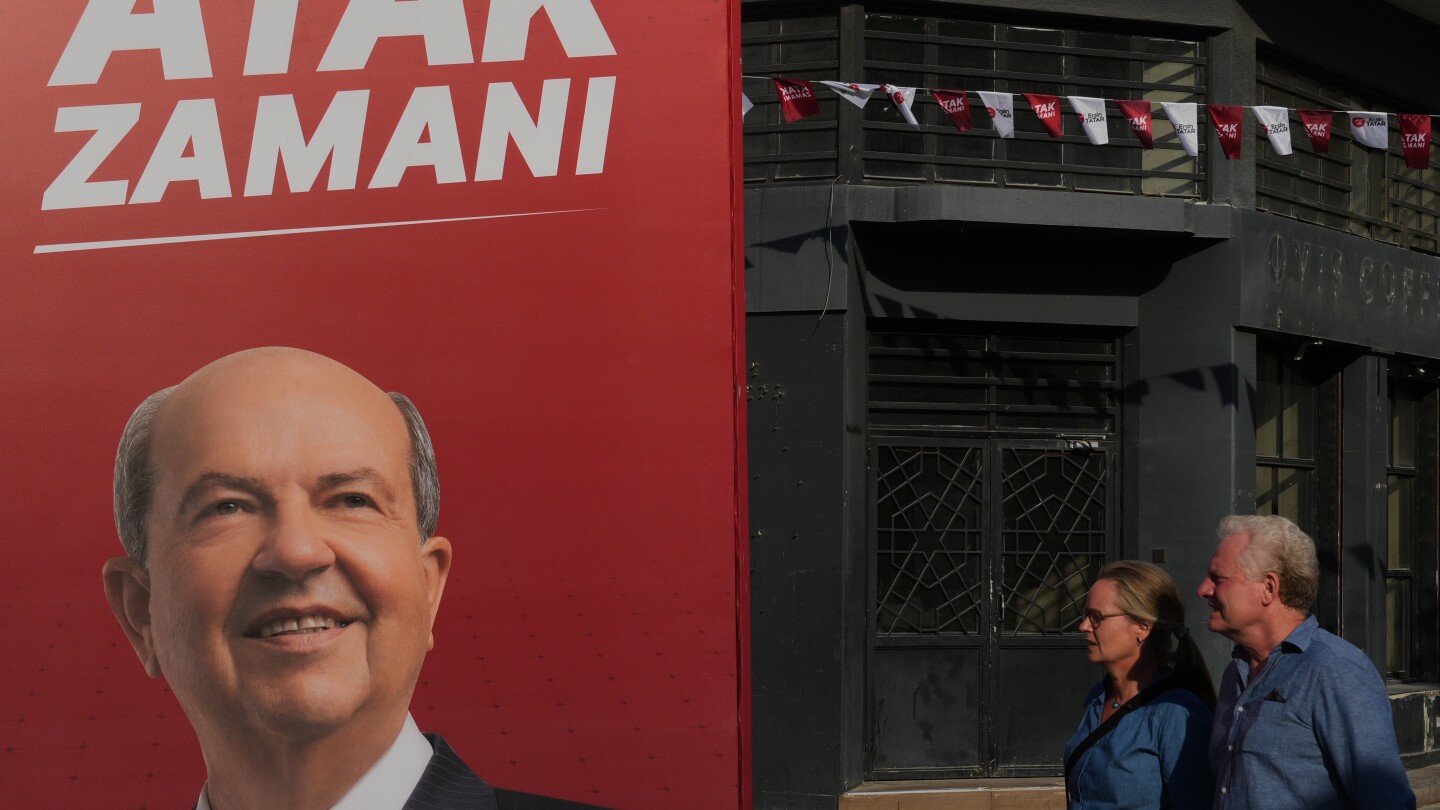
Turkish Cypriots vote in an election seen as a choice on deeper Turkey ties or closer EU relations
In a decisive election held on Sunday, Turkish Cypriots in the ethnically divided island of Cyprus faced a critical choice: deepen their alignment with Turkey or pivot toward stronger ties with Europe. With approximately 218,000 registered voters, the polls closed at 1500 GMT, marking a significant moment in the region’s political landscape. The election featured seven candidates, but the primary contest was between the hard-right incumbent Ersin Tatar and the center-left challenger Tufan Erhurman. Tatar, 65, has been a vocal advocate for permanently dividing Cyprus and seeking international recognition for a Turkish Cypriot state closely aligned with Turkey’s political, economic, and social policies. His stance echoes that of Turkish President Recep Tayyip Erdogan, who recently reiterated at the U.N. General Assembly that Cyprus comprises “two separate states” and called for formal recognition of the Turkish Cypriot entity. In contrast, Erhurman, 55, has championed a return to negotiations with Greek Cypriots to establish a two-zone federation. He has criticized Tatar’s reluctance to engage in formal peace talks during his five-year tenure, arguing that it has isolated Turkish Cypriots internationally and wasted valuable time. The election unfolds against the backdrop of Cyprus’s division since 1974, when Turkey invaded following a coup by Greek junta-backed supporters of union with Greece. Turkish Cypriots declared independence in 1983, but only Turkey recognizes it, maintaining over 35,000 troops in the island’s northern third. While Cyprus joined the European Union in 2004, only the Greek Cypriot south enjoys full membership benefits, despite many Turkish Cypriots holding EU-recognized passports. Greek Cypriots firmly reject the two-state proposition, viewing it as incompatible with the U.N. and EU-endorsed federation framework. Cypriot President Nikos Christodoulides has repeatedly stated that talks based on a two-state solution are non-negotiable, fearing Turkey’s potential dominance over the entire island.
-

Pakistan, Afghanistan agree to immediate ceasefire in Doha talks
In a significant diplomatic breakthrough, Pakistan and Afghanistan have agreed to an immediate ceasefire following high-level negotiations in Doha, Qatar. The announcement was made on Sunday by Qatar’s Ministry of Foreign Affairs, marking a pivotal moment in the ongoing efforts to stabilize the region. The talks, held in the Qatari capital, aimed to address longstanding tensions and foster a path toward peace. Both nations have been embroiled in border disputes and cross-border skirmishes, which have escalated in recent months. The ceasefire agreement is expected to de-escalate hostilities and create a conducive environment for further dialogue. This development underscores Qatar’s growing role as a mediator in regional conflicts, leveraging its diplomatic influence to broker peace. The international community has welcomed the agreement, viewing it as a positive step toward reducing violence and enhancing regional security. However, analysts caution that sustained peace will require continued engagement and trust-building measures between the two nations.