
In a heartfelt address during the 80th anniversary commemoration of Taiwan’s retrocession, Lin Ching-mao, a young resident of Changhua, Taiwan, voiced strong opposition to the ‘de-Sinicization’ movements on the island. Lin emphasized that historical evidence unequivocally supports the notion that ‘Taiwan people have always been Chinese.’ This statement comes amidst ongoing debates about Taiwan’s identity and its historical ties to mainland China. Lin’s speech highlighted the shared history and cultural bonds that link Taiwan to China, underscoring the importance of unity and mutual understanding. The event served as a platform for reaffirming the enduring connection between Taiwan and the broader Chinese nation, despite the complexities of contemporary political discourse.
分类: politics
-
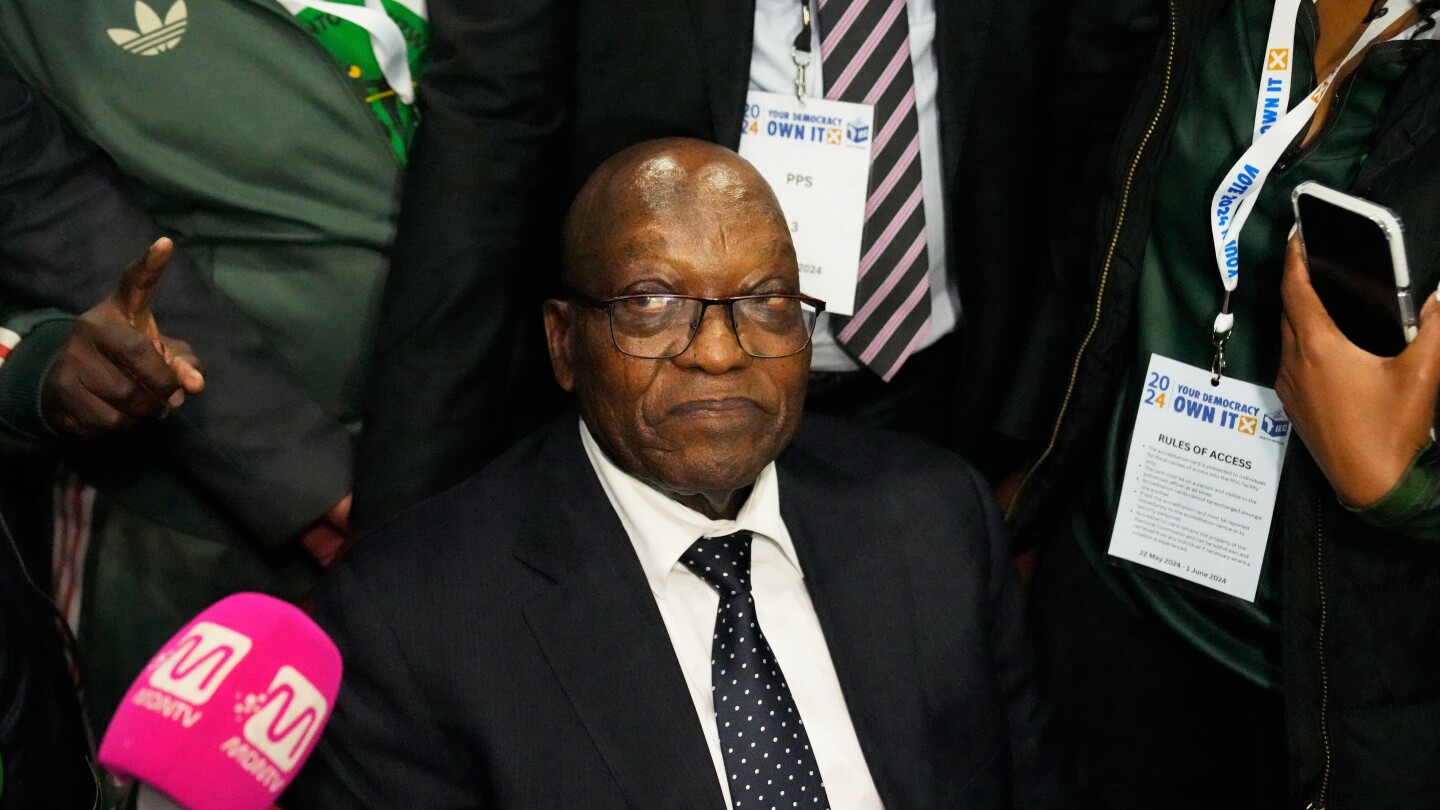
Judge orders former South African President Zuma to repay $1.6 million in legal fees
In a significant legal ruling, the Pretoria High Court has mandated former South African President Jacob Zuma to reimburse the Office of the State Attorney 28.9 million rand (approximately $1.6 million) for legal fees accrued during his private litigations. The court, presided over by Judge Anthony Millar, has given Zuma a 60-day ultimatum to settle the debt, warning that failure to comply could result in the seizure of his assets, including his presidential pension. This decision underscores the judiciary’s firm stance on holding public officials accountable for misusing state resources. Zuma, who led South Africa from 2009 to 2018, has been entangled in numerous legal battles, primarily concerning corruption allegations and the misuse of public funds. Initially, the state covered his legal expenses, but subsequent rulings by the Gauteng High Court in December 2018 and the Supreme Court of Appeal in April 2021 clarified that such expenditures must be repaid by the individual. Court documents reveal that interest on approximately 18.9 million rand (about $1 million) will accrue from January 25, 2024, until the debt is settled. Zuma’s legal woes are compounded by his 2021 imprisonment for contempt of court and ongoing charges related to a controversial arms deal from 1999. Additionally, his expulsion from the African National Congress in 2024 and the formation of his new political party, uMkhonto weSizwe Party (MKP), have further complicated his political legacy. Following the court’s decision, the MKP announced that Zuma will address the nation on Thursday, though details remain scarce.
-
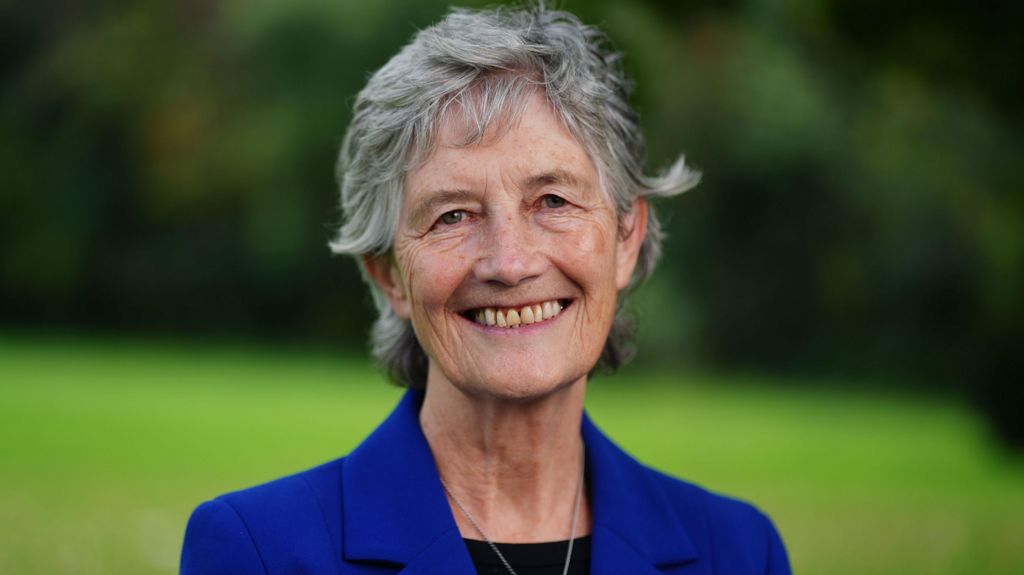
‘Disgraceful’ deep-fake AI video condemned by presidential candidate
Catherine Connolly, an independent candidate in Ireland’s presidential election, has formally lodged a complaint with the Electoral Commission regarding a malicious deepfake video circulating online. The AI-generated video, which surfaced on Tuesday night, falsely depicted Connolly announcing her withdrawal from the upcoming election scheduled for Friday. Connolly, a member of the Irish parliament (TD) for Galway West since 2016, condemned the video as a ‘disgraceful attempt to mislead voters and undermine democracy.’ She reaffirmed her candidacy, stating, ‘I am absolutely still in the race to become Ireland’s 10th president.’ Connolly urged the public not to share the video but to report it, emphasizing that the best response to such disinformation is to vote. Her campaign team has flagged the video to social media platforms, demanding its immediate removal and clear labeling as fake. Connolly, a former deputy speaker in the Dáil and ex-member of the Irish Labour Party, has garnered support from several left-leaning parties and independent figures in her presidential bid. This incident highlights the growing threat of AI-generated deepfakes in electoral processes and the need for robust measures to combat digital misinformation.
-
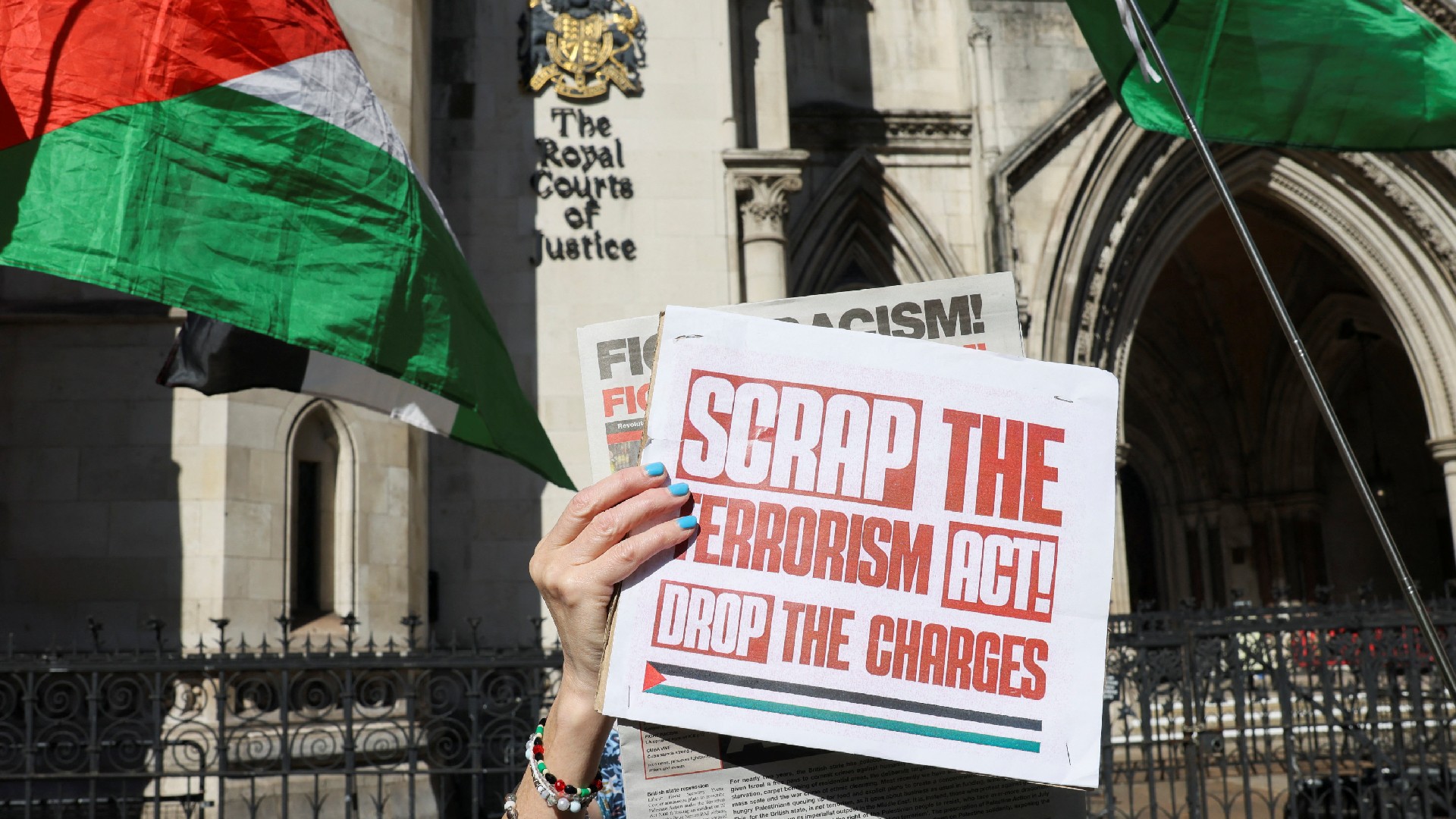
‘We’re in a new world’: Lawyers warn Palestine Action defendants could be denied fair trial
Legal experts have raised significant concerns over the UK government’s plans to prosecute individuals under terrorism charges for supporting the proscribed group Palestine Action, warning that the current trial framework could undermine defendants’ right to a fair trial. Since the Labour government banned Palestine Action in July, over 2,100 people have been arrested at demonstrations opposing the proscription, with 170 now facing charges under the Terrorism Act for holding placards expressing support for the group. Judges have outlined a trial plan that would see defendants tried in groups of five during two-and-a-half-hour hearings, with two sessions per day starting in March 2024. If all arrested individuals are charged, this could result in at least 400 trials. Solicitor Laura O’Brien highlighted the impracticality of this approach, noting that most defendants lack legal representation due to inaccessible legal aid, making it nearly impossible to adequately present their cases within the allotted time. District Judge Michael Snow defended the schedule, asserting that the time is sufficient, but defendants and their legal representatives argue that the rushed process risks prejudicing outcomes. A successful legal challenge by Palestine Action co-founder Huda Ammori could overturn many prosecutions, as the Court of Appeal recently granted her additional grounds to challenge the ban. Critics, including former government lawyer Tim Crosland, argue that the charges under Section 13 of the Terrorism Act require a nuanced examination of context, which the current trial framework does not allow. The unprecedented volume of cases has also strained the judicial system, with Middle East Eye reporting a fourfold increase in Section 13 charges since July compared to the entire post-9/11 period. The scheduling of trials has further created disparities, with defendants in May potentially benefiting from binding legal precedents set by earlier cases, while those in March will not. Solicitor Katie McFadden warned that the court may adopt a deterrent approach, potentially imposing custodial sentences of up to six months on defendants, most of whom are pensioners. The streamlined trial process, intended to save court time, may instead lead to delays and adjournments, further complicating the judicial process.
-
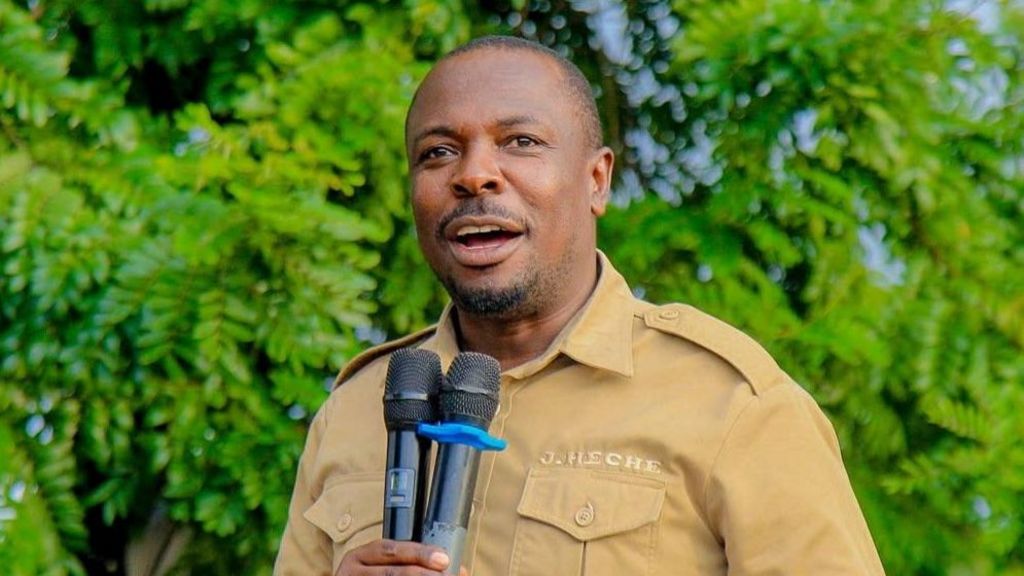
Top opposition politician arrested days before Tanzania election
In a concerning development ahead of Tanzania’s general election on October 29, John Heche, the deputy chairperson of the main opposition party Chadema, has been detained twice within a week. The latest arrest occurred on Wednesday as Heche attempted to attend the treason trial of Chadema’s leader, Tundu Lissu, at the High Court in Dar es Salaam. Chadema has accused the government of orchestrating a plan to detain senior party leaders until after the elections, a claim the government has yet to address.
Heche’s arrest marks the second time he has been taken into custody in recent days. On Saturday, he was briefly held while attempting to cross into Kenya to attend the burial of former Kenyan Prime Minister Raila Odinga. Tanzanian immigration authorities alleged Heche was attempting to cross the border illegally, a charge Chadema vehemently denies.
This crackdown on opposition figures comes amid growing concerns over the disappearance of former Tanzanian ambassador and government critic Humphrey Polepole, who was reportedly abducted from his Dar es Salaam home on October 6. His family discovered a broken door and significant bloodstains at the scene, raising fears for his safety.
President Samia Suluhu Hassan, who assumed office in 2021 following the death of John Magufuli, is seeking a second term in the upcoming election. Initially praised for fostering greater political freedom, her administration has faced increasing criticism for its repressive measures, including the disqualification of opposition candidates. Chadema has been barred from participating in the polls, and its leader, Tundu Lissu, has been detained since April. Similarly, Luhaga Mpina, the candidate of the second-largest opposition party ACT-Wazalendo, has also been disqualified, leaving only minor party candidates to challenge President Samia.
The situation has sparked widespread outcry, with many questioning the government’s commitment to democratic principles and the rule of law. As tensions escalate, the international community is closely monitoring developments in Tanzania, where the suppression of dissent threatens to undermine the integrity of the electoral process.
-
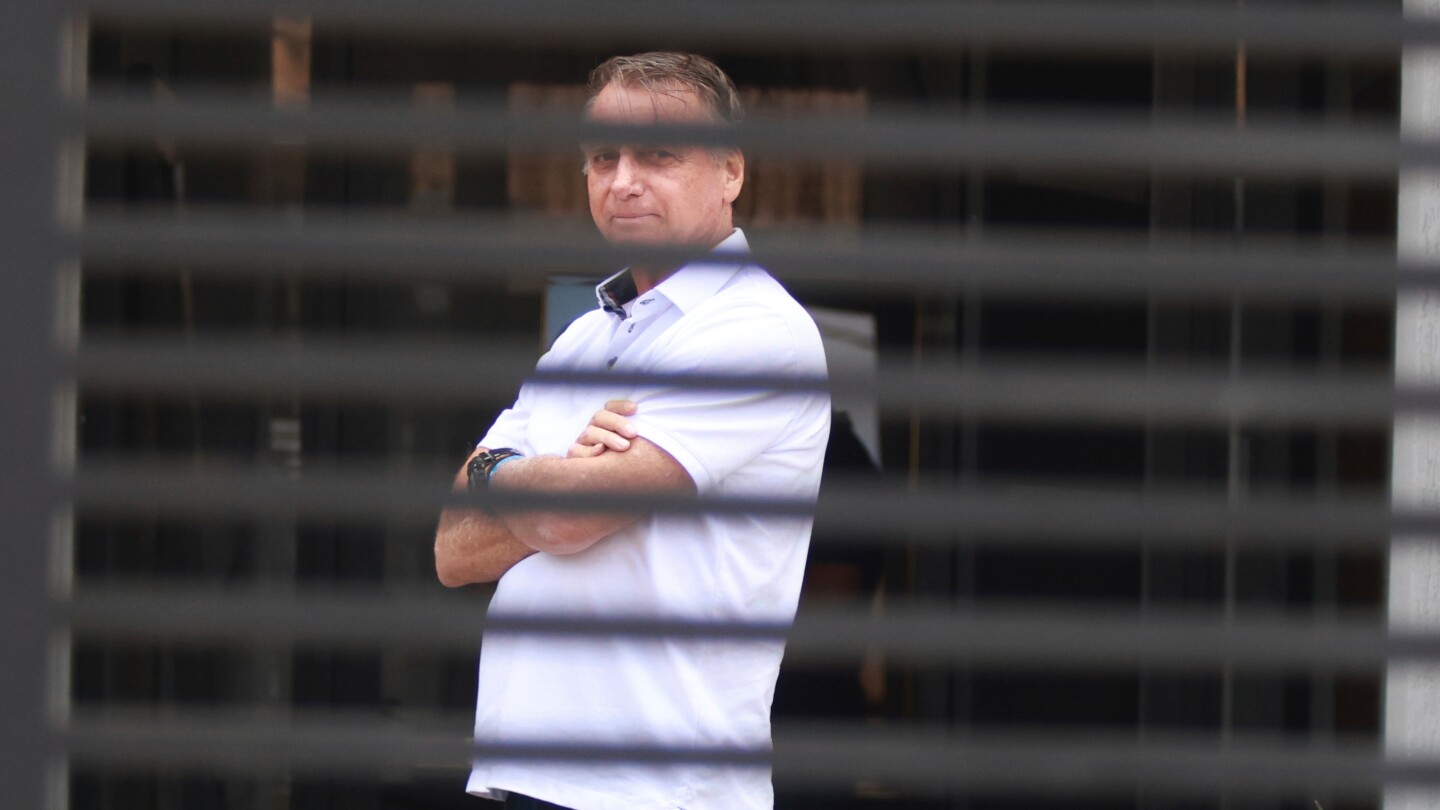
Brazil publishes Bolsonaro’s conviction for coup attempt, starting the appeals clock
In a landmark decision, Brazil’s Supreme Court has officially published its ruling convicting former President Jair Bolsonaro of orchestrating a coup attempt, marking a pivotal moment in the nation’s political landscape. The verdict, initially delivered in September, found Bolsonaro guilty of attempting to overthrow democracy, sentencing him to 27 years and three months in prison. Since August, the far-right leader has been under house arrest, awaiting the formalization of the judgment, which now opens a window for potential appeals. Bolsonaro’s legal team has announced plans to challenge the conviction before the full bench of 11 Supreme Court justices, though legal experts remain skeptical about the likelihood of success. The case stems from allegations that Bolsonaro, after losing the 2022 presidential election to Luiz Inácio Lula da Silva, conspired to violently dismantle democratic institutions, including plotting to assassinate Lula. Additional charges included participation in an armed criminal organization and attempts to abolish the rule of law. The trial has drawn international attention, with former U.S. President Donald Trump criticizing the proceedings as a “witch hunt” and imposing a 50% tariff on Brazilian imports, further straining bilateral relations. While ties between the U.S. and Brazil have since improved, the case remains a contentious issue. Bolsonaro’s co-conspirators, all former officials, have also been sentenced for their roles in the failed coup. Despite the severity of the charges, legal analysts suggest Bolsonaro may avoid imprisonment due to ongoing health issues stemming from a 2018 assassination attempt. The case is expected to conclude by year-end, with sentences enforced even if Bolsonaro remains under house arrest.
-
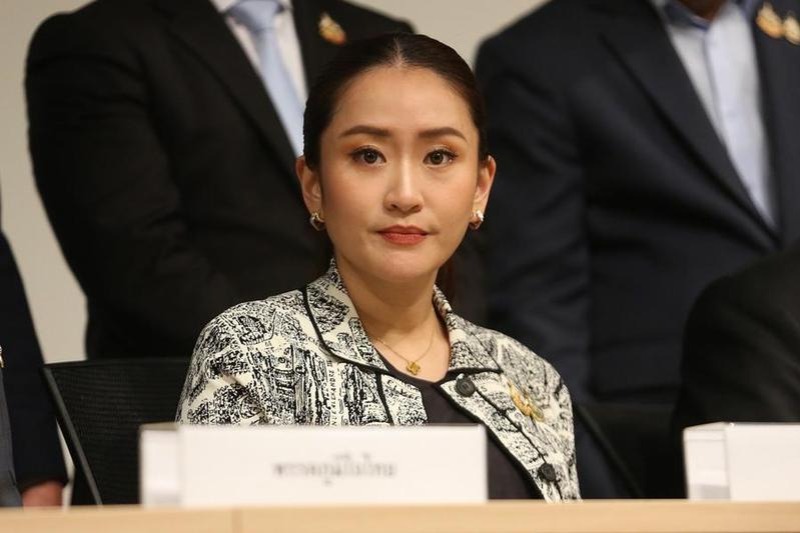
Paetongtarn resigns as Pheu Thai Party leader ahead of election
In a significant political development, Paetongtarn Shinawatra, Thailand’s youngest former prime minister, has resigned as the leader of the Pheu Thai Party. The announcement, made on Wednesday morning, comes as the party prepares for a pivotal candidate election scheduled in four months. Paetongtarn emphasized that her resignation marks the beginning of a comprehensive overhaul of the party, aimed at transforming its structure, processes, and mindset to better position itself for the upcoming election and subsequent national revitalization efforts.
Paetongtarn, who served as Thailand’s 31st prime minister and is the youngest daughter of former prime minister Thaksin Shinawatra, has been a prominent figure in Thai politics. Her resignation follows her ousting by the Thailand Constitutional Court in August, which found her guilty of constitutional violations related to a contentious border dispute with Cambodia. This ruling has raised concerns about potential legal risks if she were to endorse parliamentary candidates, prompting her decision to step down to avoid complicating the party’s electoral prospects.
In the interim, the Pheu Thai Party’s Executive Committee will act as caretaker executives until a new leader is elected by November. Wisut Chainaroon, the party-list MP and Chairman of Pheu Thai MPs, clarified that Paetongtarn’s resignation is primarily aimed at facilitating candidate selection and political duties, with the Shinawatra family continuing to support the party behind the scenes.
The political landscape in Thailand remains dynamic, with the Bhumjaithai Party’s leader, Anutin Charnvirakul, recently elected as the new prime minister. His government is expected to dissolve the House of Representatives by January and hold elections in March or April, restoring the public’s right to vote. As Thailand navigates this critical transitional phase, the Pheu Thai Party’s strategic overhaul under new leadership will be closely watched.
-

Maine Senate candidate apologises for tattoo that resembles Nazi symbol
Graham Platner, a Democratic candidate for the U.S. Senate in Maine, has issued a public apology following backlash over a tattoo on his chest that resembles a Nazi symbol. The 41-year-old Marine Corps combat veteran and oyster farmer stated he was unaware of the tattoo’s association with Nazi imagery and has pledged to have it removed. The tattoo, resembling the Totenkopf (German for “death’s head”), became visible in a social media video showing Platner dancing at his brother’s wedding. Platner explained that he got the tattoo in 2007 while serving in Croatia with fellow Marines, choosing the design from a parlor wall during a night of drinking. He emphasized his lifelong commitment to antifascism and expressed regret for the oversight. Genevieve McDonald, his former political director, criticized the tattoo as antisemitic, stating that Platner should have addressed it earlier. Platner has since covered the tattoo with a new design and is seeking removal. The controversy has intensified scrutiny of his social media history, including past Reddit posts downplaying sexual assault in the military and self-identifying as a communist. Platner apologized for these remarks, attributing them to post-war depression and isolation. Senator Bernie Sanders, a prominent supporter, defended Platner, emphasizing his apology and confidence in his campaign. The incident has added complexity to Platner’s bid to unseat Republican Senator Susan Collins in Maine.
-
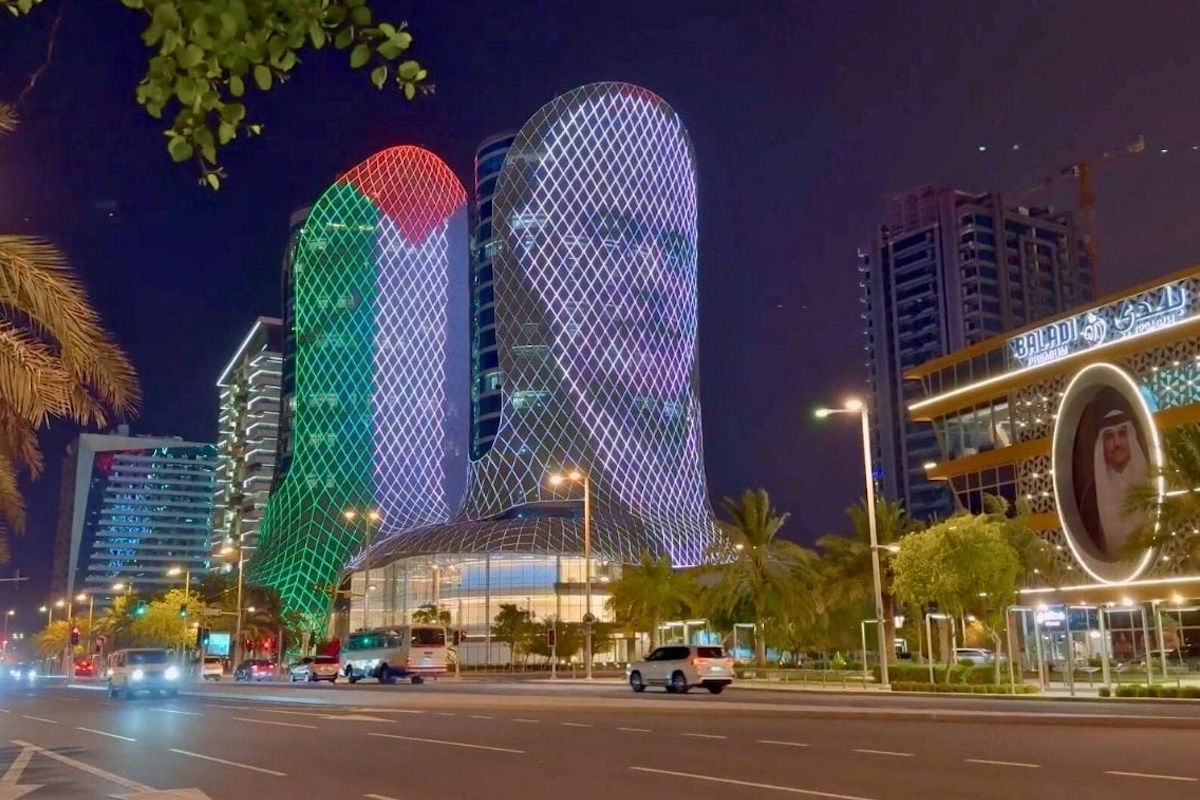
The real winner of the Gaza ceasefire: Qatar
As the fragile ceasefire between Israel and Hamas enters its second week, the geopolitical landscape of the Middle East reveals an unexpected victor: Qatar. While President Donald Trump, Israeli Prime Minister Benjamin Netanyahu, and Hamas leaders in Doha have all claimed victory, the true strategic winner lies in the small Gulf emirate of Qatar. Through years of hosting Hamas leadership, funding the organization, and broadcasting its narrative via Al Jazeera, Qatar has positioned itself as the indispensable mediator in the region. Despite its controversial ties, Qatar has emerged as the key power broker, facilitating the ceasefire and now setting the terms for reconstruction aid and humanitarian assistance. This role has elevated Qatar’s influence, overshadowing traditional allies like Egypt and Saudi Arabia. The ceasefire, however, remains unstable, with the underlying issues of the Israeli-Palestinian conflict unresolved. Israel’s military campaign failed to destroy Hamas, and the organization retains control over Gaza, albeit at a devastating cost to the Palestinian population. Meanwhile, the Trump administration’s peace plan lacks clarity and enforcement mechanisms, leaving the region in a state of strategic ambiguity. The real tragedy lies with the Palestinian people, who face immense suffering without a clear path to self-determination. As the cycle of violence and temporary peace continues, Qatar’s ability to mediate between antagonists has solidified its position as a dominant player in Middle Eastern politics. This outcome underscores the uncomfortable truth that in the region’s endless conflicts, the real winners are not those who fight but those who broker the peace.
-
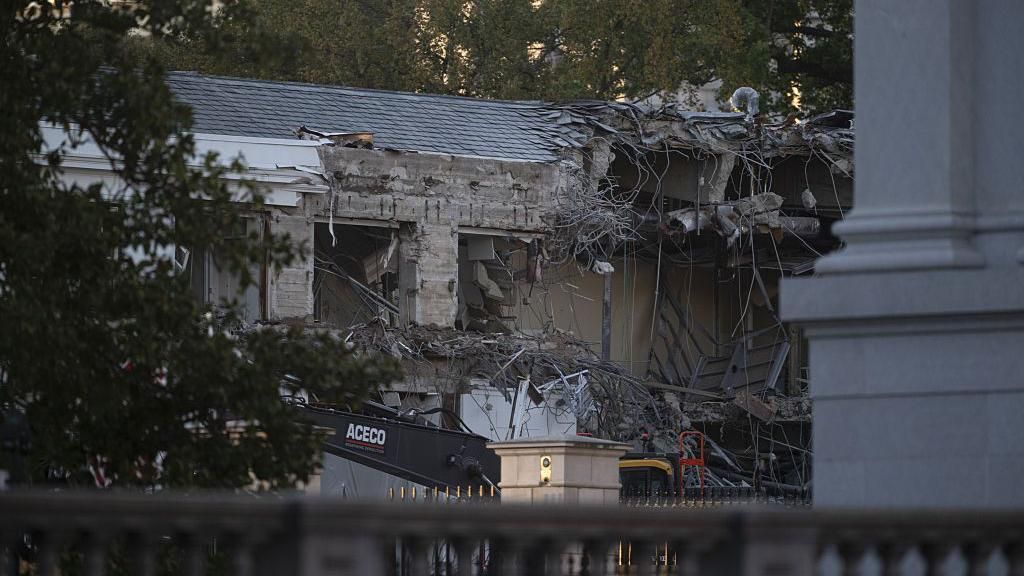
Trump says White House renovation is ‘music to my ears’ as criticism mounts
U.S. President Donald Trump has ignited a heated debate over his decision to demolish part of the White House East Wing to construct a grand ballroom. Defending the $250 million project, Trump described the construction noise as “music to my ears” during a meeting with Republican senators on Tuesday. He emphasized, “When I hear that sound, it reminds me of money.” The 90,000-square-foot ballroom, intended for hosting parties, state visits, and other events, has drawn sharp criticism from various quarters, including former presidential candidate Hillary Clinton and historic preservation groups. The National Trust for Historic Preservation expressed “deep concern” in a letter to White House officials, warning that the new structure could “overwhelm the White House itself” and disrupt its classical design. The Society of Architectural Historians also called for a public review process, citing the project’s scale. The White House countered criticism, labeling detractors as “unhinged leftists” and asserting that the privately funded renovation would not burden taxpayers. Trump officials defended the solicitation of private donations for the project, arguing it was appropriate. Critics, however, argue that the alterations represent the most significant changes to the White House exterior in decades. While White House officials claim the project does not require approval from the National Capital Planning Commission, former commission chair L Preston Bryant Jr noted that previous administrations typically consulted the agency for major renovations. The controversy underscores the tension between modernization and historic preservation in one of America’s most iconic landmarks.