分类: politics

  • King lands in Rome for historic visit to meet Pope

    King lands in Rome for historic visit to meet Pope

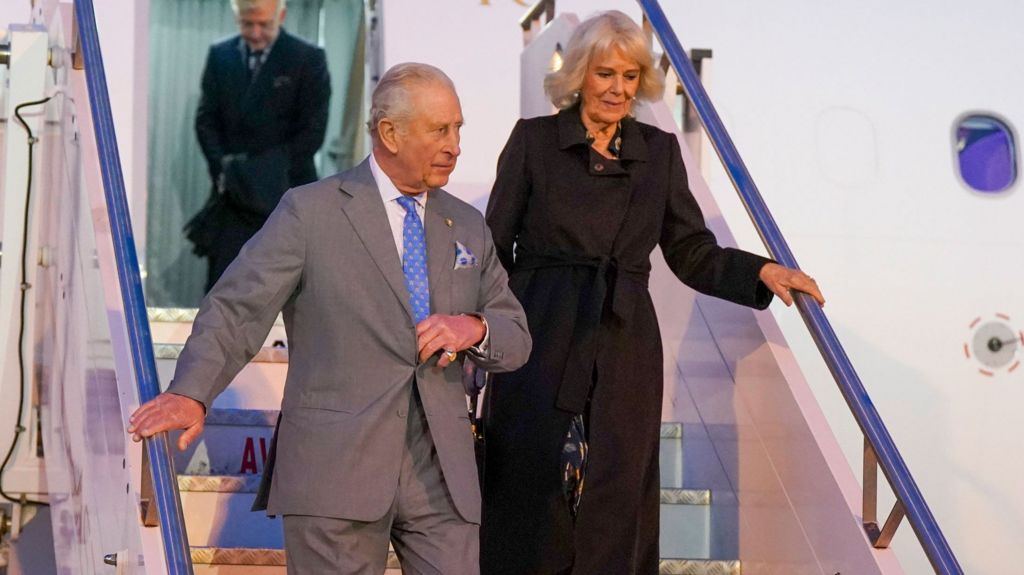
    In a landmark moment for interfaith relations, King Charles III and Queen Camilla have arrived in Rome for a historic state visit to the Vatican. The visit, which began on Wednesday evening with their arrival at Ciampino Airport, marks the first time a British monarch will pray with a pope since the 16th-century Reformation. This symbolic gesture underscores the growing unity between the Church of England and the Catholic Church, a relationship described by the King’s spokesman as a ‘bulwark against those promoting conflict, division, and tyranny.’

    The royal couple’s visit comes amid ongoing controversies surrounding Prince Andrew, whose recent loss of titles has dominated headlines. The Palace has been keen to shift focus to this significant diplomatic endeavor, emphasizing its importance in fostering global Christian unity. The King, as the Supreme Governor of the Church of England, has long championed interfaith dialogue, making this visit deeply personal and meaningful.

    On Thursday morning, King Charles will meet Pope Leo at the Vatican, followed by a joint service in the Sistine Chapel. This service, held beneath Michelangelo’s iconic ceiling, will bring together Catholic and Anglican clergy, royal and Vatican choirs, and highlight the warm relations between the two denominations. The event will also feature a rare public display of prayer, breaking royal convention to emphasize solidarity.

    In another gesture of reconciliation, the King will attend a service at St. Paul’s Outside the Walls, a church with pre-Reformation ties to the English monarchy. Here, he will assume the honorary title of ‘royal confrater,’ further cementing the historic links between the abbey and the British crown.

    Cardinal Vincent Nichols, Archbishop of Westminster, noted the King and Pope’s differing approaches but expressed confidence in their ability to find common ground. He also reflected on the spiritual significance of the visit, stating that both leaders would seek divine guidance to navigate the challenges facing the Royal Family.

    The Foreign Office hailed the visit as an opportunity to strengthen the UK’s relationship with the Catholic Church, the world’s largest Christian denomination. This trip not only highlights the King’s commitment to interfaith harmony but also reinforces the UK’s role as a bridge between diverse religious communities in an increasingly divided world.
  • Cameroon judges reject election-rigging complaints

    Cameroon judges reject election-rigging complaints

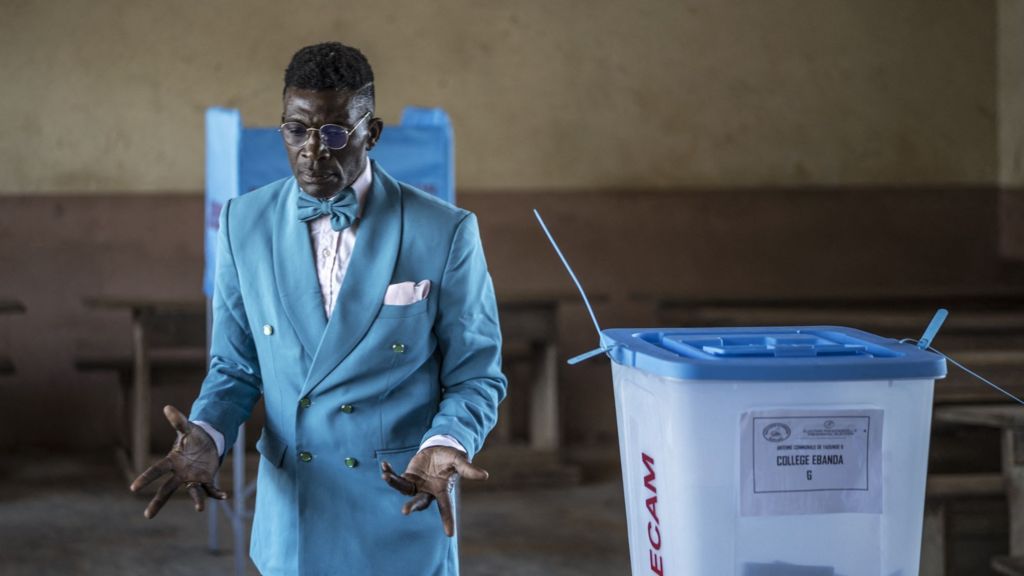
    Cameroon’s Constitutional Council has rejected calls to annul the results of the highly contested presidential election held on 12 October, announcing that the final outcome will be declared on Monday. The decision has intensified political unrest, with opposition supporters staging widespread protests across major cities, alleging electoral fraud, including ballot-stuffing. The judges dismissed eight petitions, citing insufficient evidence of irregularities and jurisdictional limitations. Opposition candidate Issa Tchiroma Bakary, a former government spokesman who defected from President Paul Biya’s camp, has declared himself the winner, claiming to have secured 55% of the vote based on unofficial tallies. Biya, 92, who has ruled Cameroon for 43 years, is seeking another seven-year term. Bakary has refused to file formal complaints with the Constitutional Council, accusing it of bias due to its Biya-appointed judges. He warned of potential civil unrest if the official results do not reflect the electorate’s will. Biya’s ruling party has dismissed Bakary’s self-proclaimed victory as illegal, emphasizing that only the Constitutional Council can validate election results. The Catholic Church has urged the Council to ensure the verdict aligns with voters’ intentions. The escalating tensions have raised fears of post-election violence in a nation already grappling with separatist conflicts in Anglophone regions and Boko Haram insurgencies in the Far North.

  • Britain ends terrorist designation of Syria’s Hay’at Tahrir al-Sham

    Britain ends terrorist designation of Syria’s Hay’at Tahrir al-Sham

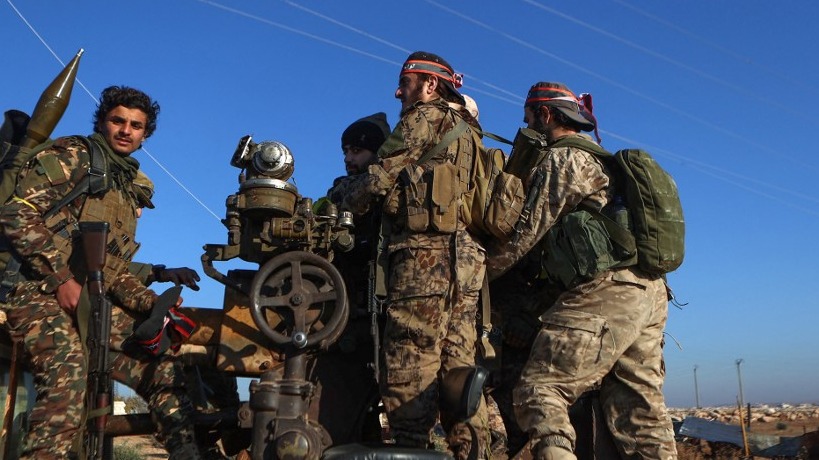
    In a significant policy shift, the UK government has removed Hay’at Tahrir al-Sham (HTS) from its list of proscribed terrorist organizations. This decision follows the dramatic overthrow of Bashar al-Assad’s regime in December 2024, marking a turning point in Syria’s protracted conflict. The Home Office confirmed the move late Monday, citing ‘significant developments in Syria’ as the rationale behind the decision. Originally banned in 2017 as an alias of al-Qaeda’s former Syrian affiliate, Jabhat al-Nusra, HTS’s proscription had made it a criminal offense in the UK to support or associate with the group. The Home Office emphasized that the de-proscription does not signify political endorsement of HTS but reflects a reassessment of the group’s role and the evolving threat landscape. ‘The UK’s engagement with the new Syrian authorities will be guided by our national security priorities,’ the statement read. This decision aligns with a similar move by the US earlier this year, as Western nations seek to re-engage with Syria’s new leadership under HTS’s long-time leader, Ahmed al-Sharaa. Formed in 2017 through the merger of several factions in Idlib province, HTS initially aligned with al-Qaeda but later declared independence, focusing on Syria’s internal conflict. The group established a de facto administration in northwest Syria, known as the ‘Salvation Government,’ and played a pivotal role in the 2024 offensive that toppled Assad’s regime. The UK’s decision leaves 83 organizations still listed as terrorist groups under the Terrorism Act 2000, with the Home Office noting that proscription can be reinstated if new evidence of terrorism emerges.

  • Ecuador’s Indigenous alliance ends highway-blocking protests after military threat

    Ecuador’s Indigenous alliance ends highway-blocking protests after military threat

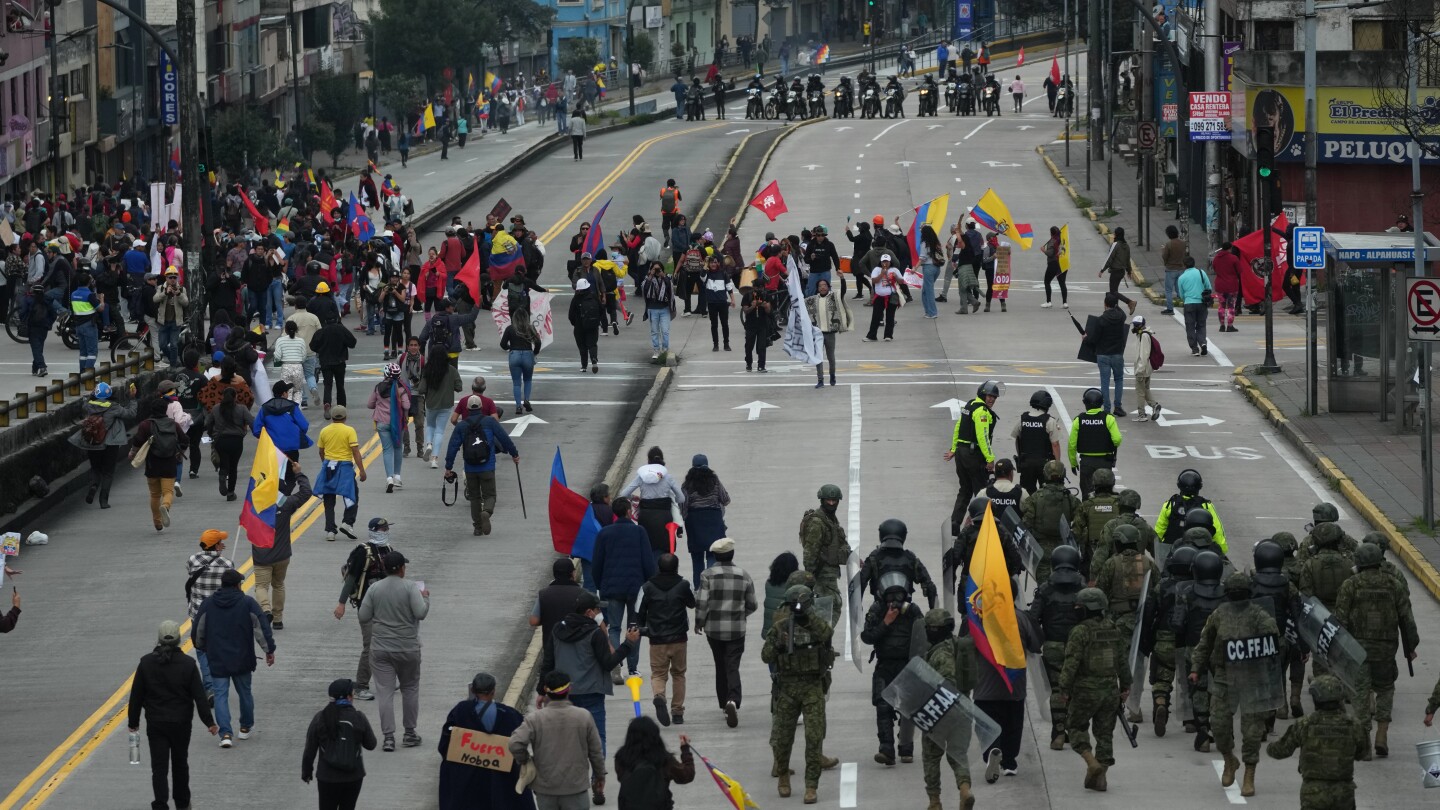
    QUITO, Ecuador — The Confederation of Indigenous Nationalities of Ecuador (CONAIE) announced on Wednesday the cessation of nationwide protests that had paralyzed parts of the country for over a month. The decision came after President Daniel Noboa threatened to deploy the military to dismantle road blockades that had severely disrupted transportation and economic activities. The protests were initially sparked by the government’s decision to eliminate a diesel subsidy, which caused fuel prices to surge from $1.80 to $2.80 per gallon. Diesel is crucial for agricultural machinery, trucking, and public transportation, particularly affecting Ecuador’s most vulnerable populations. Marlon Vargas, CONAIE’s president, described the decision to end the demonstrations as “difficult” but necessary to safeguard the lives of Indigenous communities. In a social media statement, Vargas criticized the government for lacking dialogue and sensitivity in implementing policies that disproportionately impact the poor. Meanwhile, General Henry Delgado of the Joint Chiefs of Staff emphasized the military’s readiness to clear blockades in Imbabura province, the epicenter of the disruptions. Delgado condemned the protests, stating that a minority should not impose its will on the nation’s 18 million citizens. Despite the end of the strike, Vargas vowed that Indigenous groups would continue to resist policies they deem unjust.

  • US strikes eighth alleged drug-carrying boat, this time in the Pacific Ocean

    US strikes eighth alleged drug-carrying boat, this time in the Pacific Ocean

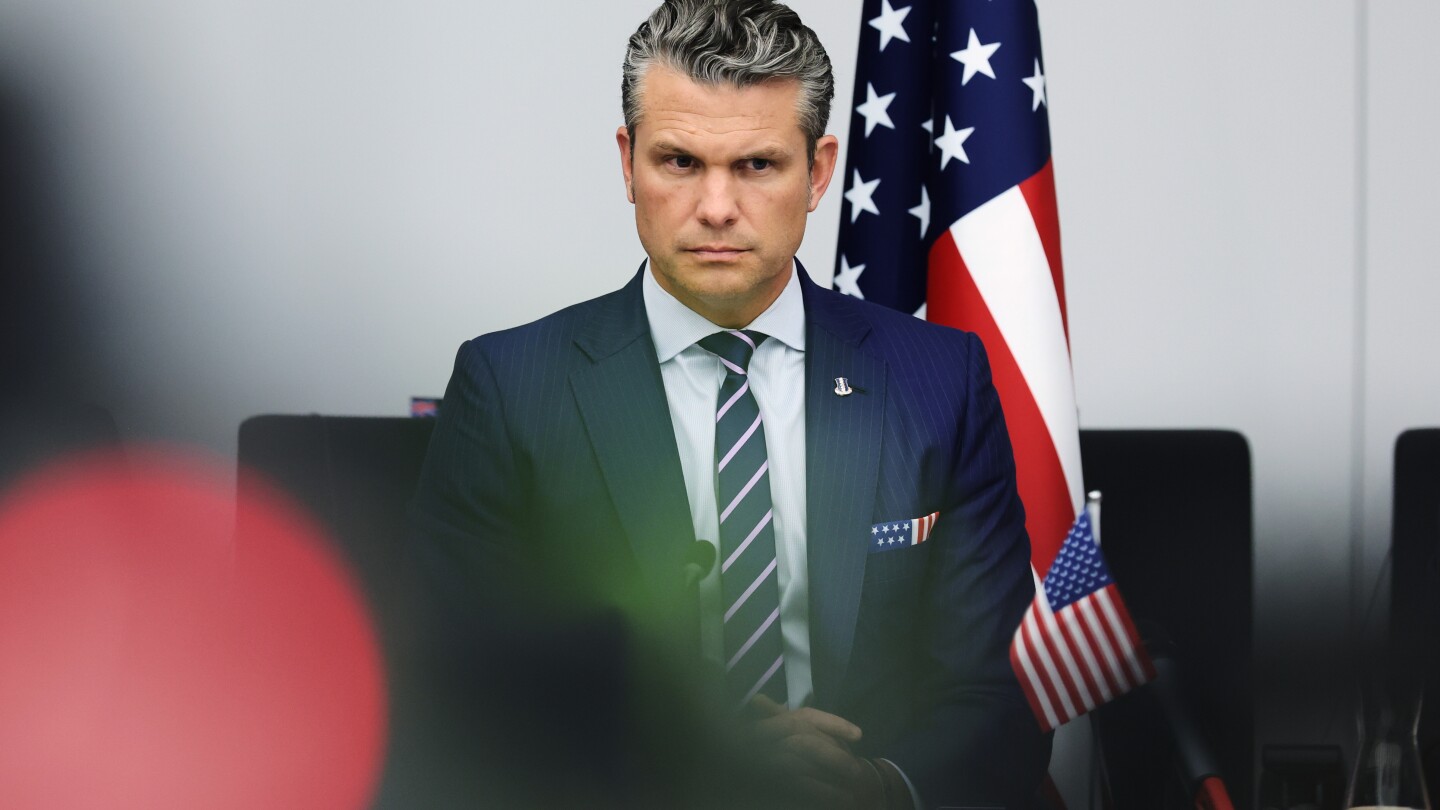
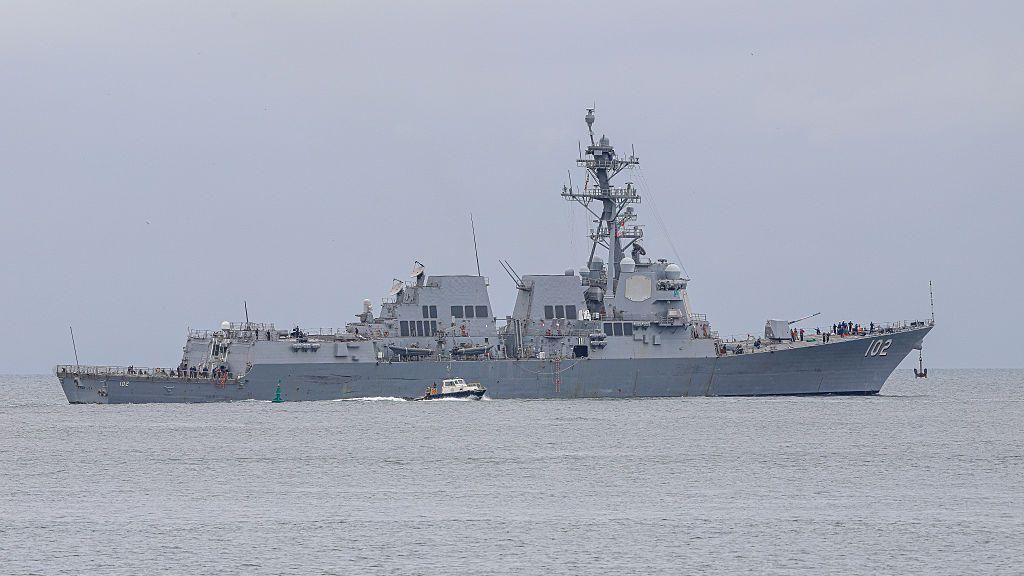
    The U.S. military has intensified its crackdown on drug trafficking with its eighth strike targeting an alleged drug-carrying vessel in the eastern Pacific Ocean, resulting in two fatalities, Defense Secretary Pete Hegseth announced on Wednesday. This marks a significant expansion of the Trump administration’s campaign against South American drug cartels, shifting focus from the Caribbean to Colombia, a major cocaine producer. Hegseth emphasized the administration’s resolve, drawing parallels between the war on drug cartels and the post-9/11 war on terrorism. “Just as Al Qaeda waged war on our homeland, these cartels are waging war on our border and our people,” he stated, vowing no refuge or forgiveness for the cartels. The strike brings the total death toll from these operations to at least 34 since last month. The Trump administration has justified these actions by classifying drug cartels as unlawful combatants, invoking the same legal authority used in the war on terrorism. Despite the aggressive measures, the administration has refrained from prosecuting occupants of the targeted vessels, instead repatriating survivors to their home countries. The U.S. military has also bolstered its presence in the Caribbean and off Venezuela’s coast, fueling speculation about potential moves against Venezuelan President Nicolás Maduro, who faces narcoterrorism charges in the U.S. While fentanyl from Mexico remains the primary driver of U.S. overdose deaths, Colombia’s cocaine, smuggled largely through the eastern Pacific, remains a critical focus of the administration’s efforts.

  • Israel’s involvement in death of Moroccan opposition leader revealed

    Israel’s involvement in death of Moroccan opposition leader revealed

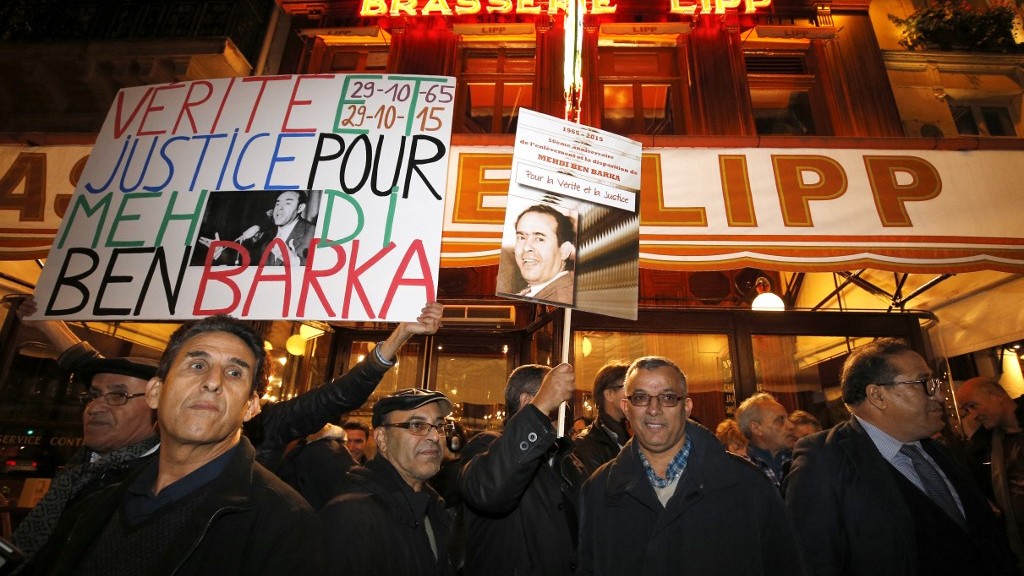
    A groundbreaking new book titled *L’Affaire Ben Barka. La fin des secrets* (“The Ben Barka Affair: The End of Secrets”) has unveiled Israel’s covert involvement in the 1965 assassination of Mehdi Ben Barka, a prominent Moroccan opposition leader. Ben Barka, the exiled head of the left-wing National Union of Popular Forces (UNFP), was abducted in Paris on October 29, 1965, and his body was never recovered. While the Moroccan state had long been suspected due to Ben Barka’s opposition to King Hassan II, the book reveals the extent of Israel’s Mossad spy agency’s role in the operation. Authored by journalists Stephen Smith and Ronen Bergman, the book draws on previously classified documents to detail the collaboration between Mossad and Moroccan security forces. The operation was reportedly overseen by Ahmed Dlimi, deputy director of Moroccan security, and Rafi Eitan, a key Israeli intelligence figure. Mossad operatives allegedly procured tools and corrosive materials in Paris, including sodium hydroxide, to dispose of Ben Barka’s body. After his abduction, Ben Barka was held south of Paris and later interrogated and drowned by Dlimi, who documented the killing to confirm its completion. The book also highlights the covert ties between Morocco and Israel, which have persisted since the 1960s and were formalized in 2020 with U.S. recognition of Moroccan sovereignty over Western Sahara. This alliance has fueled trade and defense cooperation, including the transfer of F-35 jet components used in Israel’s Gaza operations, sparking widespread anger in Morocco over Israel’s actions in Gaza.

  • ‘Stealth husband’ of Japan’s new PM vows quiet support

    ‘Stealth husband’ of Japan’s new PM vows quiet support

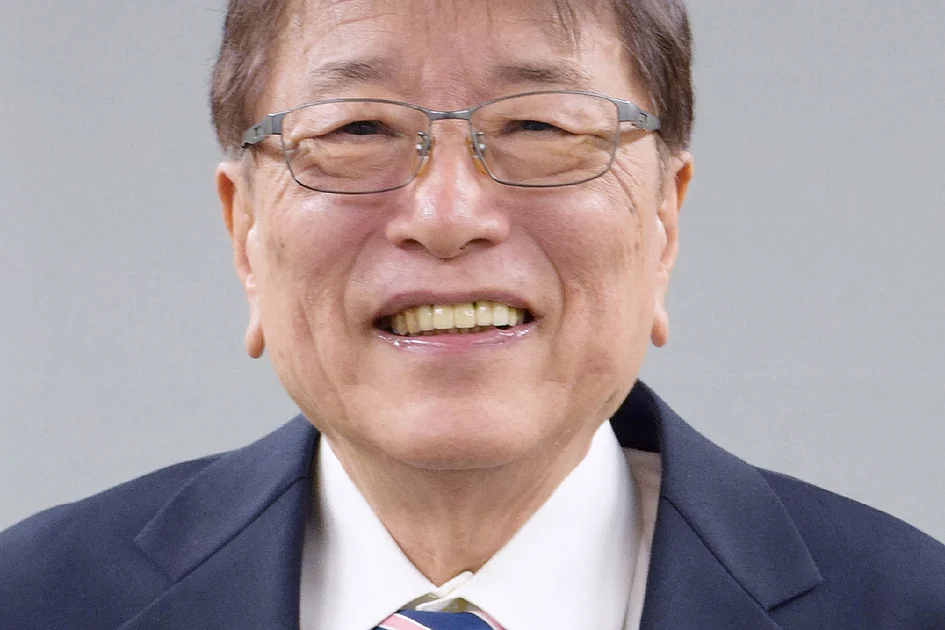
    In a unique approach to spousal support, Taku Yamamoto, the husband of Japan’s newly appointed Prime Minister Sanae Takaichi, has vowed to remain a ‘stealth husband,’ offering quiet support while staying out of the public eye. Yamamoto, a 73-year-old former lawmaker from the ruling Liberal Democratic Party (LDP), emphasized the cultural preference for partners to avoid the spotlight in Japan, unlike in Western countries. This stance comes as Takaichi, Japan’s first female Prime Minister, assumes her role with a vision to lead the nation. Yamamoto, who has been married to Takaichi twice—first in 2004, then again in 2021 after a brief divorce—expressed his commitment to ensuring his presence does not hinder her political ambitions. The couple’s relationship has been marked by their shared political journey, including Yamamoto’s support during Takaichi’s unsuccessful bid for the LDP leadership in 2021. Despite facing health challenges, including a stroke and prostate cancer, Yamamoto continues to support Takaichi, even taking on household responsibilities like cooking. Takaichi, known for her conservative views and admiration for Margaret Thatcher, has faced criticism for her stance on gender issues, including her opposition to revising Japan’s 19th-century law requiring married couples to share the same surname. The couple’s unique dynamic, blending personal and political lives, offers a glimpse into the challenges and complexities of leadership in Japan’s political landscape.

  • US strikes alleged drug boat in the Pacific – report

    US strikes alleged drug boat in the Pacific – report

    The United States has significantly escalated its counter-narcotics efforts in Latin America and the Caribbean, deploying substantial air and naval assets, as well as troops, to combat drug trafficking in the region. According to CBS, US forces recently targeted another vessel suspected of carrying drugs, this time in the Pacific Ocean. Two US officials reported that two or three individuals aboard the vessel were likely killed in the strike. If confirmed, this would mark the eighth such operation since September 2, and the first in the Caribbean. The BBC has reached out to the White House, Pentagon, and State Department for comments. A leaked memo to US lawmakers revealed that the Trump administration has classified its actions as part of a ‘non-international armed conflict’ against drug-trafficking organizations, several of which have been designated as terrorist groups by the US government. Since the operations began, at least 34 people have been killed, including in a recent strike on a semi-submersible submarine in the Caribbean. Two survivors from that incident were repatriated to Colombia and Ecuador, with Ecuador releasing one individual due to lack of evidence. The other remains hospitalized. President Donald Trump has defended the strikes as essential measures against drug trafficking, while also escalating tensions with Colombian President Gustavo Petro, whom he accused of promoting drug production. Trump announced the cessation of US subsidies to Colombia, a long-standing ally. The Pacific coastlines of Colombia and Ecuador are key transit points for cocaine bound for the US, with the Caribbean also seeing a rise in drug trafficking activity. Despite the deployment of 10,000 US troops and numerous military assets to the region, details about the identities of those killed and their alleged affiliations remain scarce.

  • Corbyn demands Lisa Nandy retract ‘misleading’ Maccabi Tel Aviv smears against MPs

    Corbyn demands Lisa Nandy retract ‘misleading’ Maccabi Tel Aviv smears against MPs

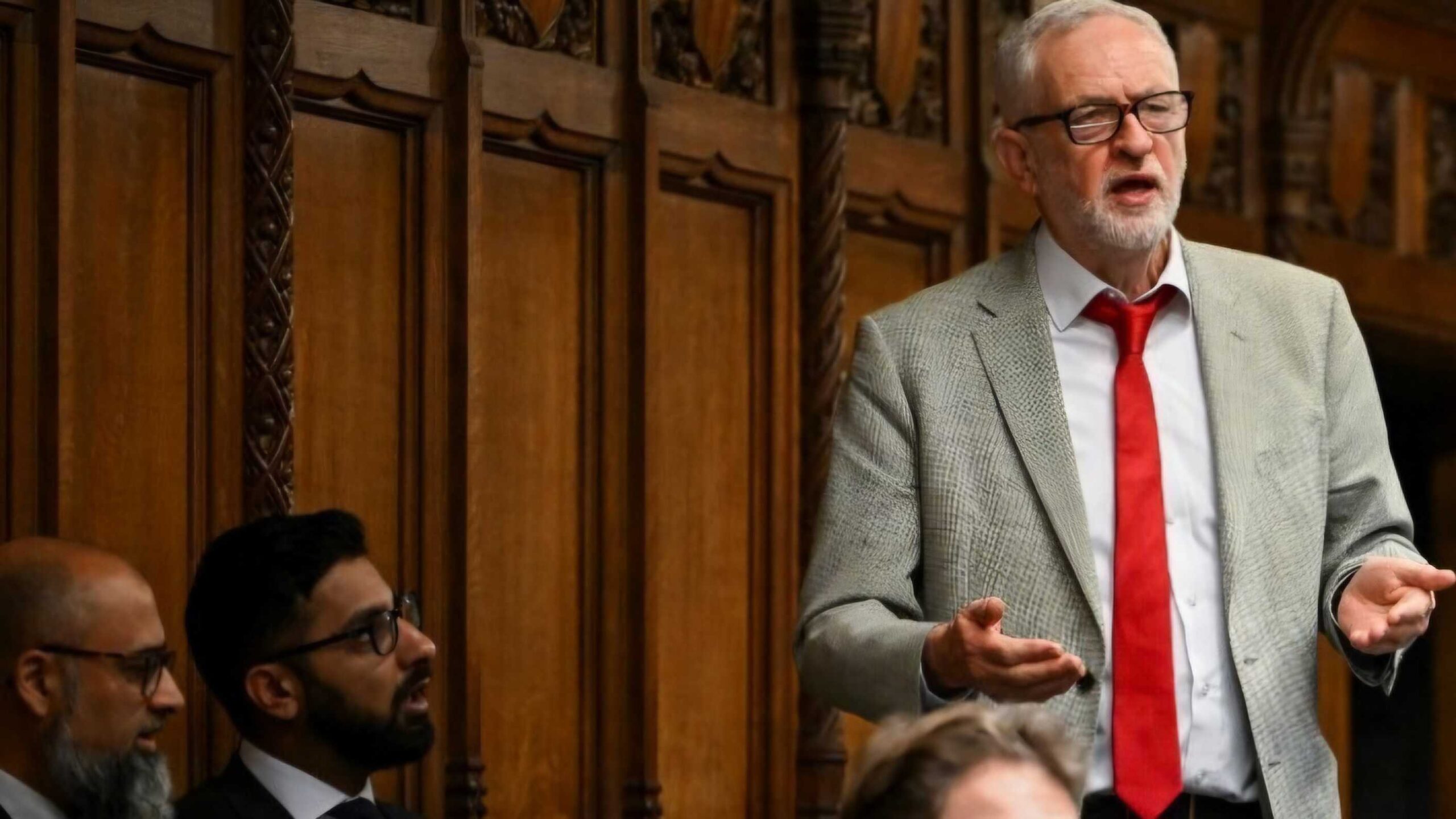
    Former Labour leader and independent MP Jeremy Corbyn has accused Culture Secretary Lisa Nandy of making “grossly misleading” statements in parliament regarding the ban on Maccabi Tel Aviv fans from a November match against Aston Villa. Corbyn’s letter, revealed by the Guardian, highlights police intelligence that contradicts Nandy’s claims, asserting that the ban was primarily due to the risk of violence posed by Maccabi fans, not their Israeli or Jewish identity. Labour ministers have called for the ban’s reversal, labeling it antisemitic. Police intelligence, supported by Dutch authorities, indicated that Maccabi fans had previously attacked random Muslims in Amsterdam, raising concerns about potential violence in Birmingham. West Midlands Police also noted local Jewish support for the ban, fearing reprisals from residents. Nandy defended the ban in parliament, emphasizing the safety of Maccabi fans due to their Israeli and Jewish identity. Corbyn, however, insisted the ban was not about religion but about public safety, urging Nandy to retract her comments. Independent MPs, including Ayoub Khan and Iqbal Mohamed, criticized the conflation of antisemitism with the ban, highlighting the fans’ violent history. Maccabi Tel Aviv later announced it would not sell tickets to its fans for the Birmingham match, following a history of violence and hate speech in European cities, including a recent ban in Amsterdam.

  • Mainland spokesperson calls for cross-Strait joint efforts to resist external challenges

    Mainland spokesperson calls for cross-Strait joint efforts to resist external challenges

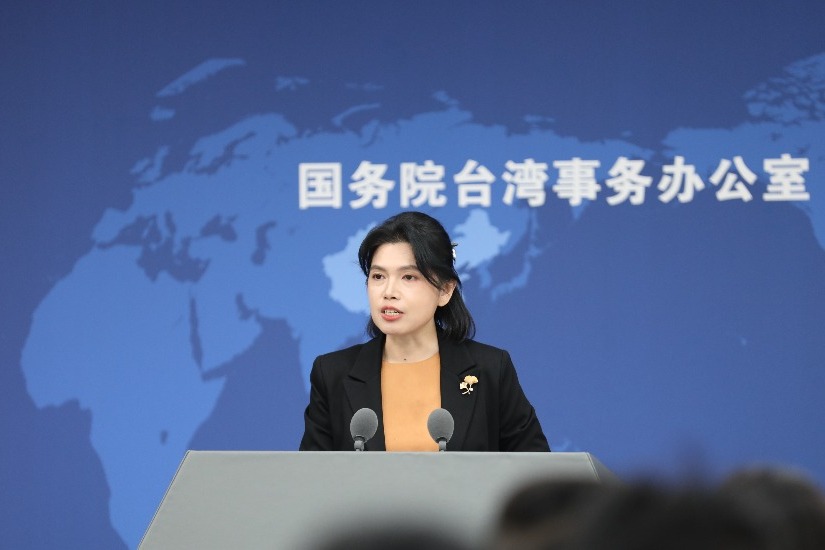
    A spokesperson from the Chinese mainland has emphasized the need for enhanced cooperation across the Taiwan Strait in advanced technological sectors, particularly artificial intelligence (AI), while criticizing Taiwan’s Democratic Progressive Party (DPP) for prioritizing political gains over the island’s industrial competitiveness. Zhu Fenglian, spokesperson for the State Council Taiwan Affairs Office, made these remarks during a press briefing on Wednesday, addressing concerns over the challenges faced by Taiwan Semiconductor Manufacturing Company (TSMC) in the United States. Zhu highlighted the rapid development of the mainland’s high-tech industries, which she said offers a robust foundation and vast opportunities for cross-Strait collaboration. She pointed out that Taiwan’s semiconductor industry, a key competitive sector, could benefit significantly from such cooperation. However, Zhu accused the DPP authorities of leveraging the industry as a political bargaining chip, aligning it with U.S. interests at the expense of Taiwan’s economic autonomy. She called for unified efforts between the mainland and Taiwan to deepen integrated development and jointly counter external risks and challenges.