分类: politics

  • Barbs fly as Mamdani and Cuomo meet in final, furious New York City mayoral debate

    Barbs fly as Mamdani and Cuomo meet in final, furious New York City mayoral debate

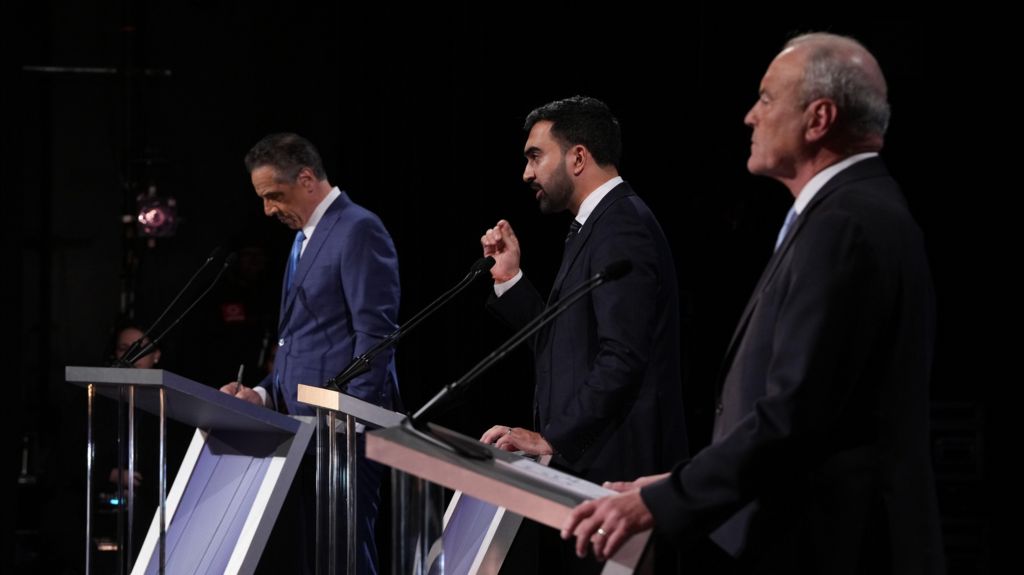
    In a fiery final debate ahead of the New York City mayoral election, the three leading candidates—Democrat Zohran Mamdani, Republican Curtis Sliwa, and independent Andrew Cuomo—engaged in heated exchanges over key issues, including housing, homelessness, and their approaches to dealing with former President Donald Trump. Held at a packed university auditorium in Queens, the 90-minute debate saw candidates trading personal jabs and defending their records, with Mamdani maintaining his lead in recent polls.

    Mamdani, positioned at center stage, faced sharp criticism from both opponents. Cuomo accused him of absenteeism as a state assemblyman, while Sliwa questioned his stance on affordable housing initiatives. Mamdani fired back, blaming Cuomo for the city’s struggles during his tenure as governor. The debate also revisited allegations of sexual harassment against Cuomo, with Mamdani highlighting the presence of one of Cuomo’s accusers in the audience.

    The candidates unanimously criticized a recent federal immigration raid in Chinatown, arguing that local authorities should handle such issues. However, their approaches to engaging with Trump diverged. Sliwa emphasized negotiation, Mamdani accused Cuomo of being Trump’s puppet, and Cuomo touted his experience in dealing with the former president.

    The Middle East conflict also took center stage, with Mamdani defending his pro-Palestine stance against accusations of antisemitism. Cuomo and Sliwa criticized his views, while Cuomo affirmed the right to protest but condemned antisemitic behavior.

    As early voting begins, the debate marked the candidates’ last high-profile opportunity to sway voters before Election Day.
  • NYC mayoral candidates clash over Trump and political experience

    NYC mayoral candidates clash over Trump and political experience

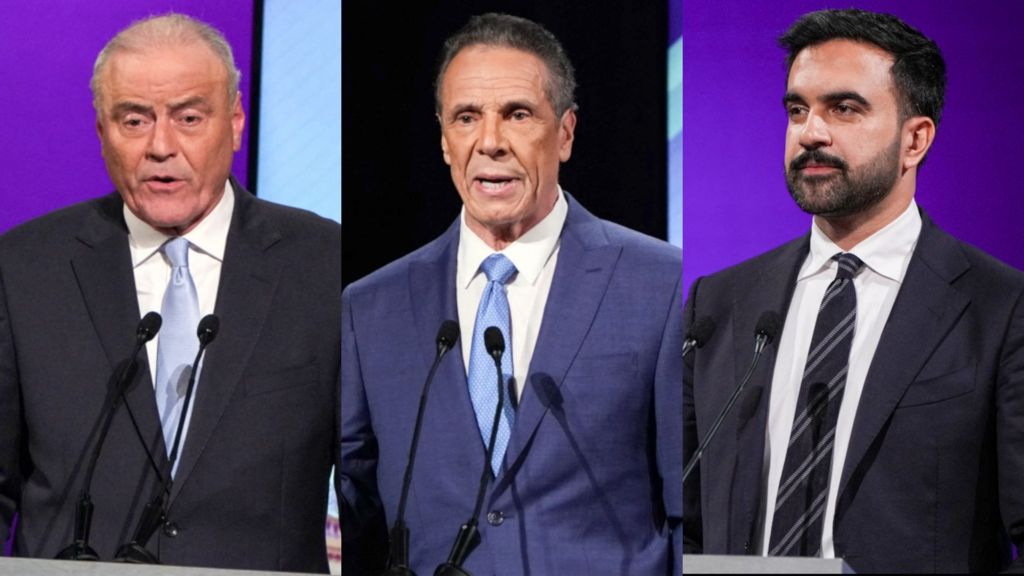
    In a highly anticipated final debate before the November elections, New York City mayoral candidates Zohran Mamdani, Andrew Cuomo, and Curtis Sliwa engaged in a heated exchange, with discussions centering on former President Donald Trump and the significance of political experience. The debate, held just days before Election Day, highlighted stark contrasts in their policy visions and leadership styles. Mamdani, a progressive advocate, emphasized the need for systemic change, while Cuomo, a seasoned politician, touted his extensive experience in governance. Sliwa, known for his grassroots activism, positioned himself as an outsider challenging the political establishment. The candidates also sparred over their stances on Trump, with Mamdani and Cuomo criticizing his legacy, while Sliwa adopted a more nuanced approach. The debate underscored the high stakes of the upcoming election, as New Yorkers prepare to choose their next mayor amidst a backdrop of economic recovery and social transformation.

  • Youth who led Madagascar protests hope coup leader will continue to hear them as president

    Youth who led Madagascar protests hope coup leader will continue to hear them as president

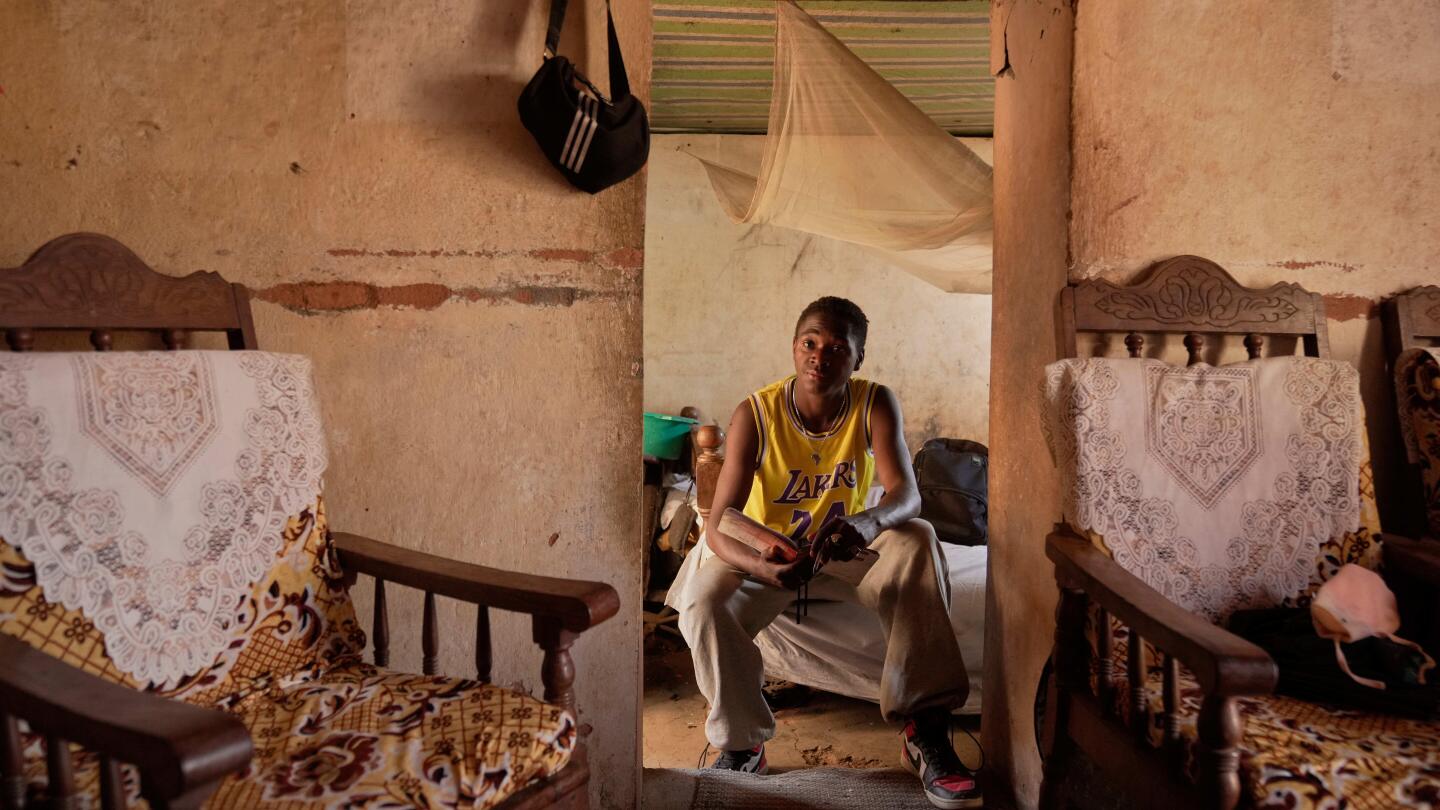
    In the wake of Madagascar’s recent military coup, led by Colonel Michael Randrianirina, the young protesters who fueled the uprising are yet to see tangible improvements in their daily lives. Donah Falia, a 20-year-old accounting student, continues to endure long waits for water and faces a bleak job market, reflecting the persistent challenges in the capital, Antananarivo. Despite the overthrow of democratically elected President Andry Rajoelina, the youth remain skeptical about the new regime’s ability to address their grievances. Randrianirina’s rise to power follows a familiar pattern in Madagascar’s post-colonial history, echoing similar military takeovers across Africa in recent years. While many celebrated the end of Rajoelina’s rule, the protesters’ demands for better living conditions, employment, and utility access remain unmet. The coup, which began with mass protests in September, saw security forces crack down harshly, resulting in casualties. Randrianirina’s CAPSAT unit eventually sided with the demonstrators, forcing Rajoelina to flee. The youth, inspired by global Gen Z movements, rallied around symbols of change but now face uncertainty about the new government’s commitment to their cause. Experts warn that military regimes often fail to address systemic issues like corruption and poverty, raising doubts about Randrianirina’s long-term effectiveness. The youth, however, remain vigilant, vowing to hold the new government accountable if their demands are ignored.

  • Democratic senators urge Trump to oppose West Bank annexation

    Democratic senators urge Trump to oppose West Bank annexation

    In a significant move, 44 out of 45 Democratic senators in the US Senate have penned a letter to President Donald Trump, urging him to reaffirm his opposition to Israel’s potential annexation of the occupied West Bank. The letter, reported by Axios on Tuesday, highlights concerns over the impact such actions could have on the Israeli-Palestinian conflict and regional stability. John Fetterman of Pennsylvania, known for his staunch support of the current Israeli government, was the sole Democrat who did not sign the letter. The senators emphasized that annexation or settlement expansion would undermine the viability of a negotiated resolution to the conflict and jeopardize the Abraham Accords, which normalized relations between Israel and several Arab nations in 2020. The letter was spearheaded by California Senator Adam Schiff, who has faced criticism for his unconditional support of Israel. A recent Reuters-Ipsos poll revealed that 80% of Democratic voters support the recognition of a Palestinian state, with 41% of Republicans sharing the same view. Trump had previously assured Muslim leaders that he would not allow Israeli Prime Minister Benjamin Netanyahu to annex the West Bank, a condition believed to have been part of his 20-point plan for Gaza. However, much of the West Bank is already de facto annexed, with US officials either condoning or ignoring the situation. Meanwhile, the Knesset advanced a bill to extend Israeli law to the entire West Bank, a move that could lead to formal annexation. The bill, which passed with a narrow majority, requires three more rounds of voting before becoming law. A senior Emirati official warned that the Abraham Accords would be at risk if Israel proceeds with annexation, calling it a ‘red line’ for the United Arab Emirates. Anwar Gargash, a top adviser to Emirati ruler Mohammed bin Zayed, stressed the need to address the Palestinian issue with a more balanced approach, rejecting maximalist views that hinder progress.

  • Top UAE adviser reaffirms commitment to Palestinian state, says any annexation would be ‘red line’

    Top UAE adviser reaffirms commitment to Palestinian state, says any annexation would be ‘red line’

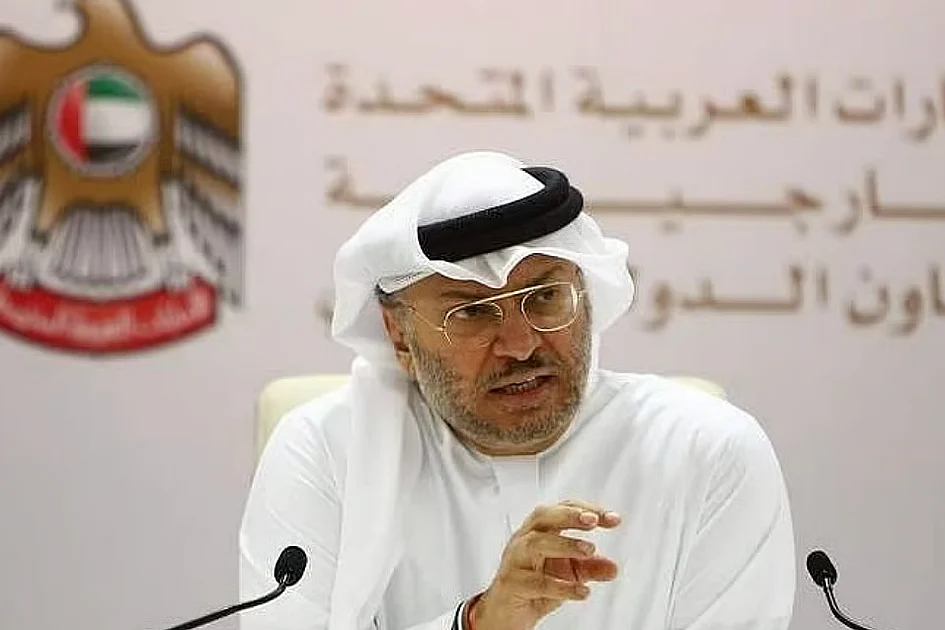
    The United Arab Emirates (UAE) has reiterated its unwavering support for a two-state solution, emphasizing it as the sole pathway to enduring peace in the region. Anwar Gargash, the diplomatic adviser to the UAE’s president, delivered this message during the Reuters NEXT Gulf Summit in Abu Dhabi. He declared that any annexation of Palestinian territories would constitute a ‘red line’ for the UAE, underscoring the nation’s firm stance on the issue. Gargash warned that a return to confrontation would only exacerbate the suffering of Palestinians and fail to secure lasting safety for Israel. He also highlighted the UAE’s significant humanitarian efforts in Gaza, including $2.57 billion in aid over the past two years, which accounts for nearly 46% of all assistance reaching the region. This aid has included 100,000 tons of food and medical supplies, as well as water infrastructure benefiting a million people. Gargash credited the UAE’s relationship with Israel, established through the Abraham Accords, as a critical enabler of these humanitarian initiatives. He noted that without this diplomatic connection, the UAE would not have been able to facilitate the relocation of 3,000 Palestinians and their families to the UAE. UAE Minister of State Lana Nusseibeh also emphasized the Accords as a strategic move to promote peace, coexistence, and tolerance among the region’s youth. Gargash further expressed the UAE’s readiness to play a key role in rebuilding Gaza, contingent on political clarity and a clear path toward Palestinian statehood. However, Emirati businessman Mohamed Alabbar distanced himself from reconstruction efforts, stating that those responsible for the destruction should bear the responsibility for rebuilding.

  • US axes website for reporting human rights abuses by US-armed foreign forces

    US axes website for reporting human rights abuses by US-armed foreign forces

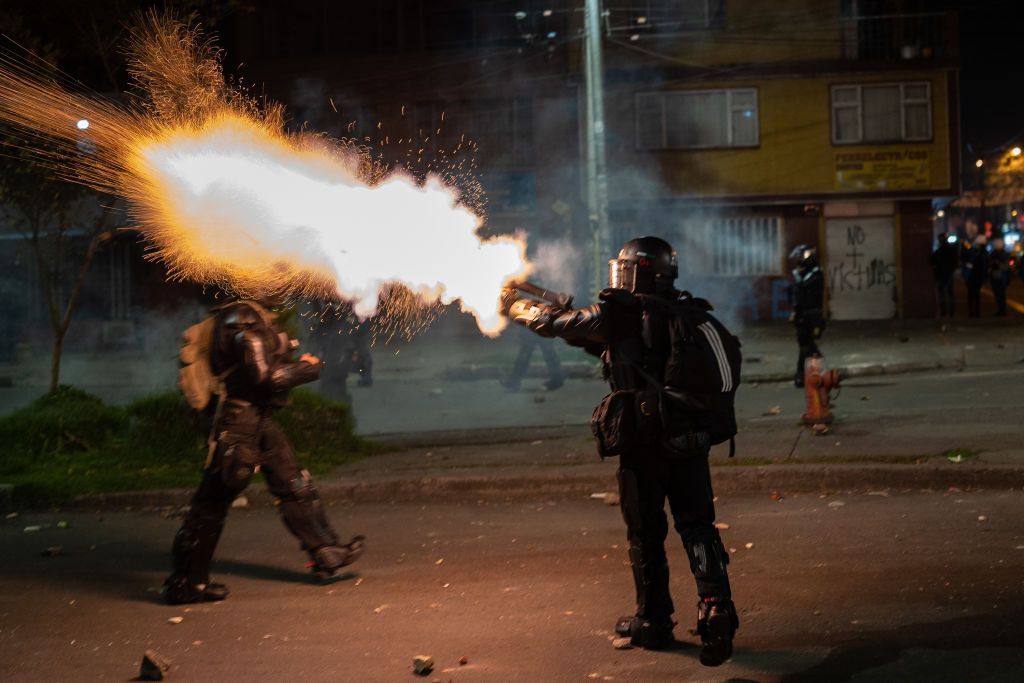
    The US State Department has dismantled its Human Rights Reporting Gateway (HRG), a critical online portal designed to receive allegations of human rights violations by foreign military units supplied with American weapons. Established in 2022 under the Leahy Law, the HRG served as the sole public channel for organizations and individuals to report serious abuses directly to the US government. Its removal has sparked widespread condemnation from human rights advocates and lawmakers, including Tim Rieser, a former senior aide to Senator Patrick Leahy, who described the move as a clear violation of legal mandates. Rieser warned that the deletion undermines the US government’s ability to hold foreign security forces accountable, potentially enabling continued support for units involved in heinous crimes. The State Department, however, maintains that it continues to receive reports of human rights violations and adheres to its legal obligations. The HRG’s elimination follows a broader restructuring of the State Department under Secretary Marco Rubio, which has included layoffs and the scaling back of human rights monitoring offices. Critics argue that these changes reflect a shift away from promoting human rights, aligning instead with the Trump administration’s ‘America First’ foreign policy. The HRG had previously facilitated reports of abuses, including allegations of excessive force by Colombian security forces during 2021 anti-government protests and incidents involving US-armed Israeli Defense Forces in the occupied West Bank. Amnesty International, which had prepared submissions for the portal, expressed concern over the loss of this critical reporting mechanism. Charles Blaha, former Director of the Office of Security and Human Rights, emphasized that the removal severely weakens the government’s ability to deter abuses, leaving no established channel for reporting violations. The US remains the world’s largest provider of military aid, raising questions about the accountability of foreign units receiving American support.

  • Israel passes preliminary bill to annex the occupied West Bank

    Israel passes preliminary bill to annex the occupied West Bank

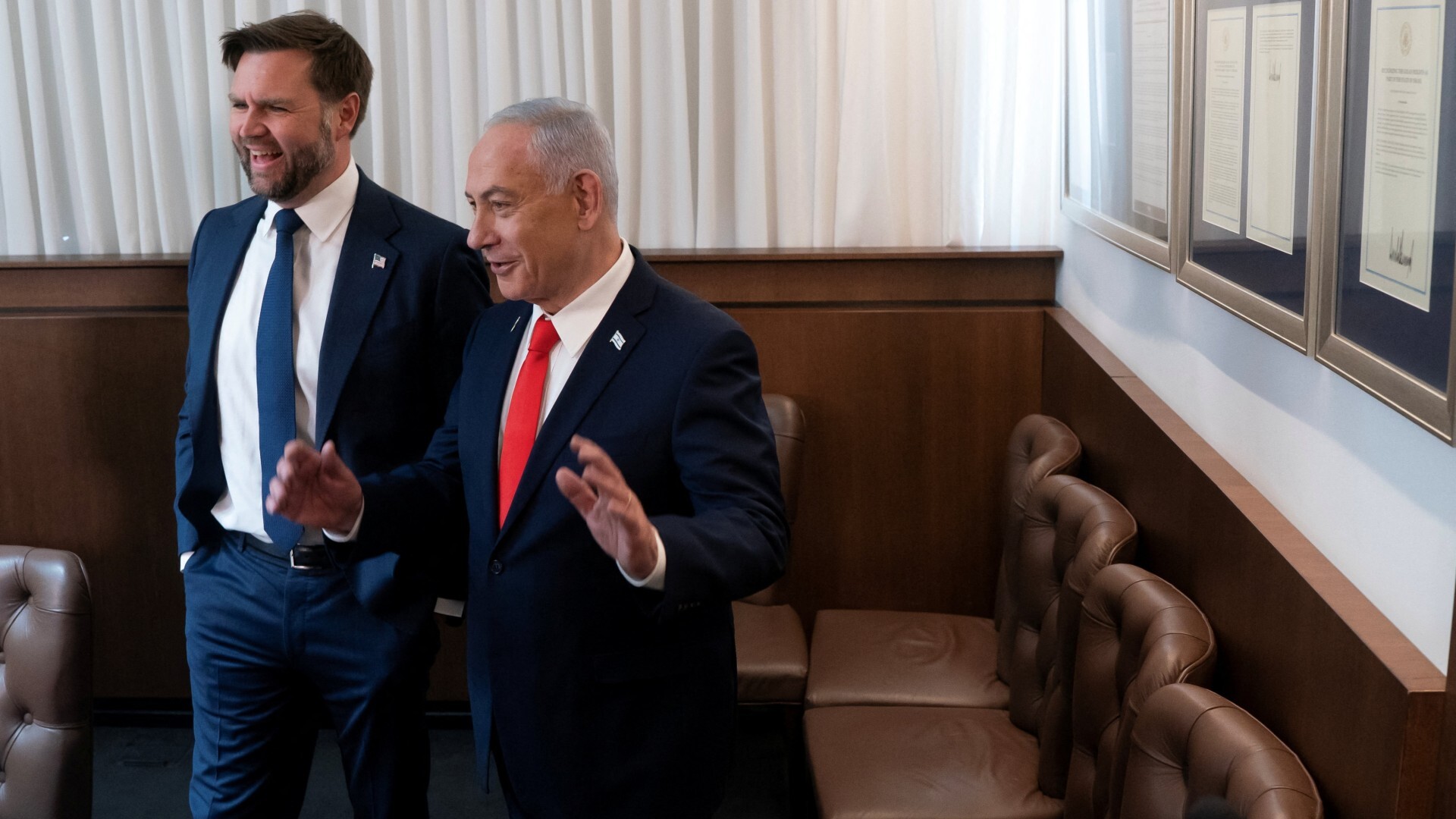
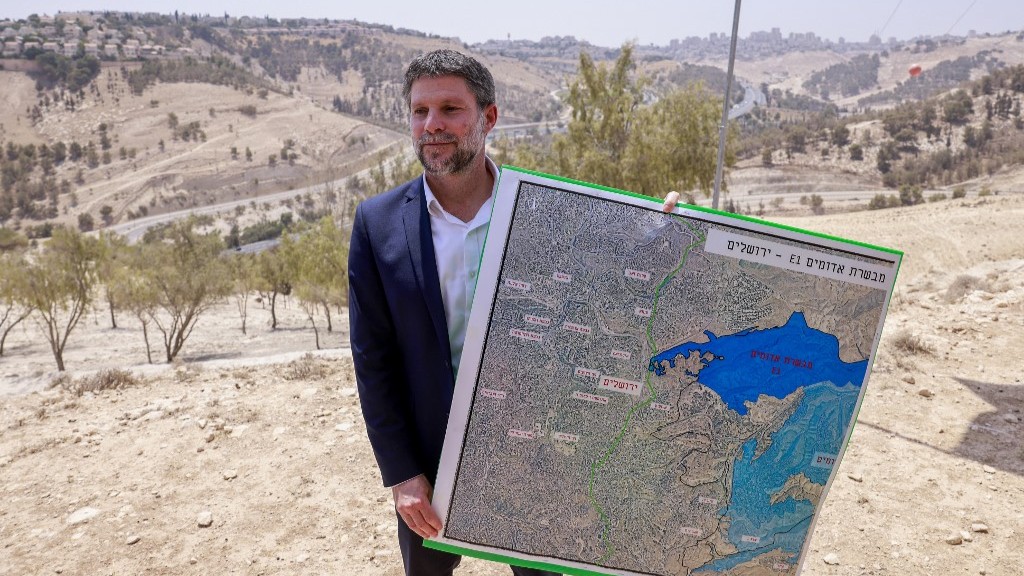
    Israel’s Knesset has taken a significant step toward annexing the occupied West Bank, passing a preliminary reading of a contentious bill with a narrow margin of 25 votes in favor to 24 against. The proposed legislation, introduced by Avi Maoz of the far-right Noam party, seeks to extend Israeli sovereignty over settlement areas in the region, referred to in the bill as ‘Judea and Samaria.’ The bill must undergo three additional votes before becoming law. Concurrently, Avigdor Lieberman of the Yisrael Beiteinu party proposed a separate bill to annex the Maale Adumim settlement near Jerusalem, which also passed. Prime Minister Benjamin Netanyahu’s Likud party criticized the move, labeling it as an attempt to undermine the government during US Vice President JD Vance’s visit. Likud dismissed the bill as ‘trolling’ aimed at damaging US-Israel relations and Israel’s achievements in Gaza. The party emphasized that true sovereignty is achieved through practical actions, not symbolic laws. Meanwhile, Israel’s finance minister, Bezalel Smotrich, recently unveiled a controversial plan to annex the majority of the West Bank, leaving only six Palestinian enclaves outside Israeli control. Smotrich’s proposal includes dismantling the Palestinian Authority and replacing it with ‘regional civilian management alternatives.’ The plan has sparked widespread concern over its implications for regional stability and Palestinian rights.

  • Trump says ‘existing structure’ of White House East Wing to be torn down

    Trump says ‘existing structure’ of White House East Wing to be torn down

    US President Donald Trump has announced the demolition of the White House East Wing to make way for a new $250 million ballroom, a project that has ignited significant debate. Construction crews began dismantling parts of the structure on Monday, with plans to complete the demolition by the weekend. This marks a major expansion of a construction initiative initially announced earlier this year. Trump has emphasized that the project is fully funded by himself and private donors, with military involvement also noted. The East Wing, built in 1902 and last modified in 1942, houses offices for the First Lady and staff, as well as hosting meetings and special events. Trump dismissed criticisms, stating that the changes have been desired ‘for at least 150 years’ and that the East Wing was ‘never thought of as being much.’ He also defended the transparency of the project, asserting, ‘I think we’ve been more transparent than anyone’s ever been.’ However, the National Trust for Historic Preservation has expressed deep concern, urging a pause on demolition and calling for a public review process. Critics, including former presidential candidate Hillary Clinton, have accused Trump of disregarding the White House’s historical significance. Clinton remarked on social media that the White House ‘is not Trump’s house, and he’s destroying it.’ Despite the backlash, Trump has celebrated the project, describing the sound of construction as ‘music to my ears’ and a reminder of prosperity.

  • Haniyeh family denies reports relatives left Gaza after Turkish request

    Haniyeh family denies reports relatives left Gaza after Turkish request

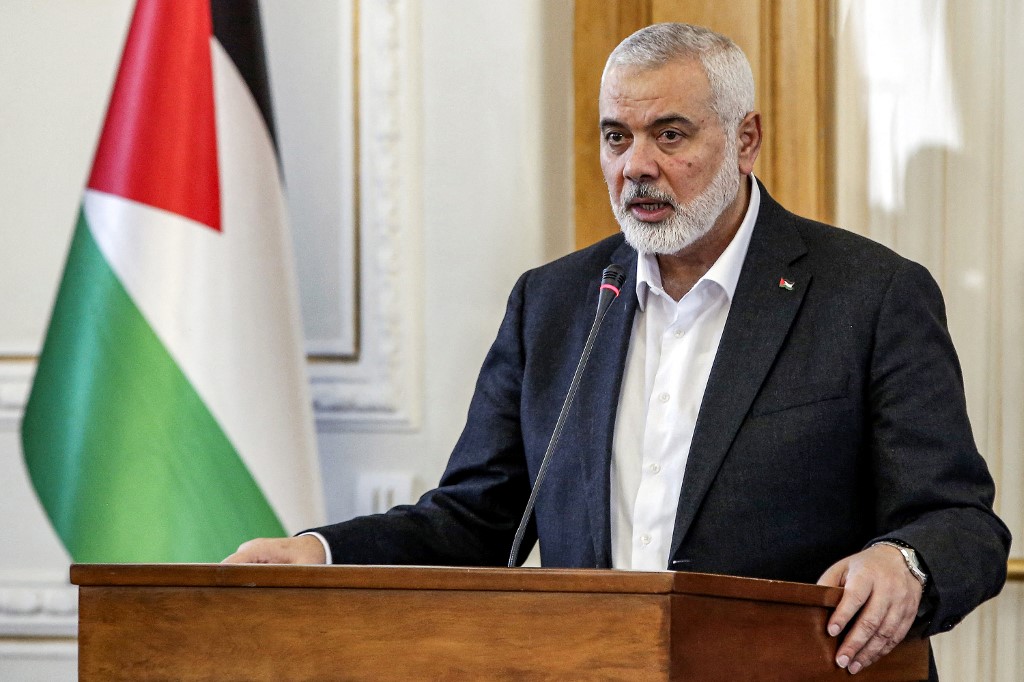
    The family of the late Hamas leader Ismail Haniyeh has refuted claims that some of their relatives were permitted to exit the Gaza Strip following a request from Turkey. Abdul Salam Haniyeh, the eldest son of the deceased leader, categorically denied these reports in a statement to Middle East Eye, asserting that no arrangements or discussions regarding such a move had taken place. This rebuttal comes in response to earlier reports suggesting that Israel had allowed at least 66 Palestinians and Turkish citizens to leave Gaza earlier this month, facilitated by a bilateral agreement between Israel and Turkey. While some of those who departed reportedly shared the Haniyeh surname, Abdul Salam clarified that none were directly related to his father. He dismissed the news as false and aimed at sowing confusion. The reported deal followed a ceasefire agreement between Israel and Hamas in early October, brokered in part by Turkey. Turkey had maintained longstanding ties with Ismail Haniyeh, who led Hamas’s political bureau until his assassination by Israel in Tehran in July 2024. An Israeli decision to permit Haniyeh’s relatives to leave Gaza would be unexpected, given the Israeli military’s April 2024 airstrike that killed three of his sons and four grandchildren in Gaza. Additionally, Haniyeh’s sister, Sabah al-Salem Haniyeh, was arrested around the same time in Tel Sheva, a southern Israeli town. Middle East Eye, known for its independent coverage of the Middle East and North Africa, continues to provide in-depth analysis of the region’s complex geopolitical landscape.

  • Military and police patrol streets of Peru’s capital as state of emergency begins

    Military and police patrol streets of Peru’s capital as state of emergency begins

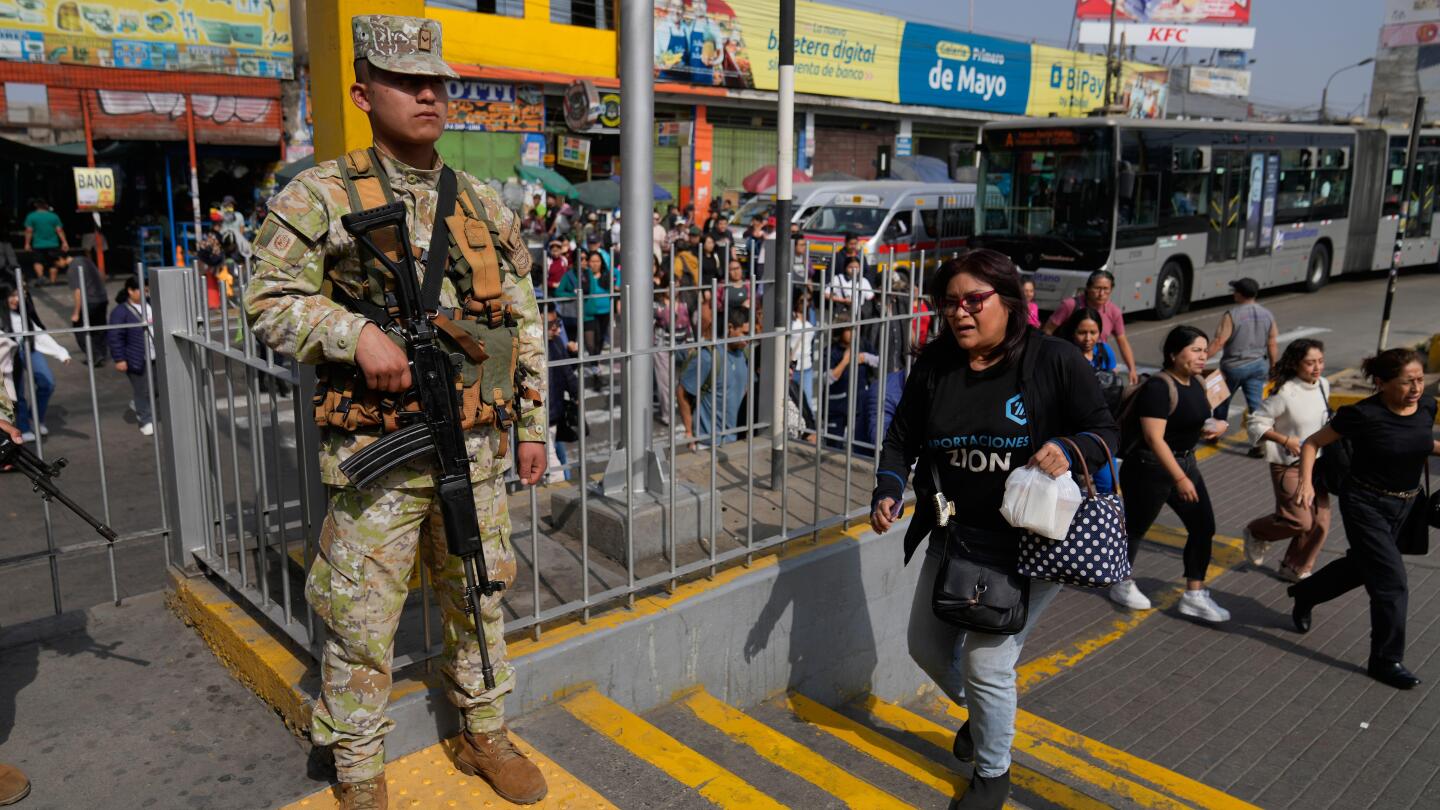
    LIMA, Peru — In a bold move to combat escalating crime, Peru’s newly inaugurated President José Jerí declared a state of emergency, effective Wednesday. The decree, which suspends several constitutional rights including freedom of assembly and protest, also imposes restrictions on everyday activities such as motorcycle travel and prison visits. Additionally, it permits power cuts in prison cells, except for essential lighting. This decision comes in the wake of violent protests demanding Jerí’s resignation, which resulted in one fatality and severe injuries to another civilian. Jerí assumed office on October 10 after lawmakers ousted his predecessor, Dina Boluarte, citing her failure to address the country’s crime surge. However, many Peruvians remain skeptical of the measure, recalling the ineffectiveness of similar emergency declarations under Boluarte’s administration. Manuel Timoteo, a resident of northern Lima, expressed his doubts, stating, “The soldiers go out for a few days, stand with their rifles on a corner, leave and everything remains the same.” Crime statistics reveal a troubling trend, with homicides increasing from 676 cases in 2017 to 2,082 in 2024, and extortion complaints skyrocketing from 2,305 in 2020 to 21,746 last year. Most victims are from the working class, highlighting the pervasive impact of crime on everyday life in Peru.