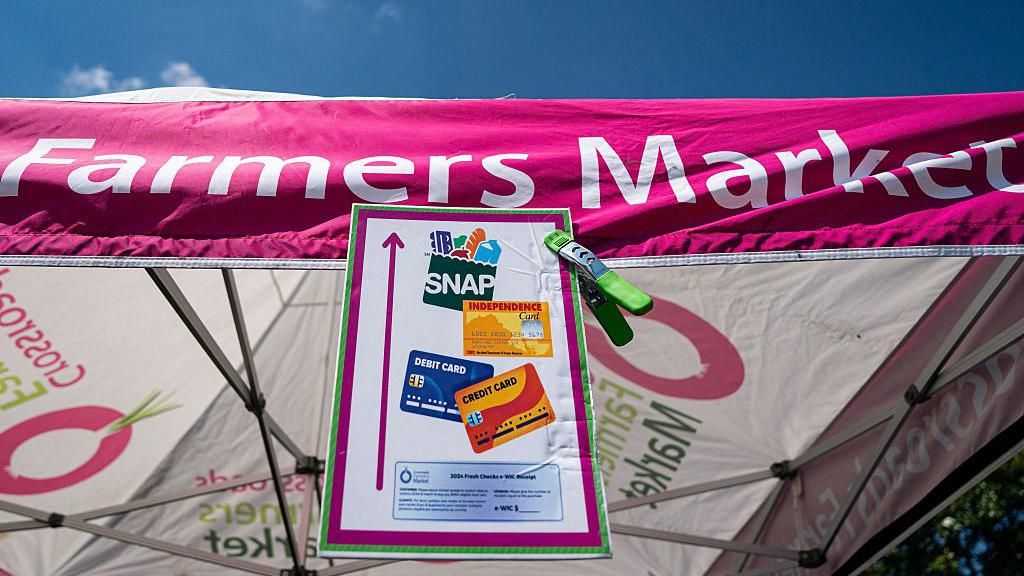
As the US government shutdown persists, millions of Americans reliant on the Supplemental Nutrition Assistance Program (SNAP) face uncertainty over their food benefits. The US Department of Agriculture (USDA) warned states on October 10 that prolonged shutdown could lead to ‘insufficient funds’ to pay full SNAP benefits by November. This has triggered widespread concern among low-income families who depend on the program for their monthly groceries. SNAP, which supports approximately 40 million Americans, provides an average of $6 per person daily, making it a lifeline for many households. Hilary Seligman, a professor at the University of California, San Francisco, emphasized the program’s critical role in preventing families from choosing between rent and food. The shutdown has disrupted federal funding to states, delaying SNAP card reloads and processing. While a $5 billion contingency fund exists, it would only cover 60% of November’s benefits, according to the Center on Budget and Policy Priorities. Political blame has intensified, with Republicans and Democrats accusing each other of causing the crisis. States like Pennsylvania have already issued warnings about potential benefit delays, further heightening anxieties among vulnerable populations.
分类: politics
-
Prince Andrew urged to testify to Congress over Epstein
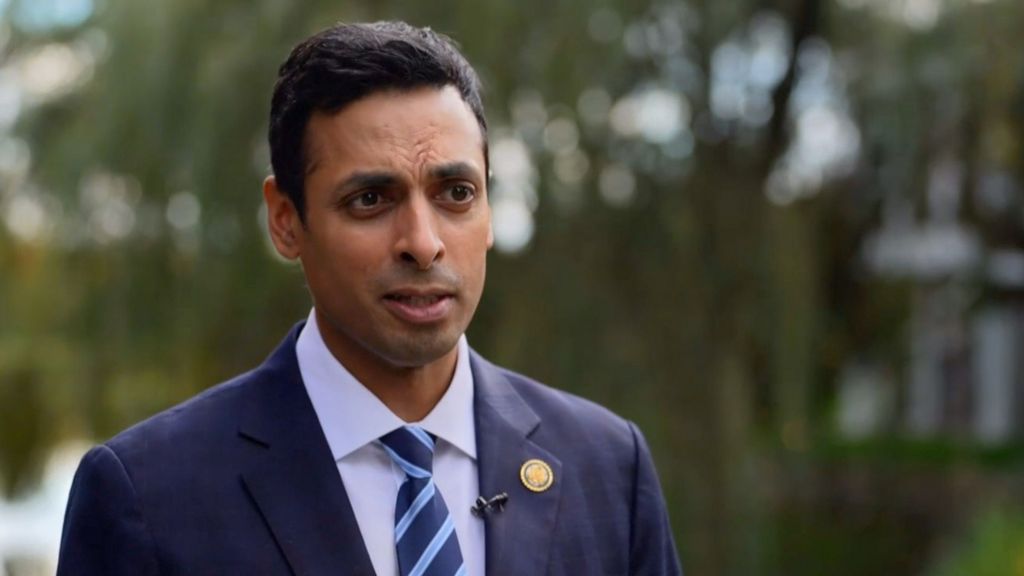
A prominent Democratic representative from the House Oversight Committee has publicly urged Prince Andrew to appear before Congress to clarify his association with Jeffrey Epstein, the deceased financier convicted of sex trafficking. The lawmaker emphasized the necessity for the prince to provide a detailed account of his interactions with Epstein, whose crimes have sparked widespread scrutiny of his high-profile connections. This development underscores the growing pressure on Prince Andrew to address lingering questions about his involvement with Epstein, particularly as investigations into the latter’s network continue. The call for testimony highlights the broader implications of accountability for public figures linked to Epstein’s illicit activities.
-
Trump says he will decide whether Marwan Barghouti should be freed and will visit Gaza soon
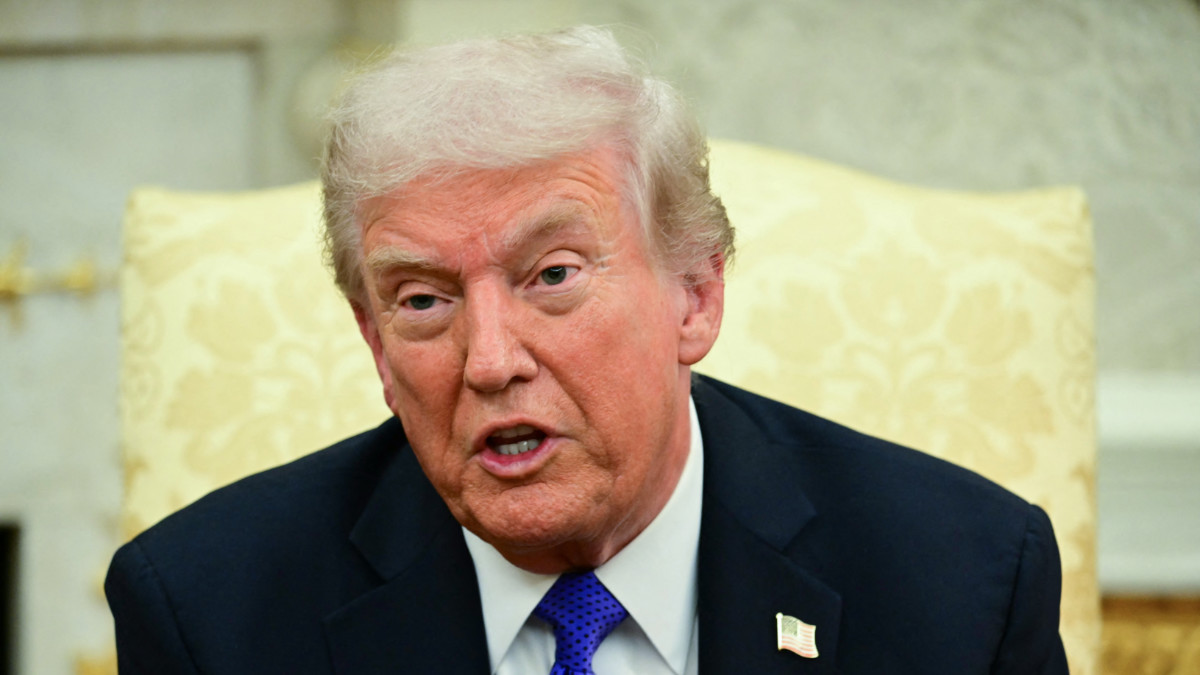
In a recent interview with TIME Magazine, U.S. President Donald Trump revealed he is considering whether to pressure Israel to release Marwan Barghouti, a prominent Palestinian political leader imprisoned since 2002. Trump also announced plans to visit the Gaza Strip, marking a historic first for a sitting U.S. president. These statements come as Trump continues to tout his role in brokering a fragile ceasefire in Gaza, despite ongoing violations and unresolved issues. The ceasefire, part of Trump’s 20-point plan for Gaza, has been challenged by Israel’s refusal to open the Rafah border crossing and continued air strikes, as well as Hamas’s failure to disarm. Trump emphasized his pivotal role in halting the conflict, attributing the success to his willingness to take decisive actions, including a joint U.S.-Israel strike on Iran’s nuclear facilities in June. He also criticized Israeli Prime Minister Benjamin Netanyahu, portraying him as the primary obstacle to peace. Meanwhile, Trump’s administration has dispatched key aides, including Jared Kushner and Vice President JD Vance, to stabilize the ceasefire. Vance publicly condemned Israel’s recent moves to annex the West Bank, aligning with Trump’s pledge to prevent such actions. Trump also expressed skepticism about the Palestinian Authority’s ability to lead post-war Gaza, hinting at the need for a unifying figure like Barghouti. While Trump remains optimistic about expanding the Abraham Accords to include Saudi Arabia, Riyadh has set conditions, including irreversible steps toward a Palestinian state. Trump anticipates Saudi Arabia’s participation by 2025, envisioning a peaceful Middle East free from threats.
-
Saudi Arabia sees role in Gaza as sidelining Hamas and funding PA, document reveals
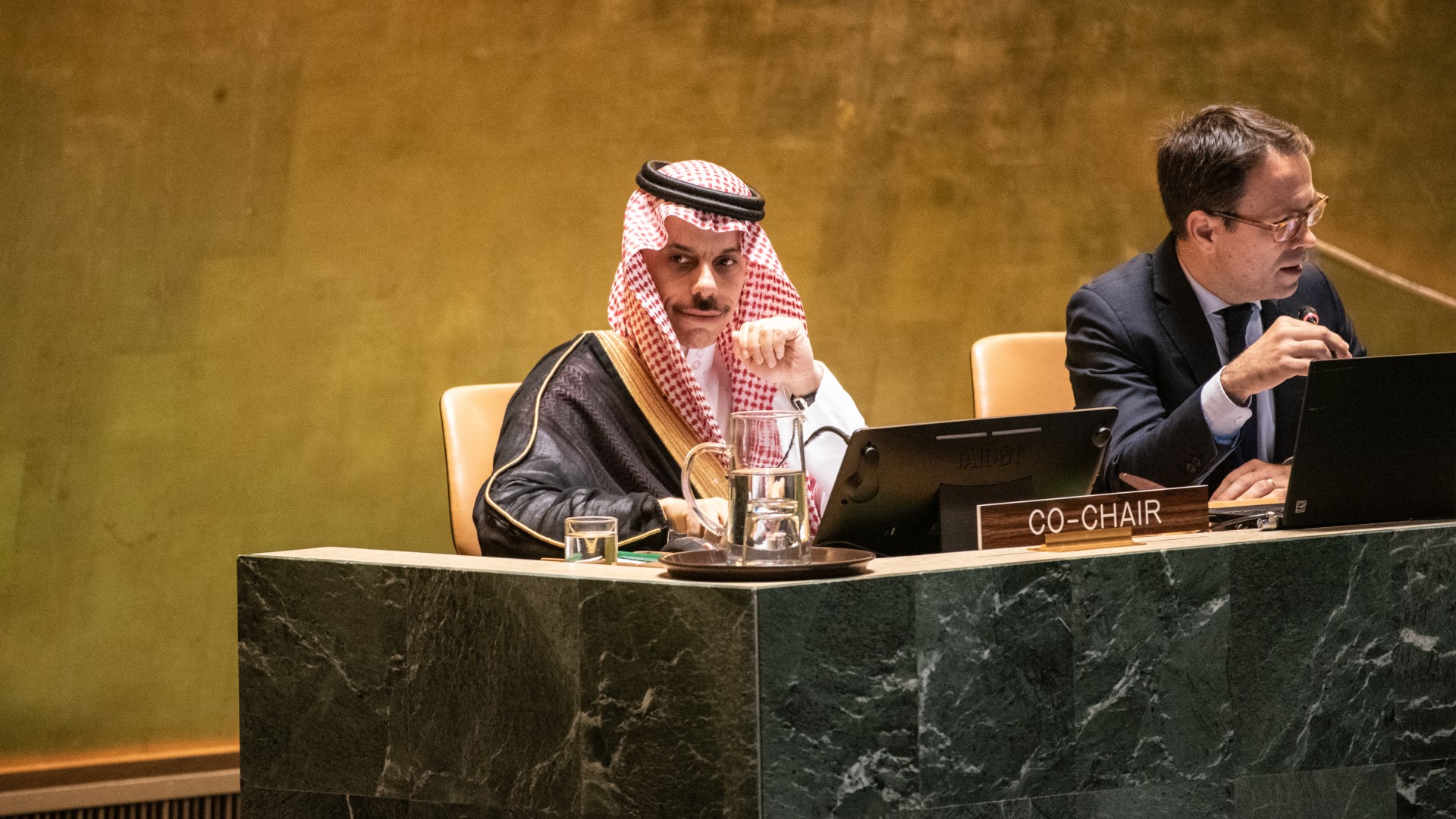
Saudi Arabia has unveiled an ambitious strategy to play a pivotal role in stabilizing post-war Gaza, as detailed in an internal foreign ministry report obtained by Middle East Eye. The kingdom’s plan focuses on disarming and marginalizing Hamas while bolstering the Palestinian Authority (PA) through financial and logistical support. Central to this vision is the deployment of an international peacekeeping mission in Gaza, with Saudi Arabia and other Arab and Muslim-majority nations expected to contribute significantly. The report emphasizes the kingdom’s commitment to fostering stability in the Palestinian territories by reforming the PA to align with Palestinian aspirations for an independent, sovereign state based on the 1967 borders, with Jerusalem as its capital. Saudi Arabia criticizes Hamas for obstructing peace efforts and deepening divisions, advocating for its sidelining through progressive disarmament and international agreements. The kingdom also aims to enhance the PA’s governance by combating corruption, improving efficiency, and ensuring broader representation of Palestinian factions. Financial and technical support will be provided to help the PA deliver essential services, though specific funding details remain undisclosed. The plan includes organizing regional workshops and conferences to facilitate Palestinian national dialogue and integrate factions under the PA’s umbrella. Notably, the document does not mention Israel or specify whether Hamas will be included in these efforts. The report, dated September 29, aligns with Saudi Foreign Minister Prince Faisal bin Farhan’s call at the UN General Assembly for immediate international action to halt the conflict in Gaza. Earlier efforts by Saudi Arabia and France to broker a settlement included proposals for an international security force and Israeli-Palestinian dialogue. While the U.S.-brokered ceasefire in October incorporated some elements of this plan, Saudi Arabia and the UAE expressed dissatisfaction with their limited roles. As the region’s wealthiest states, they are expected to fund much of Gaza’s humanitarian relief and reconstruction. Meanwhile, U.S. efforts to normalize Saudi-Israeli relations face resistance, with Israeli Finance Minister Bezalel Smotrich rejecting any deal contingent on the establishment of a Palestinian state.
-
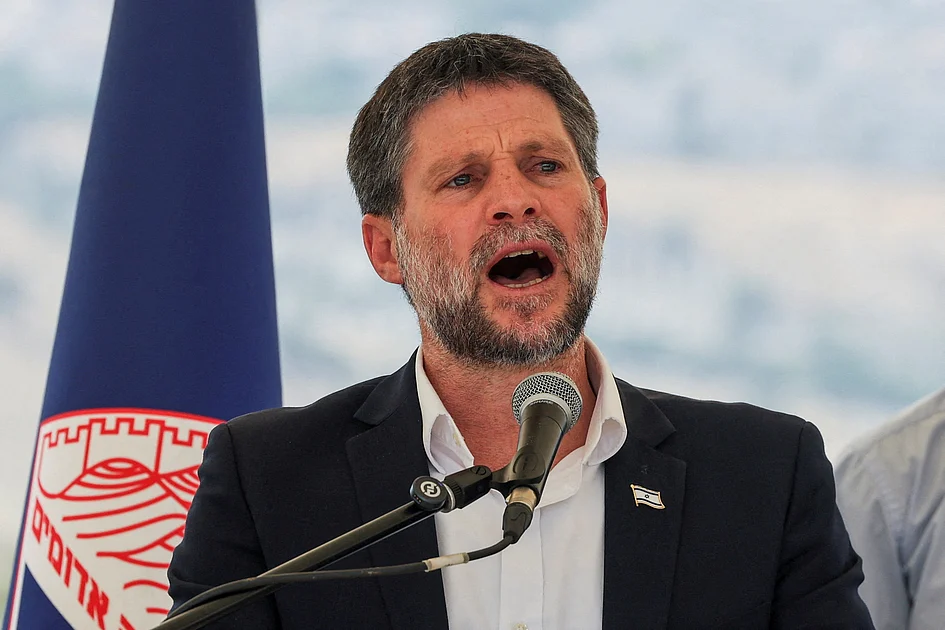
Israeli minister regrets ‘unfortunate’ remarks about Saudi Arabia
Israeli Finance Minister Bezalel Smotrich has expressed regret over his controversial comments about Saudi Arabia, describing them as ‘unfortunate.’ In a video statement posted on X, Smotrich acknowledged the potential offense caused by his earlier remarks, in which he suggested that Saudi Arabia could ‘keep riding camels’ if it demanded an independent Palestinian state as a condition for normalizing relations with Israel. However, he also emphasized that he expects Saudi Arabia to refrain from offending Israel in return. Smotrich, a staunch advocate for annexing the occupied West Bank, reiterated his belief in Israel’s deep historical connection to the region, referring to it by its biblical names, Judea and Samaria. His comments sparked widespread criticism within Israel, with opposition leader Yair Lapid condemning the remarks and asserting that Smotrich does not represent the state. Former defense minister Benny Gantz also criticized Smotrich, accusing him of ignorance and a failure to understand his responsibilities as a senior government official. Saudi Arabia’s normalization talks with Israel, which were frozen following Hamas’s October 2023 attack and the subsequent Gaza war, remain a contentious issue in the region. The UAE, Bahrain, and Morocco normalized relations with Israel in 2020 under the US-brokered Abraham Accords, but Saudi Arabia has yet to follow suit.
-
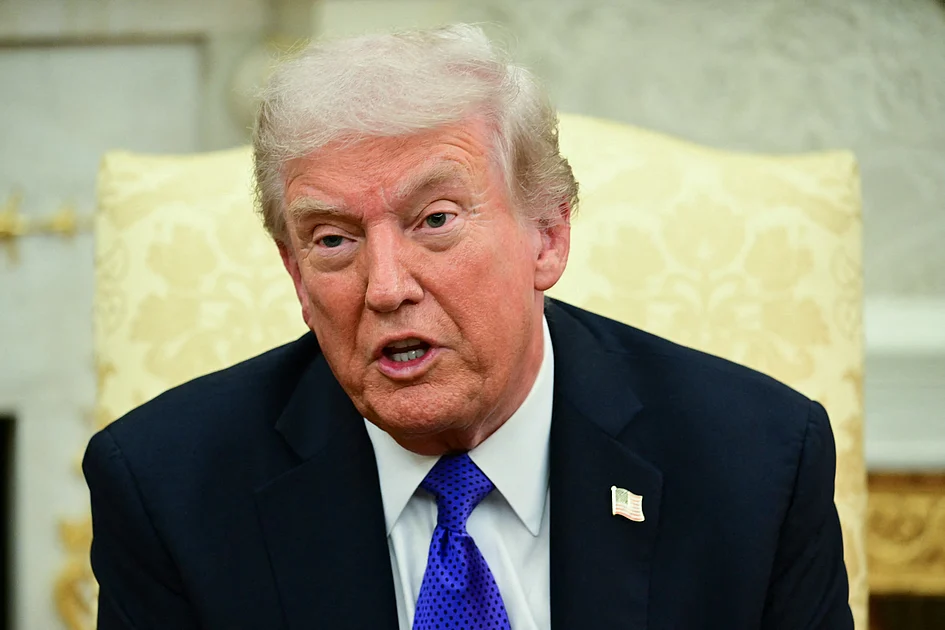
Trump says would pull US support if Israel annexes West Bank
In a recent interview with Time magazine, former U.S. President Donald Trump issued a stark warning to Israel, stating that the United States would withdraw its crucial support if Israel proceeds with the annexation of the occupied West Bank. Trump emphasized that such a move would violate his commitments to Arab nations, which have been pivotal in fostering regional stability. ‘It won’t happen. It won’t happen because I gave my word to the Arab countries. And you can’t do that now. We’ve had great Arab support,’ Trump asserted. He further stressed, ‘Israel would lose all of its support from the United States if that happened.’
Trump also expressed optimism about Saudi Arabia joining the Abraham Accords, a series of agreements normalizing relations between Israel and Arab states, by the end of the year. ‘Yes, I do. I do,’ he replied when questioned about Riyadh’s potential involvement. He highlighted the resolution of Israel’s conflicts in Gaza and Iran’s nuclear program as key factors enabling this diplomatic progress.
Additionally, Trump revealed that he is considering whether Israel should release Marwan Barghouti, a prominent Palestinian prisoner from the Fatah movement, as part of broader peace efforts. Barghouti’s release has been a contentious issue in recent negotiations.
Meanwhile, U.S. Vice President JD Vance and Secretary of State Marco Rubio have both cautioned Israel against annexation, with Vance labeling it a ‘very stupid political stunt’ and Rubio warning that such actions could jeopardize the fragile Gaza ceasefire. Despite these warnings, Israeli lawmakers have advanced bills that could pave the way for annexation, raising concerns about the future of U.S.-Israel relations and regional stability.
-
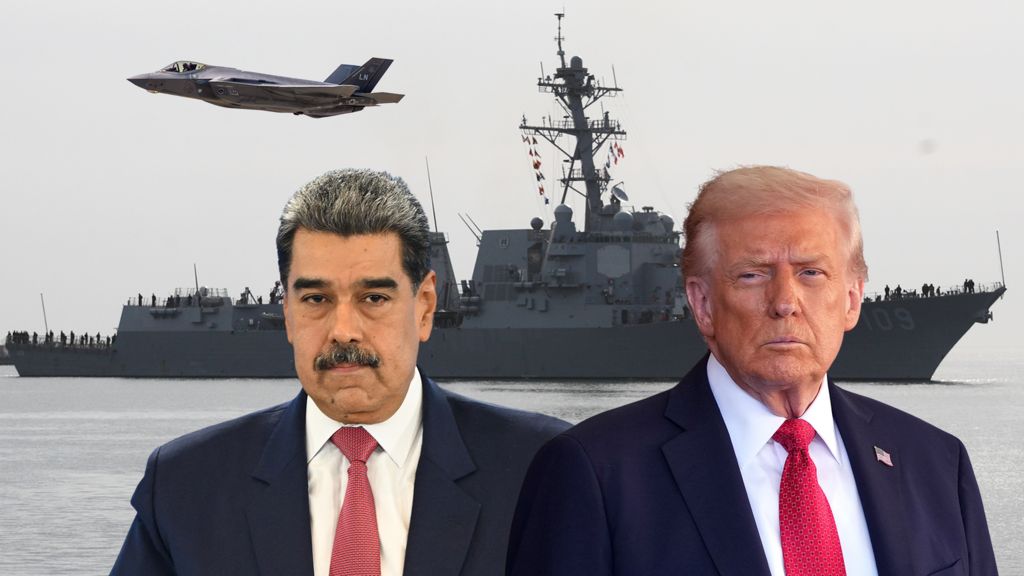
Warships, fighter jets and the CIA – what is Trump’s endgame in Venezuela?
The United States has significantly escalated its military presence in the Caribbean over the past two months, deploying warships, fighter jets, bombers, marines, drones, and spy planes in what is described as the largest military buildup in the region in decades. This deployment, which includes long-range B-52 bombers conducting ‘bomber attack demonstrations’ off Venezuela’s coast, has raised tensions and drawn widespread condemnation. The US claims its actions target ‘narcotics’ and ‘narco-terrorists’ on small Venezuelan vessels, though it has provided no evidence to support these allegations. Critics argue the operation is less about drug trafficking and more about intimidating Venezuelan President Nicolás Maduro and his inner circle, with the ultimate goal of regime change. Dr. Christopher Sabatini of Chatham House suggests the buildup is a strategic show of strength designed to ‘strike fear’ and prompt defections within Maduro’s ranks. The US has also authorized CIA operations in Venezuela, further fueling speculation about covert efforts to destabilize the government. Despite a $50 million bounty for Maduro’s arrest, no significant defections have occurred, with analysts noting that Venezuela’s elites are unlikely to be swayed by financial incentives alone. The US military’s presence, including guided missile destroyers and amphibious assault ships, has been closely monitored using satellite imagery and social media. While the Trump administration frames this as a war on drugs, experts question the legality and true intent of the strikes, pointing out that Venezuela is not a major cocaine producer. The situation remains volatile, with the US military buildup serving as both a deterrent and a potential prelude to more aggressive actions.
-
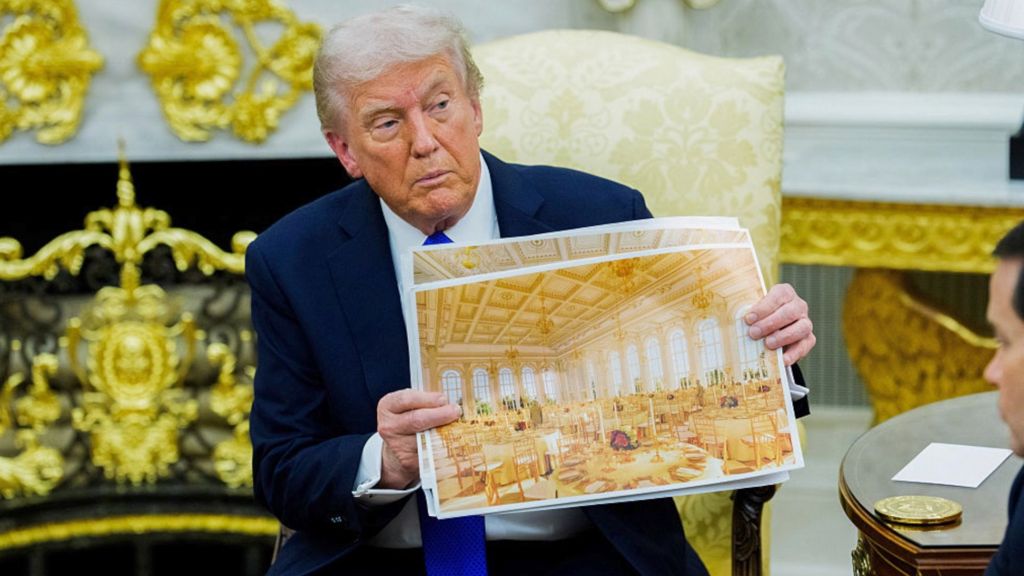
How Trump flip-flopped on the East Wing’s complete demolition
In a surprising turn of events, former President Donald Trump’s position on the demolition of the East Wing has undergone significant changes. Initially, the decision to dismantle the historic structure was met with controversy, as it aimed to pave the way for a lavish $250 million (£186 million) ballroom at the White House. Critics argued that the move disregarded the architectural heritage of the building, while supporters viewed it as a modernization effort. Trump’s fluctuating stance on the issue has sparked debates about the balance between preserving history and embracing progress. The demolition, now completed, marks a pivotal moment in the White House’s architectural evolution, raising questions about the long-term impact on its historical legacy and public perception.
-
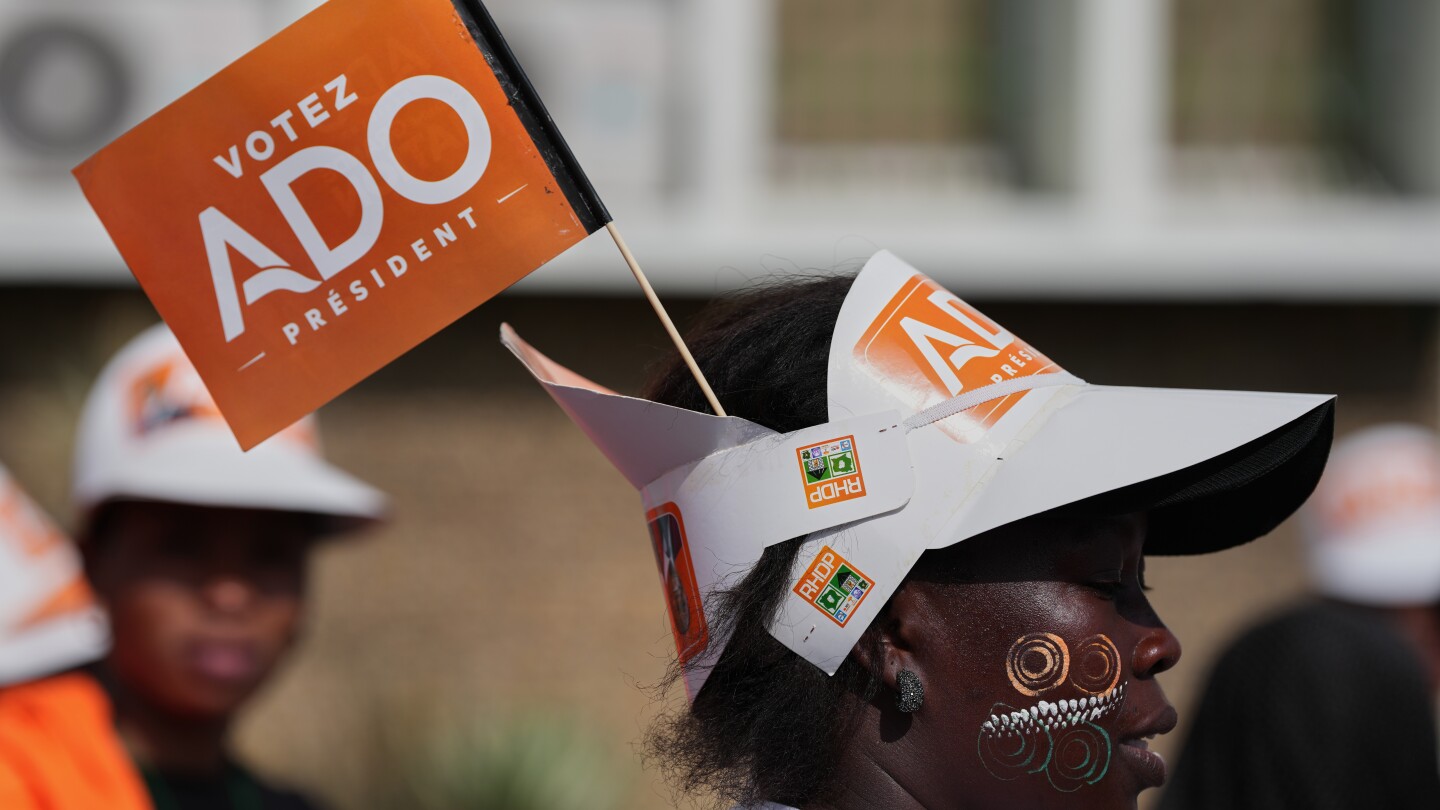
Ivory Coast candidates hold final rallies ahead of Saturday’s election
ABIDJAN, Ivory Coast — The campaign for Ivory Coast’s presidential election reached its climax on Thursday as candidates held their final rallies ahead of Saturday’s vote. The West African nation, home to 30 million people, is poised to decide whether incumbent President Alassane Ouattara will secure a fourth term, extending his leadership to nearly two decades. Ouattara, 83, is running under the banner of the ruling party, Rassemblement des Houphouetistes pour la Paix, with the slogan “For a Great Nation.” His campaign has been marked by confidence, as evidenced by his rally in Abidjan, where he addressed supporters overlooking the city’s new bridges, declaring, “The dogs are barking but the caravan has moved already.” The election has drawn 8.7 million registered voters, with four opposition parties challenging Ouattara, though analysts deem their chances slim. Key opposition figures, including former Credit Suisse CEO Tidjane Thiam and ex-President Laurent Gbagbo, were disqualified, sparking nationwide protests and hundreds of arrests. As the election approaches, Abidjan has slowed down, with shops closing in anticipation of potential violence, a recurring issue in Ivorian elections. Streets are adorned with Ouattara’s campaign posters, while those of his opponents are scarce, reflecting his strong position. “Ouattara will win in the first round,” said Ange Ouattara, a 25-year-old supporter, dismissing the opposition as inconsequential. The election’s outcome will shape the future of this cocoa-rich nation, with tensions high and the stakes even higher.
-
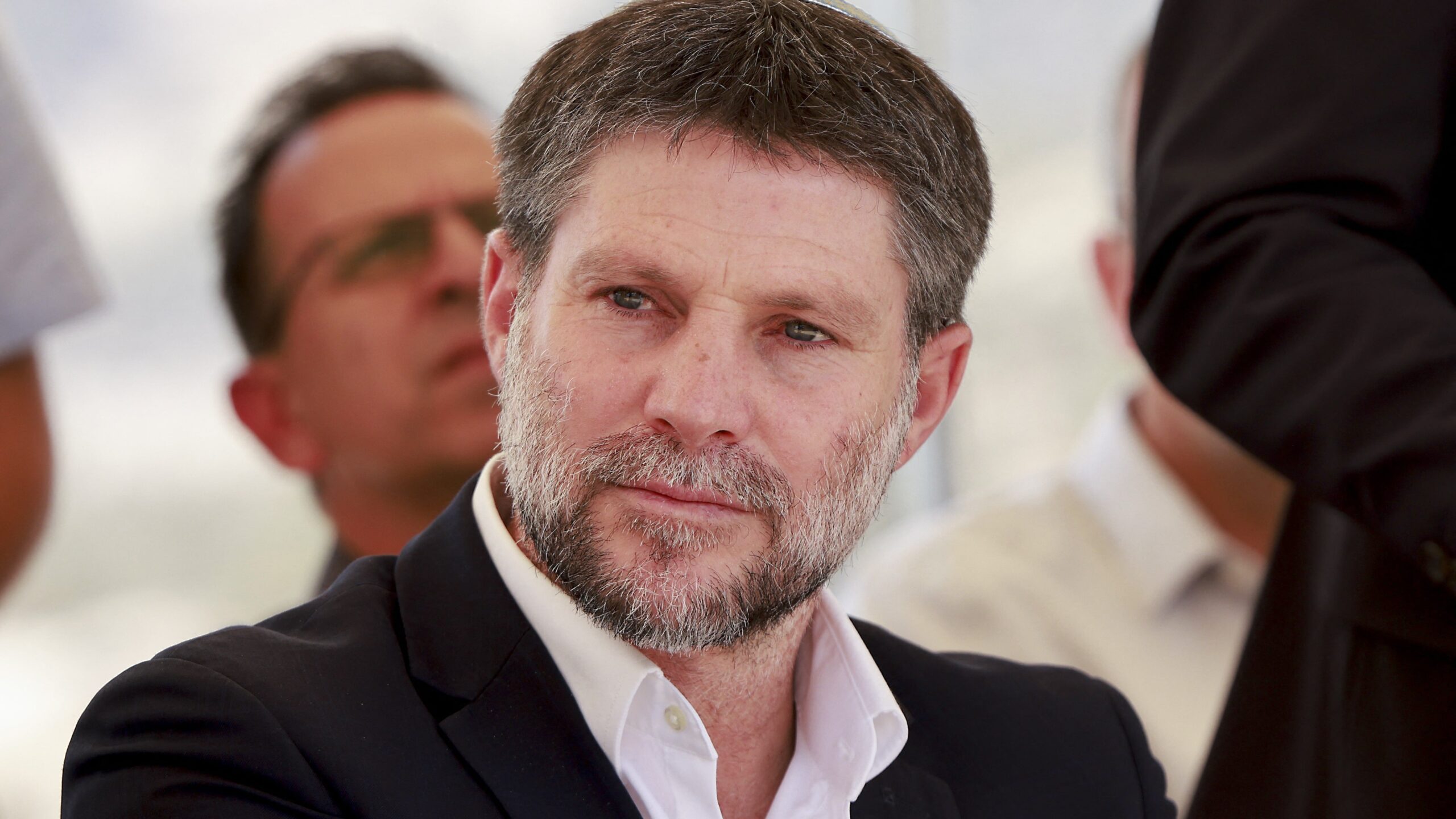
Israel’s Smotrich tells Saudi Arabia: ‘Keep riding your camels in the desert’
In a bold statement on Thursday, Israeli Finance Minister Bezalel Smotrich dismissed the possibility of normalizing relations with Saudi Arabia if it were contingent on the establishment of a Palestinian state. Speaking at a conference hosted by the Tzomet Institute, Smotrich declared, “If Saudi Arabia tells us that normalization is in exchange for a Palestinian state, then no thank you, my friends.” He further added, “Keep riding your camels in the Saudi desert. We’ll continue to develop our economy, society, and state with all the great things we know how to do.” This statement comes amid heightened tensions in the region, as Israel’s parliament passed a preliminary reading of a bill to annex the occupied West Bank. The move has drawn criticism from Prime Minister Benjamin Netanyahu’s Likud party, which labeled it as an attempt to embarrass the government during US Vice President JD Vance’s visit. The bill, introduced by Avi Maoz of the far-right Noam party, requires three additional Knesset votes to become law. Israel’s repeated threats to annex the West Bank have alarmed Gulf states, including Saudi Arabia and the United Arab Emirates, which view such actions as a “red line.” UAE’s assistant minister for political affairs, Lana Nusseibeh, warned that annexation would undermine the Abraham Accords and regional integration efforts. Saudi Arabia has also conveyed its concerns, with reports indicating that any annexation would have “major implications in all fields.” Despite US efforts to bring Saudi Arabia into the Abraham Accords, the kingdom has consistently maintained that normalization with Israel is contingent on the establishment of a Palestinian state. Last year, Saudi Crown Prince Mohammed bin Salman accused Israel of committing genocide in Gaza, further complicating diplomatic relations.